 Fish
Fish Fire
Fire Hike
Hike Bird
Bird

Field Notes
Learn how to get outside
Practical guides for getting outside: fishing, hiking, and birding, how to read land access and regulations, and staying safe around wildfire and smoke. More as Guidepole grows.
Latest field notes
Access & Law
Access & Law
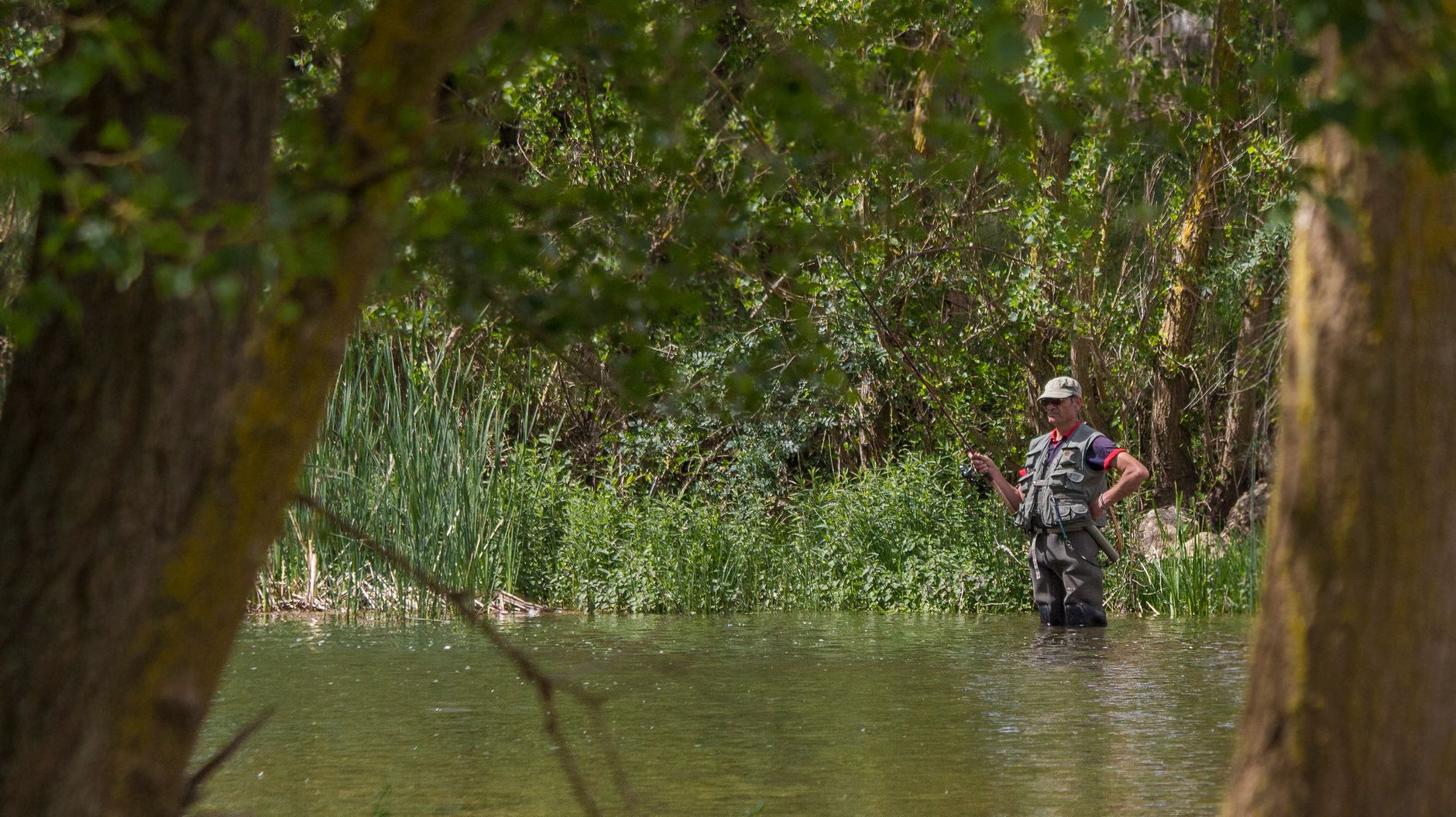
Float It or Wade It: The Stream Access Split That Changes at the State Line
In Montana you can wade a stream up to the high water mark through private ranchland. Drive south into Colorado and putting a foot on the bed of the same kind of stream can be trespass. This is the single largest legal difference in American fishing, and almost nobody explains it.
Access & Law
State Trust Lands: Millions of Public Acres That Are Not Quite Public
Scattered across the West are tens of millions of acres of state trust land, granted at statehood to fund schools. They show as public on most maps. They are managed to make money rather than to provide recreation, and the rules for using them differ in every single state.
Access & Law
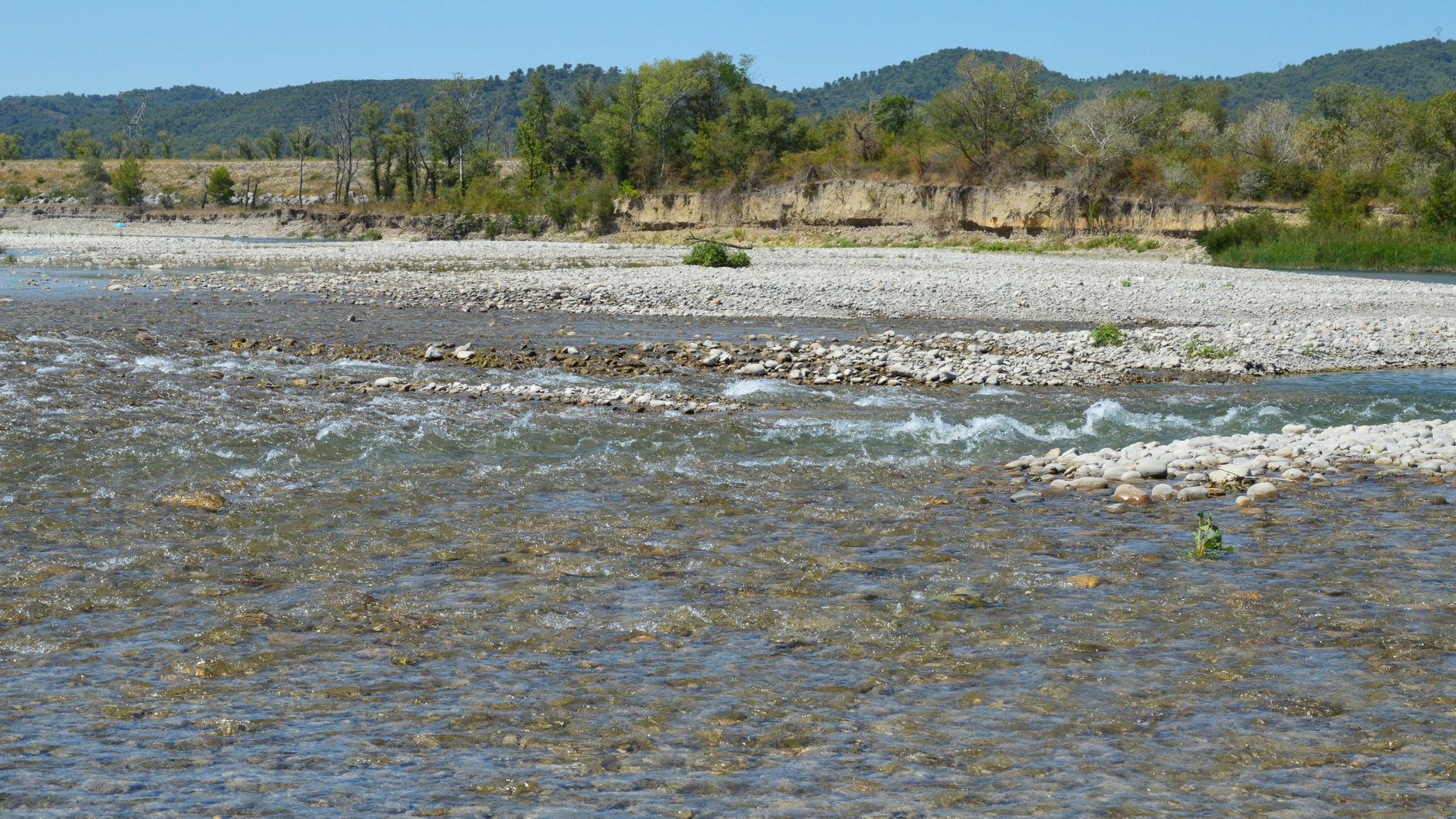
The Ordinary High Water Mark: The Public Boundary You Cannot See
On most navigable rivers in America, the public owns the bed and banks below a line called the ordinary high water mark. It is a physical feature rather than a survey line, it is not where the water is today, and learning to read it is the single most useful access skill an angler can have.
Access & Law
Corner Crossing Is Now Allowed in Six States. Here Is What That Means.
In October 2025 the Supreme Court declined to hear the Wyoming corner-crossing case, leaving a Tenth Circuit ruling in place and settling the question for six western states. Millions of acres of corner-locked public land became reachable. Here is what changed, and what did not.
Access & Law
The Bridge Is Public. The Riverbank Under It Might Not Be.
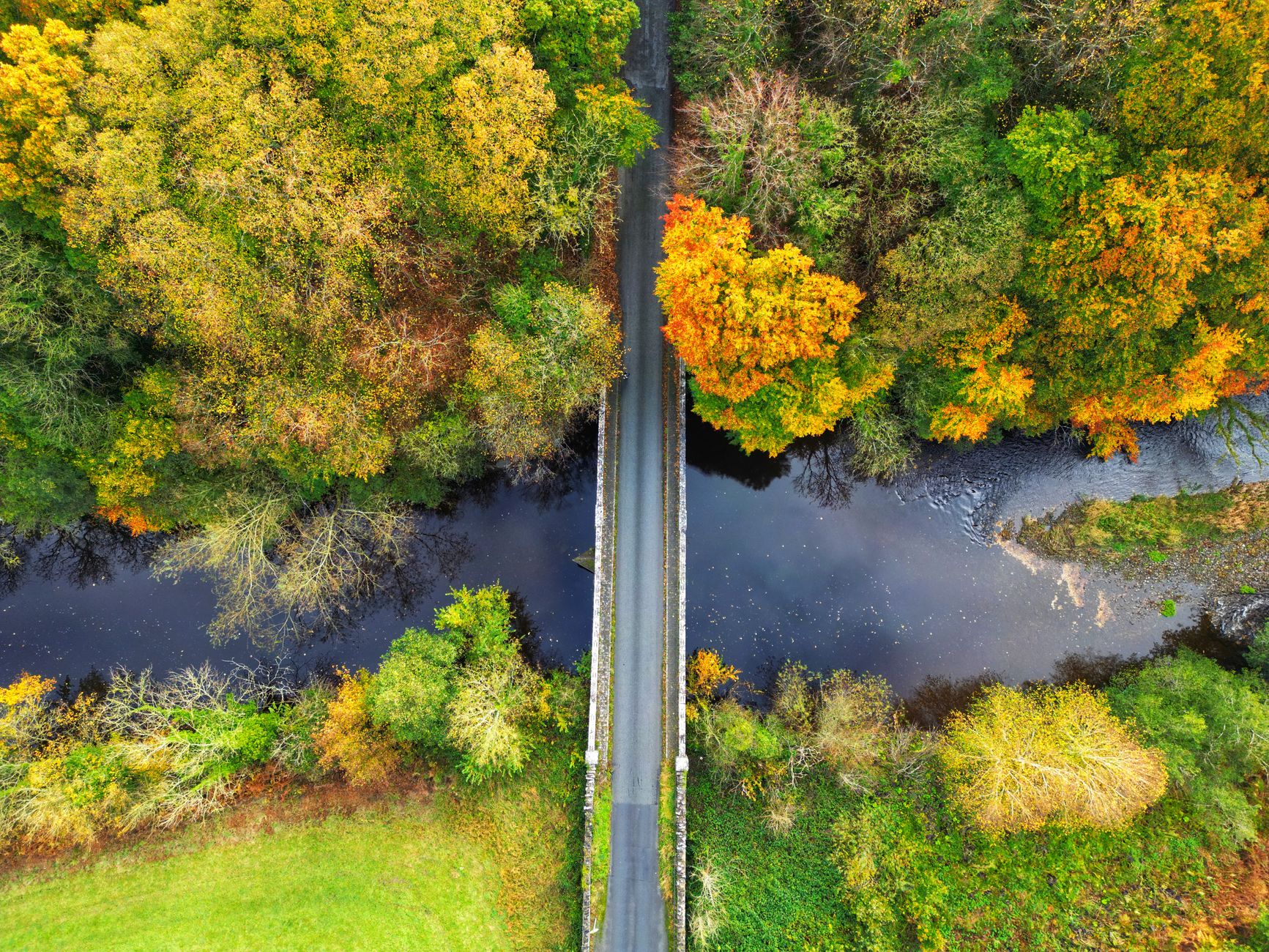
A public road crosses a river. There is a pull-off, a worn path down the bank, and no sign. Whether you may walk down it depends on the width of the right of way, what the easement was granted for, and in a few states, a specific statute. Here is how to work it out.
Access & Law
Fishing Access Laws by State: Where the Public Can Fish
The same river can be wide-open public in one state and off-limits in the next. Here's what actually decides it, and where each Western state draws the line.
Wildfire Basics
Wildfire Basics
Red Flag Warning: What It Means and What It Does Not
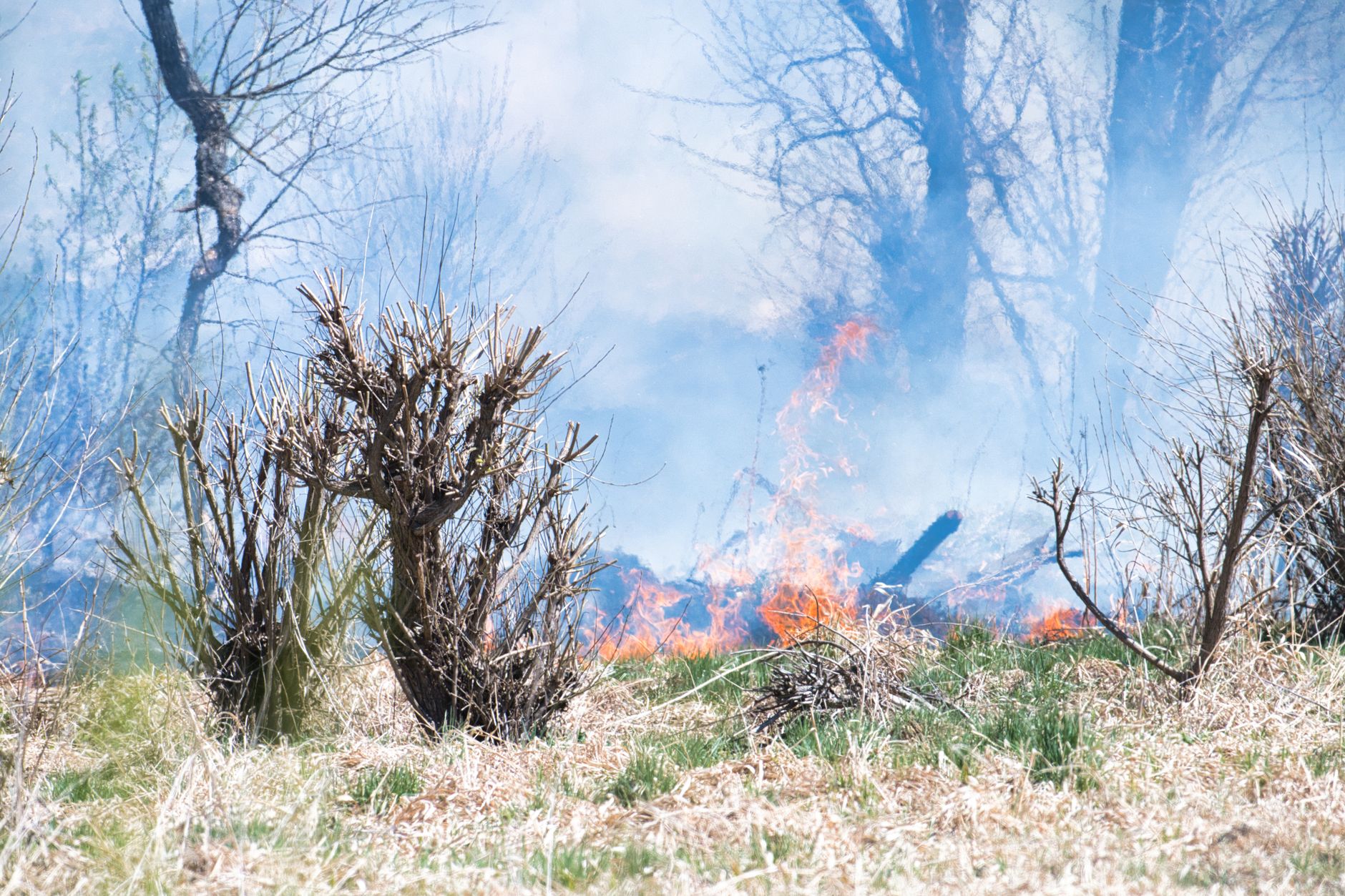
A Red Flag Warning is a National Weather Service product about weather, not about fire. It does not mean a fire is burning. It means that if one starts, conditions favor it spreading fast, and it usually arrives alongside a set of restrictions and, increasingly, a power shutoff.
Wildfire Basics
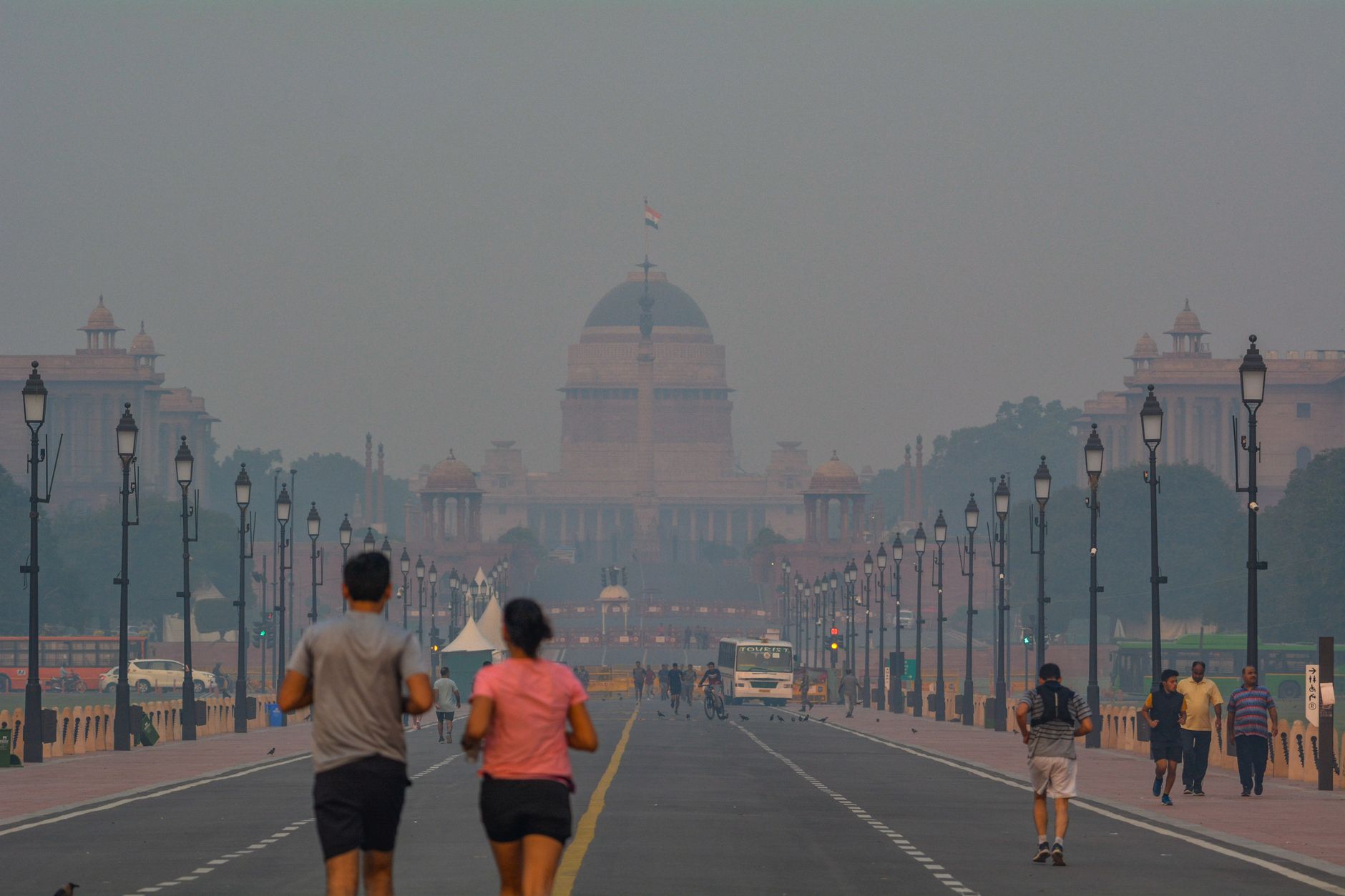
N95s and Wildfire Smoke: The Fit Matters More Than the Filter
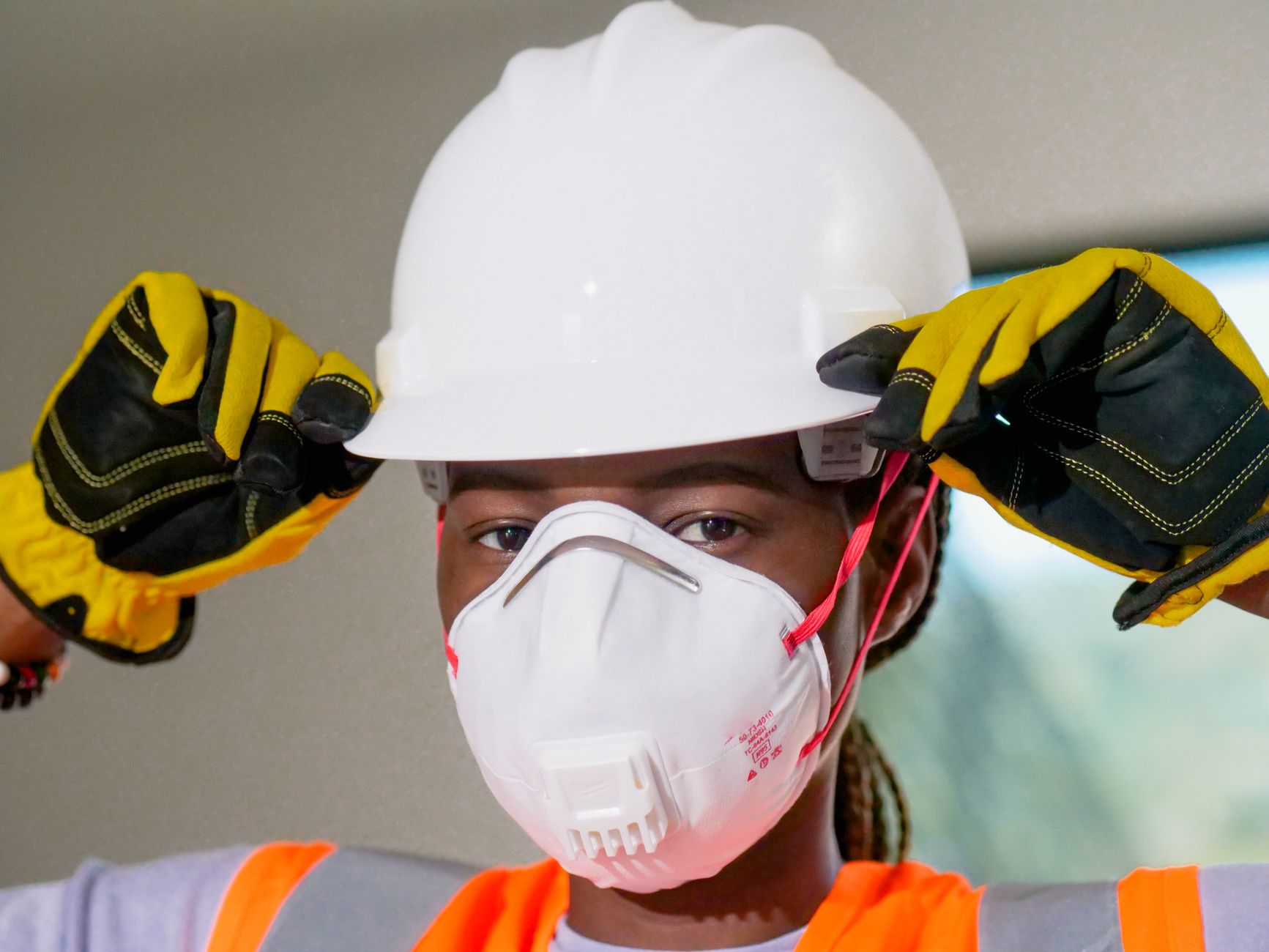
A properly fitted N95 filters the fine particles in wildfire smoke very effectively. A cloth mask does essentially nothing, a surgical mask does very little, and an N95 worn loosely does considerably less than the label suggests. Here is what works, what does not, and why.
Wildfire Basics
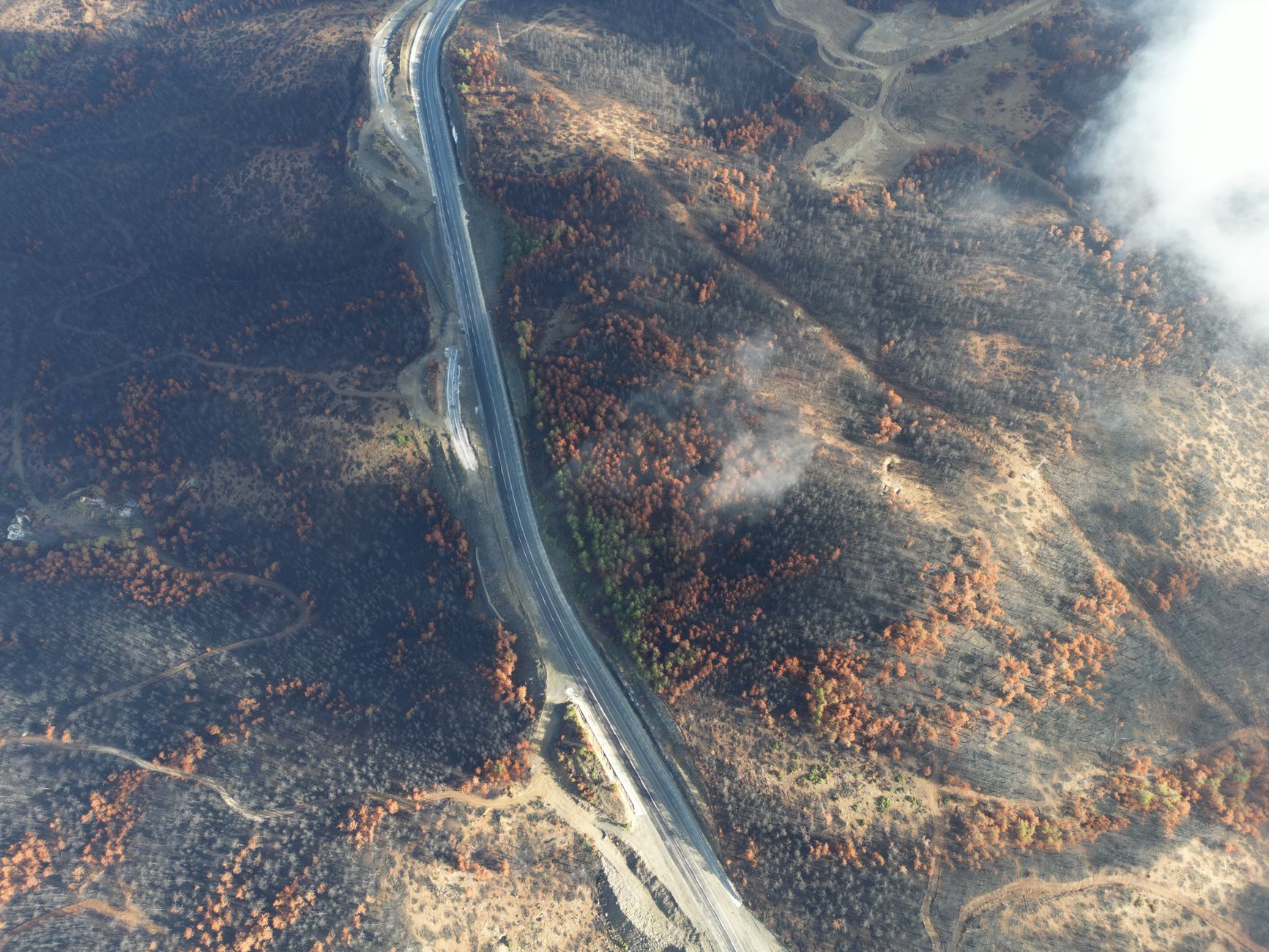
Exercising in Wildfire Smoke: The Number That Should Change Your Plan
Exercise multiplies how much air you move through your lungs, sends it deeper, and bypasses the filtering your nose would otherwise do. That turns a moderate smoke day into a meaningful exposure. Here is how to read the AQI for activity, and where the real thresholds sit.
Wildfire Basics
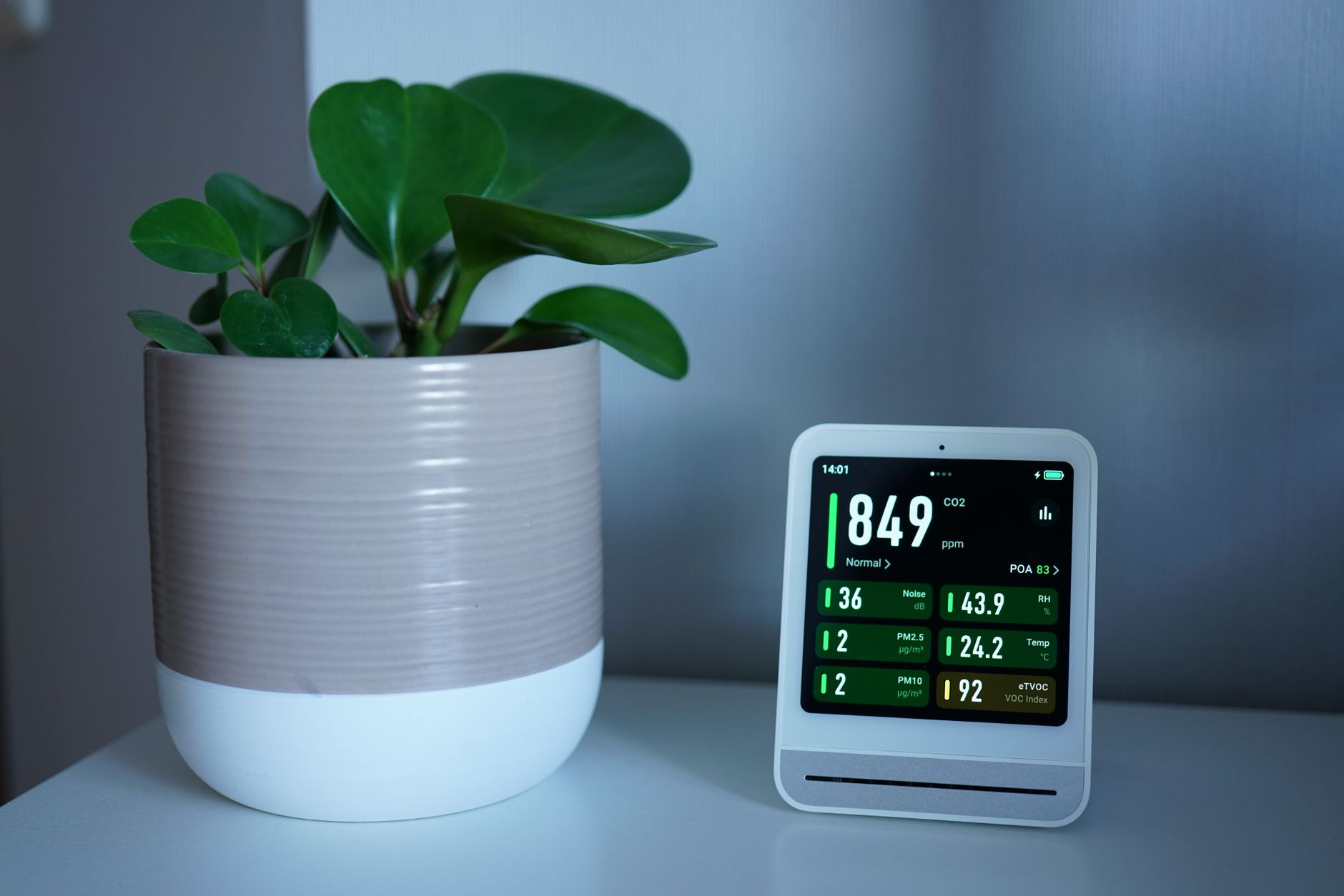
Level 1, Level 2, Level 3: What Wildfire Evacuation Notices Actually Mean
Two different evacuation systems are in use across the western United States, they use different words for the same thing, and in an emergency people frequently do not know which one their county uses. Here is what each level means and what you should already have done by the time you hear it.
Wildfire Basics
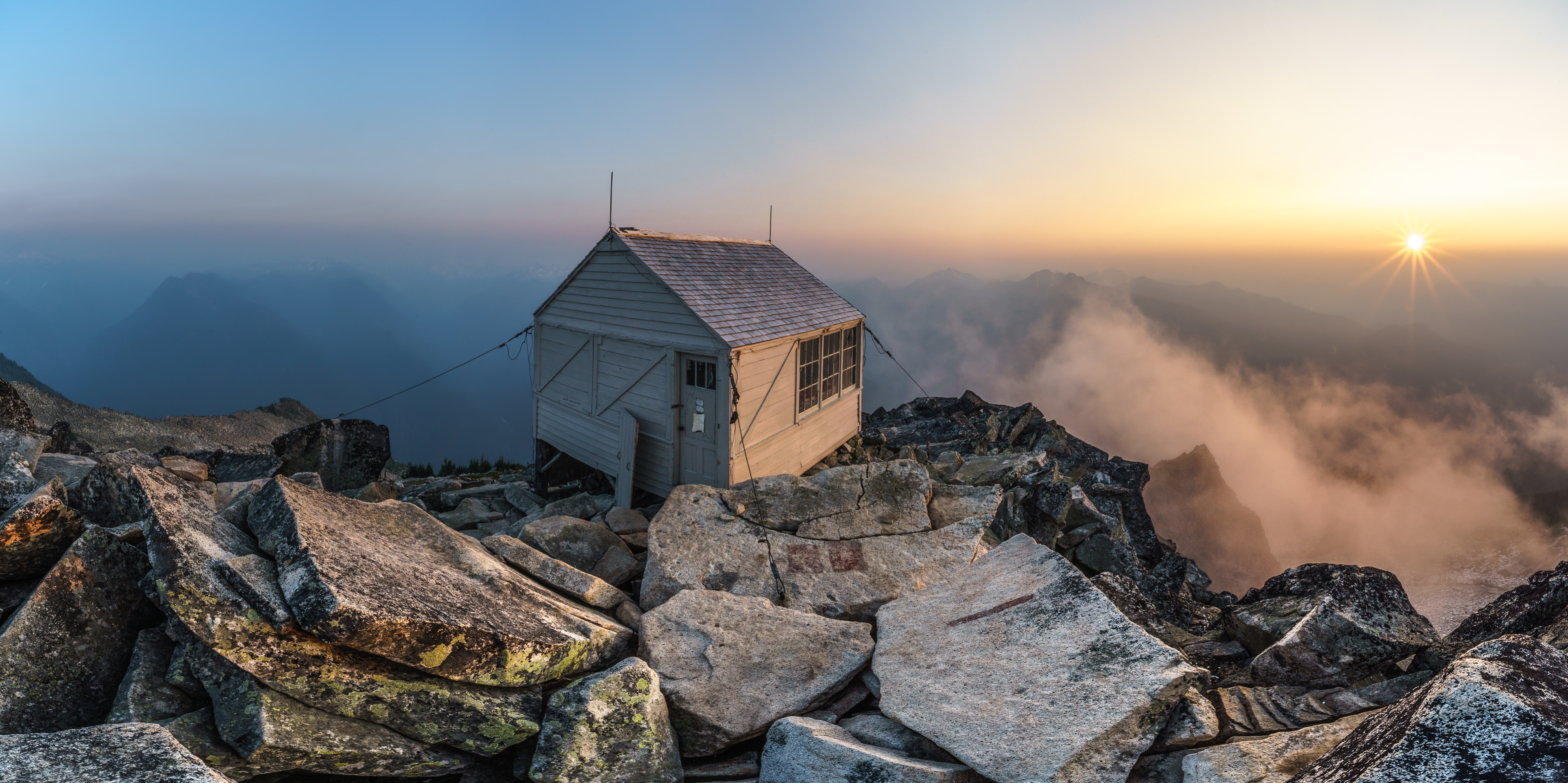
Building a Clean Air Room: The Cheapest Thing That Actually Works
When smoke settles over a region for a week, the most protective thing available to most people is one room in the house with genuinely clean air. It costs less than a hundred dollars to build, it works, and almost nobody does it before they need it.
Wildfire Basics
When Will the Smoke Clear? How Smoke Forecasts Work
The honest answer is "it depends on the wind", but you can see it coming. Here's how.
How to Fish
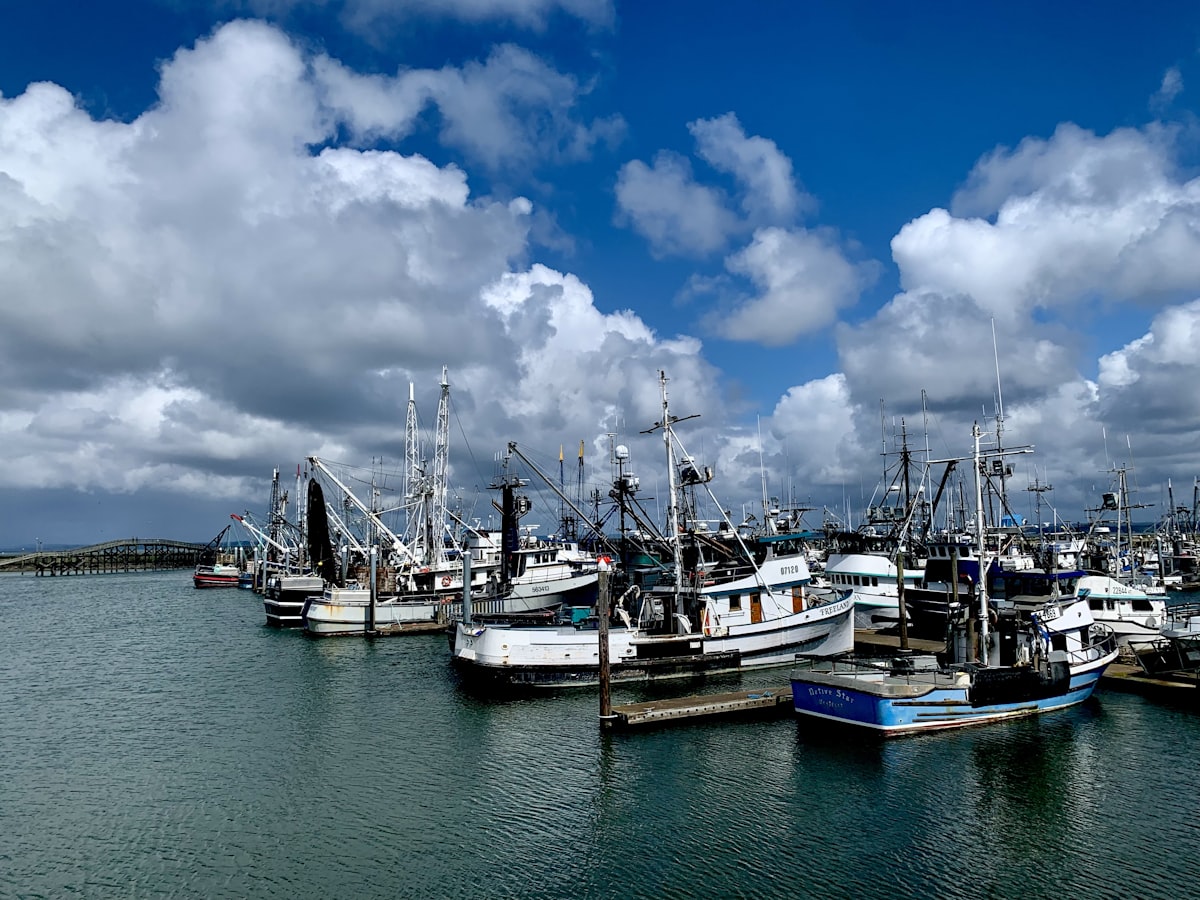
Westport, WA
How to Fish Westport, Washington: Salmon, Tuna, and the Charter Fleet
Everything a first-timer needs to fish Westport, how to catch ocean salmon, albacore tuna, halibut, and lingcod with the charter fleet, plus jetty and surf fishing, Dungeness crab, and razor clams from shore.
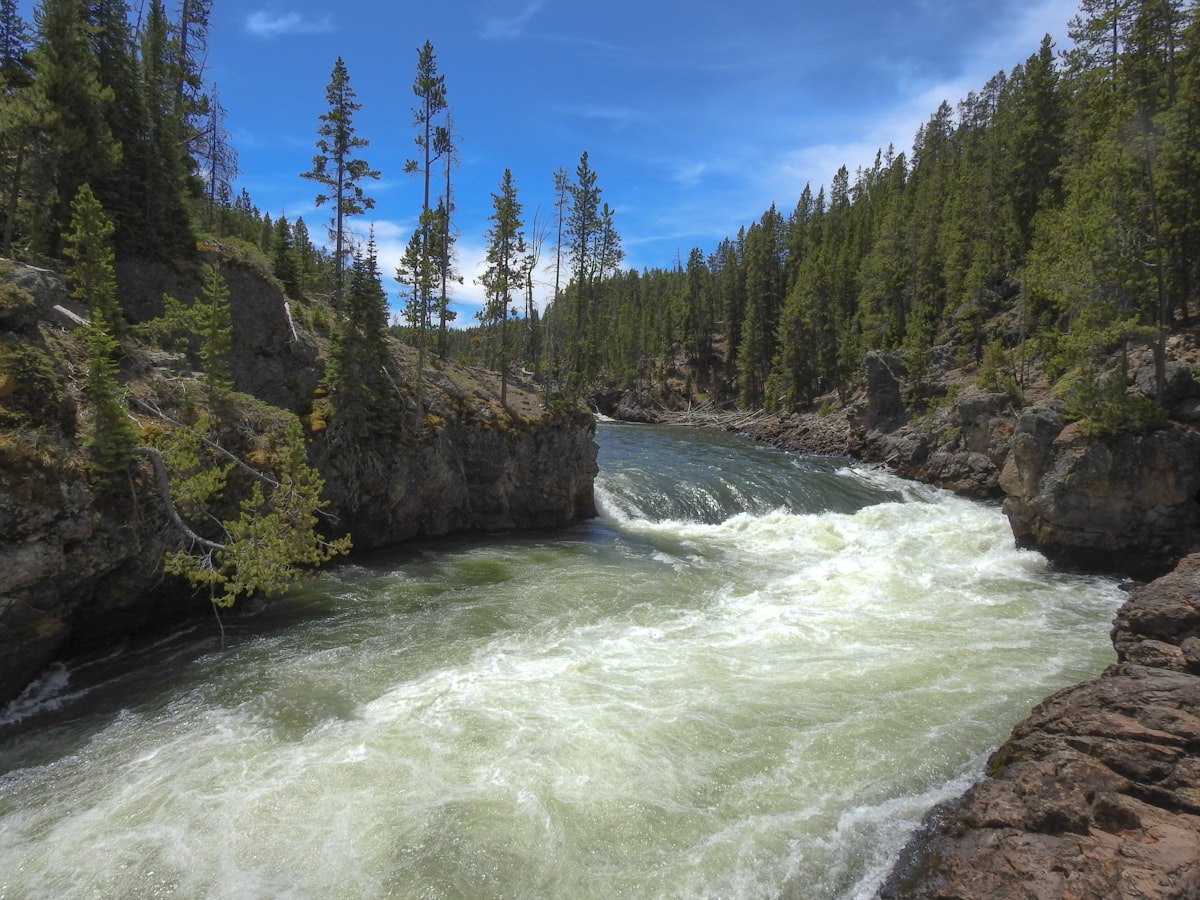
West Yellowstone, MT
How to Fish West Yellowstone, Montana: The Madison System and the Park
Everything a beginner needs to fly fish West Yellowstone, the two licenses you need, the legendary waters (Firehole, Gibbon, Madison, Hebgen Lake), the hatches that time your trip, and how to catch wild trout at the gate of Yellowstone.
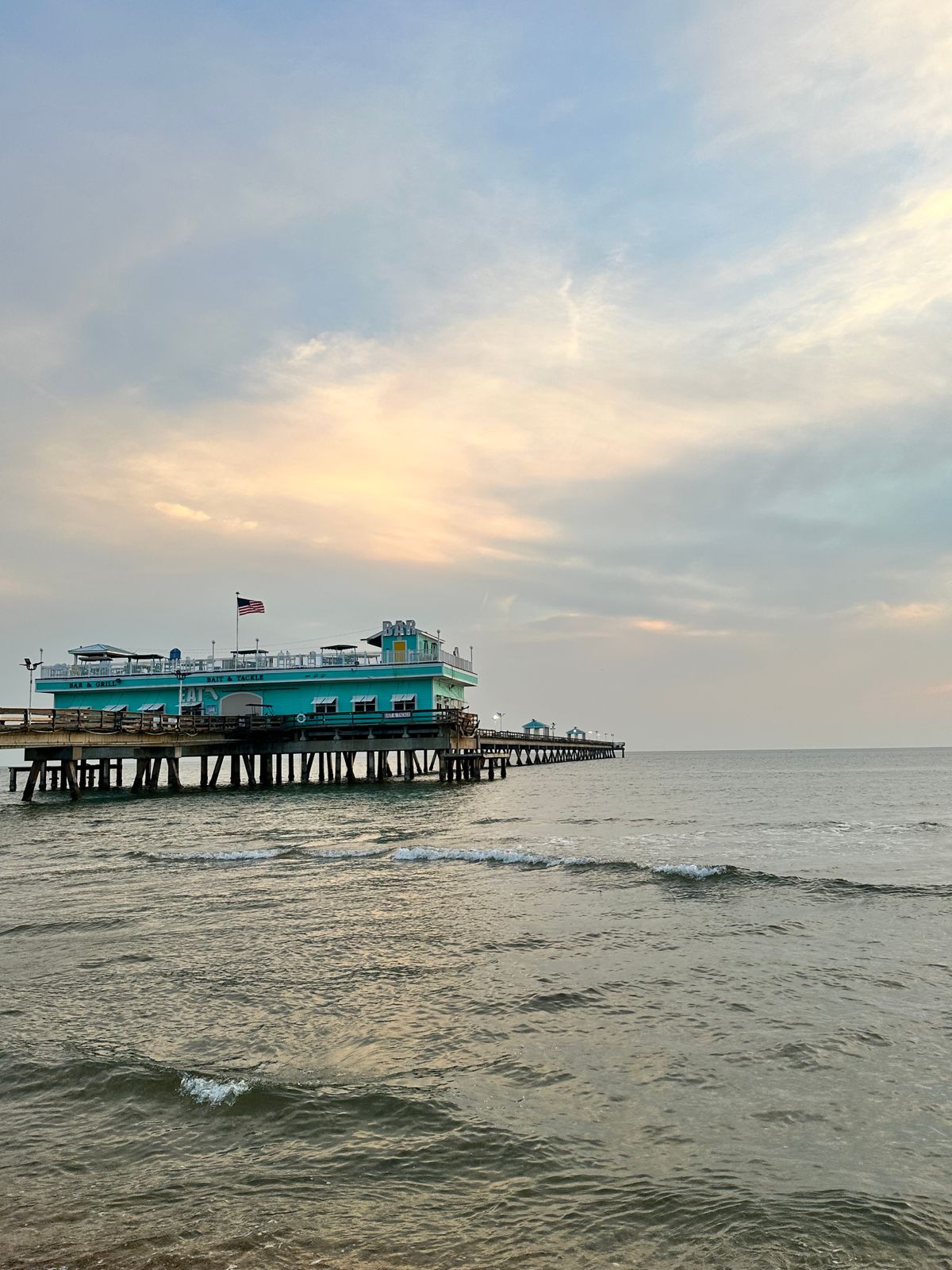
Virginia Beach, VA
How to Fish Virginia Beach: A Beginner's Guide to Red Drum, Cobia, Flounder, and the Chesapeake Bay Bridge-Tunnel
Everything a first-timer needs to fish Virginia Beach, red drum and cobia at the CBBT, flounder in Rudee Inlet, speckled trout in Lynnhaven, surf fishing for pompano and drum, charter options, and practical details for visiting anglers.
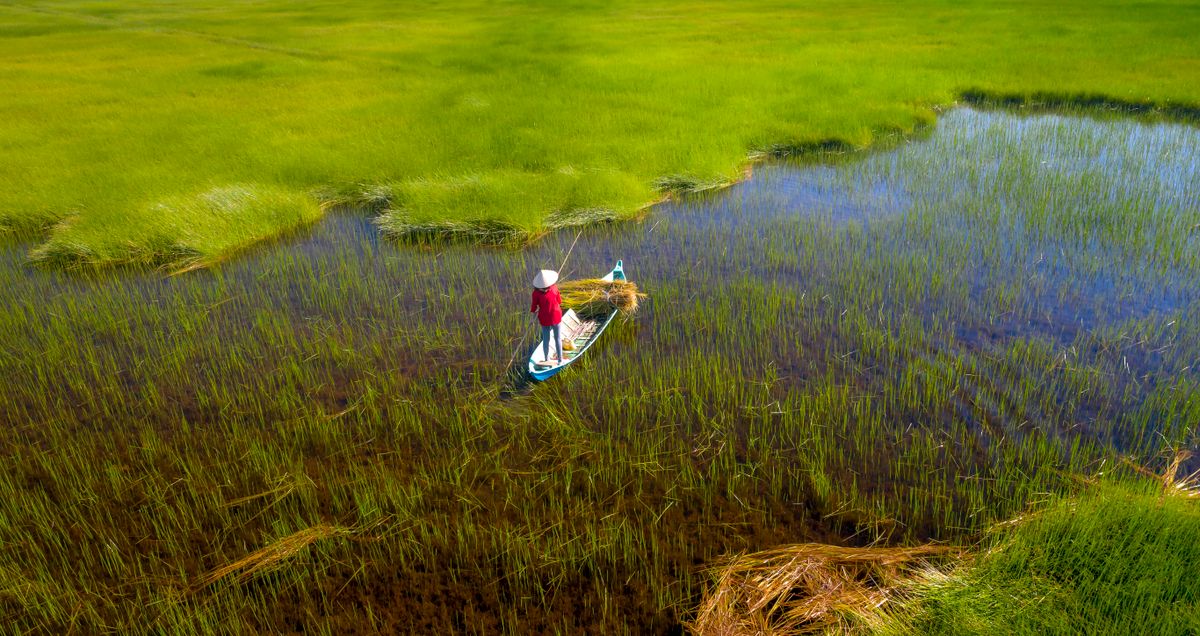
Venice, LA
How to Fish Venice, Louisiana: A First-Timer's Guide to Tuna Town and the Delta Marshes
Everything a beginner needs to fish Venice, Louisiana, offshore yellowfin tuna under oil rigs, inshore redfish and speckled trout in the marsh, red snapper and cobia on nearshore structure, plus charter costs, tackle, techniques, and what to bring.

Valdez, AK
How to Fish Valdez, Alaska: Roadside Salmon and Prince William Sound
Everything a first-timer needs to fish Valdez, how to catch silver and pink salmon from shore at Allison Point, chase giant halibut in Prince William Sound, enter Alaska's oldest fish derbies, and stay safe around the bears.
Traverse City, MI
How to Fish Traverse City, Michigan: A Beginner's Guide to Salmon, Lake Trout, Smallmouth Bass, and Grand Traverse Bay
Everything a first-timer needs to fish Traverse City, trolling for salmon and lake trout on Grand Traverse Bay, smallmouth bass on the rocky shoals, fly fishing the Boardman River, fall salmon runs, ice fishing, and practical details for visiting anglers.
Species
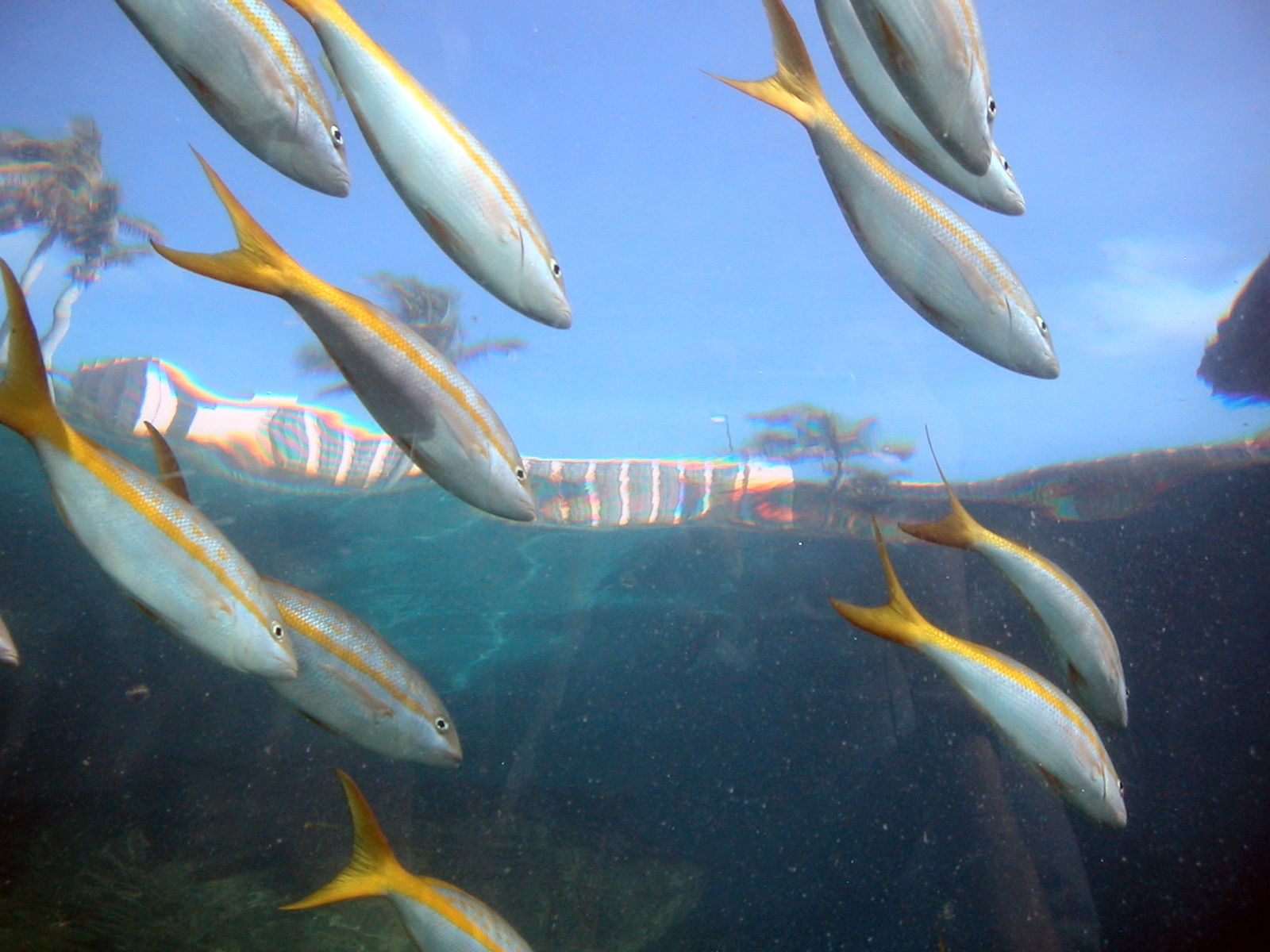
Yellowtail Snapper, Species
How to Catch Yellowtail Snapper: The Complete Guide
How to catch yellowtail snapper, the wary, delicious reef snapper of the Keys and Caribbean, caught by chumming them up and drifting light baits back in the slick. Learn the chum-and-flatline game, sand balls, light rigs, the best baits, and night fishing for flags.
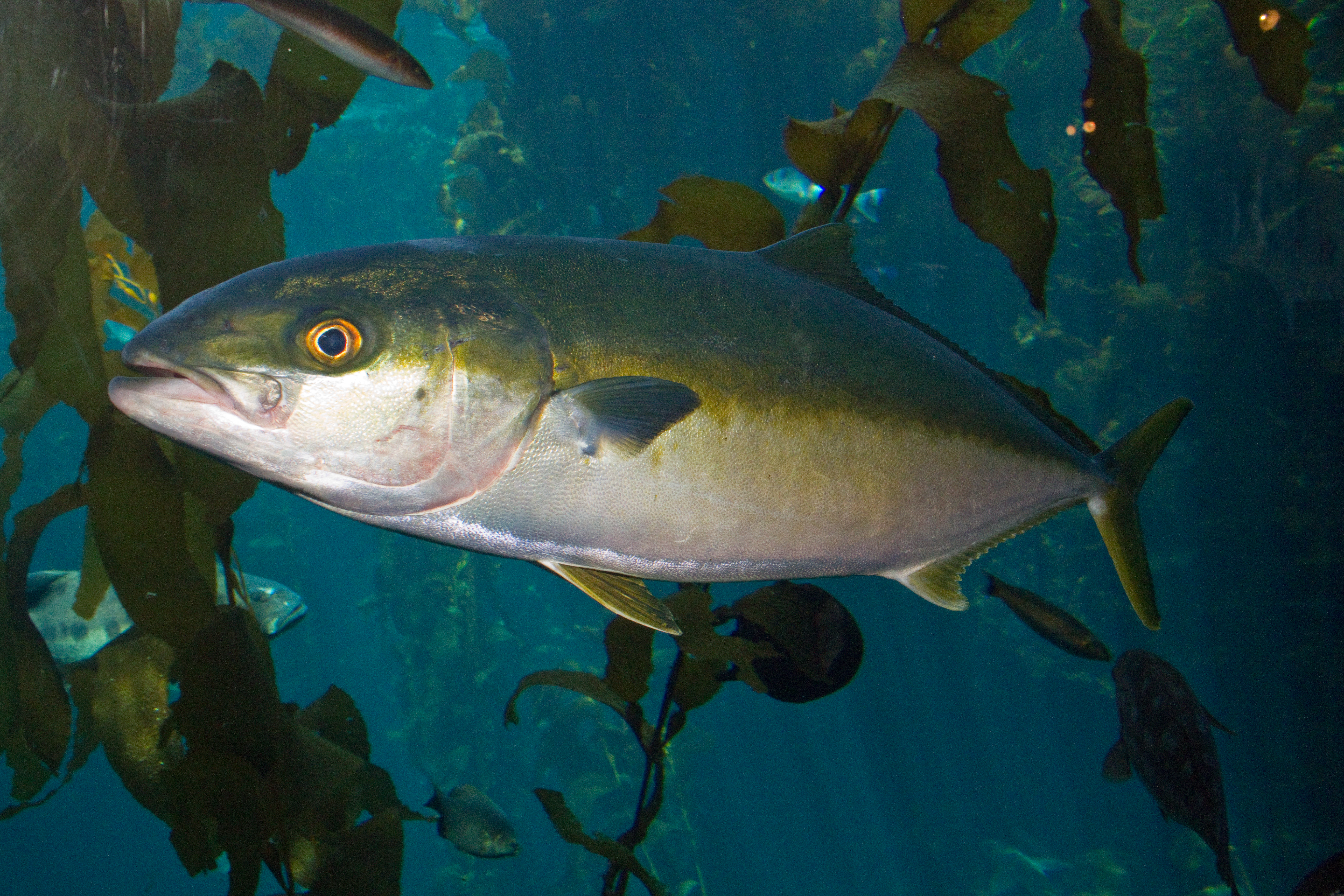
Yellowtail Amberjack, Species
How to Catch Yellowtail Amberjack: The Complete Angler's Guide
Yellowtail amberjack, California yellowtail, yellowtail kingfish, hamachi, are among the hardest-pulling inshore gamefish in the ocean. Here's how to find, hook, and land them on live bait, jigs, and topwater.
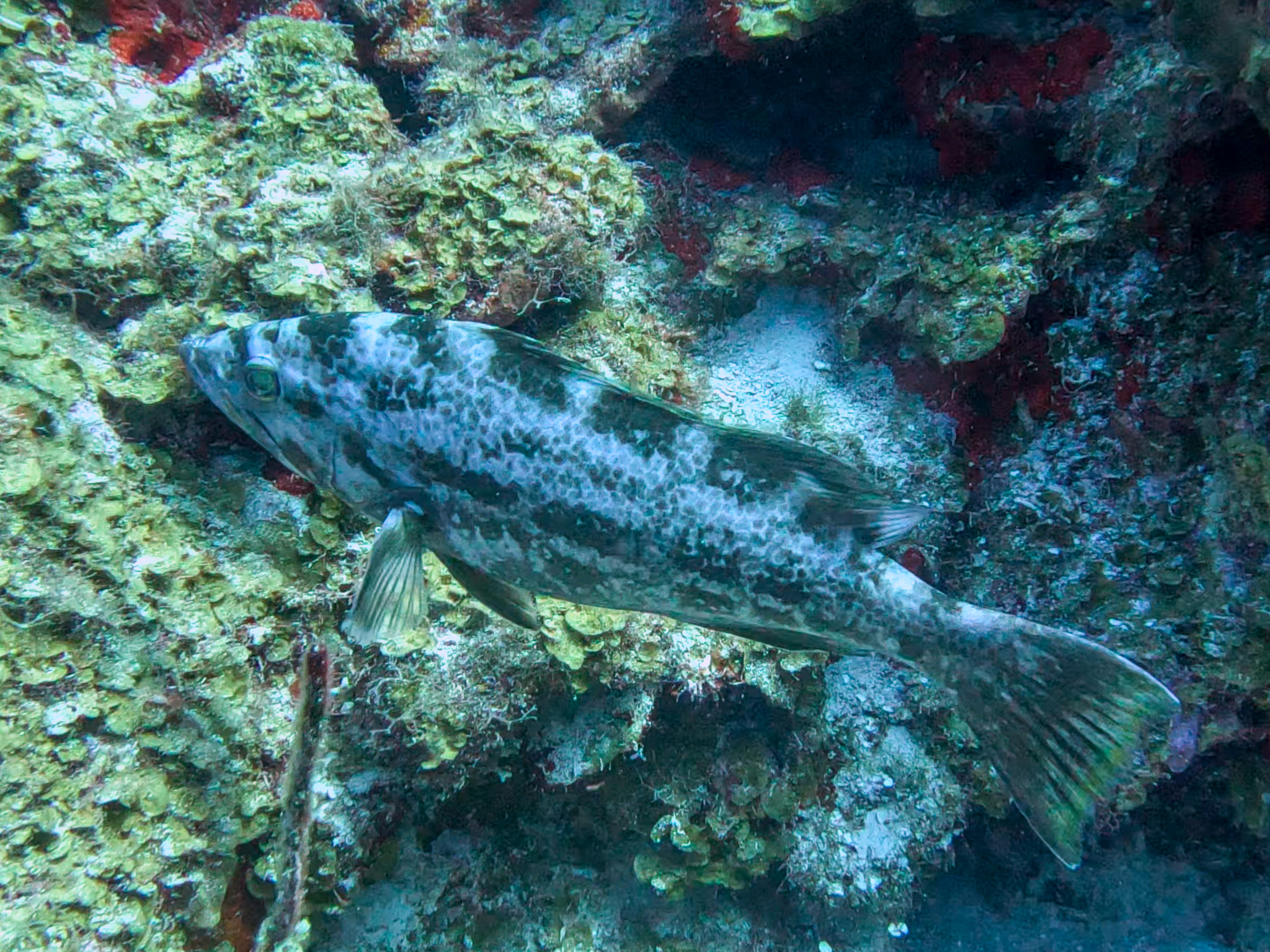
Yellowmouth Grouper, Species
How to Catch Yellowmouth Grouper: Reef & Ledge Tactics
Yellowmouth grouper are the sleek, reticulated groupers of Atlantic and Caribbean reefs, hard-pulling ambush predators caught on live bait, knocker rigs, and trolled plugs. Learn where they hold, the rigs and baits, and how to fish them right.
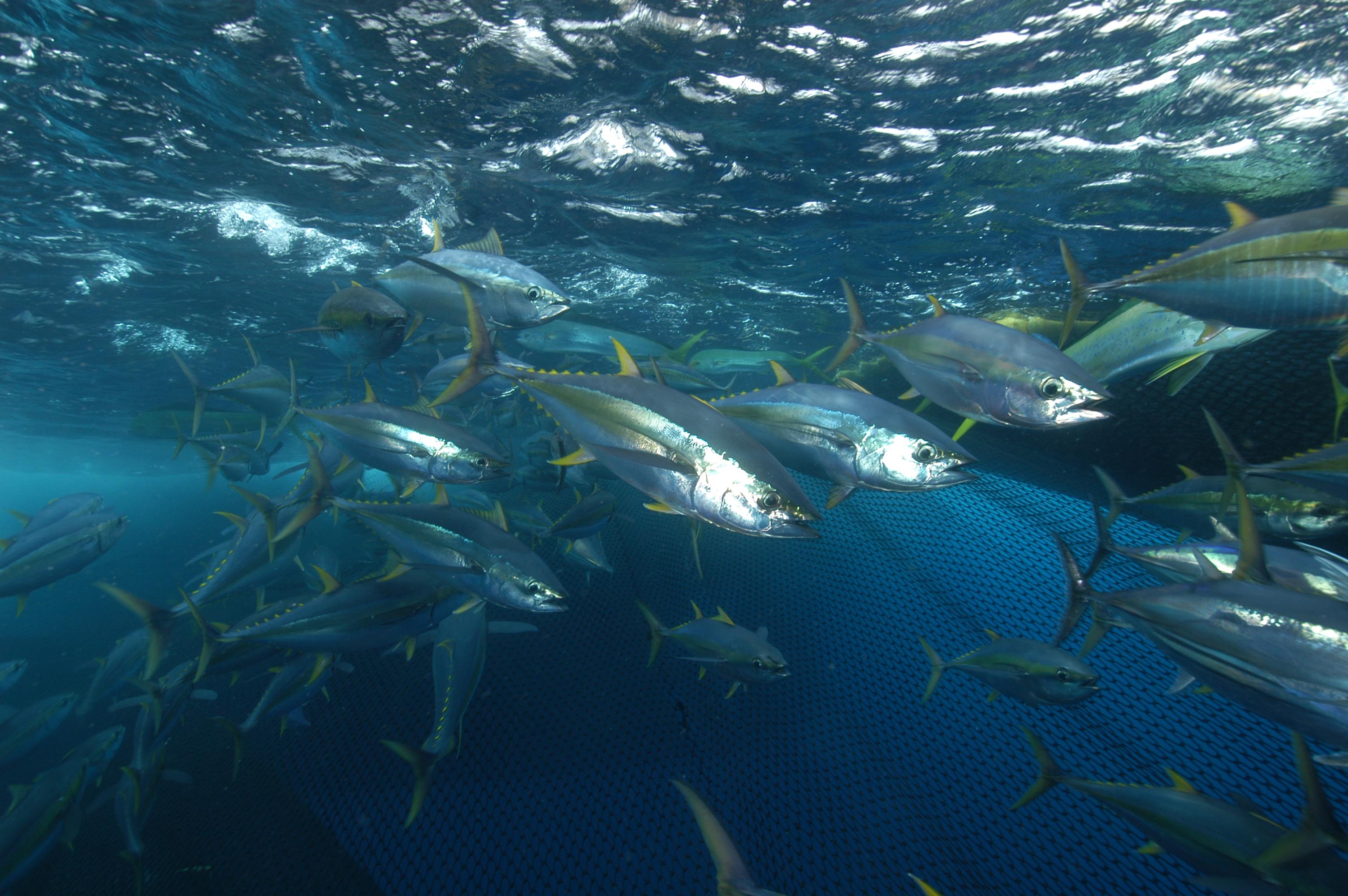
Yellowfin Tuna, Species
How to Catch Yellowfin Tuna: The Complete Guide
How to catch yellowfin tuna, the powerful, blistering-fast bruiser of the blue water. Learn to run and gun on breaking fish, troll spreader bars, chunk, pop topwaters, jig, and pitch live bait for these hard-pulling, delicious tuna.
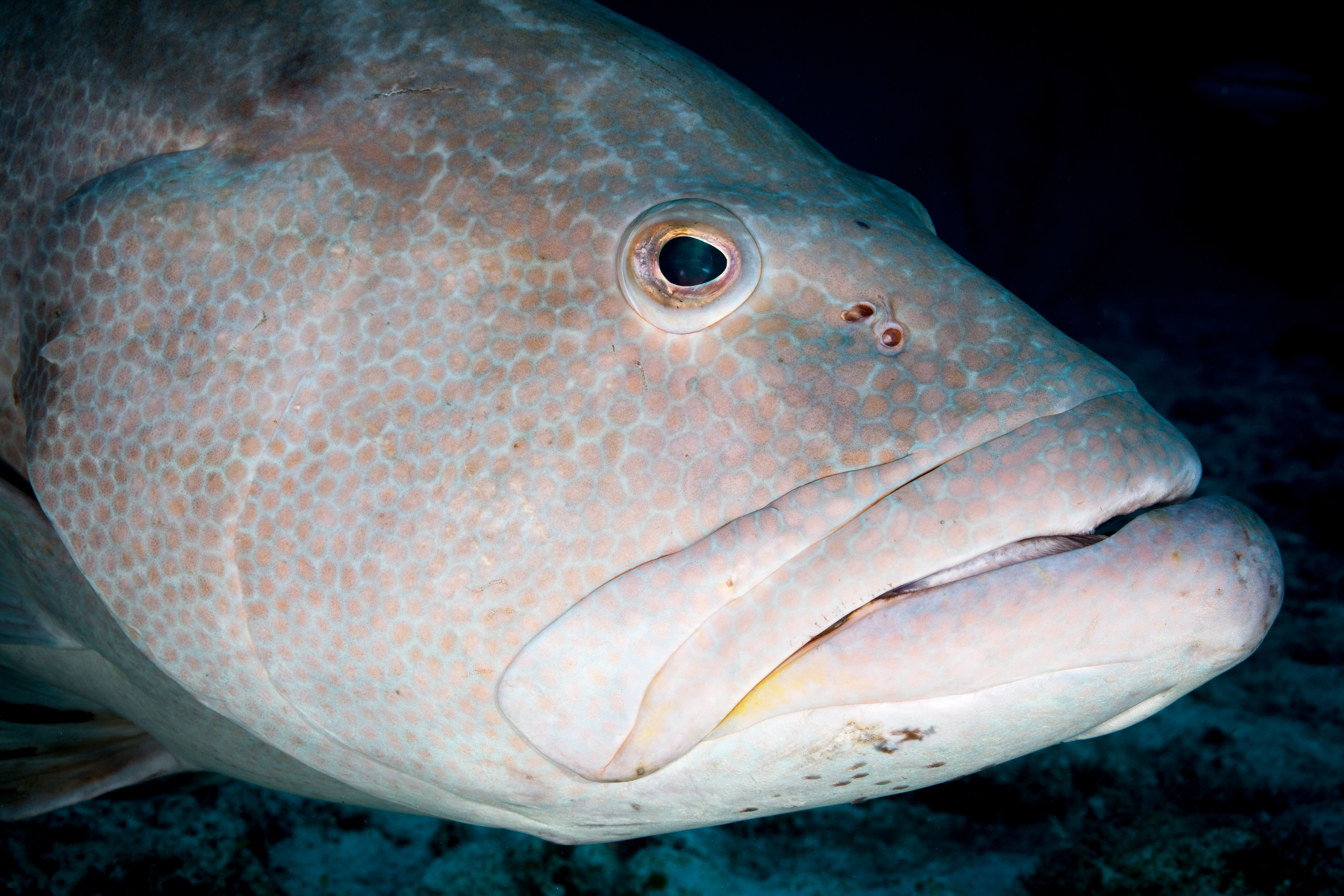
Yellowfin Grouper, Species
How to Catch Yellowfin Grouper: The Complete Guide
The yellowfin grouper is a hard-fighting, color-changing reef predator with yellow-margined pectoral fins and a leopard-spotted body. Here is how to find and catch them.
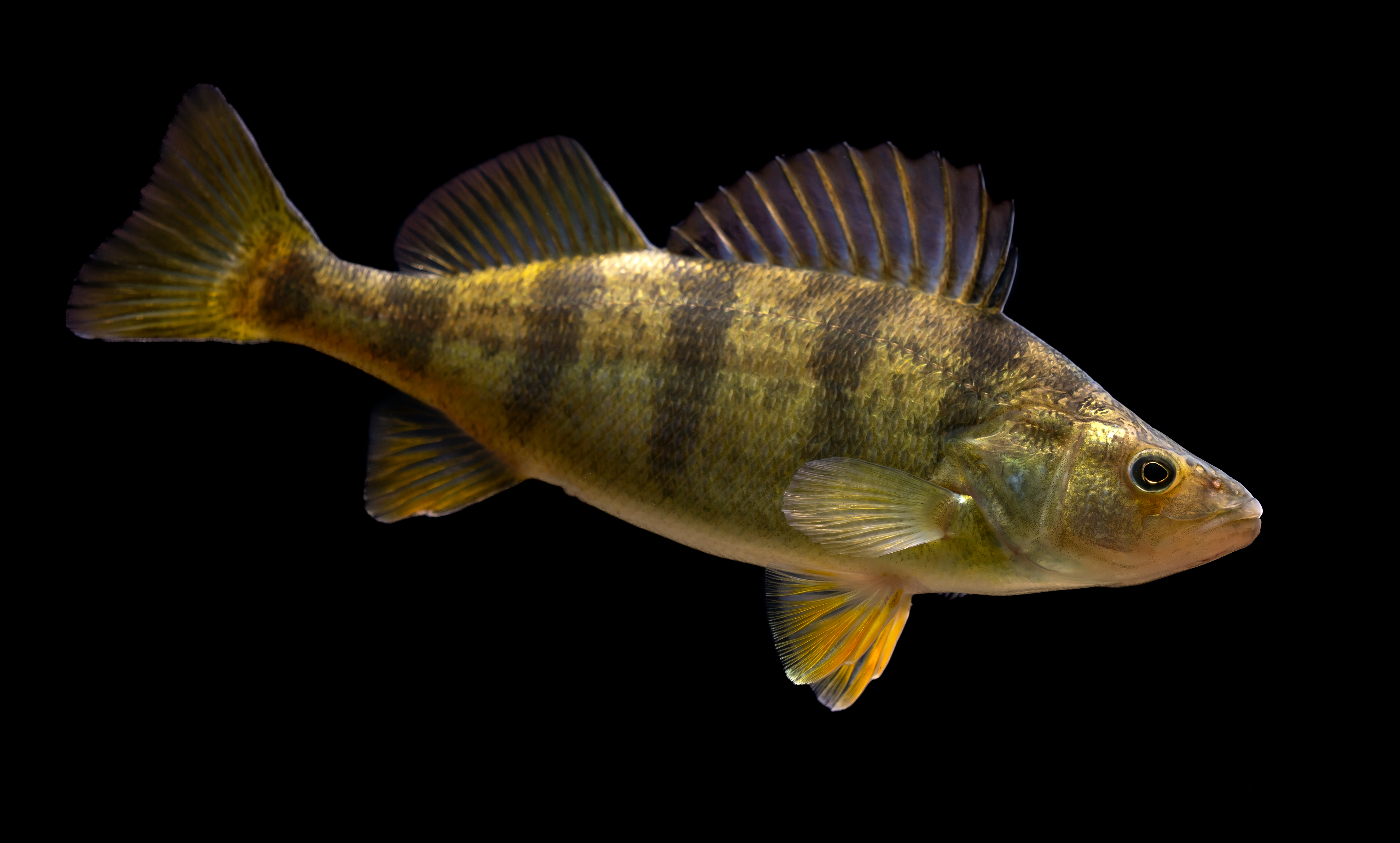
Yellow Perch, Species
How to Catch Yellow Perch: Jigs, Minnows, and Finding the School
How to catch yellow perch, the golden, schooling panfish that many rate the best-eating fish in fresh water. Learn to find the roaming schools and fish jig-and-minnow, perch rigs, spoons, and ice tactics step by step.
Destinations
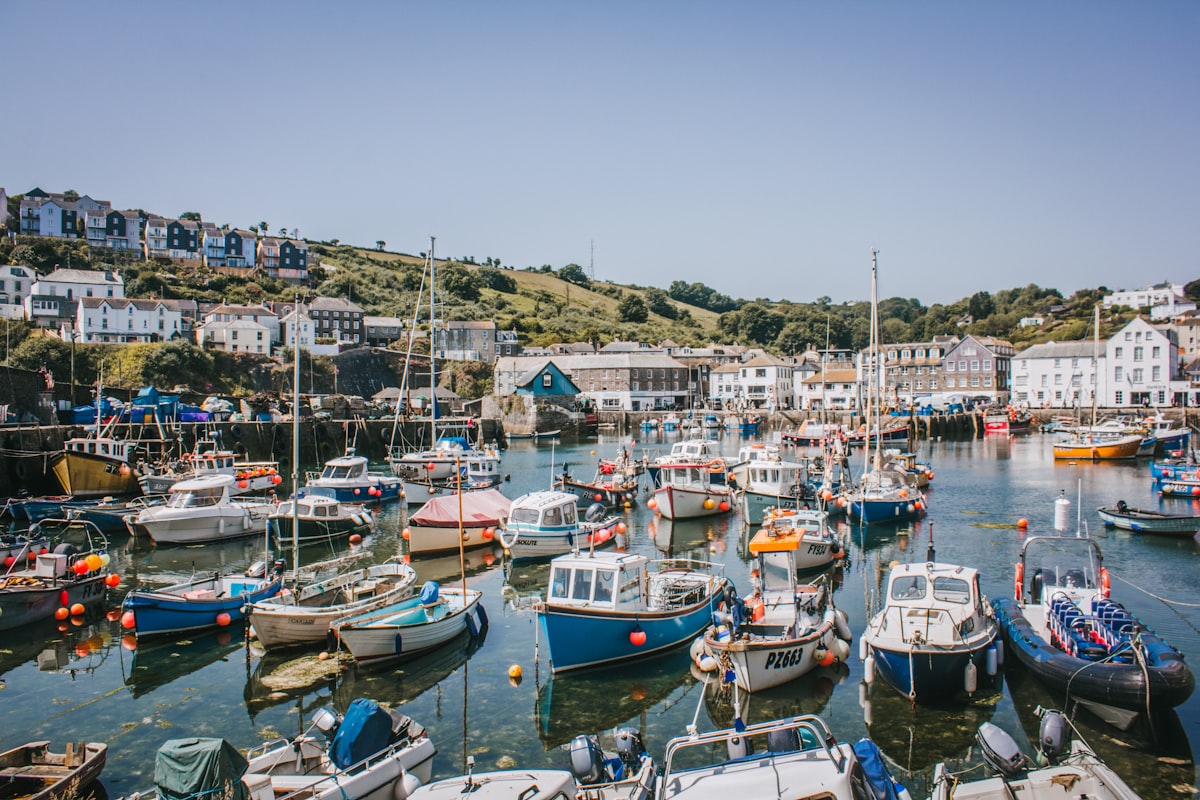
Westport, WA
Fishing Westport: Everything You Need to Know Before You Go
Westport is Washington's premier offshore fishing port, salmon, halibut, albacore tuna, lingcod, and rockfish all run through here. The charter fleet is big, experienced, and ready to put you on fish.
West Yellowstone, MT
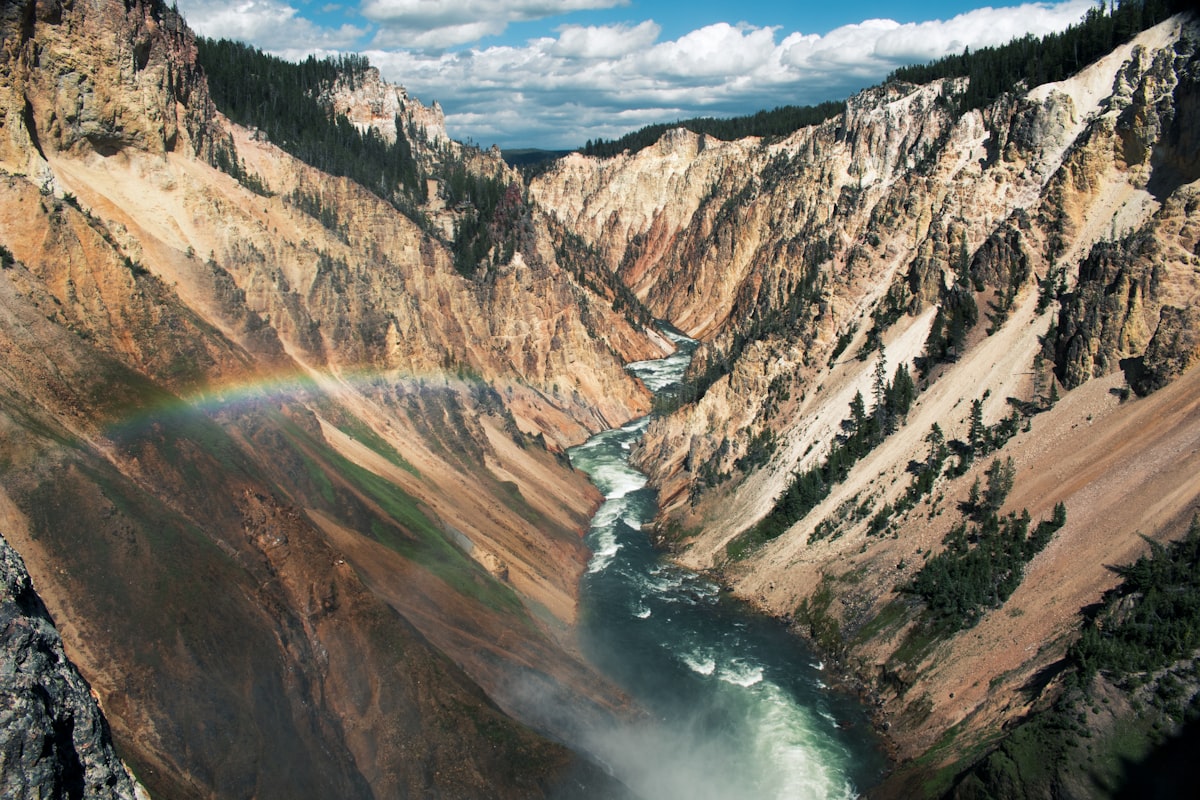
Heading to West Yellowstone? Here's Your Fishing Guide
West Yellowstone is the gateway to some of the most unique fly fishing water on earth, from the thermally heated Firehole to the legendary Madison and the gulper fishing on Hebgen Lake.
Virginia Beach, VA
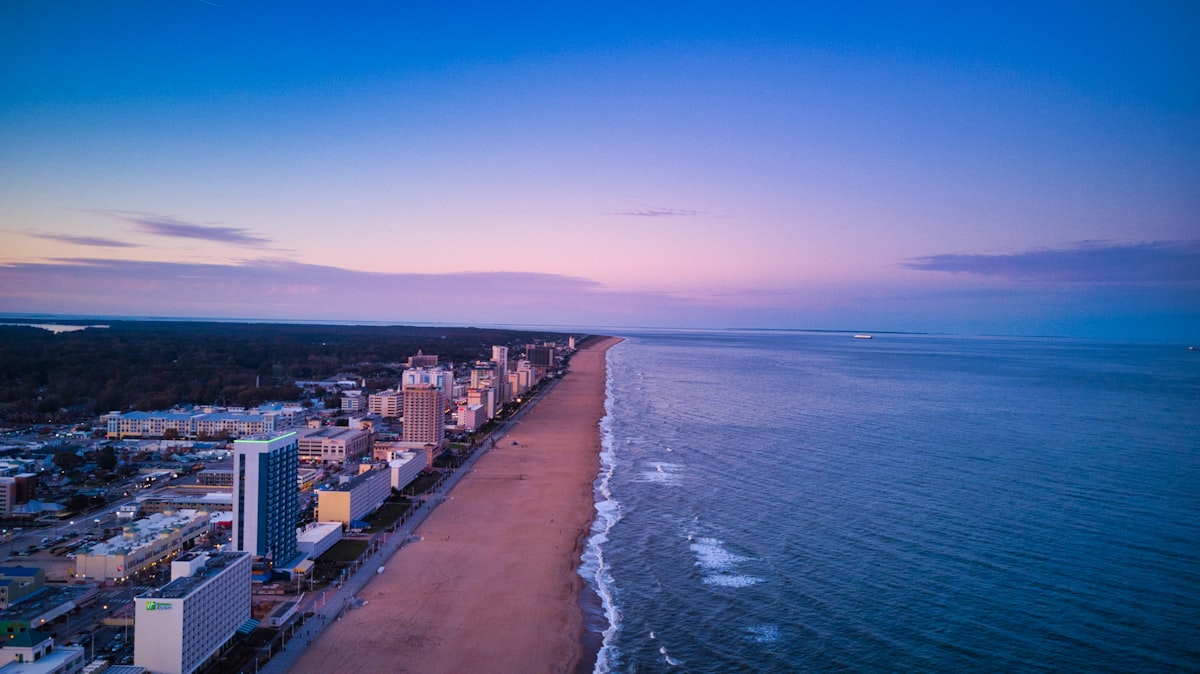
Virginia Beach Fishing: One City, Two Oceans, The Bay Side and the Atlantic Side
Virginia Beach straddles the Chesapeake Bay and the Atlantic Ocean. The Bay side holds red drum, cobia, and flounder. The ocean side runs offshore to the Gulf Stream. Same city, different fisheries.
Venice, LA
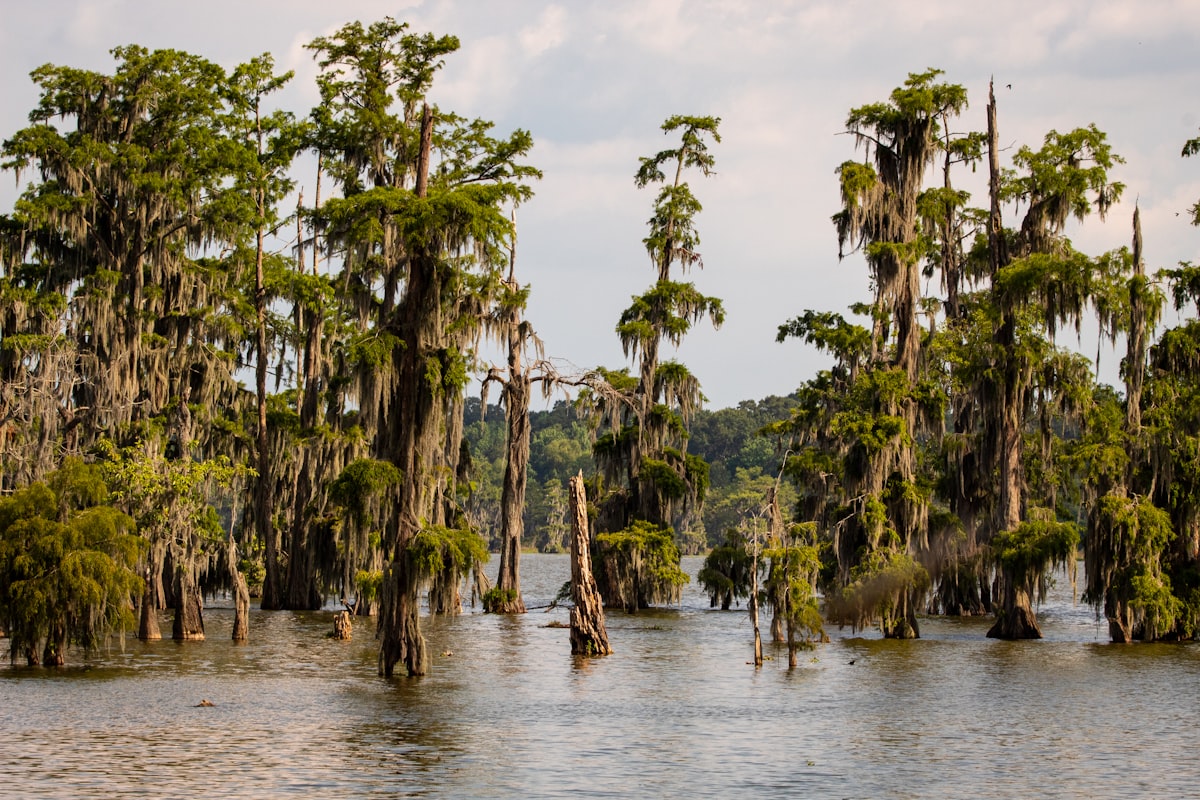
Venice, Louisiana: Where the Mississippi Meets the Gulf and the Fishing Defies Logic
Venice sits at the end of the road, literally, where the Mississippi River Delta meets the Gulf of Mexico. The river's nutrient load creates the richest water in the Gulf, and yellowfin tuna swim as close as five miles from the marina.
Valdez, AK
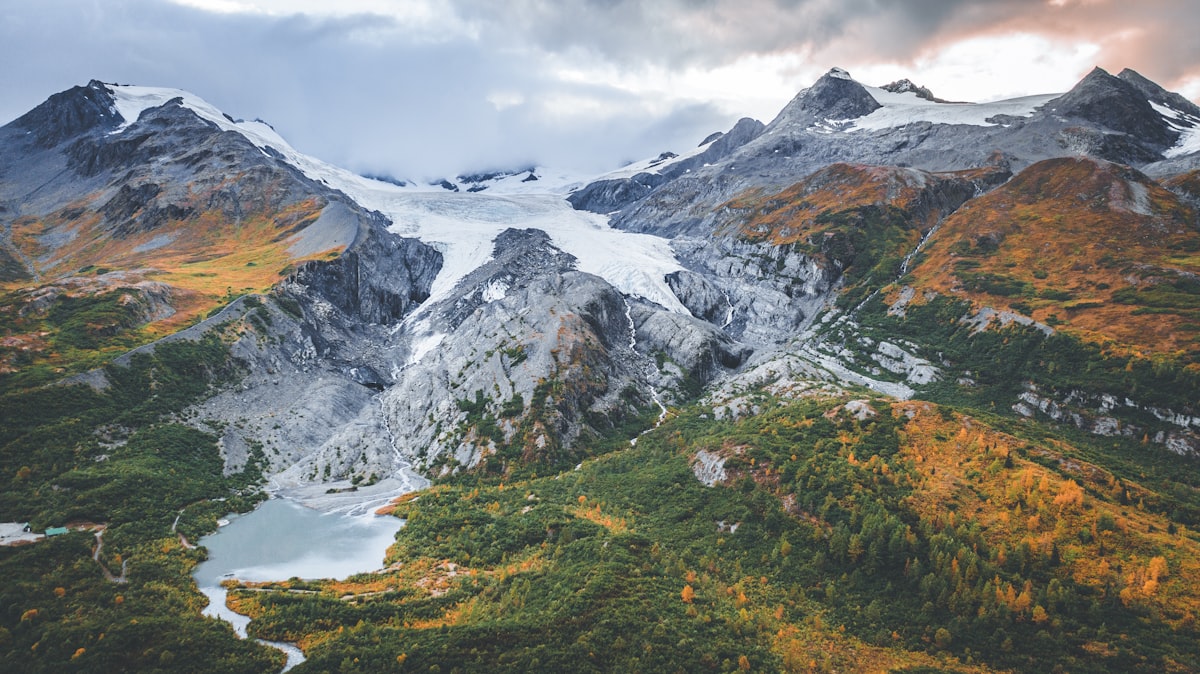
Valdez Fishing: The Pink Salmon Tsunami, Silver Salmon, and Prince William Sound Halibut
Valdez sits at the head of Prince William Sound, where the largest pink salmon run in Alaska turns the harbor silver every July, and the silvers and halibut that follow make the fishing last all summer.
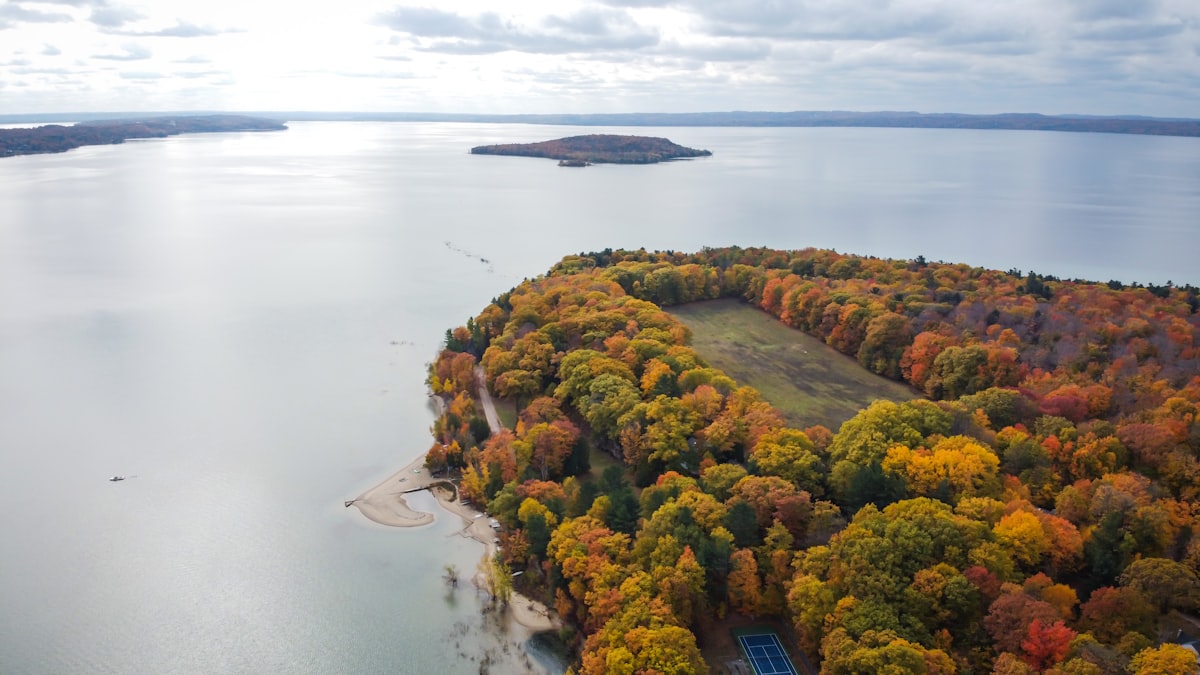
Traverse City, MI
Traverse City Fishing: Where Grand Traverse Bay, the Rivers, and Lake Michigan Converge
Traverse City sits where Grand Traverse Bay meets the rivers of northern Michigan, smallmouth bass in the bay, steelhead in the tributaries, and salmon and lake trout on Lake Michigan charters.
Big Waters
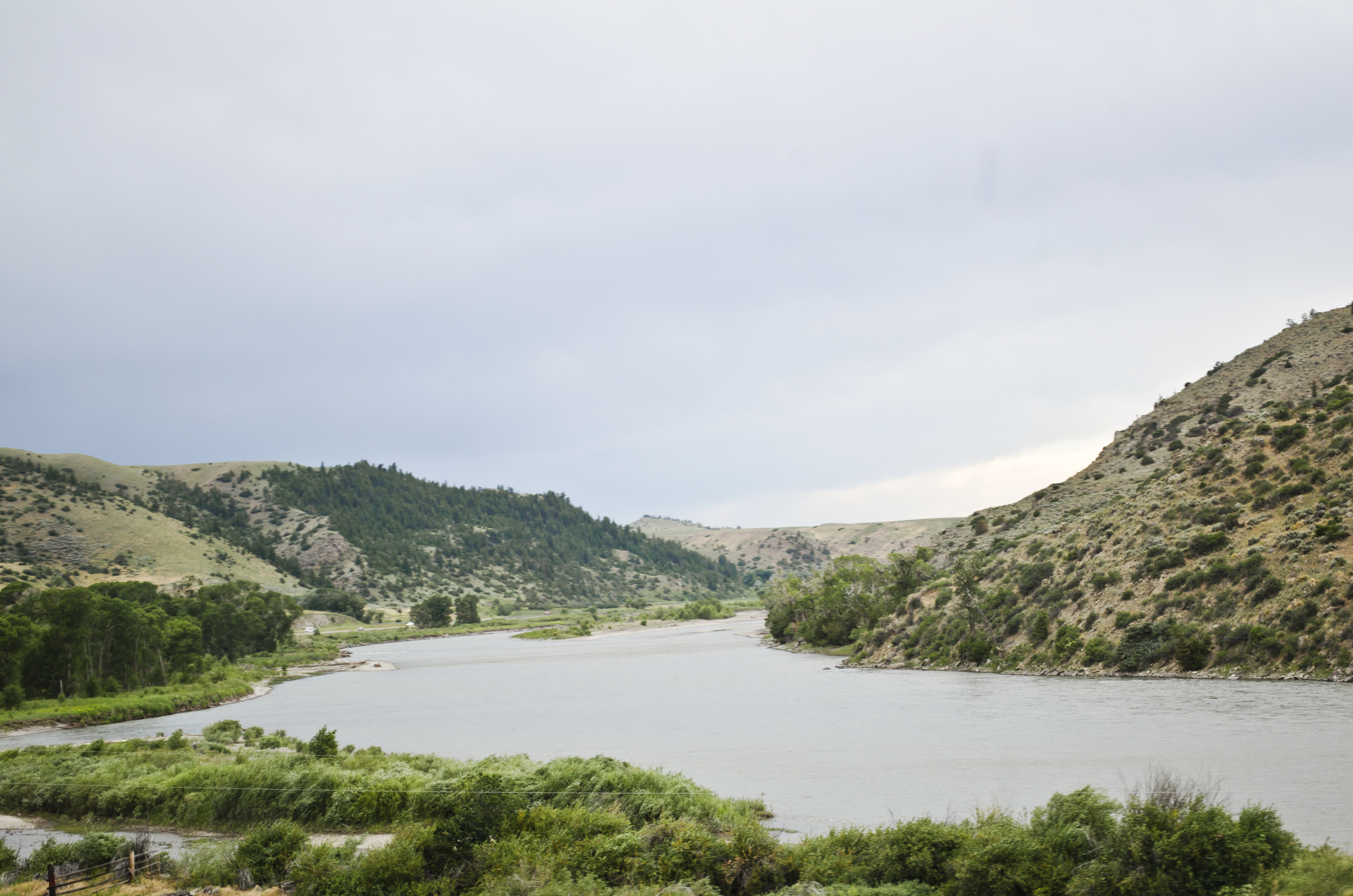
Yellowstone River, MT
How to Fish the Yellowstone River: A Beginner's Guide to Cutthroat, the Salmonfly Hatch, and the Longest Wild River in the Lower 48
The Yellowstone is the longest undammed river in the lower 48, a legendary wild-trout river up top and an overlooked walleye and catfish river on the plains. Here's the whole-river guide, from park cutthroat to prairie sauger.
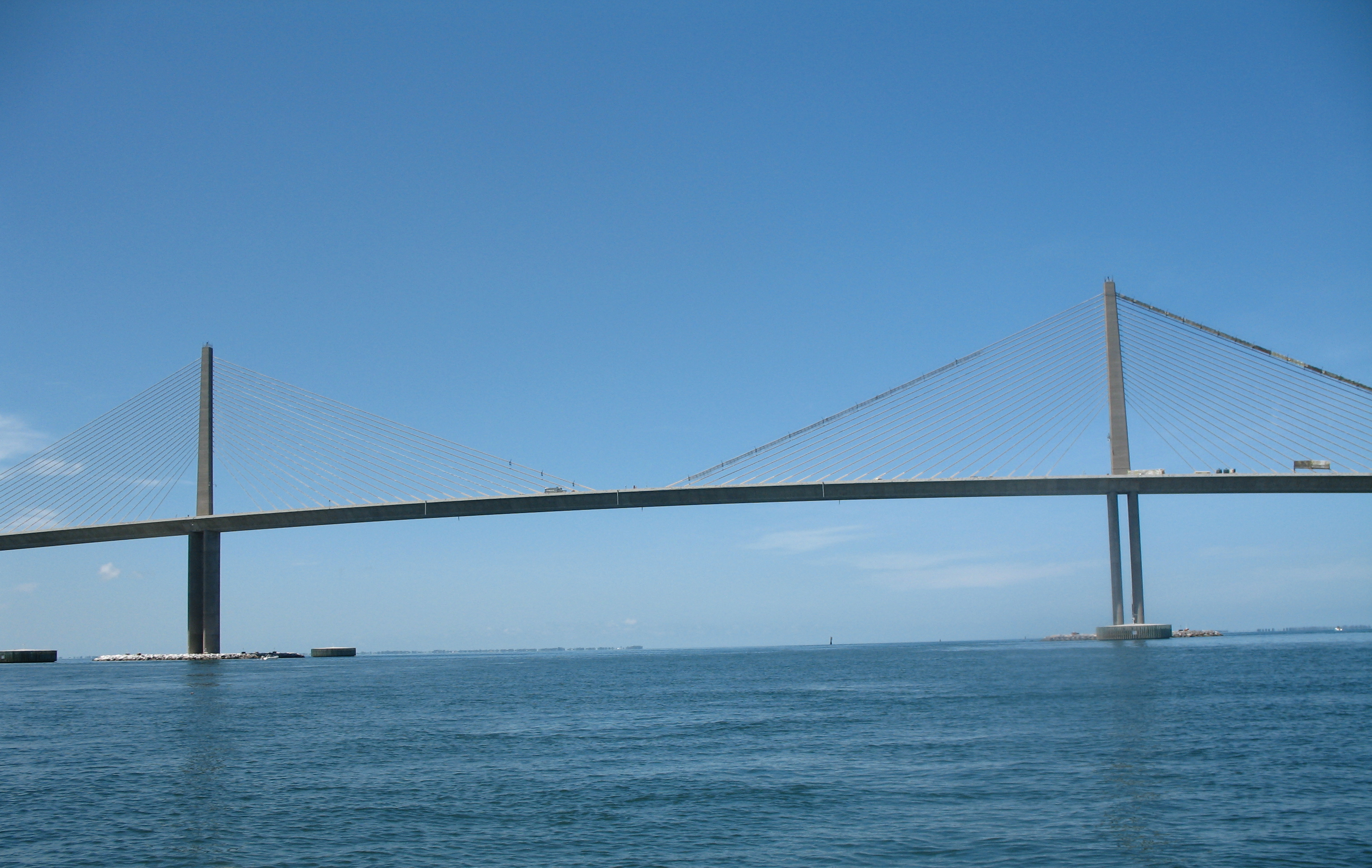
Tampa Bay, FL
How to Fish Tampa Bay: A Beginner's Whole-Bay Guide to Snook, Redfish, Trout, and Tarpon
Tampa Bay is Florida's largest open-water estuary, the inshore big three of snook, redfish, and seatrout, a world-class tarpon migration, and structure snapper, grouper, and sheepshead. Here's the whole-bay guide to the flats, bridges, and seasons.
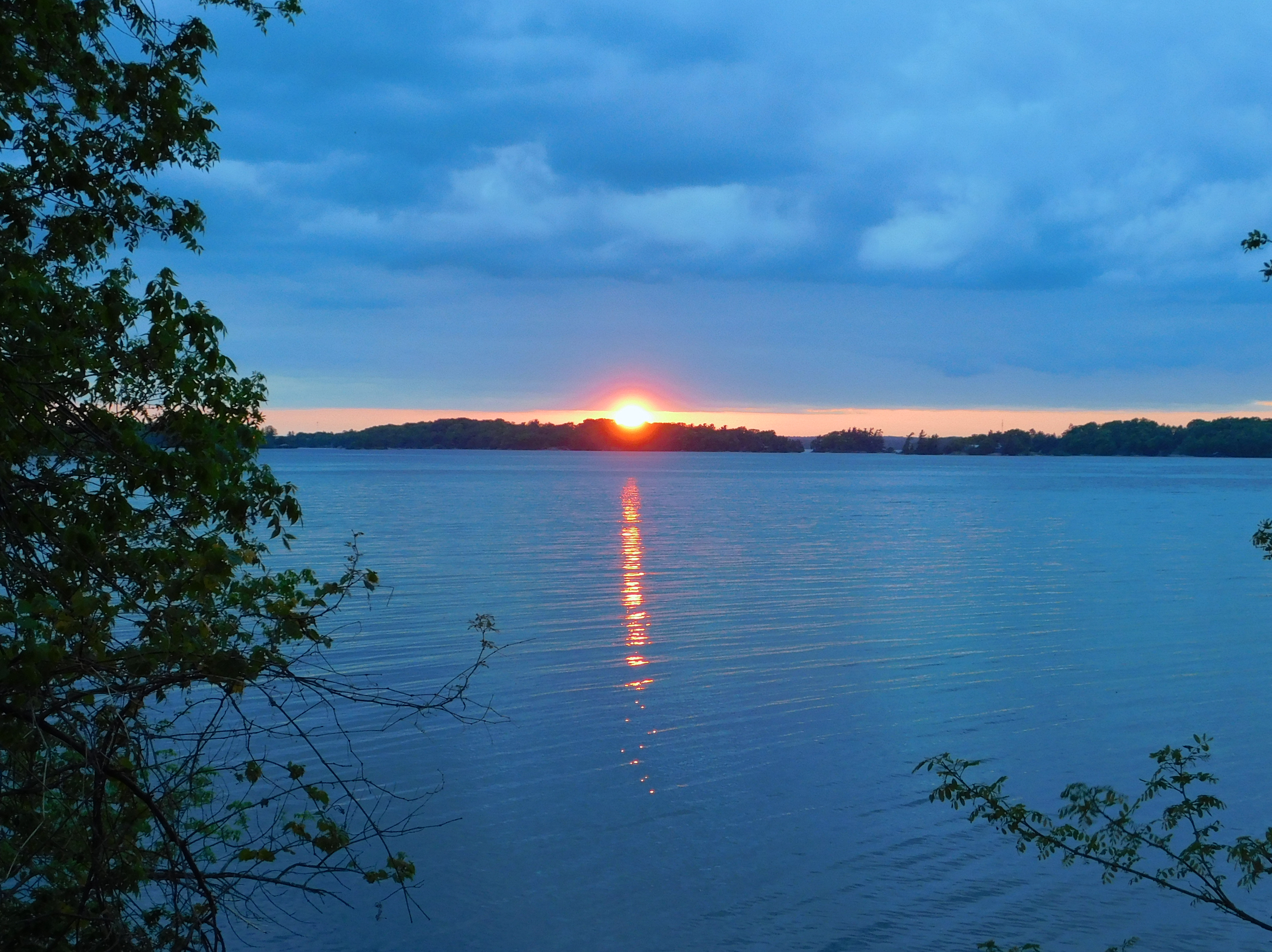
St. Lawrence River, NY
How to Fish the St. Lawrence River: A Beginner's Whole-River Guide to Smallmouth, Muskie, and Pike
The St. Lawrence River and its Thousand Islands are one of North America's finest multispecies fisheries, arguably the best smallmouth bass river anywhere, plus world-class muskie, pike, walleye, and sturgeon. Here's the whole-river guide.
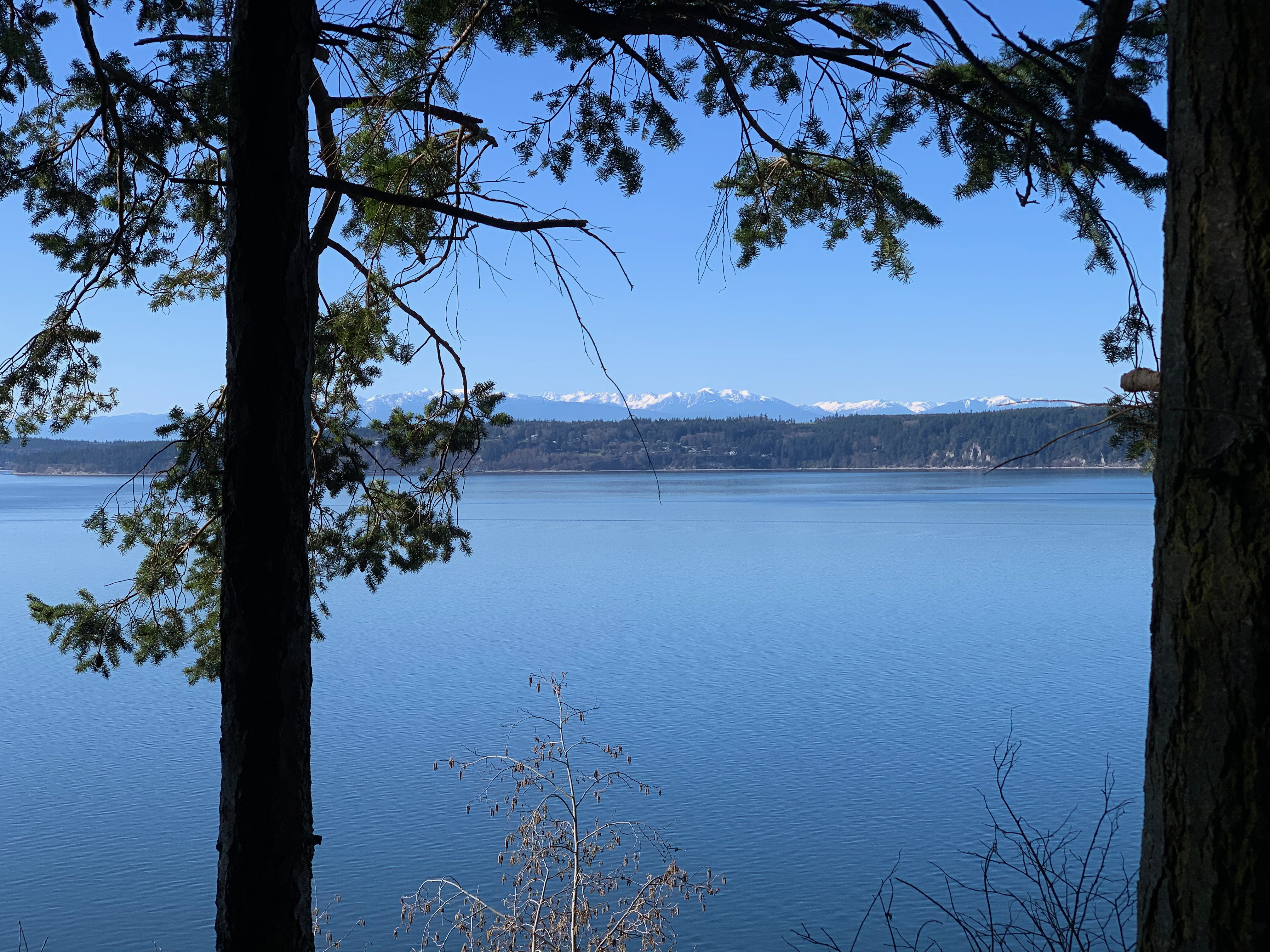
Puget Sound, WA
How to Fish Puget Sound: A Beginner's Guide to Salmon, Bottomfish, Crab, and the Inland Sea
Puget Sound is an inland sea with four salmon runs, rocky-reef bottomfish, and world-class crab and spot prawns, fishable from boat, beach, or pier year-round. Here's how to fish it, what's in season, and how the Marine Areas work.
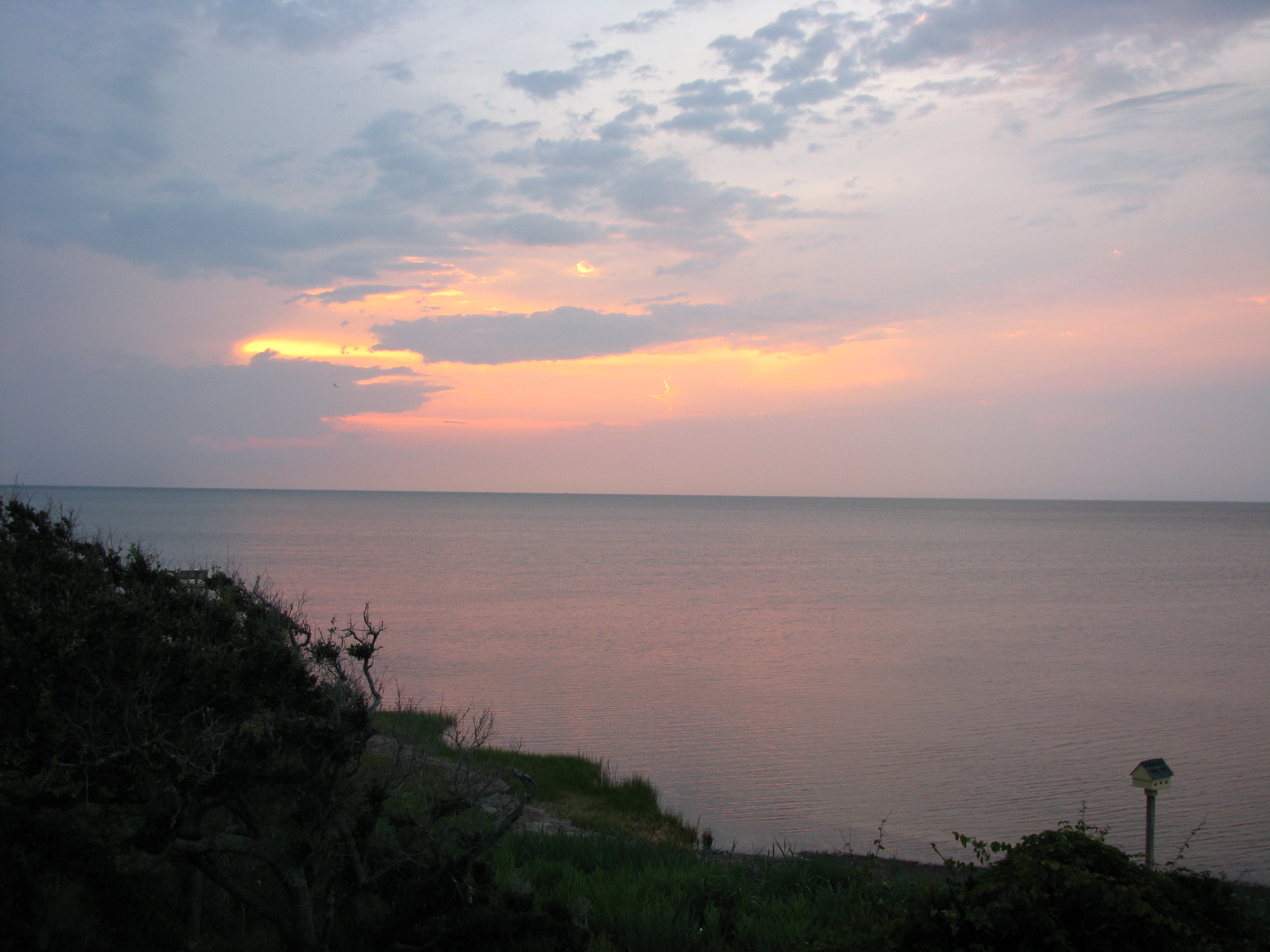
Pamlico Sound, NC
How to Fish Pamlico and Albemarle Sound: A Beginner's Whole-Estuary Guide to Red Drum, Trout, and Striped Bass
North Carolina's Pamlico and Albemarle Sounds are the largest lagoon estuary on the East Coast, trophy red drum, speckled trout, and tarpon in the salty south, famous striped bass and largemouth in the fresher north. Here's the whole-estuary guide.
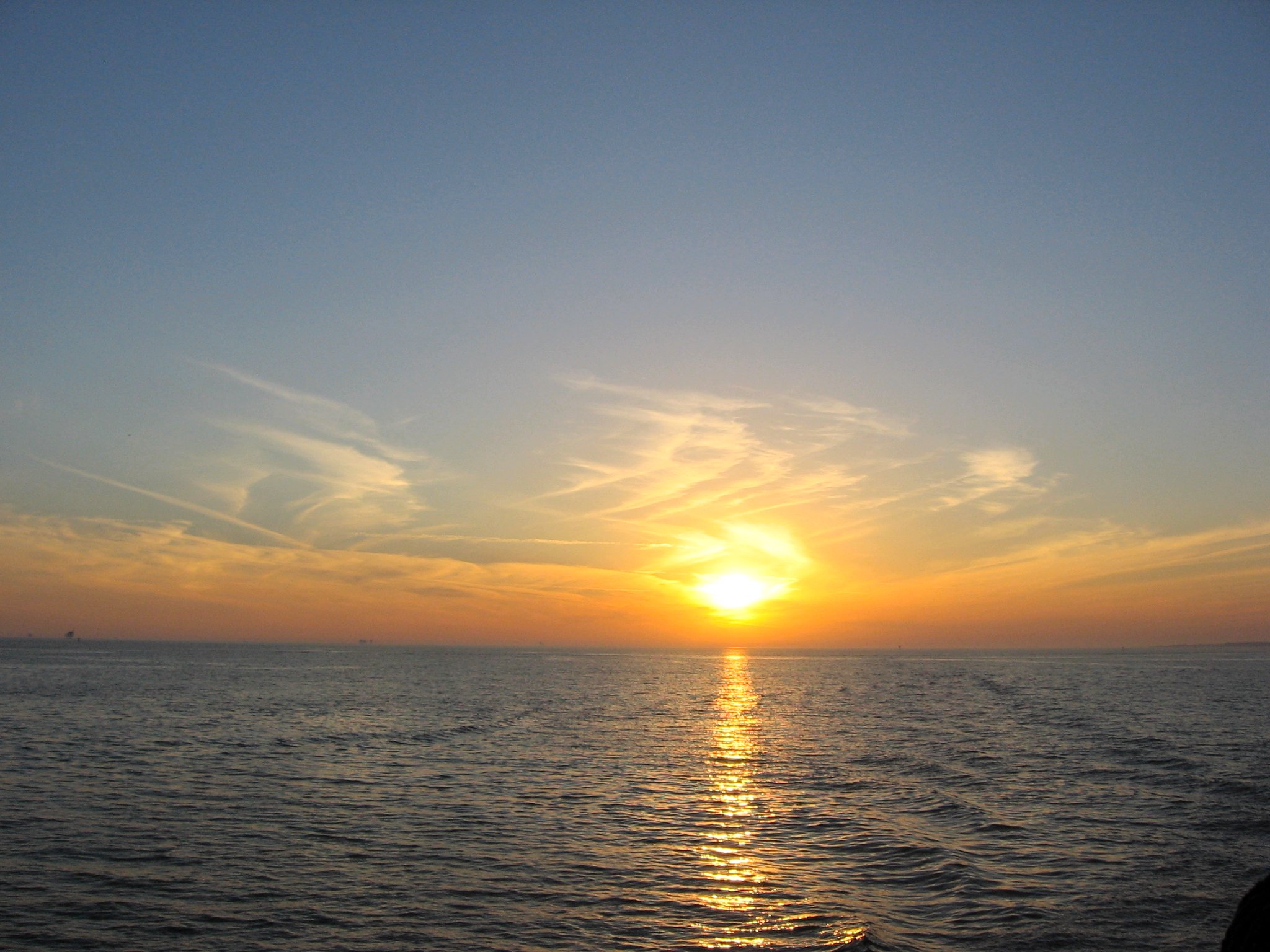
Mobile Bay, AL
How to Fish Mobile Bay: A Beginner's Guide to Trout, Redfish, Flounder, Bull Reds, and the Jubilee
Mobile Bay is the heart of the Alabama Gulf Coast, the inshore trio of trout, redfish, and flounder, bull reds and tarpon at the pass, freshwater bass in the delta, and the famous Jubilee. Here's the whole-bay guide.
National Parks
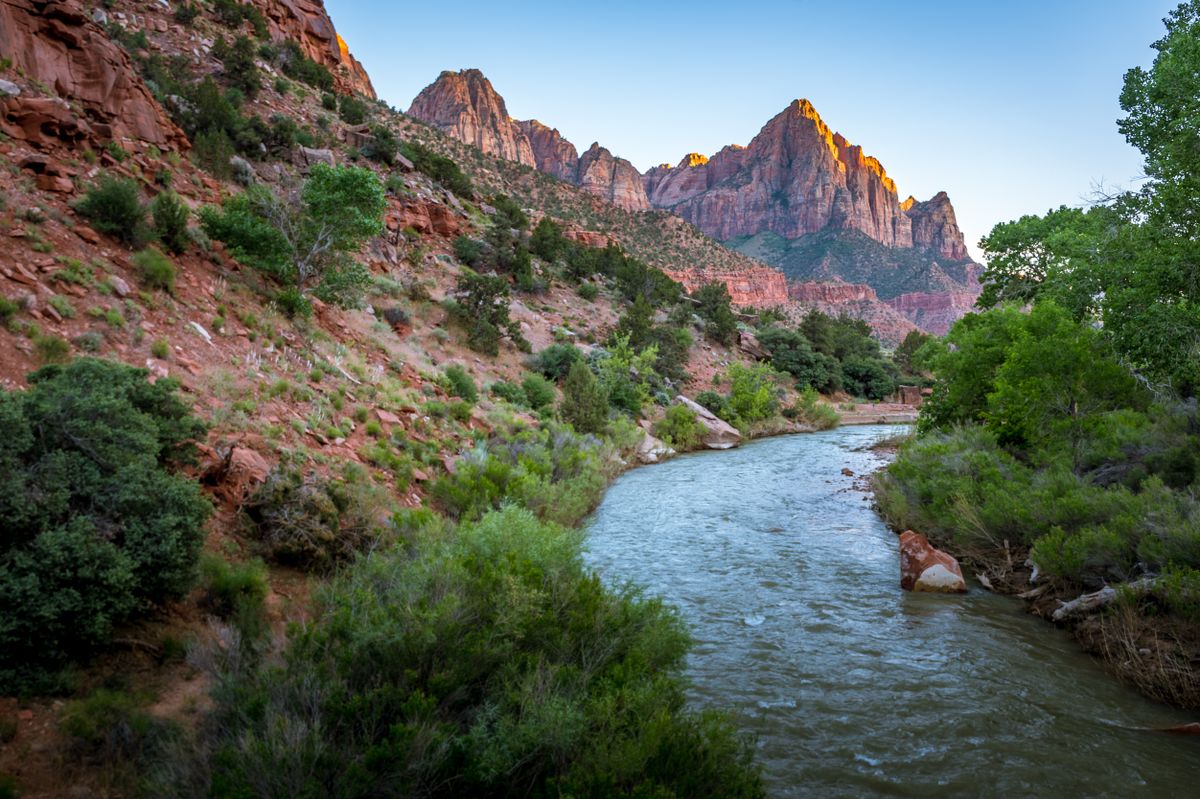
Springdale, UT
Fly Fishing Zion National Park: Wild Brown Trout, the Virgin River, and the Canyon You Didn't Come Here to Fish
Five million people visit Zion National Park every year. Almost none of them bring a fly rod. The Virgin River holds wild brown trout in the shadow of 2,000-foot sandstone walls, right where the hiking crowds wade through the Narrows. Here's how to fish it, when to go, and why flash floods should scare you more than the trout.
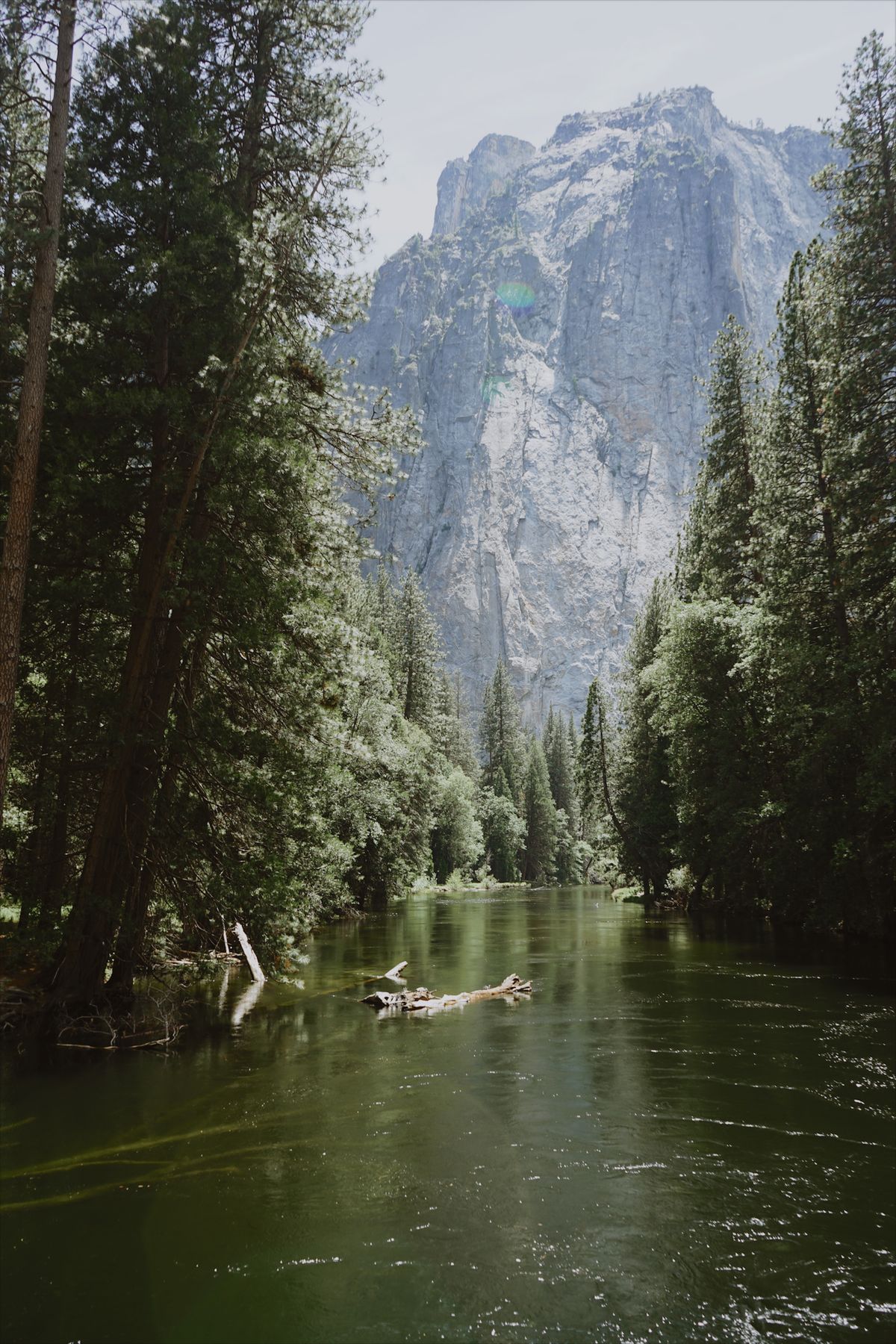
Yosemite Valley, CA
Fly Fishing Yosemite National Park: The Merced, the Tuolumne, and Trout Beneath the Granite Walls
Yosemite is the most visited national park in the Sierra Nevada, and one of the least fished. While 4 million visitors photograph Half Dome and El Capitan, wild rainbow and brown trout hold in the Merced River below Yosemite Falls and in the meandering meadow water of the Tuolumne at 8,600 feet.
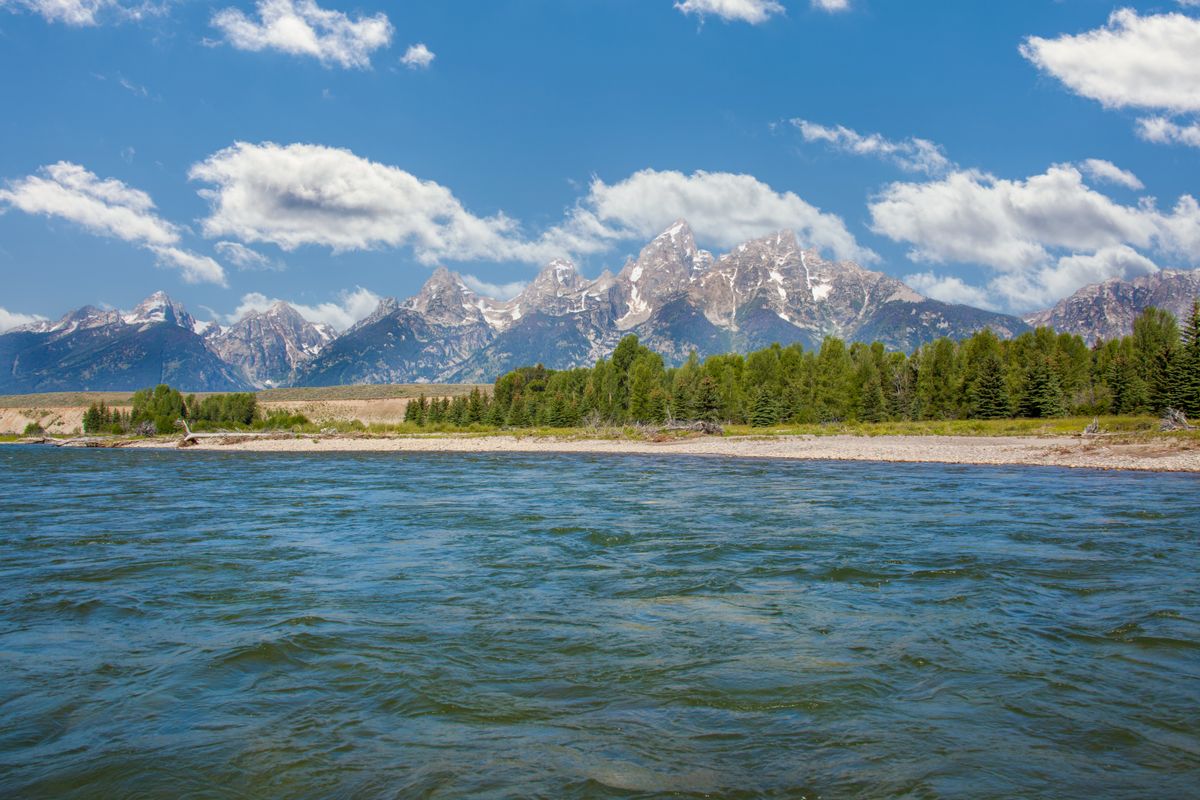
West Yellowstone, MT
Fly Fishing Yellowstone National Park: Cutthroat in the Meadows, Wolves on the Ridge, and the Strangest Trout Stream on Earth
Yellowstone holds the largest concentration of wild cutthroat trout in the world, a river that flows past erupting geysers, and backcountry meadow streams where you fish with bison grazing behind you and wolves howling at dusk. It's not just fly fishing. It's fly fishing inside the world's first national park.
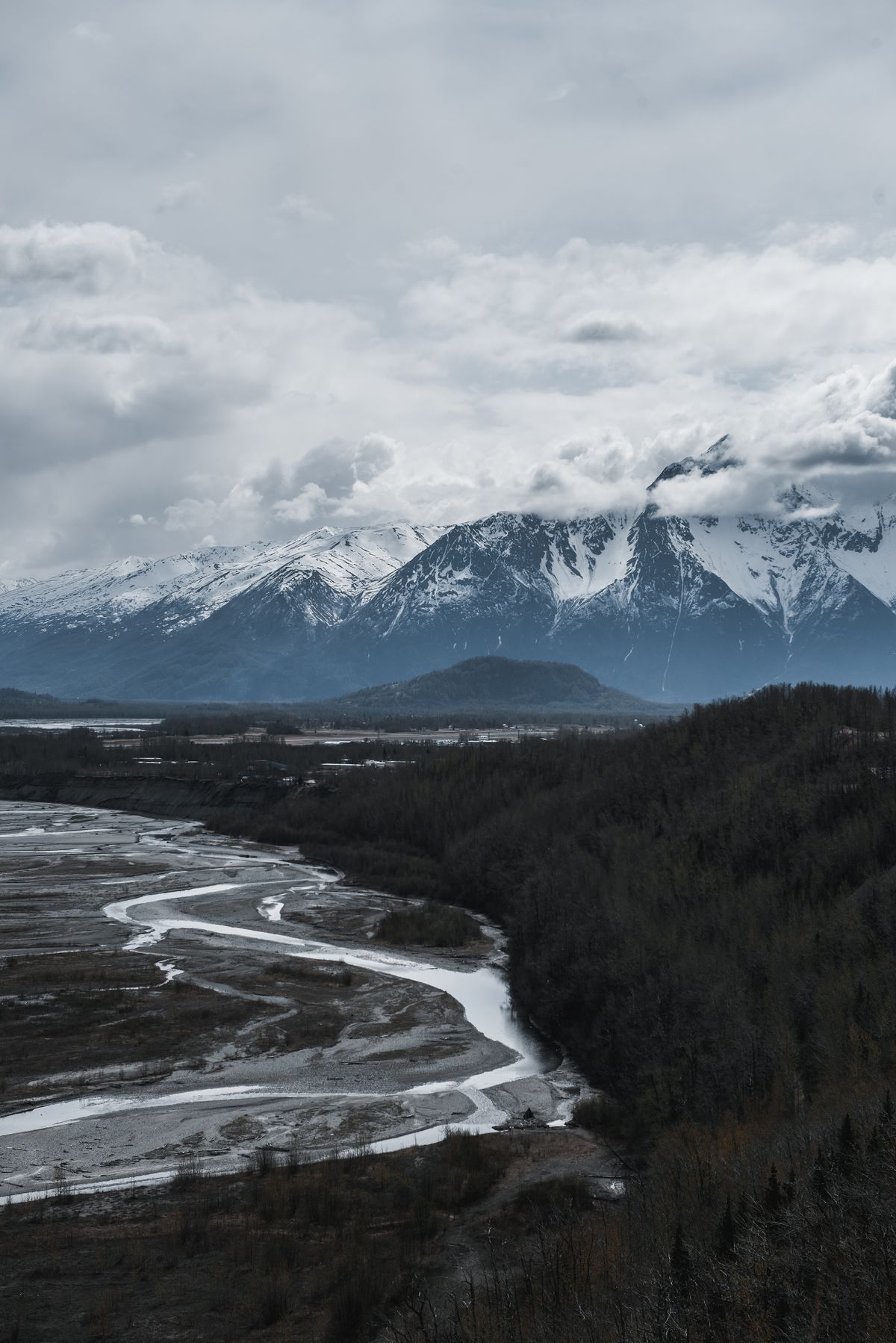
McCarthy, AK
Fly Fishing Wrangell-St. Elias National Park: Thirteen Million Acres, Two Roads, and Rivers That Have Never Seen a Fly
Wrangell-St. Elias is the largest national park in America, six times the size of Yellowstone, bigger than Switzerland, and served by exactly two dirt roads. The fishing here ranges from roadside grayling on the Nabesna to fly-out wilderness rivers that have never been named on a map. This is Alaska fishing at the ragged edge of accessibility.
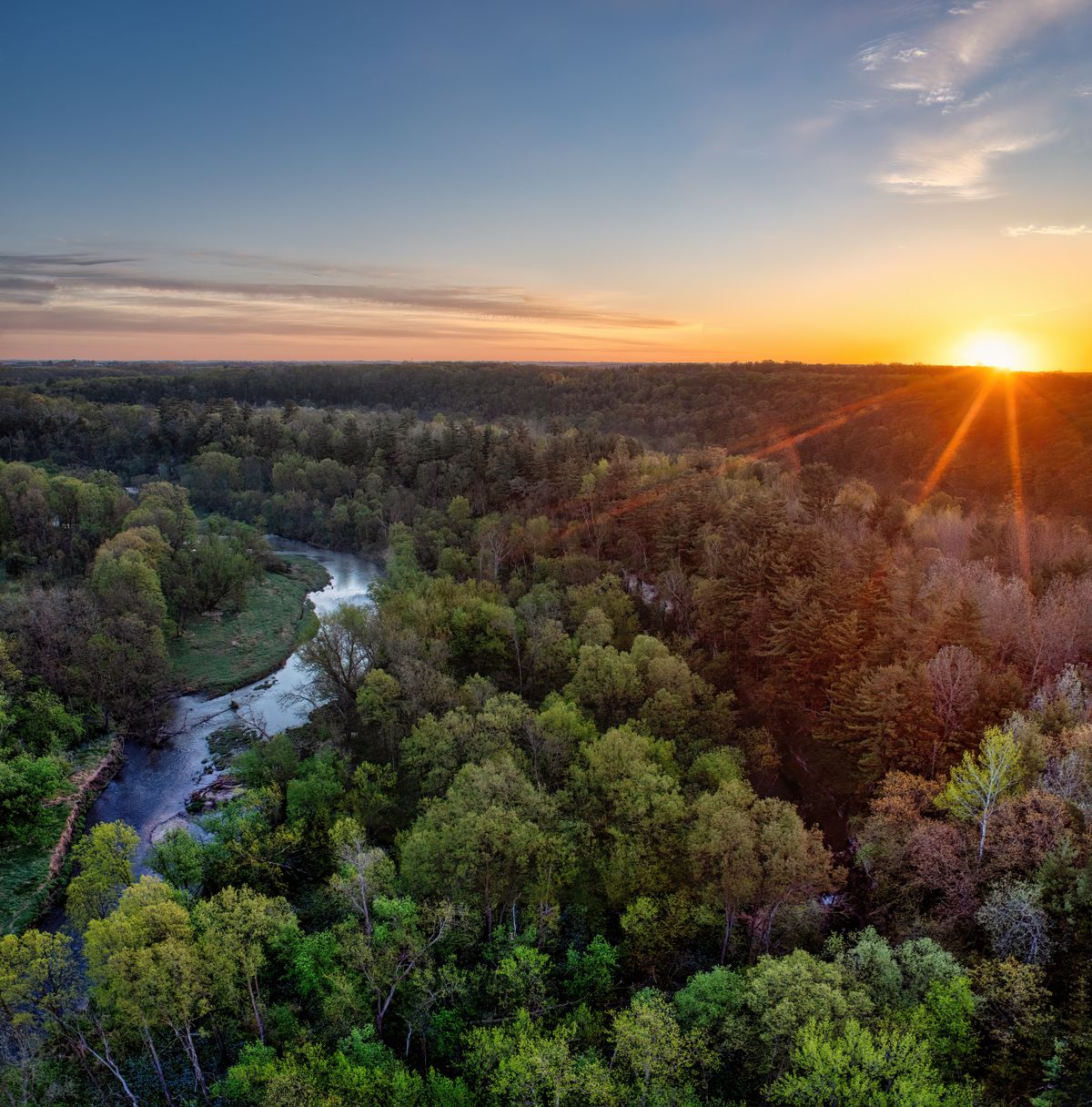
International Falls, MN
Fly Fishing Voyageurs National Park: Smallmouth Bass, Big Lakes, and the Canoe Country Fly Rod
Voyageurs National Park has no roads into its interior, only water. Four massive lakes on the Canadian border, 655 miles of wild shoreline, and smallmouth bass that crush poppers against granite ledges at sunset. This is fly fishing by canoe, in one of the last truly quiet places in America.
Cruz Bay, VI
Fly Fishing Virgin Islands National Park: Jacks, Barracuda, and a Fly Rod on a Caribbean Vacation
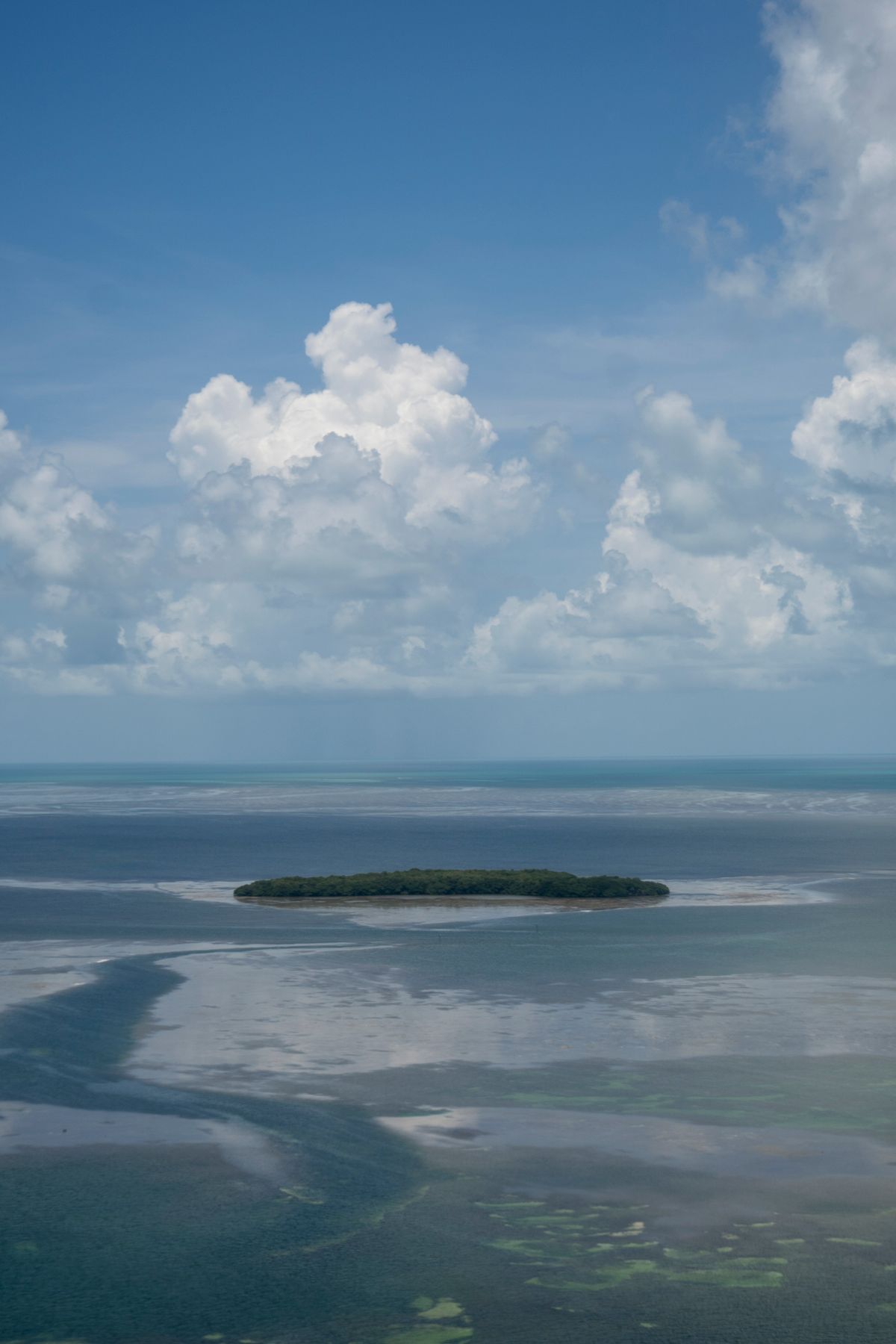
Virgin Islands National Park on St. John is not a fly-fishing destination. It is a Caribbean vacation destination where you happen to bring a fly rod. Jacks cruise every bay, barracuda patrol the reef edges, juvenile tarpon roll in the mangrove lagoons, and bonefish ghost across turtle-grass flats that most visitors walk right past on their way to the beach. Here is how to fish it, bay by bay, honestly, with the right expectations.
Urban Fishing
Washington, DC
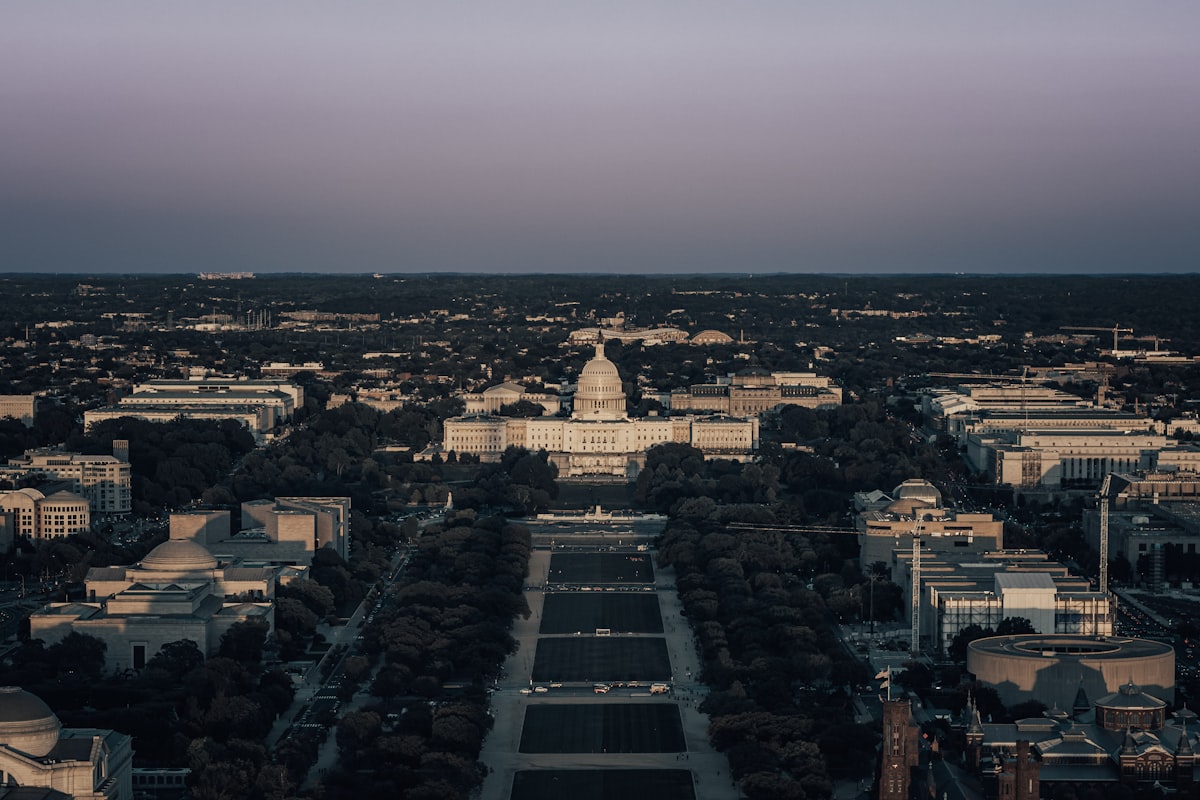
Urban Fishing in Washington DC: Snakeheads on the Anacostia, Blue Catfish in the Potomac, and Shad Runs Past the Monuments
Washington DC sits at the confluence of the Potomac and Anacostia Rivers, holding invasive snakeheads (explosive topwater strikes), blue catfish over 50 pounds, spring shad runs, bass in the Tidal Basin, and carp cruising past the monuments. Fish from the National Mall. No boat needed.
San Diego, CA
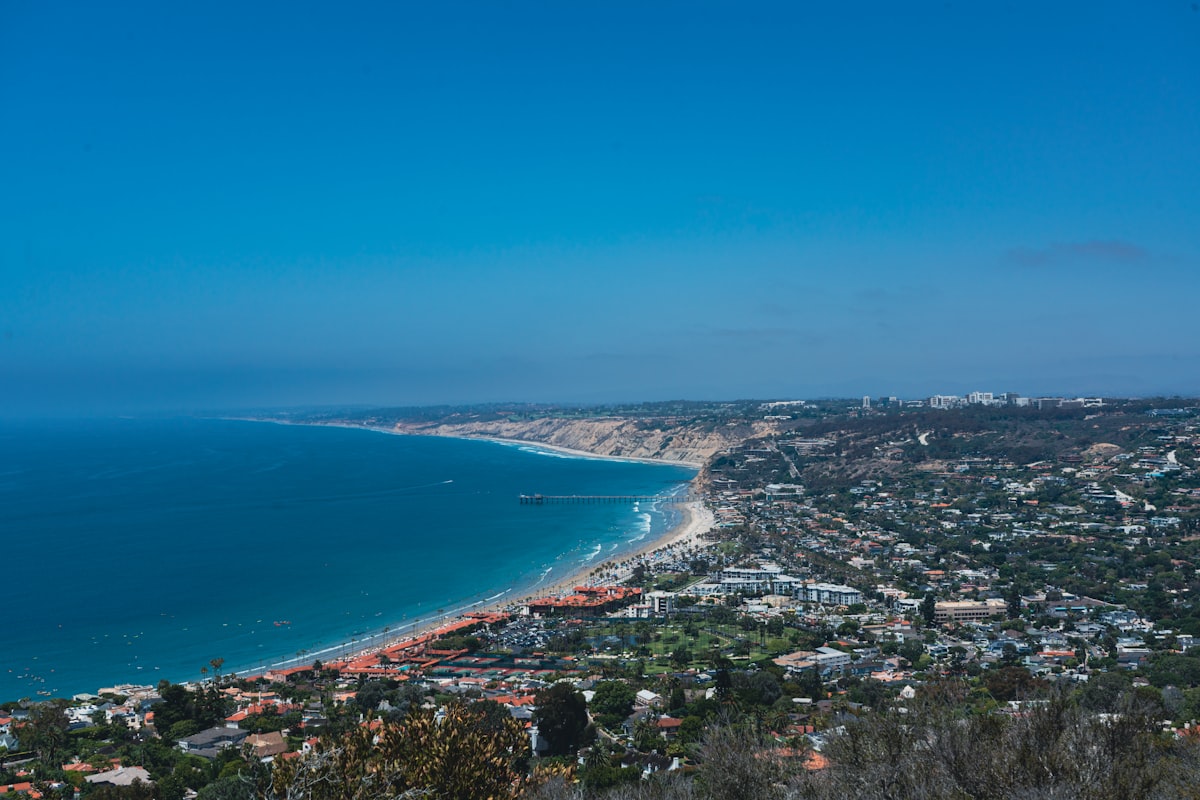
Urban Fishing in San Diego: Spotted Bay Bass in Mission Bay, Halibut from the Piers, and Trophy Largemouth 15 Minutes from Downtown
San Diego has ocean piers where you can catch halibut and yellowtail without a licence, 27 miles of Mission Bay shoreline holding spotted bay bass and corvina, surf beaches with corbina and perch, and urban reservoirs that have produced some of the biggest largemouth bass ever recorded. No boat needed.
San Antonio, TX
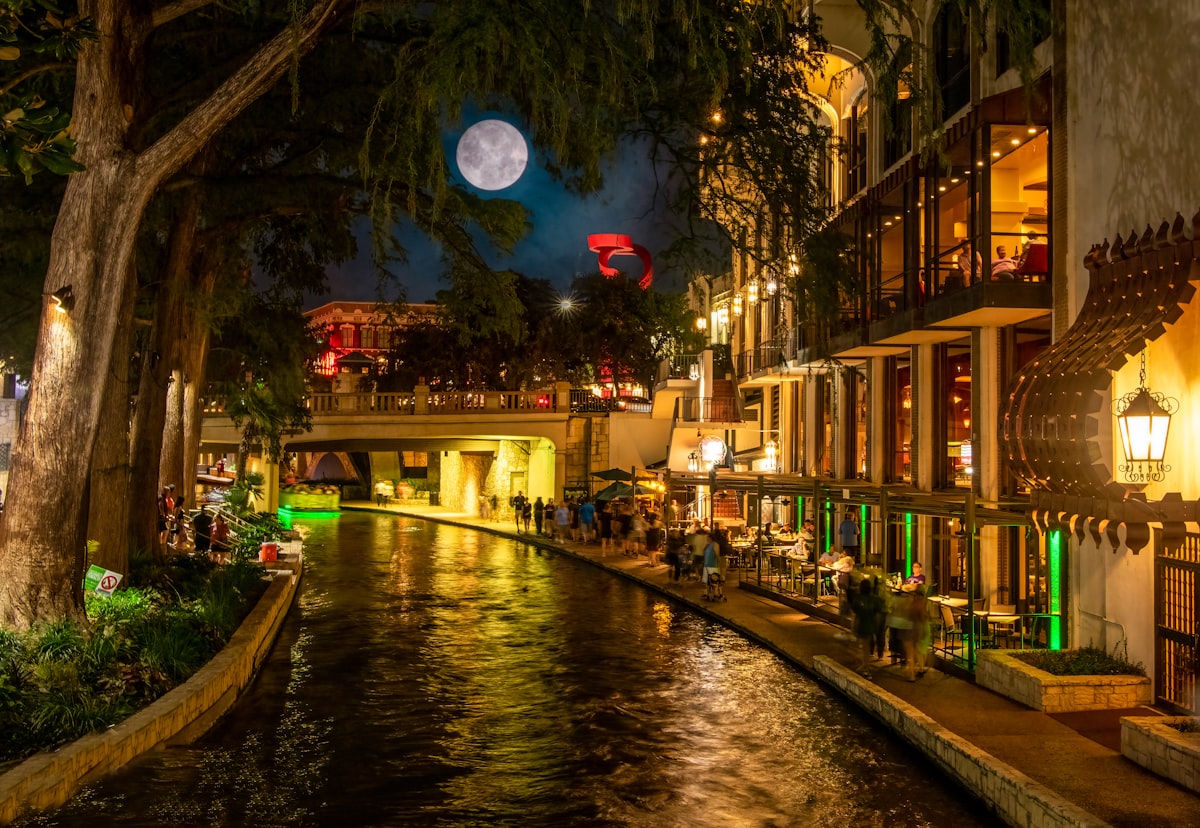
Urban Fishing in San Antonio: Bass on the River Walk, Guadalupe Bass at the Missions, and Power Plant Redfish 20 Minutes from Downtown
San Antonio's river runs through the middle of town, literally through the tourist district, holding bass, catfish, and panfish along the Mission Reach. City park lakes get stocked with trout and catfish, and two power plant reservoirs within 20 minutes hold redfish and hybrid stripers. No boat required.
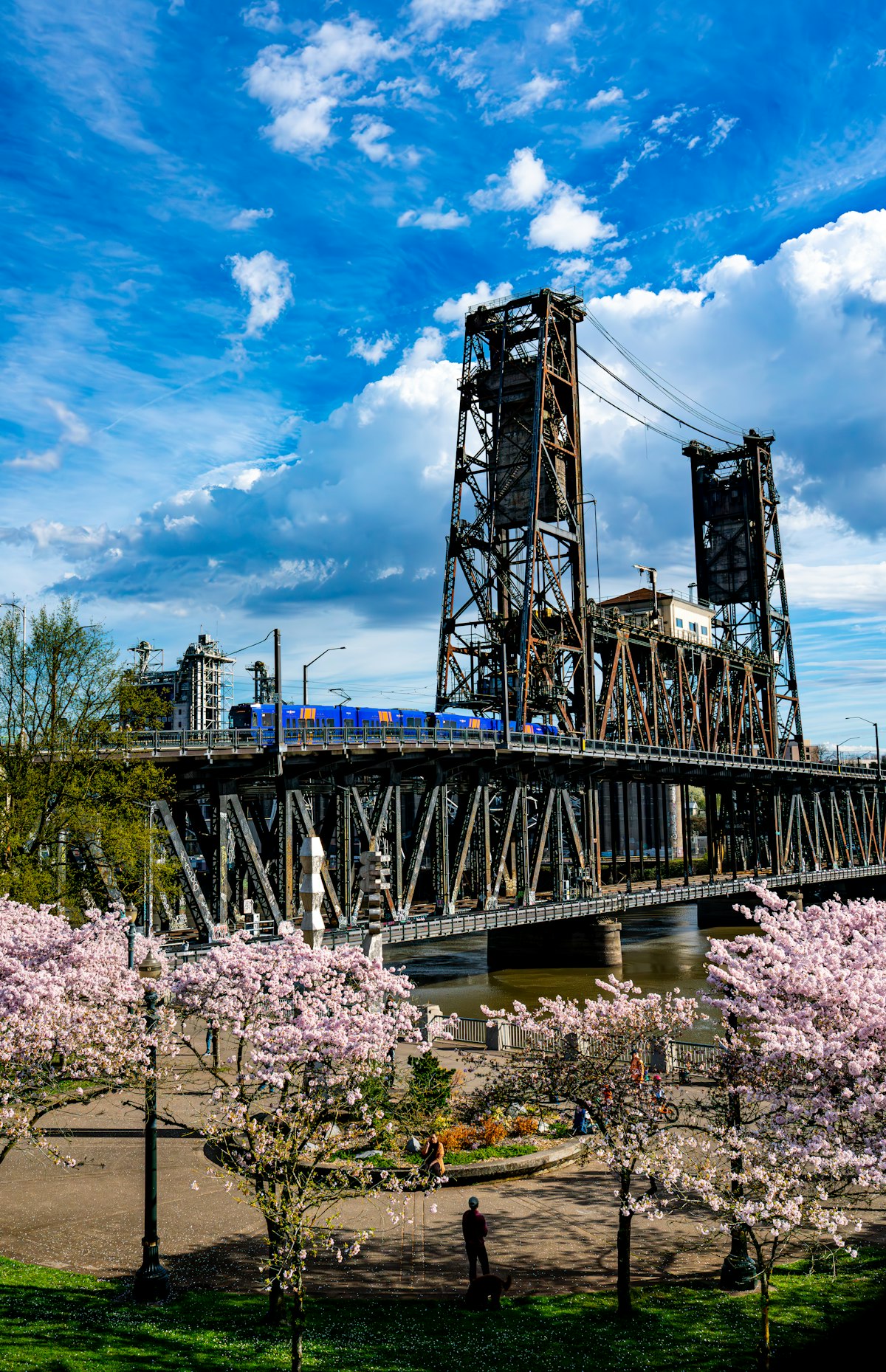
Portland, OR
Urban Fishing in Portland: Salmon in the Willamette, Smallmouth Under the Bridges, and Sturgeon Past the Skyline
Portland is one of the only major cities in America where you can catch salmon and steelhead inside city limits. The Willamette River runs through downtown holding spring Chinook, smallmouth bass, sturgeon, and walleye. The Columbia River forms the northern border. No boat needed for most of it.

Pittsburgh, PA
Urban Fishing in Pittsburgh: Smallmouth Under 446 Bridges, Walleye Below the Dams, and Flatheads Over 60 Pounds in the Three Rivers
Pittsburgh sits at the confluence of three rivers, the Allegheny, Monongahela, and Ohio, creating one of the most productive urban river fisheries in America. Smallmouth bass hold under 446 bridges, walleye stack below the dams, and flathead catfish exceeding 60 pounds lurk in the deep holes. No boat required.
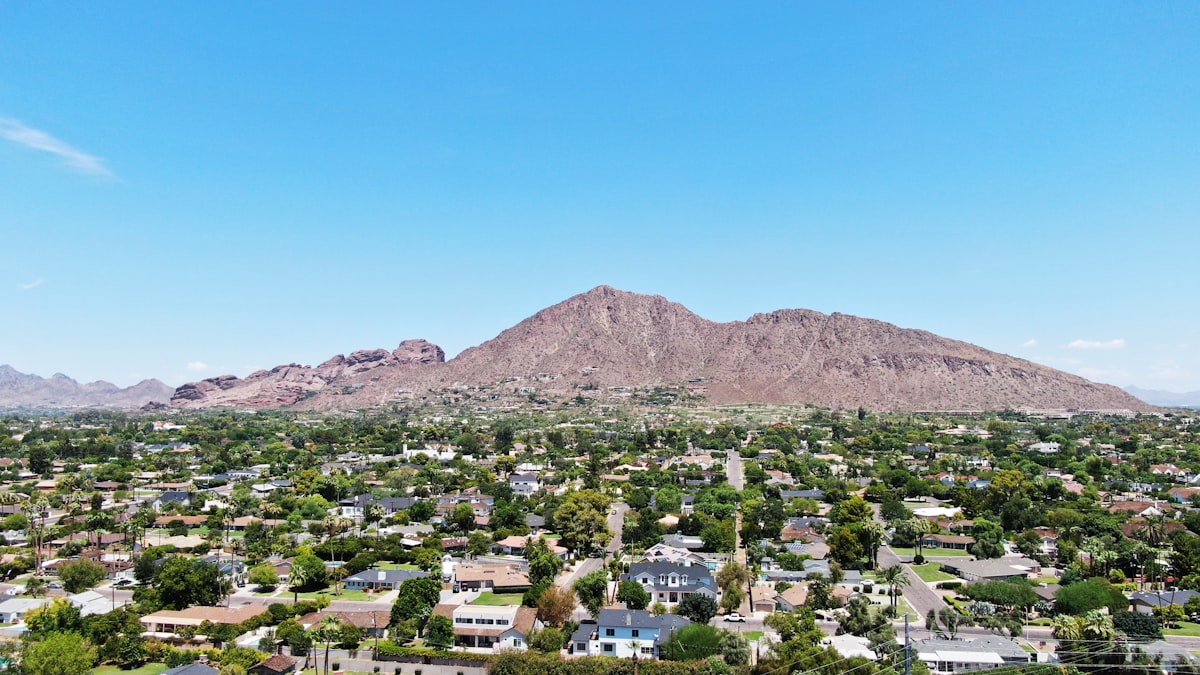
Phoenix, AZ
Urban Fishing in Phoenix: Carp in the Canals, Trout in the Desert, and 30 Stocked Urban Lakes in the Valley of the Sun
Phoenix has over 30 stocked urban lakes, a 131-mile canal system full of carp and bass, and Tempe Town Lake, a 225-acre reservoir in the middle of downtown. The Arizona Game and Fish Community Fishing Program stocks trout, catfish, and sunfish year-round. No boat needed.
Fly Fishing
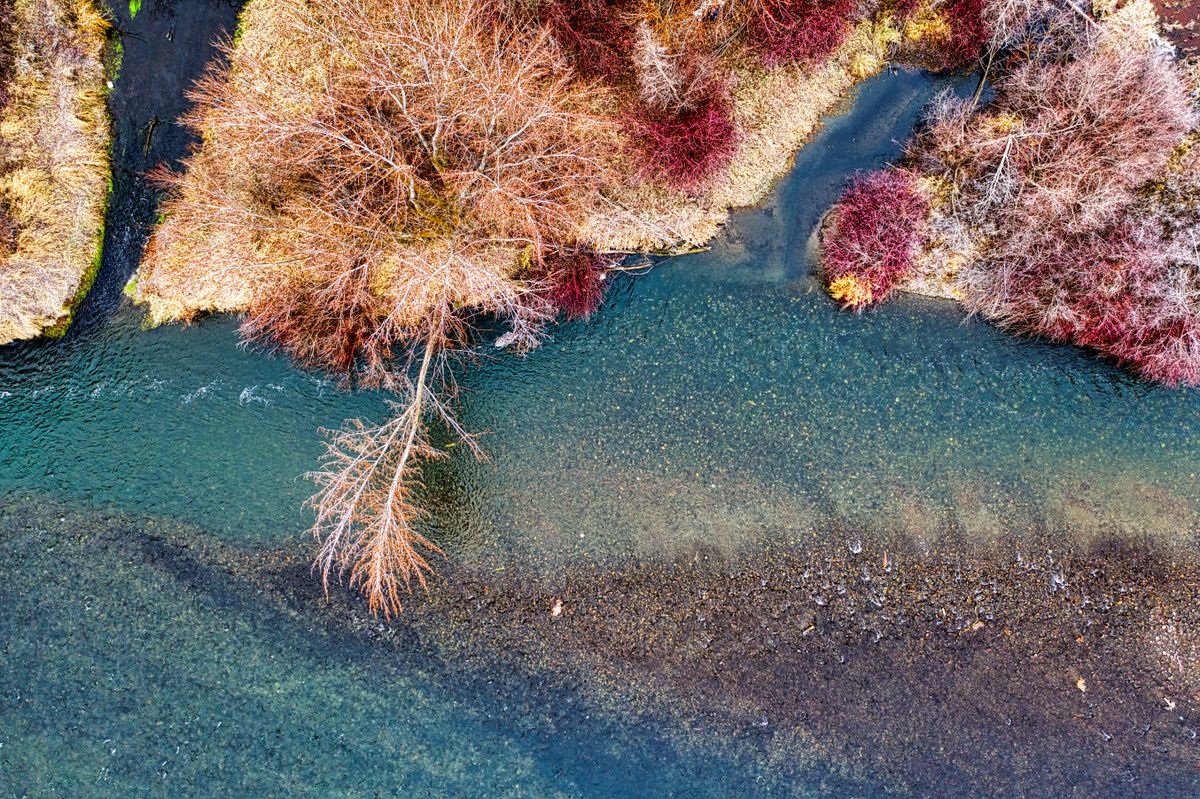
Ellensburg, WA
Fly Fishing the Yakima River: Washington's Only Blue Ribbon Trout Stream, 78 Miles of Dry-Fly Heaven
The Yakima River is Washington's only blue ribbon trout stream, 78 miles of catch-and-release water holding wild rainbow and cutthroat trout from Easton Dam to Roza Dam. The Mother's Day Caddis hatch is one of the most prolific in the West, the canyon section is world-class float water, and it's 90 minutes from Seattle.
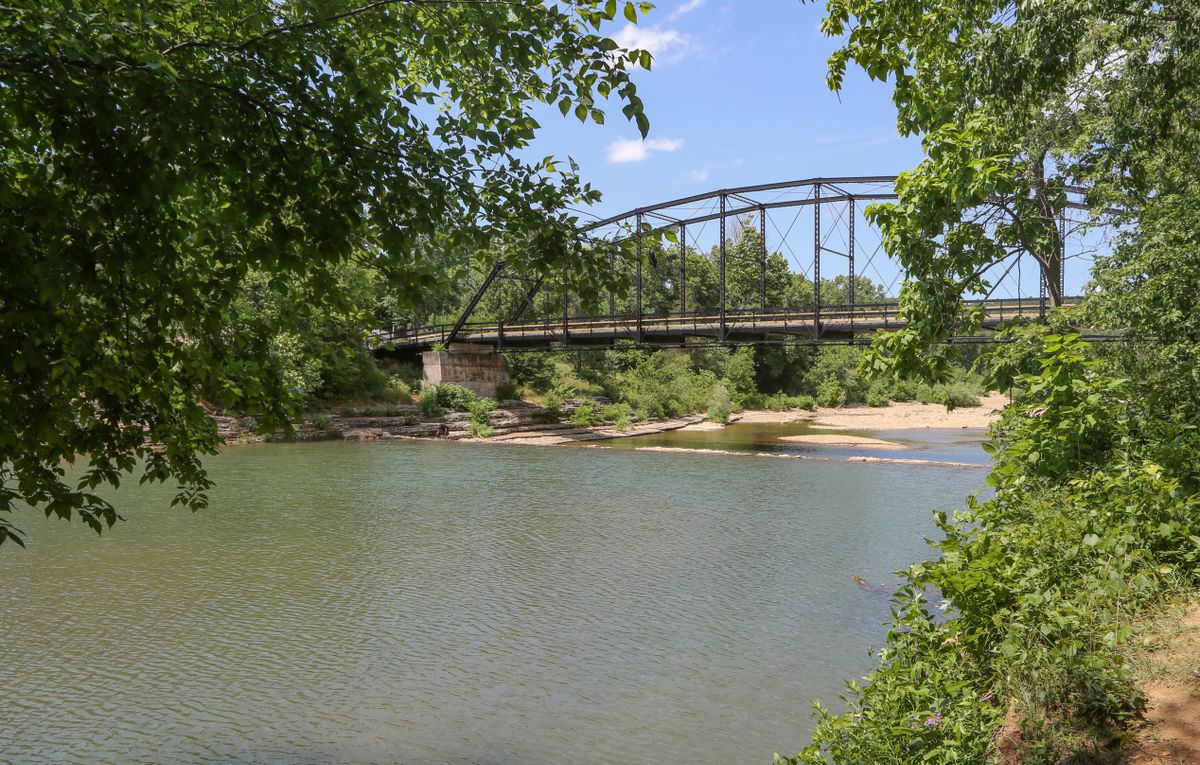
Cotter, AR
Fly Fishing the White River: The Biggest Brown Trout in America, the Shad Kill, and the Dam That Controls Everything
The White River below Bull Shoals Dam grows the largest brown trout in America, fish over 30 pounds from a tailwater that produces year-round. But the dam's generation schedule can change the river from wadeable to unfishable in an hour. Here's how to fish it.
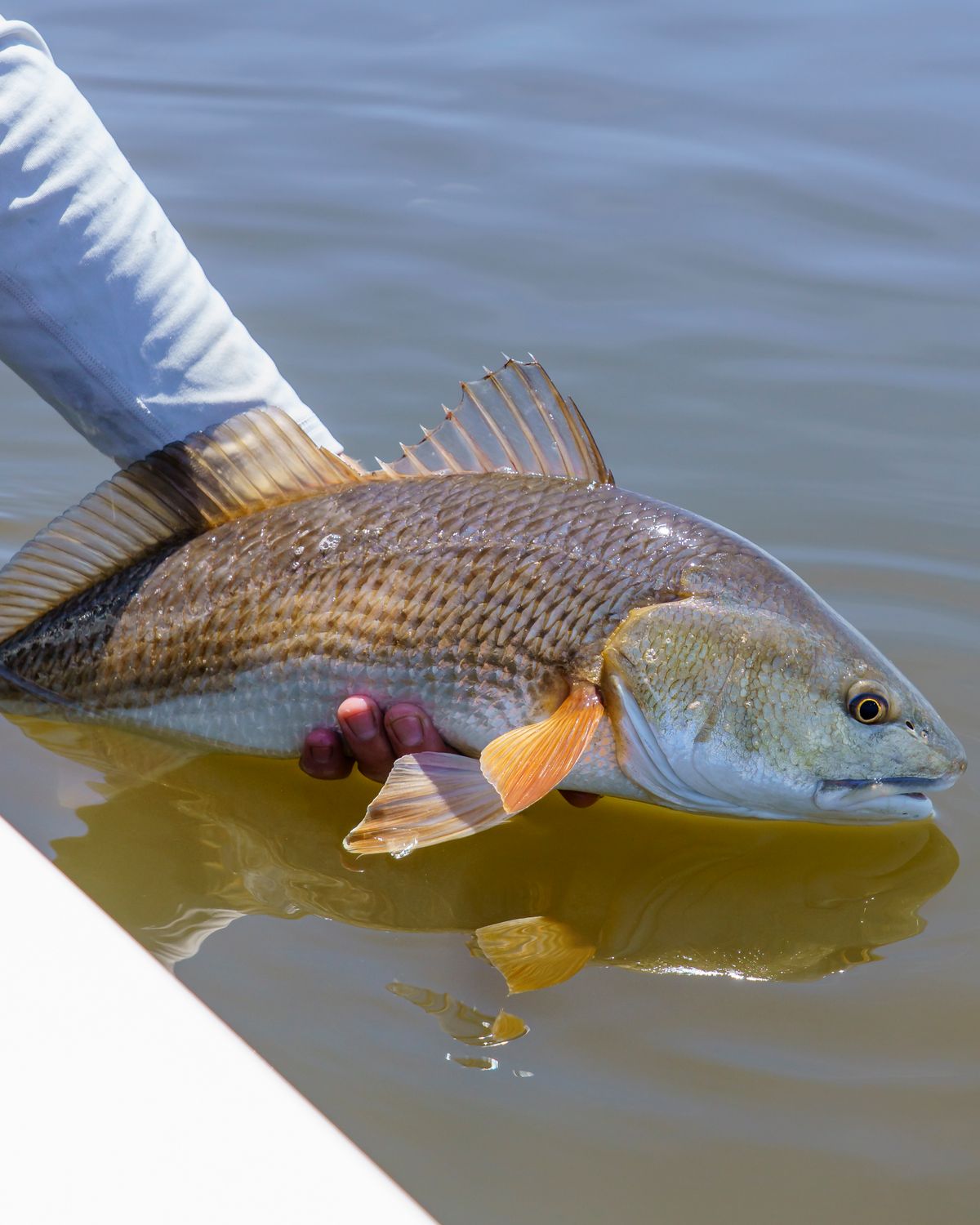
Rockport, TX
Fly Fishing the Texas Coast: Sight-Casting to Redfish on the Flats, and Why It's the Best Saltwater Fly Fishing You've Never Tried
The Texas coast from Rockport to Port Aransas holds miles of clear, shallow flats where redfish tail in ankle-deep water over turtle grass and white sand. If you've always wanted to try saltwater fly fishing but the Keys feel intimidating, start here.
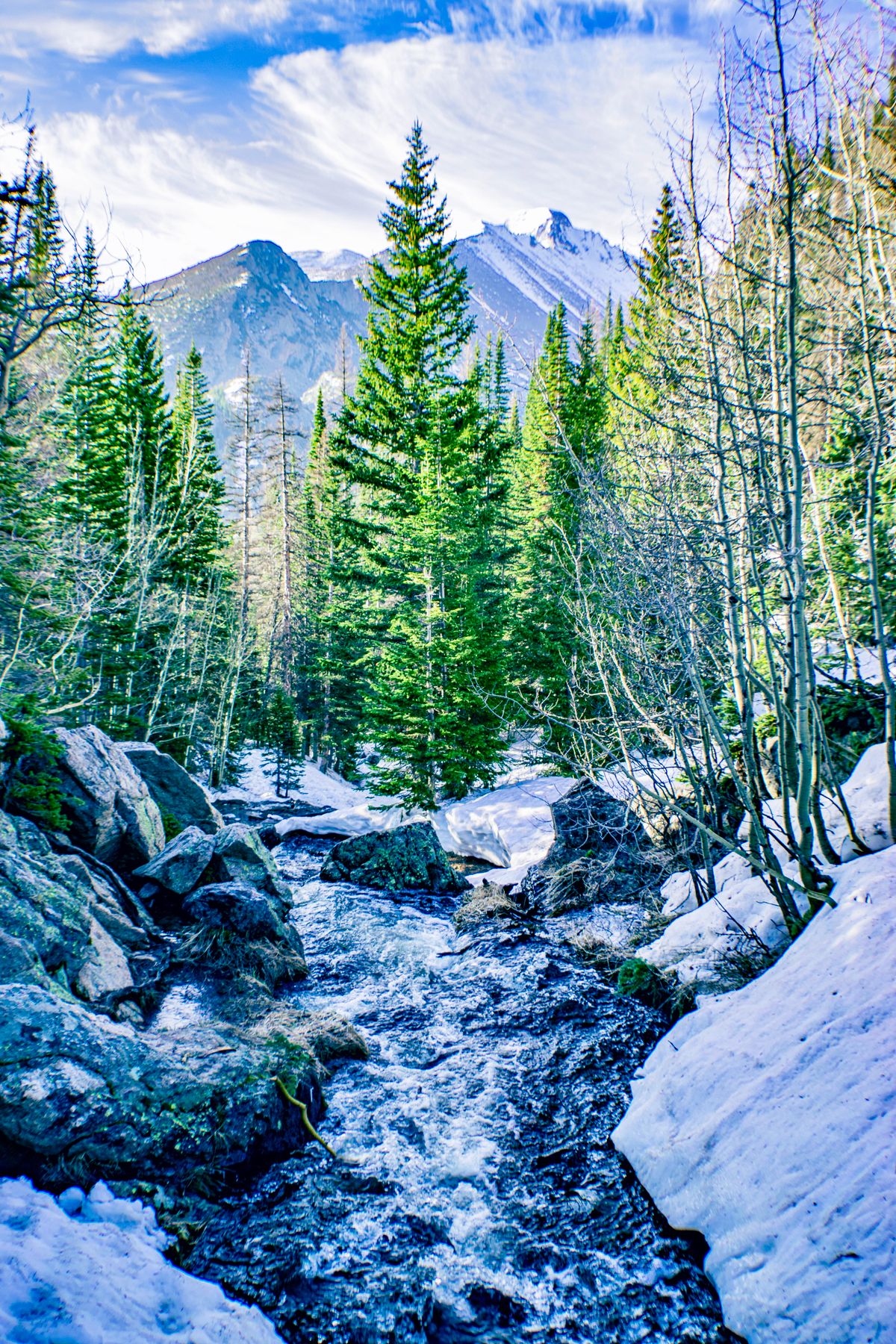
Telluride, CO
Fly Fishing Telluride: The San Miguel, Four Rivers Within an Hour, and the High-Country Water Above 10,000 Feet
Telluride sits at 8,750 feet in the San Juan Mountains with one of the only free-flowing rivers in Colorado running through town, three more rivers within an hour's drive, and alpine lakes above 10,000 feet holding wild cutthroat that almost nobody fishes.
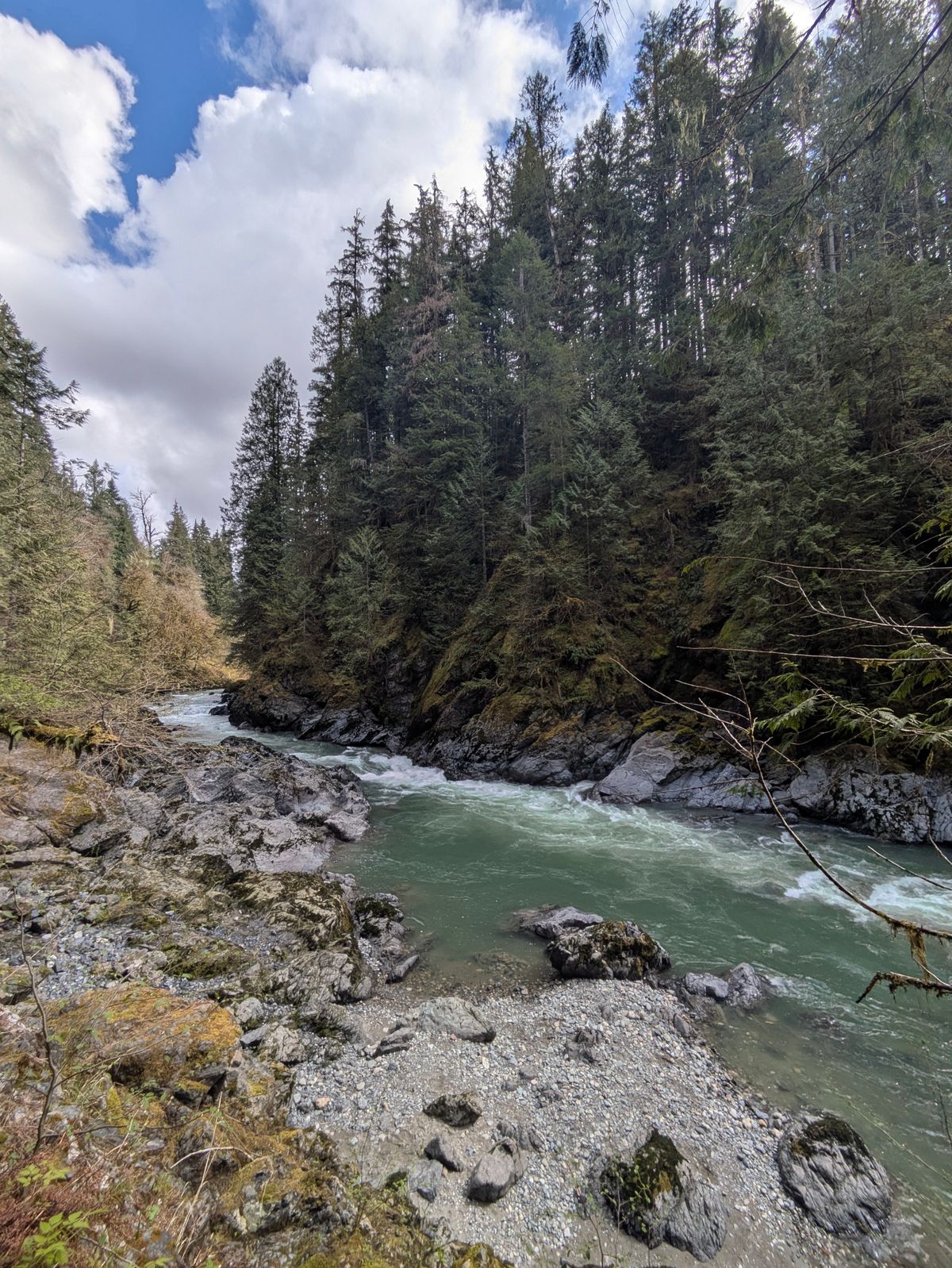
North Bend, WA
Fly Fishing the Snoqualmie River: Seattle's Backyard Trout Stream and the River You Should Already Be Fishing
The Snoqualmie River is 30 minutes from downtown Seattle, three forks of native cutthroat and rainbow trout above a 268-foot waterfall, plus salmon and sea-run cutthroat below it. It's not famous. It's better than that, it's close, it's open, and it's yours.
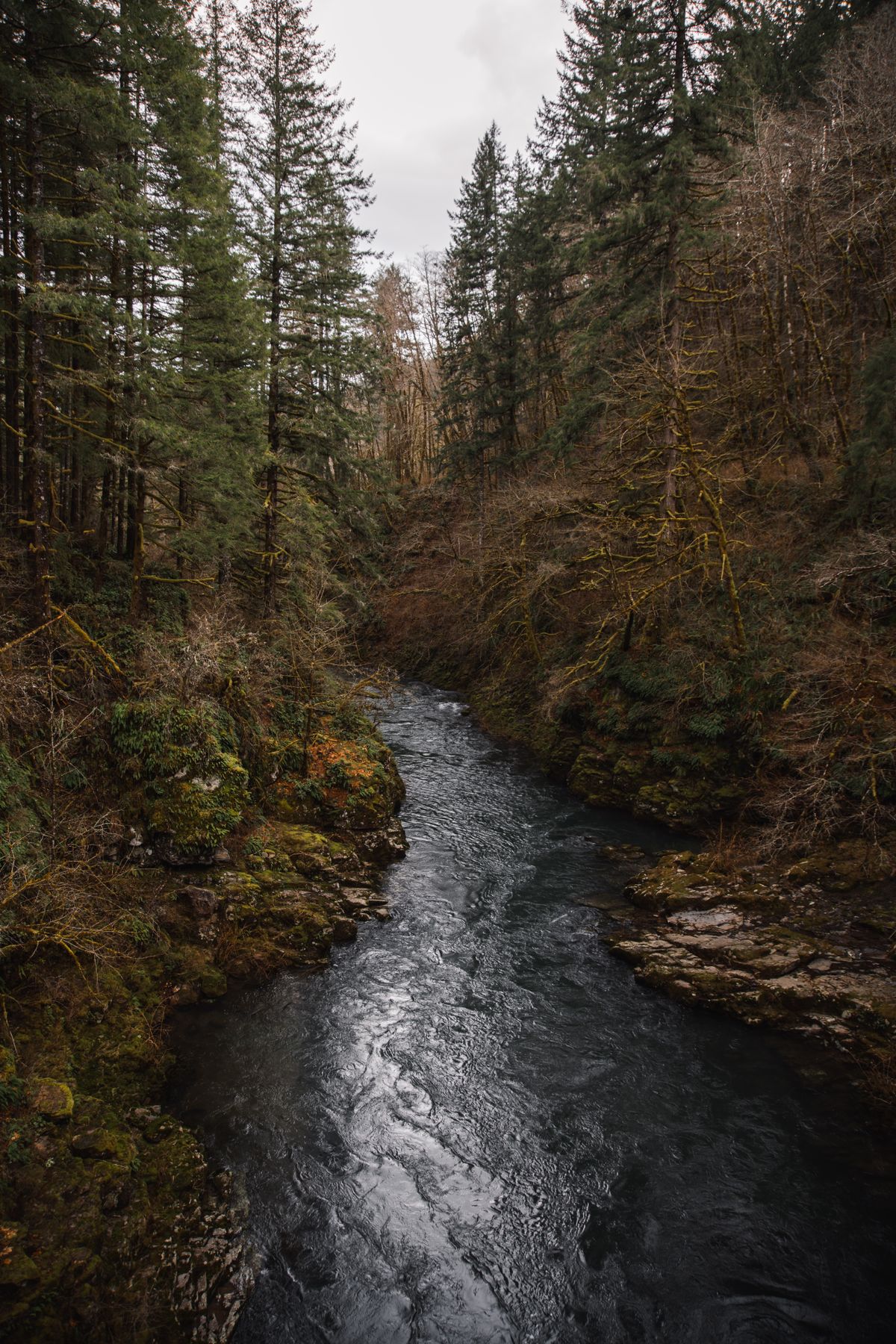
Gold Bar, WA
Fly Fishing the Skykomish River: Steelhead, Salmon, Spey Rods, and Seattle's Backyard Big-Fish River
The Skykomish is the closest serious steelhead and salmon river to Seattle, an hour on Highway 2 puts you in classic swinging water between Gold Bar and Sultan. Winter steelhead, summer steelhead, coho, chum, pinks, sea-run cutthroat, and a fly named after the river.
Fly Tying
Fly Tying
The Zebra Midge: Four Materials, Five Minutes, and the Fly That Saves the Slowest Days
The Zebra Midge uses four materials and takes five minutes to tie. It imitates the most abundant insect in every trout stream on Earth, the chironomid midge, and it catches fish when nothing else will. Here's the recipe and where it matters most.
Fly Tying
The Woolly Bugger: How to Tie the Fly That Catches Everything That Swims
The Woolly Bugger is the most versatile fly ever tied, it imitates leeches, baitfish, crayfish, and a dozen other things depending on how you fish it. A 7-year-old named it. It catches everything from panfish to steelhead.
Fly Tying
Tying the Trico Spinner: The Smallest Fly That Creates the Biggest Challenge
Vince Marinaro watched a single brown trout eat 67 Trico spinners in one minute and called them the 'White-Winged Curse.' Here's how to tie the spent-wing spinner, the cluster pattern, and the techniques that turn the most frustrating hatch into the best dry fly fishing of the year.
Fly Tying
The Sucker Spawn: How to Tie the Egg Cluster That Turns Spring Into a Feeding Frenzy
Every spring, white suckers flood tributaries and dump billions of eggs into the gravel. Trout line up downstream and gorge. The Sucker Spawn imitates the clumps of eggs that break free -- and it's the most effective spring pattern on any river with a sucker run.
Fly Tying
The Stimulator: The Stonefly-Caddis-Hopper-Attractor That Floats Through Anything
Randall Kaufmann popularized the Stimulator in the 1980s as a stonefly imitation, but it's become something bigger, a high-riding attractor dry fly that covers stoneflies, caddis, Yellow Sallies, and grasshoppers depending on the size and color. Over 120 variations exist. Here are the ones that matter.
Fly Tying
The Steamboat Island Leech: How to Tie the Puget Sound Pattern That Catches Everything From Cutthroat to Bass to Steelhead
Josh Phillips of Spawn Fly Fish designed the Steamboat Island Leech for sea-run cutthroat in south Puget Sound, then watched it catch trout, bass, salmon, and steelhead in every water type. The articulated jig shank, marabou, and Simi Seal construction creates movement that fish can't ignore.
International
Terrace, BC
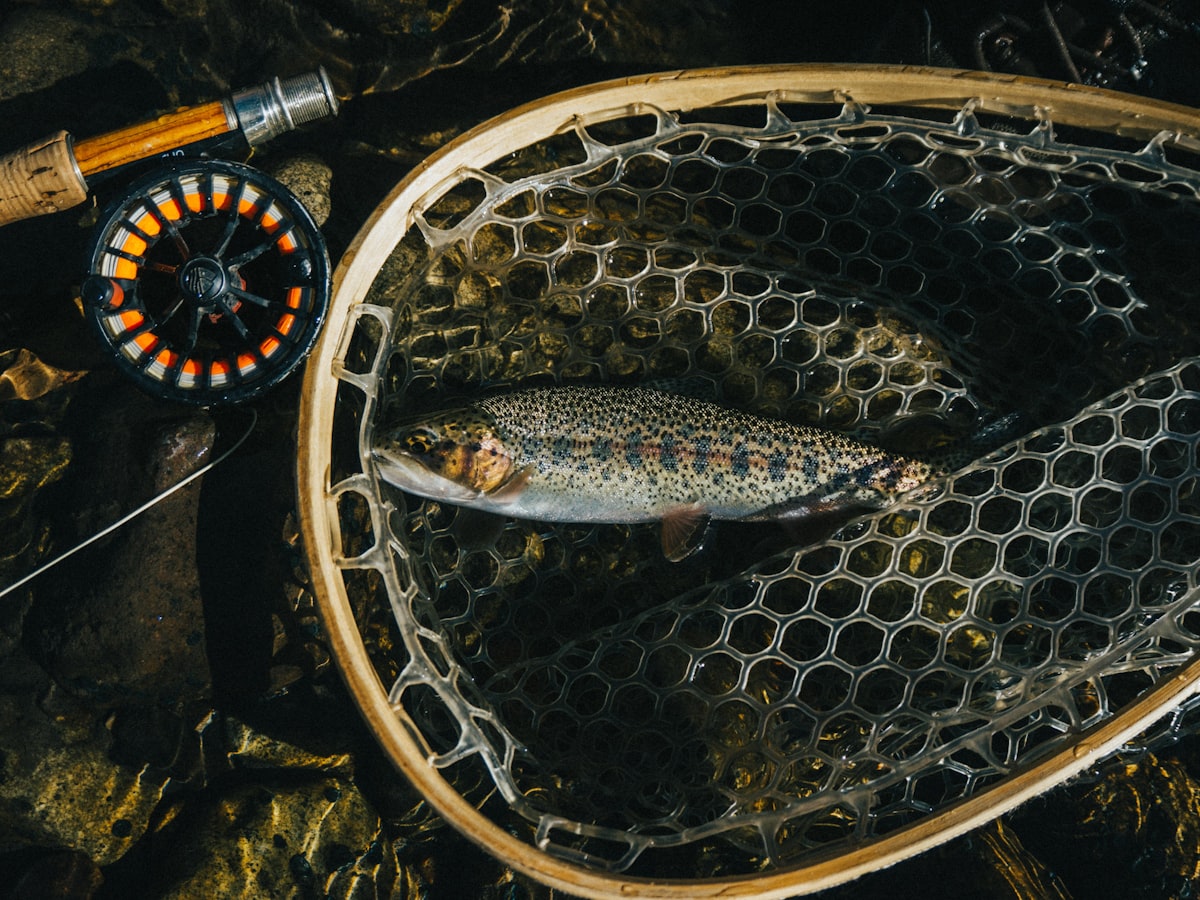
How to Fish the Skeena River and Terrace, BC: Steelhead, Chinook, Coho, and Every Technique That Works
The Skeena River system near Terrace holds wild steelhead, chinook over 60 pounds, and all five Pacific salmon, and the techniques to catch them range from Spey casting to float fishing to spin casting from the bank.
Ram River, AB
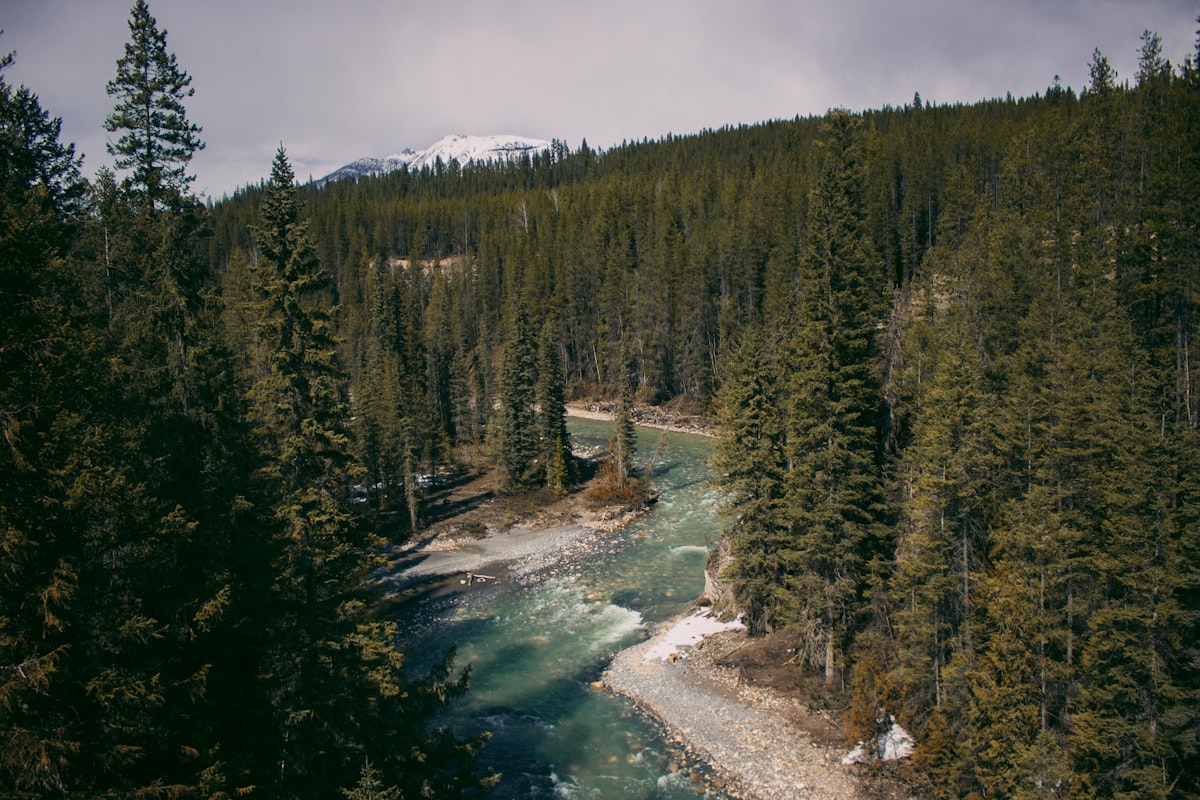
How to Fish the Ram River, Alberta: Backcountry Cutthroat Trout
Everything a fly angler needs to fish Alberta's Ram River, eager native westslope cutthroat on the dry fly, protected bull trout, the catch-and-release rules that keep it world-class, canyon access, and how to fish this rugged foothills gem safely.

Miramichi, NB
How to Fish the Miramichi River, New Brunswick: Atlantic Salmon Techniques from Spring Kelts to Fall Hookbills
The Miramichi is fly-fishing-only water for Atlantic salmon, here's every technique that works, from wet-fly swings for summer grilse to Spey casting for fall hookbills in the storied pools of New Brunswick.
Kenora, ON
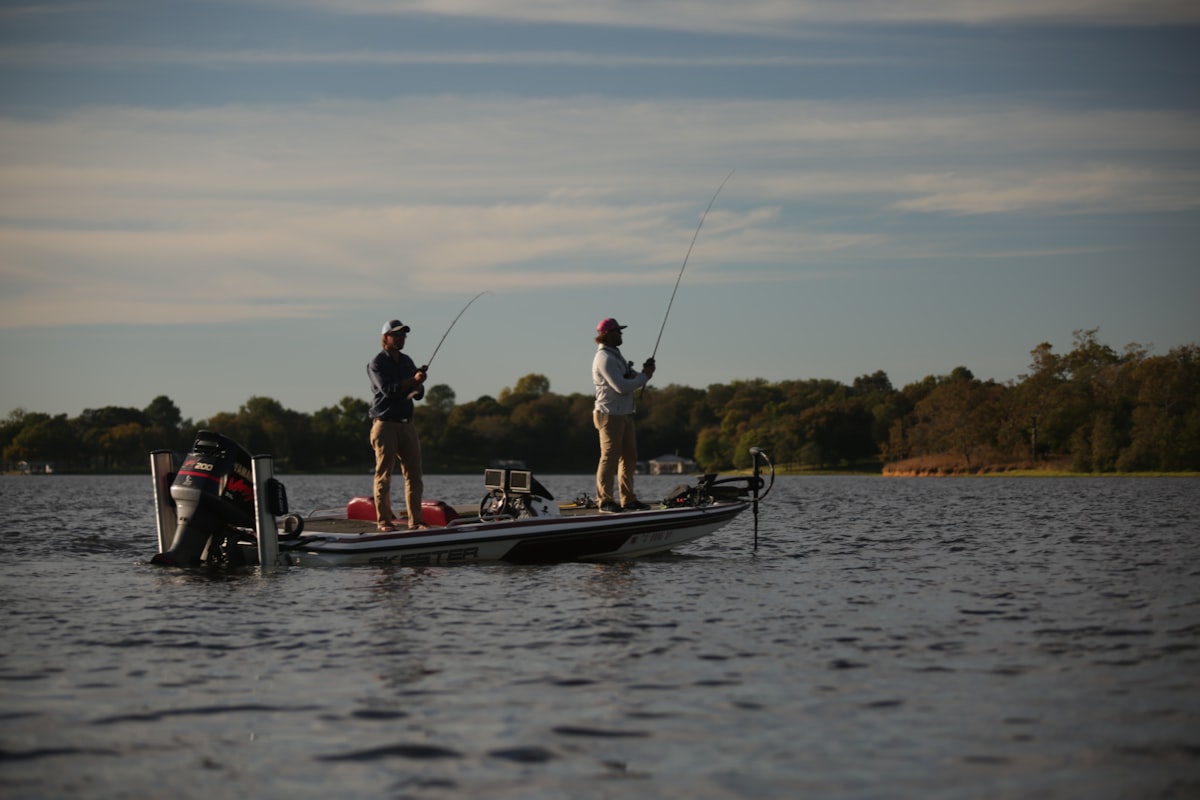
How to Fish Lake of the Woods, Ontario: Walleye Jigging, Muskie Casting, Pike, and Everything That Bites
Lake of the Woods holds walleye, muskie, pike, smallmouth, and lake trout across 1,700 square miles, here's how to catch each species with the techniques that work on this massive Canadian shield lake.
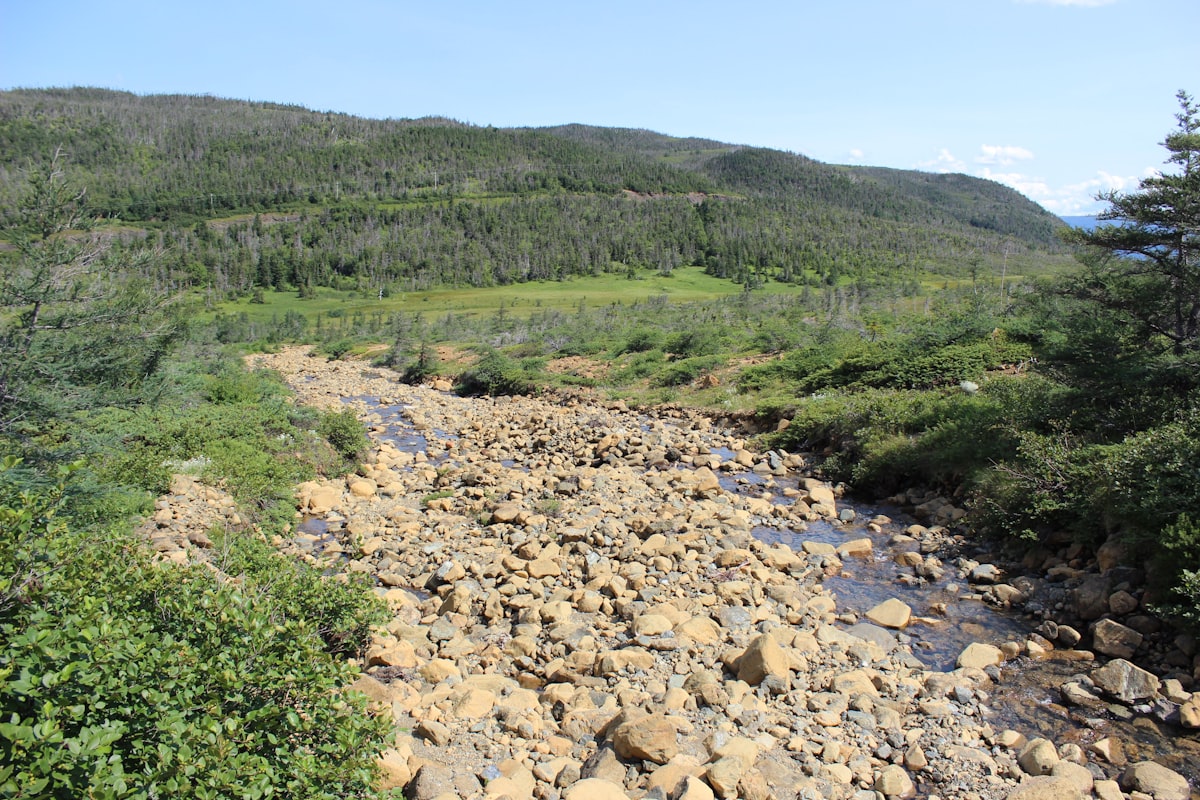
Labrador, NL
How to Fish Labrador: Giant Brook Trout in the Last Great Wilderness
Everything to know about a Labrador fishing trip, fly-in, lodge-based angling for the world's biggest wild brook trout on the dry fly, plus wild Atlantic salmon, Arctic char, ouananiche, and giant northern pike.
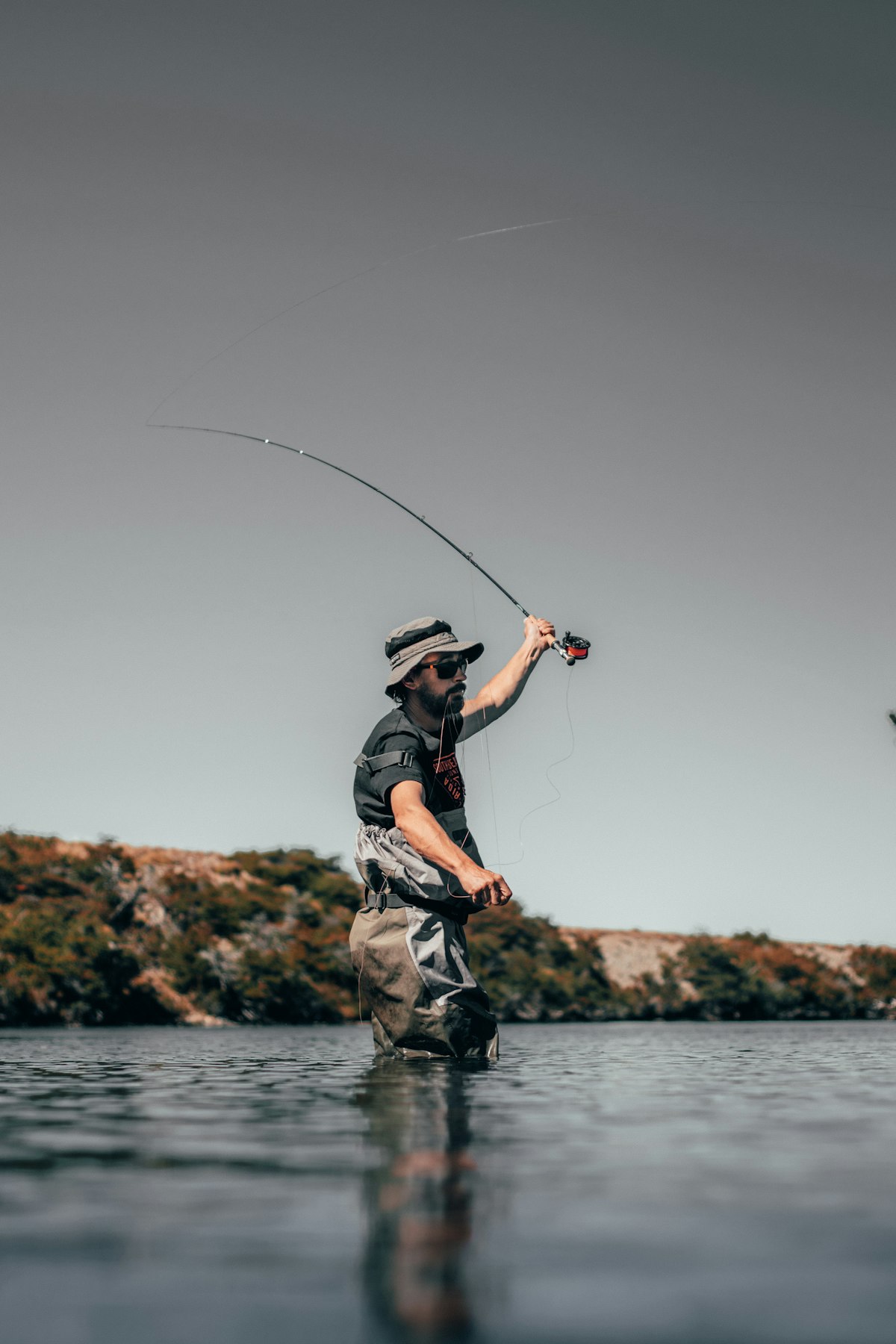
Kamloops, BC
How to Fish Kamloops, BC: Trolling, Spin Casting, Bait Fishing, and Everything Beyond the Fly Rod
Kamloops is famous for stillwater fly fishing, but trolling, spin casting, bait fishing, and ice fishing all produce trophy rainbow trout on the hundreds of lakes surrounding this interior BC city.
Hiking Info
Hiking Info
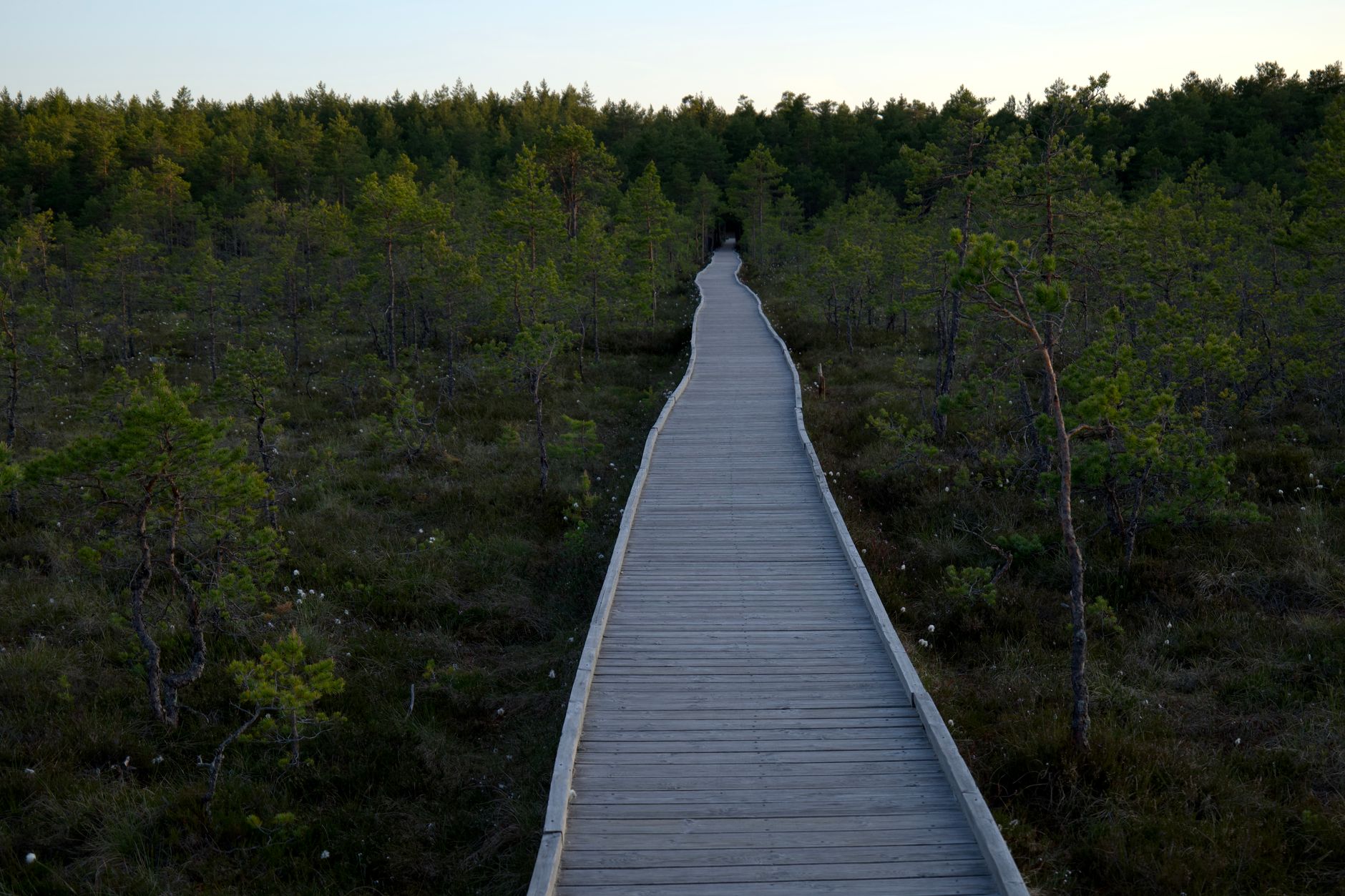
Natural Area, Scenic Trail, Reserve: The Labels Nobody Explains
State Park, State Natural Area, State Recreation Area, State Scenic Trail, State Reserve, State Forest, State Wildlife Area. Seven names on the same road sign, seven different sets of rules, and no agency anywhere that explains the difference to you before you arrive.
Hiking Info
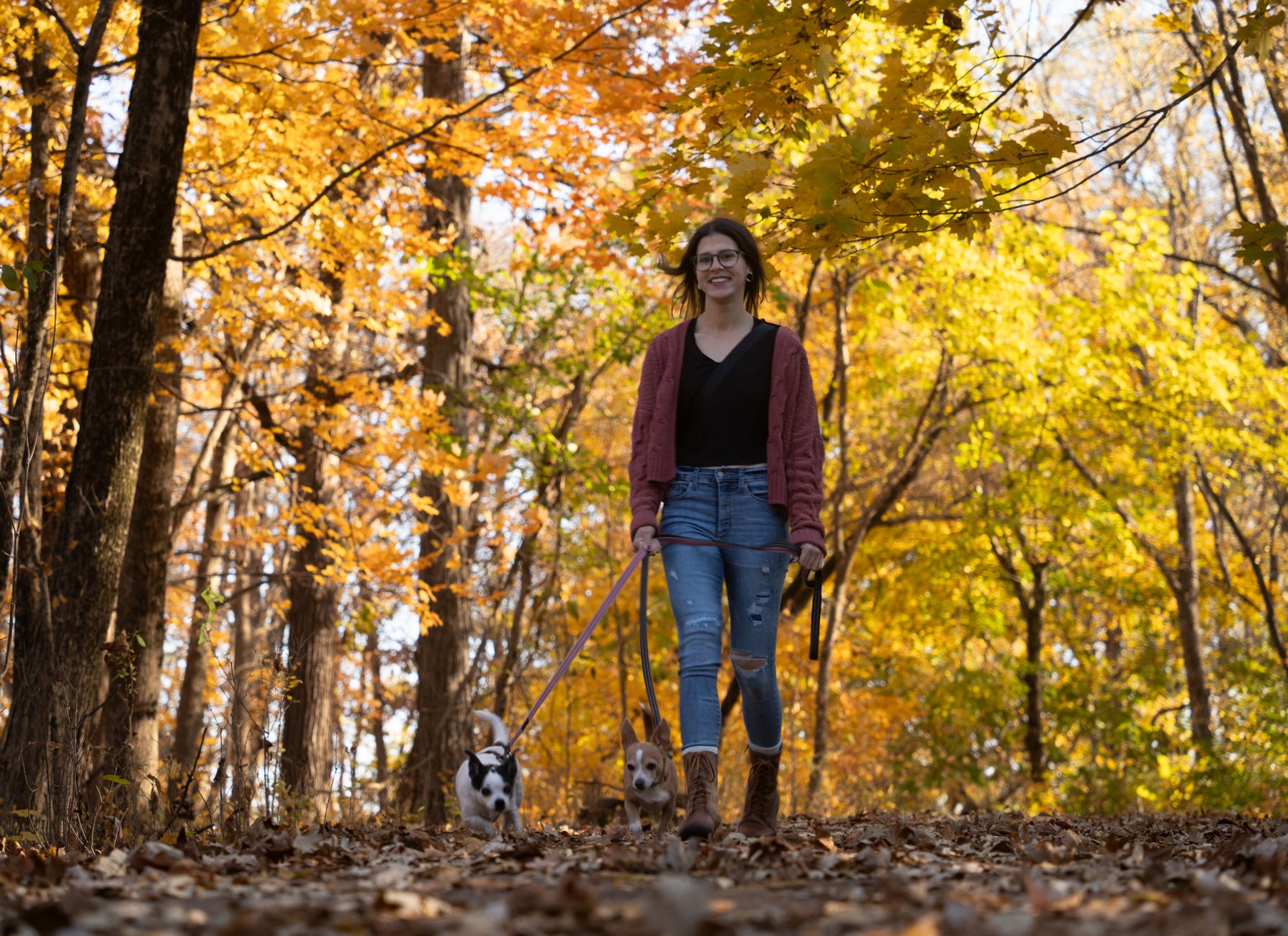
The State Parks That Actually Want Your Dog
State parks are usually the answer when the national park says no. Usually. California confines dogs to campgrounds, picnic areas and paved roads, Washington allows an eight-foot leash but bans them from natural area preserves, and Oregon lets them off leash on the entire coast.
Hiking Info
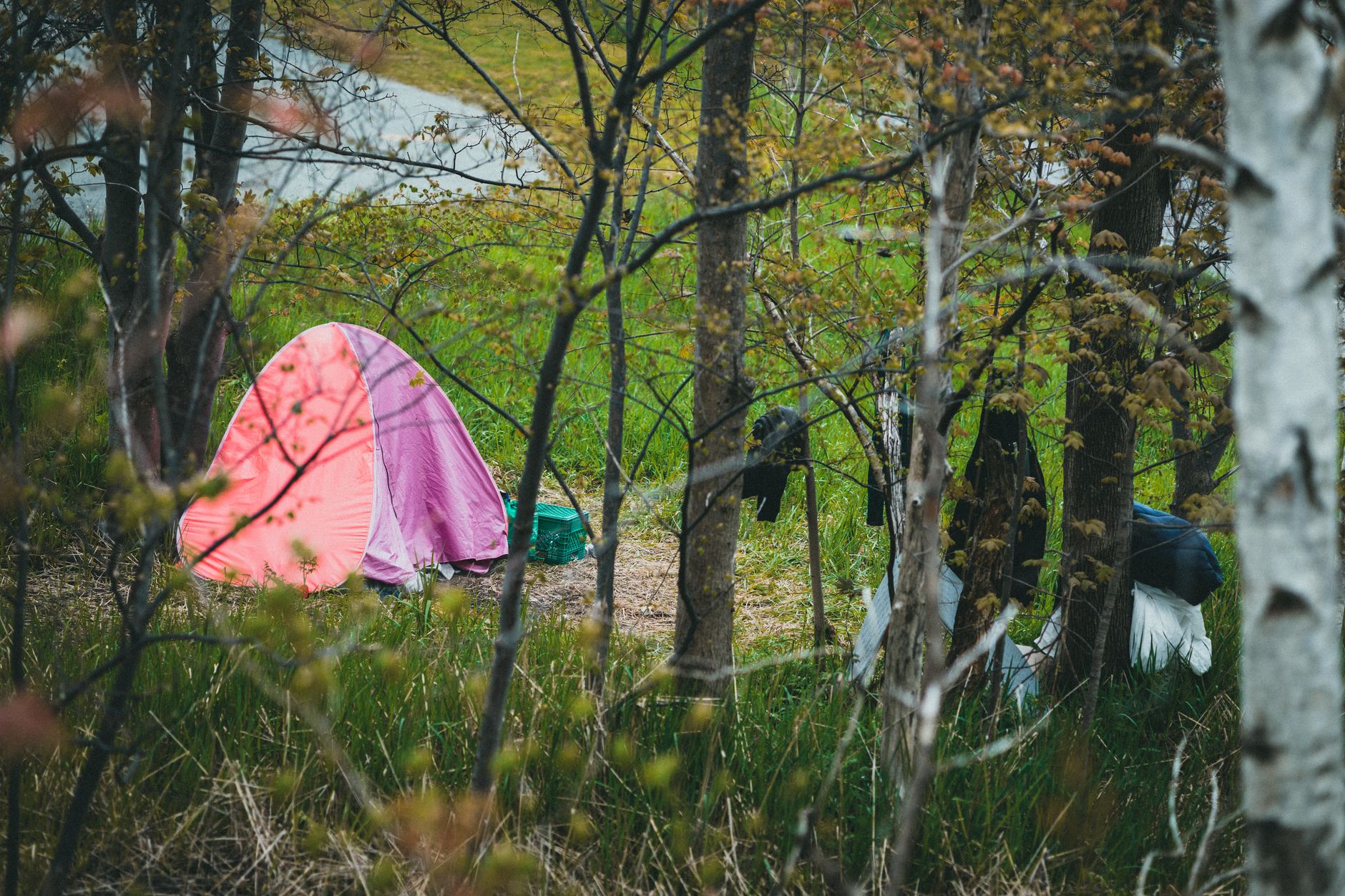
State Park Campsites Sell Out Faster Than National Parks
Everyone knows to fight for a Yosemite campsite. Almost nobody realizes that a waterfront site at a good state park two hours from a major city is harder to get, because the booking window is longer, the demand is local and repeating, and there are a tenth as many sites.
Hiking Info
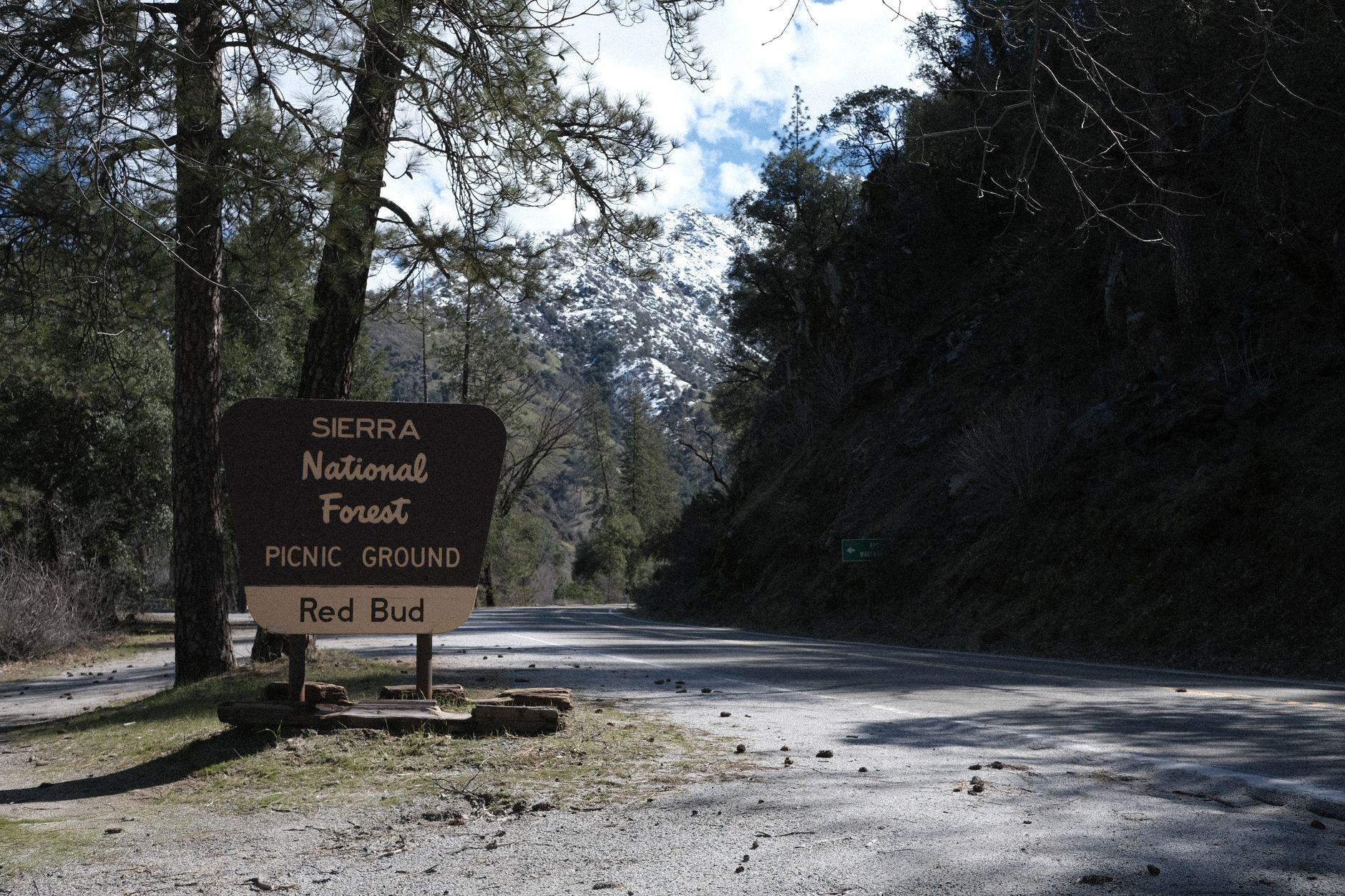
State Park, National Forest, or Wilderness: What Actually Changes Underfoot
The same afternoon's walk can cross five agencies. Whether your dog is permitted, whether you can ride a bike, whether someone is allowed to shoot near you, and whether a logging crew turns up next spring all depend on which one you are standing in, and none of it is signed.
Hiking Info
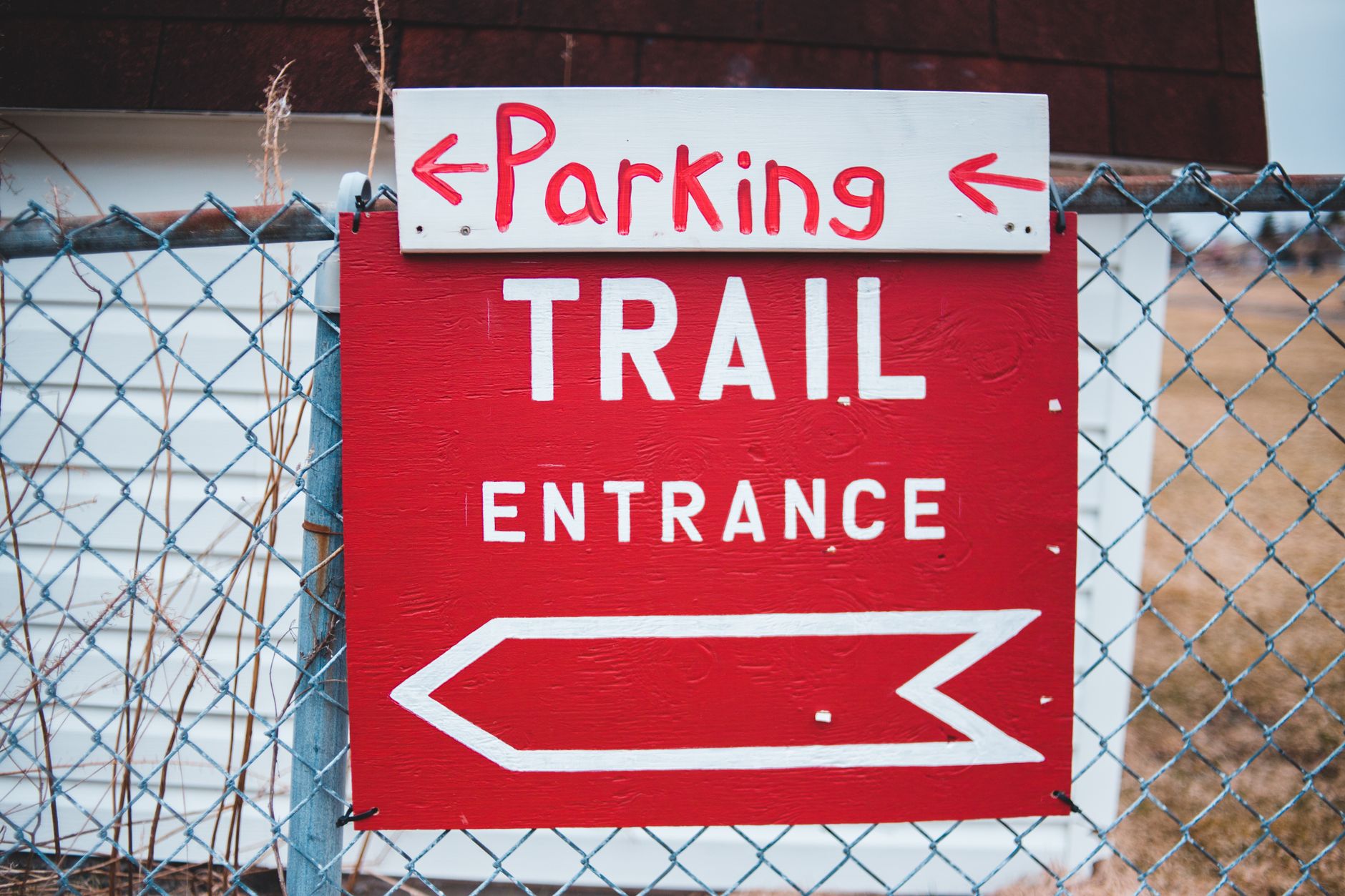
Six States, Six Completely Different Ways to Charge You for a Trailhead
Your America the Beautiful pass is worthless at a state park. So is the Northwest Forest Pass. Washington, Oregon, California, Montana, Idaho, and Tennessee each solved the funding problem differently: one of them by charging you at the DMV, and one by not charging you at all.
Hiking Info
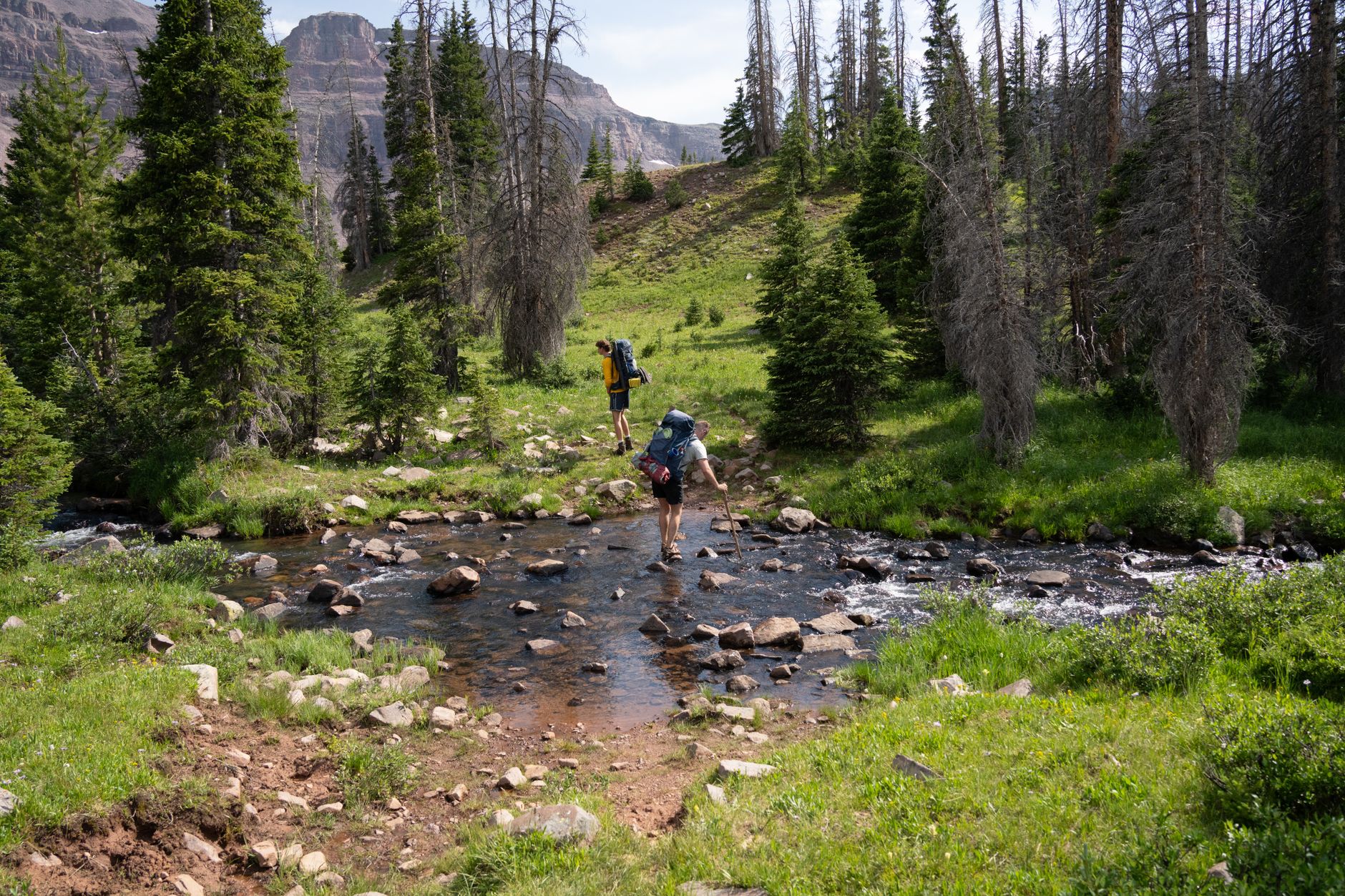
Creek Crossings Kill More Hikers Than Cliffs Do
Moving water is the hazard people respect least and should respect most. Knee-deep water moving fast will take you off your feet, glacial rivers rise through the day as the ice melts, and the crossing you made easily at eight in the morning can be a genuine problem at four in the afternoon.
Signature Trails
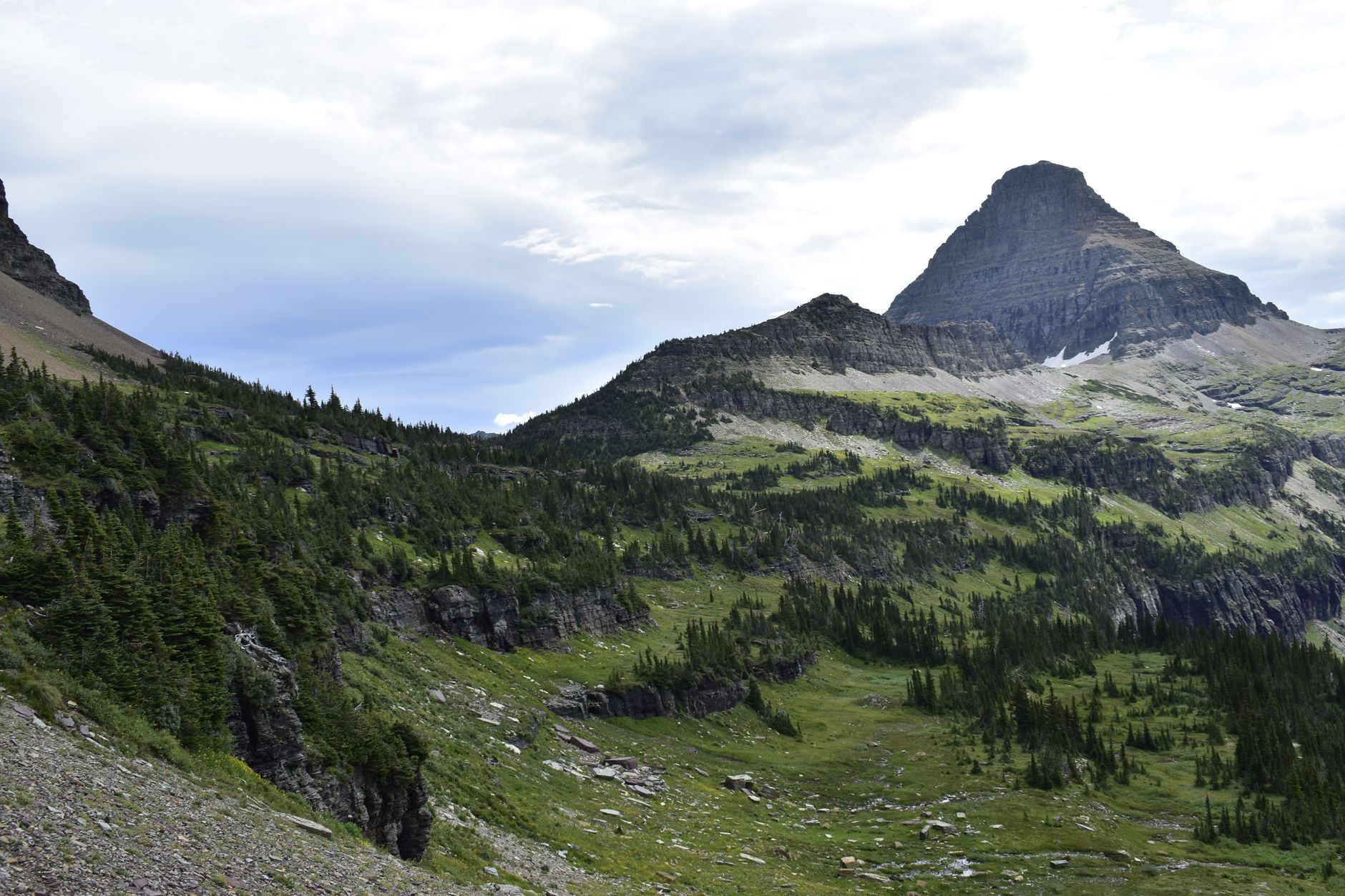
West Glacier, MT
The Highline Trail's Hand Cable Is the Least Frightening Part
Every photograph of this trail shows the same thing: a narrow ledge, a garden hose of steel cable bolted to the rock, and a very long way down. In practice that section takes four minutes and the tread is excellent. The parts worth thinking about come later: the shuttle you must book, the parking cap, and the grizzlies.
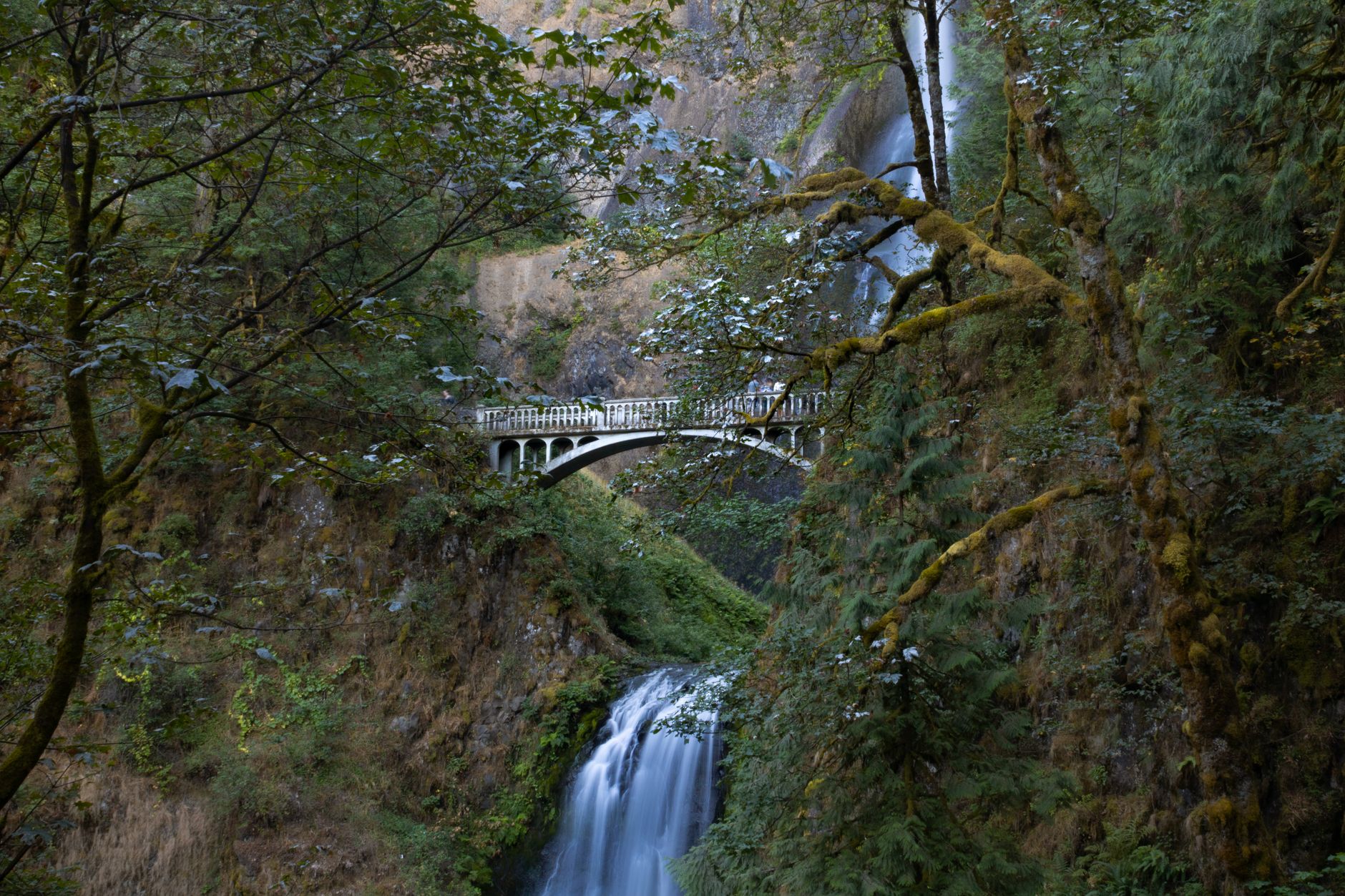
Bridal Veil, OR
The Multnomah-Wahkeena Loop After the Fire: What Grew Back and What Didn't
Five miles, six waterfalls, and 1,600 feet of climbing on the most famous stretch of the Columbia River Gorge, through forest that burned in 2017 and is still visibly recovering. It is the best short hike in Oregon and it now requires a timed permit in season, which almost nobody realizes until they arrive.
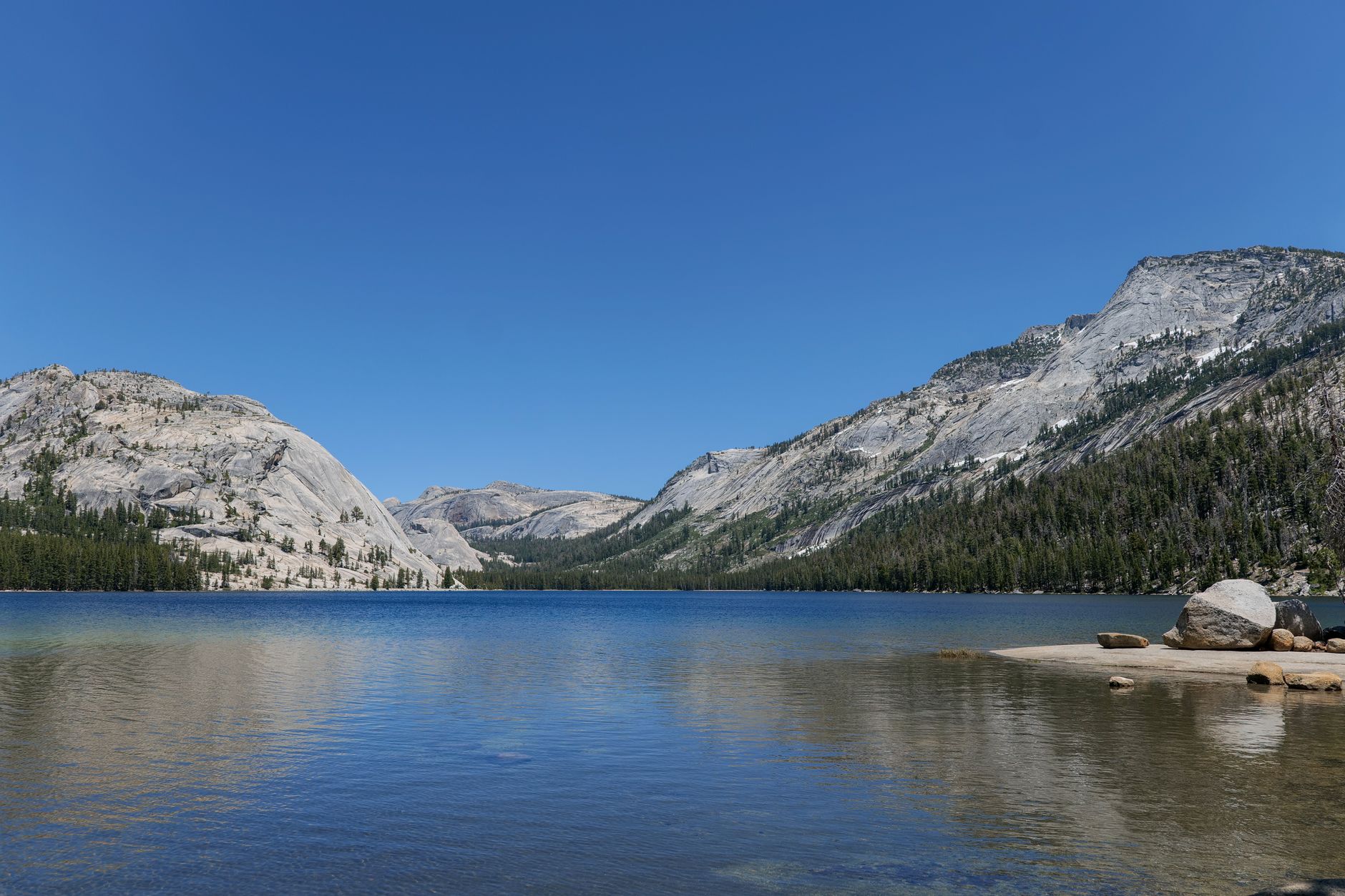
Yosemite Valley, CA
Clouds Rest Is Higher Than Half Dome, Needs No Permit, and Has the Better View
It stands a thousand feet above Half Dome, looks down on it, requires no lottery, and finishes on a granite fin narrow enough that the last few hundred yards are the most exposed ground most hikers will ever walk. Almost nobody outside Yosemite has heard of it.
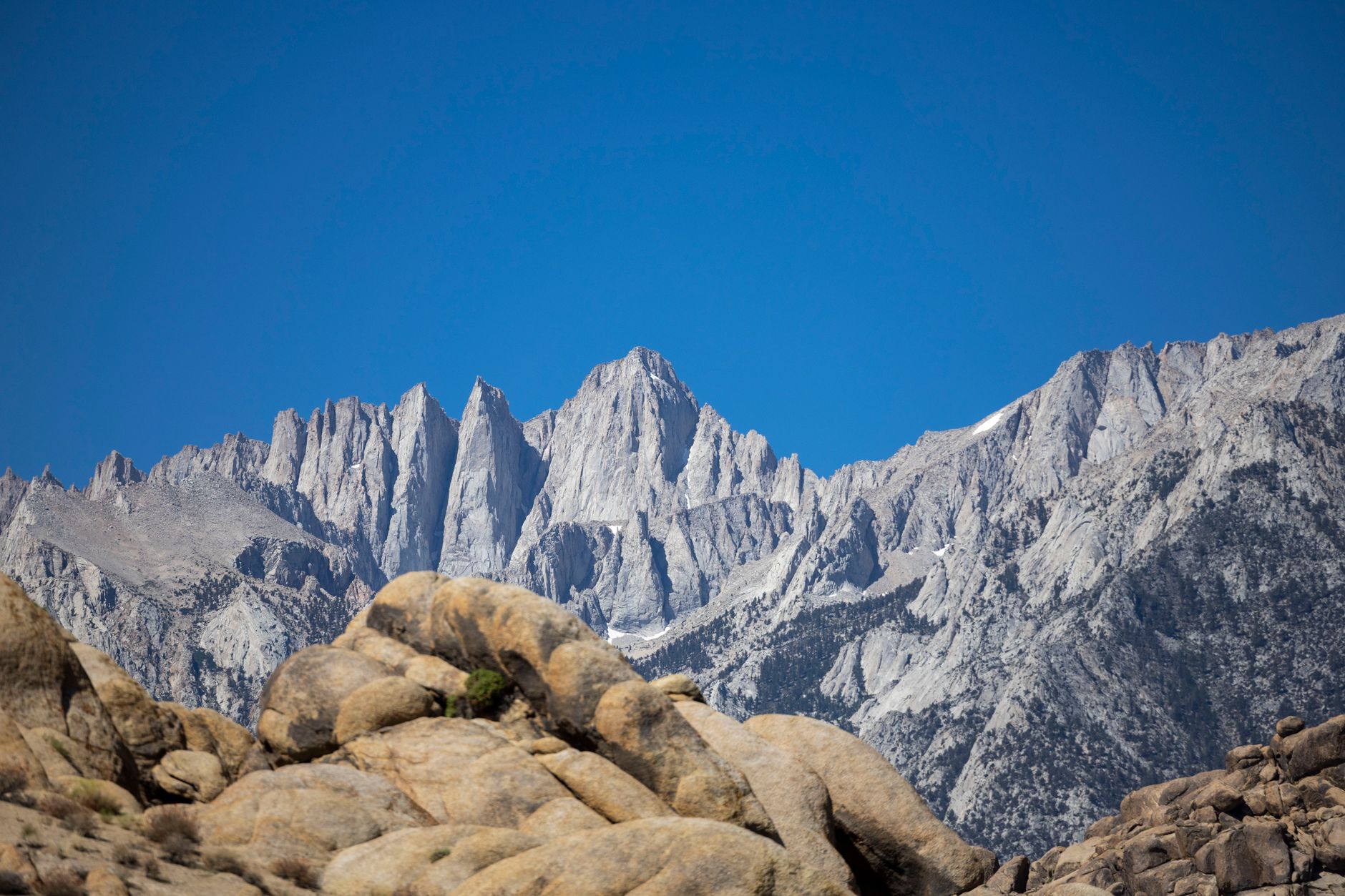
Lone Pine, CA
Mount Whitney in a Day: The Permit, the Altitude, and the 3 A.M. Start
Twenty-two miles, 6,656 feet of climbing, and a finish at 14,505 feet, the highest point in the contiguous United States, reachable on a maintained trail with no technical climbing. Which is precisely why so many people underestimate it, and why the altitude turns back more of them than the distance does.
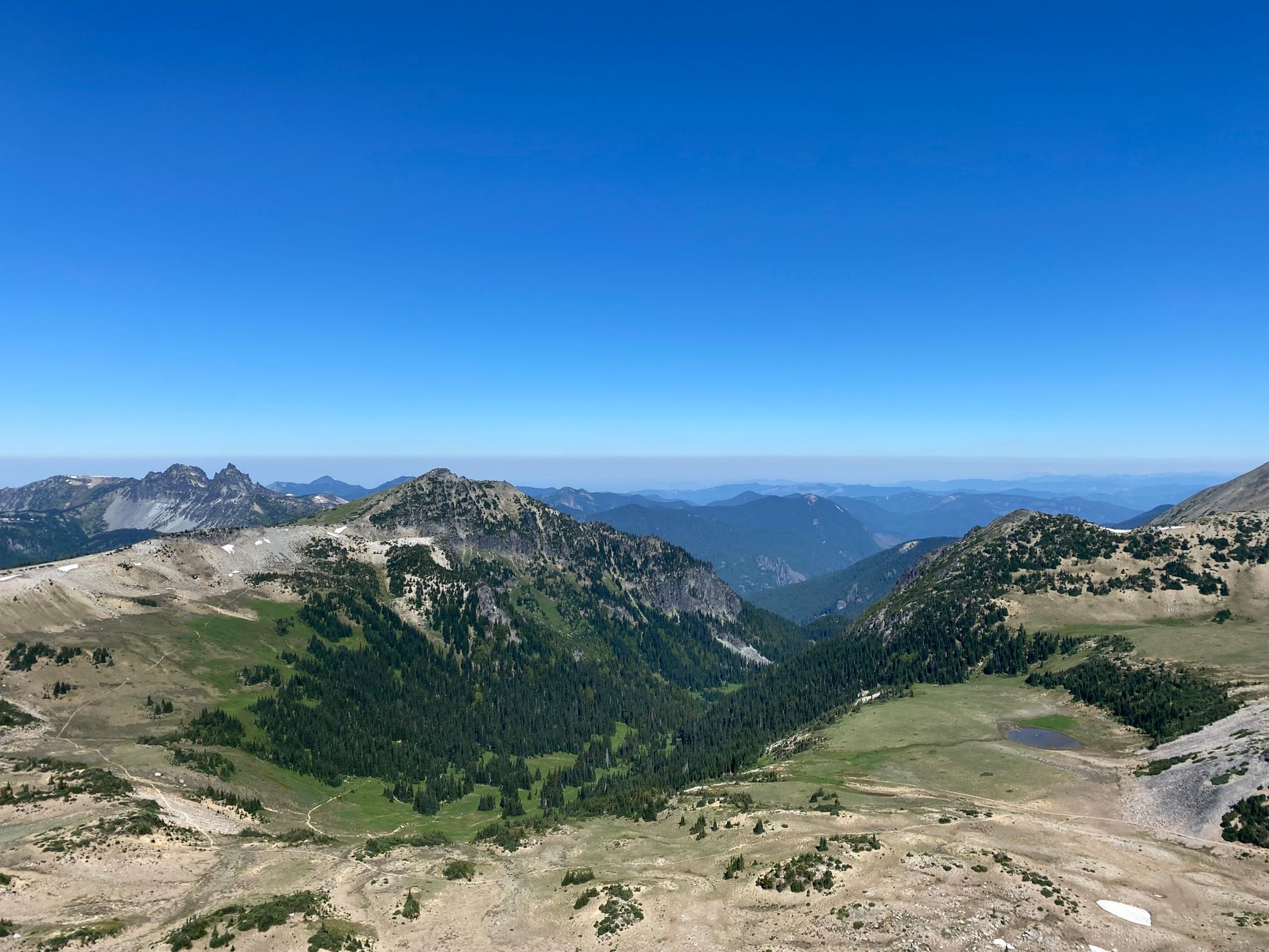
North Bend, WA
Mailbox Peak: The Old Trail, the New Trail, and Why People Still Pick the Old One
Four thousand feet in two and a half miles, straight up a ridgeline, with an actual mailbox at the top that people have been leaving things in for decades. The Forest Service built a longer, sane, switchbacked alternative in 2014 because the original was hurting people. Both still exist, and the argument about which to take is a Seattle institution.
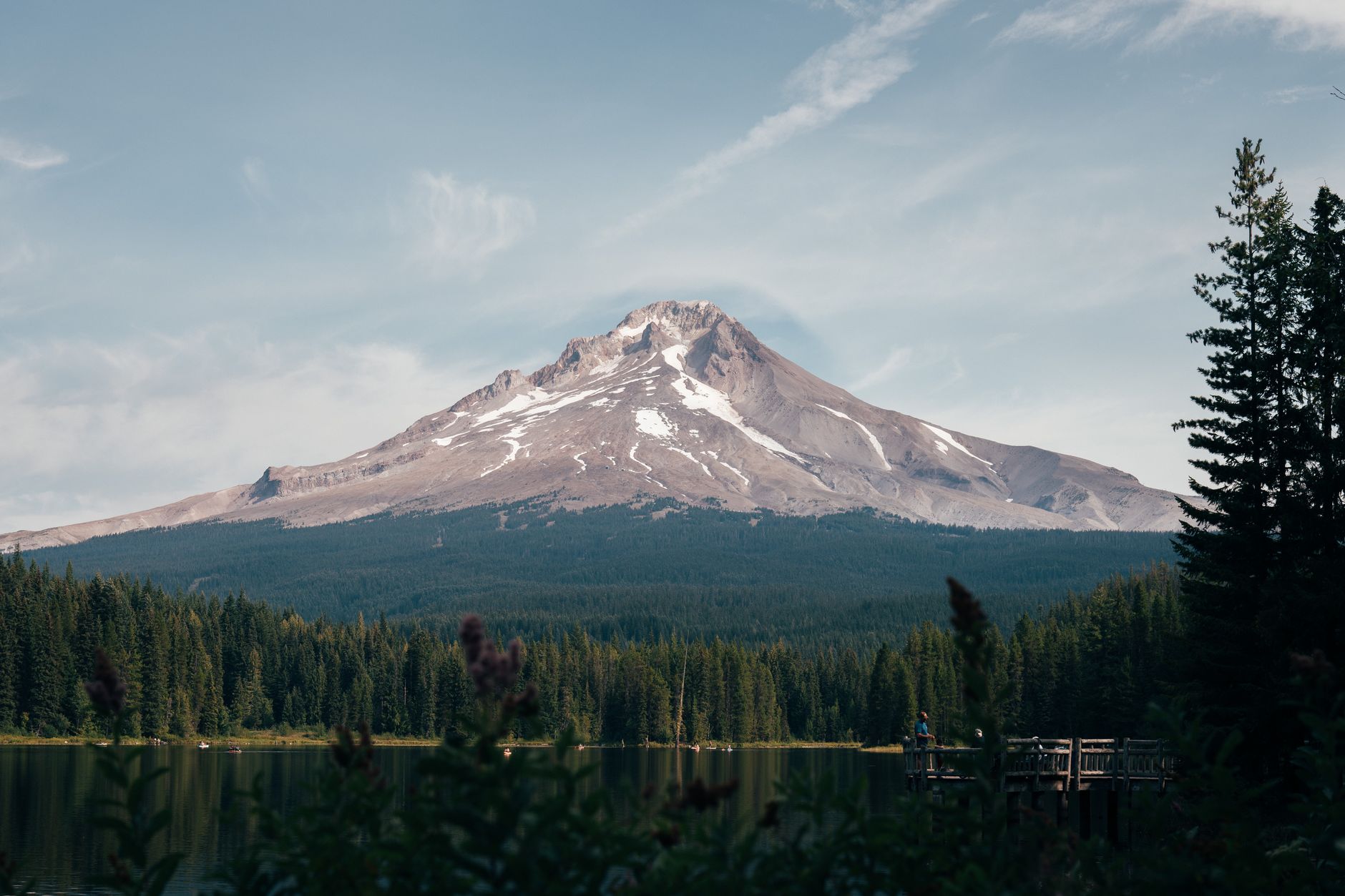
Government Camp, OR
The Timberline Trail: 41 Miles Around Mount Hood, and the River Crossing That Stops People
A loop entirely around an 11,000-foot volcano, 41.5 miles with 10,000 feet of climbing, and a free permit you pick up at the trailhead. The permit is the easy part. The hard part is a glacial river with no bridge that has turned back more parties than the elevation ever has.
Hiking National Parks
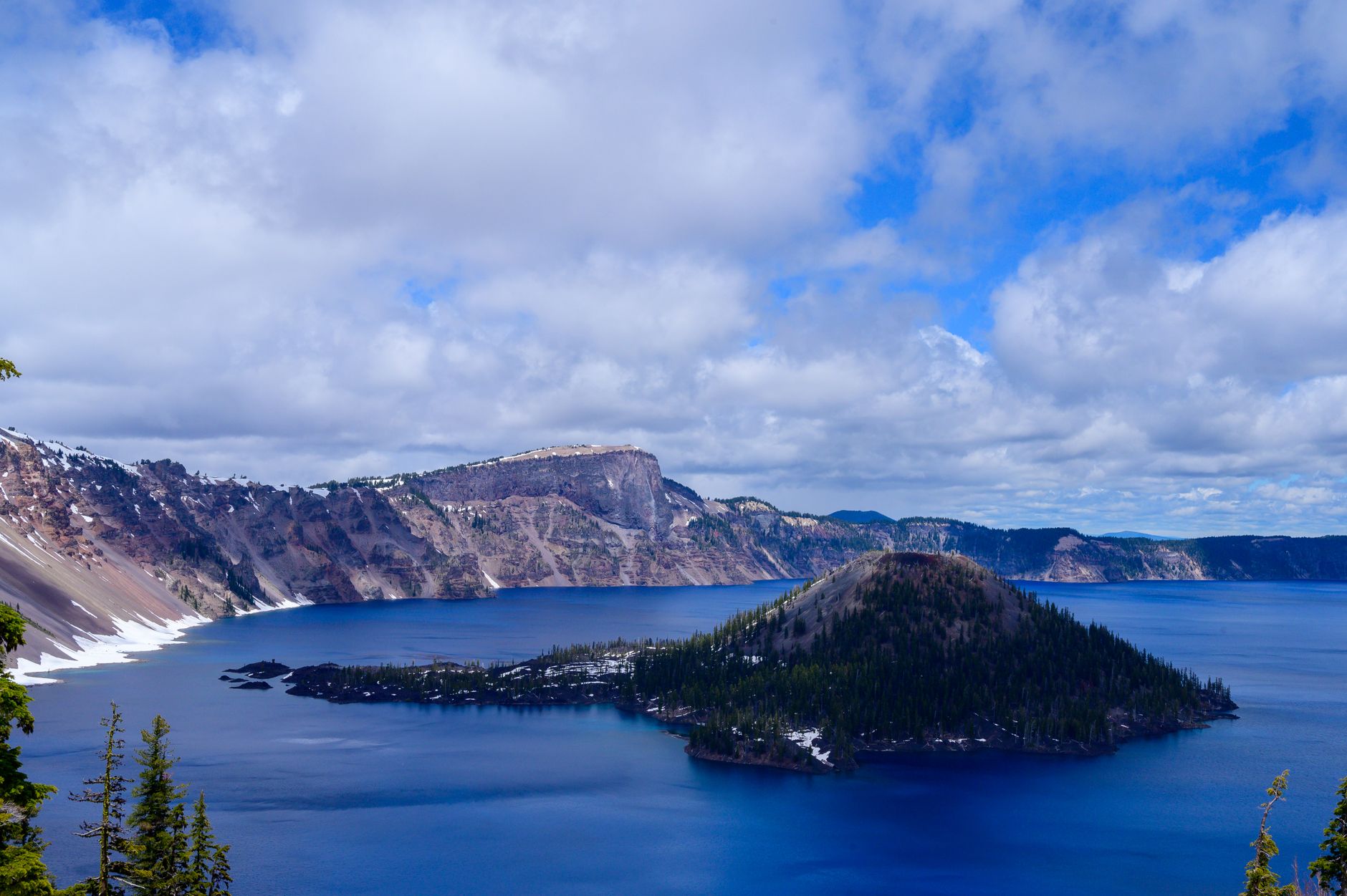
Crater Lake, OR
The Only Trail Down to Crater Lake Is Shut Until 2029
Cleetwood Cove (the single public route to the shore of Crater Lake, and the dock every boat leaves from) closed for rehabilitation through the 2026, 2027, and 2028 seasons. That removes the thing most visitors drive here to do, and it makes the rim hikes, which were always better, the entire trip.
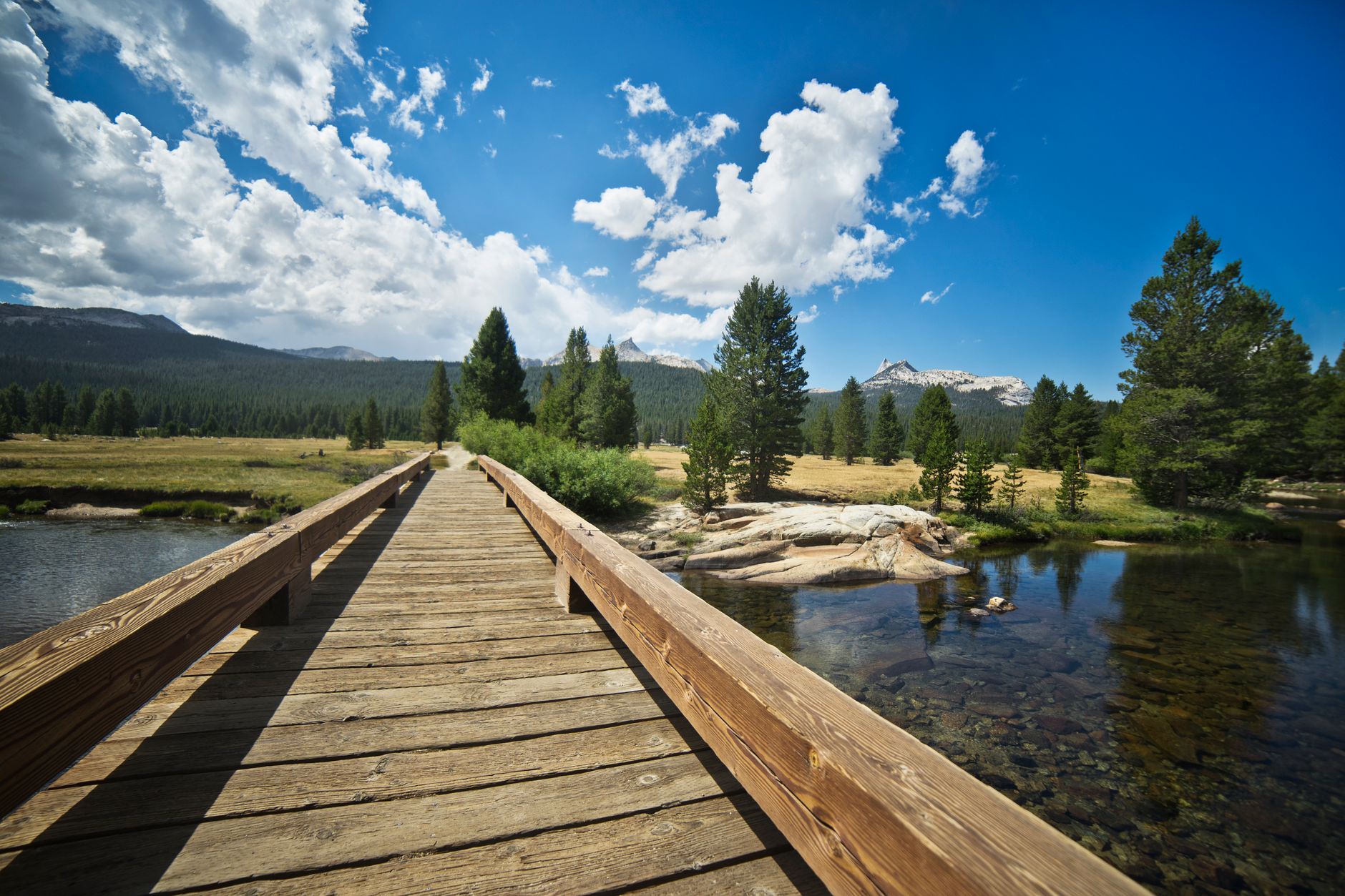
Yosemite Valley, CA
Three Days in Yosemite: The High Country Nobody Budgets Time For
Yosemite Valley is seven square miles holding most of the park's visitors. The park is 1,200 square miles. Give it three days and the correct move is to spend only one of them in the Valley, because Tioga Road climbs to 9,945 feet and delivers you into a completely different park with a fraction of the people.
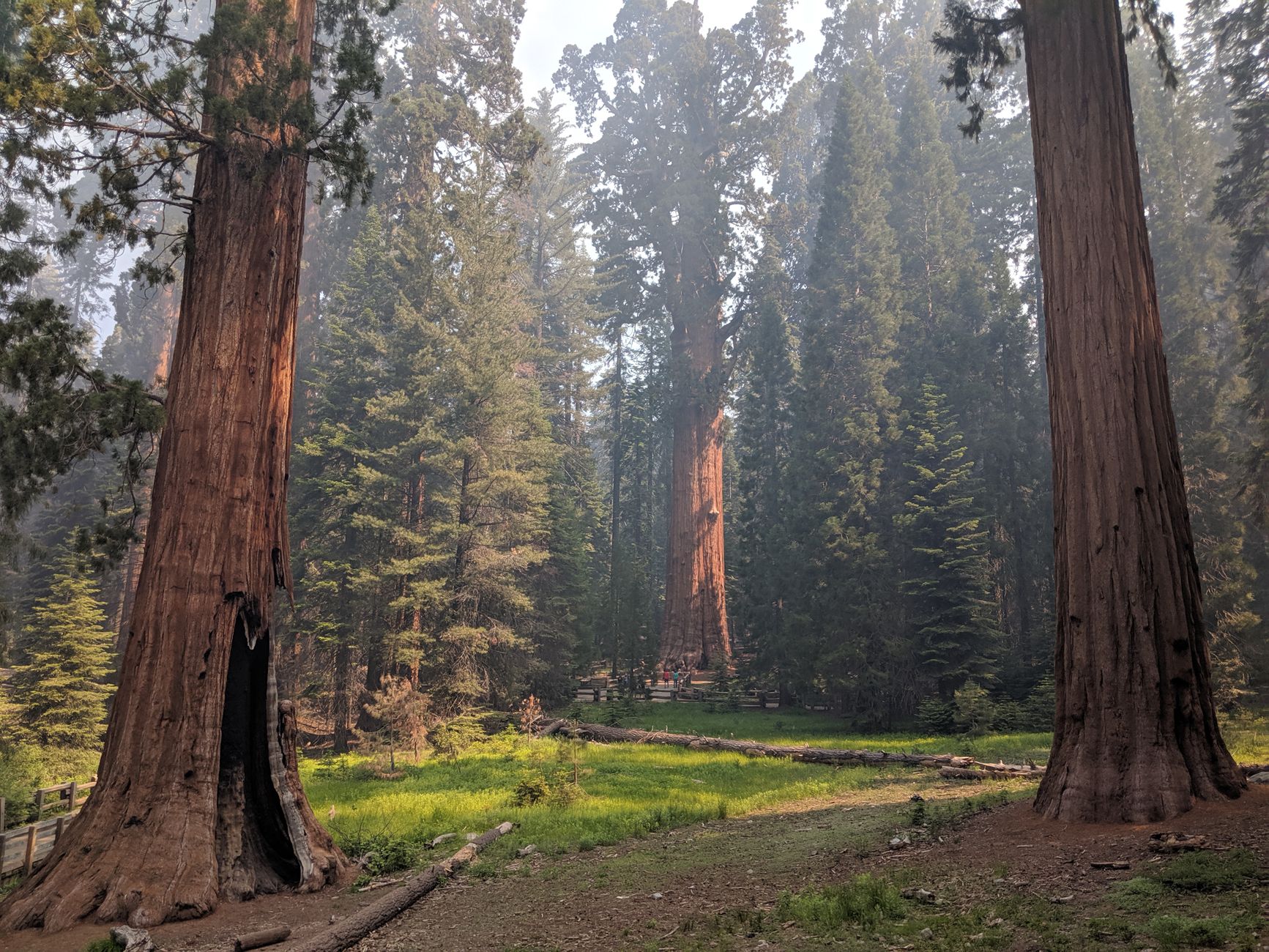
Three Rivers, CA
One Day Among the Giants: Sequoia Without the Generals Highway Gridlock
The largest tree on Earth by volume stands at the end of a short paved path that most visitors reach after ninety minutes of switchbacks and a fight for parking. There is a free shuttle running every fifteen minutes that solves the entire problem, and hardly anybody uses it.
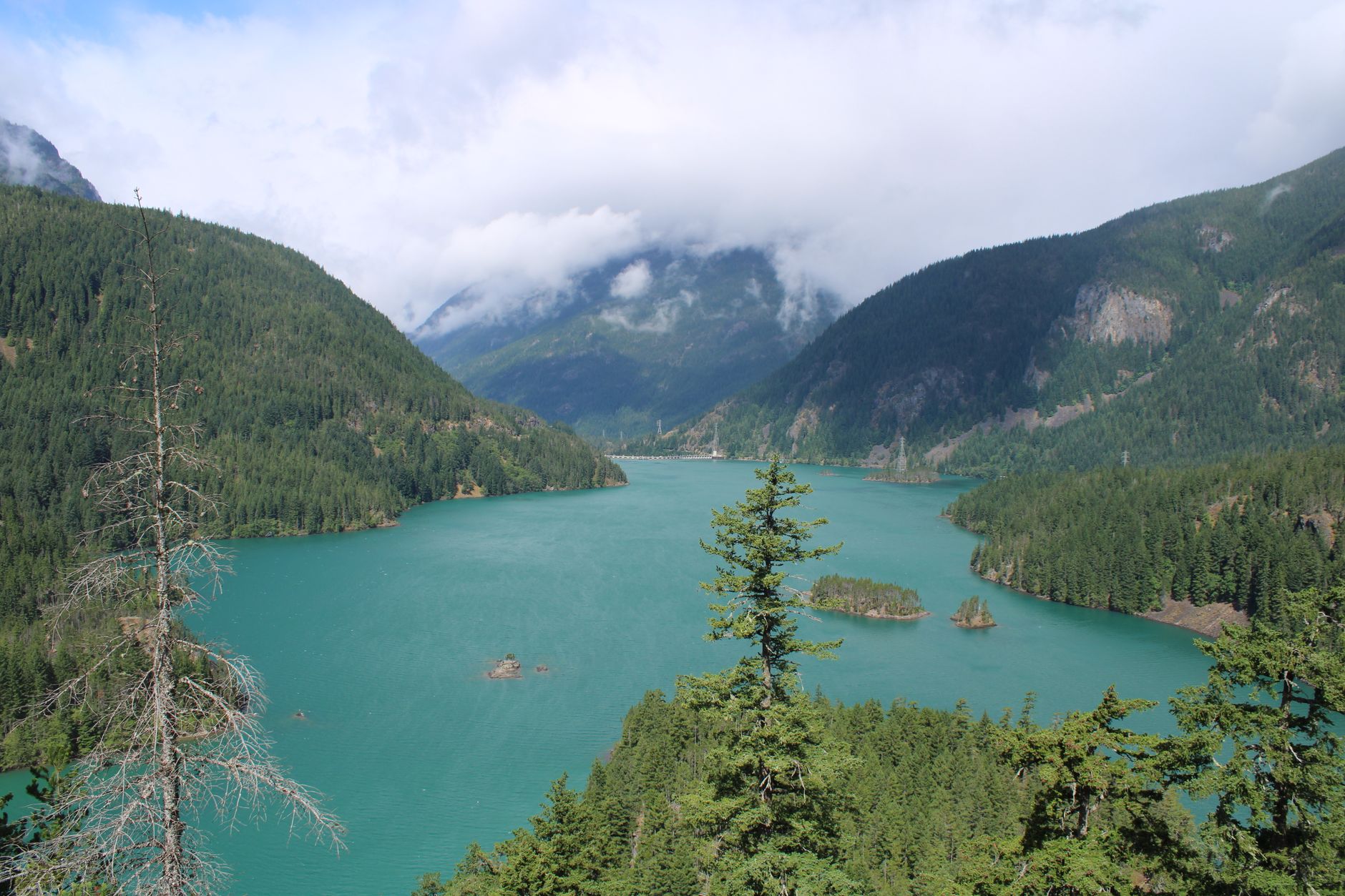
Marblemount, WA
One Day in the North Cascades, America's Least-Visited Famous Park
Three hours from Seattle sits a national park with more glaciers than anywhere in the lower 48 outside Alaska, and it receives a tiny fraction of the visitors that Rainier or Olympic do. The reason is simple and it is not obscurity: the only road through it closes for five months a year, and the park itself has almost no roads at all.
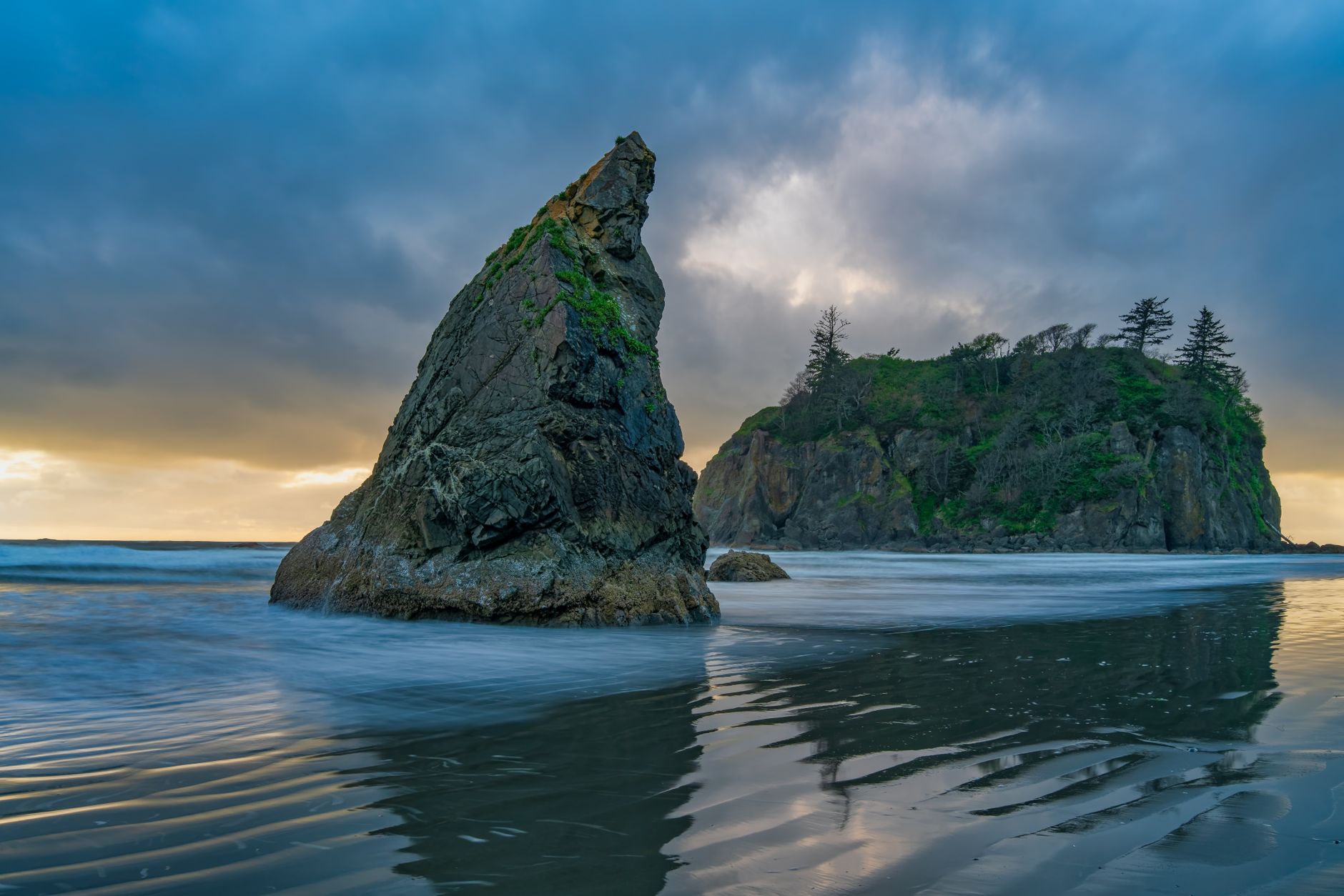
Port Angeles, WA
Three Days in Olympic Without Living in Your Car
Three days is exactly enough to see all three Olympics (the alpine, the rainforest, and the coast) provided you stop trying to base yourself in one place and instead move around the loop in one direction. Do it as a hub-and-spoke from Port Angeles and you will spend most of the trip driving.
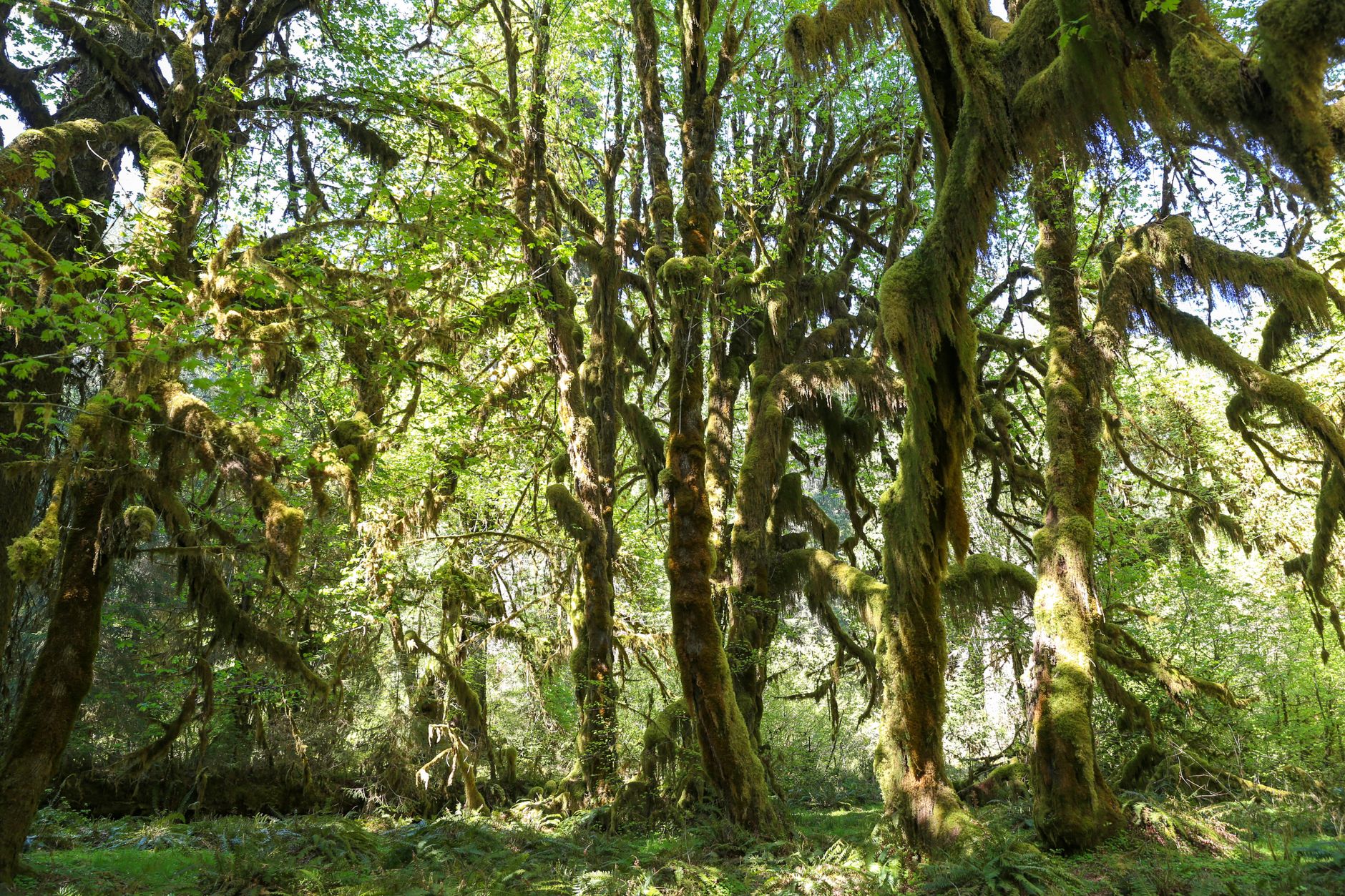
Port Angeles, WA
One Day in Olympic: Rainforest, Ridgeline, or Coast. You Only Get One
Olympic is three parks wearing one name (a glaciated alpine range, a temperate rainforest, and seventy miles of wild Pacific coast) separated by a 330-mile loop road and no through-route across the middle. With one day you are not choosing a hike. You are choosing an ecosystem.
Hiking Destinations
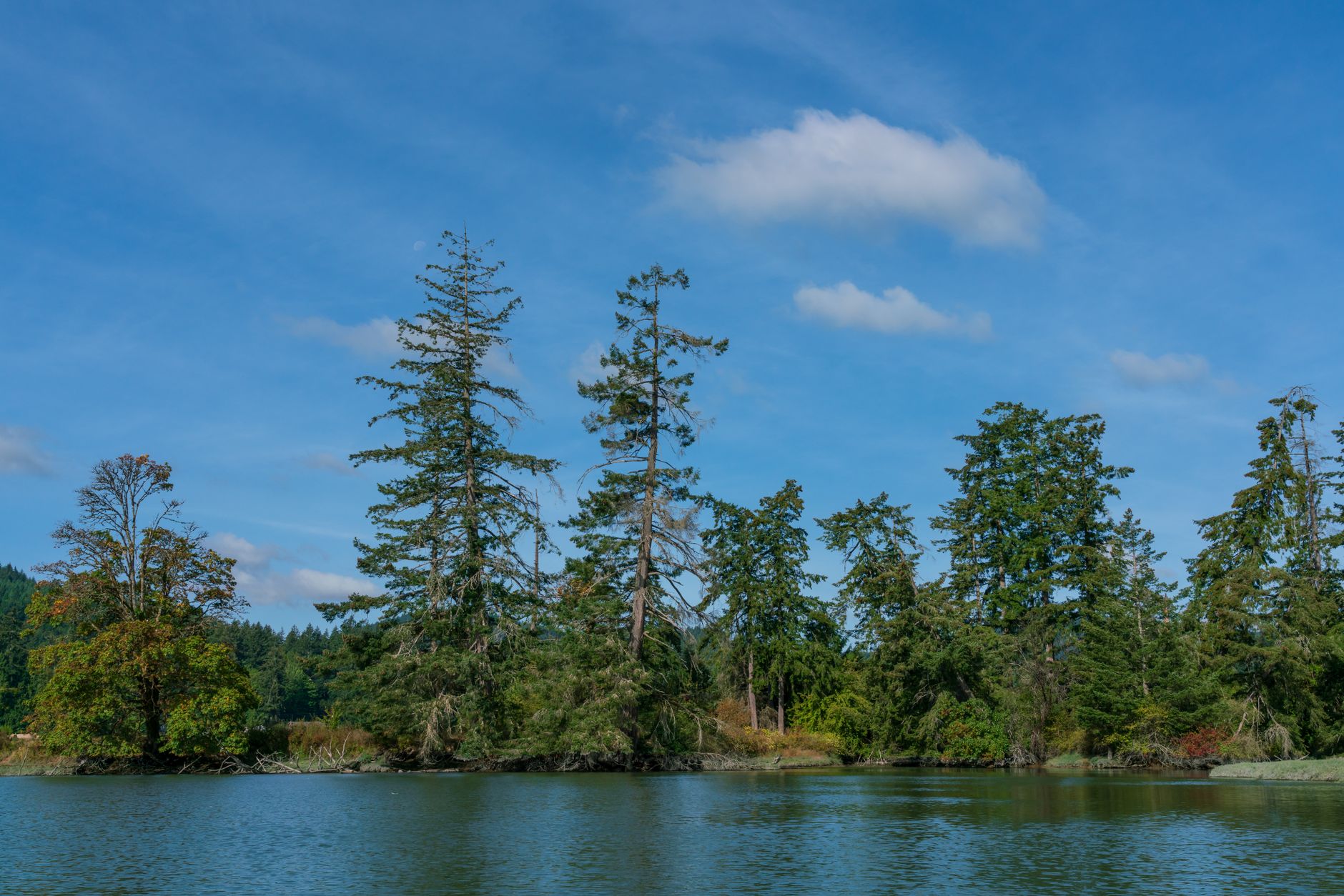
Port Angeles, WA
Three Ecosystems, One Peninsula: Day Hiking the Olympics
The Olympic Peninsula holds a glaciated mountain range, a temperate rainforest that receives twelve feet of rain a year, and 73 miles of wilderness coastline, all inside a single park, within a few hours' drive of each other. No other day hiking destination in the country asks you to pack for three climates at once.
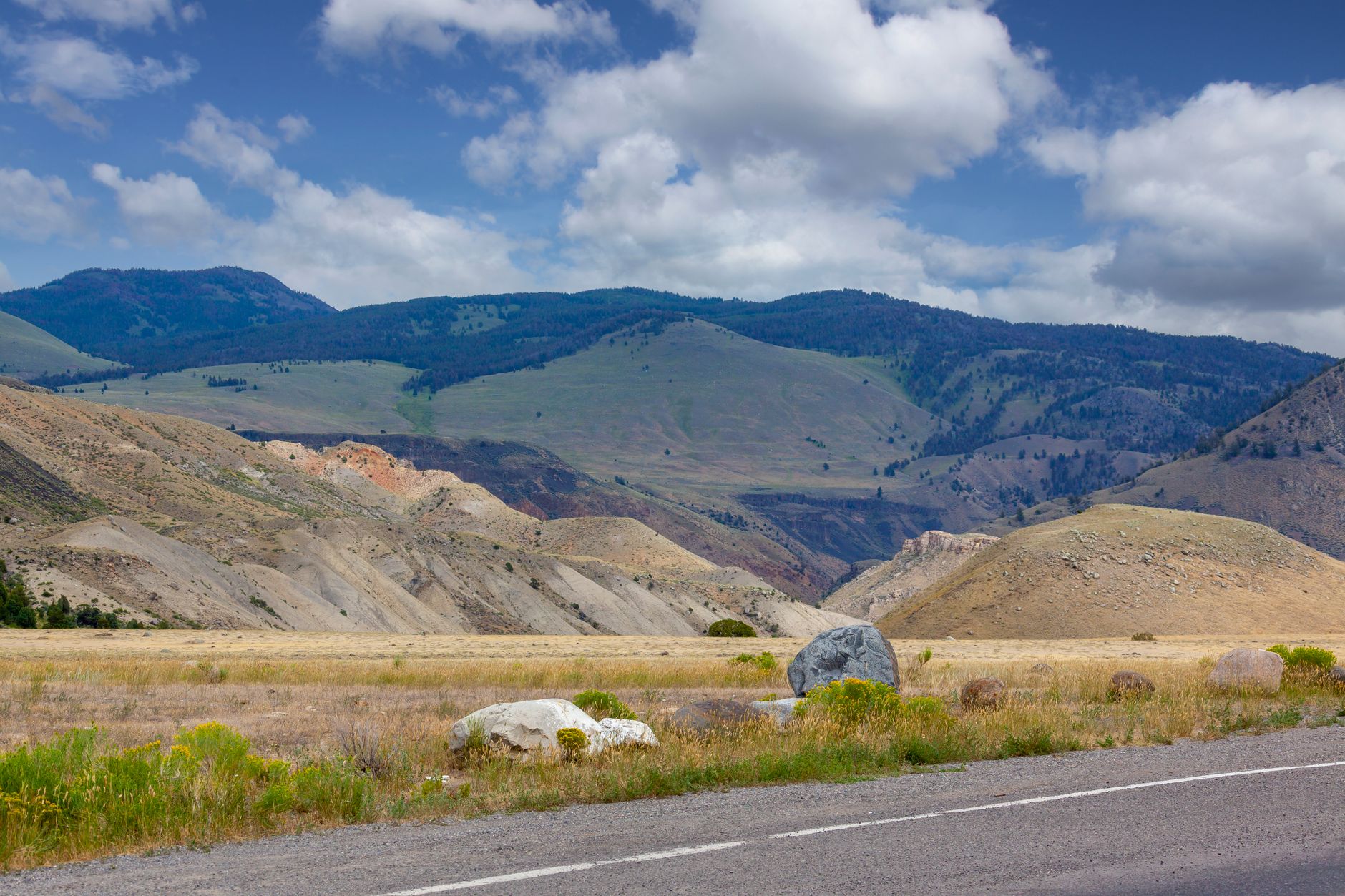
Hamilton, MT
The Bitterroot Canyons: Missoula's Backyard Range, Canyon by Canyon
The eastern face of the Bitterroots is cut by a row of parallel glacially carved canyons, each with a trail running into it beneath granite walls a thousand feet high. They are numbered along the valley like streets, most people only know one of them, and the whole range is an hour from Missoula.
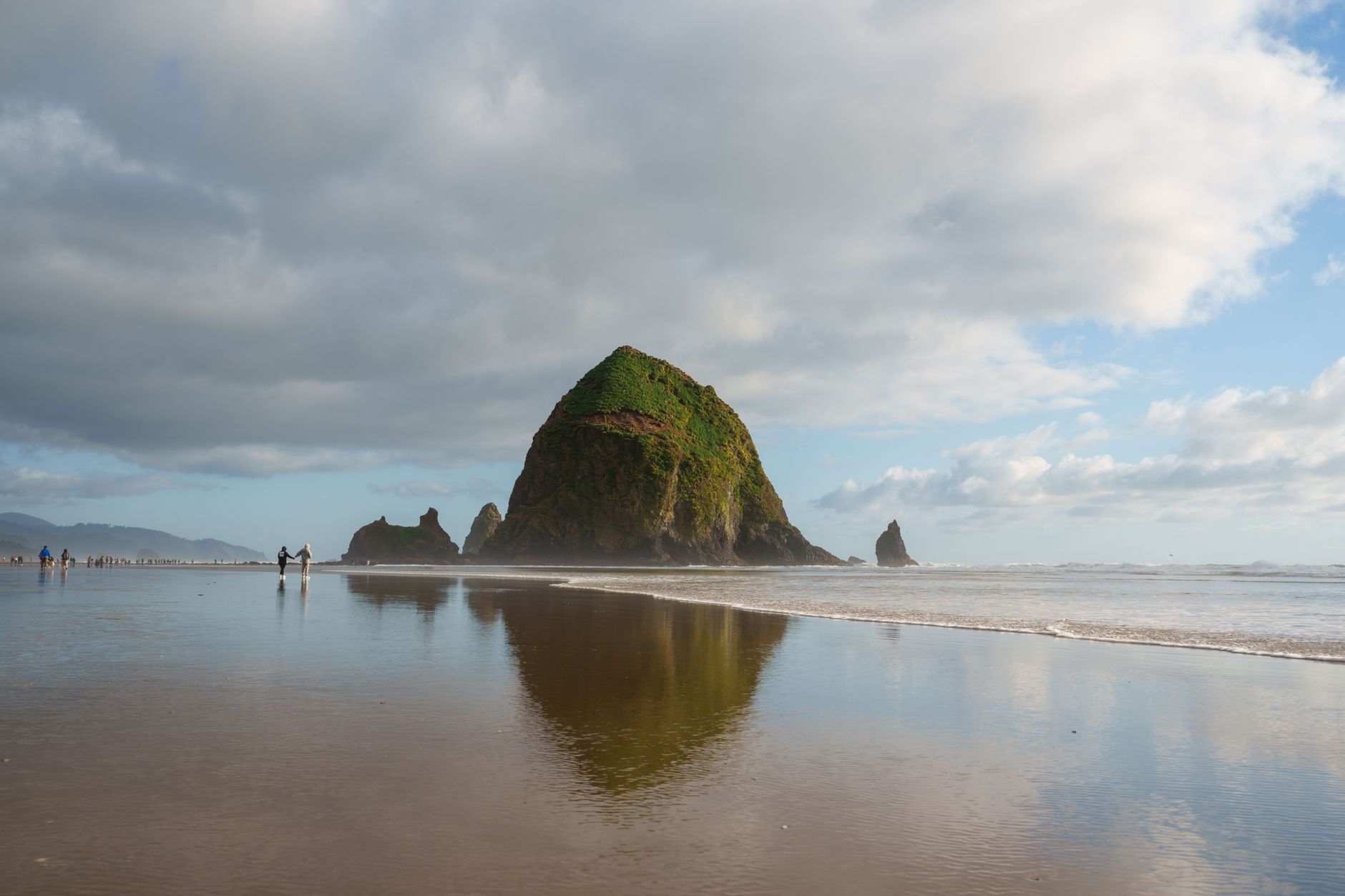
Cannon Beach, OR
Hiking the Oregon Coast: Headlands, Tide Tables, and the Trails That Reach the Beach
Every foot of Oregon's 362-mile coastline is public, by law, which is why the hiking here works in a way it does not in California or Washington. The catch is that the good bits alternate between forested headlands and beaches that the tide takes away twice a day.
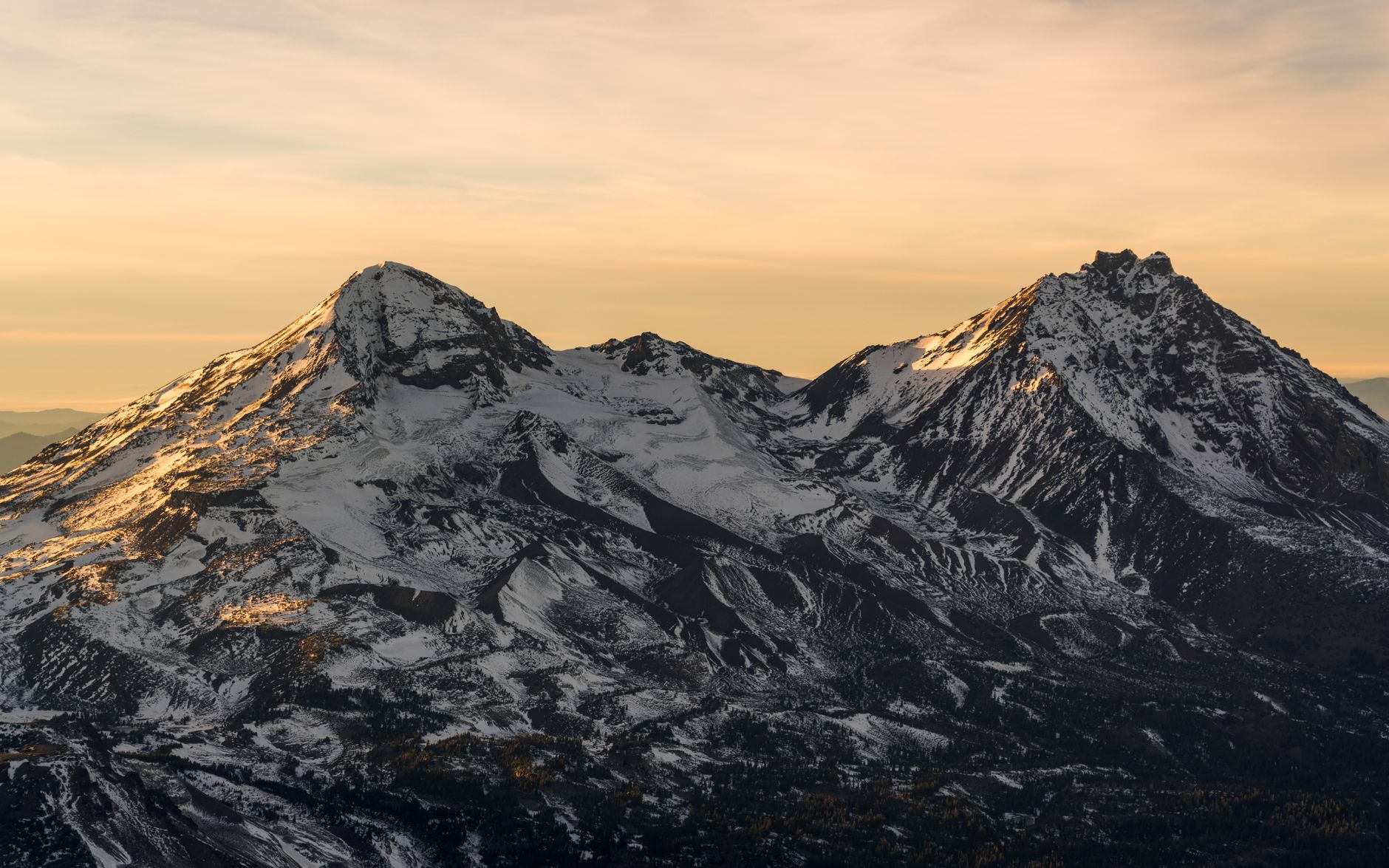
Bend, OR
Bend's Trail Menu: High Desert to Alpine in a Single Drive
A town of 100,000 people sits where the high desert meets the Cascades, with sagebrush and juniper on one side and a chain of glaciated volcanoes on the other. One road runs from the edge of town to alpine lakes at 6,000 feet, and the whole spectrum is available before lunch.
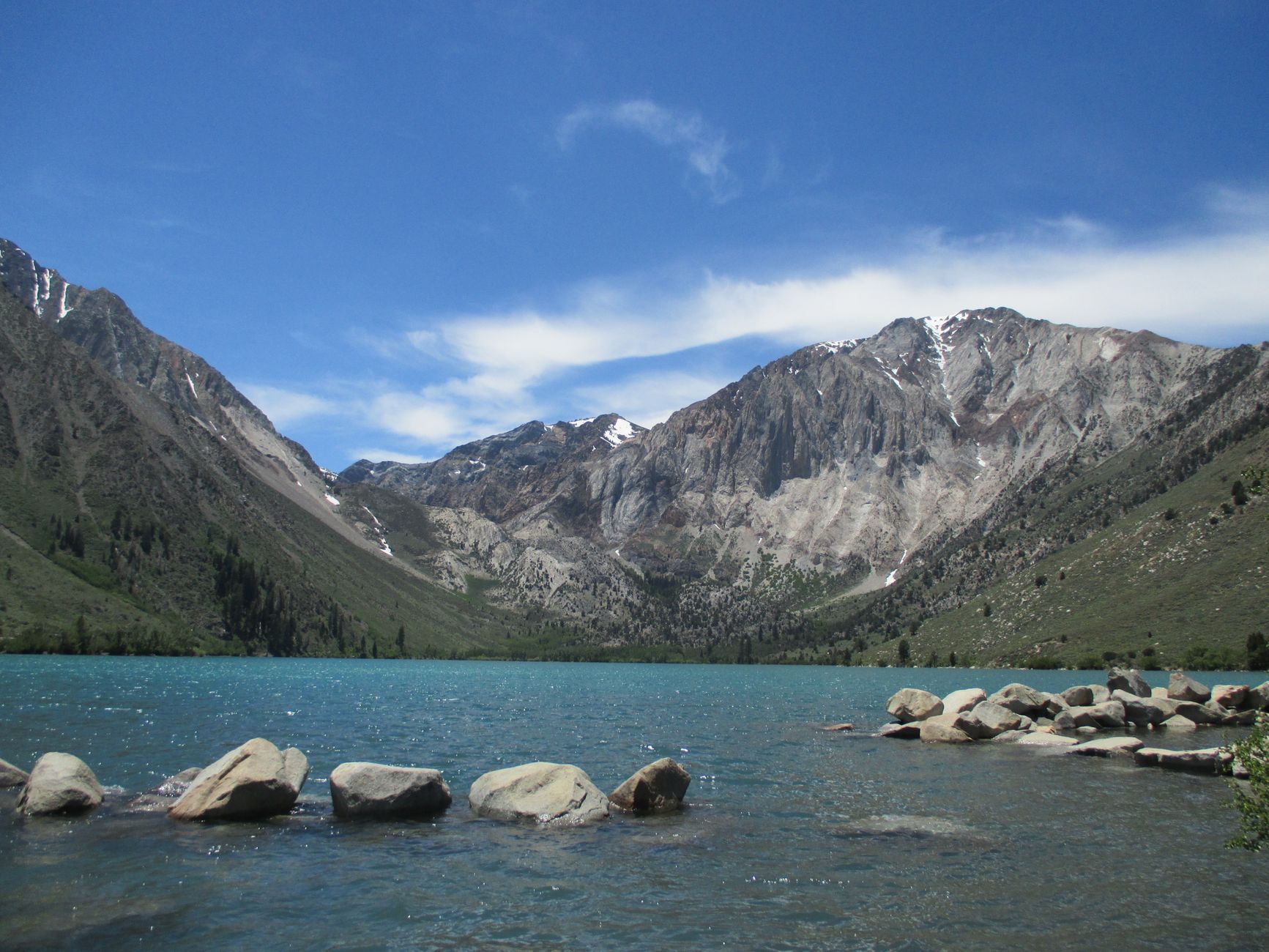
Mammoth Lakes, CA
Eastern Sierra Day Hikes: Alpine Lakes You Can Reach Before Lunch
On the west side of the Sierra you climb for a day to reach the alpine. On the east side the range rises straight out of the desert and the roads climb for you: one trailhead sits at 10,244 feet, the highest paved road end in the Sierra. Which means the hard part is the altitude, not the hiking.
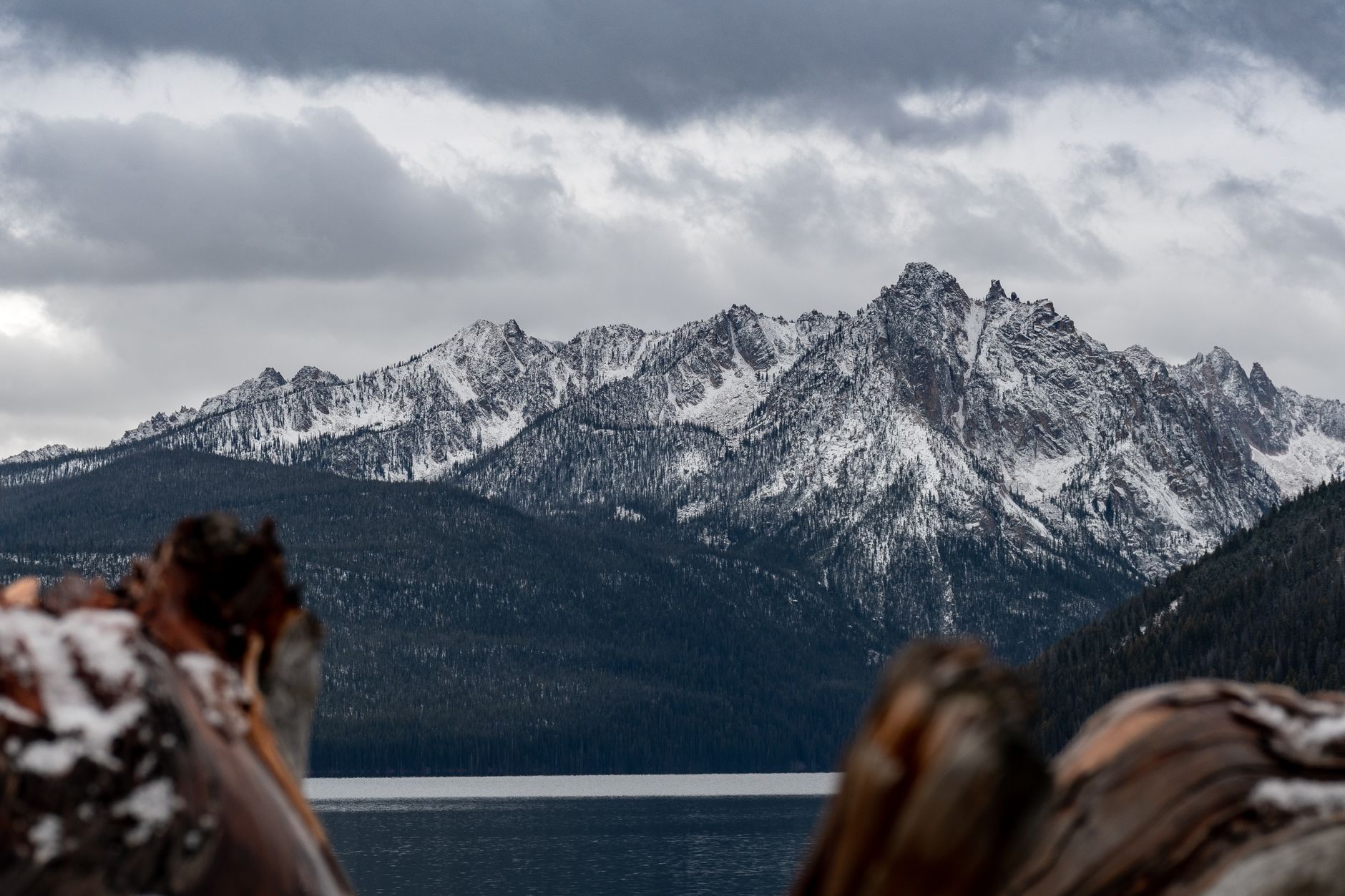
Stanley, ID
Backpacking the Sawtooths: Idaho's Alpine Lake Basins, Loop by Loop
Forty-odd named peaks over 10,000 feet, more than 300 alpine lakes, and a wilderness permit that is free and self-issued at the trailhead. No lottery, no reservation, no fee. Idaho's best range asks almost nothing of you administratively and a great deal of you physically.
Hiking State Parks
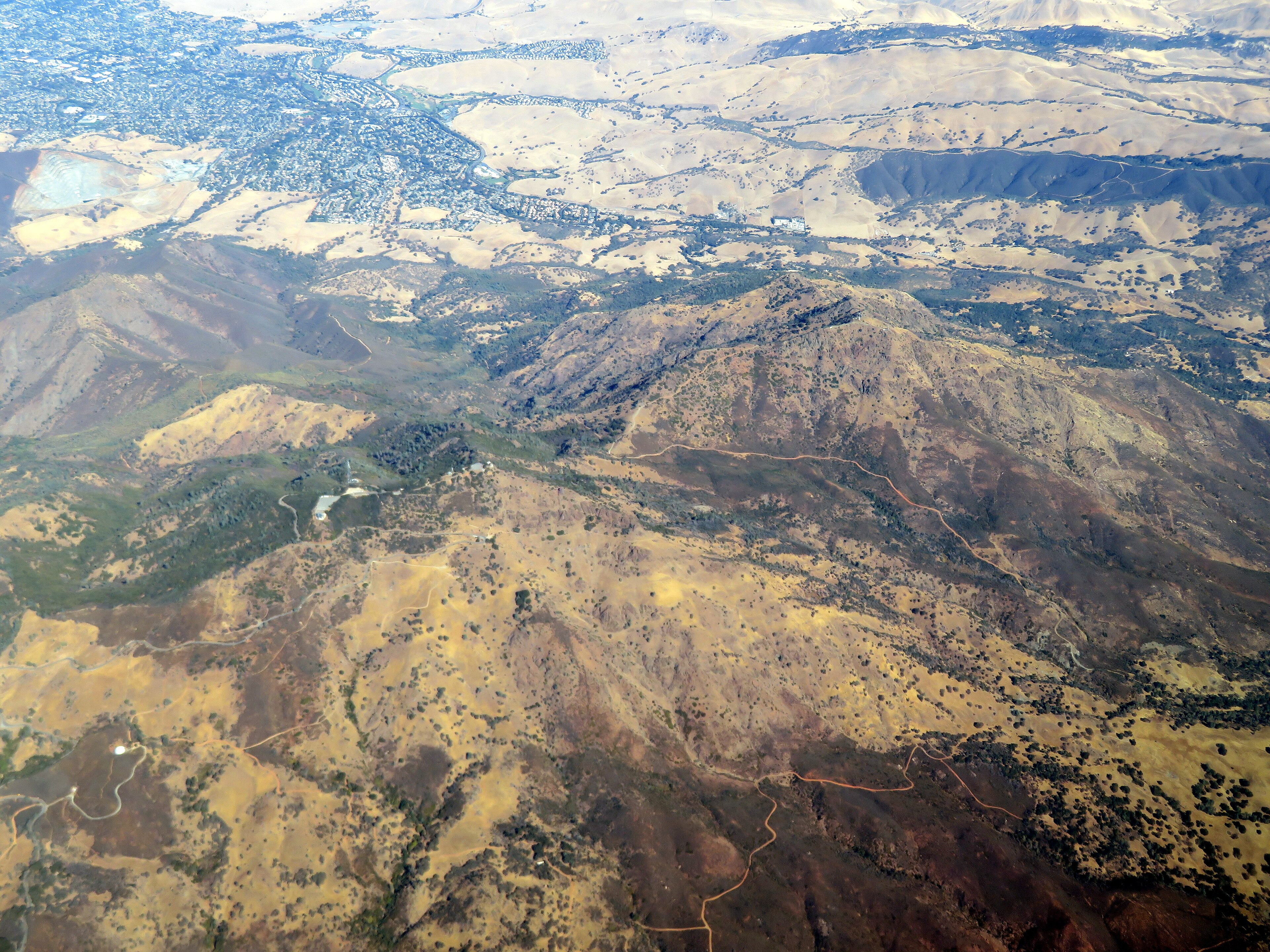
Danville, CA
Mount Diablo Claims a View Bigger Than Almost Anywhere on Earth
It is only 3,849 feet, but it stands alone at the edge of a flat valley with nothing between it and the Sierra crest a hundred miles east. On the rare clear winter day the claim made for it, one of the largest viewsheds in the world, becomes difficult to argue with.
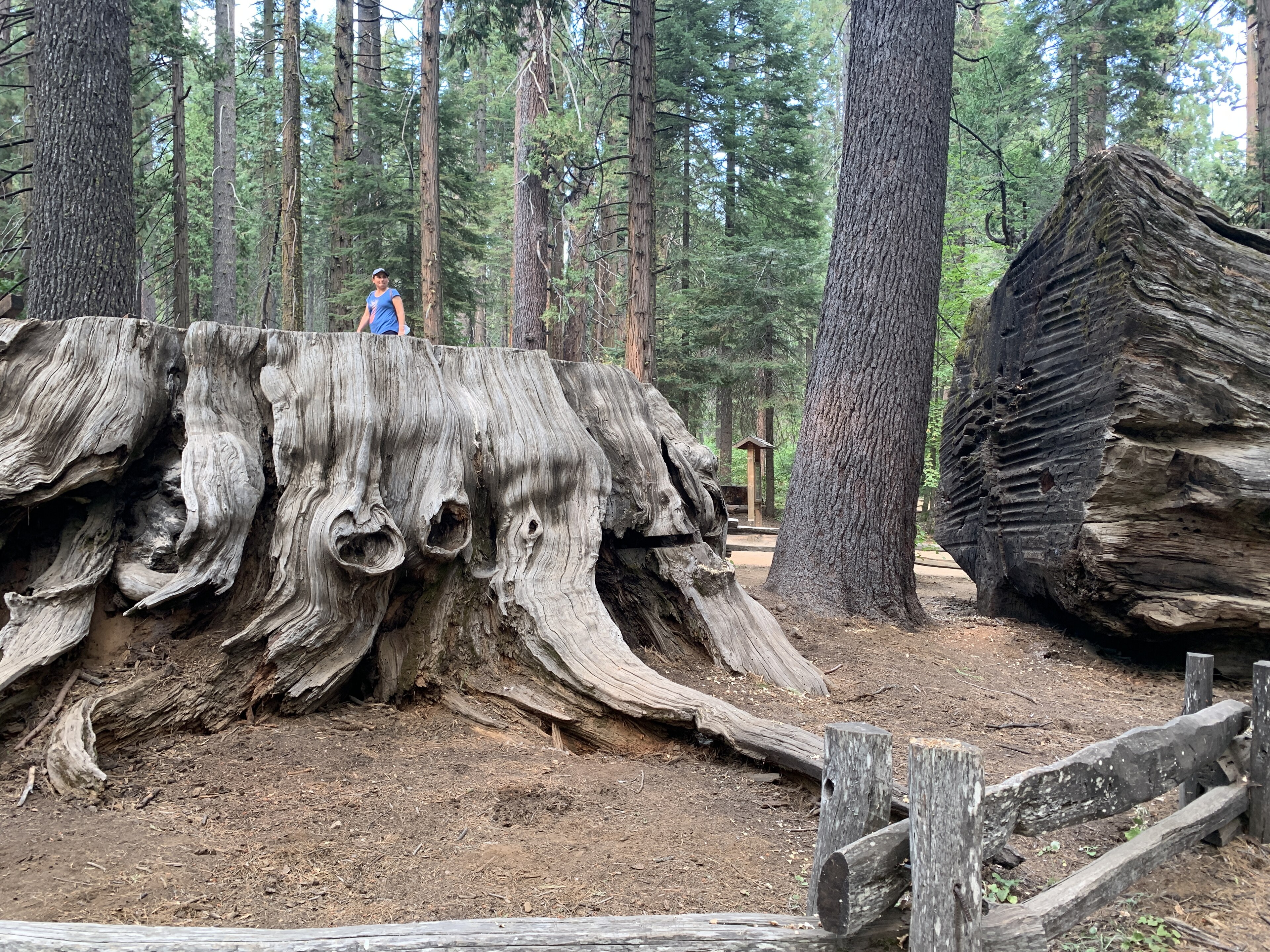
Arnold, CA
Calaveras Big Trees Was a Tourist Attraction Before Yosemite Was a Park
In 1853 a man stripped the bark off a giant sequoia here to a height of about 50 feet, shipped it east, and reassembled it as a walk-in exhibit. The tree died. The outrage that followed is arguably where the American conservation movement started, and the stump is still there.
Morgan Hill, CA
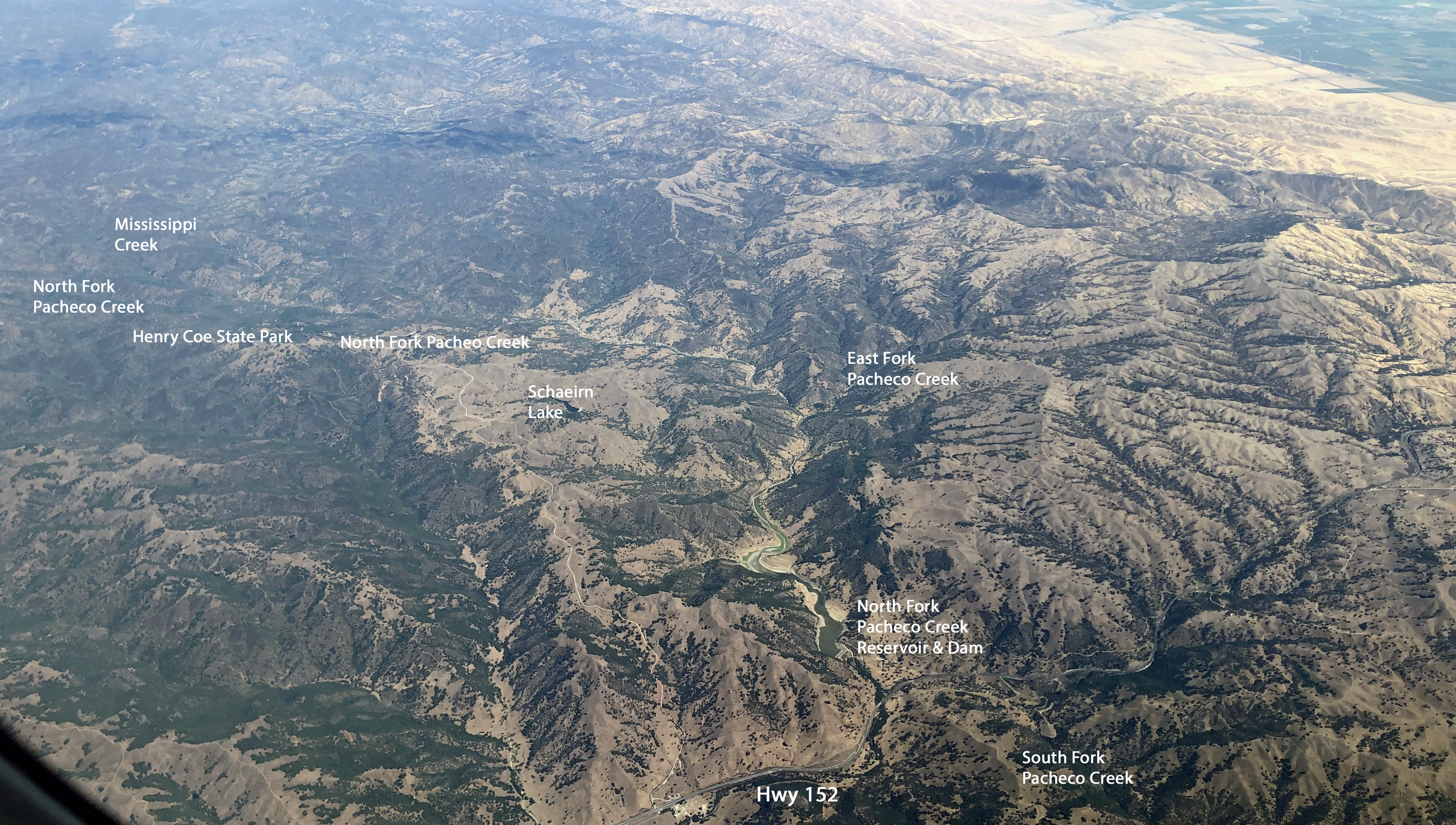
Henry Coe Is the Backcountry Nobody Believes Exists an Hour From San Jose
Eighty-seven thousand acres of steep oak and grassland ridges, more than 250 miles of trail, no water for long stretches, and climbs that gain two thousand feet without a switchback. It is the largest state park in northern California and on a weekday you can walk all day without meeting anyone.
South Lake Tahoe, CA
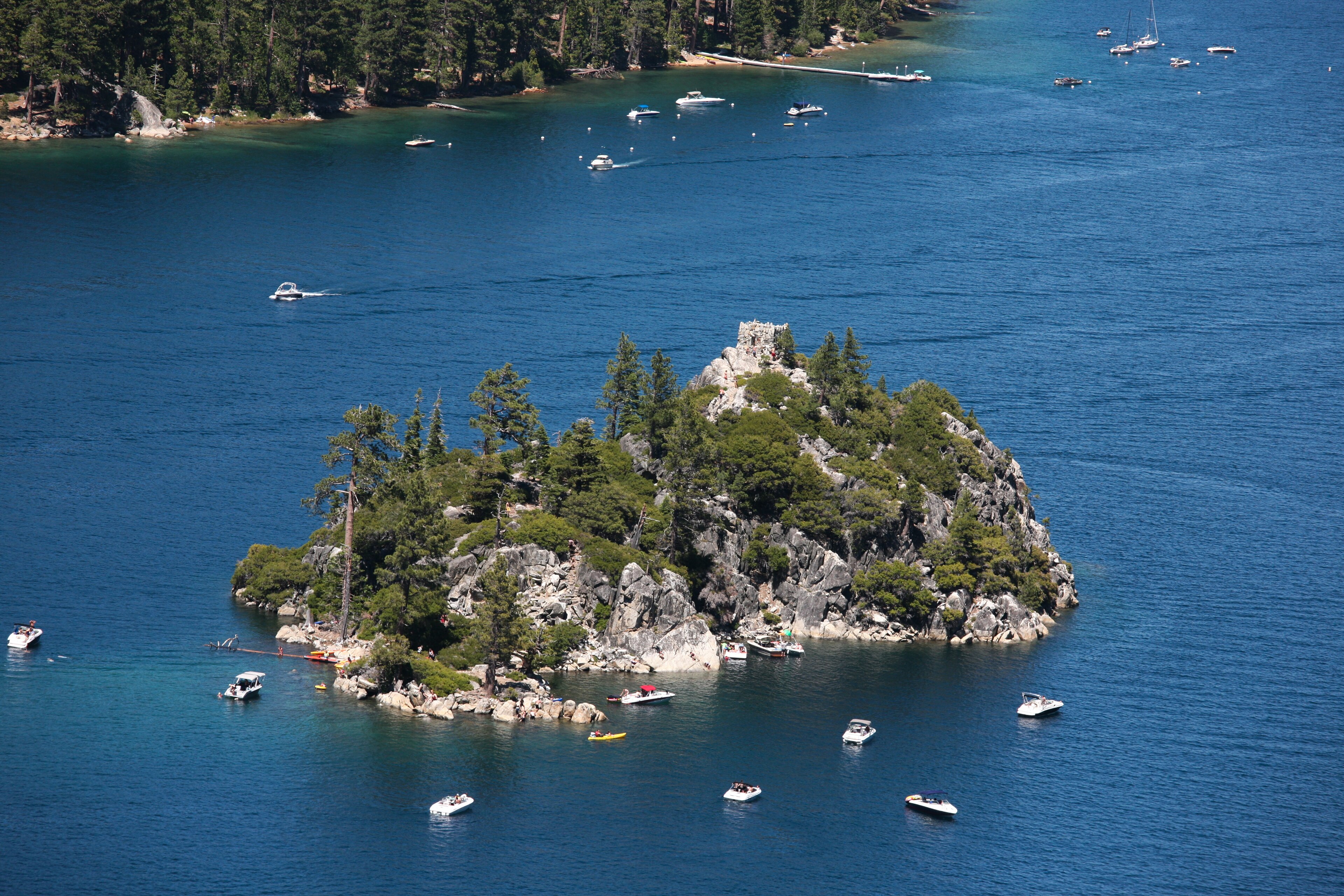
Emerald Bay Has a Scandinavian Castle and Tahoe's Only Island
A heiress built a 38-room Scandinavian-style mansion at the head of the bay in 1929 and a stone teahouse on the island so she could take tea there by boat. Both are still standing, the bay is a National Natural Landmark, and reaching the house means walking a mile down and a mile back up.
Burney, CA
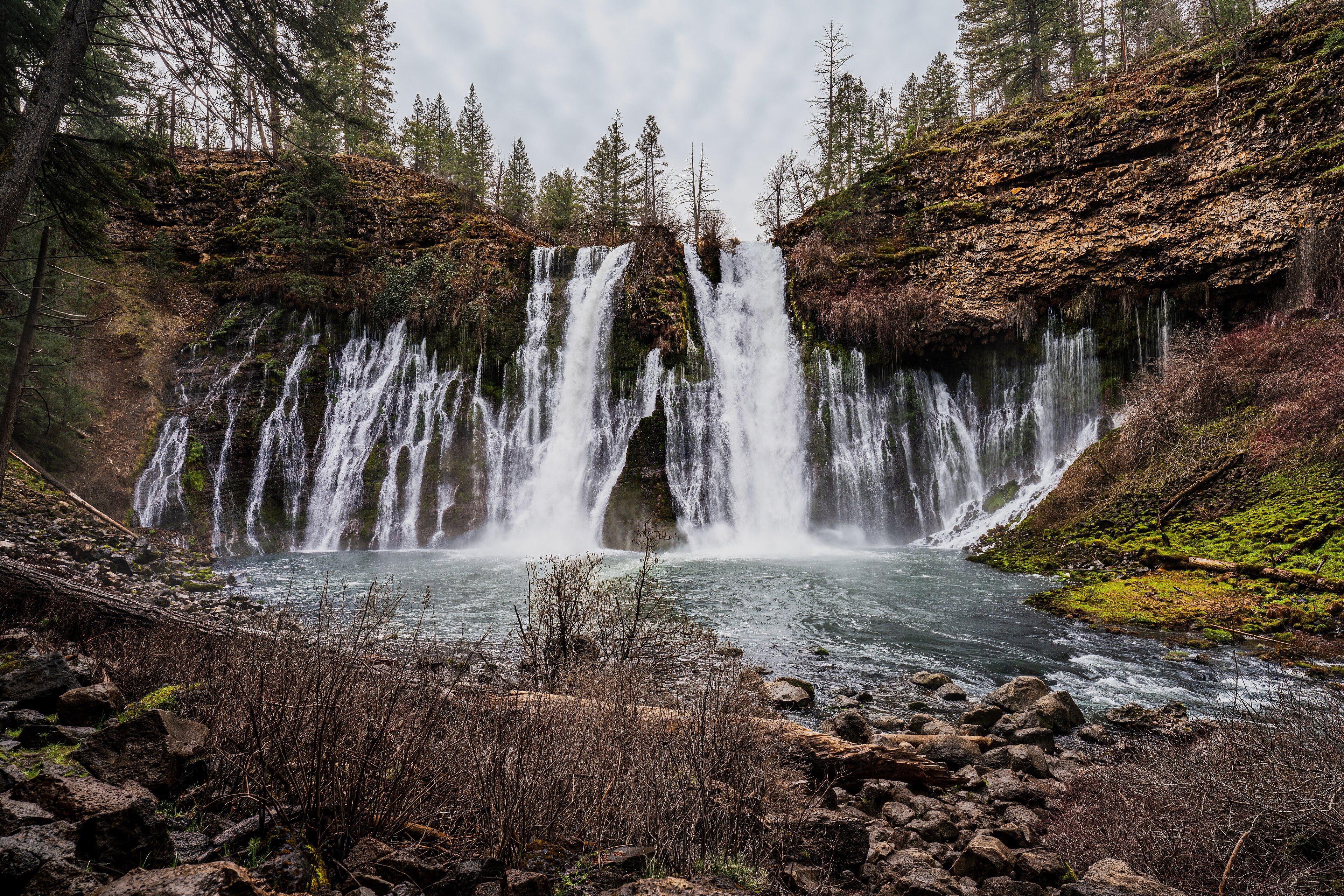
Burney Falls Runs at Full Volume in a Drought
Most waterfalls are a river falling over an edge, so they shrink when the rain stops. Burney Falls is fed from inside the cliff by an aquifer in porous volcanic rock, and it discharges around a hundred million gallons a day whether or not it has rained since April.
Crescent City, CA
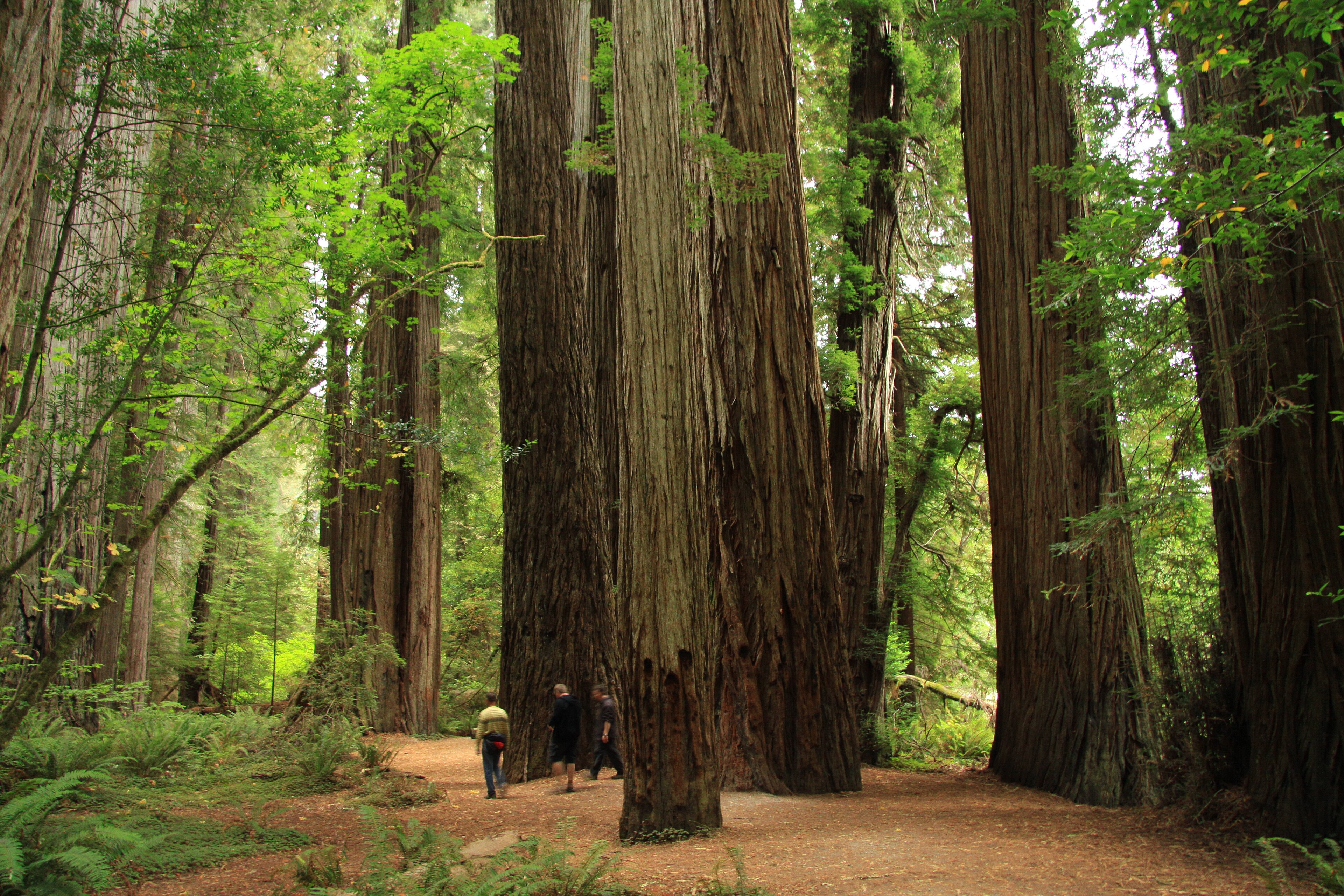
The Densest Redwoods in the World Are on a Gravel Road
Jedediah Smith holds the highest concentration of old-growth coast redwood by volume anywhere, and the best of it is reached along Howland Hill Road, six miles of one-lane gravel running directly between trees eighteen feet across. There is no entrance station on it.
Urban Hiking
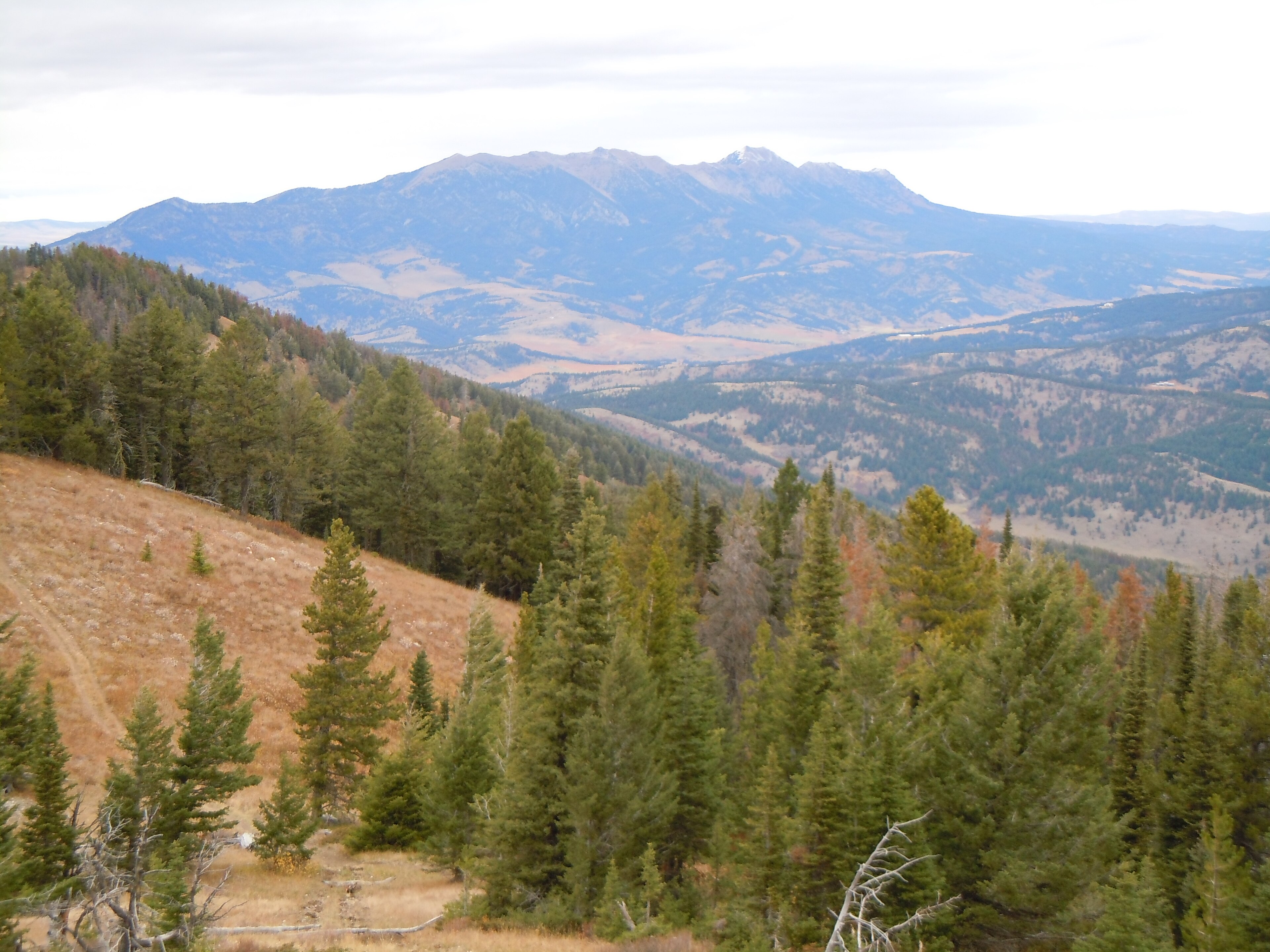
Bozeman, MT
Bozeman Built a Trail System Out of Handshakes and Easements
Nearly 100 miles of trail start inside Bozeman and run to the mountains, and most of it exists because a land trust spent thirty-five years negotiating easements across private ranchland one landowner at a time. The M and Drinking Horse are the famous pair. The system behind them is the actual story.
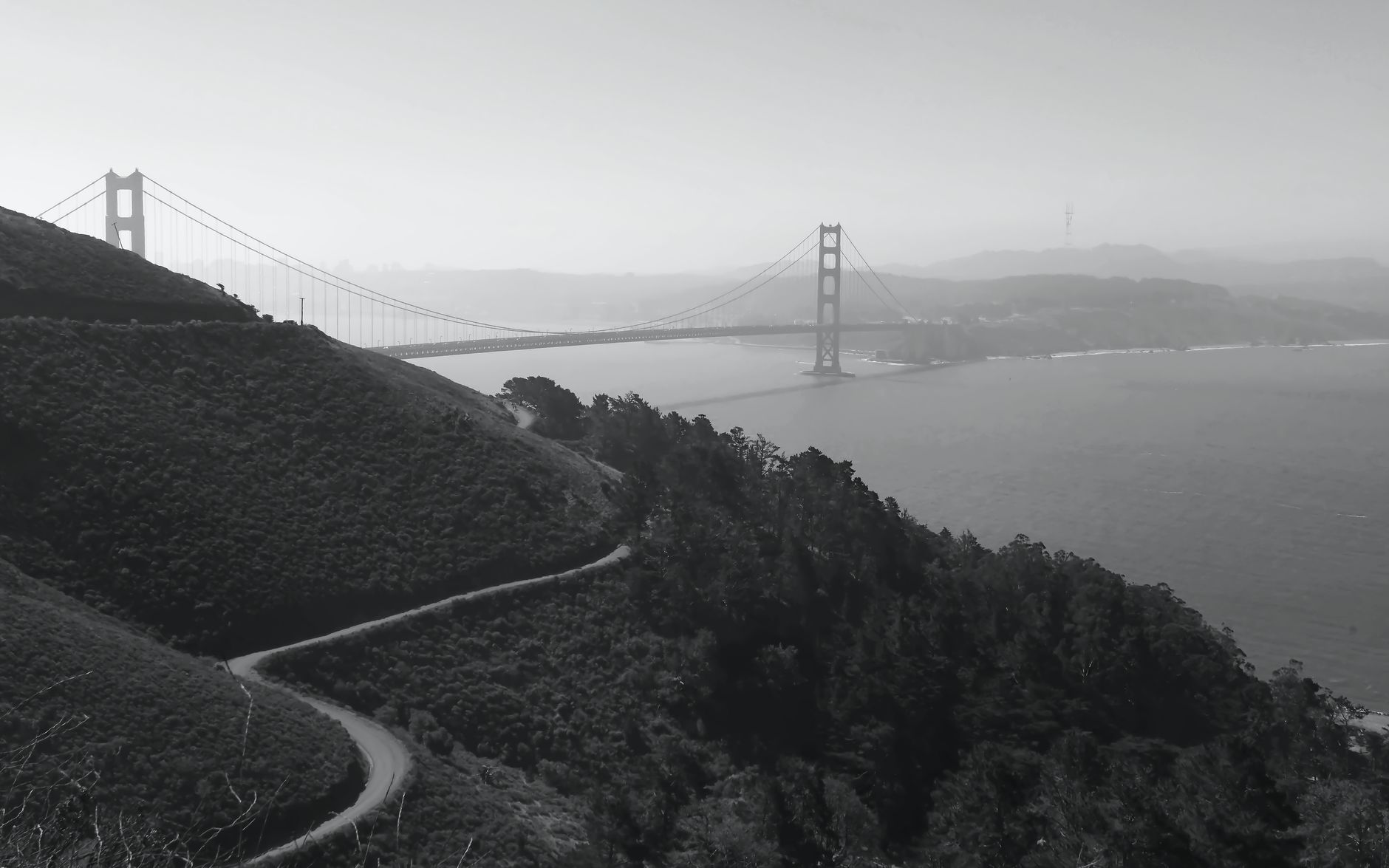
San Francisco, CA
The Greenbelt Nobody Planned: Hiking the Bay Area's Open Space
Ringing seven million people is one of the largest protected greenbelts around any American city: well over a million acres of parkland, watershed, and open space, assembled piecemeal over a century by agencies that mostly weren't coordinating. You can walk into redwoods, chaparral, and coastal prairie from a transit stop.
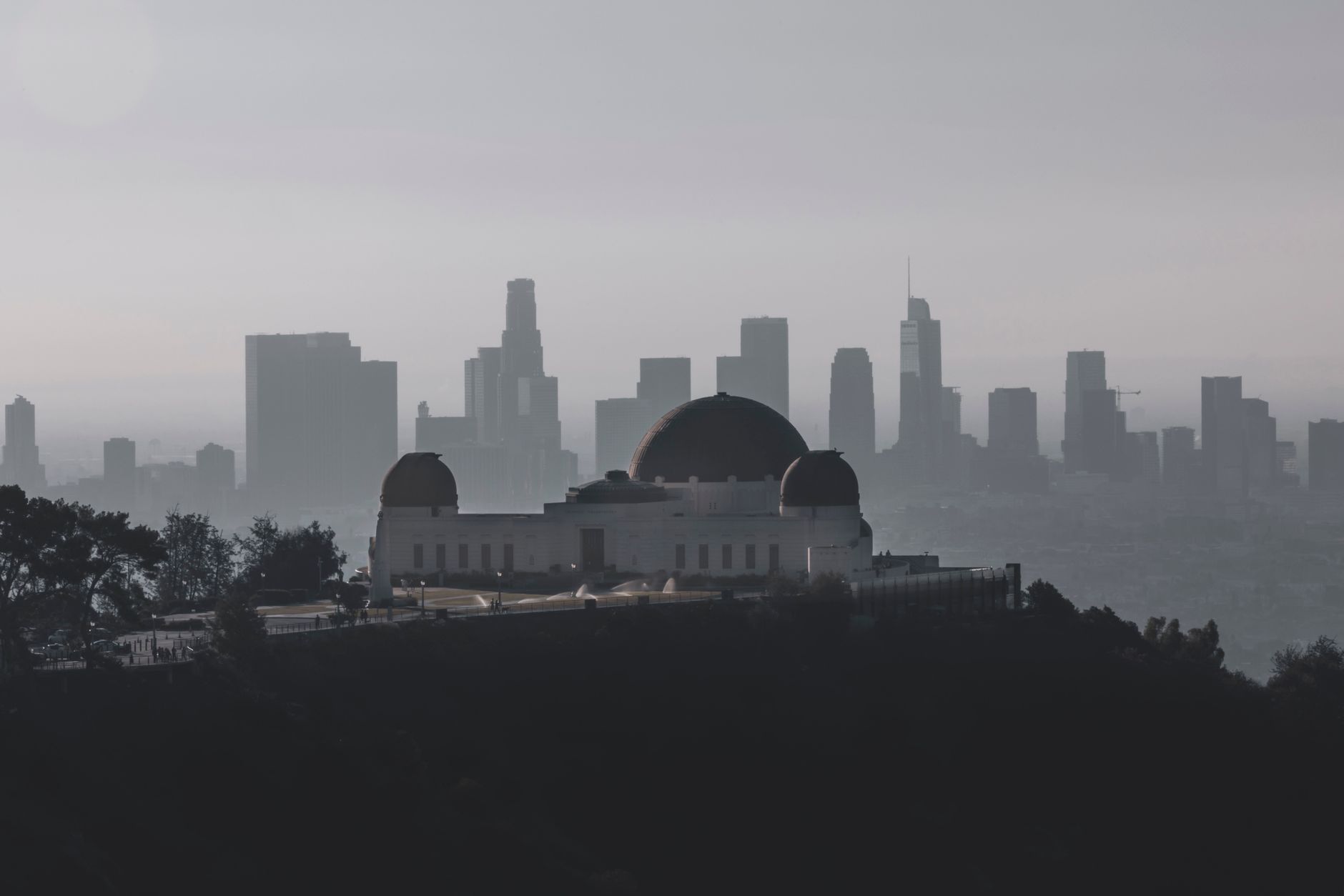
Los Angeles, CA
A Mountain Range Inside the City: Hiking Greater Los Angeles
Los Angeles has a mountain range running through the middle of it and a taller one along its northern edge rising past 10,000 feet. The city that everyone pictures as freeway and sprawl is bounded and bisected by wilderness, and most of it is a twenty-minute drive from somewhere you already are.
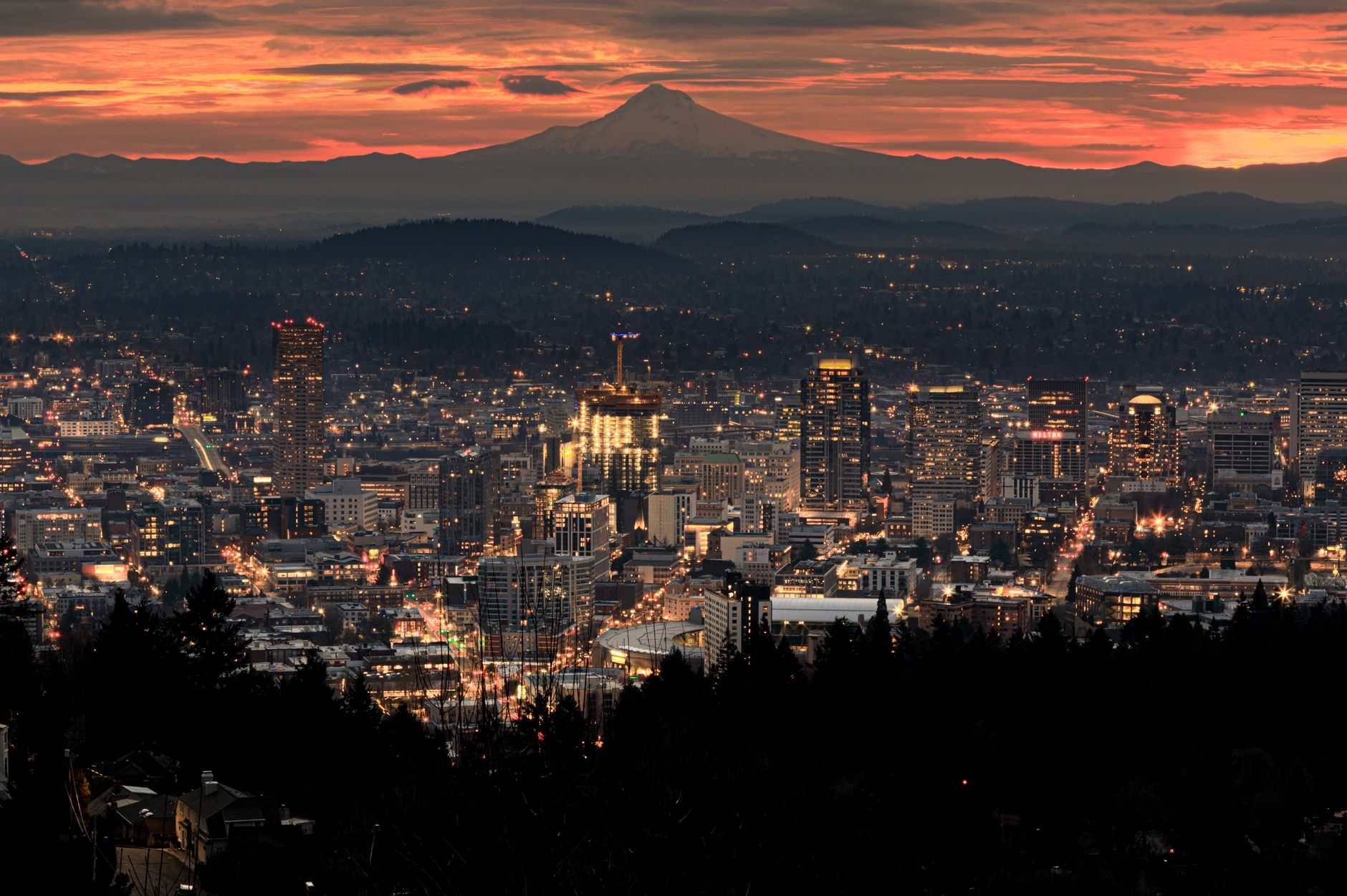
Portland, OR
Forest Park Is 5,200 Acres and the Gorge Is 40 Minutes. Here's How to Use Both.
One of the largest urban forest reserves in the United States sits inside the city limits, with a 30-mile trail running its length. Forty minutes east, a river gorge cuts through the Cascades with more waterfalls per mile than anywhere else in the country. Most people use one and ignore the other.
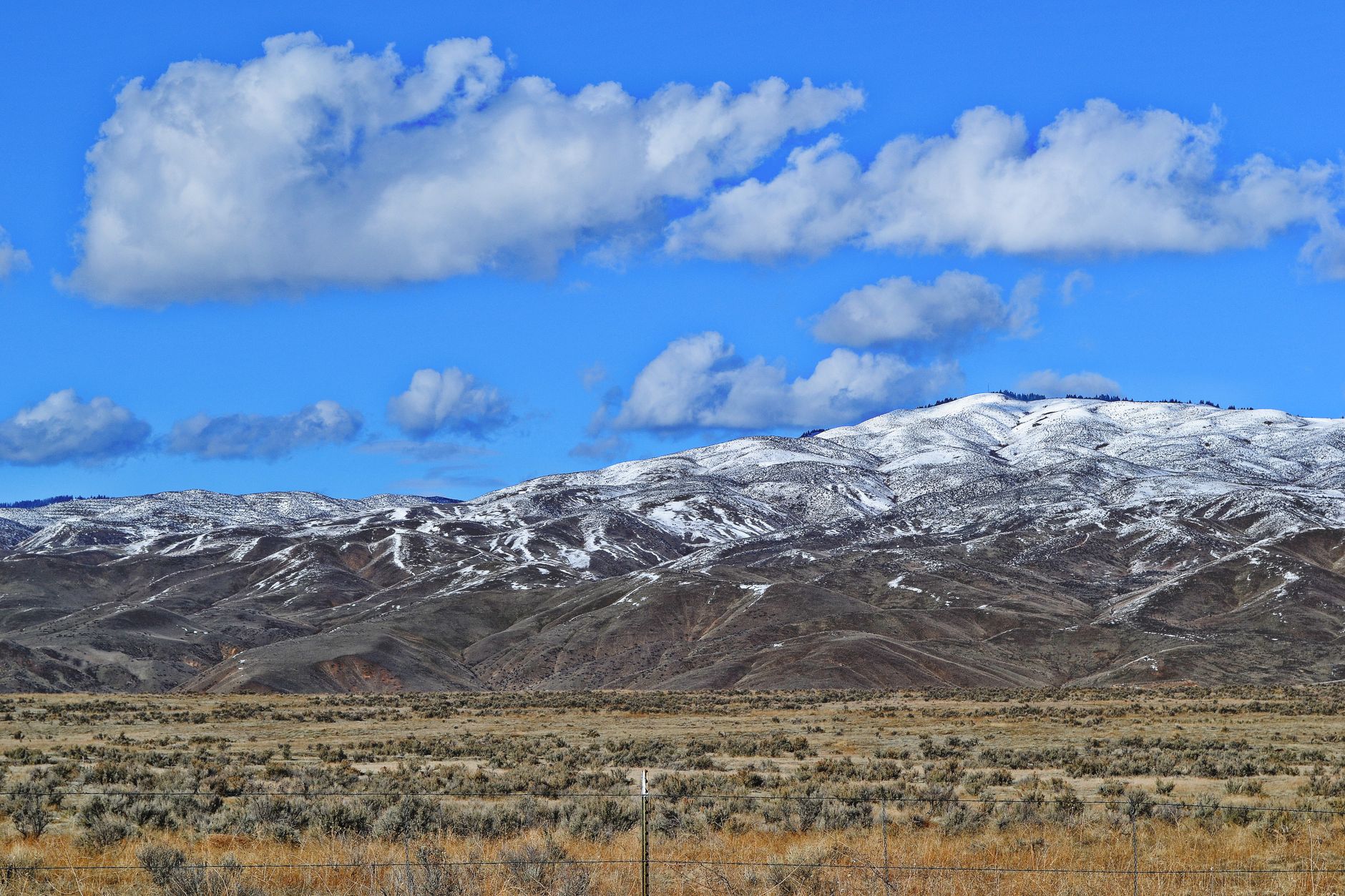
Boise, ID
Boise's Ridge to Rivers: 210+ Miles of Trail Starting at the Edge of Town
A single managed system of more than 210 miles of trail runs from the north edge of downtown up into the foothills and keeps going to a ski area at 7,000 feet. You can start a hike from a city park and finish above the treeline without ever leaving it.
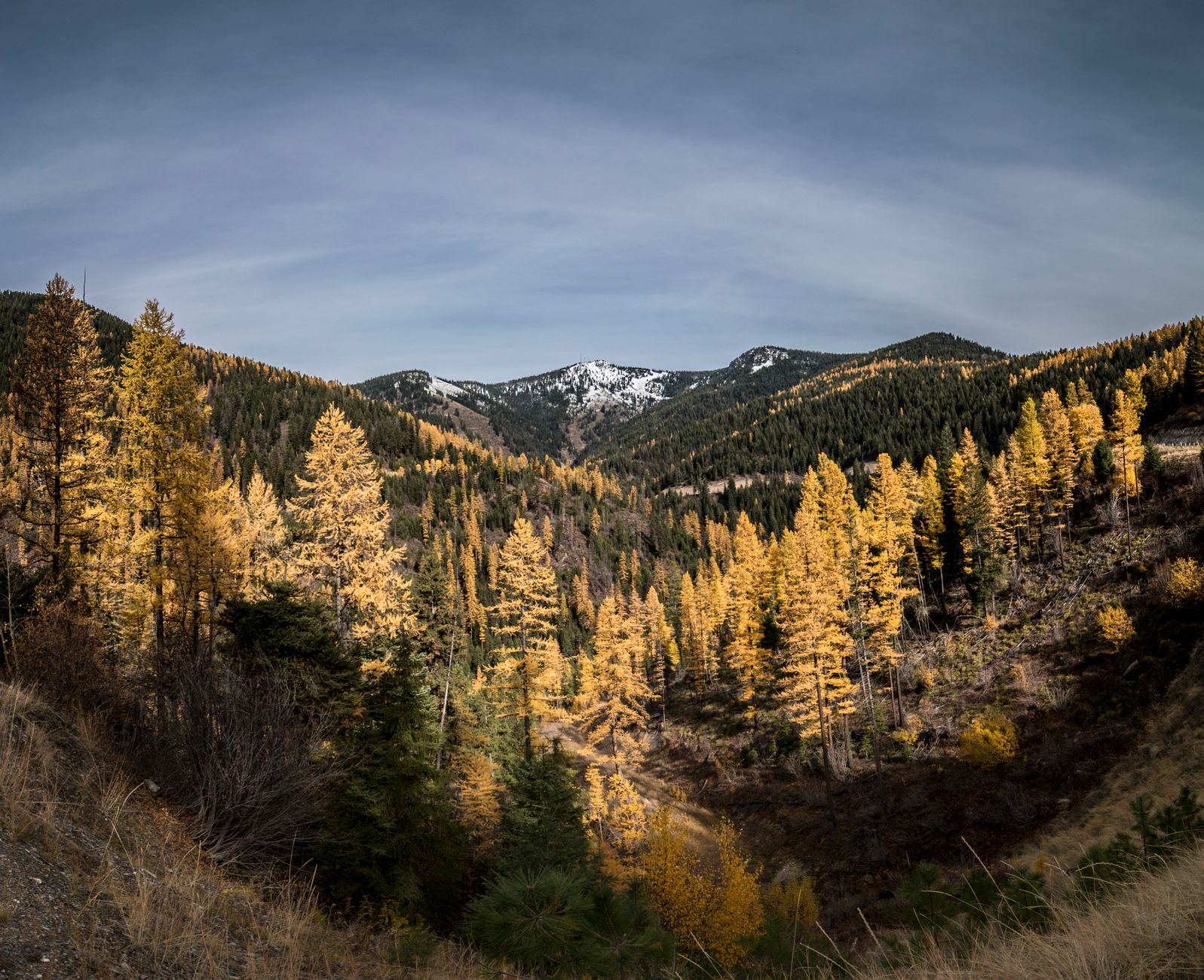
Missoula, MT
Missoula Hikes You Can Walk To From Downtown
A university town of 78,000 people sits where five valleys meet, with a mountain rising straight off the campus and a 61,000-acre wilderness up the road behind the houses. The famous hike takes forty minutes and most of the town has done it drunk at least once.
Birding Info
Birding Info
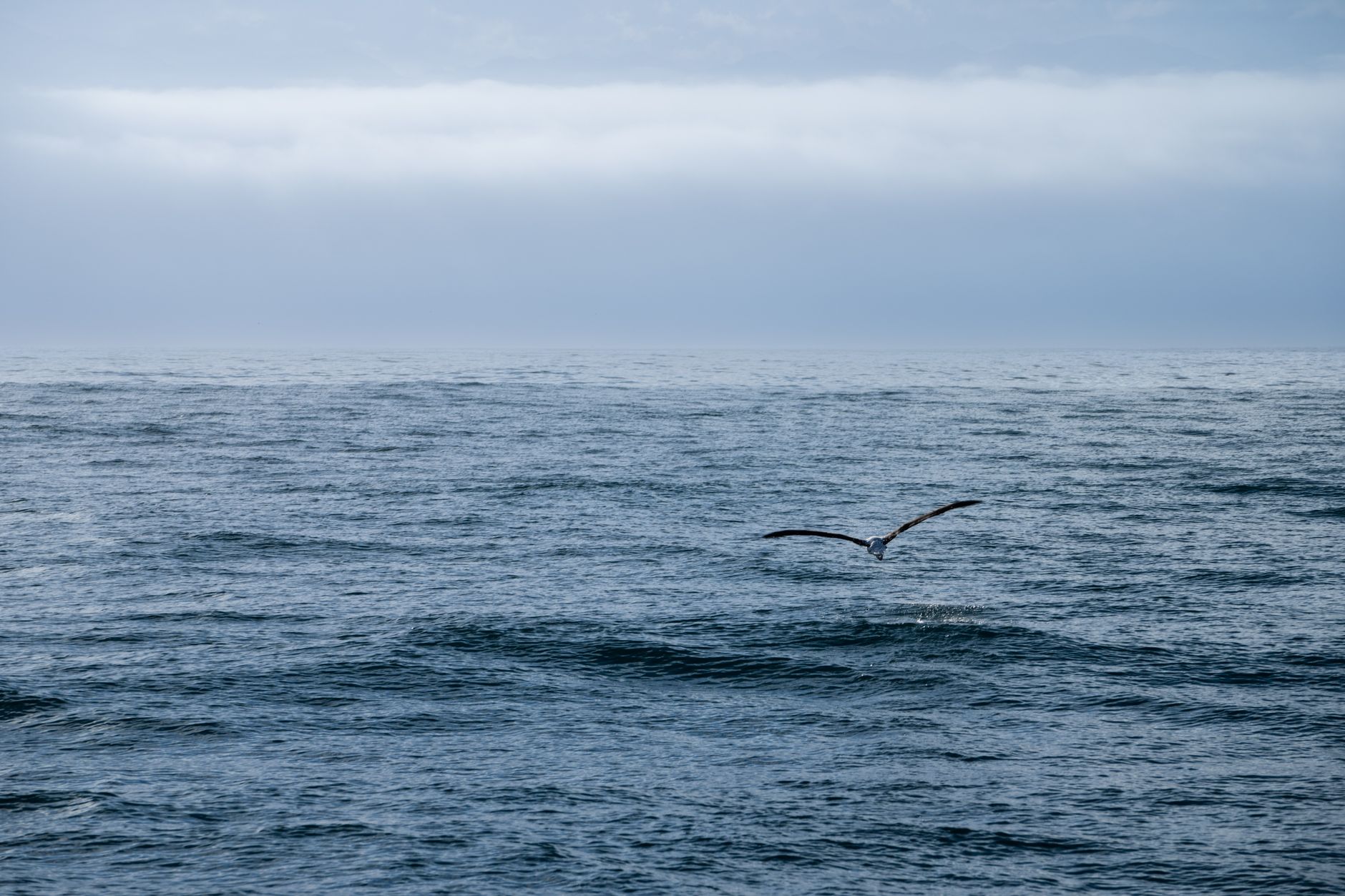
Your First Pelagic: Twelve Hours, Four Lifers, and Seasickness
There is a set of birds that never come to land in the western hemisphere except to breed on remote islands. Seeing them means getting on a boat before dawn, going thirty miles offshore, and staying there. It is the least comfortable and most rewarding day in birding.
Birding Info
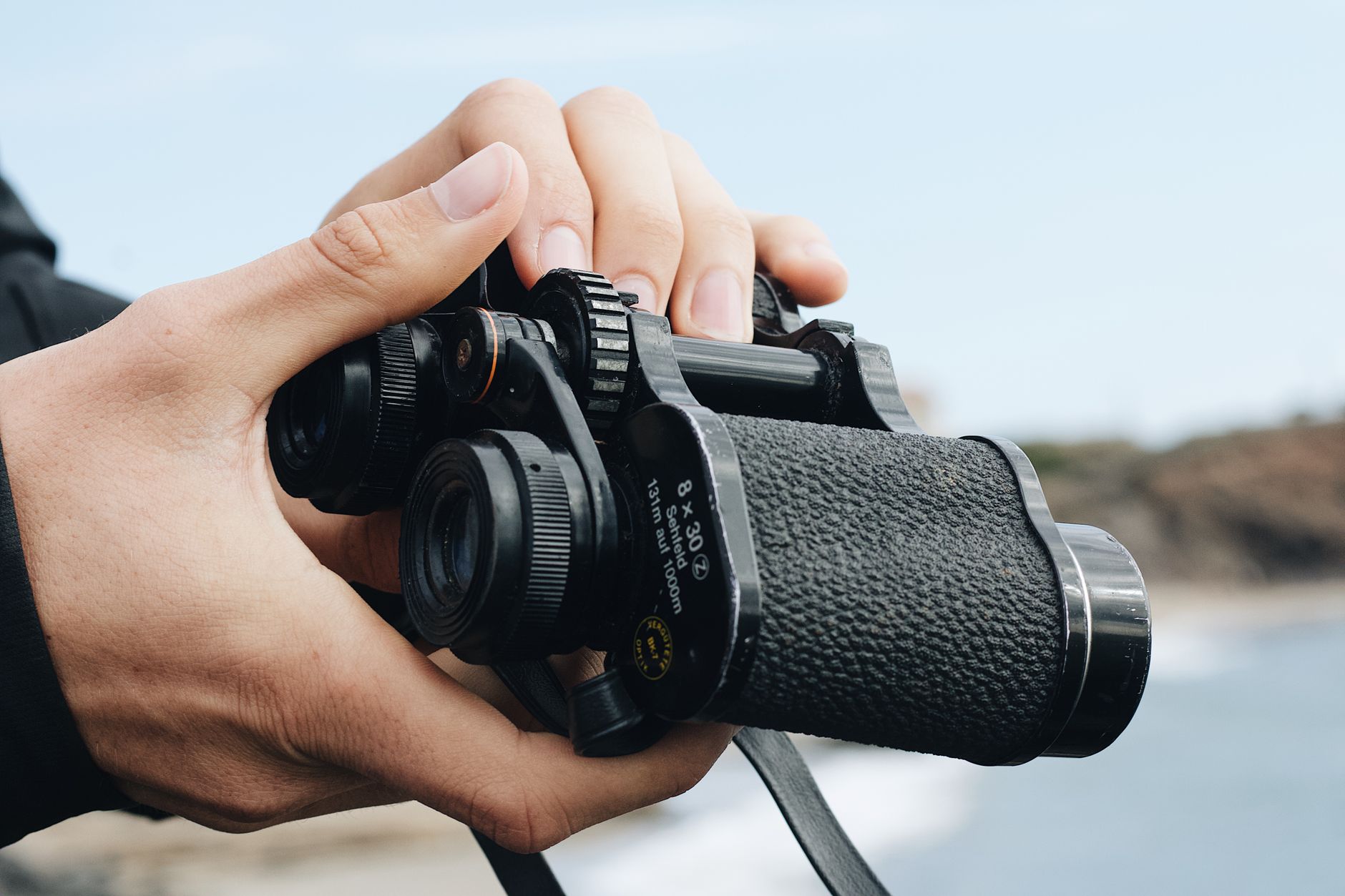
The Binocular Spec That Matters Is the One Nobody Quotes
Every binocular is sold on two numbers: magnification and objective size. Neither is the one that decides whether you enjoy using it. The specs that actually matter are field of view, eye relief, close focus and weight, and three of those are routinely buried or omitted entirely.
Birding Info
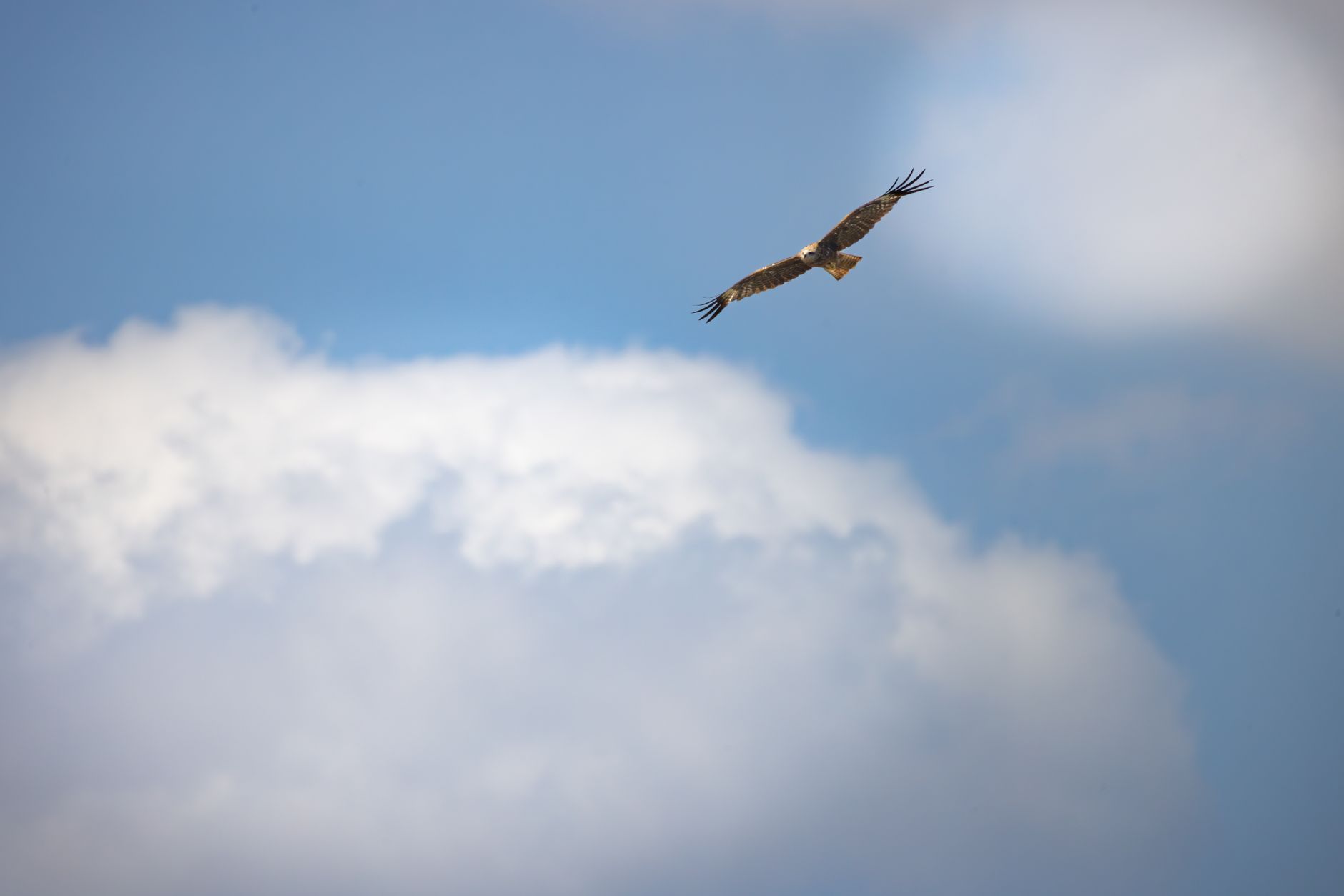
Why Hawk Watchers Sit on the Same Hill for Two Months
Every autumn, volunteers occupy specific ridges and headlands from dawn to mid-afternoon for eight or ten weeks, counting raptors passing overhead. It looks like an eccentric endurance sport. It is the longest-running population monitoring dataset for birds of prey in existence.
Birding Info
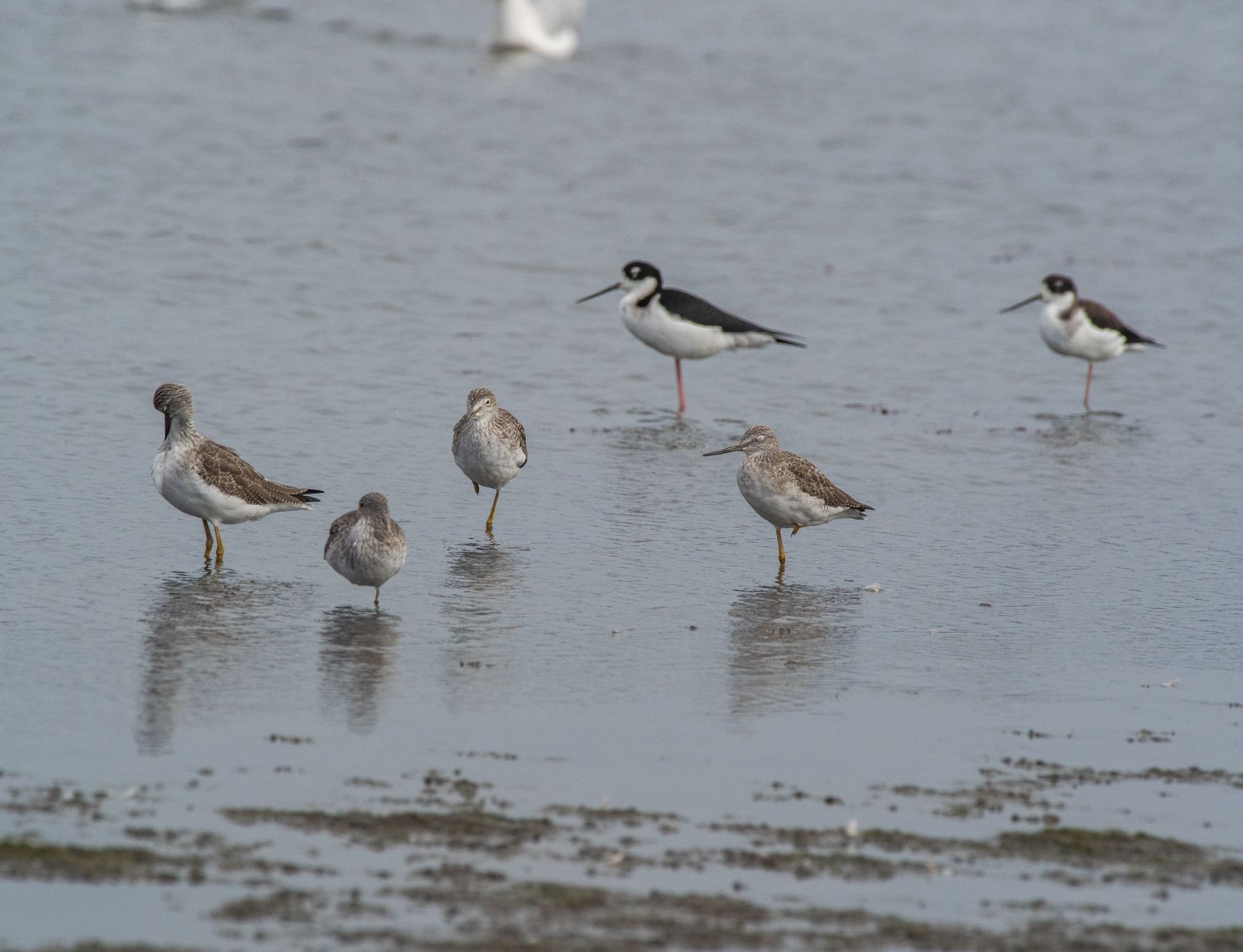
Shorebirding Is a Tide Problem, Not a Bird Problem
Turn up at a famous shorebird site at the wrong state of tide and you will see mud, or you will see water, and in both cases you will see almost no birds. Get the tide right and the same place holds twenty thousand of them at arm's length for ninety minutes.
Birding Info
What an eBird Hotspot Actually Tells You, and What It Hides
A hotspot with 280 species looks like the best site in the county. It might be. Or it might be a parking lot that forty thousand birders have walked through on their way somewhere else, with a bar chart that reflects human behavior far more accurately than it reflects birds.
Birding Info
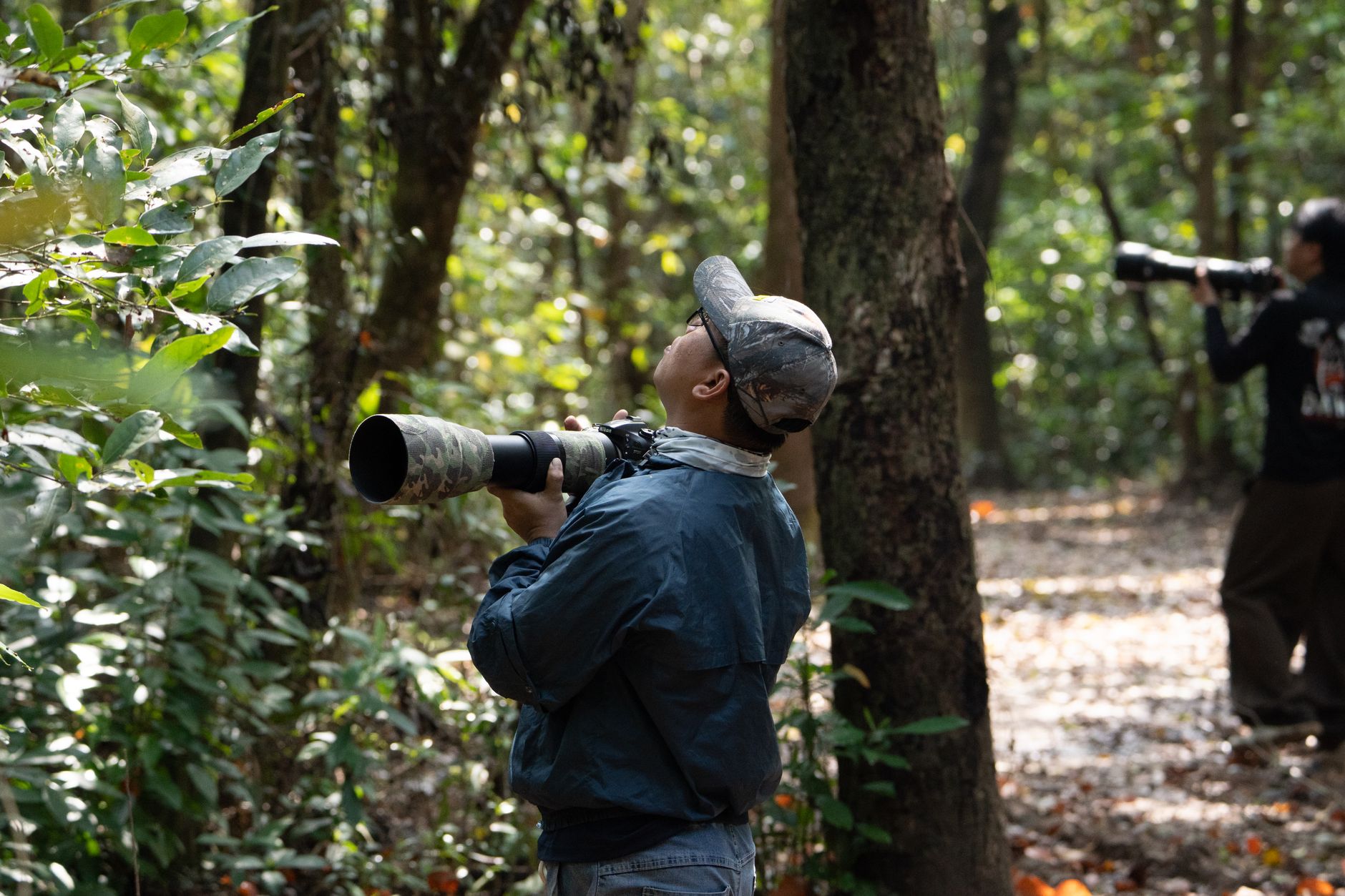
Playing a Recording Is Sometimes Harassment and Sometimes Prohibited
A phone in your pocket can summon a territorial male out of dense cover in about nine seconds. That is a genuinely useful tool and a damaging one, and the line between them is not where most birders assume it is.
Birding Hotspots
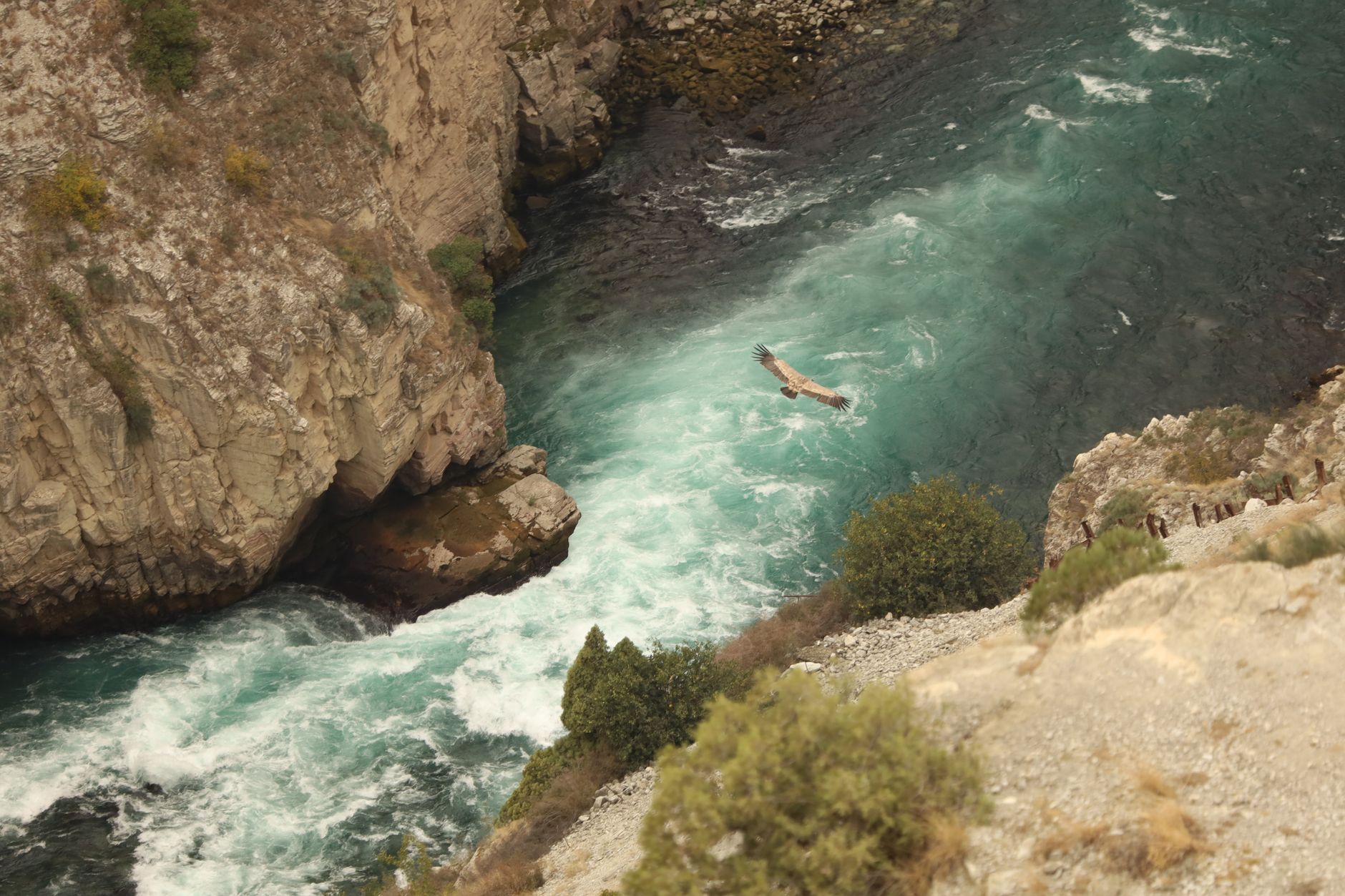
Kuna, ID
800 Pairs of Raptors in One Canyon: Birding the Snake River NCA
The Morley Nelson Snake River Birds of Prey National Conservation Area holds the greatest concentration of nesting raptors in North America, on 485,000 acres of BLM ground with almost no facilities. It is forty minutes from Boise and it asks a lot more preparation than that distance suggests.
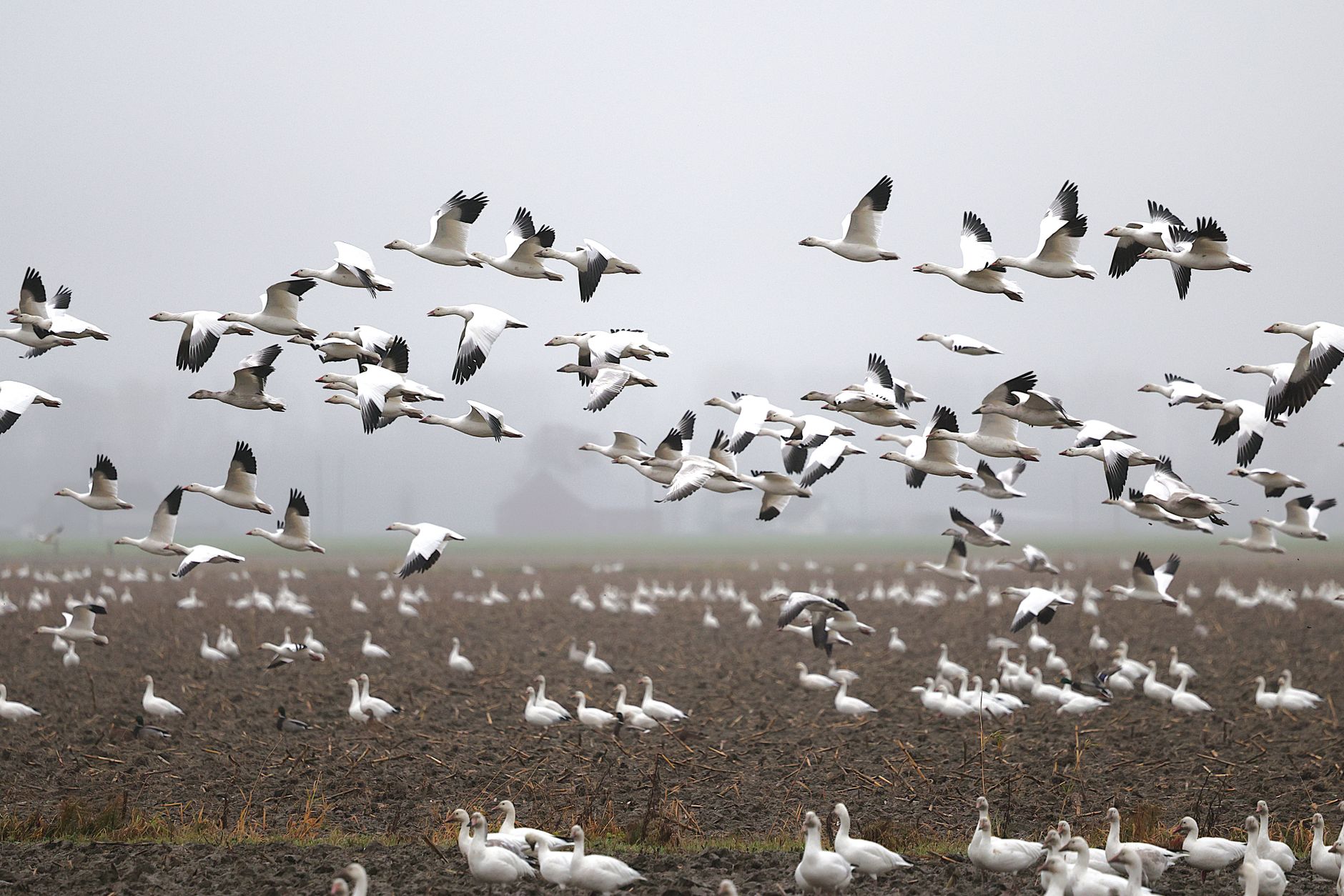
Mount Vernon, WA
Skagit Flats: A Hundred Thousand Snow Geese on Land You Cannot Walk On
Roughly a hundred thousand snow geese winter in the north Puget Sound basins, and almost all of them spend the day on privately farmed fields. The birding is spectacular and the public ground you can stand on adds up to a few hundred acres. Knowing which acres, and how to use them, is the entire skill.
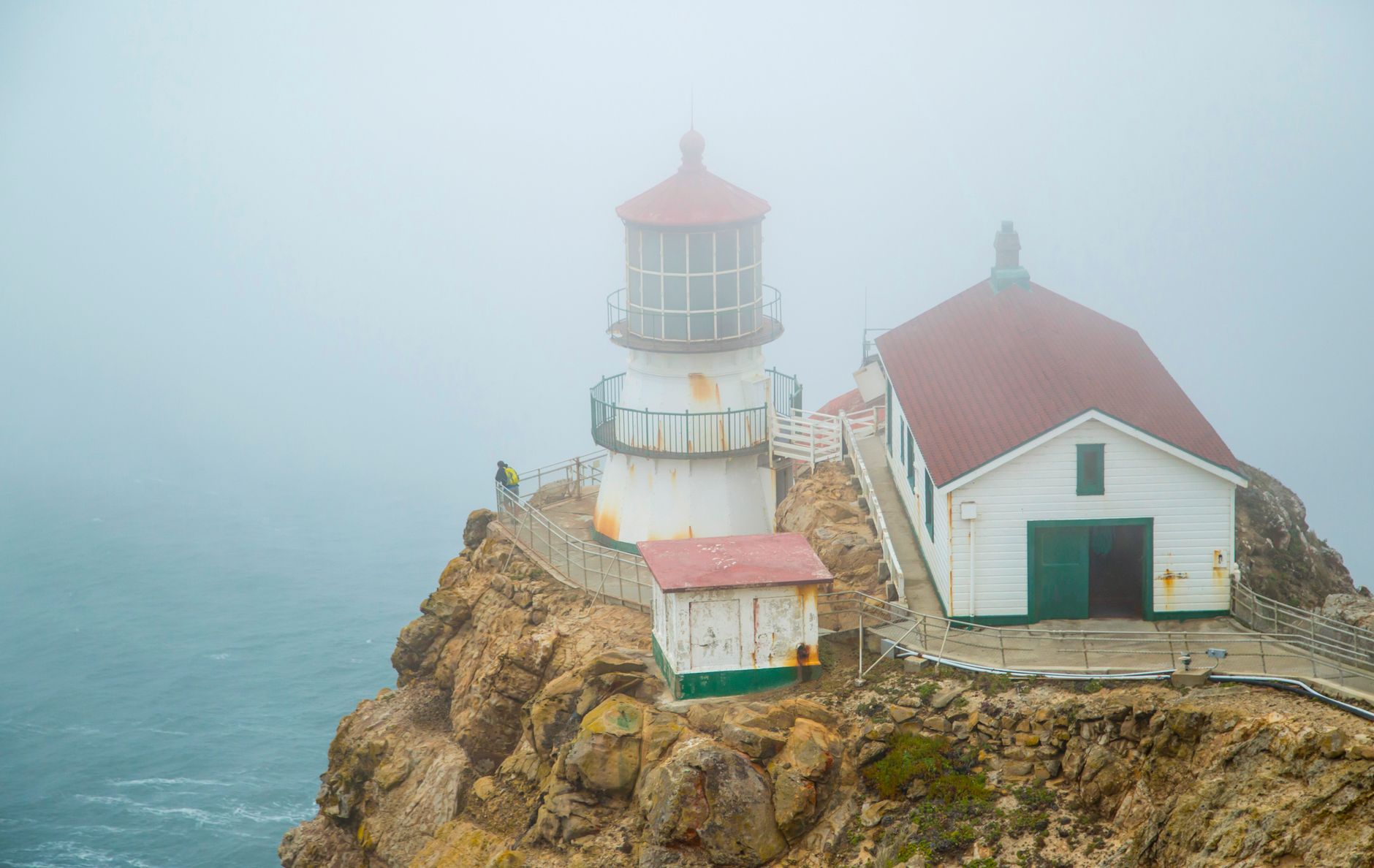
Point Reyes Station, CA
Point Reyes in Autumn: Why Lost Birds Keep Landing on One Headland
Point Reyes has one of the longest vagrant lists in North America, and the reason is geographic rather than magical. A headland that sticks ten miles into the Pacific, a handful of isolated tree stands, and a coastline that runs the wrong way. Here is how to work it, and what the 2025 ranch settlement changes.
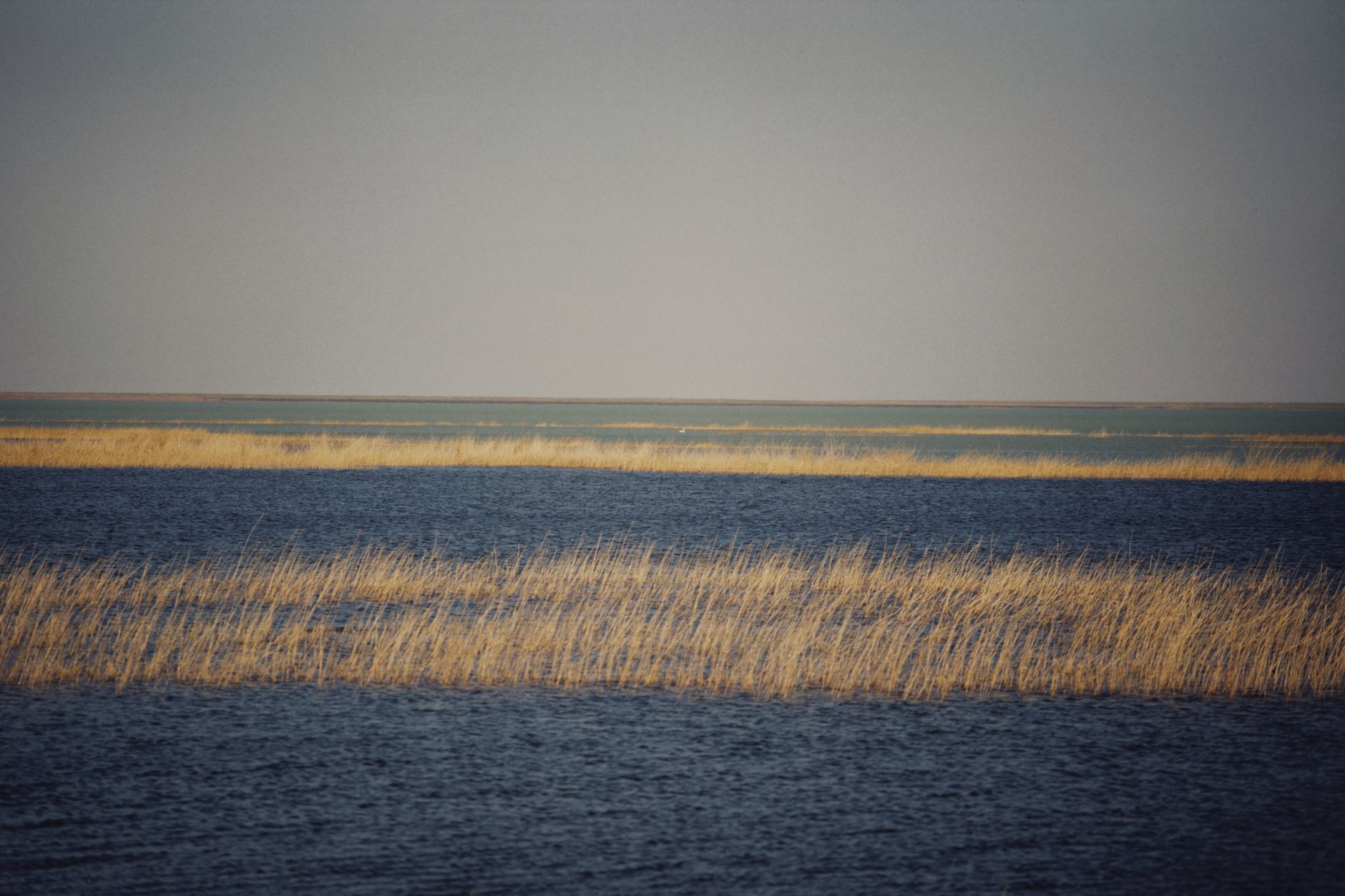
Princeton, OR
Malheur: 42 Miles of Gravel and the Best Birding in the Great Basin
Malheur National Wildlife Refuge is a long way from anywhere, has more than 340 recorded bird species, and is organized around a 42-mile gravel auto tour built by the Civilian Conservation Corps. What it does not have is a visitor center in winter, cell service, or anywhere to buy lunch.
Birchwood, TN
Hiwassee: The Refuge Closes Exactly When the Cranes Arrive
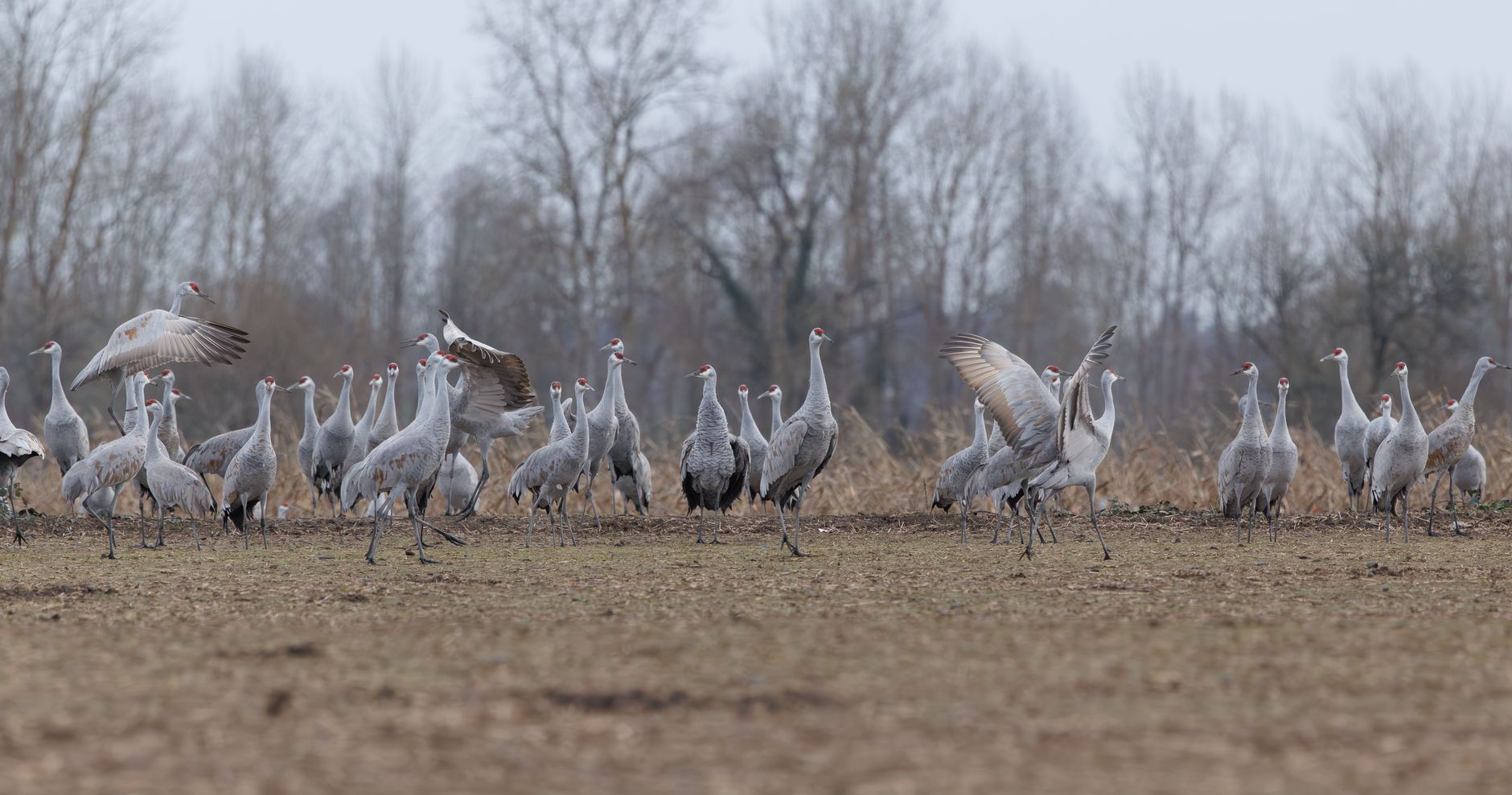
Thousands of Sandhill Cranes winter where the Hiwassee River meets the Tennessee, along with the occasional Whooping Crane. The refuge itself is closed from November 15 to the end of February, which is the entire season. The observation platform is open year-round, and that is not an oversight.
Birding Refuges
Olympia, WA
Nisqually: The Refuge Where You Have to Check the Tide First
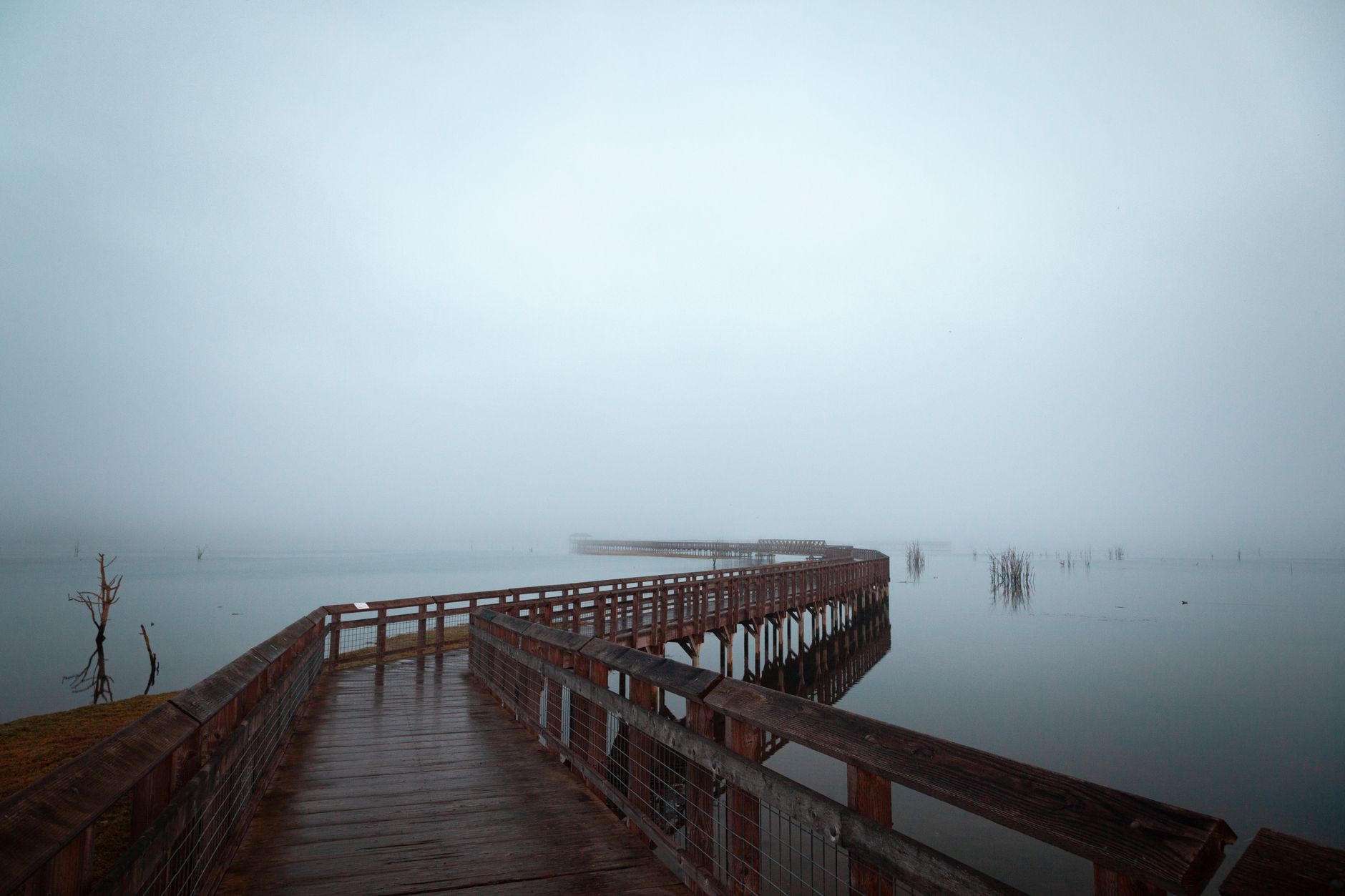
Billy Frank Jr. Nisqually National Wildlife Refuge sits where the Nisqually River meets Puget Sound, and it is one of very few American refuges where the published advice tells you which tide height produces which birds. Going at the wrong stage is the difference between a great morning and an empty one.
Tulelake, CA
Klamath Basin: America's First Waterfowl Refuge Is Running Out of Water
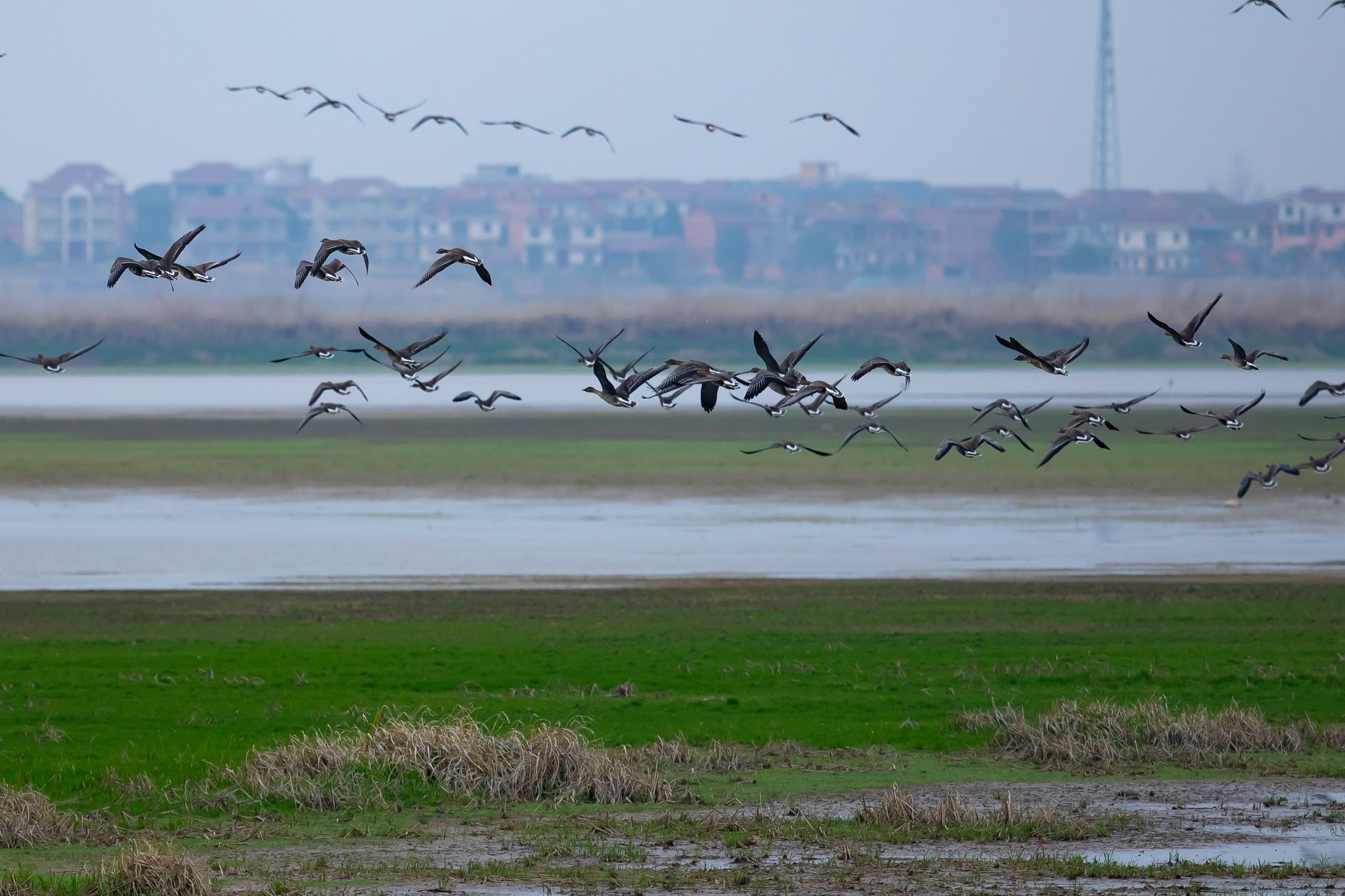
The Klamath Basin refuges hold the largest concentration of wintering bald eagles in the lower 48 and were once the greatest waterfowl staging ground on the Pacific Flyway. As of August 2026 a botulism outbreak is under way at Tule Lake. Both things are true, and a visit should be planned knowing it.
Hilo, HI
Hakalau Forest: The Refuge You Cannot Visit on Your Own
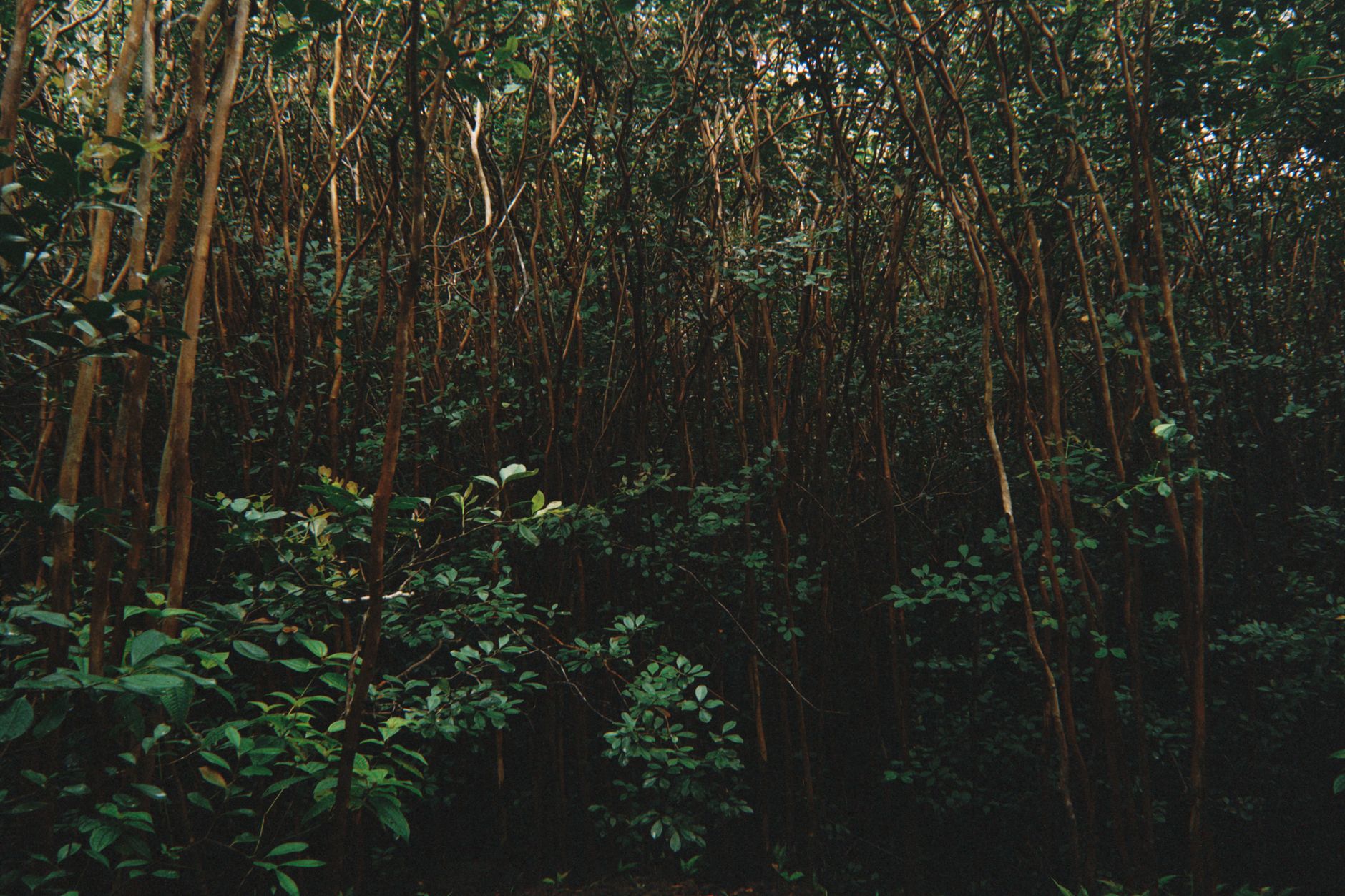
Hakalau Forest holds the best remaining population of several endangered Hawaiian honeycreepers, on the windward slope of Mauna Kea. It is also closed to self-guided visits because of a tree disease, and the only way in is with one of five permitted operators. Here is why, and how to go.
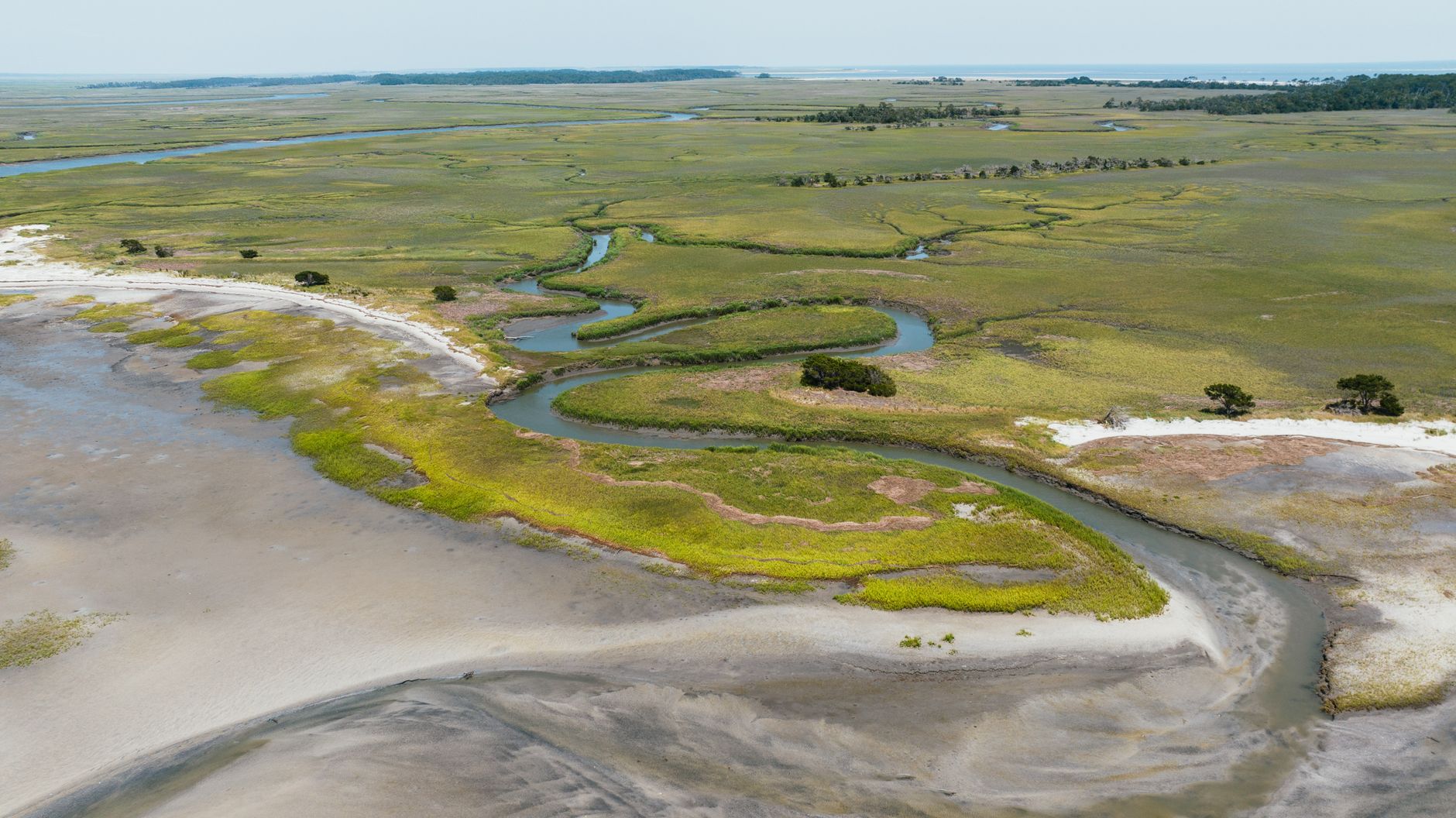
Chincoteague, VA
Chincoteague: The Wildlife Loop Does Not Open to Cars Until 3pm
Chincoteague National Wildlife Refuge is one of the best birding sites on the mid-Atlantic coast, and its most productive route is closed to vehicles until three in the afternoon. That single rule shapes the whole day, and most first-time visitors do not know it until they arrive.
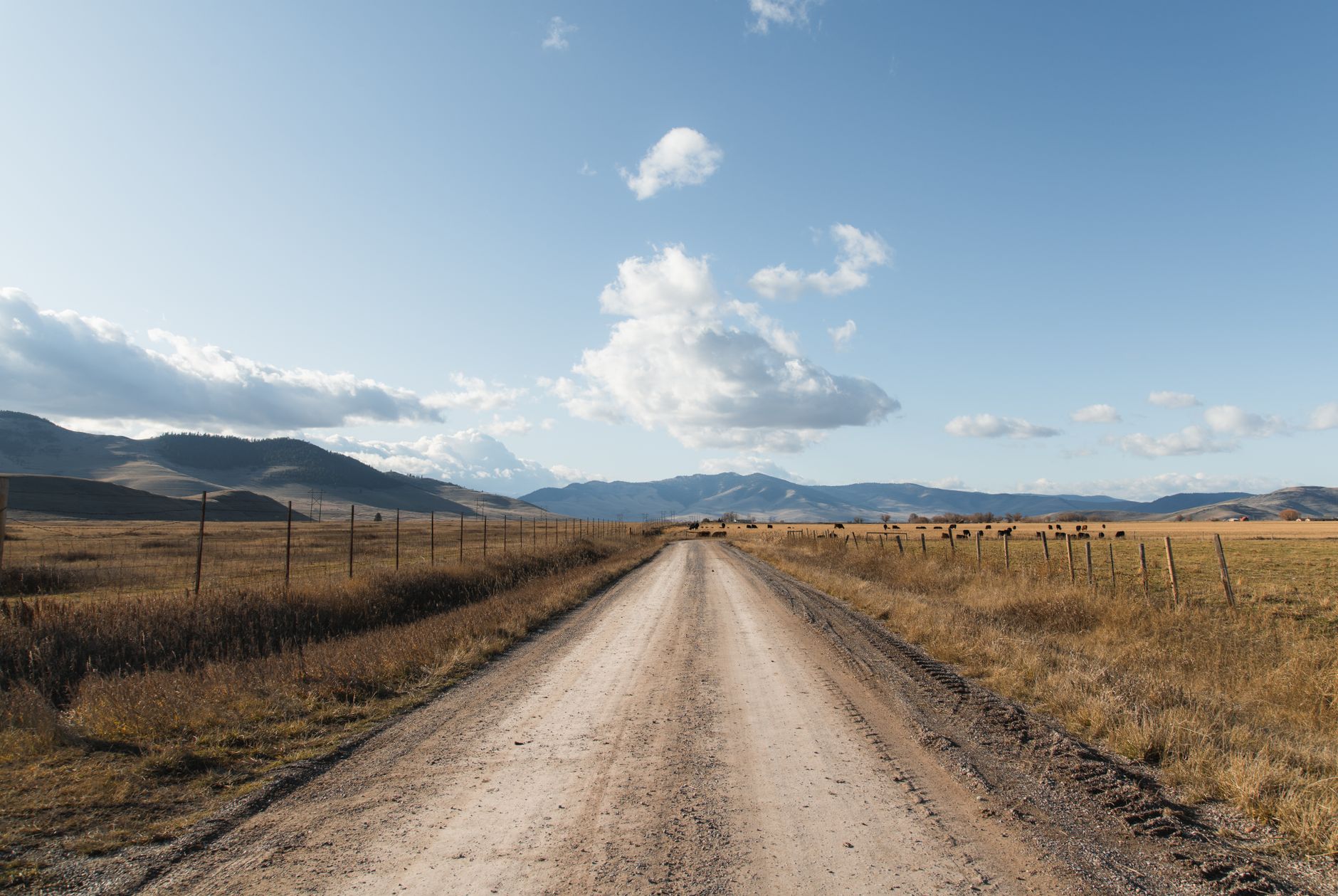
Malta, MT
Bowdoin: A 15-Mile Loop Through the Prairie Pothole Country
Bowdoin National Wildlife Refuge sits in the mixed-grass prairie of north-central Montana, seven miles east of Malta, and offers a 15-mile auto tour through pelican colonies, grebe water and some of the best avocet and stilt viewing in the state. Almost nobody goes.
Birding Destinations
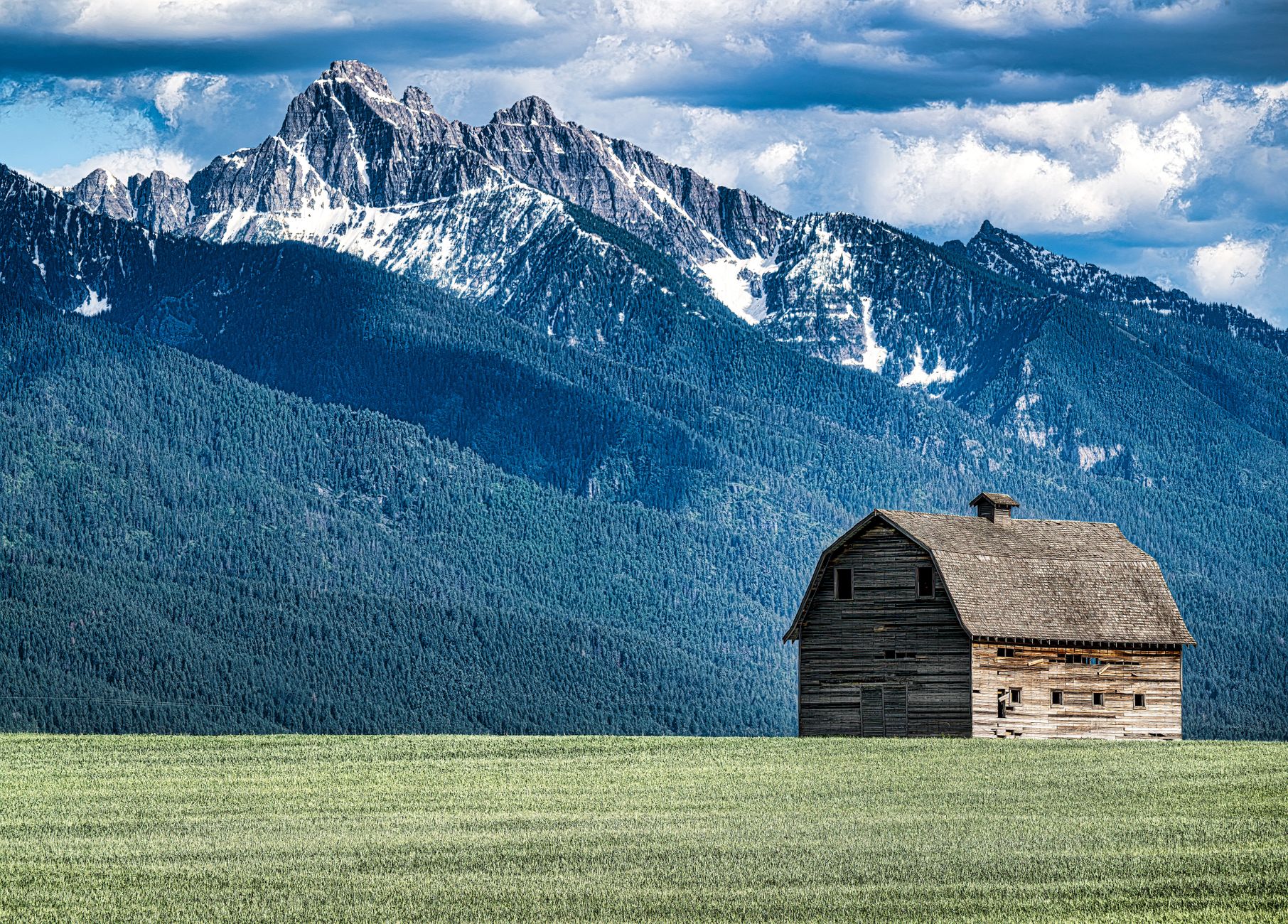
Missoula, MT
Western Montana: Where the Refuge Is Free and the Land Around It Is Not
Western Montana runs from the Bitterroot to Glacier through the Mission Valley, and the birding is excellent. It is also a complicated access map, with a national wildlife refuge sitting on tribal trust land where the rules for the refuge and the ground around it are different.
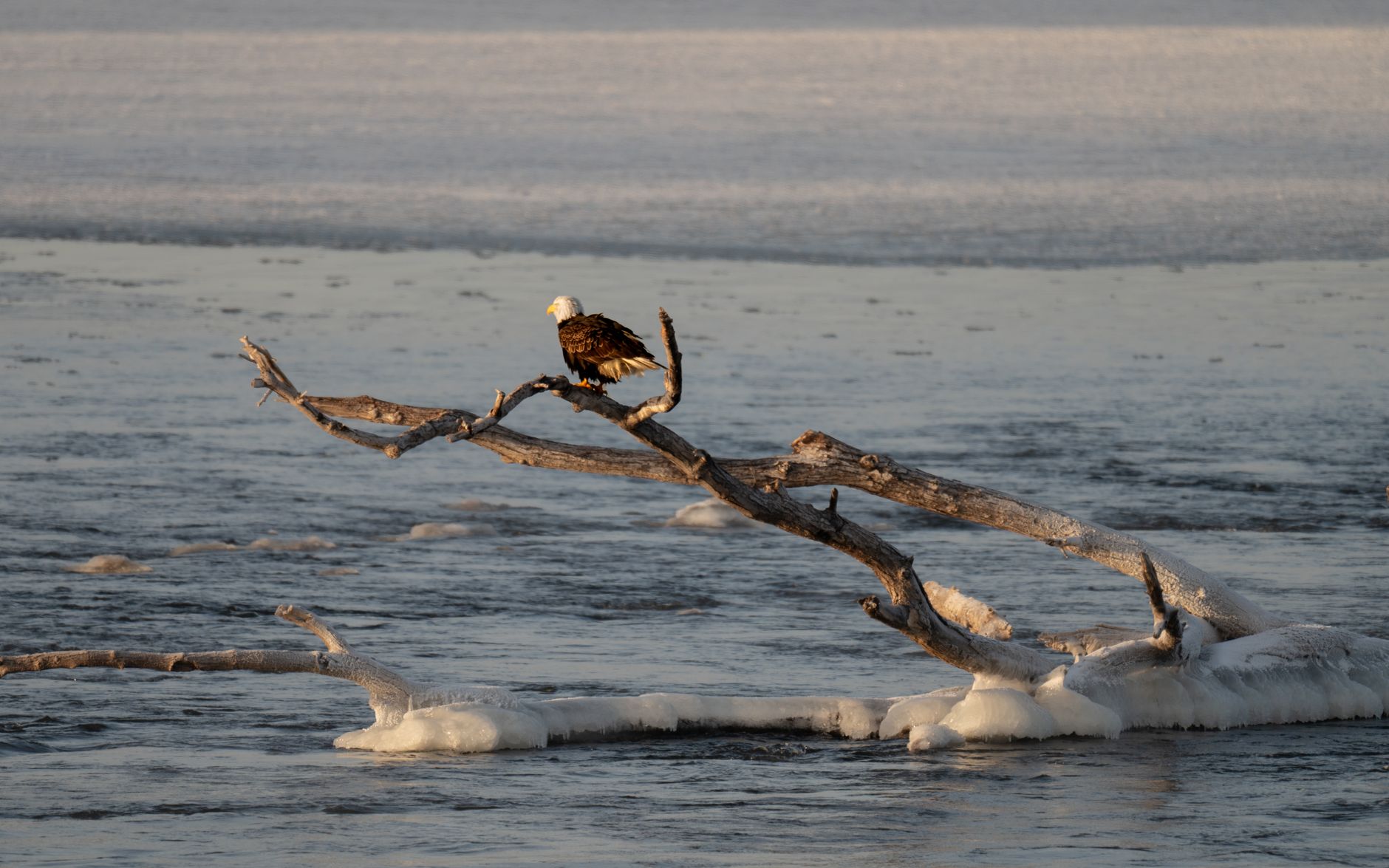
Haines, AK
Southeast Alaska: The Eagle Count Is Lower Than the Brochure Says
The Chilkat River near Haines hosts the world's largest gathering of bald eagles, and the survey numbers have been falling for thirty years while the marketing numbers have not. Southeast Alaska is still extraordinary birding. It is worth arriving with the real figures.
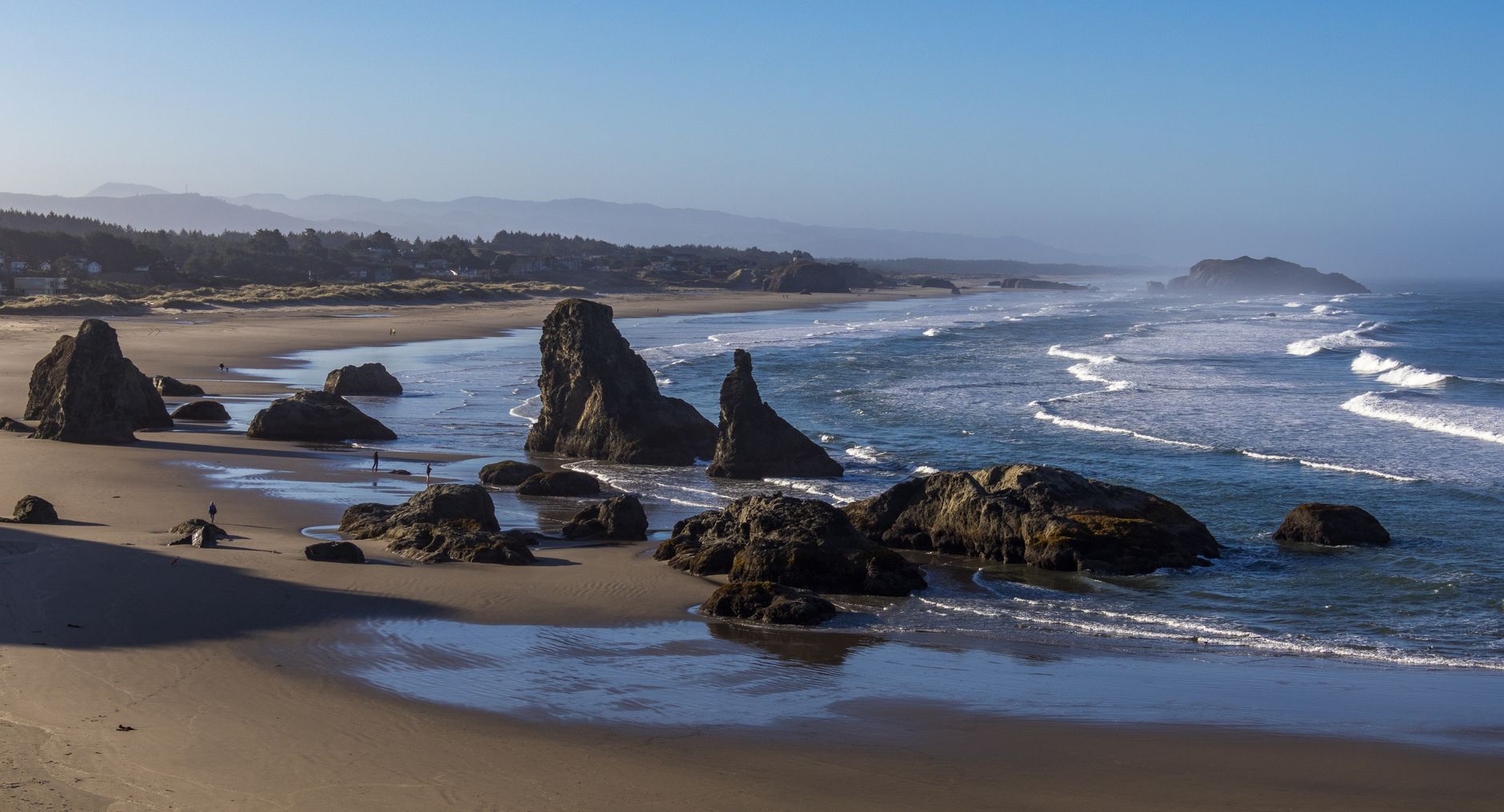
Newport, OR
The Oregon Coast: Every Rock You Can See Is Closed, and That Is the Point
Nearly every offshore rock and island along the Oregon coast is national wildlife refuge, closed to landing, and holding seabird colonies you watch from the mainland. Add estuaries, headlands and a seawatch tradition, and you have one of the best coastal birding runs in the country.
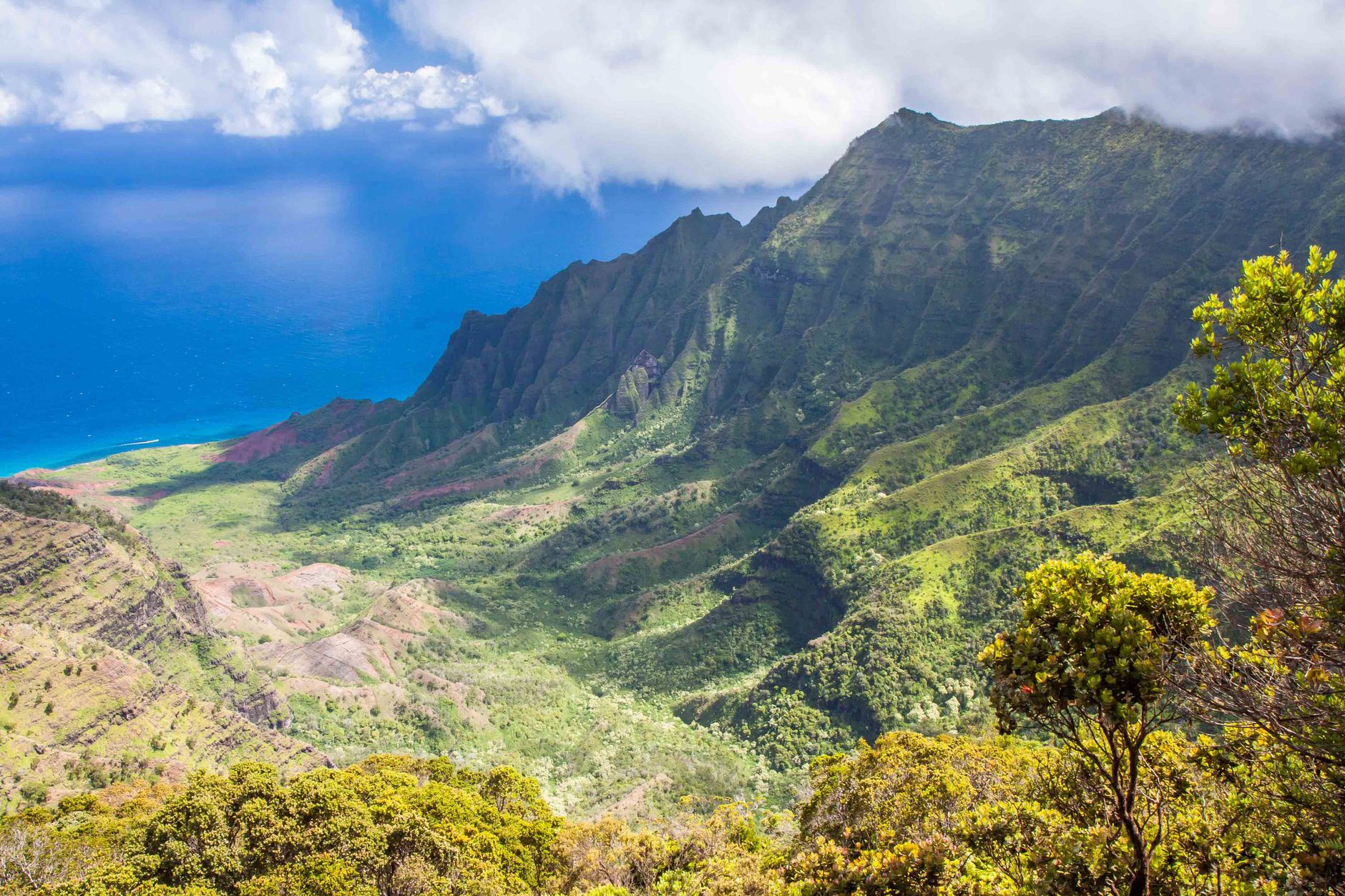
Lihue, HI
Kauai Birding: Seabirds You Can Book, Forest Birds You Might Not See Again
Kauai has the most accessible seabird colony in Hawaii and one of the most desperate forest bird situations on Earth, about forty minutes apart. One requires a reservation on Recreation.gov. The other requires you to understand what you are looking at.
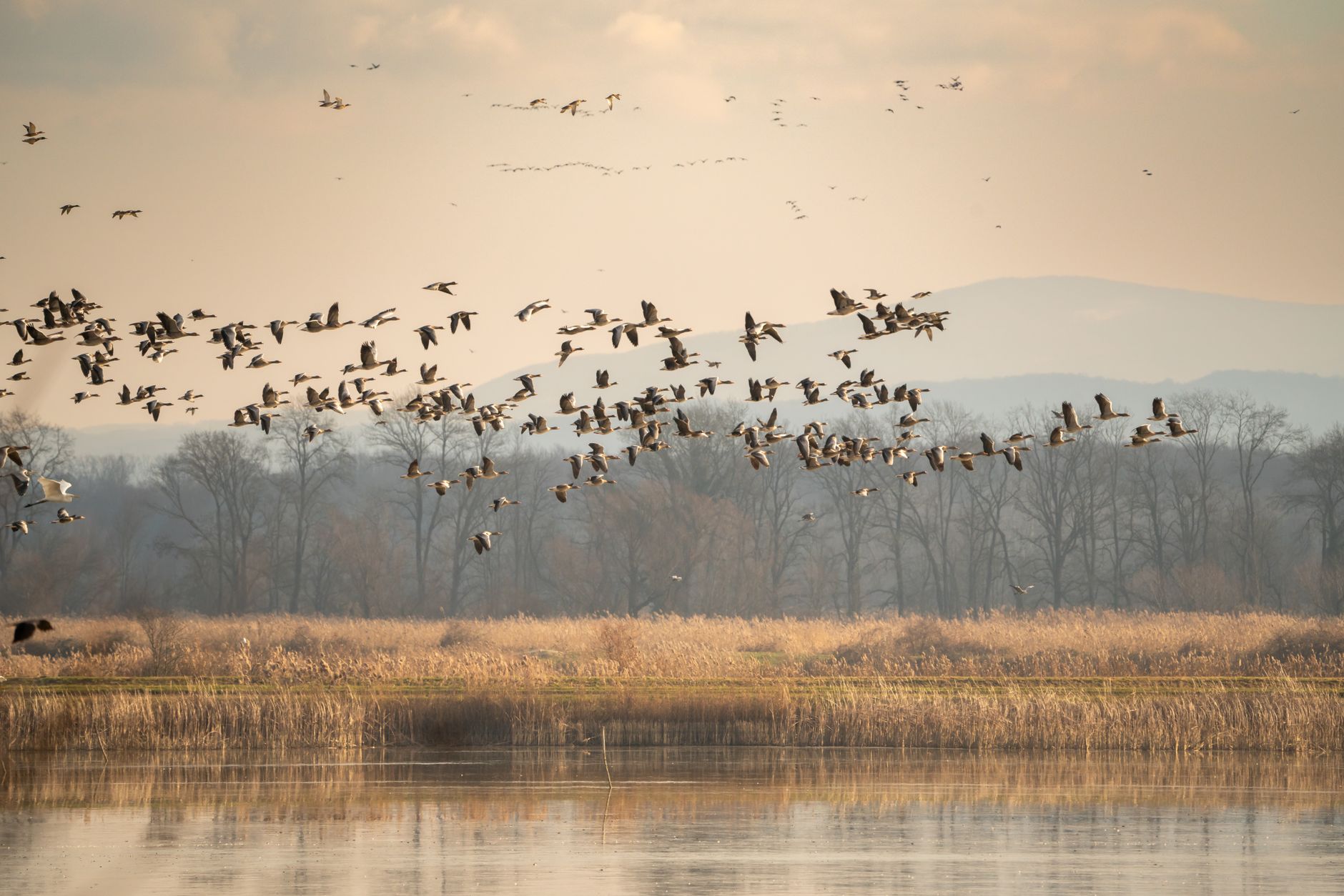
Willows, CA
Central Valley Waterfowl: Millions of Birds on Five Percent of the Wetland
California's Central Valley lost roughly 95 percent of its wetlands and still winters an enormous share of the Pacific Flyway's waterfowl, on a patchwork of refuges, state wildlife areas and flooded rice. The auto tours are excellent, cheap, and busiest exactly when the birds are.
Urban Birding
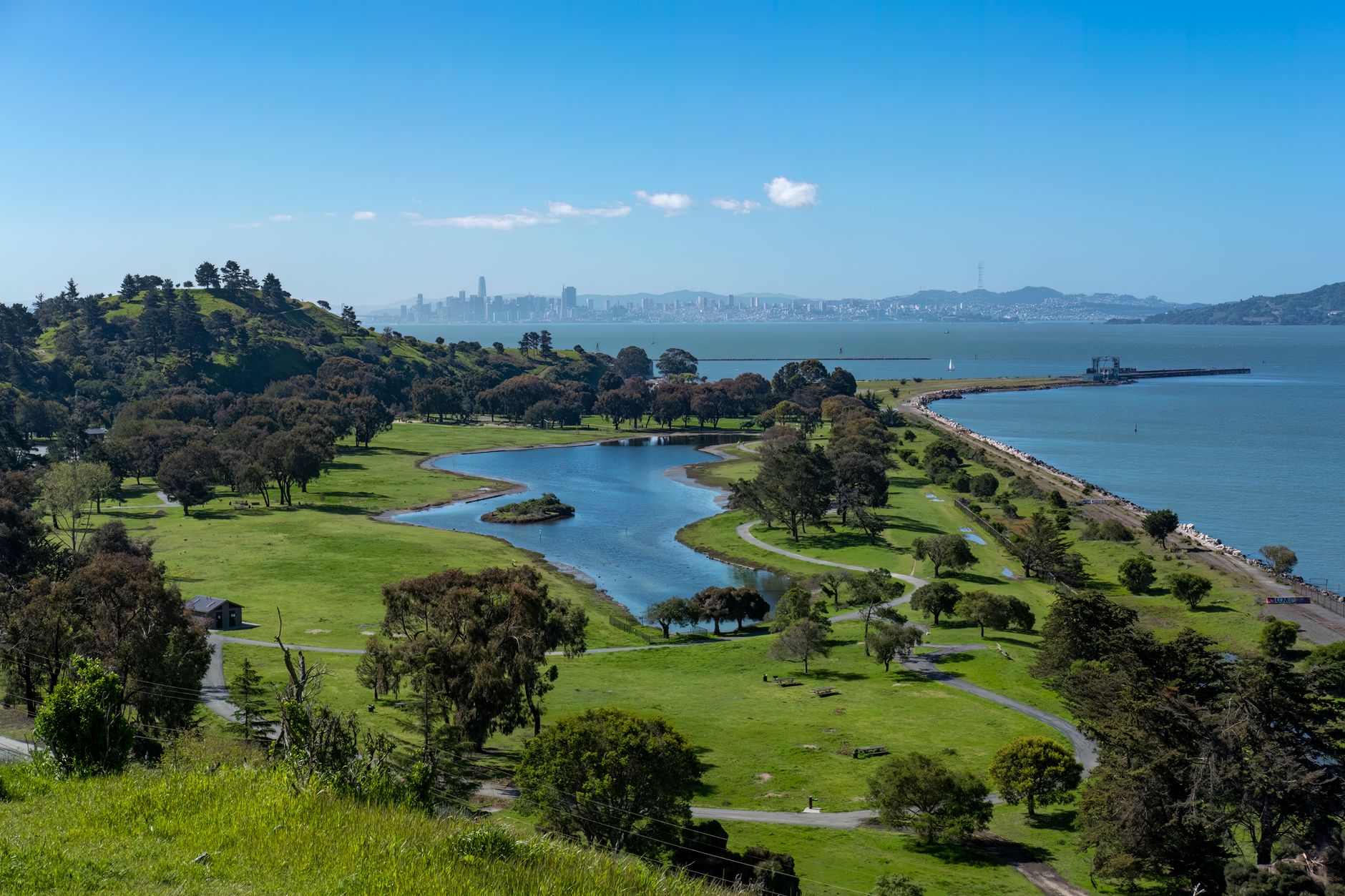
San Francisco, CA
Birding San Francisco Bay: Don Edwards, the Salt Ponds, and the Shoreline
San Francisco Bay lost roughly ninety percent of its tidal marsh and then built one of the first urban national wildlife refuges in the country on what was left. The birding is exceptional, the sites are free, and the salt ponds are in the middle of the largest tidal wetland restoration on the west coast.
Seattle, WA
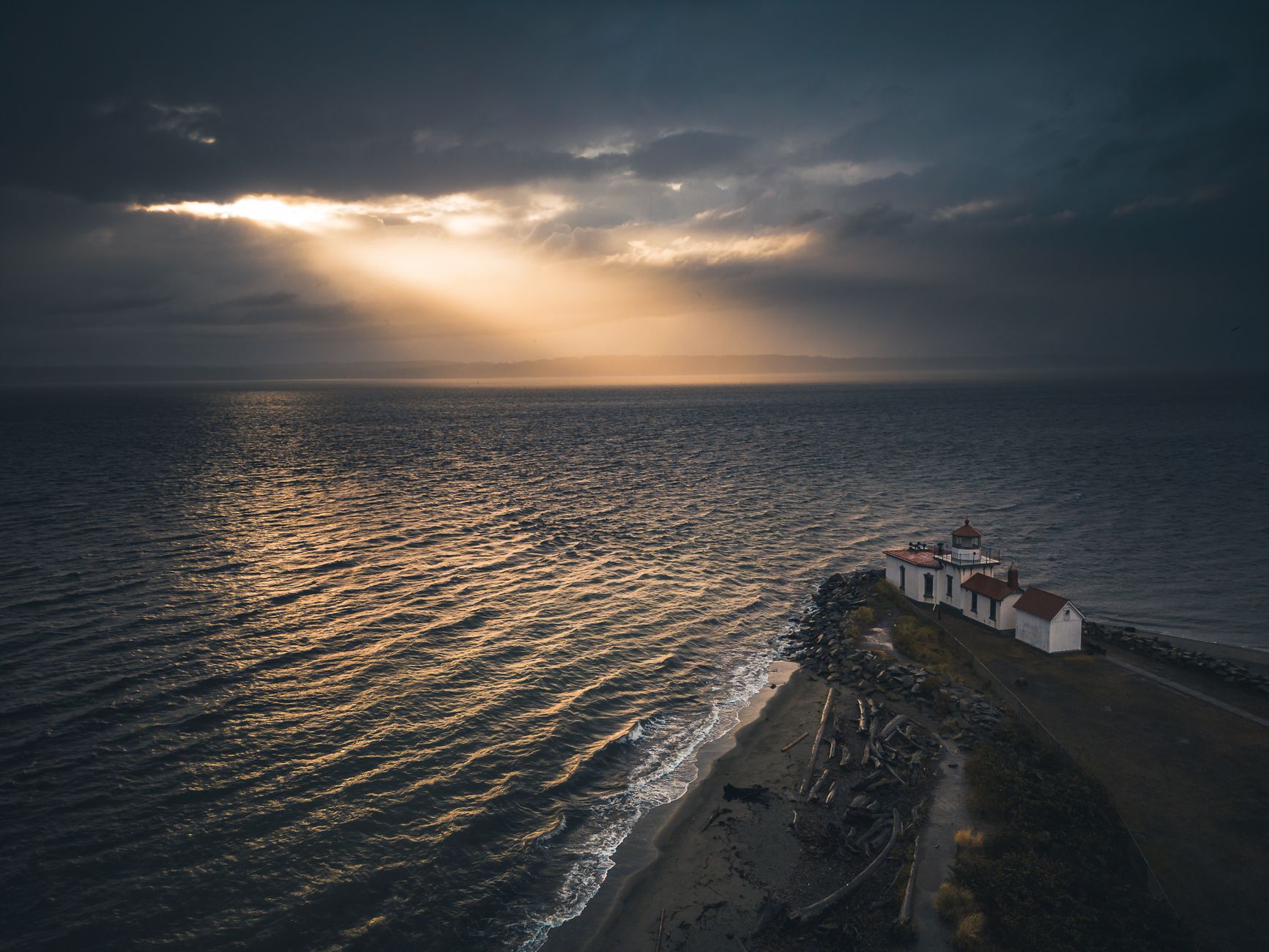
Birding Seattle: A Bluff, a Landfill, and a Naval Air Station
Seattle's best birding sites are a 534-acre bluff park, a capped municipal landfill owned by a university, and a decommissioned naval air station. All three are free, all three are on transit, and between them they cover most of what the Puget Sound lowlands hold.
Portland, OR
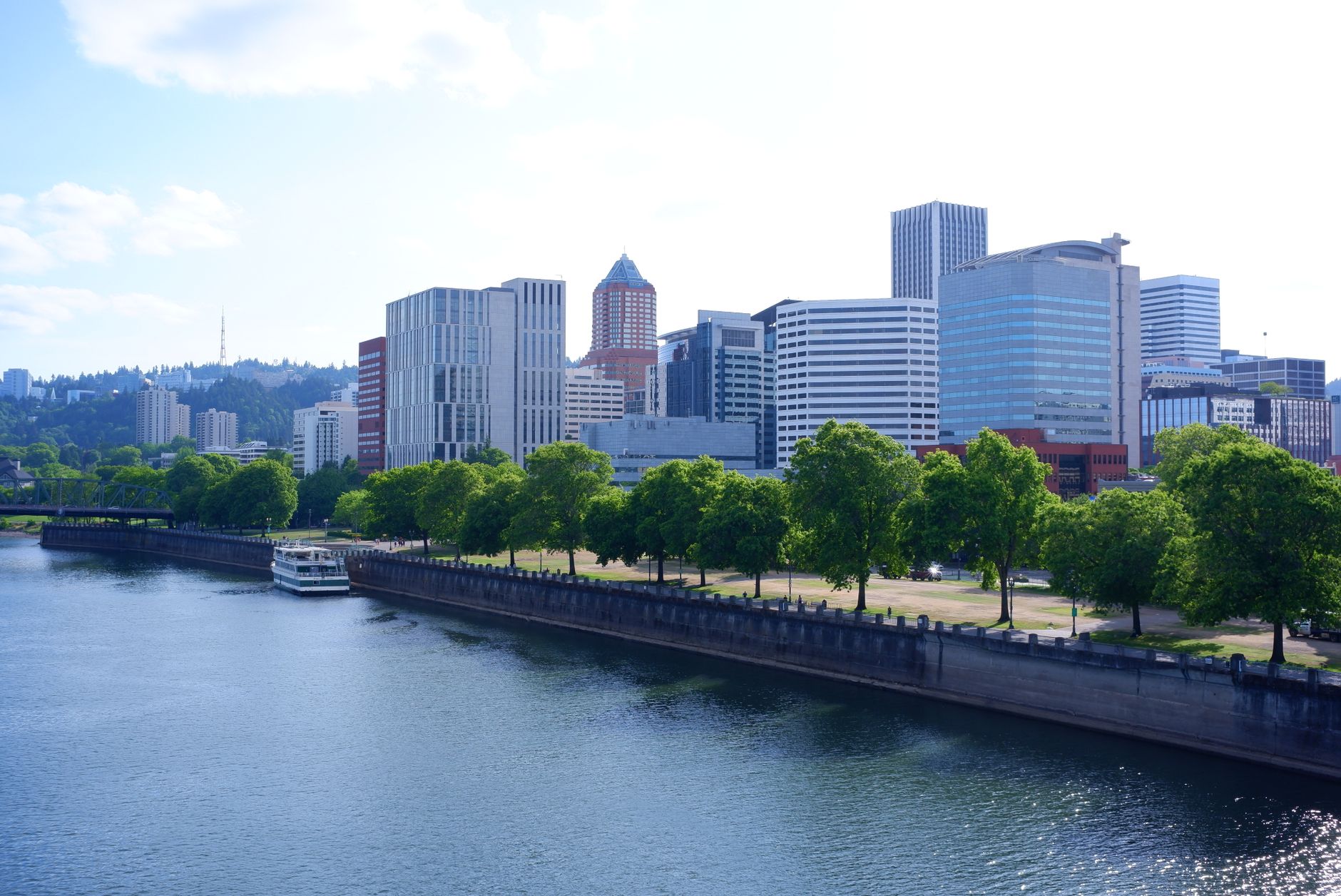
Birding Portland: The Island Where Half the Units Close in October
Portland has a 5,200-acre forest inside the city, one of the largest protected wetlands in any American city, and an agricultural island twenty minutes north where several of the best units close on October 1 and do not reopen until spring. Knowing which is which is the whole trick.
Nashville, TN
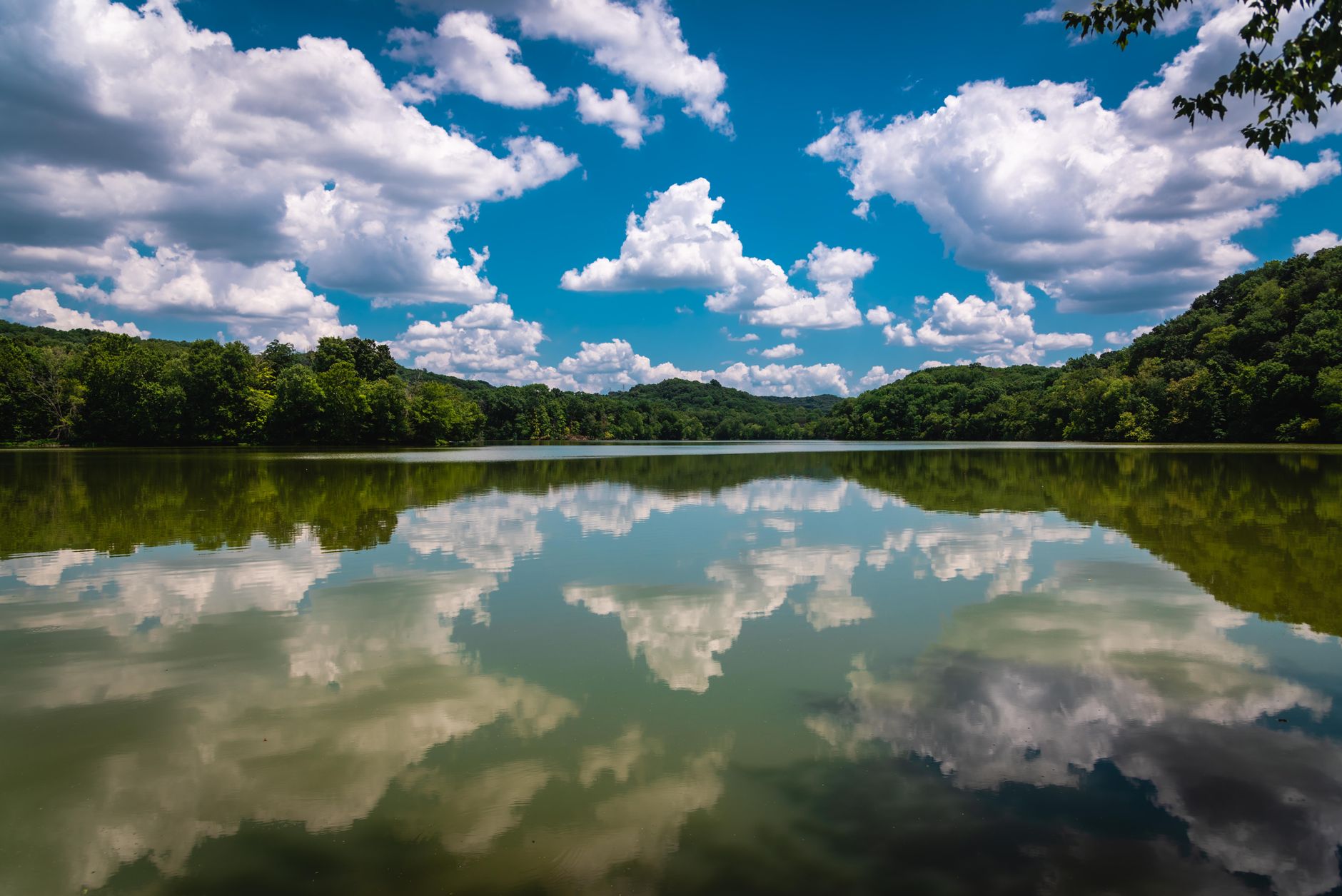
Birding Nashville: The Park Where You Cannot Jog, and Why
Radnor Lake was Tennessee's first State Natural Area and it bans pets, jogging and bicycles on almost the entire trail system. That rule is the reason it is the best birding within the city limits, and it tells you something useful about what a natural area designation actually does.
Anchorage, AK
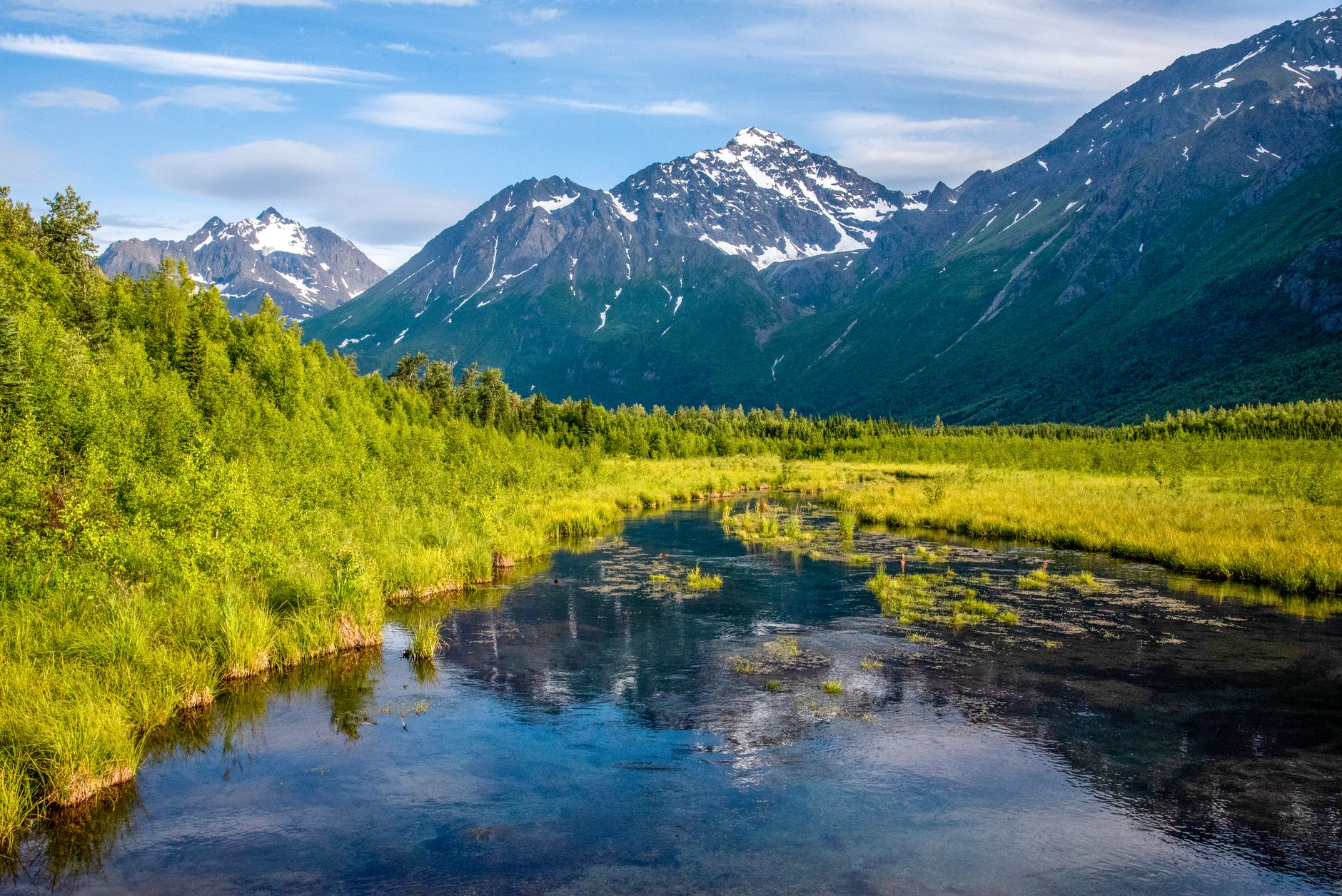
Birding Anchorage: 1,550 Feet of Boardwalk and a Bird That Flies to Antarctica
Potter Marsh sits between a highway and the Chugach Mountains, holds at least 130 species, and may be the most accessible wildlife viewing in Alaska. Anchorage is an excellent birding city, with a short and intense season and a set of hazards no other American city has.
Birding Species
Nationwide
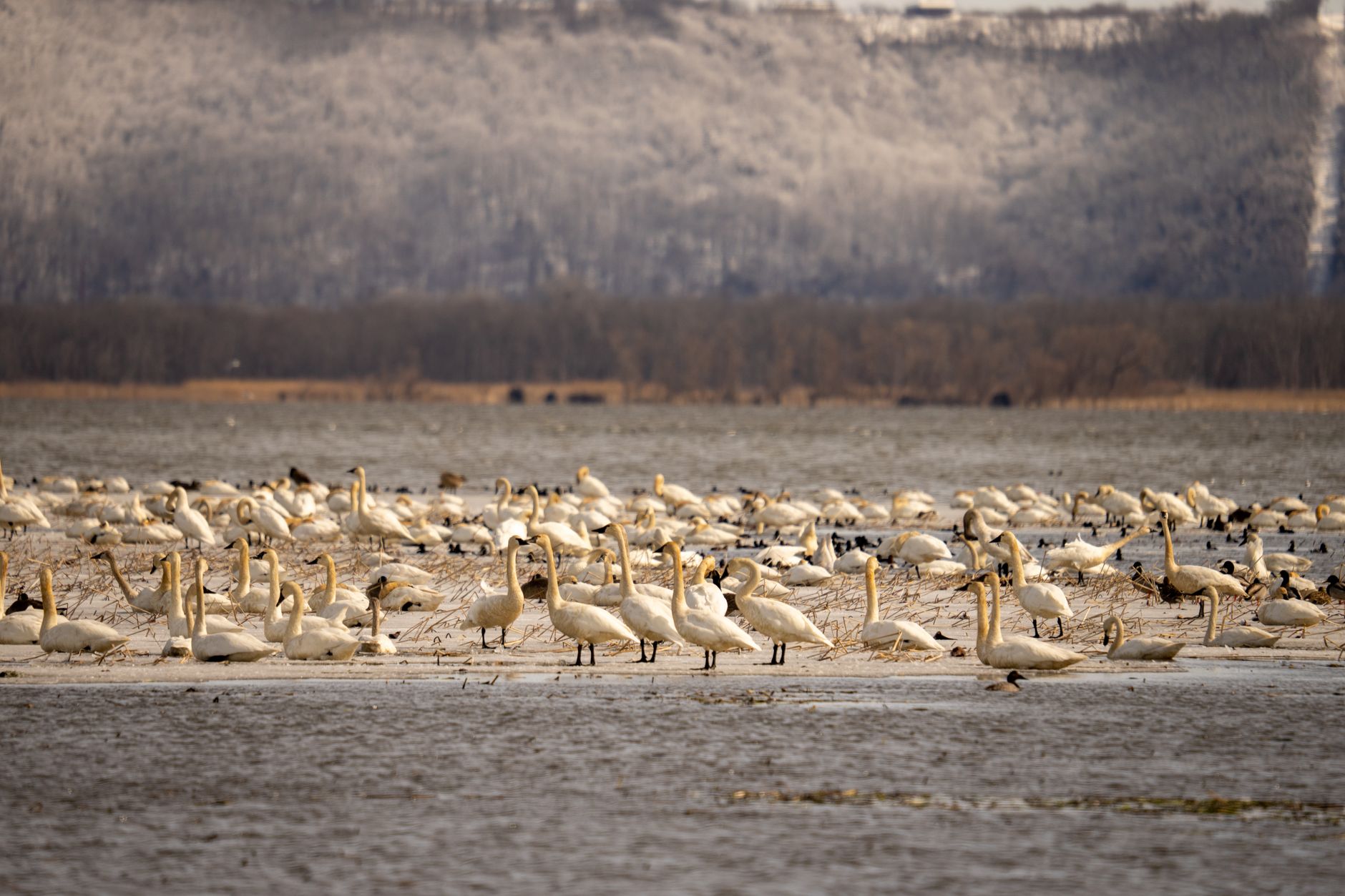
Where to See Trumpeter Swans, and the 69 Birds They Came From
In 1932 the entire known trumpeter swan population of the lower 48 was 69 birds, most of them in one Montana valley. A refuge was created for them in 1935. There are now more than 63,000 in North America, and you can watch them from a road in several states.
Port Townsend, WA
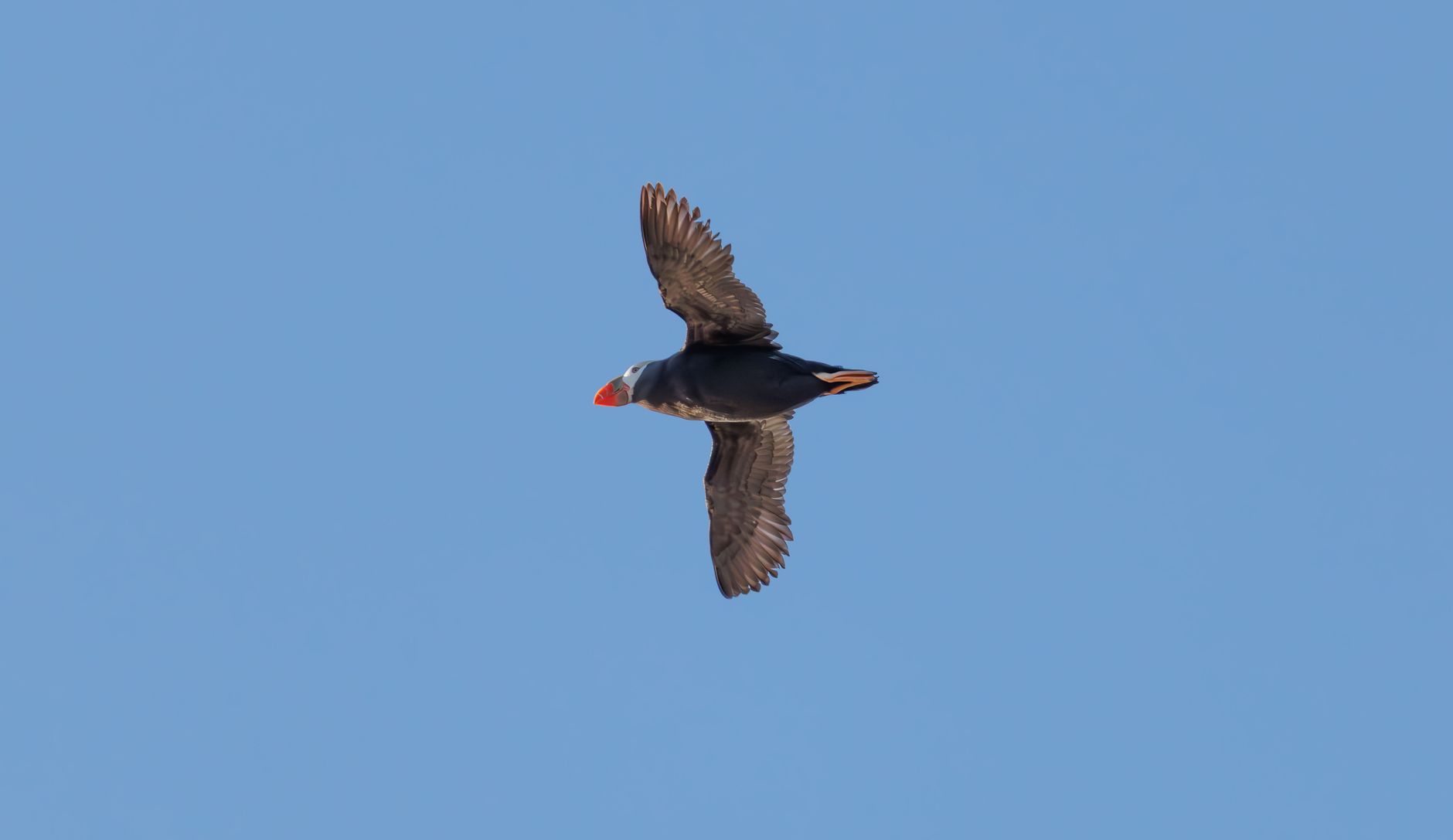
Where to See Tufted Puffins in Washington, and Why It Is Getting Harder
Tufted Puffins are state-endangered in Washington and the two best colonies are on islands closed to landing, with a 200-yard buffer enforced around one of them. Seeing one takes a boat, a headland, or a good deal of luck, and the window is about four months long.
HI
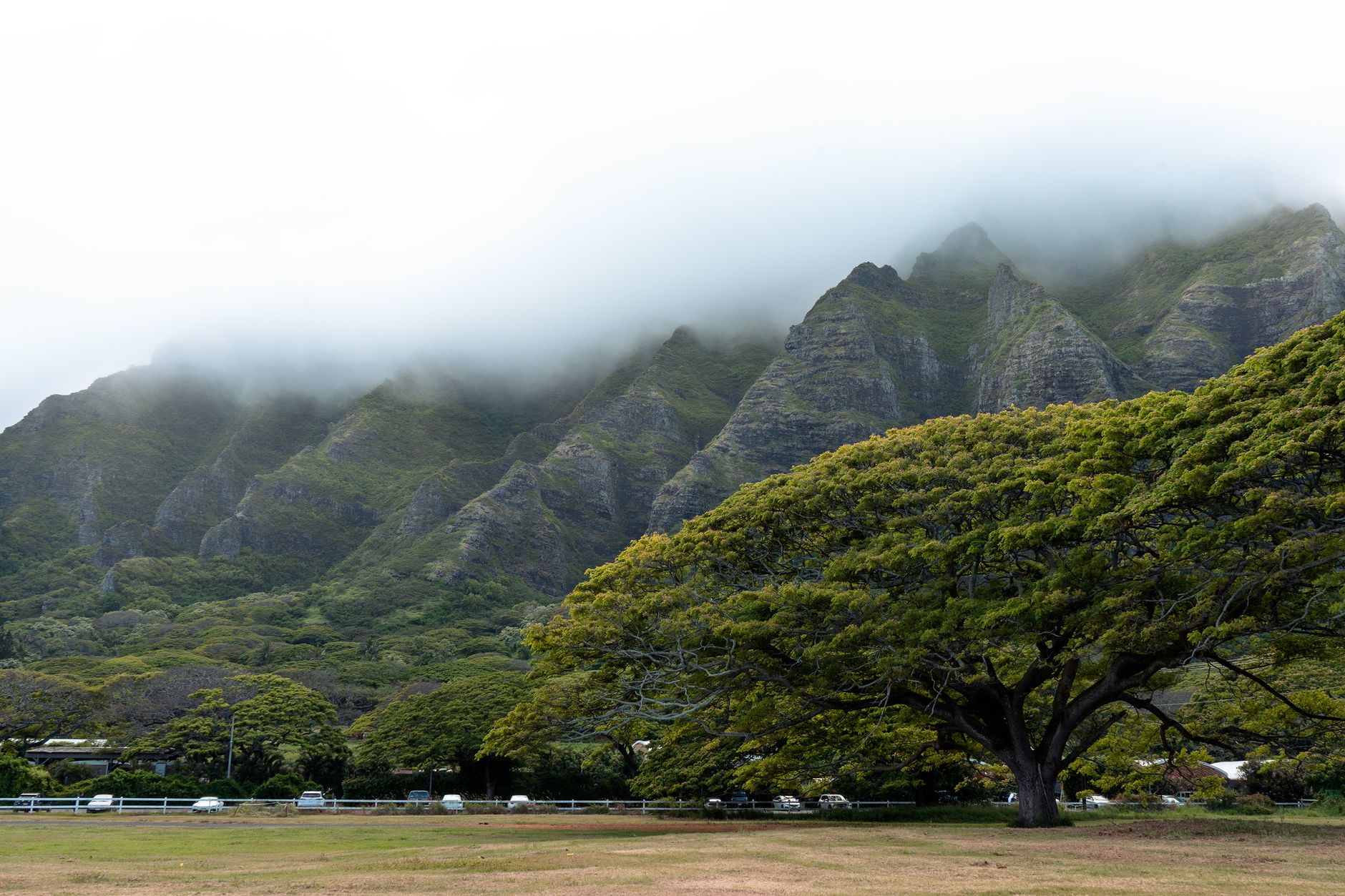
Hawaiian Honeycreepers: Where They Survive, Island by Island
More than fifty species of Hawaiian honeycreeper are known from the fossil and historical record. Around seventeen survive, almost all of them confined to high forest above the mosquito line. Here is where you can still see them, which islands are best, and how much time is left.
Nationwide
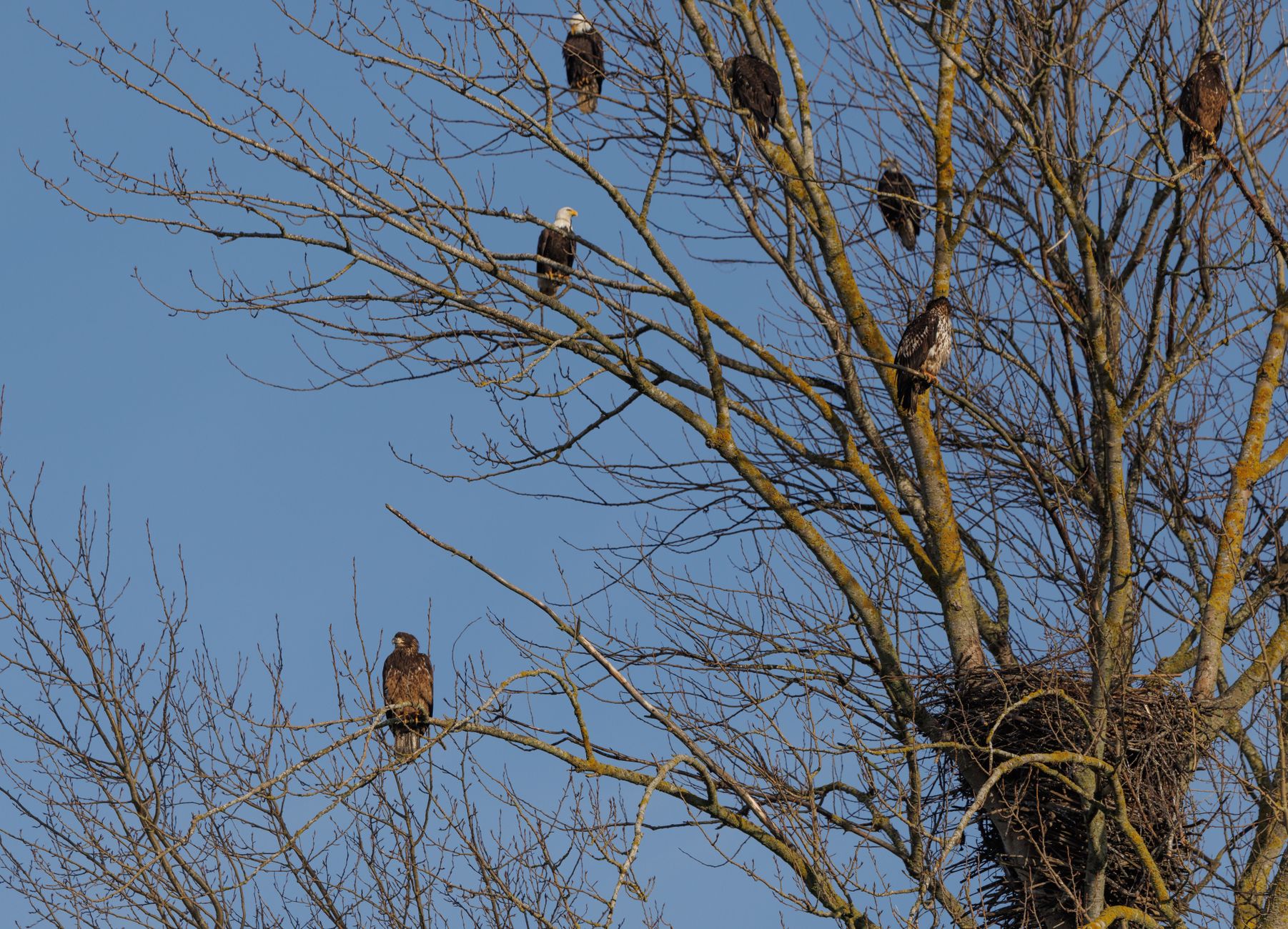
Where to See Bald Eagles in Winter: Follow the Fish, Not the Map
Bald Eagles concentrate in winter wherever open water, dead salmon and a sheltered roost occur together. That combination happens in a small number of predictable places, from a Washington salmon river to a Maryland dam, and knowing why makes finding them easy.
Nationwide
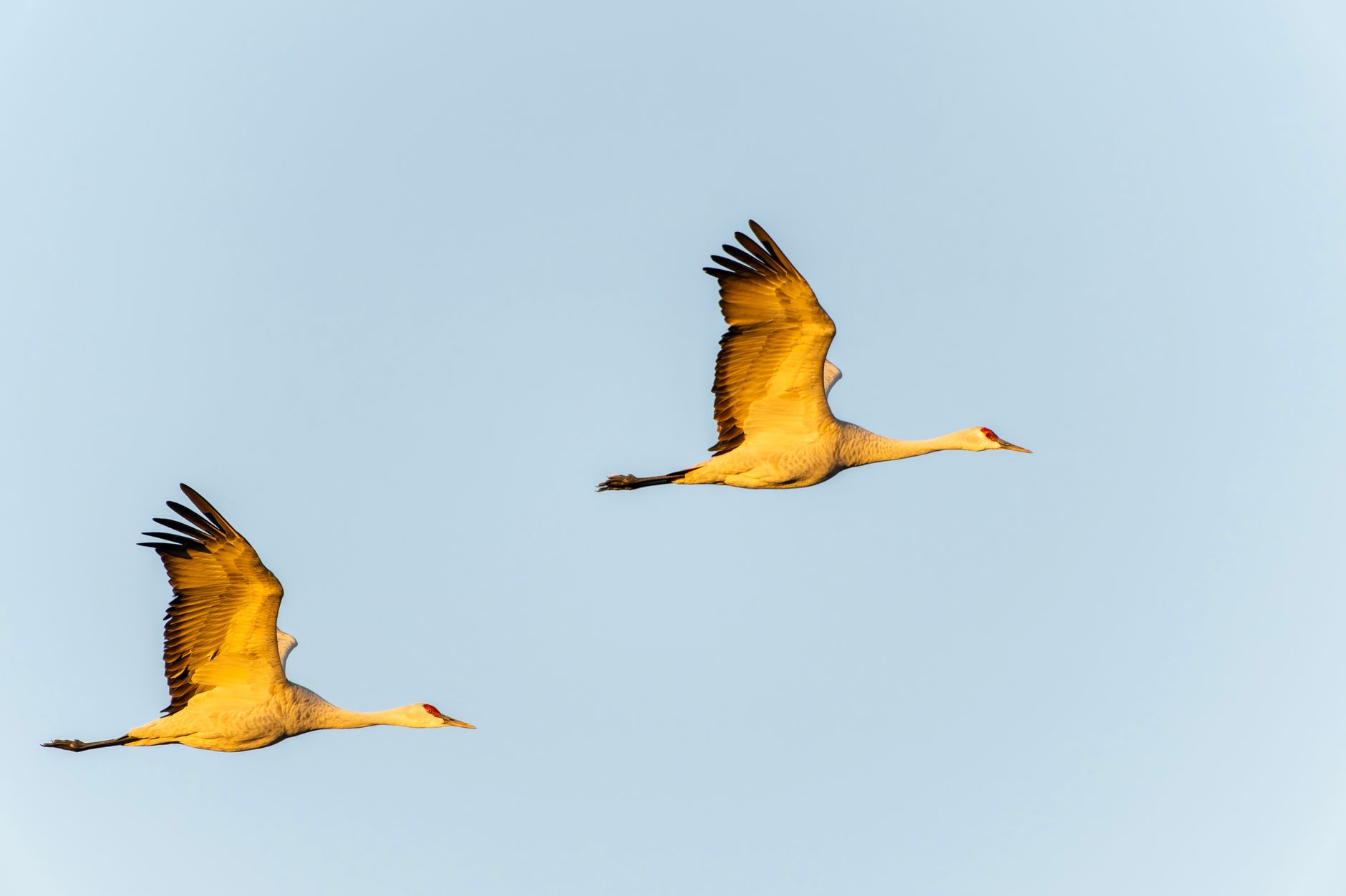
Sandhill Crane Migration: Where the Staging Grounds Are and When to Be There
Half a million Sandhill Cranes compress onto eighty miles of the Platte River each March. Several other staging grounds hold tens of thousands. All of them run on the same daily rhythm, and if you understand that rhythm the trip plans itself.
Shellfish Guides
Pacific Coast
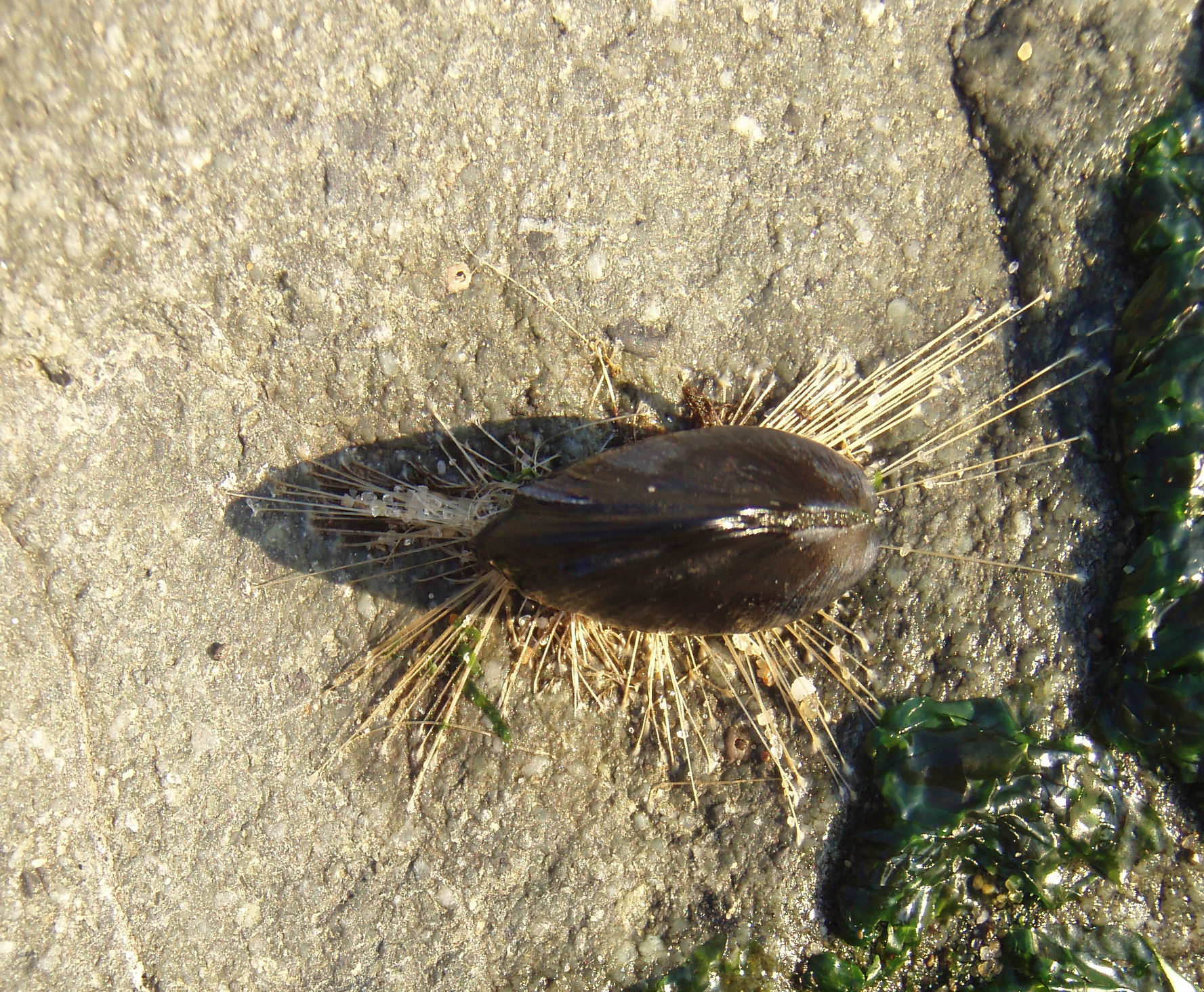
The Shellfish With Its Own Six-Month Closure
California shuts sport mussel harvest coast-wide for half of every year on the calendar, before anyone tests anything. Mussels concentrate biotoxins faster than other shellfish, which is why they are the sentinel species and why they get their own rules.
Gulf Coast
A Sack Is a Hundred and Ten Pounds
Texas allows two sacks of oysters per person per day and defines a sack as 110 pounds. Washington allows eighteen oysters. Same country, same animal, and the Gulf sits at the far end of the range.
Cook Inlet, Alaska
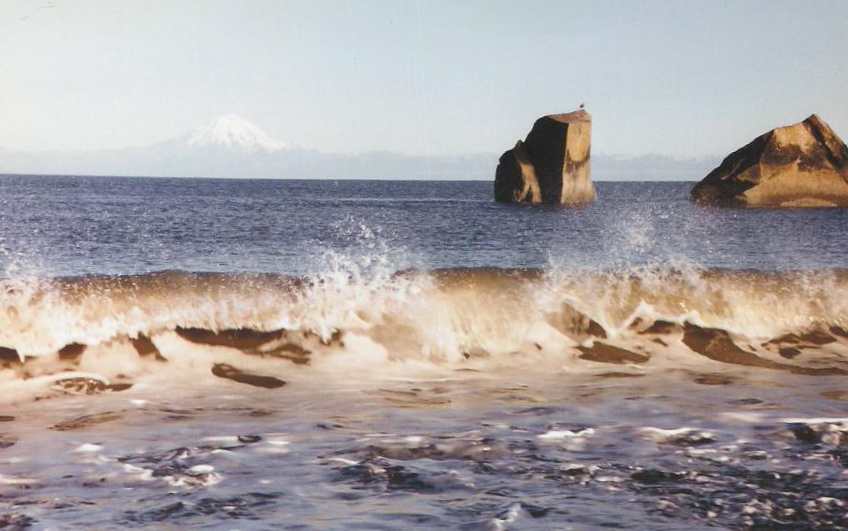
One Side of the Inlet Is Open. The Other Is Not.
Cook Inlet holds two razor clam fisheries. The east side, with the road and the famous beaches, is closed under the state's razor clam management plan. The west side has a ten gallon daily limit and no road at all.
ME
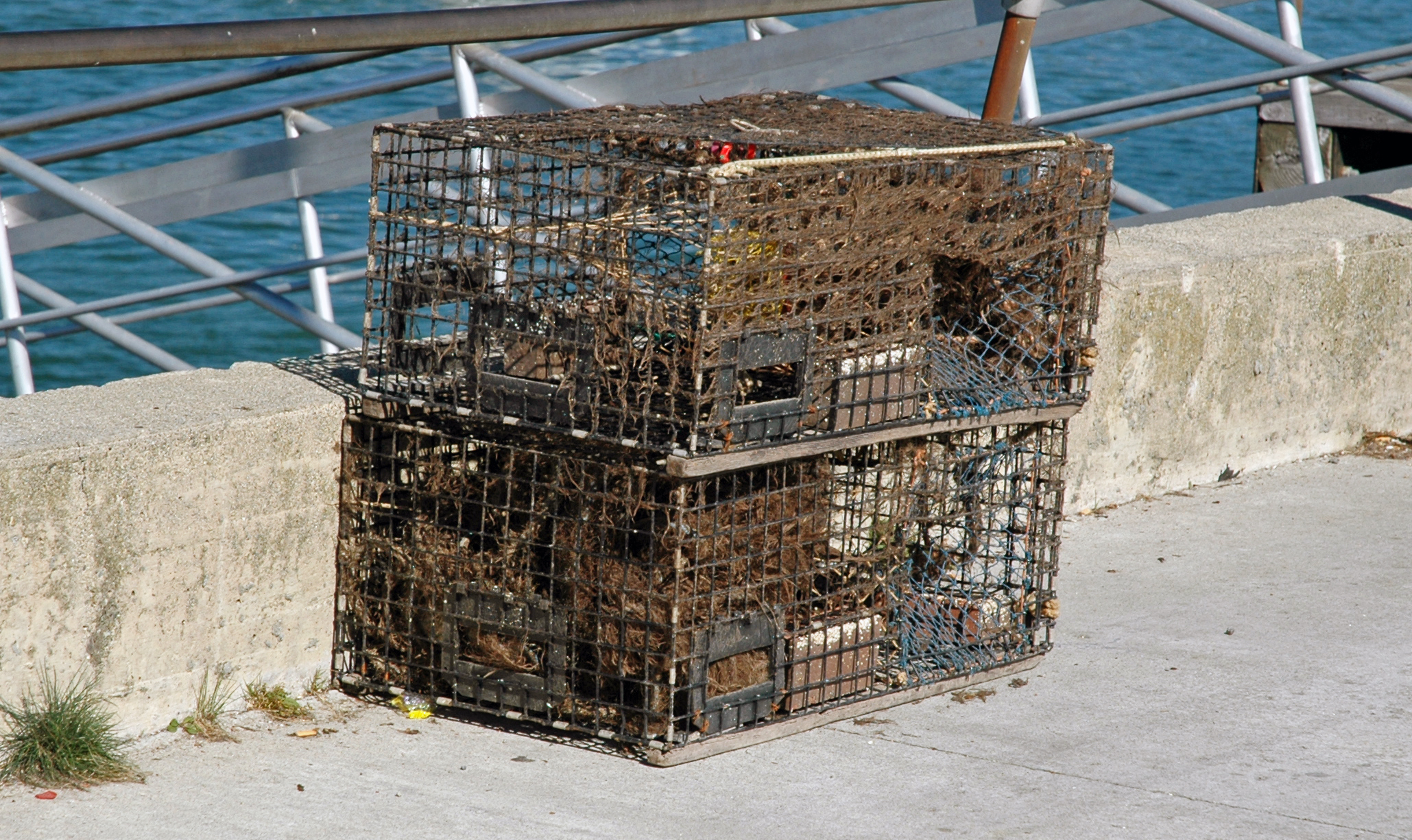
Five Traps, and the Lobster Has to Stay Whole
Maine licenses residents to set five lobster traps, forbids selling the catch, and forbids taking the meat out of the shell. That last rule is not squeamishness. It is what makes every other rule in the fishery checkable.
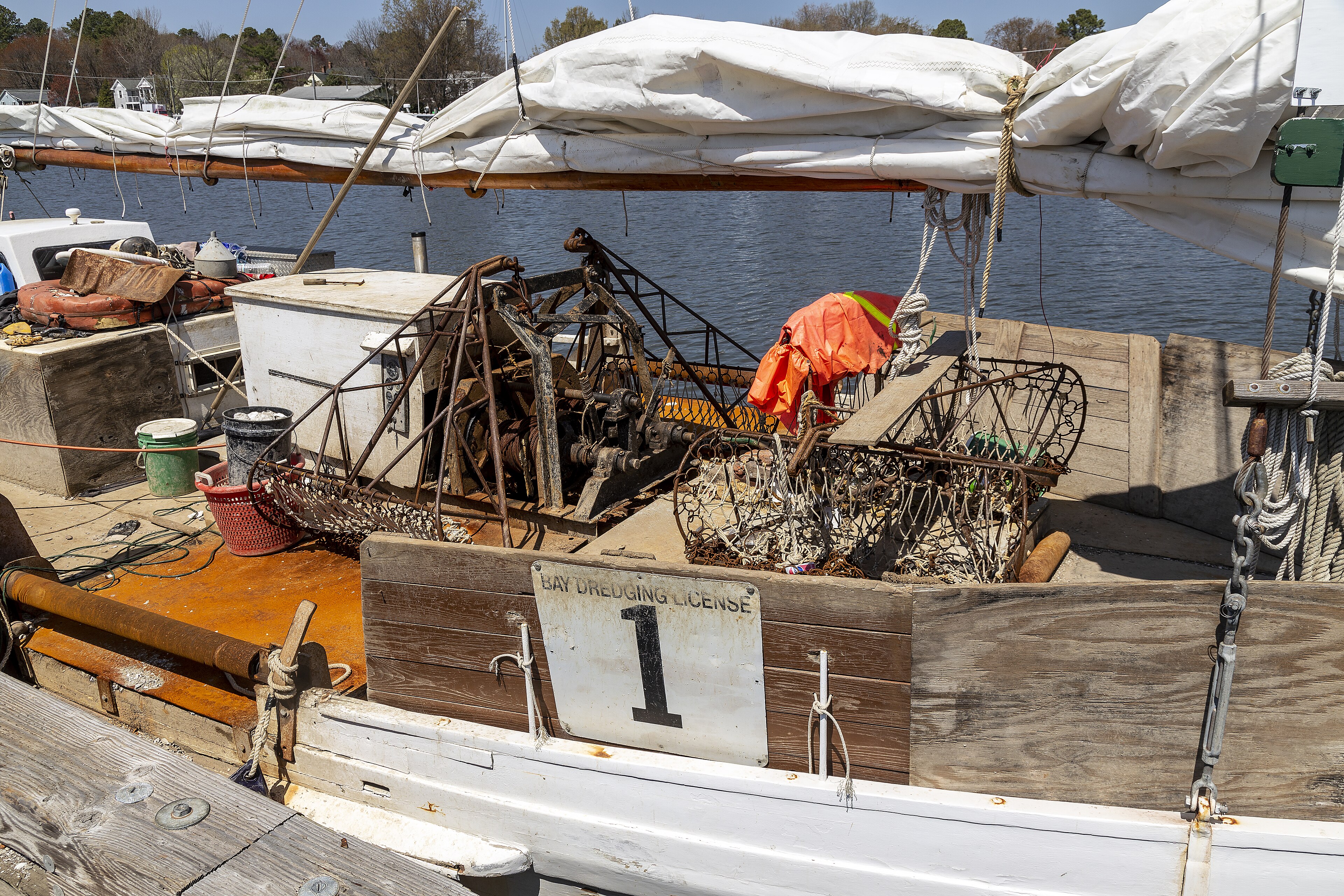
Chesapeake Bay
Less Than One Percent of What It Was
The Chesapeake produced twenty million bushels of oysters a year in the 1880s and holds under one percent of its historical population now. The recreational season is still open, and the sanctuaries you must stay off are the reason there is anything left.
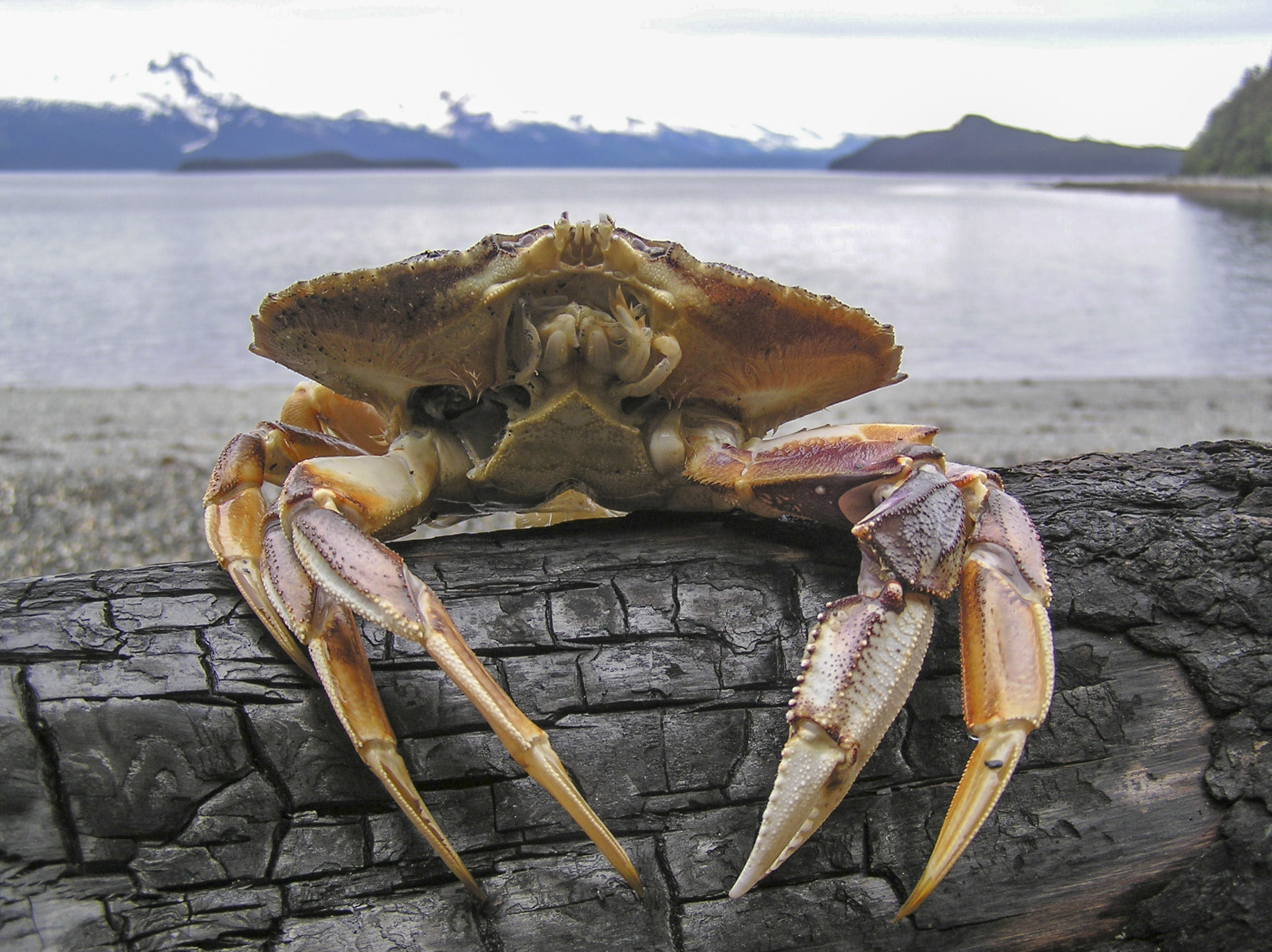
Southeast Alaska
The Crab You Came For Is Residents Only
King crab in Southeast Alaska is open to residents only, under personal use rules, and no visitor license changes that. Dungeness and Tanner are the fisheries a visitor can actually do, though the nonresident sport limit is a modest three crab in combination per day.
Shellfish Info
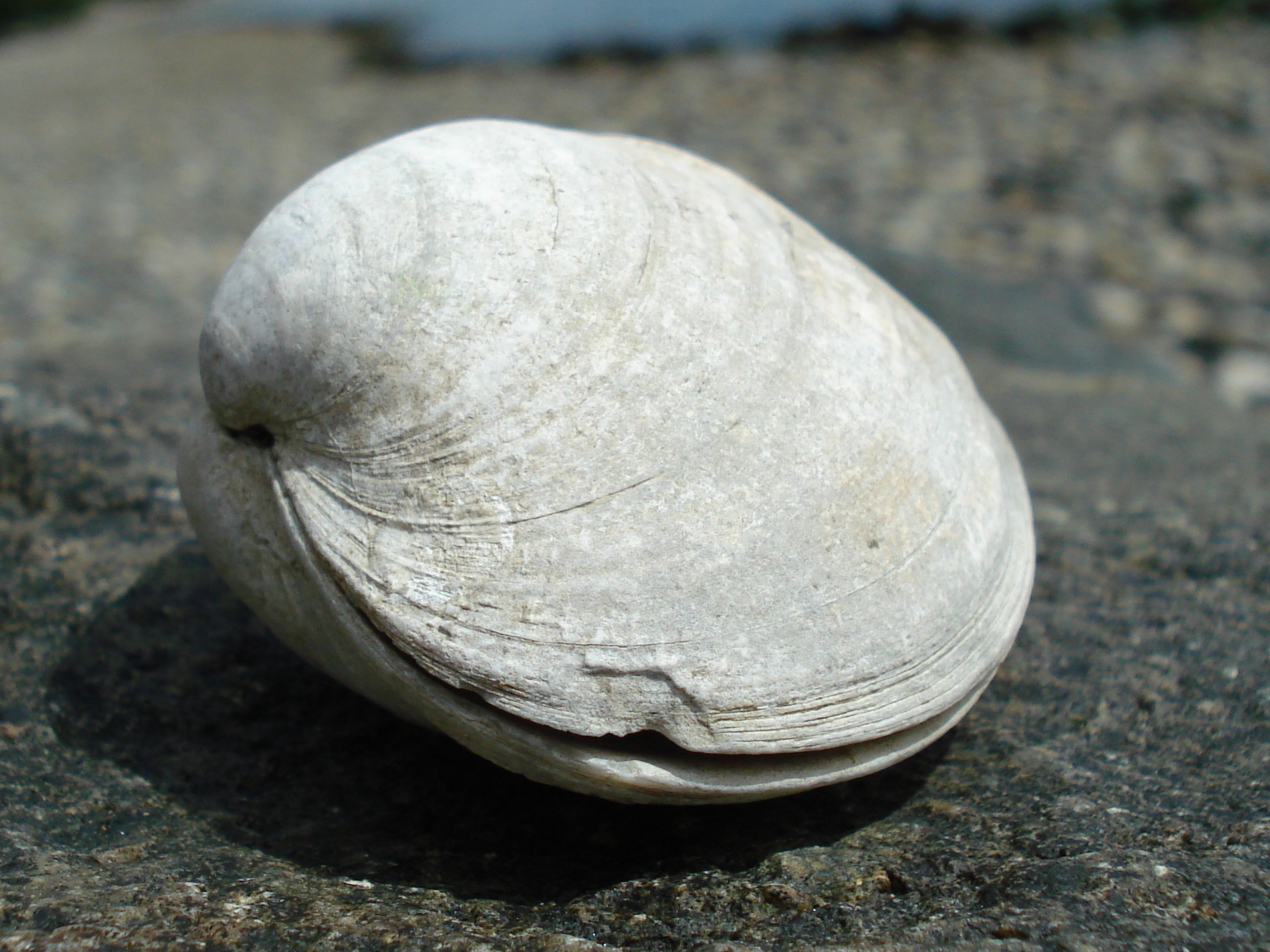
Shellfish Info
The Clam That Stays Toxic a Year After the Water Clears
Butter clams sequester saxitoxin in their siphon tissue and hold it for a year or more after the bloom has passed. That is why Washington closure notices name species rather than just beaches, and why a beach open for Manilas is not automatically open for butter clams.
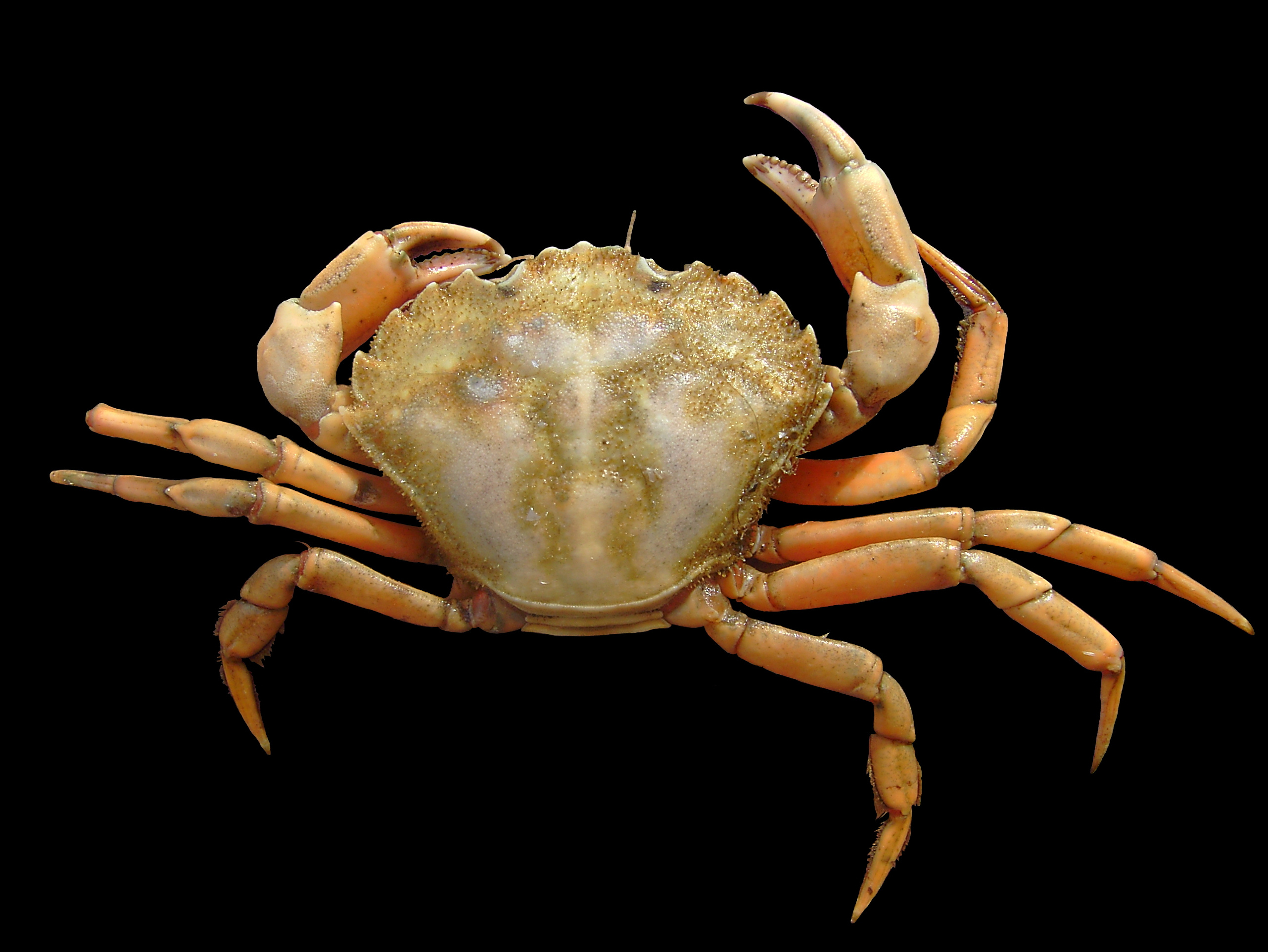
Shellfish Info
Do Not Kill the Green Crab You Think You Found
The advice you have heard is to catch invasive green crabs and eat them. In Washington that is wrong: possessing a live one is prohibited, and the state is specifically not asking the public to kill them, because native crabs are misidentified constantly.
Shellfish Info
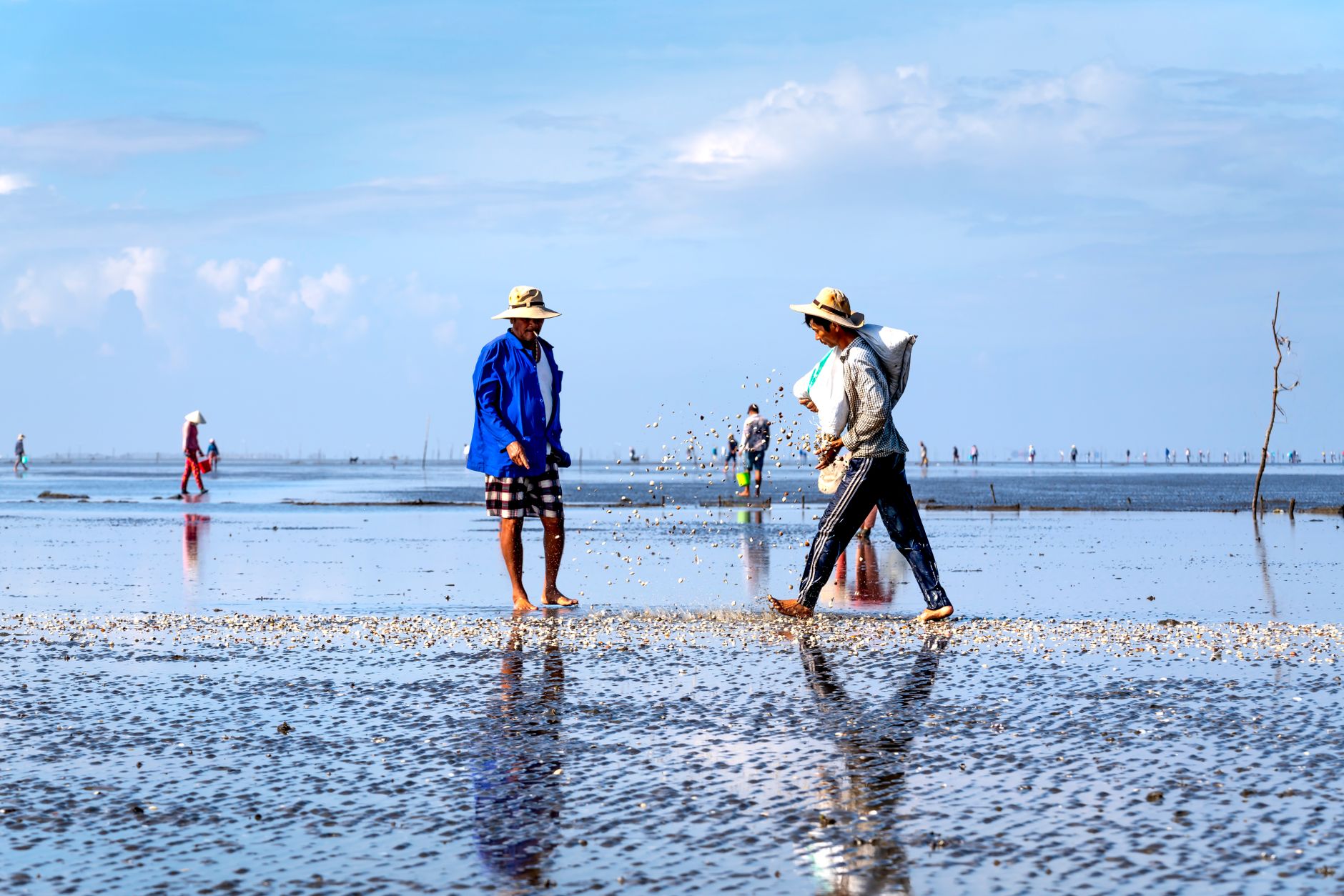
There Is No Such Thing as a Shellfish License
In Maine the town issues it. In Rhode Island a resident does not need one. In Oregon a twelve-year-old does. And in Washington, holding the license does not tell you whether the beach under your feet is public. Fifty arrangements that share a name.
Shellfish Info
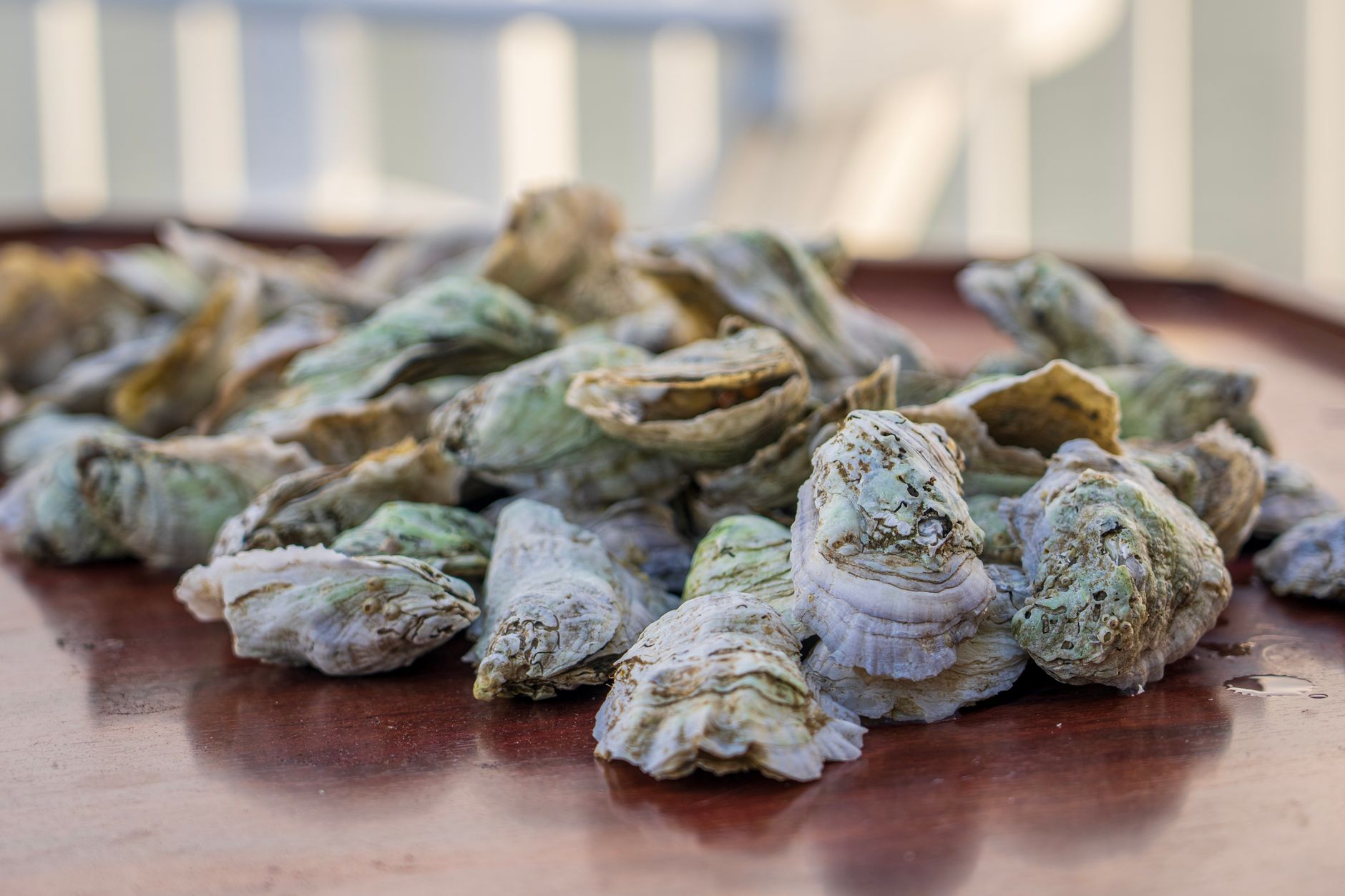
Same Species, Two Bays, Two Completely Different Oysters
Almost every named west coast oyster is the same animal. So when two of them taste different, that difference is coming entirely from the water, the plankton, the growing method and how long the oyster spends out of the water each day.
Shellfish Info
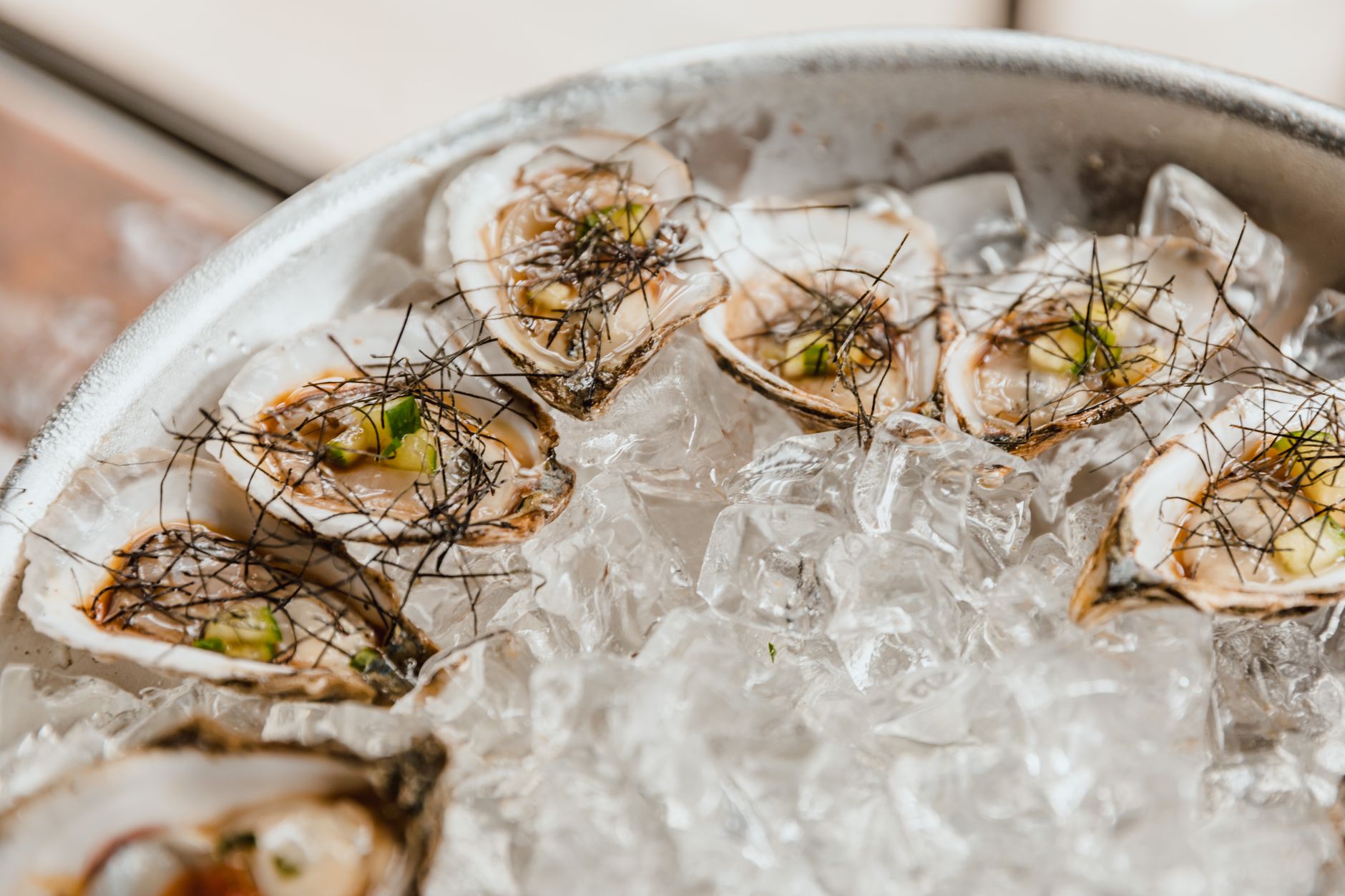
The Months With an R Rule Is Right for the Wrong Reason
People say the R rule is about spawning. Spawning is why summer oysters taste poor. The thing that puts people in hospital is a bacterium that multiplies in warm water and does not care what the month is called.
Shellfish Info
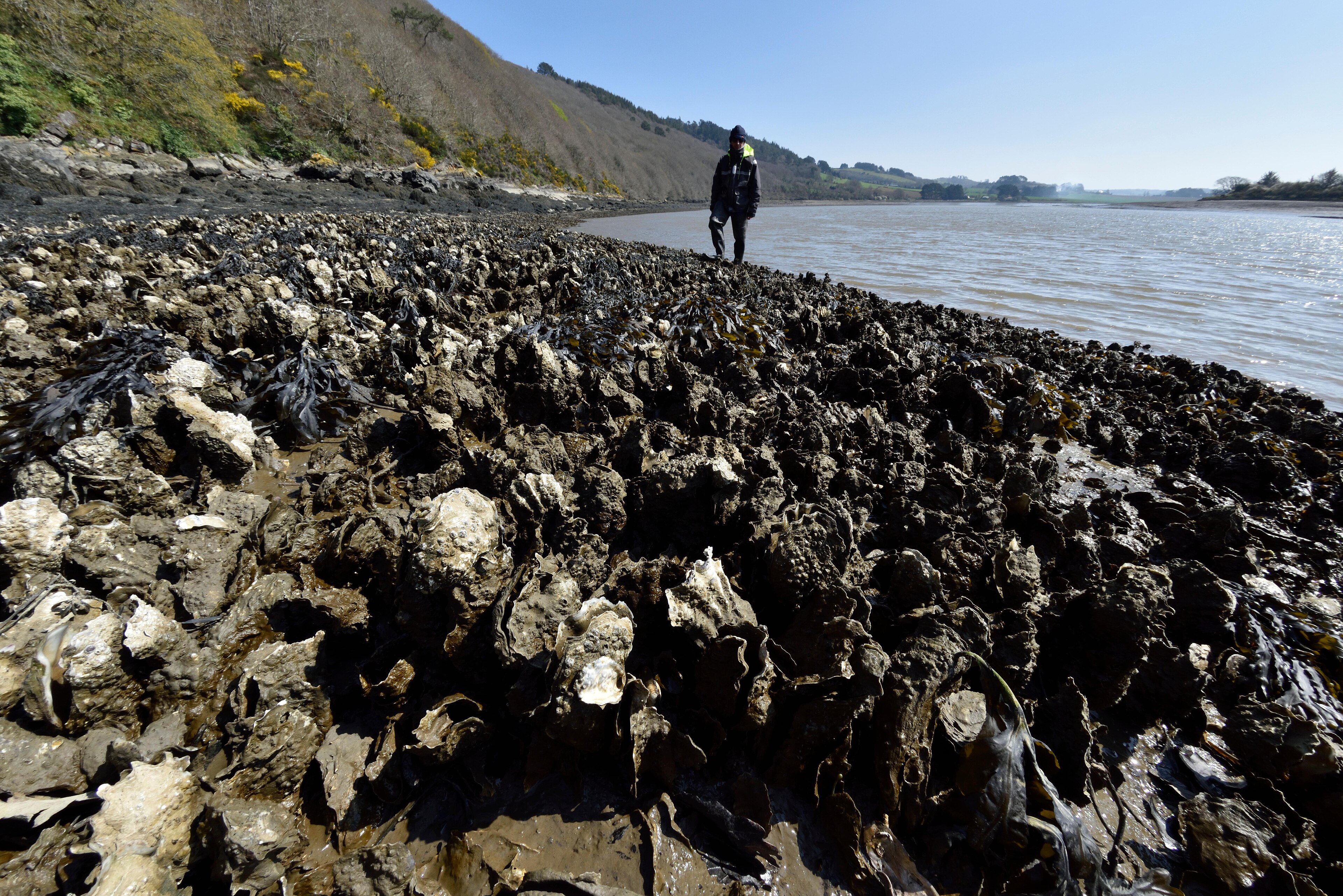
The Oyster on Your Plate Came Over on a Steamship
Nearly every oyster eaten on this coast is a Pacific oyster from Japan, brought here largely by Japanese immigrants who knew how to farm it. They were then legislated out of owning tidelands in 1921 and imprisoned by their own government in 1942.
Fishing Techniques

Fishing Techniques
Mooching for Salmon: The Bite Is a Rod Going Straight
The oldest sport method in Puget Sound and still the most enjoyable. Drift with the tide, roll a cut-plug herring, and learn to recognize a bite that looks exactly like nothing happening.

Fishing Techniques
Single Hand Spey: The Casts Trout Anglers Skip
Spey casting does not require a two-handed rod or a steelhead river. Every one of these casts works on an ordinary five weight, and they solve the most common problem in American trout fishing: something behind you.

Fishing Techniques
Skagit and Scandi Heads: The Number on Your Rod
The most confusing purchase in fly fishing, and getting it wrong does not mean casting badly, it means not casting at all. Two systems, one number that decides everything, and it is printed on your rod.

Fishing Techniques
Spey Casts Explained: Why There Are Four of Them
A spey cast is a roll cast that changes direction. The confusing part is why there appear to be a dozen named casts, and the answer fits in one sentence: the anchor has to end up on your downwind side.

Fishing Techniques
Fly Casting Faults and Fixes: Read the Symptom
Organized by what you can actually see rather than by mechanics. Wind knots are not from wind, a cracking line is a short pause, and the most common fault of all is one you cannot feel at all.

Fishing Techniques
Saltwater Casting: The Shot Is Lost Before the Cast
A fish appears and you have five seconds and sixty feet. The limiting skill is almost never distance. It is being ready, keeping line free, and knowing that lifting the rod on the take costs you the fish.
Reading the Map

Reading the Map
Offline Maps: The Data You Cannot Load Is Not Data
Every other map skill assumes the map is there. Cached is not downloaded, your ownership layer probably did not come along, and five minutes in airplane mode at home catches nearly every version of this failure.

Reading the Map
GPS Accuracy: The Blue Dot Is a Circle
Where positioning error actually comes from, why multipath dominates in exactly the terrain you are in, why vertical is worse than horizontal, and why no phone can put you on one side of a property line.

Reading the Map
Reading an eBird Map: Dots Are Observers, Not Birds
An eBird map is a map of where birders have been at least as much as where birds are. How to correct for that, why the bar chart beats the map, and why a hotspot pin is not a permission.

Reading the Map
Reading a Snow and Avalanche Map: The Rose and the Rating
How to read a danger rose, why the problem type matters as much as the rating, and what slope angle shading quietly leaves out. This is map literacy, not avalanche training, and the difference matters.

Reading the Map
Reading a Smoke and AQI Map: The Color Is Not the Air
The index is smoothed on purpose, the surface between dots is drawn rather than measured, and a satellite plume describes the sky rather than your lungs. How to read a smoke map during the hours it matters most.

Reading the Map
Reading a Nautical Chart: Soundings, Bottom and Aids
The densest document in the outdoors, and for saltwater anglers the best structure finder there is. What the soundings are measured from, why the little italic letters matter most, and how old that survey might be.