Fish
Fish Fire
Fire Hike
Hike Bird
Bird

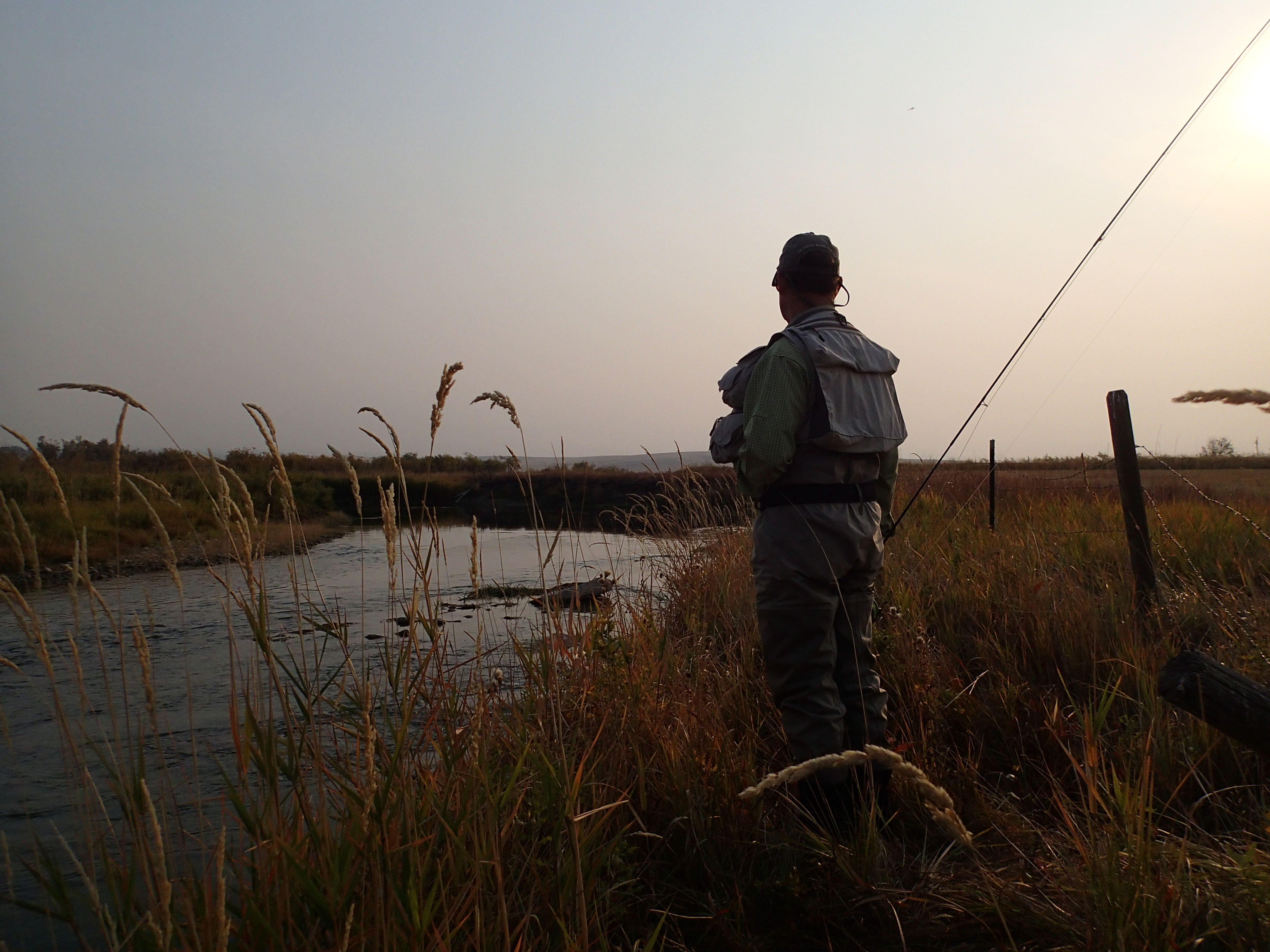

Water-access law is the most misunderstood thing in fishing, and the most consequential. Two anglers can stand on identical stretches of river, one fishing legally and one trespassing, purely because of which state line they're on. This guide breaks down what actually governs public access, then walks state by state through Montana, Idaho, Oregon, and Washington.
One thing up front: this is a plain-English overview, not legal advice. Access law is built on a century of court decisions and it keeps evolving, always confirm the rules for the specific water you have in mind before you fish.
The two questions that decide everything
Every access question comes down to two things: who owns the water (and the ground under it), and how you are legally allowed to get there. They're separate, and confusing them is how people end up trespassing.
- Ownership of the water: Under the public trust doctrine, the beds of "navigable" waters are generally held by the state for the public. Where a water is legally navigable, the public usually has the right to be on it and use it, even where the land on either side is private.
- Navigability: The legal test that unlocks public rights. It varies by state, some use "title navigability" (navigable for commerce at statehood), others a broader "recreational use" or "floatable" standard. The broader the test, the more water is public.
- The ordinary high-water mark (OHWM): The usual boundary line. Public rights often run up to the OHWM, the line the water's regular flow leaves on the bank, even when the dry upland above it is private.
- Getting there: The big trap. Having the right to be IN the water is not the right to CROSS private land to reach it. In every state, you must enter from a public access point, public land, a road right-of-way, a bridge easement, or a designated access site, or with the landowner's permission.
Montana, the most angler-friendly in the country
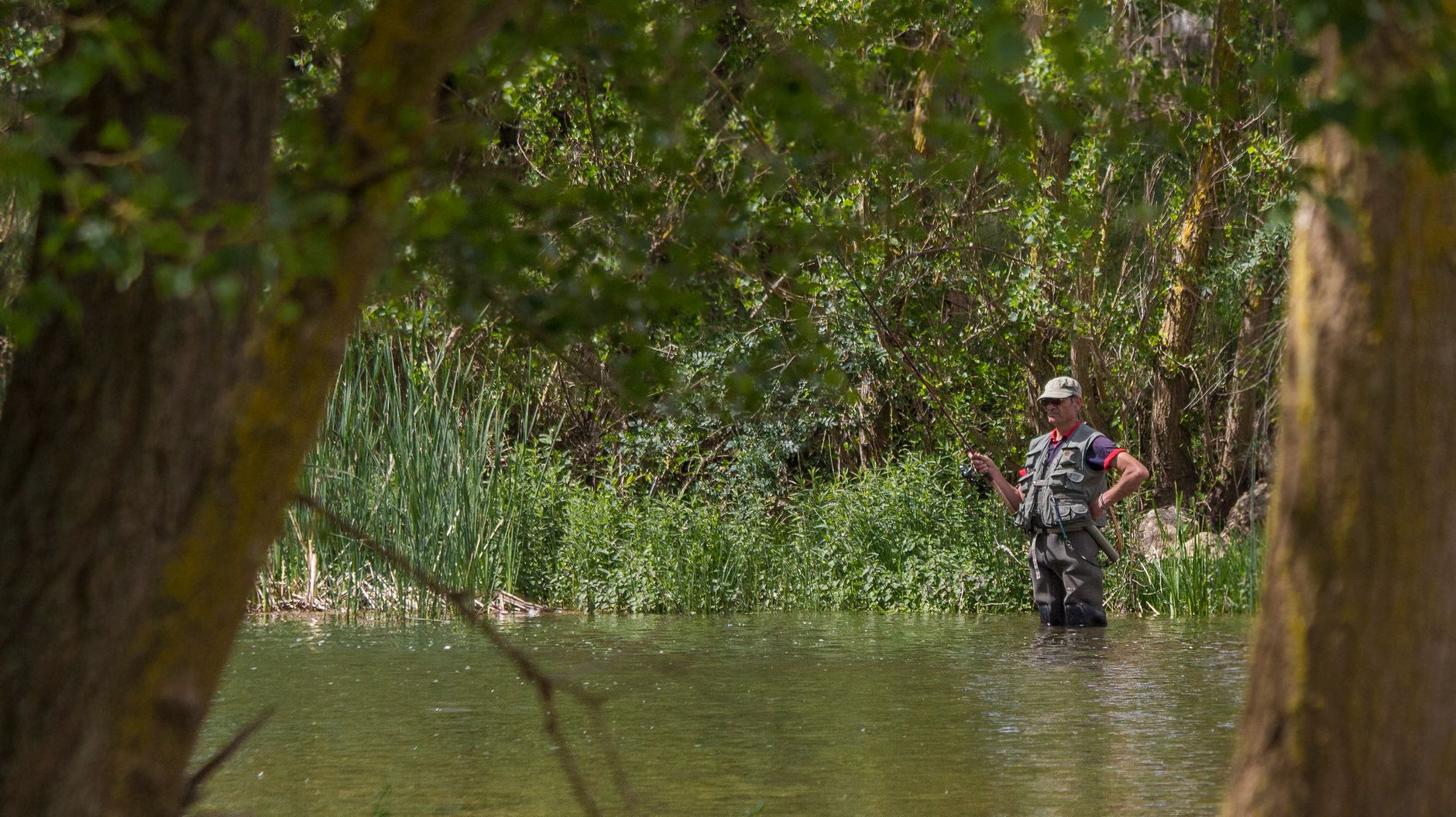
Montana is the gold standard. Under the Montana Stream Access Law (1985, upheld by the Montana Supreme Court), the public may use the state's rivers and streams that are capable of recreational use, for fishing, wading, and floating, up to the ordinary high-water mark, regardless of who owns the bed or the banks beneath.
That means you can legally wade and fish through private land, as long as you stay below the high-water mark and you got in at a legal access point (a public bridge right-of-way, public land, or a fishing-access site). You can also portage around barriers or hazards by the least-intrusive route.
The limits still matter: you can't cross private land to reach the water without permission, you can't camp or picnic on private banks, and posted land above the high-water mark is off-limits. But once you're legally in the water, Montana gives you more room than nearly anywhere else.
Idaho, broad public rights on navigable water
Idaho recognizes strong public rights on its navigable waters. The public generally has the right to use the beds and waters of navigable streams below the ordinary high-water mark, to wade, float, and fish, even past private land, provided you entered legally.
As always, the entry point is everything: reach the water from public land, a public access site, or a road/bridge right-of-way. Whether a given stretch qualifies as "navigable" can turn on the specific water, so on smaller or disputed streams it's worth confirming before you assume access.
Oregon, public waters, public beds
Oregon holds the beds and banks of its "title-navigable" waterways in trust for the public up to the ordinary high-water line, on those, the public can wade, float, and fish. It also recognizes broad public use of "floatable" waters for recreation including fishing. But on floatable stretches that aren't title-navigable, the streambed itself can be privately owned, so floating and fishing rest on firmer ground than walking or wading the bed.
On waters that are neither navigable nor floatable, the bed and banks may be privately owned and access can be limited. And like everywhere, public rights to use the water don't include a right to trespass across private property to reach it, use public launches, access sites, and public land.
Washington, more restrictive, especially on saltwater
Washington is the tightest of the four. The state owns the beds of navigable waters and the public can fish them, but access is more constrained than in Montana or Idaho, and wading up small streams through private land is not clearly protected the way it is next door.
Saltwater is the big catch: Washington historically sold roughly 60% of its tidelands into private ownership, so a great deal of beach and tideland is privately held, and access there can be legally restricted. In practice, the reliable public access in Washington runs through public tidelands, state parks and DNR lands, WDFW water-access sites, and boat launches.
The rules that hold everywhere
Wherever you fish, these carry across state lines:
- Get to the water at a public point, public land, a public access site, a boat launch, or a road/bridge right-of-way. Never cross posted or private land to reach it without permission.
- Know your boundary. Where public rights run to the ordinary high-water mark, stay below it; the dry bank above may be private.
- Floating and wading can have different rules, a water you can float isn't automatically one you can wade.
- Access law and fishing regulations are two different things. Legal access doesn't mean the season's open or the method's allowed, check the current regs too.
- When in doubt, confirm. Ask the state agency, or don't fish it. A polite question beats a trespassing citation.
How Guidepole helps
Guidepole was built for exactly this problem. Tap any water and the map shows the land ownership around it, the public bank and access points, boat launches, and the current regulations, so you can see where the public access actually is before you drive out, instead of guessing from a legal treatise on the tailgate.
This article is a general overview of public water-access law and is not legal advice. Access rules are nuanced, fact-specific, and subject to change through legislation and court decisions. Always confirm the law and regulations for the specific water and location before you fish.