Fish
Fish Fire
Fire Hike
Hike Bird
Bird

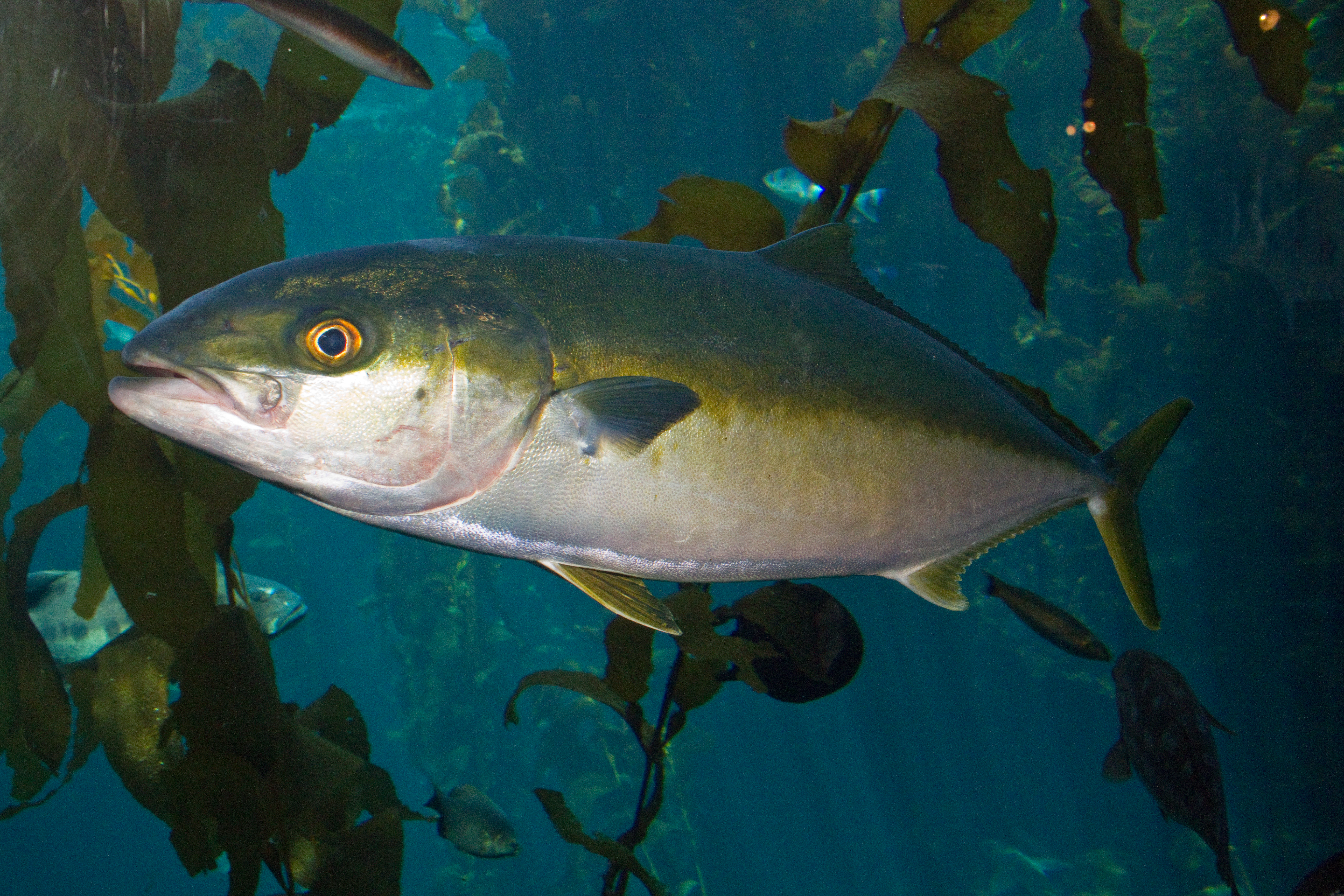

Few inshore fish earn respect the way a yellowtail amberjack does. Known as California yellowtail on the U.S. West Coast, yellowtail kingfish or "kingie" in Australia and New Zealand, and hamachi on the sushi menu, Seriola lalandi is a broad-shouldered, deep-diving brawler that hits like a truck and immediately puts its head down toward the nearest rock, kelp, or wreck. Hook a good one on light gear and it will bust you off before you know what happened. Learn how they feed and where they hold, though, and you can consistently put these hard-fighting, great-eating fish in the boat.
This guide covers everything you need: how to identify a true yellowtail, where and when to find them, and the four techniques that account for the vast majority of catches, live bait, mechanical jigging, slow-pitch jigging, and topwater stickbaits, plus the tackle and rigging details that keep you connected when a big "mossback" tries to break you off.
What is a yellowtail amberjack?
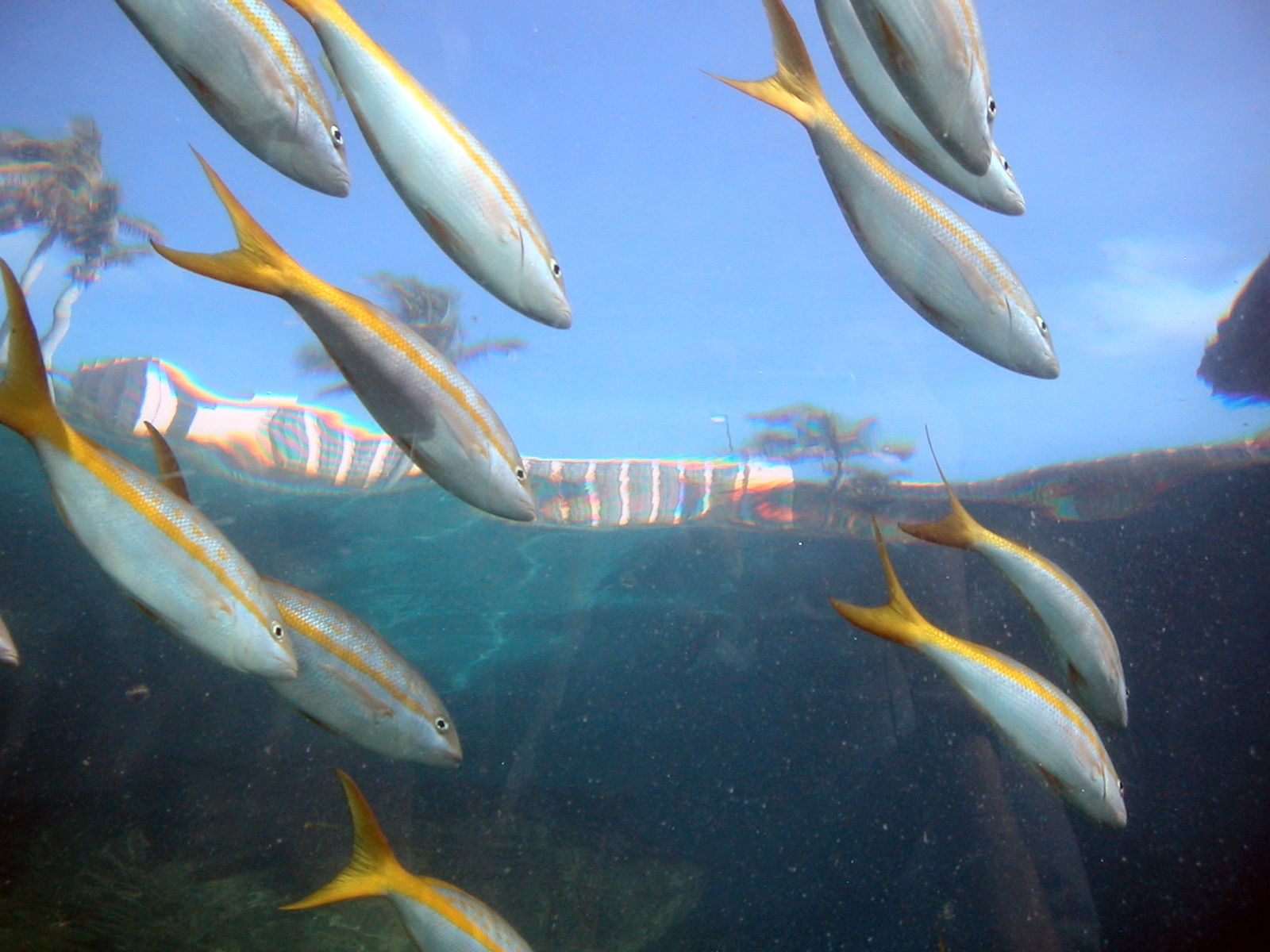
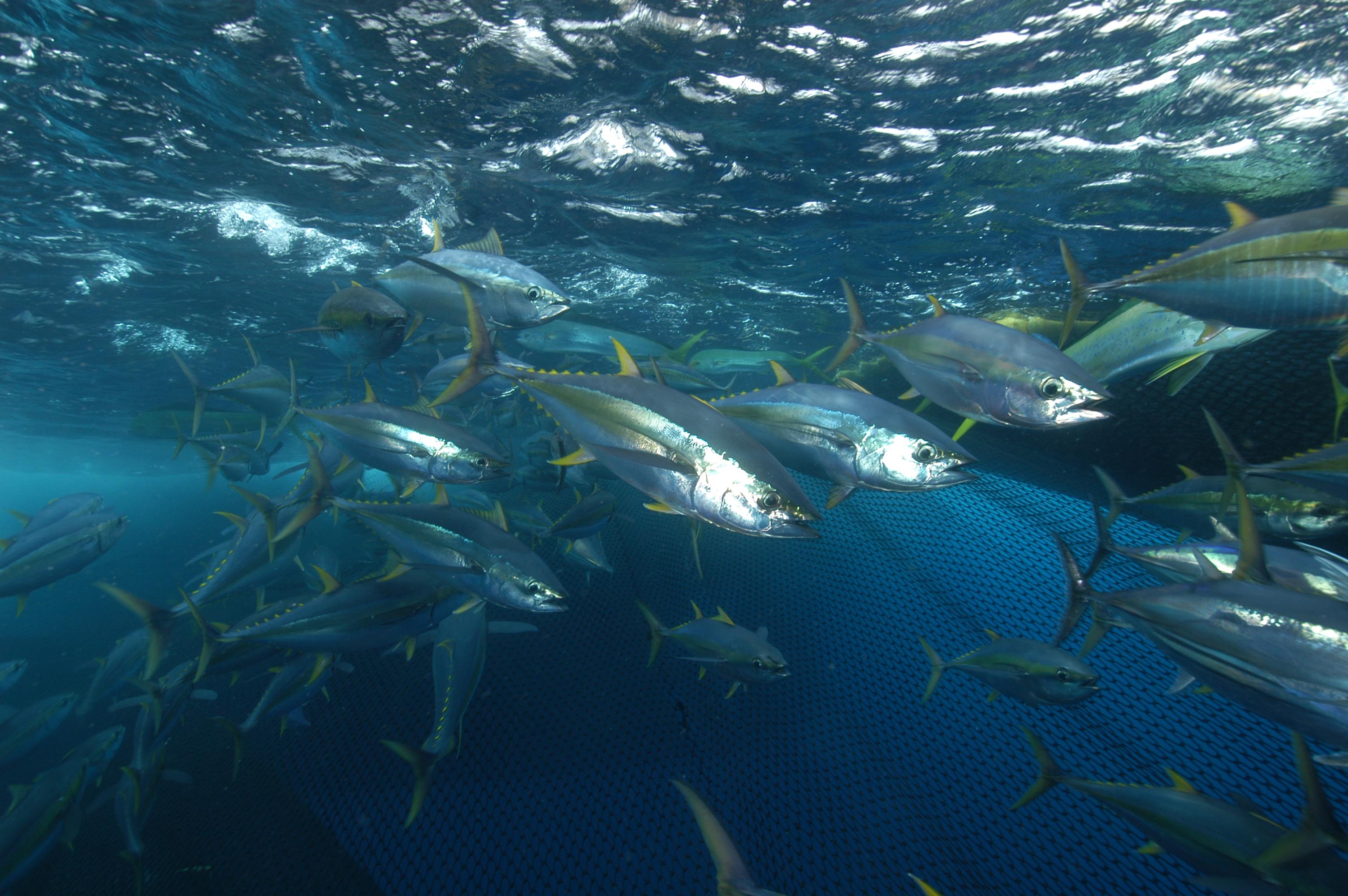
The yellowtail amberjack is a member of the jack family (Carangidae) and a close cousin of the greater amberjack and almaco jack. It's easy to identify: a streamlined, torpedo-shaped body with a metallic blue-green back, silvery-white sides and belly, a distinct brassy-yellow stripe running the length of the body, and, the giveaway, a bright yellow, deeply forked tail. Fish in the 5–15 pound class are common; a "mossback" in the 30–40 pound range is a trophy, and the species can exceed 100 pounds in parts of its range.
Yellowtail are found in temperate and subtropical waters worldwide: off Southern California and Baja, throughout Australia and New Zealand, South Africa, Japan, and Chile. Wherever they live, the pattern is the same, they're a structure-oriented, schooling pelagic that ambushes baitfish around reefs, kelp, current lines, and offshore high spots.
Where and when to find yellowtail
Yellowtail relate to structure and bait more than to any single depth. Focus your search on:
- Reefs, pinnacles, and high spots, Underwater ridges and rock structure that push current and hold baitfish are magnets. Yellowtail patrol the up-current edges.
- Kelp beds and kelp paddies, Along the U.S. West Coast, drifting "kelp paddies" out in open water are the classic summer play. A single floating kelp mat can hold an entire school of yellowtail underneath it, along with dorado and other pelagics.
- Current lines, temperature breaks, and bait schools, Yellowtail follow bait. Working birds, breaking fish, and a hard temperature or color change are all worth investigating.
- Wrecks, buoys, and man-made structure, Anything that concentrates bait will concentrate yellowtail.
Timing is largely water-temperature driven. Yellowtail bite best when water climbs into the high 60s and 70s (°F), which in California means late spring through fall, often peaking in summer. In warm-water (El Niño) years they push farther north and stay later. In the Southern Hemisphere the season flips, the warm months of December through April are prime.
Within a day, the bite is usually best on the moving water of a tide change and in the low-light windows of early morning and late afternoon, when yellowtail push bait against structure and feed most aggressively. Learn to read your sounder, too: yellowtail show as tight balls or arcs of marks stacked near the bottom or suspended over a high spot, often sitting right beneath a cloud of baitfish. When you find that combination, bait plus a hard structure edge plus current, you've found the fish. A big part of consistent yellowtail fishing is simply covering water and staying mobile until you locate that stack of marks, rather than sitting on empty structure hoping fish move in.
Kelp Paddy Yellowtail FishingTechnique 1: Live bait
Live bait is the number-one way to catch yellowtail, and for good reason, a frisky, struggling baitfish is exactly what these predators are keyed on. In California the go-to baits are live sardines, mackerel, and anchovies; elsewhere it's yakkas (yellowtail scad), slimy mackerel, squid, or any locally abundant baitfish.
The rig is simple. For fish holding up in the water column or under a kelp paddy, fly-line a live bait with no weight at all, just a hook (a 1/0 to 4/0 live-bait or circle hook depending on bait size) tied directly to your fluorocarbon leader, and let the bait swim naturally away from the boat. When fish are holding deeper or the current is strong, add a rubber-core or egg sinker to get the bait down to them. Hook a sardine through the nose or just ahead of the anal fin so it swims strongly.
The key with live bait is to let the fish eat. When a yellowtail grabs the bait, resist the urge to swing immediately, let it turn and load the rod, then come tight and lock down. From that moment it's a fight of leverage: keep the fish's head up and turned away from structure, because the instant a yellowtail reaches the rocks or kelp, it's gone.
Bait presentation is where good yellowtail anglers separate themselves. A tired, sluggish bait gets ignored; a fresh, kicking one gets crushed. Rotate baits often, handle them as little as possible, and keep them wet. When you're fishing a kelp paddy, ease up on it quietly rather than roaring in, yellowtail spook, and a paddy that boils with fish on the first drift can go dead if you bang around on top of it. Cast your live bait up-current and let it swim back naturally past the structure; a bait that swims toward cover looks like an easy meal fleeing for safety, which is exactly the trigger you want. Chumming a few live baits over the side to get a school fired up and competing is an old West Coast trick that turns a slow pick into a full-blown boil.
Yellowtail Kingfish Live Bait RigsTechnique 2: Mechanical (speed) jigging
When yellowtail are holding deep, over a pinnacle, wreck, or high spot, nothing beats a metal jig worked fast off the bottom. Mechanical jigging (also called speed jigging) uses a heavy, streamlined "knife" jig dropped to the fish and then retrieved with a rhythmic, high-speed rod-and-reel cadence that makes the jig dart and flutter like a fleeing baitfish.
Drop the jig to the bottom or to the marked depth, then engage the reel and work it up through the school with a steady jerk-wind rhythm, lift the rod, wind on the drop, repeat. Yellowtail often crush the jig on the fall or as it accelerates upward. This is physical fishing, but it's deadly effective on schools you can't reach with bait. Match the jig weight to the depth and current (typically 150–300 grams), and use an assist hook rigged at the top of the jig.
Jig color and cadence both matter. On bright days and clear water, blue-and-silver, sardine, and mackerel patterns imitate the natural forage; on darker days or in deeper water, glow and solid patterns like white or pink can out-produce. If a steady retrieve isn't drawing strikes, experiment with the tempo, sometimes a frantic, high-speed wind fires them up, and other times a slower, more erratic lift-and-flutter is what triggers the eat. Pay close attention on the drop: a lot of yellowtail hits come as the jig falls, felt as a sudden slack line or a "tick," so stay in contact and be ready to come tight the instant the jig stops sinking naturally.
Mechanical Jigging for KingfishTechnique 3: Slow-pitch jigging
When yellowtail are finicky, pressured, or holding tight to the bottom without chasing, slow-pitch jigging shines. Instead of a fast, aggressive retrieve, slow-pitch uses a specialized flat-fall jig that flutters horizontally on the drop, worked with slow, deliberate lifts and pauses. The jig spends most of its time falling and fluttering, which is when the strike comes.
Use a dedicated slow-pitch rod (soft, parabolic tip that loads on the lift and springs the jig on the drop), a low-profile conventional reel, and jigs rigged with assist hooks front and back. Drop to the bottom, make a sharp upward "pitch," then let the jig flutter down on a controlled slack line and repeat. It's a more technical, finesse approach, but on a tough bite it will out-fish a speed jig, and it puts big fish in the boat that won't chase.
Slow-Pitch Jigging for YellowtailTechnique 4: Topwater stickbaits and poppers
There is no more exciting way to catch a yellowtail than on top. When fish are feeding up, busting bait on the surface, holding under paddies, or patrolling a shallow reef, a stickbait or popper draws savage, visible strikes.
A stickbait is a long, sinking or floating lure worked with a "walk-the-dog" sweep-and-wind cadence to mimic a wounded baitfish skittering across the surface. Poppers are worked with sharper rips that throw a spray of water and a loud "bloop." Cast well past the fish or the structure, then work the lure back through the strike zone with rhythm and pauses. Hold on, the take is often an explosive boil, and a hooked yellowtail on topwater tackle will test your drag and your knots to the limit. Use a stout spinning outfit, heavy braid, a long fluorocarbon leader, and strong split rings and hooks; upgrade the terminals on any factory lure before you fish it.
One critical discipline with topwater: don't set the hook on the splash. When a yellowtail explodes on a stickbait it often misses on the first swipe, and swinging at the boil pulls the lure away from the fish. Instead, keep working the lure until you feel the weight of the fish load the rod, then sweep into it. Missed strikes will frequently come back and eat again if you keep the lure moving, so resist the reflex to stop and stare, and let a hungry fish commit.
Stickbait Fishing for KingfishTackle and rigging
Yellowtail are powerful and structure-oriented, so gear up accordingly. A typical live-bait or topwater setup is a 7–8 foot medium-heavy rod, a 5000–8000 size spinning reel (or a conventional for bait), 40–65 lb braided main line, and a fluorocarbon leader of 30–60 lb depending on how the fish are biting and how much structure you're fishing near. For jigging, a dedicated jig rod matched to the jig weight, a high-speed conventional or spinning reel, and 50–80 lb braid.
Terminal tackle matters more than you'd think. Yellowtail have crushing jaws and a habit of diving straight for cover, so use quality live-bait or circle hooks, upgrade split rings and trebles on lures to heavy-duty, and check your leader for abrasion after every fish. Losing a big yellowtail almost always comes down to two things: too light a drag setting off the strike, or letting the fish get its head down into structure. Lock up and lead them away from the rocks.
Land-Based Spinning for Yellowtail KingfishLanding, handling, and eating
Yellowtail are outstanding table fare, firm, rich, and the same fish served as hamachi in sushi restaurants. To get the best out of one, bleed it immediately by cutting the gills and put it on ice. If you're releasing fish, use a rubber net, keep the fish in the water, and support it fully; a healthy yellowtail will kick off strongly.
Because they fight so hard and hold near structure, a lost or gut-hooked yellowtail is common for newcomers. The two habits that fix that fastest: use circle hooks and let the fish load the rod before coming tight, and set your drag heavy enough to turn a fish's head the moment it's hooked.
Understanding the fight itself helps you land more of them. A hooked yellowtail's first instinct is a hard, powerful run straight for the nearest structure, the rocks, a wreck, or the base of a kelp stringer. That first ten seconds decides the battle. Keep steady, heavy pressure and use the rod's leverage to turn the fish's head away from cover before it can bury you. Never give line freely near structure; it's better to risk pulling a hook than to let a yellowtail reach the rocks, where it will part your leader on the first sharp edge. Once you've turned the fish and gotten it up off the bottom into open water, the danger largely passes and it becomes a matter of pumping and winding the fish to the surface. Keep your rod tip up, don't high-stick it at the boat, and have the net or gaff ready before the fish is color, a green yellowtail boatside can make one last surging run that breaks off more fish than the entire fight before it.
Where to catch them
Southern California and Baja are the iconic U.S. yellowtail fisheries, the kelp-paddy and coastal-reef bite from spring through fall draws anglers from all over. Australia and New Zealand offer world-class kingfish action around reefs and land-based ledges, and South Africa, Japan, and Chile all have strong fisheries. Wherever you chase them, a knowledgeable local captain can shorten the learning curve enormously, but so can time on the water, scouting the reefs, kelp lines, and high spots where bait and current stack up, and planning your trips around the warm-water months and moving tides when the bite really switches on.
If you're chasing Pacific and inshore gamefish, keep building your skills with our guides on how to catch white seabass, how to catch calico bass, and how to catch greater amberjack.