Fish
Fish Fire
Fire Hike
Hike Bird
Bird

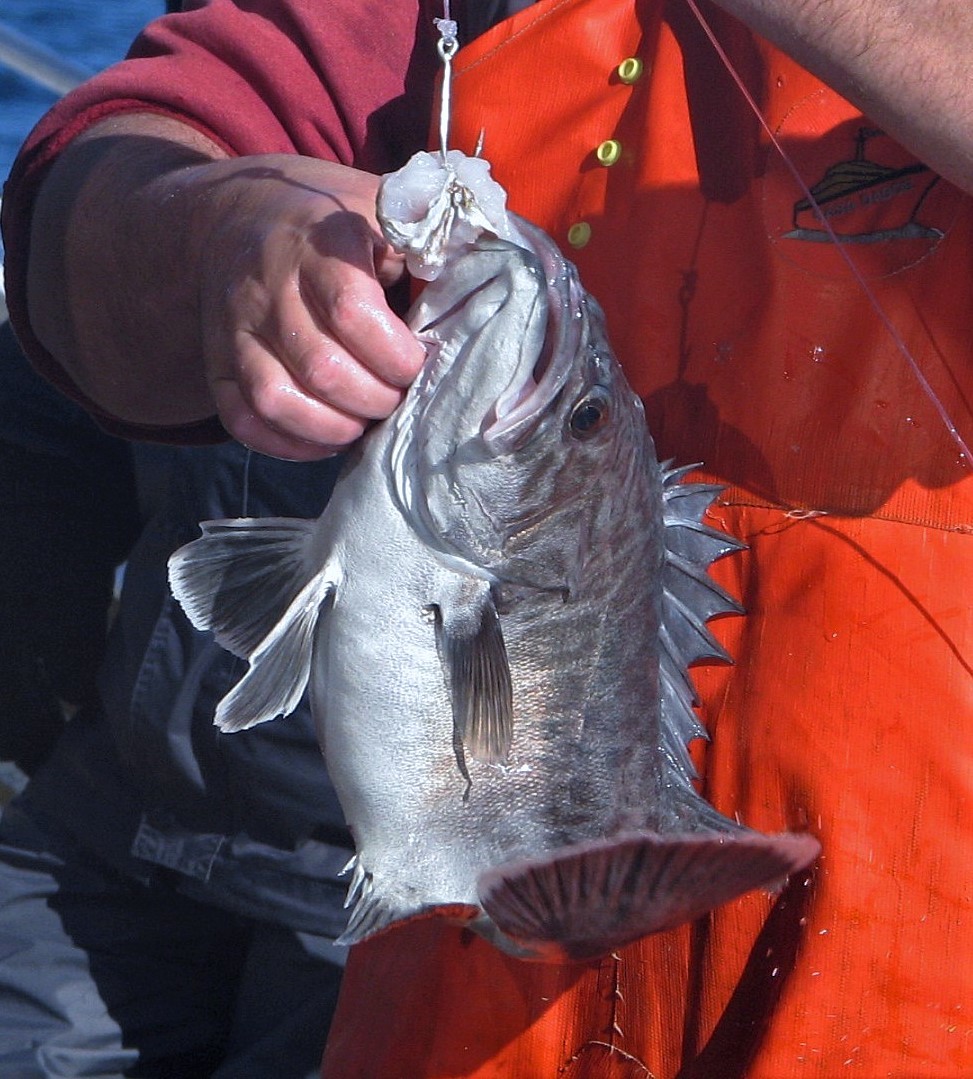

The wreckfish (Polyprion americanus) is a giant of the deep, a heavy-bodied, grouper-like bottom fish that lives at the extreme depths of the continental slope and can exceed 100 pounds. Named for its habit of associating with sunken structure, shipwrecks, rocky pinnacles, and deep ledges, the wreckfish is one of the ultimate deep-drop trophies, caught far deeper than most bottom fish, often in 1,000 to 2,000 feet or more. Reaching one demands serious commitment: extreme tackle, electric reels, big baits, and knowledge of the deep rocky terrain these fish call home. The reward is a powerful fight against a true deep-sea bruiser and outstanding, thick white fillets.
Wreckfish are not a grouper, though they look and behave much like one; they belong to their own family (the wreckfishes) and are found in deep water on both sides of the Atlantic and beyond. In U.S. waters, the most famous fishery is off the southeastern Atlantic coast, where wreckfish congregate over deep rocky bottom like the Charleston Bump, a deep-water rise that concentrates these fish. This is genuinely deep, heavy fishing, closer in spirit to commercial deep-dropping than to reef fishing, and it is a specialized pursuit for anglers with the right boat and gear.
This guide covers where wreckfish live, how to identify them, the extreme deep-drop tackle the fishery requires, the techniques for hooking and landing these deep giants, and how to handle and cook a fish that is as good on the table as it is hard to reach.
Understanding Wreckfish Behavior
Wreckfish are deep-water, structure-oriented predators that live along the continental slope and deep banks, typically in about 1,300 to 2,000 feet and sometimes shallower or much deeper, this is among the deepest sport fishing there is. As their name suggests, they associate with structure: rocky pinnacles, ledges, deep reefs, boulder fields, and literal shipwrecks, where they hold and ambush prey. Juveniles are unusual in that they spend their early life near the surface in the open ocean, often around floating debris, before descending to the deep bottom as they mature.
Deep-Dropping for Wreckfish and MoreThey are large, powerful, opportunistic predators with big mouths, eating fish, squid, crustaceans, and whatever prey they can ambush in the deep. Big wreckfish can exceed 100 pounds and live for decades, growing slowly in the cold, stable water of the deep slope. Because they relate to deep rocky structure, this is a fishery of precise numbers and excellent electronics, you are dropping on marked structure in extreme depth, not covering open bottom, and finding the productive rock and wrecks is the whole challenge.
Because of the extreme depths, wreckfish feed in near-total darkness and rely on scent and vibration to find food, so a well-presented, scent-heavy bait dropped right on their structure is what draws a bite. Current and conditions matter, but more than anything, this is about getting a big bait down to the right rocky bottom a quarter-mile or more beneath the boat.
Wreckfish also tend to be territorial around prime structure, with larger fish claiming the best spots. That means a good piece of deep rock or a productive wreck can hold multiple fish, and once you locate one, working that structure carefully often produces more. It also means these fish are vulnerable to concentrated fishing pressure, a colony on a known pinnacle can be thinned out quickly if hammered repeatedly, which is part of why the fishery is managed with quotas and permits. For the angler, the practical lesson is that finding new productive structure is as valuable as fishing known spots, and spreading your effort protects the resource.
The deep, cold, dark world wreckfish inhabit is remarkably stable compared to shallower water, so these fish are less affected by the seasonal swings that move reef species around. What changes most is your ability to get out to the deep grounds and fish them effectively, weather, current, and sea state on the offshore slope dictate when the fishery is practical far more than the fish's own seasonal movements.
How to Identify Wreckfish
Wreckfish are robust, grouper-like fish with a few distinctive features:
- Heavy, robust body. A large, stout, grouper-like body, dark grayish-brown to nearly black, sometimes mottled, fading paler below.
- Bony head ridge. A distinctive bony ridge across the gill cover (operculum) and a rough, bony head, a hallmark of the wreckfish.
- Large mouth and jaw. A big mouth with a protruding lower jaw, built for engulfing prey.
- Large size. They grow large and heavy, commonly 20 to 60 pounds and capable of exceeding 100.
Because they live so deep and are rarely seen, wreckfish are not easily confused with common reef fish; their grouper-like body combined with the bony operculum ridge, dark color, and deep-water origin identifies them. Handle a big one with care, they are heavy, strong, and come up from extreme depth with sharp spines and bony plates.
Best Tackle for Wreckfish
This is extreme deep-drop fishing, and the tackle reflects the depth and the size of the fish. You are fishing baits down a quarter-mile or more, holding bottom with heavy lead in current, and cranking up big fish from far below.
Reel: A powerful electric reel is essentially mandatory for wreckfish at these depths, hand-cranking a big fish and heavy lead from 1,500 feet is beyond most anglers. Heavy-duty electric reels with the power and line capacity for extreme depth are the standard tool.
Rod: A heavy deep-drop rod matched to the reel, with a bent butt for fishing from a rod holder and the backbone to handle pounds of lead and a heavy fish.
Line: Heavy braid, often 80 to 200 pound, for thin diameter, minimal stretch, and the strength to work at extreme depth and lift a big fish.
Leader: Very heavy, 200 to 400 pound, because a big wreckfish and the sharp rocky structure it lives in will destroy anything light.
Rig: A heavy deep-drop rig with large, strong circle hooks (10/0 to 16/0) and a very heavy sinker (several pounds, sometimes 5 to 10 pounds) to reach and hold the bottom at depth. LED lights on the rig help attract fish in the total darkness.
Rig Your Own Deep Drop RigsEverything is built around the extreme depth. If you cannot get a big bait down to the rocky bottom and hold it there, you cannot catch wreckfish, so heavy lead, heavy line, and a powerful reel are non-negotiable.
Deep Dropping for Wreckfish
Deep dropping for wreckfish is a methodical, gear-intensive process. Use your electronics to locate the deep rocky structure, pinnacles, ledges, or wrecks that hold wreckfish, and position the boat to drop directly onto them. Because you are fishing in extreme depth and current, accounting for how far your rig sweeps as it descends is critical, experienced captains position up-current so the bait lands on the structure.
Deep Drop Fishing for WreckfishBait with big, tough offerings, whole squid, large fish chunks, bonito or mackerel strips, or whole small fish, that a big wreckfish wants to eat and that survive the long drop. Send the rig down, let it reach bottom, and reel up slightly to keep the bait just above the rocks. When a wreckfish eats at that depth, the bite shows as heavy, deliberate weight; engage the electric reel and keep the fish coming steadily, not letting it settle back into the structure.
Conquering Wreckfish at Extreme DepthThe long haul up from 1,500 feet is a project in itself, even with an electric reel, bringing a big fish and heavy lead up from that depth takes time. Keep steady tension so the fish stays hooked and does not rock you into the structure on the way up. Mark your productive numbers precisely, because deep rocky wreckfish structure is specific and hard-won knowledge, and a proven spot is worth its weight in gold.
Patience and precision define this fishery. Each drop to the bottom and retrieve takes many minutes, so every drop needs to count, you want your bait landing on the structure, in the zone, with a fresh, tough bait and a light to draw fish. Sloppy drops that miss the rock or wash off their bait waste enormous amounts of time at these depths. The most successful wreckfish anglers are methodical: they study the bottom on the sounder, position the boat carefully for the current and the long descent, and treat each drop as a deliberate presentation to a specific piece of deep structure rather than a hopeful lob into the abyss.
Slow-pitch jigging has also emerged as an effective way to target wreckfish at depth for anglers with the specialized gear to work a heavy jig in extreme water. A large slow-pitch jig fluttering down onto the structure can trigger a wreckfish just as a bait does, and it adds an active, engaging dimension to what is otherwise a bait-soaking fishery. Either way, the fundamentals hold: get down to the rocky structure, keep your offering in the zone, and be ready for the heavy, deliberate take of a deep-water giant.
Fighting and Landing a Deep Giant
Wreckfish are powerful, and even with an electric reel doing the lifting, a big one fights hard, especially in the first moments when it tries to dive back into the rocks. Keep the pressure relentless and the fish moving up. As with all deep fishing, the fish arrives at the surface suffering severe barotrauma from the gas expansion, so a keeper is headed for the box and any fish that must be released is very difficult to save at these depths.
Electric Deep Drop Reel SetupHave a plan for landing a heavy fish at the boat, a big fish coming over the rail on heavy tackle requires coordination and a large gaff for a legal keeper. Keep the crew clear of the heavy line and lead, and be ready, because a big wreckfish is a lot of fish to handle even after the long fight up.
Safety is a real consideration in this fishery. You are working with heavy lead, powerful electric reels, and taut braided line under enormous load a quarter-mile down; a parted line or a swinging sinker can be dangerous. Keep hands clear of the spool and line while the reel is working, communicate with the crew, and stow gear securely on the run out to the deep grounds. The offshore slope is far from help, so a well-found boat, good weather judgment, and careful handling of the heavy tackle are as much a part of successful wreckfishing as the fishing itself.
Cleaning and Cooking Wreckfish
Wreckfish are superb eating, yielding thick, firm, white, mild fillets similar to grouper and highly prized by chefs, a big fish produces a large quantity of excellent meat. The flesh is versatile and holds up beautifully to grilling, baking, frying, blackening, and richer preparations, and its firm texture makes it a favorite for restaurant menus where it is sometimes sold as "stone bass" or under its own name.
Fillet the fish and remove the skin for clean, boneless fillets; the substantial fillets from a large wreckfish can be portioned into steaks or fillets that suit almost any recipe, and the thick, meaty texture makes wreckfish especially well suited to grilling and roasting where a flakier fish might fall apart. Because a single fish yields so much, plan to share or store the harvest, and vacuum-seal what you freeze to keep the quality. Bleed and ice your catch immediately, a big fish holds a lot of heat, and prompt cooling preserves the quality. As always with large, long-lived deep-water fish, follow any regional consumption advisories.
Regulations and Conservation
Wreckfish are slow-growing, long-lived, and vulnerable to overfishing, and where they are targeted commercially and recreationally they are managed with quotas, permits, size or bag limits, and sometimes seasonal closures that vary by region and change over time. The U.S. South Atlantic wreckfish fishery, for example, is managed under a specific program. Always check the current regulations and any permit requirements for your area before you fish. Because released wreckfish from extreme depth rarely survive barotrauma, plan your fishing around a reasonable, legal harvest and keep only what you will use to protect this deep-water fishery.
Putting It All Together
The wreckfish is one of deep-drop fishing's ultimate prizes, a giant of the deep slope that demands extreme tackle, precise numbers, and real commitment. Find the deep rocky structure and wrecks; rig heavy deep-drop gear with big, tough baits and a light to draw fish in the dark; use a powerful electric reel to get baits down and giants up from a quarter-mile below; and handle the strict regulations and the fish's vulnerability responsibly. Do it right, and you will land one of the most impressive and best-eating fish the deep ocean has to offer.
Ready to chase a deep-sea giant? Because this fishery demands a capable offshore boat, quality electronics, and extreme deep-drop gear, many anglers get their start aboard a well-equipped charter that already runs these deep grounds, which shortens the learning curve dramatically.
For more on chasing deep-water and bottom species, see our guides on how to catch tilefish, how to catch snowy grouper, and how to catch warsaw grouper.