Fish
Fish Fire
Fire Hike
Hike Bird
Bird

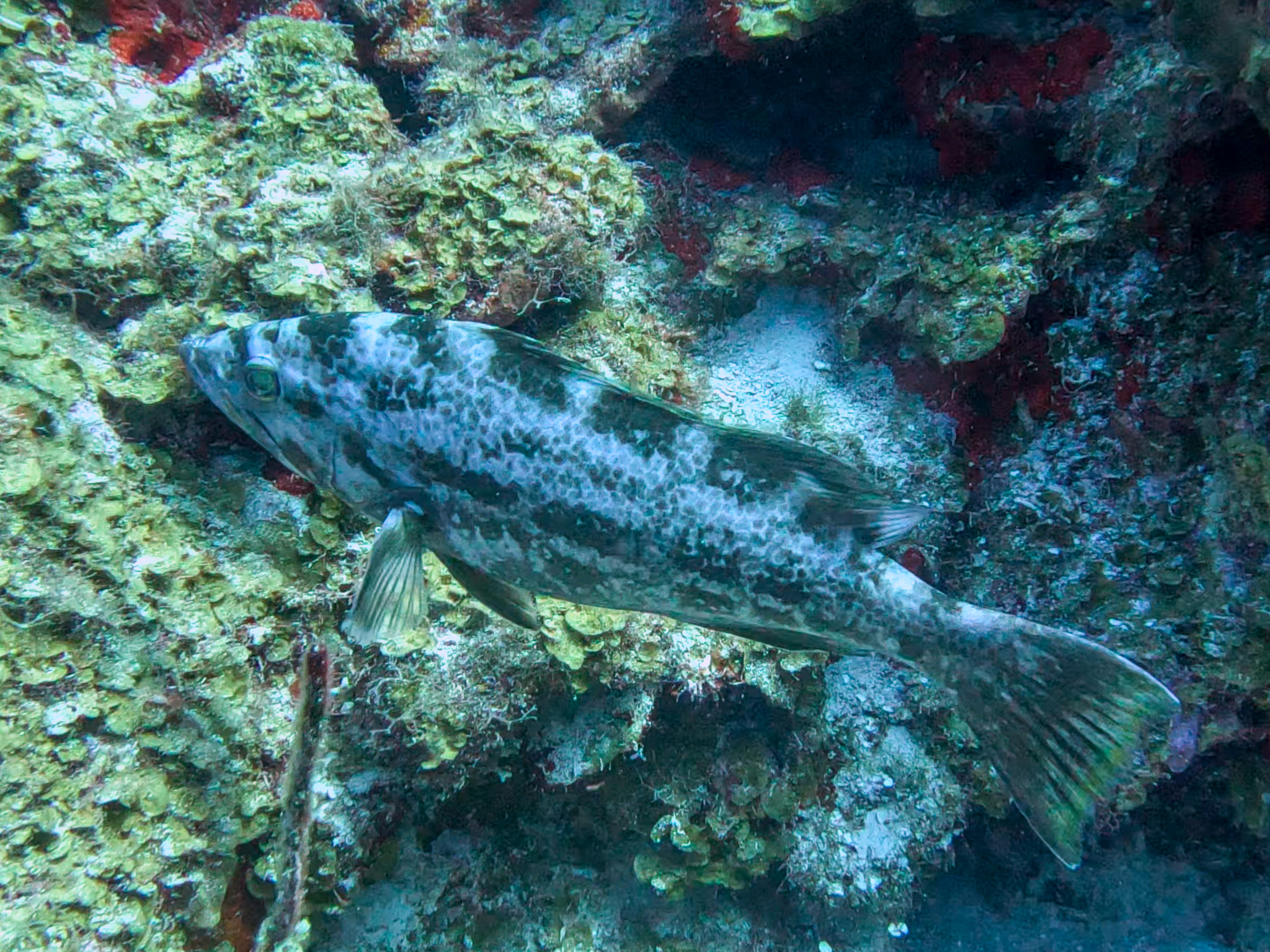

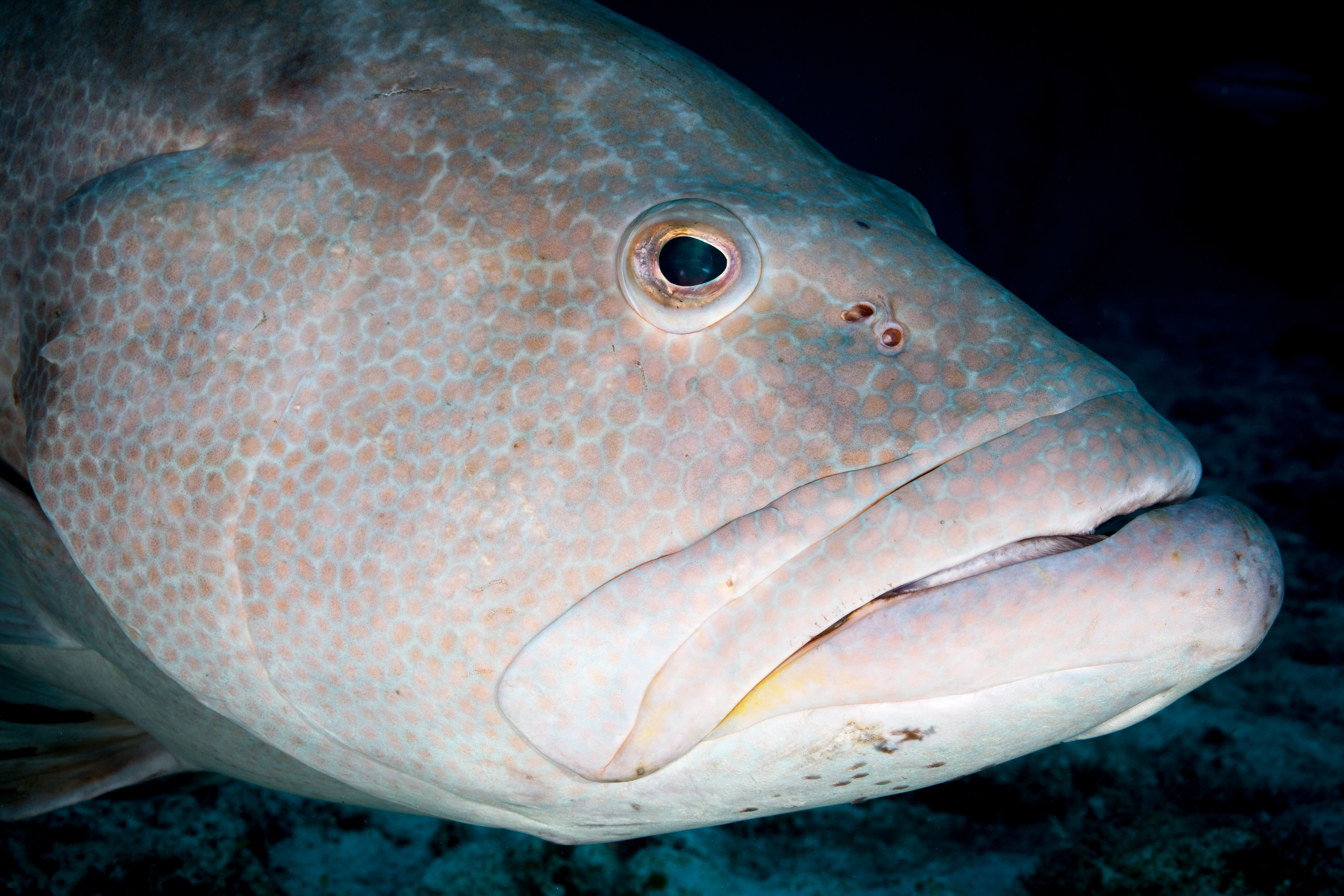
The yellowmouth grouper is one of the more elegant members of the grouper clan, a sleek, streamlined reef predator wearing a fine brownish reticulated pattern and the yellow mouth-corners that give it its name. Found on reefs and hard bottom throughout the tropical and subtropical western Atlantic, from Florida and the Gulf through the Caribbean and down to Brazil, it is a prized catch for reef anglers: a hard-pulling fish that ambushes bait from structure, fights with the dogged power typical of groupers, and finishes as some of the best table fare on the reef. For the angler working the ledges and wrecks, the yellowmouth is a rewarding and delicious target.
The yellowmouth grouper (Mycteroperca interstitialis) belongs to the genus of slimmer, more streamlined groupers (along with the gag, black, and scamp), rather than the heavy-bodied Epinephelus groupers. Its body is covered in a delicate network of small brownish spots and reticulations over a pale to gray-brown background, and the corners of its mouth are washed with yellow, a key field mark. Most run a few pounds to around ten, with larger fish possible, and like all groupers it has a big mouth and the classic grouper habit of inhaling prey and bolting for its hole in the reef. That structure-oriented, ambush lifestyle shapes everything about catching it.
This guide covers the yellowmouth playbook: reef bottom fishing, the knocker rig, live and cut bait, trolling, finding fish on ledges, identifying the species, and cleaning your catch. To fast-track your way onto productive reef, do your homework before you run: study the bathymetry for likely ledges and drop-offs, and confirm the current size, bag, and seasonal rules for your area so you fish it right.
Understanding yellowmouth grouper: behavior and habitat
A little understanding of how yellowmouth grouper live makes them far easier to target. They are structure-bound reef fish, at home over coral reefs, rocky ledges, and hard bottom from relatively shallow reef down to deeper edges, often a bit deeper than the shallowest reef groupers. Rather than roaming, a yellowmouth establishes itself around a piece of structure and hunts from ambush, using the reef for both cover and a launching point to grab passing prey. That homebody, ambush-from-structure lifestyle is exactly why you catch them by fishing tight to the reef and why turning a hooked fish quickly is so critical.
They are streamlined for their family, which makes them a bit faster and more willing to chase than the heavier Epinephelus groupers, one reason they respond so well to trolled plugs and lively baits, not just static offerings on the bottom. Their diet is dominated by small fish and squid, which they inhale with a big grouper mouth and powerful suction. Understanding that they are quick, structure-tied ambush predators that eat fish tells you both where to fish and what to feed them.
Like many groupers, yellowmouth are protogynous hermaphrodites, they begin life as females and some later transform into males, and they aggregate to spawn. This biology matters for management, since spawning aggregations are vulnerable to overfishing, and it is part of why grouper fisheries carry the size limits, bag limits, and seasonal closures discussed later. Knowing the fish helps you both catch it and steward it responsibly.
Reef bottom fishing for yellowmouth grouper
The core way to catch yellowmouth grouper is bottom fishing bait over reef, ledges, wrecks, and hard bottom where they hold. Like all groupers, a yellowmouth ambushes prey from structure and dives straight back into it when hooked, so the fishing is a battle to get the fish to commit and then pull its head up and away from the reef before it reaches shelter and cuts you off. Win that first few seconds and the fish is usually yours; lose it and you are re-rigging.
Use a rod with real backbone and heavy line, a medium-heavy to heavy conventional or spinning outfit with 40- to 80-pound line, depending on the size of fish and the roughness of the structure. Drop your bait to the bottom near the structure, stay tight, and the instant you feel the sharp, heavy grab of a taking grouper, lock up and lift hard to turn the fish. Hesitation is the enemy of grouper fishing; commit to the fight immediately.
Catching yellowmouth grouper on the reefPosition your boat to fish the productive edge of the structure, whether anchored or drifting, and be ready to move to fresh reef if the bite is slow. Yellowmouth, like other groupers, relate to specific pieces of structure, so precise positioning over the ledge or wreck makes a real difference.
The knocker rig and terminal tackle
For grouper fishing tight to structure, the knocker rig is a proven choice. The sinker slides down to the hook, keeping your bait pinned right on the bottom where the grouper waits and letting you feel the bite instantly and pull straight up out of the structure. It is simple, snag-resistant, and ideal for extracting a grouper from the reef before it holes up.
Rig it with a strong circle hook (5/0 to 9/0 depending on bait and fish size) and a short length of heavy fluorocarbon or monofilament leader, 50 to 100 pound to resist coral abrasion and the grouper's crushing pull. Use an egg sinker heavy enough to hold bottom in the current. When a yellowmouth eats, come tight and lift steadily rather than swinging; a circle hook finds the corner of the jaw as you apply hard, immediate pressure to turn the fish.
How to use a knocker rig for grouper and snapperBeef up your whole system for grouper, strong hooks, heavy leader, and a locked-down drag, because the fight is won or lost in the first moment. Carry plenty of rigs, since reef fishing takes a toll on terminal tackle.
Live and cut bait
Yellowmouth grouper are ambush predators that eat fish and squid, so bait fishing is highly effective, and live bait is often the key to the better fish. A lively baitfish, a pinfish, grunt, pilchard, or blue runner, dropped to the structure is irresistible to a hungry grouper, and its natural swimming action draws strikes that a static bait might not. Free-line or fish the live bait on your knocker rig near the bottom on the reef edge where grouper hunt.
Cut bait also produces well and is the everyday standard: a fresh chunk of oily fish (bonito, ballyhoo, sardine) or squid puts out scent that pulls grouper from the surrounding structure. Keep bait fresh and generously sized, and match the bait to the size of fish you want, a bigger bait weeds out small fish and tempts a better grouper. Whether live or cut, present it right on the structure and be ready for the immediate, powerful take.
Catching reef grouper on live baitWhen smaller reef fish are stealing your bait, upsizing to a larger live bait often gets you past them to the grouper worth catching. A big, lively bait fished tight to the ledge is a proven big-yellowmouth tactic.
Keeping bait healthy and well-presented pays off. Hook a live bait so it swims naturally, through the nose or in front of the dorsal, and keep your baitwell aerated so the bait stays frisky, because a lively bait draws far more grouper than a tired one. With cut bait, secure it firmly and leave the hook point exposed for a clean, hard set. And because a grouper's whole strategy is to reach cover, drop your bait a rod-length or so up-current of the ledge so the scent trails back to the fish and you have a moment to react before a hooked fish reaches the structure. Small adjustments to where and how you present the bait often turn cut-offs into landed fish.
Trolling for grouper
While most yellowmouth are caught on the bottom, trolling deep-diving plugs over reef and along ledges is a productive and active way to target grouper, especially in the Florida Keys and similar reef systems. A large lipped plug that dives to the reef, trolled at the right speed over the structure, imitates a fleeing baitfish and draws savage strikes from grouper waiting in ambush. Trolling lets you cover ground and locate fish along a stretch of reef.
Use heavy tackle and a locked drag, because a trolled grouper strikes hard and immediately turns for the structure, you need to pull it up and away instantly. Troll the plug so it works right along the productive depth and structure, and adjust your speed and lure diving depth to keep it near the reef where the grouper hold. When a fish hits, the boat's momentum helps set the hook, but you must get the fish's head up fast.
Trolling deep plugs for reef grouperTrolling is a great way to fish a lot of reef efficiently and to find the productive spots you can then work more thoroughly with bait. It also produces some of the most explosive grouper strikes you will ever feel. Because a trolling grouper often hooks itself against the boat's momentum and then dives instantly, keep your rods in holders with a firm drag and be ready to grab the rod and pull hard the second it goes off, those first few seconds decide whether the fish comes to the boat or breaks you off in the reef.
Finding yellowmouth grouper on ledges and structure
Yellowmouth grouper relate closely to structure, so finding the right bottom is most of the battle. They hold on and around reef ledges, drop-offs, rockpiles, wrecks, and hard bottom, anywhere there is shelter to ambush from and current to bring food. Deeper reef edges and ledges often hold the better fish. Quality electronics are essential: a good sounder to read the ledges, cracks, and hard bottom, and to spot the fish holding tight to the structure.
Look especially for the transitions and irregularities, a ledge with an undercut, a crack in the bottom, a rockpile rising off flat bottom, where grouper concentrate. Mark productive spots on your GPS and build a rotation, because grouper spots produce repeatedly once you find them. Current and tide position the fish and turn on the bite, so fishing a moving tide over the best structure you can find stacks the odds in your favor.
Finding reef ledges and cracks for grouper and snapperBecause the fish hold so tight to structure, precise boat positioning and accurate drops matter enormously, getting your bait right onto the ledge, rather than out over open bottom, is often the difference between a grouper and a blank drop.
Work a spot methodically before moving on, but do not waste a whole trip on dead structure. If a good-looking ledge produces nothing in a reasonable time, the grouper may be off the bite or the spot may have been fished down, so rotate to the next mark and come back later. Deeper edges often hold the larger, less-pressured yellowmouth, so as inshore reefs get crowded, exploring slightly deeper structure can pay off with better fish. Over time, a set of GPS-marked ledges, wrecks, and rockpiles at a range of depths gives you options for any tide, current, and level of fishing pressure.
Identifying and eating yellowmouth grouper
Correctly identifying your catch matters on the reef, where several groupers look similar and regulations differ by species. The yellowmouth grouper's fine brownish reticulated pattern over a pale-to-gray body, its streamlined build, and the yellow wash at the corners of the mouth distinguish it. It closely resembles the scamp and the yellowfin grouper, so learning the subtle differences in pattern and fin coloration helps you tell them apart, the yellow mouth is the giveaway.
How to fillet a whole grouperOn the plate, yellowmouth grouper are outstanding, firm, white, mild, and sweet, like all groupers a premier eating fish. Fillet along the backbone and over the ribs, then skin the fillet; the thick, firm meat is forgiving and delicious grilled, fried, blackened, or baked. As always, bleed and ice your catch promptly. Respect the regulations, which include size and bag limits and sometimes seasonal closures that vary by region, groupers are carefully managed, and some are subject to spawning closures. Also note that larger reef groupers can carry ciguatera in some areas, so ask locally and use good judgment. Keep only legal fish you will eat, and this fine reef fishery will stay strong.
Bringing it together
Yellowmouth grouper reward the reef angler who fishes structure with the right tools and the right attitude: drop a live or cut bait on a knocker rig tight to a ledge, or troll a deep plug along the reef, set hard, and pull the fish up and away from its hole the instant it bites. Find the ledges and cracks that hold fish, fish a moving tide, beef up your tackle, and learn to tell a yellowmouth from its lookalikes. Do that, respect the rules and the fishery, and you will have mastered one of the tropical Atlantic's sleekest and finest-eating reef groupers.
Ready to work the ledges? Line up your marks, fish a moving tide, and confirm the current regulations before you run, then get on the reef with confidence.
For more reef grouper targets, see our guides on how to catch black grouper, how to catch gag grouper, and how to catch red hind.