Fish
Fish Fire
Fire Hike
Hike Bird
Bird

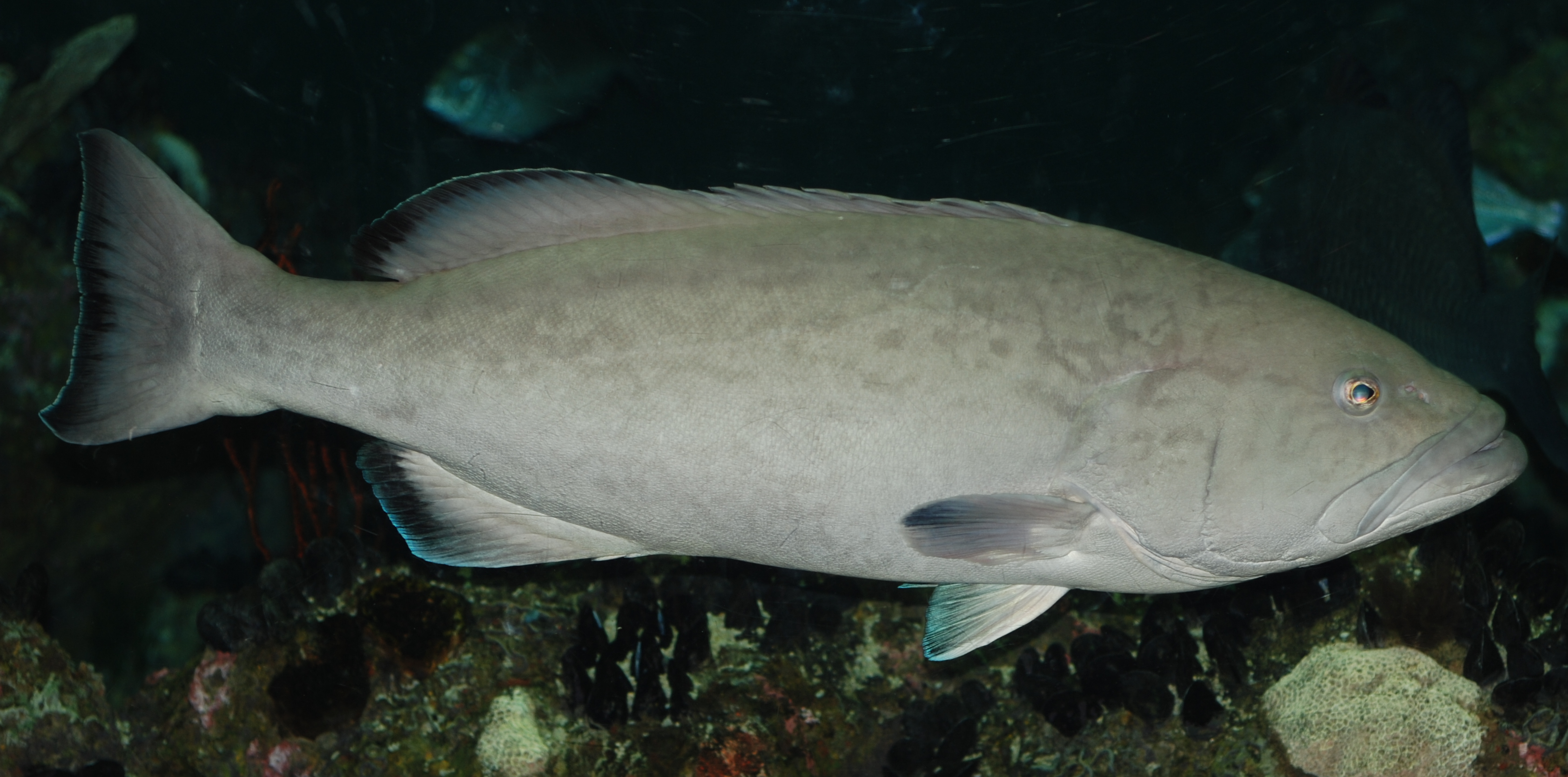

The gag grouper is, pound for pound, one of the hardest-pulling fish that swims, a powerful, wreck-and-ledge bruiser that inhales a live bait and then rockets straight back into the structure with a violence that has smoked countless drags and shattered plenty of tackle. Where red grouper spread across hard bottom, gags love high-relief structure, wrecks, ledges, rockpiles, and reefs, and they're famous as live-bait killers and as the grouper that will absolutely humiliate you if you give them a split second to reach their hole. Add in a fall "run" that brings gags onto accessible nearshore rocks and reefs, and you have one of the most exciting and popular grouper targets on the coast. This guide covers what gag grouper are, where and when to find them, and every core technique, with step-by-step instruction, to hook and, crucially, actually land these bottom bulldozers.
Ready to lock horns with a gag? Few bottom fish will test your gear and your reflexes quite like a big gag over structure, and landing one comes down to finding the right wrecks and ledges, rigging heavy, and being ready to winch the instant it bites. They share the reef with other grouper, see our guide on how to catch red grouper.
Meet the Gag Grouper
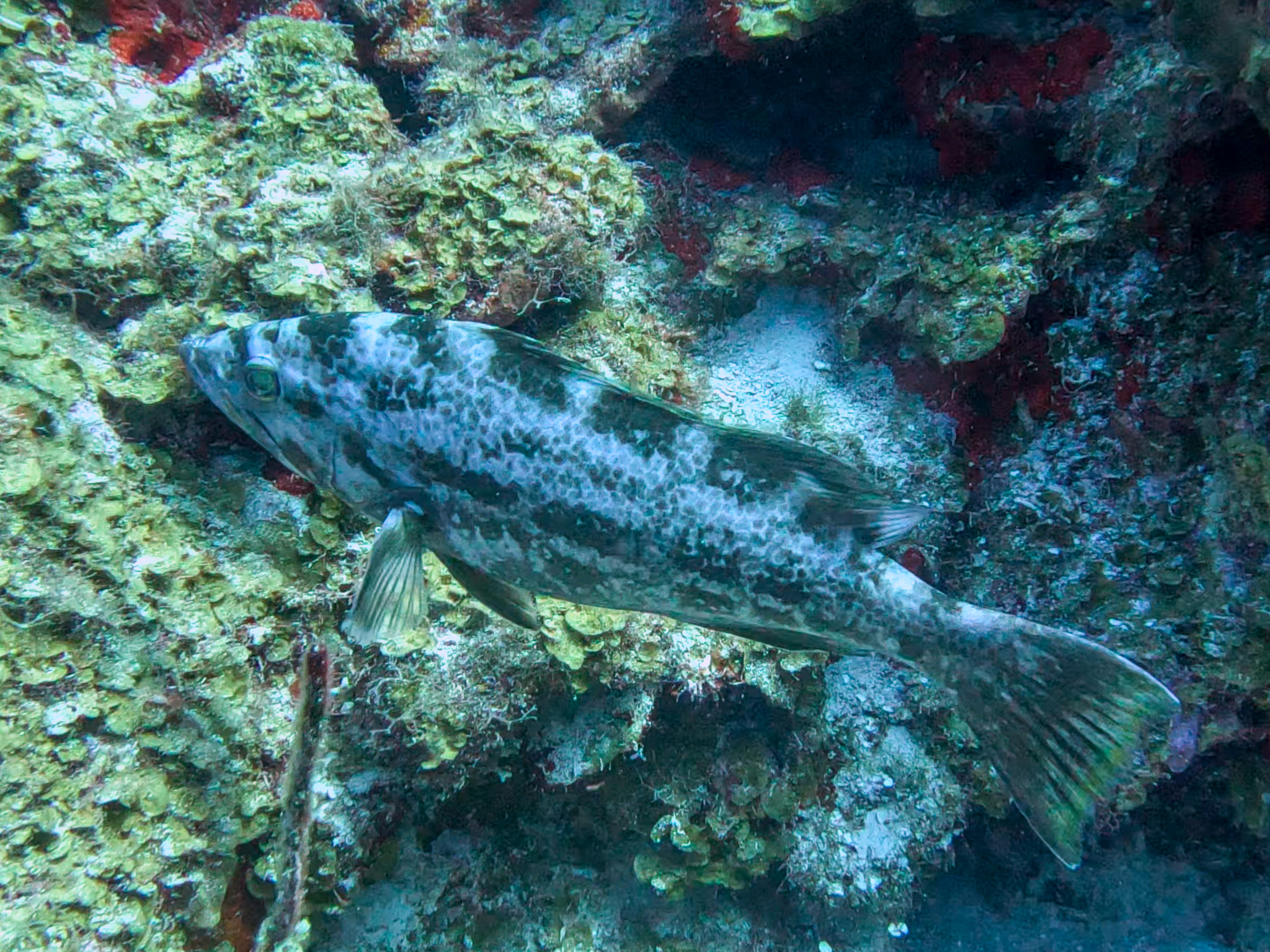
The gag grouper (Mycteroperca microlepis), often just called "gag" or, confusingly, "gray grouper", is a large, powerful grouper with a streamlined but stout body, a big mouth, and a gray-to-brownish coloration marked with dark, marbled, box-like or wavy blotches (the pattern varies, and big males can turn dark, almost black, earning the nickname "black" gag, not to be confused with the true black grouper). It has the powerful build and bucket mouth of a fish designed to ambush prey from structure and bolt back into cover.
Gag grouper are a big, exceptionally strong fish: most keepers run 4 to 15 pounds, solid fish push into the twenties, and big ones exceed 30 to 40 pounds (the record is over 80). They're found in the Gulf of Mexico and the western Atlantic, relating strongly to wrecks, ledges, rockpiles, reefs, and high-relief hard bottom, from nearshore rocks to deep offshore structure. Juveniles use inshore estuaries and grass flats, and adults move between nearshore and offshore structure seasonally. Prized as outstanding table fare, thick, firm, white fillets, and respected as one of the hardest-pulling grouper, gags are managed with seasons, size, and bag limits that vary by region, so always check current regulations.
Where and When to Find Gag Grouper
Gags are high-relief structure fish, and finding the right structure is everything:
- Wrecks and artificial reefs, sunken ships, reef modules, and rubble hold gags and are prime targets, especially offshore.
- Rocky ledges, drop-offs, and rockpiles, natural high-relief structure concentrates fish.
- Nearshore rocks and reefs, in fall and cooler months, gags move onto accessible nearshore structure in many areas, a prime, close-to-home fishery.
- Deeper offshore structure, bigger fish often hold on deeper wrecks and ledges.
Gags are known for a seasonal movement, in many areas (especially the Gulf), gags push onto nearshore rocks and reefs in the fall and cooler months, creating an exciting, accessible fishery close to shore, then move to deeper structure as it warms. Use your sounder to find high-relief structure and mark fish on it, and target the seasonal nearshore run when it's on. Because gags relate to distinct structure, building a list of productive wrecks, ledges, and rockpiles, and knowing the seasonal patterns, is how you stay on them.
How to Catch Grouper: Offshore TechniquesLive Bait: The Gag Killer
If there's one thing gag grouper can't resist, it's a lively live bait. Gags are aggressive ambush predators, and a struggling live baitfish dropped down to a wreck or ledge is the deadliest offering there is. Top live baits include pinfish, grunts, cigar minnows, sardines, threadfin, and even small bluefish or other baitfish, the bigger the live bait, often, the bigger the gag. The classic method is to free-line or lightly weight a live bait down to the structure and be ready for a savage strike.
The key with live bait is to present it near the structure where gags ambush and then win the immediate battle. Because a gag will crush the bait and instantly bolt for its hole, you must come tight hard and crank immediately to pull the fish up before it buries. A lively bait, presented right on the structure, on tackle stout enough to turn the fish, is the heart of gag fishing, and it's why keeping a livewell of frisky baits is so important. Nothing fires up a gag like live bait.
Trolling and Dropping Live Baits on Nearshore ReefsBottom Rigs and Pulling Them Up
Gag fishing lives and dies on stout bottom rigs and the immediate fight. The common rigs are the fish-finder (Carolina) rig, a sliding sinker above a swivel and heavy leader to the hook, letting a live bait swim naturally, and the knocker rig, an egg sinker sliding to the hook, keeping the bait tight to the structure and helping you pull fish up fast. Both use a stout hook and heavy leader and enough weight to hold the bottom straight down.
The defining moment, as with all grouper, is the hookset and the first two seconds. When a gag eats, it powers for the structure, so you lock the drag, come tight hard, and crank the fish up and away immediately, there is no giving line to a green gag near its hole. This is why gag tackle is heavy and drags are locked down. Choose your rig for the situation (fish-finder for a naturally swimming live bait, knocker for tight-to-structure control), rig it stout, and be ready to winch the instant a gag thumps the bait.
Fish-Finder Rig vs. Knocker Rig for GrouperTrolling and Jigging
Beyond bottom fishing with bait, gags fall to trolling and jigging, which are great for covering water and targeting fish actively. Trolling large, deep-diving plugs over nearshore and offshore structure covers ground and triggers reaction strikes from aggressive gags, a deadly way to locate and catch fish, especially over shallower structure where the plugs reach bottom. Pull the plugs on heavy tackle so you can both dig them down and winch up a fish.
Vertical jigging, especially with slow-pitch jigs worked near the structure, is also deadly on gags, the fluttering, wounded-baitfish action draws savage strikes, and it lets you actively work a wreck or ledge and target the fish you mark. As always, be ready to pull hard the instant a gag eats to get it clear of the structure. Both trolling and jigging are excellent, active alternatives (or complements) to bait fishing, and many gag anglers use them to find and pick fish off structure.
Slow-Pitch Jigging for Gag GrouperTackle: Heavy Is the Point
There is no finesse in gag fishing, heavy tackle is the whole point, because the entire battle is won or lost in the first couple of seconds. A typical setup is a heavy conventional outfit with a powerful drag, heavy braided line (for feel and zero stretch), and a strong leader, enough backbone and drag to turn a big gag's head and crank it up and away from the structure immediately. Undergun a gag and it will bury in the wreck and break you off before you can react.
The technique is simple and brutal: lock the drag down, and when a gag eats, lift hard and reel steadily to gain those crucial first feet, never giving slack. Once you've got a gag up off the structure, the fight is largely won, but getting it that first few feet is everything. Use gear with real muscle, set your drag firm, and keep your hand ready on the reel. Winning that first exchange against a hard-charging gag is one of the most satisfying moments in bottom fishing. It's worth over-gunning rather than under-gunning: a rod and reel that feel like overkill on a small fish are exactly right when a big gag inhales your bait over a wreck and tries to drag you into the iron. Many veterans fish gear a size heavier than they think they need, precisely because the one big fish of the day is the one that will test every component you've got.
Grouper Rigs and TechniquesSeasons, Timing, and the Nearshore Run
Gag fishing is shaped by regulations and seasonal movement. Like other grouper, gags are managed with seasons, size, and bag limits that vary by region and between state and federal waters, so know the current rules and plan keeper trips around the open season. The fall and cooler-month nearshore run is a highlight in many areas, gags move onto accessible nearshore rocks and reefs, putting big, hard-pulling fish within reach of smaller boats and shorter runs, which is prime time to target them.
On the water, moving water and low-light periods turn the bite on, and holding your bait right on the structure in the current is key. Watch your sounder for high-relief structure and fish, target the seasonal nearshore run when it's on, and fish the deeper offshore structure for the biggest gags in warmer months. Matching your effort to the season and the structure, and, of course, the regulations, is how you consistently connect with gags.
The Nearshore Gag Grouper BiteReading Structure on Your Electronics
Because gags relate so tightly to high-relief structure, finding and staying on that structure is half the battle, and your electronics are your eyes. Learn to read your sounder: wrecks, ledges, and rockpiles show as tall, hard returns rising off the bottom, often with fish marks stacked around and above them, and the difference between a barren piece of bottom and a loaded one is often just being directly on the structure. Save waypoints on every productive wreck, ledge, and rockpile you find, over time, a milk run of good gag structure is worth more than any single spot.
Just as important is positioning the boat. A wreck or ledge may be small, so use your GPS, spot-lock, or a well-set anchor to keep your baits right on the structure rather than drifting off into barren bottom. Drop directly on the high-relief spots where gags ambush, and be ready for a bite the instant your bait reaches the zone, gags often eat right away. The anglers who consistently catch big gags are usually the ones best at finding structure and holding position on it.
Common Mistakes to Avoid
Gags punish any weakness. Tackle too light or drag too loose is the number-one mistake, a gag will bury in the structure and break you off if you can't turn its head immediately, so go heavy and lock the drag down. Hesitating on the bite gives the fish the split second it needs to reach its hole; come tight and crank hard instantly, without giving line. Not being on the structure puts your bait where the gags aren't; read your sounder and hold position. Sluggish or dead bait draws far fewer strikes than a frisky live one; keep your baits lively. And ignoring the seasons and limits can end your day, since gags are strictly managed. Go heavy, react instantly, stay on the structure, fish lively bait, and mind the rules, and your gag success climbs.
Handling and Table Fare
Gag grouper are among the best-eating fish on the coast, thick, firm, mild, white fillets that are superb fried, blackened, grilled, or in a grouper sandwich. For fish you keep, bleed and ice them for top quality, and handle the sharp gill plates and spines with care. Because gags caught in deeper water can suffer barotrauma, release fish you can't keep with a descending device or by proper venting, sending them back down to recover, and follow the size and bag limits closely, since gags are managed for sustainability. Treat the fishery with respect, keep only what you'll use, and release the rest healthy, and the gag fishing stays strong for the future.
Put It All Together
Gag grouper fishing is bottom fishing at its most intense: find the wrecks, ledges, and rockpiles; drop a lively live bait on a stout fish-finder or knocker rig, or troll and jig to cover water; and, above all, lock the drag and pull hard the instant a gag bites to winch it up and out of the structure before it buries. Fish the fall nearshore run for accessible bruisers, mind the seasons and limits, and you'll be rewarded with one of the hardest fights and best fillets in the ocean. When you're ready to go to war with a gag, scout your structure, rig heavy, lock the drag, and get right on top of the wrecks and ledges that hold them. And for the hard-bottom grouper that shares the same reefs, read our guide on how to catch red grouper next.