Fish
Fish Fire
Fire Hike
Hike Bird
Bird


The red grouper is a bulldog of the bottom, a stout, aggressive, hard-pulling reef fish that inhales a bait and then powers straight back into its hole, testing tackle and angler in a brief, brutal tug-of-war. Found across the reefs, ledges, and hard bottom of the Gulf of Mexico and the South Atlantic, red grouper are a bottom-fishing staple: they bite readily, fight with pure dogged strength, and reward you with thick, white, delicious fillets. They're also famous ecosystem engineers, excavating and maintaining pits and holes in the bottom that shelter all sorts of reef life. Catching one is a game of finding the right hard bottom, getting a good bait down to it, and winning the immediate battle to crank the fish up before it buries. This guide covers what red grouper are, where and when to find them, and every core technique, with step-by-step instruction, to haul these bottom bruisers up from the reef.
Red grouper share the reef with other bottom bruisers, and getting on them comes down to reading bottom, dropping a good bait, and winning that first hard exchange. For the harder-pulling cousin that holds on the same structure, see our guide on how to catch gag grouper.
Meet the Red Grouper
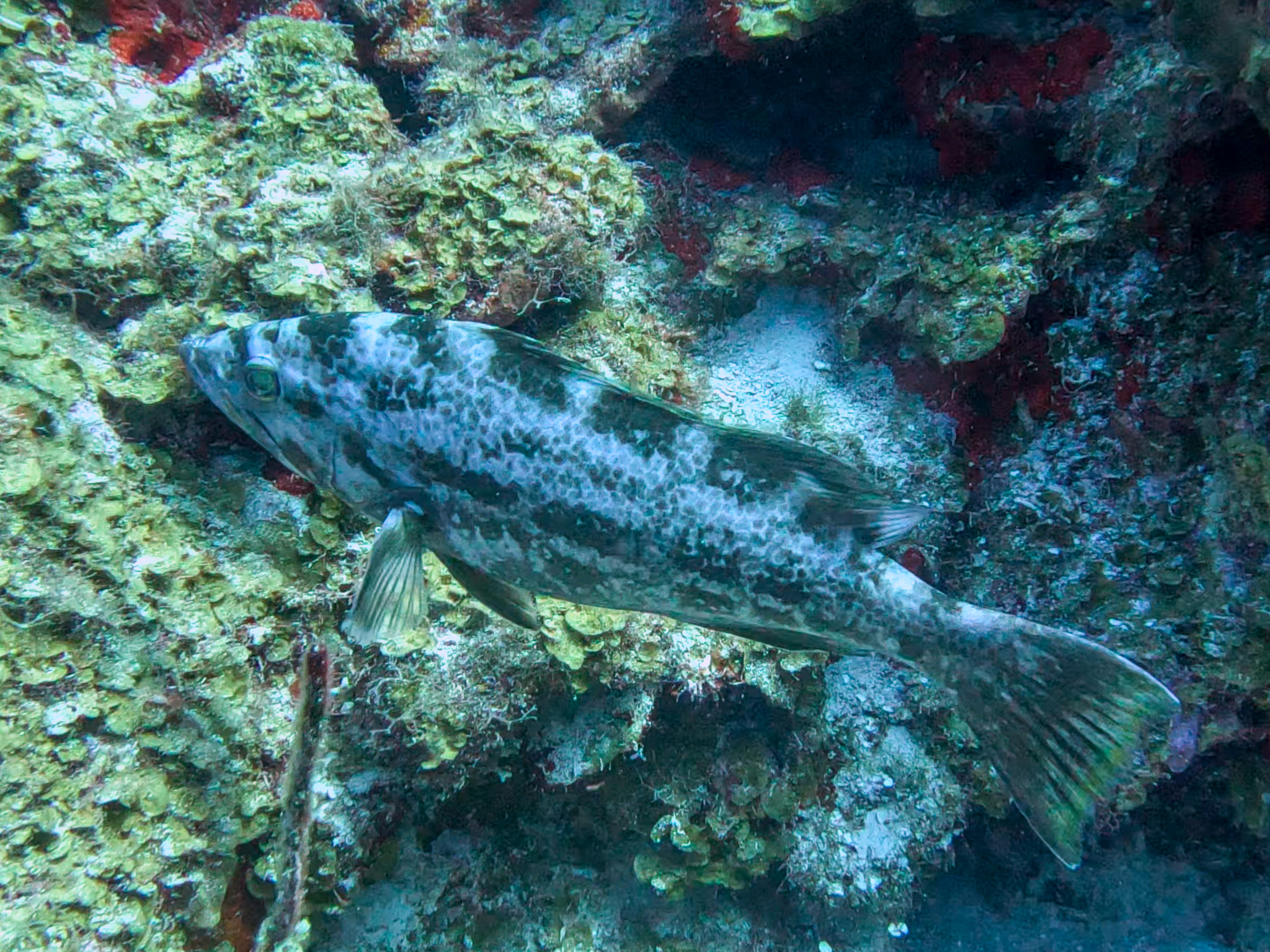
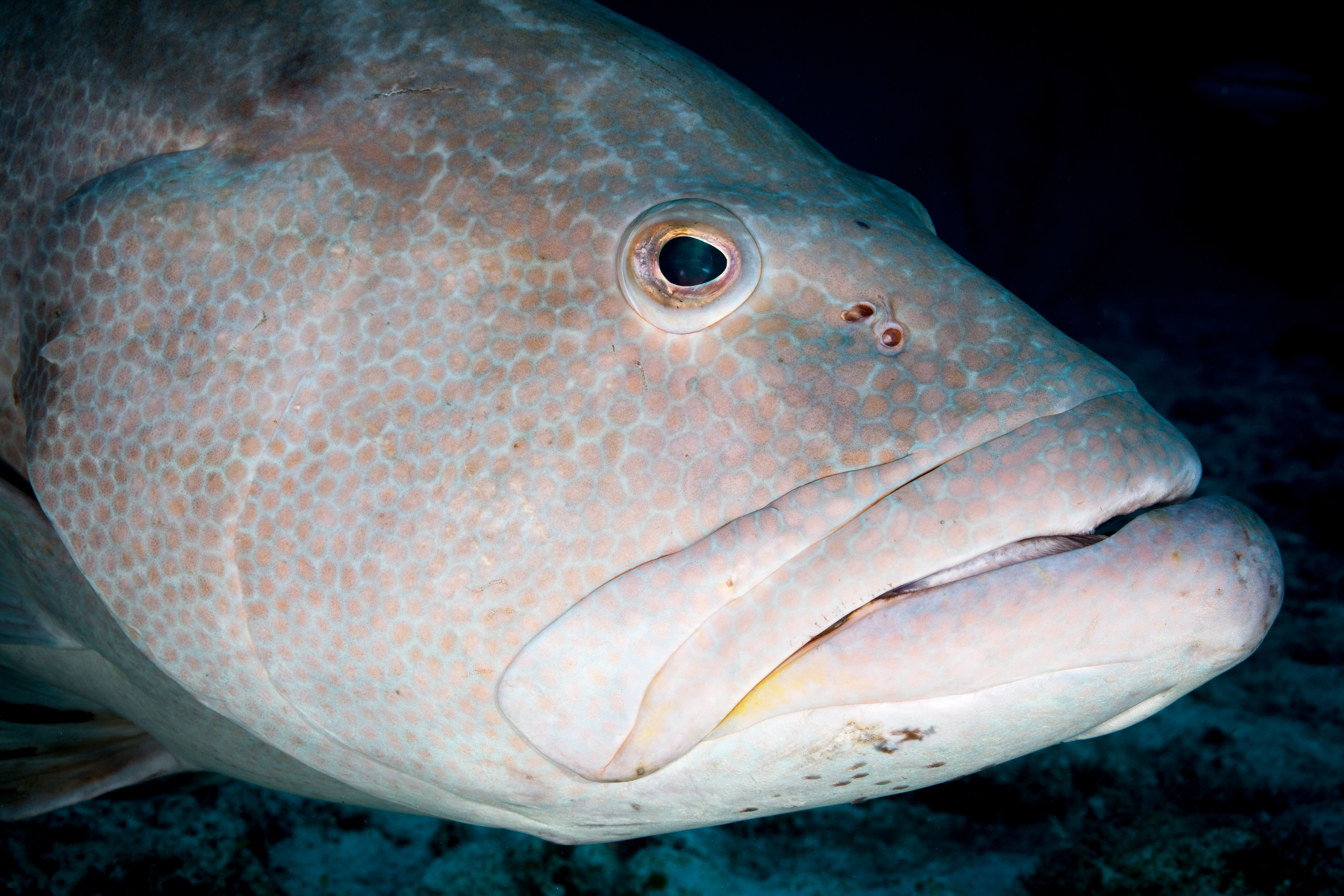
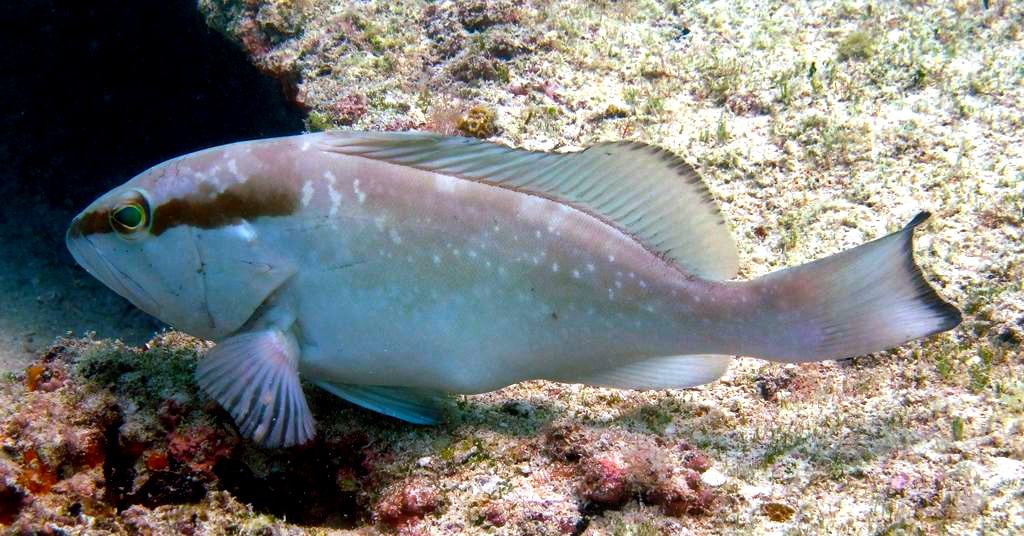
The red grouper (Epinephelus morio) is a classic grouper: a stout, heavy body, a large mouth, and a reddish-brown to rusty coloration (often paler or blotchy) scattered with faint pale spots and blotches, sometimes with dark areas around the mouth and eyes. A distinguishing feature is its dorsal fin, the spiny portion is relatively even and the notch between the spiny and soft parts is shallow, unlike the more scalloped dorsal of some other groupers. It has the powerful build and big, bucket mouth of a fish made to inhale prey and hold in structure.
Red grouper are a good-sized, strong bottom fish: most keepers run 3 to 12 pounds, solid fish push into the teens and twenties, and big ones exceed 20 to 30 pounds (the record is over 42). They're found in the Gulf of Mexico and the South Atlantic, living on reefs, rocky ledges, hard bottom, and areas with holes and relief in a wide range of depths. Interestingly, red grouper excavate and maintain pits in the seafloor, shaping habitat that shelters other species. Prized as excellent table fare, thick, firm, white fillets, and, like other reef fish, managed with seasons, size, and bag limits that vary by region, red grouper are a bottom-fishing favorite across their range. Always check current regulations before keeping one.
Where to Find Red Grouper: Hard Bottom and Holes
Red grouper are structure- and bottom-oriented, and finding the right bottom is the whole game. Unlike some groupers that hold on high-relief wrecks, red grouper love hard bottom, rocky ledges, and areas with pits, holes, and low relief. Look for:
- Hard bottom and rocky ledges, flat, hard, structured bottom (not just sand) holds red grouper, often in areas that don't look like much on the surface.
- Reefs, rockpiles, and relief, any change from featureless sand to hard, structured bottom concentrates fish.
- Holes and pits, red grouper dig and hold in bottom depressions, so subtle relief and holes are key.
The most important skill is finding the hard bottom, red grouper often live on unremarkable-looking hard bottom rather than obvious high structure, so reading your sounder to distinguish hard bottom from sand (a harder, thicker bottom return) and marking productive areas is critical. Use your electronics and GPS to find and return to good bottom. Because red grouper spread across hard bottom rather than stacking on a single wreck, covering ground to find productive areas, and marking every good spot, is how you build a milk run of grouper bottom.
How to Catch Red Grouper 101: Rigs, Baits, and MoreBottom Fishing and Pulling Them From the Hole
The core red grouper technique is bottom fishing with a stout rig, and the defining moment is the hookset and the immediate fight. You drop a bait to the bottom on a heavy rig, and when a grouper eats, it will try to power straight back into its hole or the rocks. Your job is to come tight hard and immediately crank the fish up and away from the bottom before it buries, hesitate, and a big red grouper will rock you up and cut you off in the structure. This "pull them out of the hole" battle is the heart of grouper fishing.
That's why grouper tackle is heavy and the drag is locked down: you need the backbone and drag to turn a fish's head and gain those crucial first few feet immediately. Use a stout rod, heavy braided line, a strong leader, and enough weight to hold the bottom straight down. Drop right on the hard bottom or hole, be ready with your hand on the reel, and when a grouper thumps the bait, lift hard and crank without hesitation. Winning that first exchange is everything in red grouper fishing.
Heavy Bottom-Fishing Tackle and Tricks for GrouperBest Baits for Red Grouper
Red grouper are aggressive, opportunistic predators with big mouths that eat a wide range of baits. Top producers include:
- Live bait, live pinfish, grunts, cigar minnows, and other small baitfish are deadly, especially for bigger grouper.
- Cut bait, fresh chunks or strips of squid, sardines, bonito, and other fish are cheap, tough, and effective.
- Whole dead baits, a whole squid, sardine, or small fish is a classic grouper offering.
Fresh and lively is best, a live pinfish or a fresh cut bait out-fishes old, washed-out bait, and bigger baits tend to tempt the bigger grouper. Present your bait right on the hard bottom or in the hole where the fish live. Red grouper aren't especially leader-shy compared to snappers, so you can fish stouter leaders to handle the structure, the priority is a good bait on the bottom and the muscle to pull the fish up. A lively live pinfish on a stout bottom rig is a red grouper classic.
Using Live Pinfish for Grouper BaitTrolling for Grouper
A deadly and sometimes overlooked red grouper technique is trolling deep-diving plugs over hard bottom and ledges, a great way to cover water and locate fish across broad areas of grouper bottom. You pull large, deep-diving lipped plugs on heavy tackle at trolling speed, running them down near the bottom over hard structure; a grouper crushes the plug and the fight is on. Trolling is especially effective over shallower hard bottom and ledges where the plugs can reach the fish.
The keys are plugs that dive to the right depth to run just over the bottom and structure, heavy tackle to both pull the plug and winch a fish up, and covering productive hard bottom while watching your sounder. Trolling lets you find fish across a lot of ground and often triggers reaction strikes from aggressive grouper, and it's a fun, active alternative to sitting and bottom fishing. Many anglers troll to locate concentrations of fish, then anchor or drift to bottom fish them.
The Basics of Grouper TrollingJigging
Vertical jigging is an effective and exciting way to catch red grouper, particularly with slow-pitch jigs worked near the bottom over hard structure. A jig dropped to the bottom and worked with lifts and flutters imitates a fleeing or wounded baitfish, and grouper, aggressive ambush feeders, pounce on it. Jigging lets you actively work the bottom, target fish you mark, and catch grouper without bait, and the direct, rod-in-hand fight with a strong grouper on a jig is a blast.
The technique is to drop to the hard bottom, then work the jig in the strike zone near the bottom with lifts and drops, staying in contact with the structure where the fish hold. As with bait fishing, be ready to pull hard the instant a grouper eats to get it up and away from the rocks. Match jig weight to depth and current, use a stout jigging outfit with braid, and hold on, slow-pitch jigging has become a deadly and popular way to catch red grouper off hard bottom.
Slow-Pitch Jigging for GrouperResponsible Release: Beating Barotrauma
Like other reef fish caught in deep water, red grouper suffer barotrauma, the expansion of gases as they're brought up from depth, which can leave them bloated and unable to swim back down. Given the seasons and limits on grouper, you'll release fish, and doing it right is essential (and often legally required gear must be aboard). A grouper left floating at the surface won't survive.
Use a descending device, a weighted tool that carries the fish back down to depth and releases it so it can recompress and swim off healthy, or properly vent the fish with a tool designed for it. Keep this gear rigged and ready, handle released fish quickly and gently, and send them back down. With the number of grouper released under the regulations, using these tools is one of the most important things you can do for the fishery, and, again, know your local rules, which increasingly require descending or venting gear on board.
Releasing Reef Fish and Beating BarotraumaTackle and the Fight
Red grouper fishing demands stout, powerful tackle, because you're fighting a strong fish that wants to bury in structure the instant it's hooked. A typical setup is a heavy conventional outfit with a powerful drag, heavy braided line (for feel and no stretch at depth), and a strong leader, enough backbone and drag to turn a grouper's head and crank it up immediately. There's no finesse to the fight: it's a locked-drag, pull-hard, don't-give-an-inch battle to get the fish out of the hole.
The moment you hook up, lift hard and reel steadily to gain those first crucial feet, keeping the fish coming and never giving slack that lets it reach cover. Once you've got a grouper up off the bottom, it's largely won, the danger is all in those first seconds. Set your drag firm, use gear with the muscle to win that exchange, and be ready to react instantly. It's a satisfying, powerful, no-nonsense fight, and the reward is one of the best-eating fish on the reef.
Seasons, Timing, and Conditions
Red grouper, like other reef fish, are managed with seasons, size limits, and bag limits that vary by region and between state and federal waters, so the first step is always to know the current regulations for where you fish and when you can keep fish. Plan keeper trips around the open season, and release fish (with a descending device) outside it. Even during closed seasons, catch-and-release grouper fishing is great practice for finding hard bottom and dialing in the pull-them-up battle.
On the water, red grouper feed well through the day, but moving water, a running tide or current, generally turns the bite on, getting the fish active on the hard bottom. Being able to hold your bait straight down on the bottom in the current is key, so match your weight to the conditions. Calm-to-moderate seas make it far easier to anchor or spot-lock precisely over a good piece of hard bottom and to fish comfortably in the deeper water where bigger grouper often hold. Fish the moving water, stay locked on the hard bottom, and you'll maximize your grouper bites.
Common Mistakes to Avoid
Red grouper punish a few predictable errors. Tackle too light or drag too loose is the biggest, a grouper will bury in the structure and break you off if you can't turn its head immediately, so go heavy and lock the drag down. Hesitating on the bite gives the fish the split second it needs to reach its hole; come tight and crank hard instantly. Fishing over sand instead of hard bottom puts your bait where the grouper aren't; learn to read your sounder for hard bottom. Not enough weight to hold the bottom in current keeps your bait out of the zone. And failing to release fish properly with a descending device wastes fish and hurts the fishery. Go heavy, react instantly, find the hard bottom, weight right, and release right, and your grouper success climbs.
Put It All Together
Red grouper fishing is bottom fishing at its most muscular: find the hard bottom, ledges, and holes with your sounder; drop a good live or cut bait on a stout rig, or work a jig, right on the bottom; troll deep divers to cover ground and find fish; and, above all, pull hard the instant they bite to winch them up and out of the hole before they bury. Mind the seasons and limits, release deep-caught fish with a descending device, and you'll be rewarded with a brutal little fight and thick white fillets. Scout your hard bottom, put in the time to build a milk run of productive spots, and stay ready to winch hard the instant they bite. And for the harder-pulling grouper that shares the same structure, read our guide on how to catch gag grouper next.