Fish
Fish Fire
Fire Hike
Hike Bird
Bird

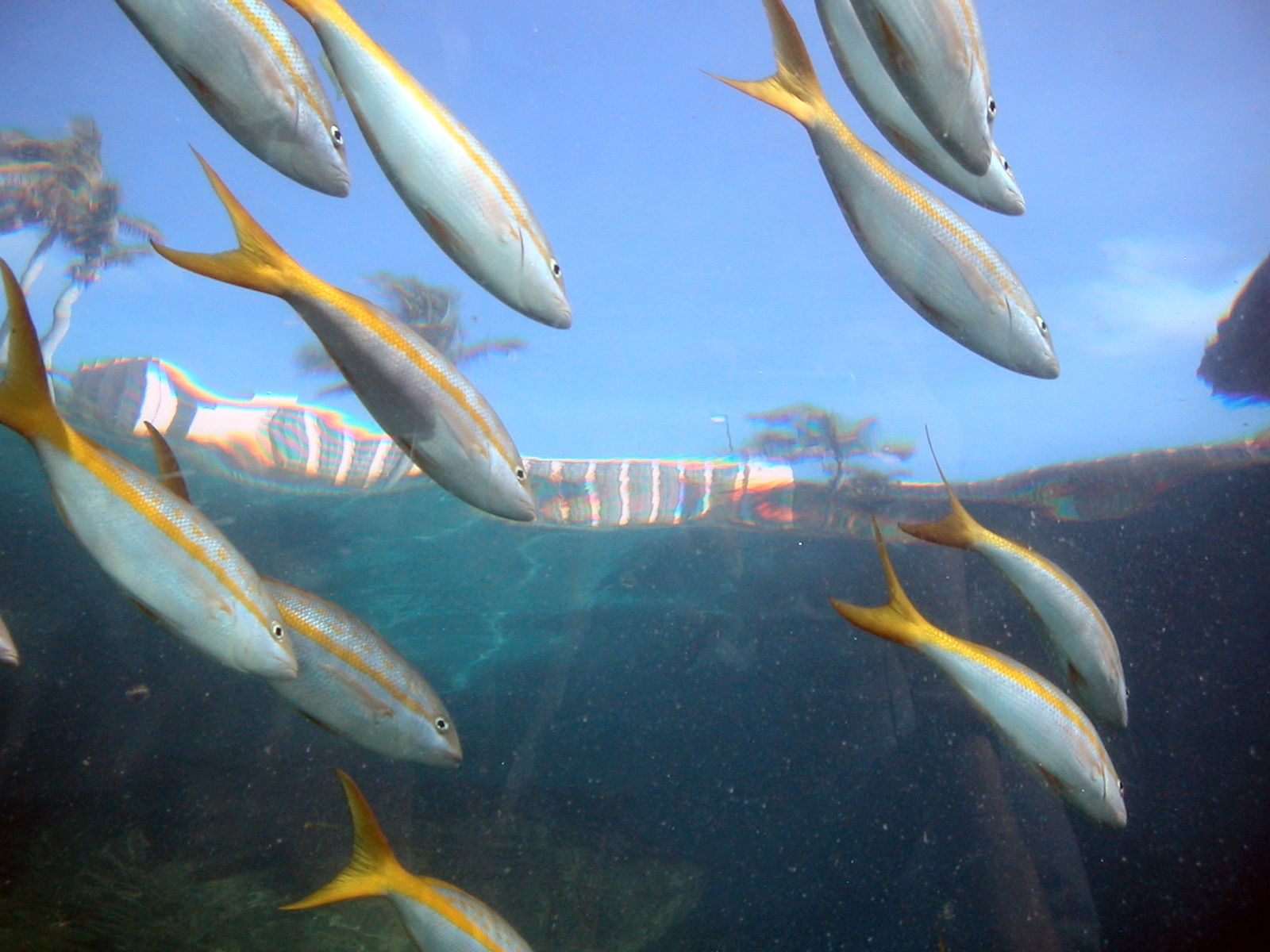

The yellowtail snapper is the light-tackle jewel of the reef, a gorgeous, silvery fish with an electric-yellow stripe and a bright forked tail, prized as one of the best-eating snappers in the sea and beloved for the finesse game required to fool it. Unlike bottom snappers that you winch off structure, yellowtail are caught by a beautiful and unique method: you anchor up-current of the reef, put out a chum slick, and let the fish rise up and drift back in the current behind the boat, then send small baits on light, nearly invisible leaders back into the slick to the feeding fish. Wary, sharp-eyed, and gathered in numbers, yellowtail reward light line, a good chum line, and a deft touch. This guide covers what yellowtail are, where and when to find them, and every core technique, with step-by-step instruction, to fill a cooler with these delicious reef snappers.
Ready to work a chum line for flags? This is a technique-driven, finesse fishery where a little know-how truly pays off in a big way, get your chum, your leaders, and your anchor position dialed in, and the yellowtail come to you. They share the reef with other prized snappers, see our guide on how to catch red snapper.
Meet the Yellowtail Snapper
The yellowtail snapper (Ocyurus chrysurus) is unmistakable and beautiful: a slender, streamlined body that's silvery-blue above and lighter below, scattered with yellow spots, and marked by a prominent bright-yellow stripe that runs from the snout, through the eye, and along the side, widening into a deeply forked, brilliant yellow tail. That flag of a tail gives the fish its nickname, "flag" for a big one, and makes it one of the most recognizable fish on the reef.
Yellowtail are a modest-sized but hard-fighting snapper: most run 1 to 3 pounds, a solid "flag" is 3 to 5 pounds, and the biggest exceed 5 to 8 pounds (the record is around 11). They're found in the warm western Atlantic, famously the Florida Keys and South Florida, and throughout the Bahamas and Caribbean, living over reefs, hard bottom, and structure, often up in the water column rather than glued to the bottom. Yellowtail are prized as superb table fare, sweet, delicate, white fillets that many rank as the best-eating snapper of all, and as a fun, finesse light-tackle target, which together make them one of the most popular reef fish in their range.
The Yellowtail Game: Anchor, Chum, and Flat-Line
Understanding yellowtail means understanding the chum game, which is unlike most other snapper fishing. The classic, deadly method:
- Anchor up-current of the reef so your boat sits above productive bottom and the current carries your slick back over it.
- Deploy a chum bag (or block) to create a steady slick drifting behind the boat.
- Let the yellowtail rise and drift back, the chum draws fish up off the bottom and back in the current, often well behind the boat, where they feed in the slick.
- Flat-line small baits back, send a small, lightly weighted or unweighted bait drifting naturally back in the slick, matching the chum, to the feeding fish.
The magic is that yellowtail feed up in the water column and back in the current, away from the boat and the structure, which is why you present baits that drift naturally in the slick rather than dropping to the bottom. Get a good slick going, keep it steady, and drift your baits back to the fish. It's a finesse, current-driven game, and when it's working, you can catch yellowtail one after another.
Chumming Up Snapper on the ReefMaking and Managing the Chum
The chum is the engine of yellowtail fishing, and managing it well is the single biggest factor in your success. A steady, consistent slick, not too heavy, not too light, brings fish up and holds them feeding behind the boat. Many anglers use a frozen chum block in a chum bag hung off the transom, replenished as it melts, to keep a constant stream of small particles drifting back.
The keys are consistency and the right amount: a gap in the chum lets the fish lose interest and drop back down, while too much can fill them up or scatter them. Match your baits to the size and drift of the chum particles so your hook bait looks like just another piece of chum coming down the line. A well-managed chum slick that keeps yellowtail up and feeding, steadily, is what separates a great day from a slow one. Learn to make and manage your chum, and you're most of the way there.
How to Make Your Own Chum for Yellowtail SnapperSand Balls: Getting Chum and Bait Deep
When yellowtail are holding deeper or farther back, or when current and depth make it hard to get your slick and bait down to them, the classic Keys trick is the sand ball. You mix chum with sand (and often oats) into a ball, sometimes packing your baited hook inside it, and drop it over, the ball sinks and then breaks apart at depth, delivering a burst of chum (and your bait) right into the strike zone down and back where the fish are.
Sand balls (and oatmeal-and-chum mixes) let you concentrate the chum at depth rather than having it all drift away at the surface, which is deadly when the fish won't come all the way up or when you're fishing deeper reef. Pack the ball to break apart at the right depth, tuck your bait in or send it down right behind, and you deliver bait and attractant together to the fish. It's a signature yellowtail technique and a great tool when the surface slick alone isn't reaching them.
Using Oats and Sand Balls for Keys YellowtailLight Rigs and Leaders
Yellowtail are wary and sharp-eyed, so light, low-visibility tackle is essential, it's the difference between constant bites and none. The standard is a light fluorocarbon leader (as light as you can get away with) and a small, sharp hook, often fished with just a small split shot or no weight at all so the bait drifts naturally in the slick. In clear reef water with cautious fish, going lighter on your leader frequently turns a dead bite into a hot one.
The rig is simple by design: light main line or a light fluoro leader, a small hook matched to the bait, and only enough weight (if any) to get the bait drifting back at the right depth. Because yellowtail feed back in the current away from the boat, a long, light, natural drift is what fools them, heavy leaders and weights spook these fish. Match your leader and weight to the conditions, go as light as you dare, and you'll get far more bites.
Yellowtail Snapper Rigs and LeadersBest Baits for Yellowtail
Yellowtail eat a variety of small baits, and the best ones match the chum and drift naturally. Top producers include:
- Cut bait, small strips or chunks of ballyhoo, bonito, squid, or other fish, sized to match the chum.
- Small whole baits, glass minnows, silversides, and small pieces that look like the chum coming down.
- Live shrimp and small live baits, deadly, especially for bigger flags.
The key is a small, fresh bait that drifts back in the slick looking like a natural piece of chum, on a light leader and small hook. Match the size of your bait to the chum particles, keep it fresh, and let it drift naturally with the current, a bait that behaves differently from the chum gets ignored by these cautious fish. Fresh, well-matched, naturally drifting bait is the heart of getting yellowtail to eat.
How to Catch Yellowtail Snapper: Baits and TacticsNight Fishing for Flags
Some of the biggest yellowtail, the trophy "flags", are caught at night, when the larger, warier fish feed more boldly and come up in the chum. Anchored over the reef or a wreck after dark, you fish the same chum-and-flat-line game, often with the added draw of lights, and the bigger yellowtail that were cautious by day move up to feed. Night can also be more comfortable and less crowded, with a different, often better class of fish.
The approach mirrors daytime yellowtailing, a steady chum slick, light leaders, and small baits drifted back, but leans on the fish's bolder after-dark feeding. Fishing the reef edge and wrecks at night, with a good slick and light tackle, is a proven way to tangle with the biggest flags. Just stay organized and safe working in the dark, and be ready for a stronger fight from a bigger fish.
Night Fishing for Yellowtail SnapperTackle and the Fight
Yellowtail fishing is a light-tackle finesse game. A typical setup is a light-to-medium spinning outfit with a smooth drag, light main line, and a light fluorocarbon leader, enough to handle a hard-pulling snapper but light enough to fool wary fish and let baits drift naturally. Because you're often fishing a long way back in the slick, a smooth drag and a rod with a sensitive tip help you feel the take and set on these quick-biting fish.
For their size, yellowtail fight hard, they make fast, strong runs and pull well above their weight on light gear, which is a big part of their appeal. When you hook one, keep steady pressure and enjoy the scrap, but be ready to turn a bigger flag before it reaches the structure. The light-tackle nature of the fight, combined with the finesse required to get bit, is exactly what makes yellowtail such a rewarding and addictive target. And unlike deep bottom snappers, yellowtail are usually caught in shallower reef water and rarely suffer serious barotrauma, so releasing the ones you don't keep is straightforward, another reason this beautiful, delicious, hard-fighting little snapper is such a favorite up and down its range.
Reading the Current and Conditions
Yellowtail fishing lives and dies by the current, because the current is what carries your chum slick and your baits back to the fish. A steady, moderate current is ideal, it strings the slick out over the reef and lets your baits drift naturally back to the feeding fish. When the current is dead-slack, the slick pools around the boat and the yellowtail won't line up behind you; when it's ripping too hard, it's tough to keep baits in the zone. Planning your trip around the tide and current, and positioning the boat so the slick drifts back over productive reef, is half the battle.
Water clarity and pressure matter too. In very clear water, yellowtail are even warier, so go lighter on your leader and let baits drift longer and more naturally. On heavily fished reefs, the fish get educated, which again rewards a lighter, stealthier approach. Watch how far back the fish are feeding and adjust, sometimes they're right behind the boat, sometimes way back in the slick, and put your baits where the fish actually are. Reading the current, the clarity, and where the fish have set up is what turns a good chum line into a full cooler.
Common Mistakes to Avoid
Yellowtail expose a few common errors. An inconsistent chum slick is the biggest, gaps in the chum let the fish drop back down and lose interest, so keep it steady. Leader too heavy spooks these sharp-eyed fish; go as light as you dare. A bait that doesn't drift like the chum, too much weight, or a bait behaving unnaturally, gets ignored; match the chum and let it drift free. Anchoring wrong (not up-current, so the slick doesn't carry over the reef) puts your whole spread out of position. And fishing too close to the boat when the fish are feeding way back in the slick leaves them uncaught. Fix these, steady chum, light leader, natural drift, right anchor position, and baits where the fish are, and your yellowtail numbers climb dramatically.
Put It All Together
Yellowtail snapper fishing is finesse reef fishing at its finest: anchor up-current, build and manage a steady chum slick, and drift small, fresh baits on light leaders back to the wary fish feeding in the current, reach deeper fish with sand balls, go as light as you dare on your leader, and fish the night for the biggest flags. It rewards a good chum line, a light touch, and natural presentation, and it pays off with a hard little fight and some of the best-eating fish on the reef. Dial in your slick, anchor up-current of productive reef, and go as light as you dare on your leader, and you'll be pulling flags one after another. And for the bigger bottom snapper that shares the same reefs, read our guide on how to catch red snapper next.