Fish
Fish Fire
Fire Hike
Hike Bird
Bird

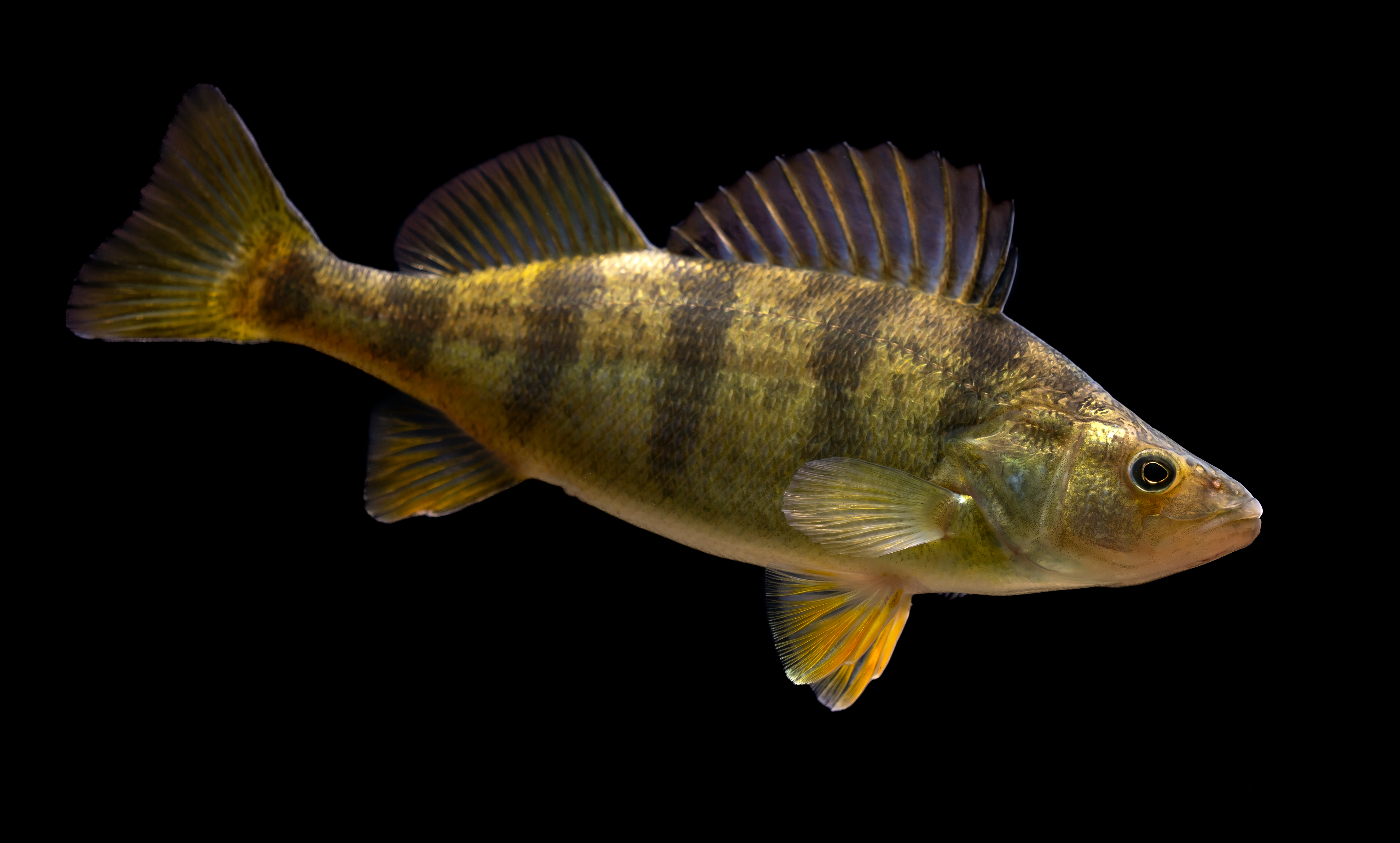

The yellow perch is one of freshwater's great little treasures, a handsome, golden, dark-barred fish that swims in big roaming schools, bites willingly, and, by very wide agreement, fries up into the single best-eating meal in fresh water. Perch are the smaller cousin of the walleye, and they share that clan's firm, sweet, white fillets; a bucket of "jumbo" perch is one of the most sought-after catches in the North. They're also a wonderful fish to catch: abundant, cooperative, a great target for kids and beginners, and a mainstay of ice fishing across the country. The trick to perch is that they travel in packs, so catching a mess of them is all about finding the school and staying on it. This guide covers how perch behave, where to find them, and every core technique, with step-by-step instruction, to fill a bucket.
Ready for fast panfish action and a fish fry? Perch are one of the most accessible fish going, you can catch them from shore, a dock, or the ice with simple tackle, and they bite willingly once you find them. Perch share the family (and often the lake) with their bigger cousin, see our guide on how to catch walleye.
The Golden Schooler
The yellow perch (Perca flavescens) is unmistakable: a golden-yellow to brassy body crossed by six to eight dark vertical bars, with orange-red lower fins, a mild spiny dorsal, and the sleek, torpedo shape of the perch family. It's a true perch, the same family as the walleye and sauger, and it behaves like a scaled-down version of its famous cousin, feeding on small baitfish, insects, larvae, and small crustaceans.
The defining trait of yellow perch is that they are intensely schooling fish, roaming open water and structure in large groups, usually sorted by size, so where you catch one small perch, you'll catch more small perch, and where you find a school of "jumbos," you can catch a pile of them. Most perch run 6 to 10 inches; a "jumbo" over about 11 inches (roughly three-quarters of a pound) is a prize, and the giants exceed 2 pounds. They're native across the northern U.S. and Canada, the Great Lakes are famous for them, and widely stocked elsewhere. And that eating quality is no exaggeration: many anglers rate yellow perch fillets even better than walleye, which is saying a lot.
Find the School: The Key to Perch
More than almost any other panfish, catching yellow perch is about finding and staying on the roaming schools. A spot can be dead one minute and on fire the next as a school moves through, so the perch angler's mantra is stay mobile. If you're catching fish, stay put and work them hard; if the bites stop, the school has moved, so move with it, or relocate to find another pod.
Perch relate to the bottom and to structure. Depending on the season and time of day, look for them along weed edges, over sand and gravel flats, on points and drop-offs, around structure, and in open-water basins. They often hold near or on the bottom and pull deeper as the day brightens and as the season progresses into summer and fall. On big water like the Great Lakes, schools of jumbos roam open flats in 20 to 50+ feet. A depth finder is a big help for locating schools and bait, but a systematic search, moving until you contact fish, works anywhere.
The Perch Year
Perch are catchable year-round, and each season has a pattern:
- Spring: Perch move shallow to spawn (laying distinctive gelatinous egg strands over vegetation and wood) in the shallows early, then feed heavily in the warming shallow flats and weed edges, good, accessible fishing.
- Summer: Schools slide to deeper weed edges, structure, and flats, feeding actively; early and late in the day are best in the heat.
- Fall: Perch school up heavily and feed aggressively to fatten for winter, often in predictable deeper spots, a prime season for numbers of jumbos.
- Winter: Perch are one of the very best ice-fishing targets, staying active all winter over flats and basins, for many anglers, hardwater is peak perch season.
The Techniques That Catch Yellow Perch
Perch eat small jigs, minnows, and bait fished near the bottom. Here are the core methods, how to fish each, and when to use it.
Jig and Minnow, the perch standard
A small jig tipped with a minnow is the bread-and-butter perch presentation, effective in every season.
How to fish it: Tie on a 1/16- to 1/8-ounce jig and tip it with a small live minnow (an emerald shiner or fathead, the Great Lakes perch bait) hooked through the lips, or a soft-plastic grub or a piece of worm. Drop it to the bottom, then lift it a few inches and hold it there with tiny jiggles, or hop it slowly along bottom. Perch feed down and pick a bait off or just above the bottom, so keep it low. When you feel the light tap, set gently and reel up, and drop right back down, because the rest of the school is there.
How to Catch Perch with Live MinnowsThe Perch Rig, two baits on the bottom
A perch rig (spreader or crappie-style bottom rig) presents two minnows near the bottom at once, doubling your chances and helping you dial in the school, a Great Lakes classic.
How to fish it: Use a perch spreader or a two-hook bottom rig (two dropper hooks above a bottom sinker), bait both hooks with minnows (or worms), and lower it straight down to the bottom over a school. Keep it near bottom with a tight line and lift-drop it occasionally. The two baits let perch tell you what they want and often produce doubles. It's the go-to for anglers still-fishing over schools on the Great Lakes and big natural lakes.
How to Fish the Perch RigJigging Spoons and Blade Baits, flash and speed
A small jigging spoon or blade bait flashes like a fleeing minnow, calls perch in from a distance, and lets you catch them fast once you've found the school.
How to fish it: Drop a small jigging spoon (a Kastmaster, Swedish Pimple, or PK Spoon) or a blade bait to the bottom, then lift it sharply a foot or two and let it flutter back down on a controlled line, most strikes come on the fall. Tip the spoon's hook with a minnow head or a spike for extra draw. The aggressive action pulls active perch off the bottom and triggers reaction bites, and it's especially deadly through the ice and when a school is fired up.
Jigging Spoons for PerchDrop Shot and Small Plastics, finesse for pressured fish
A drop shot with a small soft plastic keeps a bait hovering just off the bottom and excels on finicky, pressured perch, especially bigger jumbos.
How to fish it: Tie a small hook 6 to 12 inches above a drop-shot weight, and nose-hook a small finesse worm, minnow-style plastic, or grub. Drop it to the bottom, keep a tight line, and gently shake it in place so the bait quivers just above the fish. It's a precise, low-and-slow presentation that catches wary perch when a faster bait won't get bit, and it lets you fish a specific depth over a located school.
How to Fish a Drop Shot for PanfishSlip Bobber with a Minnow, suspend it over the school
When perch are holding at a set depth or over specific structure, a slip bobber suspends a minnow right in their zone and shows every bite.
How to fish it: Rig a slip float with a bobber stop set to the fish's depth, a small hook or jig, and a live minnow (or worm). Cast over the school or structure, let the rig settle to depth, and watch the float, perch takes send it under. It's a relaxed, effective way to fish a known school, keep bait at the exact productive depth, and it's perfect for anglers fishing from a dock, a pier, or an anchored boat.
Rigging Minnows for PerchIce Fishing, perch heaven
Yellow perch are one of the premier ice-fishing species, active and catchable all winter, for many, hardwater is the best perch fishing of the year.
How to fish it: Over weed flats, sand/gravel flats, and basins, drop a small jigging spoon or tungsten jig tipped with a minnow head, a waxworm, or a spike, and jig it with sharp lifts and pauses to call fish in, then feed them the bait as they rise on your flasher. Stay mobile, drill lots of holes and keep moving until you find the roaming school, then work it. A minnow on a deadstick in a nearby hole picks off followers. Winter perch often bite best midday.
Ice Fishing for Yellow PerchTrolling and Casting Small Cranks, cover water for jumbos
To locate scattered schools of perch across a big flat, trolling or casting small crankbaits covers water efficiently and often weeds out the bigger fish.
How to fish it: Troll or cast small crankbaits or minnow baits (and small spinner/harness rigs) along flats, weed edges, and drop-offs, working them near the bottom where perch feed. Trolling lets you cover a lot of water to find the schools; once you contact fish, you can stop and work them with jigs or a perch rig. It's an efficient search tactic on large lakes where jumbo perch roam widely.
Effective Yellow Perch TechniquesChasing Jumbo Perch
Catching small "cigar" perch is easy; consistently catching jumbos takes a more deliberate approach, because the biggest perch behave a little differently from the crowds of small ones. A few keys separate a bucket of dinks from a bucket of slabs.
First, fish where jumbos live. Big perch relate to good forage and a bit more depth and structure, deeper weed edges, sharper drop-offs, offshore flats and rock, and open-water basins, and they often hold slightly apart from the masses of small fish. On famous jumbo waters like Lake Erie and the Great Lakes, schools of big perch roam open flats in 20 to 50 feet.
Second, use bait and lures that appeal to bigger fish, a larger, livelier minnow (an emerald shiner over a fathead), a slightly bigger jig or a jigging spoon with a minnow head, or a soft plastic that a small perch can't easily inhale. When you start catching only small perch, don't be afraid to move: jumbos frequently school separately, and finding that pod of big fish is the whole ballgame.
Third, keep hunting. The single biggest jumbo-perch skill is mobility, willingness to pick up and relocate, drill more holes in winter, or reposition the boat until you contact the size class you want. Small perch are everywhere; slabs take a bit of searching, and the reward is a bucket of the best-eating fillets in fresh water.
Gear for Yellow Perch
Perch fishing is light, sensitive, and simple:
- Ultralight/light spinning combo: A 6- to 7-foot light or ultralight spinning rod with a fast, sensitive tip and a 1000–2000-size reel is ideal for jigs, drop shots, and bobber fishing, sensitivity matters because perch bites are light.
- Ice setup: A short, sensitive ice rod with a spring bobber for winter jigging.
- Line: 4- to 6-lb monofilament or fluorocarbon, or light braid with a fluoro leader for extra sensitivity.
- Terminal tackle and lures: Small jigheads and soft plastics, small jigging spoons and blade baits, perch spreader rigs, drop-shot hooks and weights, slip floats, and small hooks, plus live minnows (emerald shiners), worms, and waxworms, cover every technique above.
The Best Fish Fry in Freshwater
Let's be honest about the biggest reason perch are so beloved: they may be the finest-eating fish in fresh water, with sweet, firm, snow-white fillets that many anglers prize even above walleye. Perch are abundant and, in most waters, meant to be harvested, a bucket of jumbos is the goal of many a perch trip. Know your lake's limits (some Great Lakes waters have specific perch regulations), keep a mess of good-sized fish, and enjoy one of the great traditions in fishing: a fresh perch fry. Because perch are prolific, keeping your legal limit of eating-sized fish is usually good for the fishery, too.
Put It All Together and Fill a Bucket
Because perch roam in schools that shift by the season and the hour, filling a bucket comes down to knowing the flats, structure, and seasonal patterns of your water, and staying mobile enough to keep up with the fish. Learn a lake's weed edges, drop-offs, offshore flats, and basins, run your electronics to find the schools and the bait they're chasing, and don't hesitate to pick up and move the moment the bites stop. It's a fantastic, high-catch style of fishing for kids and beginners, and one of the most reliable ways to learn a new lake's structure. Pull up your water in Guidepole to scout access points, boat launches, and the flats and drop-offs where the schools roam, and check the latest conditions before you head out.