Fish
Fish Fire
Fire Hike
Hike Bird
Bird

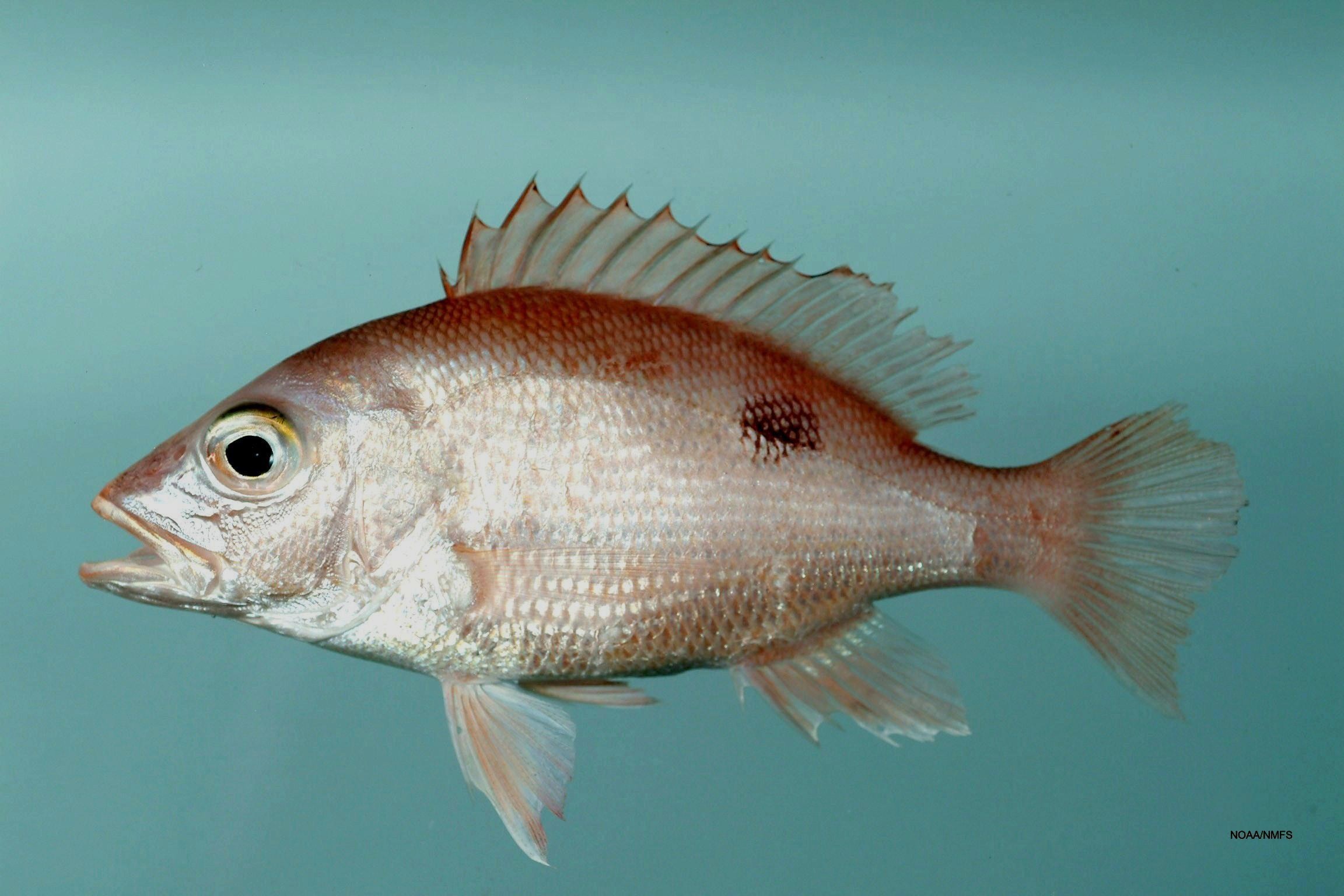

The red snapper is the crown jewel of Gulf and South Atlantic bottom fishing, a brilliant crimson, hard-pulling reef bruiser that fights like a bulldog, tastes as good as any fish in the sea, and inspires such devotion that its short, tightly regulated seasons are marked on calendars across the coast. Red snapper stack up in impressive numbers on reefs, wrecks, rigs, and hard bottom, where they crush baits and jigs and then bury for the structure the instant they feel the hook. Catching them is a game of finding the right structure, getting a good bait or jig down to it, and winning the immediate tug-of-war to pull a strong fish up and away from the reef. This guide covers what red snapper are, where and when to find them, and every core technique, with step-by-step instruction, to fill a limit of these iconic reef fish.
Red snapper share the reefs, wrecks, and rigs with other hard-pulling bottom fish, so once you've got them dialed in, see our guide on how to catch red grouper, a reef bruiser that holds on the very same structure.
Meet the Red Snapper
The red snapper (Lutjanus campechanus) is unmistakable: a deep, robust body of brilliant brick-to-rosy red, fading to a lighter belly, with a red iris (the classic "red eye"), a sloping forehead, sharp canine teeth, and the pointed anal fin of a true snapper. Adults are a solid, powerful reef fish built to hold on structure and pull hard. Their striking color, red eye, and body shape make them one of the most recognizable, and coveted, fish on the coast.
Red snapper are a hard-fighting, good-sized reef fish: most keepers run 3 to 10 pounds, solid fish push into the teens and twenties, and true "sow" snapper exceed 20 to 30 pounds (the record is over 50). They're found in the Gulf of Mexico and the South Atlantic (from the southeastern US through the western Atlantic), living on reefs, wrecks, oil rigs, ledges, and hard bottom, usually in 60 to 300+ feet of water. Red snapper are among the most prized eating fish anywhere, sweet, firm, white fillets, and they are also one of the most tightly managed, with short seasons, size limits, and bag limits that change frequently and vary by region and by federal/state waters. Always know and follow the current regulations before you keep one.
Where to Find Red Snapper: Structure Is Everything
Like all reef fish, red snapper are structure-oriented, and finding the structure is the whole battle. They stack up on:
- Artificial reefs, wrecks, and oil rigs, sunken ships, reef modules, rubble piles, and platforms hold huge concentrations of snapper and are prime targets.
- Natural hard bottom, ledges, and rock, any change from featureless sand to hard, structured bottom concentrates fish.
- Depth, red snapper are typically found in 60 to 300+ feet; bigger fish often hold on deeper, less-pressured structure.
The single most important skill is finding and staying on the structure. Red snapper relate so tightly to hard bottom that you must put your bait right on it, a spot 100 feet off the reef may be barren while the reef itself is stacked. Use your sounder and GPS to find and hold on the structure, marking fish and relief before you drop. Because the best public spots get heavy pressure, finding your own lesser-known structure, or fishing deeper, harder-to-reach bottom, often means bigger, more willing fish. Find the structure, mark the fish, and drop on them.
Where, When, and How to Catch Red SnapperBottom Rigs: Knocker and Carolina
The workhorse red snapper setups are simple bottom rigs built to get a bait down to the structure. The two staples are:
- The knocker rig, an egg sinker that slides right down to the hook, keeping the bait tight to the bottom and letting you feel every bite; great for fishing in and around structure and for pulling fish up fast before they rock you up.
- The Carolina rig, a sliding egg sinker above a swivel and a leader to the hook, presenting the bait a bit off the bottom on a leader; a versatile, effective all-around snapper rig.
Both use a stout hook (often a circle hook, required in many reef fisheries) and enough weight to hold the bottom straight down in the current. The key is to get the bait to the structure and be ready to pull hard the instant a snapper eats, red snapper dive straight back into the reef, so you crank their head up and away immediately. Match your rig and weight to the depth and current, and keep it right on the fish-holding bottom.
How to Make a Knocker Rig for SnapperBest Baits for Red Snapper
Red snapper are aggressive, opportunistic feeders that eat a wide range of baits, which is part of what makes them so much fun. Top producers include:
- Live bait, live cigar minnows, pinfish, croakers, and other small baitfish are deadly, especially for bigger snapper.
- Cut bait, fresh chunks or strips of bonito, squid, sardines, cigar minnows, and other fish are cheap, tough, and effective.
- Whole dead baits, a whole cigar minnow or sardine is a classic snapper offering.
Fresh is best, snapper strongly prefer fresh, natural bait, and a lively live bait or a fresh cut chunk out-fishes old, washed-out bait every time. Bigger baits tend to weed out small fish and tempt the bigger sows. Match your bait to what's available and what the fish want on a given day, keep it fresh, and present it right on the structure. A good bait, well presented on the bottom, is the foundation of red snapper fishing.
The Best Bait for Red SnapperVertical Jigging
While bait accounts for most red snapper, vertical jigging is increasingly popular, it's active, effective, often selective for bigger fish, and a blast. Speed jigs and slow-pitch jigs dropped to the structure and worked back with rips or fluttering lifts imitate a fleeing or dying baitfish, and red snapper smash them. Jigging shines for covering structure actively, targeting the bigger, more aggressive fish, and catching snapper without needing bait.
The technique is to drop to the structure, then work the jig near the bottom with lifts and drops, staying in the strike zone where the fish hold. Match jig weight to the depth and current so you get down and stay vertical, and use a balanced jigging outfit with braid for feel and hooksets. On pressured spots, a jig worked well can trigger fish that have seen every bait, and slow-pitch jigging in particular has become a deadly way to pick big red snapper off structure.
Slow-Pitch Jigging for Red SnapperChumming Them Up
One of the most exciting red snapper tactics is to chum them up off the bottom. By putting out a chum of cut bait (or dropping a chum bag or weighted chum), you can draw red snapper up off the structure and get them feeding higher in the water column, sometimes right up near the surface in a frenzy. Once they're up and fired up, you can catch them on lighter tackle, on freelined baits, or even on the fly, and the visual, competitive bite is a thrill.
The keys are a steady stream of chum to bring the fish up and hold them, and then presenting a bait naturally into the feeding school. Chumming works especially well over a spot you know is stacked with snapper, turning a deep bottom bite into a shallow, visual, light-tackle frenzy. It's a fun change of pace from grinding on the bottom and can produce fast, wide-open action when the fish come up.
How to Chum Up Red SnapperResponsible Release: Beating Barotrauma
Because red snapper are so tightly regulated and are often caught in deep water, responsible release is essential, and, in many fisheries, legally required gear must be on board. Fish brought up from depth suffer barotrauma (the expansion of gases as pressure drops), which can leave them bloated, with a distended stomach or bulging eyes, and unable to swim back down. A fish left floating at the surface won't survive.
The solution is a descending device, a weighted tool that carries the fish back down to depth and releases it, letting it recompress and swim off healthy, or proper venting with a tool designed for it. Keep a descending device (and/or venting tool) rigged and ready, handle released fish quickly and gently, and send them back down. Given the short seasons and the number of fish released, using these tools is one of the most important things you can do for the fishery, and, again, know your local regulations, which increasingly mandate this gear.
Releasing Reef Fish and Beating BarotraumaTackle and the Fight
Red snapper fishing calls for stout tackle, because you're often fishing deep and fighting a strong fish that wants to bury in structure. A typical setup is a medium-heavy to heavy conventional outfit with a powerful drag, braided line (for feel and no stretch at depth), and a stout fluorocarbon leader. You need enough backbone and drag to turn a snapper's head and pull it up and away from the reef immediately, hesitate, and a good fish will rock you up and cut you off.
The fight itself is a hard, dogged pull: red snapper don't jump or run far, but they pull straight down with surprising power and try to reach the structure. The moment you hook up, lift hard and crank steadily to get the fish's head coming up and clear of the reef, then keep steady pressure to the surface. Set your drag firm, use quality gear, and be ready to react instantly on the bite. It's a satisfying, muscular fight, and the reward at the surface is one of the most beautiful and delicious fish in the ocean.
Seasons, Timing, and Conditions
More than almost any other fish, red snapper fishing is governed by regulations and timing. Because harvest seasons are short and specific, the first rule is to know exactly when you can keep fish in your waters, the open windows, the size limit, and the bag limit for both federal and state zones, all of which change year to year. Plan your keeper trips around the open season, and use descending devices to release fish caught outside it. During closed seasons, snapper are often still catchable for catch-and-release, which is great practice for finding structure and dialing in your technique.
On the water, red snapper feed well through the day, but moving water (a running tide or current) generally turns the bite on, while dead-slack water can make it tough. Being able to hold your bait on the structure in the current is key, enough weight to stay down and straight. Calm-to-moderate conditions make it far easier to anchor or spot-lock precisely over a spot and to fish comfortably in the deeper water where bigger snapper live. Fish the moving water, stay locked on the structure, and you'll maximize your shots.
Common Mistakes to Avoid
Red snapper punish a few common errors. Not being on the structure is the biggest, snapper hold tight to hard bottom, so if you're not marking fish and relief, you're in the wrong spot. Too little weight lets your rig drift off the structure and out of the zone. A slow or weak hookset and light drag let a snapper reach the reef and cut you off; pull hard and immediately the instant they bite. Old, washed-out bait draws far fewer bites than fresh; keep it fresh and lively. Ignoring the regulations can end your day given how strictly snapper are enforced. And failing to release fish properly with a descending device wastes fish and hurts the fishery. Fix these, find structure, weight right, pull hard, fish fresh bait, follow the rules, and release right, and your snapper success soars.
Put It All Together
Red snapper fishing is bottom fishing at its most rewarding: find and hold on the reefs, wrecks, and hard bottom; drop a good bait on a knocker or Carolina rig, or work a jig, right on the structure; pull hard the instant they bite to keep them out of the reef; chum them up for a wild light-tackle frenzy when you can; and release your extras with a descending device to keep the fishery strong. Mind the short seasons and strict limits, put in the work to find good structure, and you'll be rewarded with a hard fight and the best-eating fish on the coast. Keep learning your local reefs and staying current on the seasons, and the bottom will keep paying you back. And for another reef bruiser that shares the same bottom, read our guide on how to catch red grouper next.