Fish
Fish Fire
Fire Hike
Hike Bird
Bird

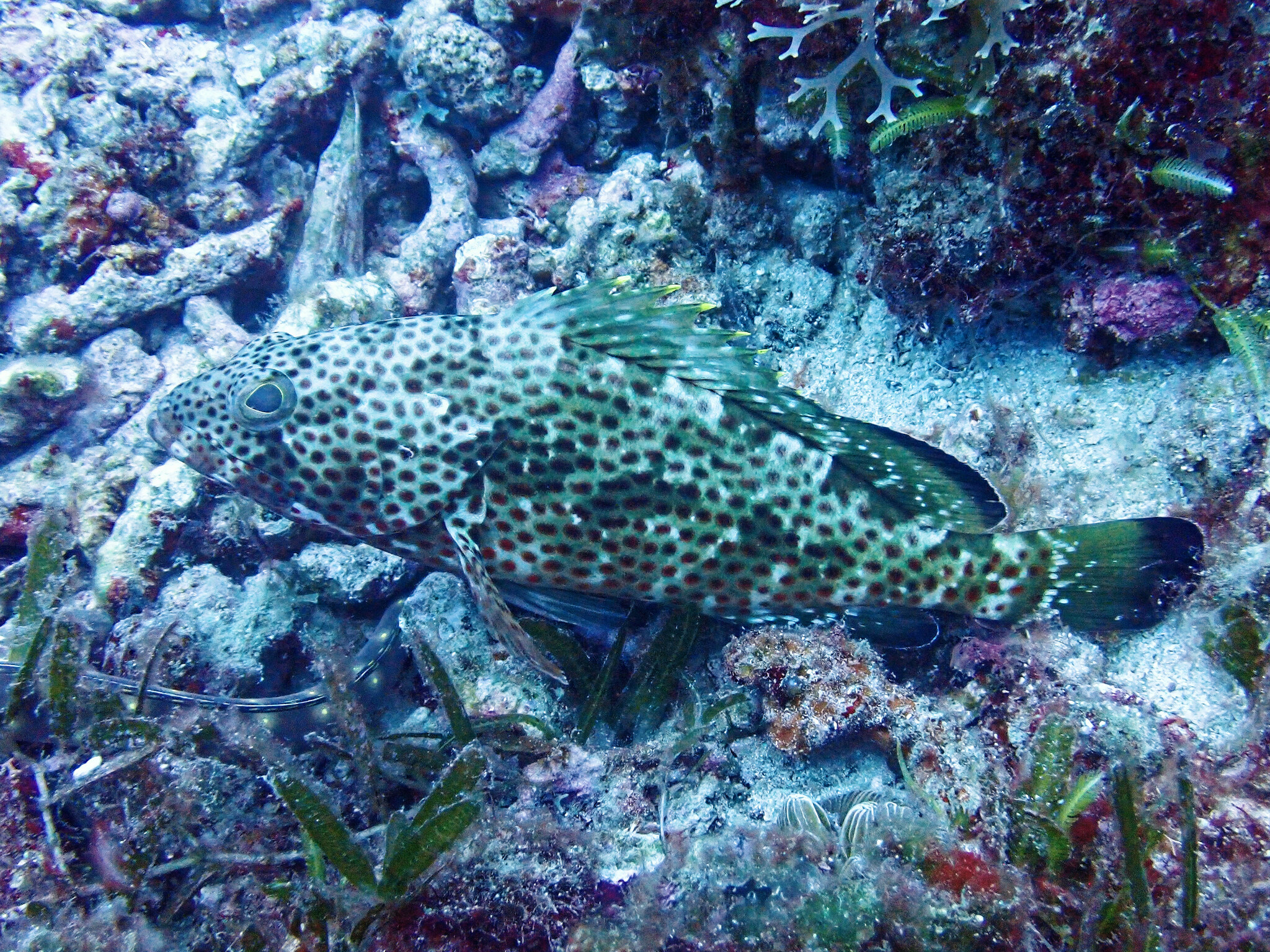

Across the reefs of the Caribbean, the Bahamas, and the tropical western Atlantic, few fish are as commonly caught, or as prized on the plate, as the red hind. This small, handsome member of the grouper family is a mainstay of reef fishing throughout the region, a willing biter that hammers cut bait and jigs dropped to the structure it calls home. For the visiting angler chartering a reef trip or the local dropping a handline off a favorite ledge, the red hind is dependable, fun, and delicious, and learning to catch it is a fast track into the whole world of Caribbean reef fishing.
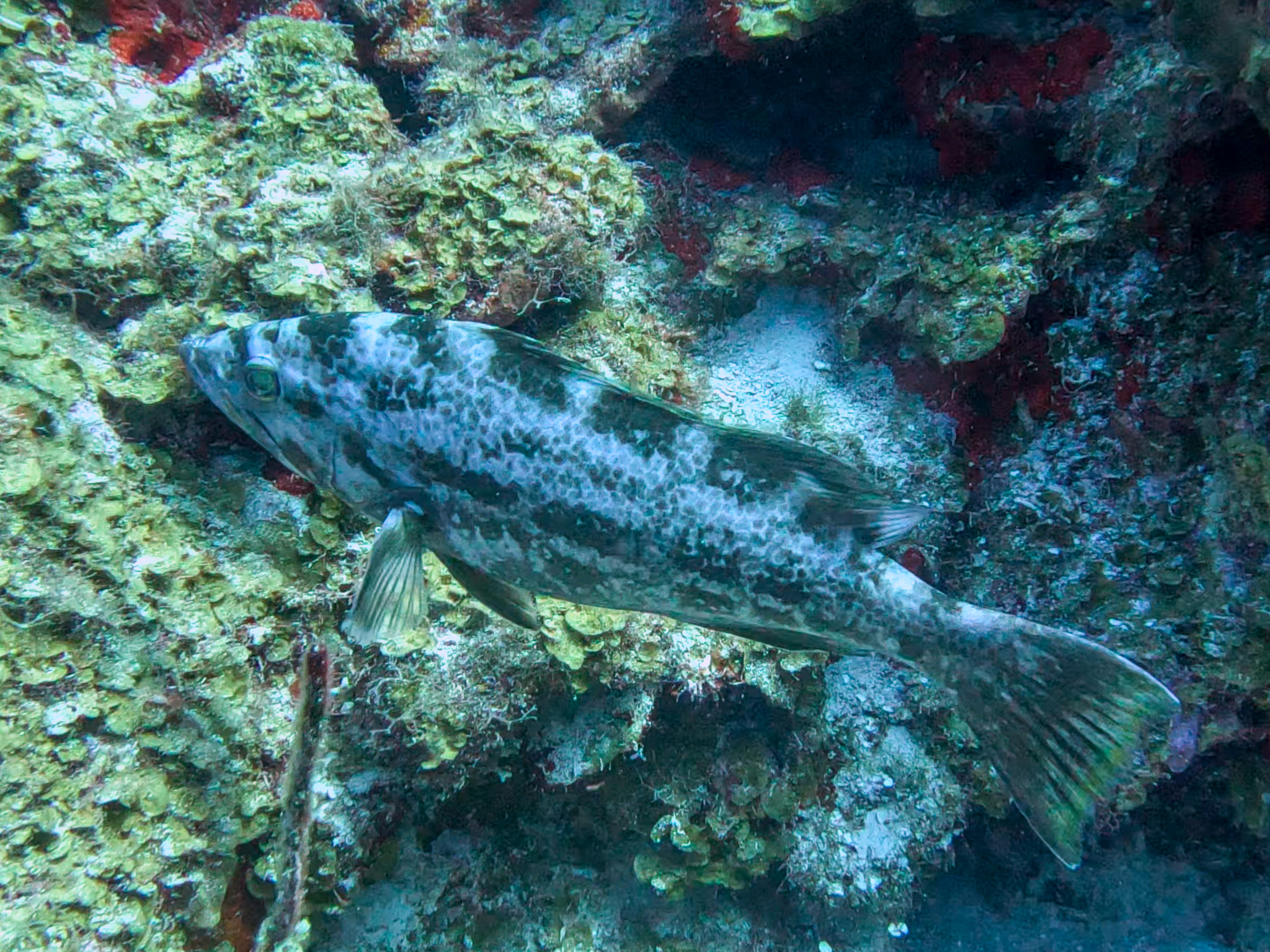
The red hind (Epinephelus guttatus) is instantly recognizable: a pale, greenish-white body densely covered in reddish-brown spots, with dark blotches and dark-margined fins. Like all groupers it has a big mouth and a bucket-shaped body built to inhale prey, and it uses the reef for both ambush and shelter. Most run one to three pounds, with good fish reaching four or five pounds and occasionally larger, modest by grouper standards, but hard-pulling on appropriate tackle and a genuine prize for the table. Understanding that it is a structure-loving, ambush-feeding reef fish is the key to catching it consistently.
This guide covers the red hind playbook: reef bottom-fishing tactics, the knocker rig and terminal tackle, the best baits, jigging structure, identifying your catch, and cleaning it, plus the important conservation rules that protect this species. Learn the structure a hind holds on, put a fresh bait or a squid-tipped jig right on the edge of it, and set hard to turn a hooked fish away from its hole, and you will be catching them fast.
Understanding red hind: behavior and habitat
A little understanding of how red hind live makes them far easier to catch. They are resident reef fish, at home over coral reefs, rocky bottom, and hard structure from shallow patch reefs down to deeper ledges and drop-offs. Rather than roaming open water, a hind establishes itself around a piece of structure, a coral head, a ledge, a rocky outcrop, and hunts from it, darting out to grab passing prey and retreating to shelter. That homebody, ambush-from-structure lifestyle is why you catch them by putting bait or lures right on the reef, and why turning a hooked fish quickly matters so much.
They are opportunistic predators with a big grouper mouth, feeding heavily on crabs and other crustaceans, along with small fish and octopus. They hunt more actively in low light and feed on a moving tide that sweeps prey past their structure, so the productive stages of the tide and the low-light hours around dawn and dusk often bring the best bite. Understanding that they are scent-driven, structure-bound ambush feeders tells you both where to fish and how to present your bait.
Red hind are also protogynous hermaphrodites, they begin life as females and some later become males, and they gather in large spawning aggregations at specific reefs and times of year. This biology is central to how they are managed, because those predictable aggregations are extremely vulnerable to overfishing, which is why the conservation rules discussed below exist and matter so much.
Reef bottom fishing: the core approach
Red hind are caught by fishing bait or lures on or near the bottom over reef structure. The classic approach is simple and deadly: drop a baited rig down to a coral ledge, patch reef, rockpile, or hard-bottom edge, and let a hungry hind find it. Because these fish live in and around structure and dart back into it when hooked, the challenge is getting them to commit and then turning them away from the reef before they break you off.
Use a rod with enough backbone to pull a hind out of the coral, a medium to medium-heavy conventional or spinning outfit with 30- to 50-pound line does the job in most reef depths. Drop your bait to the bottom, keep a relatively tight line, and when you feel the sharp knock of a taking hind, set and lift firmly to get the fish's head coming up and away from the structure. Hesitate, and a hooked hind will reach its hole and cut you off on the coral.
Reef bottom fishing for grouperPosition matters: anchor or drift so your bait works over the productive edge of the structure, and be ready to move to fresh reef if the bite is slow. A chum slick over the reef can draw hinds and other reef fish up and fire up the bite, concentrating fish where you can reach them.
Reef fishing rewards a methodical approach. Work a piece of structure thoroughly before moving on, but do not flog a dead spot, if a good reef produces nothing in a reasonable time, the hinds may be off the bite or the fish may have been picked off, so rotate to the next mark. Many successful reef anglers build a milk run of GPS-marked ledges, coral heads, and rockpiles and work through them, returning to the productive ones. Because hinds hold tight to structure, precision counts: dropping your bait right onto the edge of the reef, rather than out over open sand, is often the difference between a fish and a blank drop, so watch your sounder and place your baits with care.
The knocker rig and terminal tackle
For reef fishing where you need your bait right on the bottom near structure, the knocker rig is a favorite. In a knocker rig, the sinker slides right down to the hook (or sits just above it), so your bait stays pinned near the bottom and you feel the bite instantly, and because the weight is at the hook, you can drop into tight structure and pull straight up when a fish bites, reducing snags. It is a simple, effective rig that shines for red hind and other reef bottom fish.
Rig it with a strong hook, a circle hook in the 3/0 to 6/0 range is ideal, hooking fish in the corner of the jaw and helping you turn them quickly. Use a short length of heavy fluorocarbon leader (40–80 pound) to resist the abrasion of coral and the hind's raspy mouth, and an egg sinker heavy enough to hold bottom in the current. When a hind bites, come tight and lift steadily rather than swinging, with a circle hook, the fish hooks itself as you apply pressure.
How to use a knocker rig for reef grouper and snapperThe knocker rig's simplicity is its strength: fewer components to snag, instant bite detection, and the direct pull you need to extract a fish from the reef. Carry plenty of pre-tied rigs, because reef fishing eats terminal tackle.
Best baits for red hind
Red hind are not picky, they are ambush predators that eat crabs, shrimp, small fish, and octopus, so a wide range of baits works. Cut bait is the everyday standard: a chunk of fresh fish (ballyhoo, sardine, or whatever is local), squid, or a piece of conch or crab dropped to the reef reliably draws a hind. Squid in particular stays on the hook well and puts out scent, making it a go-to across the Caribbean.
For bigger hinds, live bait is hard to beat. A live pilchard, pinfish, or small grunt dropped to the structure often tempts the largest fish, which prefer a substantial, lively meal. Whatever bait you choose, present it near the bottom on the reef edge where hinds hunt, and keep it fresh, like most groupers, hinds respond strongly to scent, so a fresh, oily bait out-fishes a stale one.
Using squid and cut bait for reef grouperMatch your bait size to the fish you want: a smaller bait catches more numbers of hinds and other reef fish, while a bigger bait weeds out the small ones and tempts a better grouper. When the reef is loaded with small fish picking your bait, upsizing often gets you to the hinds worth keeping.
Presentation on the reef comes down to keeping the bait fresh, near the bottom, and firmly on the hook. Secure your cut bait or squid so it survives the drop and the picking of small reef fish, and leave the hook point exposed for a clean set. Refresh a picked-over bait promptly, a hind hunting by scent is far more likely to commit to a fresh, oily offering than a washed-out scrap. And do not be afraid to experiment: if squid is being stolen without a hookup, switch to a tougher chunk of cut fish or a live bait that a hind must eat whole, which often converts nibbles into solid takes.
Jigging and lures over structure
While bait accounts for most red hind, jigging is an effective and active alternative, especially where you want to cover water and target fish holding tight to structure. A bucktail jig or a metal/flutter jig tipped with a strip of squid, dropped to the reef and worked with short hops near the bottom, draws reaction strikes from hinds and plenty of other reef species. Jigging keeps you mobile and engaged and lets you fish a piece of structure thoroughly.
Match the jig weight to the depth and current so it reaches and holds near the bottom, and work it with a lift-and-drop that keeps it in the strike zone just above the reef. Most strikes come as the jig flutters down, so stay ready and keep enough tension to feel the take. As with bait, the instant a hind hits, lift firmly to turn it away from its hole before it reaches shelter.
Reef fishing for grouper in the CaribbeanJigging shines around isolated patch reefs and ledges where fish are concentrated, and it pairs well with a chum slick that draws fish up off the bottom. On the right structure, a jig can out-fish bait for numbers and for size. It also lets a single angler fish efficiently, dropping and working the jig on each new mark rather than waiting on a soaking bait, so you can cover more of a reef system in a day. Keep your drag set firm enough to turn a fish immediately, because a jigged hind hits and dives for cover in the same instant.
Identifying red hind and knowing the rules
Correctly identifying your catch matters on the reef, where several small groupers and hinds look similar and where regulations differ by species. The red hind's pale, greenish body densely covered in reddish-brown spots, combined with dark blotches along the back and dark margins on the rear fins, is distinctive. It is closely related to the rock hind and the coney and other small serranids, so learning the subtle differences in spotting and fin color helps you tell them apart.
Red hind identificationJust as important is knowing the rules, and red hind carry some especially important ones. Like many groupers, red hind gather in large spawning aggregations at predictable times and places, which historically made them extremely vulnerable to overfishing. As a result, many jurisdictions protect these aggregations with seasonal closures and area closures, along with size and bag limits. Know and follow the current local regulations, avoid fishing the protected spawning aggregations, and keep only what you will eat. Responsible fishing is what keeps red hind abundant on the reefs.
Cleaning and eating red hind
Red hind, like all groupers, are outstanding eating, firm, white, mild, and sweet, one of the most sought-after fish on any Caribbean reef. Their flesh holds together well and takes to any preparation, from frying and grilling to the classic whole-fish and stew treatments beloved across the West Indies. As with all reef fish, bleed and ice your catch promptly to keep the fillets firm and fresh in the tropical heat.
Cleaning a hind is straightforward: fillet along the backbone and over the ribs, then skin the fillet, or scale and gut smaller fish to cook whole. The firm, thick fillets from a good hind are forgiving and delicious however you prepare them.
How to clean and fillet a small grouperOne important caution: in some areas, larger reef groupers, including big red hind from certain reefs, can carry ciguatera, a natural reef toxin. Local knowledge is the best guide; ask about ciguatera where you fish, and many anglers keep smaller fish and avoid the largest specimens from suspect reefs. Follow local advice, keep legal fish, and enjoy one of the reef's finest meals.
Bringing it together
Red hind are the everyday treasure of Caribbean reef fishing: abundant, willing, hard-pulling for their size, and superb on the plate. Drop a cut or live bait on a knocker rig to a coral ledge, or work a squid-tipped jig over a patch reef, set hard and lift a hooked fish away from the structure, and you will catch them. Learn to tell a red hind from its lookalikes, respect the spawning-aggregation closures and local rules, care for your catch, and you will have mastered one of the tropical Atlantic's most rewarding and accessible reef fisheries.
Ready to hit the reef? Pull up your marks, check the tide and the current forecast, watch your sounder for the hard edges where reef meets sand, and drop your bait right on the structure, that is where the hinds are waiting.
For more Caribbean reef targets, see our guides on how to catch nassau grouper, how to catch black grouper, and how to catch yellowtail snapper.