Fish
Fish Fire
Fire Hike
Hike Bird
Bird


The black grouper is the king of the reef, the biggest, warpiest, and most prized of the common reef groupers, a broad-shouldered bruiser that rules the tropical reefs and wrecks of the Keys, the Bahamas, and the Caribbean. A big black grouper is a genuine trophy: powerful enough to smoke heavy tackle, smart enough to make you earn it, and so good on the table that it's the standard for the classic grouper sandwich. Like its grouper cousins, the black inhales a bait and instantly bolts for structure, so catching one is a battle of heavy gear, quick reflexes, and finding the right reef or wreck. Land a big "black" and you've caught one of the finest reef fish in the sea. This guide covers what black grouper are, where and when to find them, and every core technique, with step-by-step instruction, to hook and land the king of the reef.
Ready to catch the king of the reef? It comes down to finding the right deep reefs and wrecks and bringing enough gear to winch these bruisers up before they bury. Blacks share that structure with other grouper, see our guide on how to catch gag grouper.
Meet the Black Grouper
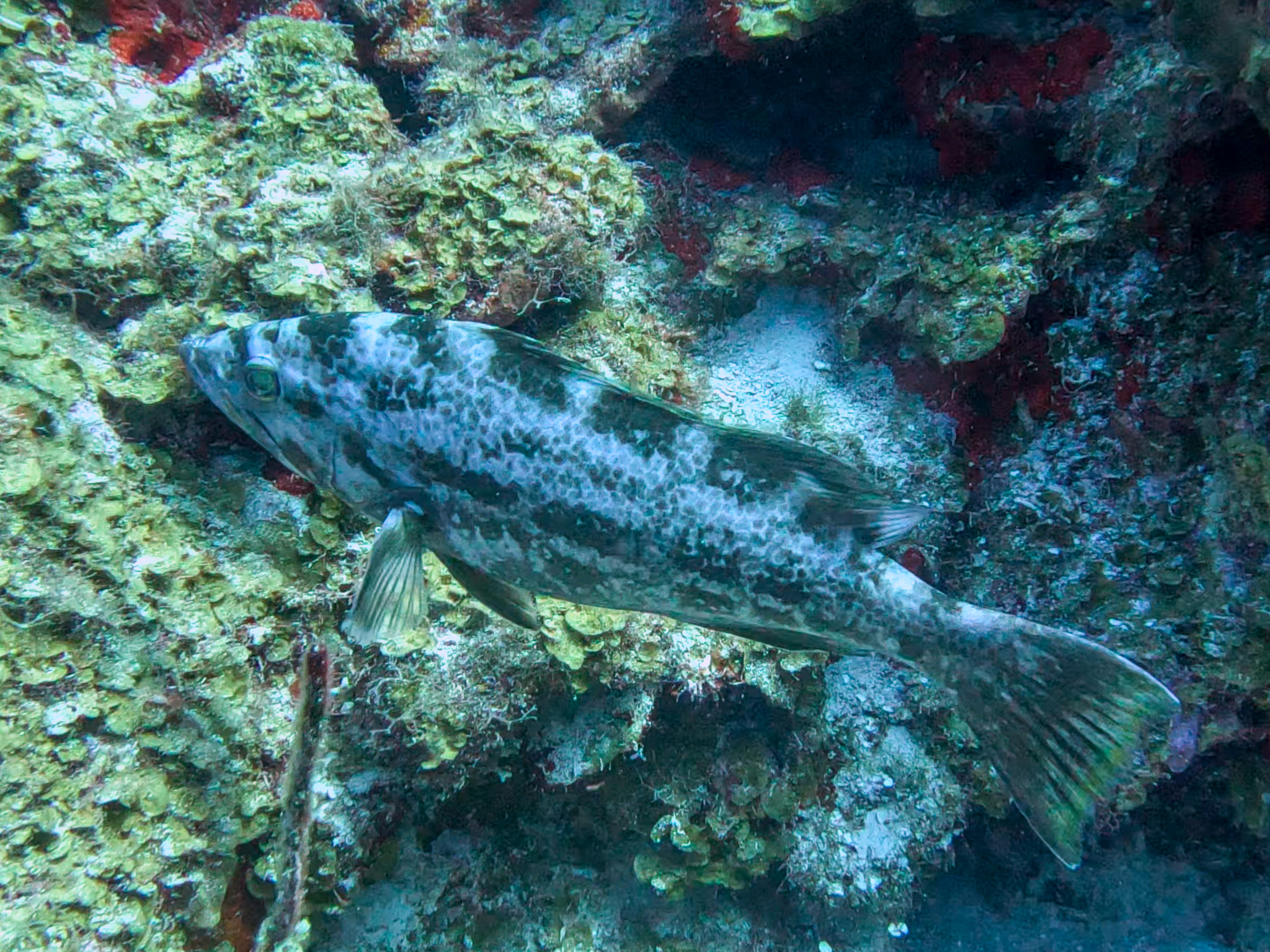
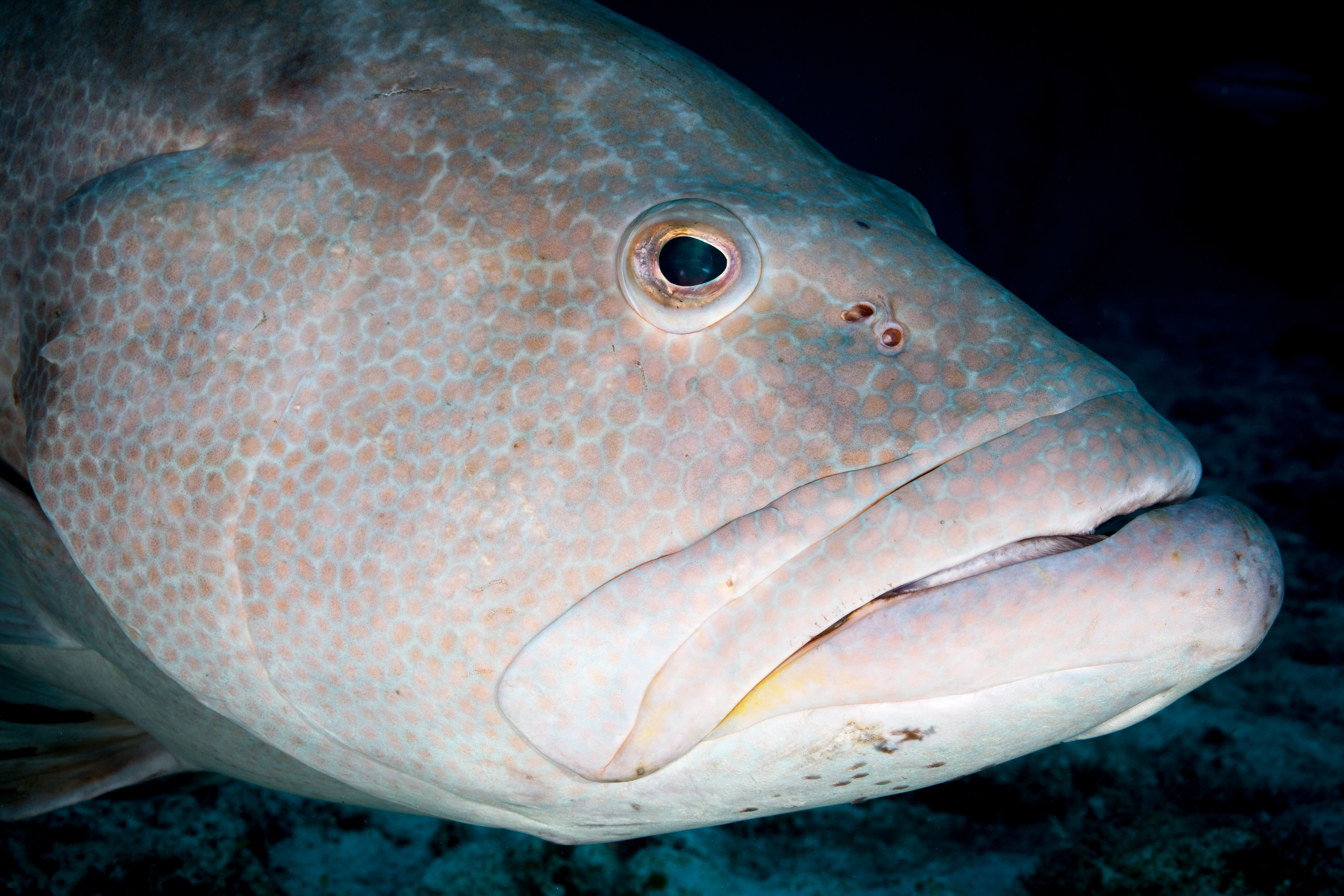
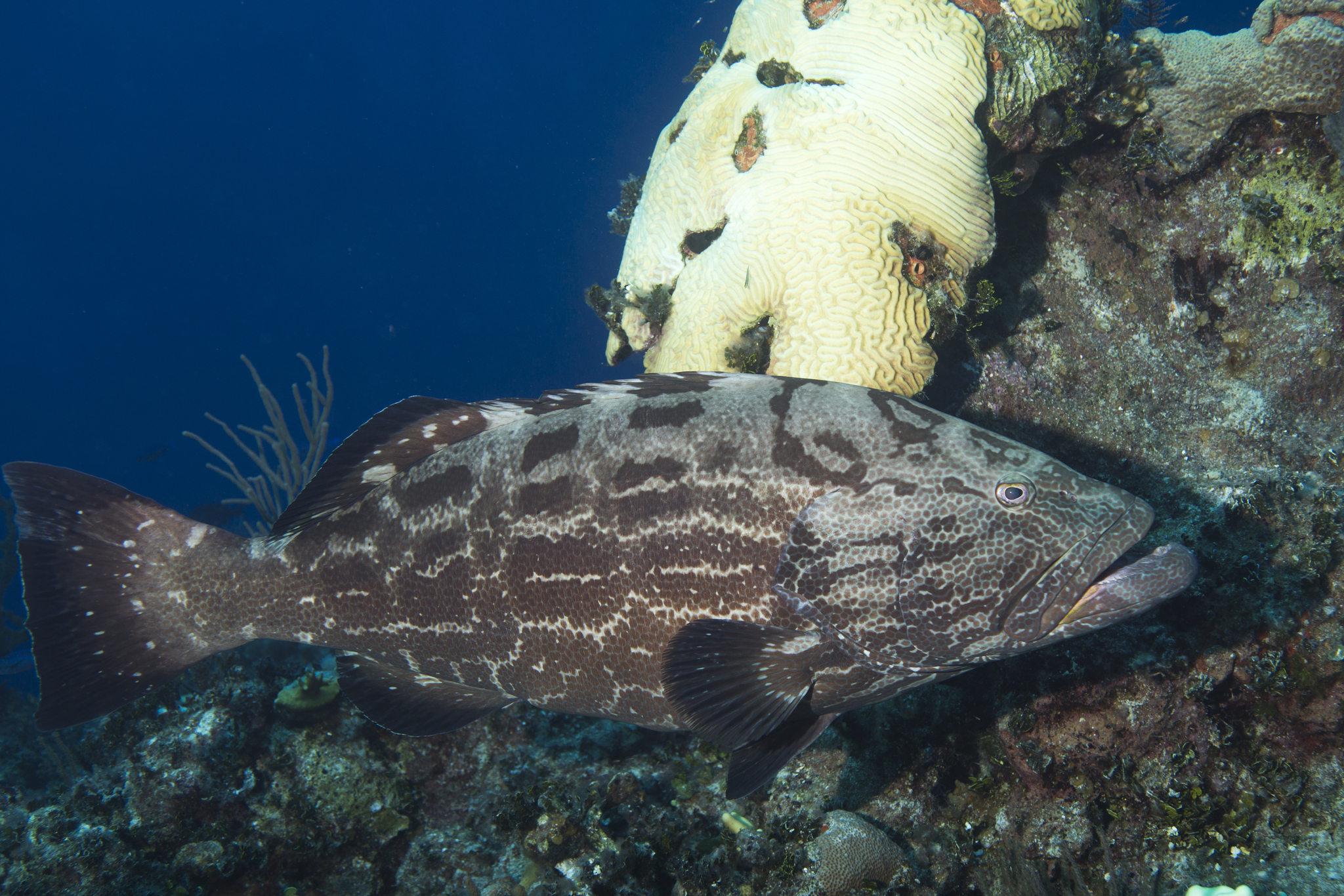
The black grouper (Mycteroperca bonaci) is a large, handsome grouper often confused with the gag, but generally bigger and more tropical: a broad, powerful body marked with dark, rectangular, chain-link-like blotches over a gray-to-brassy background, often with brassy or bronze spots and dark blotches, and a squared-off tail. Its markings form a distinctive reticulated, boxy pattern, and big fish are magnificent, heavy-shouldered animals. It has the big mouth and muscular build of an apex reef ambush predator.
Black grouper are big, the largest of the commonly caught reef groupers: most keepers run 5 to 20 pounds, solid fish push into the twenties and thirties, and true trophies exceed 40 to 60 pounds (the record is over 120). They're found in the western Atlantic, concentrated in the warmer, more tropical waters, South Florida and the Keys, the Bahamas, the Gulf, and the Caribbean, relating to reefs, ledges, drop-offs, and wrecks, often on deeper, higher-relief structure than red grouper. Prized as premier table fare, thick, firm, white fillets, the classic grouper of the grouper sandwich, and as a wary, powerful trophy, black grouper are managed with seasons, size, and bag limits that vary by region, so always check current regulations. Slow-growing and long-lived, a big black grouper may be decades old, which is all the more reason to handle the fishery with care and to treasure a genuine trophy when you land one.
Where to Find Black Grouper
Black grouper are high-relief structure fish that favor the reef and wreck habitat of warmer water:
- Reefs, ledges, and drop-offs, the coral reefs, hard-bottom ledges, and reef edges of the Keys, Bahamas, and Caribbean, especially deeper reef and the drop-offs where the reef falls into blue water.
- Wrecks and deep structure, sunken ships and deep high-relief structure hold big blacks, often the biggest fish.
- Patch reefs and rockpiles, isolated reef structure holds fish, including smaller ones on shallower patches.
Black grouper tend to hold on deeper, higher-relief structure than red grouper, and the biggest fish often come from deeper reef and wrecks. Use your sounder to find and mark structure and fish, and target the reef edges, drop-offs, and wrecks where blacks ambush. As with all grouper, building a list of productive reefs, ledges, and wrecks, and knowing which hold bigger fish, is how you consistently find blacks. The reef edge where structure meets deeper water is a classic black grouper zone.
Fishing for Grouper on the ReefLive Bait for Big Blacks
As with other grouper, live bait is the top offering for big black grouper. A lively live baitfish dropped down to the reef or wreck is irresistible to a big black, and the bigger the bait, often, the bigger the fish. Top live baits include blue runners ("hardtails"), pinfish, grunts, cigar minnows, and other baitfish, a big, frisky blue runner is a classic trophy-black bait. Free-line or lightly weight the live bait down to the structure and be ready for a savage strike.
The key, as always with grouper, is to present the bait near the structure and then win the immediate fight. A big black will crush the bait and instantly power for its hole, so you must come tight hard and crank immediately to turn the fish and get it up before it buries. A lively bait, especially a big blue runner, on stout tackle, presented right on the deeper reef or wreck, is how many of the biggest black grouper are caught. Keep your livewell stocked and your drag locked down.
Catching Black Grouper on Deep-Water WrecksTrolling the Reef
Trolling deep-diving plugs along reef edges and drop-offs is a deadly and classic way to catch black grouper, especially in places like the Keys. You pull large, deep-diving lipped plugs on heavy tackle so they run down near the reef and structure, covering water and triggering reaction strikes from aggressive blacks. Trolling the reef edge and drop-offs lets you cover a lot of productive structure and locate fish, and a black grouper crushing a trolled plug is an explosive, drag-testing strike.
The keys are plugs that dive to the right depth to run just over the reef, heavy tackle to both pull the plugs and winch up a fish, and working the reef edges and drop-offs while watching your sounder. Trolling is a fun, active, and effective way to catch black grouper and to find concentrations of fish, and it's a Keys tradition. Many anglers troll the reef to locate fish, then drop baits or jigs on the productive spots.
Trolling for Grouper on the ReefJigging
Vertical jigging, especially slow-pitch jigging, is an effective and exciting way to catch black grouper over reefs and wrecks. A jig dropped to the structure and worked with lifts and flutters imitates a fleeing or wounded baitfish, and blacks, aggressive ambush feeders, pounce. Jigging lets you actively work a reef or wreck, target the fish you mark, and catch grouper without bait, and the direct fight with a big black on a jig is a thrill.
The technique is to drop to the structure, then work the jig in the strike zone near the bottom with lifts and drops, staying in contact with the reef or wreck. As with bait, be ready to pull hard the instant a black eats to get it up and clear before it buries. Match jig weight to depth and current, use a stout jigging outfit with braid, and hold on. Slow-pitch jigging has become a deadly and popular way to target big grouper on tropical reefs and wrecks, and blacks are a prime target.
Slow-Pitch Jigging for GrouperCut Bait and Bottom Fishing
While live bait is king for trophies, cut bait and bottom fishing account for plenty of black grouper and are a productive, straightforward approach. Fresh chunks or strips of bonito, squid, ballyhoo, or other fish dropped on a stout bottom rig to the reef or wreck draw grouper, and cut bait is cheap, tough, and effective. Use a fish-finder or knocker rig with a stout hook and heavy leader, and enough weight to hold the bottom straight down on the structure.
The approach is to drop a fresh cut bait right on the reef or wreck and be ready to winch the instant a grouper eats, same as with live bait, the fight is won in the first seconds. Cut bait is especially handy when live bait is scarce or when you're covering a lot of bottom, and a fresh, meaty chunk on the structure will get eaten by hungry blacks. Keep the bait fresh, rig it stout, and pull hard on the bite.
Cut-Bait Fishing for Black GrouperThe King of the Reef: Targeting Trophies
Black grouper are the trophy grouper, and consistently catching big ones takes the right combination of structure, bait, and tackle. The biggest blacks hold on deeper, higher-relief reef and wrecks, often the less-pressured spots, and they didn't get big by being careless, big blacks can be wary. The keys to trophies:
- Fish deeper, higher-relief structure and less-pressured spots where big fish hold.
- Use big baits, a big live blue runner or a substantial cut bait weeds out small fish and tempts the giants.
- Bring enough gear, a trophy black will test the heaviest tackle, so don't undergun.
A big black grouper is one of the most prized catches on the reef, and earning one, finding the right structure, tempting it with the right bait, and winning that first brutal exchange, is deeply satisfying. Respect the fishery with the regulations and careful release of fish you can't keep, and target the big ones on the best structure with the biggest baits.
Black Grouper: King of the ReefTackle, the Fight, and Release
Black grouper fishing demands heavy, powerful tackle, a heavy conventional outfit with a strong drag, heavy braided line, and a stout leader, because a big black will bury in the reef or wreck the instant it's hooked. As with all grouper, lock the drag down and, when a black eats, lift hard and crank immediately to gain those crucial first feet and turn the fish before it reaches cover. There's no finesse; it's a muscular, don't-give-an-inch battle, and once you've got a black up off the structure, it's largely won.
For fish caught in deeper water, use a descending device or proper venting to release fish that suffer barotrauma, sending them back down healthy, and follow the seasons and limits closely, since black grouper are managed for sustainability. Keep only what you'll use, release the rest carefully, and the fishery stays strong. Between the powerful fight, the challenge of a wary trophy, and the unbeatable table fare, a big black grouper is one of the ultimate reef prizes.
Seasons, Timing, and Conditions
Black grouper, like other reef fish, are managed with seasons, size, and bag limits that vary by region and between state and federal waters, so know the current rules for where you fish and plan keeper trips around the open season, releasing fish (with a descending device where needed) outside it. Even in closed seasons, catch-and-release grouper fishing is great practice for finding structure and dialing in the pull-them-up battle.
On the water, black grouper feed well through the day, but moving water, a running tide or current, generally turns the bite on, getting the fish active on the reef and wrecks. Being able to hold your bait right on the structure in the current is key, so match your weight to the conditions. Calm-to-moderate seas make it far easier to position precisely over a reef edge or wreck and to fish comfortably on the deeper structure where the biggest blacks hold. Fish the moving water, stay locked on the structure, and target the deeper, less-pressured spots for the biggest fish.
Common Mistakes to Avoid
Black grouper punish the usual grouper errors. Tackle too light or drag too loose is the biggest, a big black will bury in the reef and break you off if you can't turn its head immediately, so go heavy and lock the drag down. Hesitating on the bite gives the fish the split second it needs to reach cover; come tight and crank hard instantly. Fishing pressured or shallow structure for trophies misses the big fish; target deeper, higher-relief, less-pressured reef and wrecks. Baits too small for a trophy draw small fish; use big baits like a live blue runner to weed out dinks. And ignoring the seasons, limits, and proper release hurts both your day and the fishery. Go heavy, react instantly, fish the right structure, use big baits, and mind the rules, and your black grouper success, and the size of your fish, will climb.
Put It All Together
Black grouper fishing is trophy reef fishing at its finest: find the deeper reefs, ledges, and wrecks; drop a lively live bait (a big blue runner is classic) or fresh cut bait on a stout rig, troll deep divers along the reef edge, or jig the structure, and, above all, lock the drag and pull hard the instant a black bites to winch it up and out of the structure. Target the biggest fish on the best, less-pressured structure with big baits and heavy gear, mind the seasons and limits, and you'll be rewarded with the king of the reef and the best grouper sandwich you'll ever eat. When you're ready to chase a trophy black, put in the time to learn the deeper reefs and wrecks that hold them and bring the gear to pull them out. And for the hard-charging grouper that shares the same structure, read our guide on how to catch gag grouper next.