Fish
Fish Fire
Fire Hike
Hike Bird
Bird

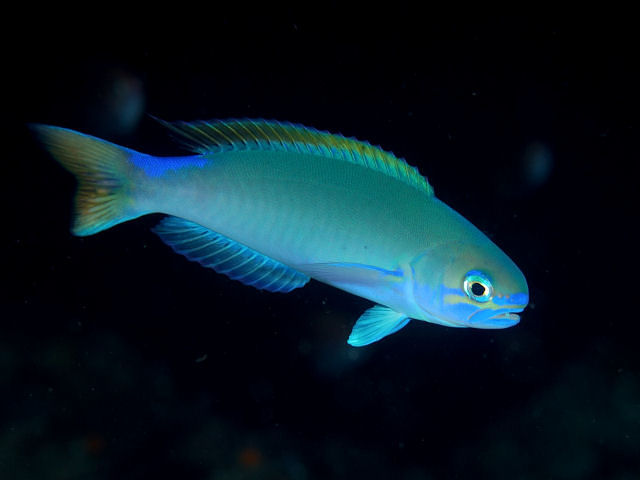

The golden tilefish (Lopholatilus chamaeleonticeps) is one of the deep ocean's true prizes, a colorful, deep-dwelling bottom fish that lives in burrows on the muddy slopes of the continental shelf and eats so sweetly that it is often called the "poor man's lobster" (though there is nothing poor about it). Draped in iridescent gold and yellow spots over a blue-gray body, with a distinctive fleshy crest on its head, the golden tilefish is the largest and most sought-after of the tilefishes, and reaching one means deep dropping, fishing baits down hundreds of feet to the very edge of the fishable bottom.
Tilefish are a different game from reef fishing. They do not hold on rocks and wrecks; instead they live on and in the soft, muddy bottom of the outer shelf and upper slope, where they dig burrows and stay close to home. That habitat, combined with the extreme depths they inhabit, makes them a specialized deep-drop target, one that rewards good electronics, heavy tackle (usually an electric reel), and knowledge of the specific muddy-bottom zones they favor. The reward is one of the finest fish in the sea on the table.
This guide covers where tilefish live, how to identify the golden tilefish and its blueline cousin, the deep-drop tackle and rigs the fishery demands, the techniques that put these deep fish in the box, and how to clean and cook a fish worthy of its lobster-like reputation.
Understanding Tilefish Behavior
Golden tilefish are burrow-dwellers of the deep. They live on the outer continental shelf and upper slope, typically in about 250 to 1,500 feet of water, most commonly fished from roughly 500 to 900 feet, where the bottom is soft mud or clay rather than rock or reef. There they excavate burrows and depressions, sometimes forming "pueblo villages" of burrows across suitable bottom, and they stay closely tied to this home structure their whole lives.
How to Catch Golden TilefishBecause they live in and around their burrows, tilefish do not roam far, and they relate tightly to specific bands of muddy bottom at specific depths and temperatures. This makes location everything: unlike reef fish that stack on obvious structure, tilefish are spread along the right bottom type in the right depth zone, and finding that zone, often a particular temperature break on soft bottom at the shelf edge, is the key to the fishery. Once you are on the right bottom, you are on tilefish.
They are opportunistic predators and scavengers, eating crabs, shrimp, clams, worms, small fish, squid, and other bottom life. That varied diet, feeding on rich invertebrate prey, is part of what gives their flesh its famously sweet, lobster-like flavor. They are slow-growing and long-lived, with big fish reaching many years of age and weights of 30, 40, or more pounds, which makes them both a trophy and a species that must be managed carefully.
Current and conditions matter as they do in all deep-drop fishing. Moving water helps distribute scent and get the fish feeding, and because you are fishing blind at extreme depth, your electronics, temperature readings, and precise GPS numbers do the work of putting your baits where the tilefish live.
Understanding the burrow habitat also explains the fishing rhythm. Because tilefish colonies occupy suitable soft bottom in bands, a productive area can hold a lot of fish spread across the mud, and once you dial in the depth and bottom that produce, you can catch them steadily by working that contour. But move off the right bottom, too shallow onto harder ground, too deep past their zone, or onto a stretch of unsuitable mud, and the bites stop. That is why experienced tilefish anglers pay such close attention to depth and bottom composition, and why a drift that stays on the money band outproduces random drops. Small changes in depth of even a few dozen feet can be the difference between a hot drift and a dead one.
Tilefish behavior is also relatively unpressured compared to popular reef fish, simply because reaching them takes commitment and gear that many anglers do not have. That means a well-found tilefish spot, kept to yourself, can produce for a long time, another reason to guard your best numbers and fish them thoughtfully rather than hammering a single colony trip after trip.
How to Identify Tilefish
The golden tilefish is distinctive, and worth distinguishing from its relatives:
- Iridescent gold-yellow spots. The body is blue-gray to olive on the back fading to a pale or pinkish belly, covered in bright yellow-gold spots and speckles, unmistakable and beautiful.
- Fleshy head crest. A distinctive fleshy, adipose crest or flap on top of the head, in front of the dorsal fin, a hallmark of the golden tilefish.
- Large, robust body. A big, elongated but stout body; golden tilefish are the largest tilefish and can top 30-40 pounds.
- Blue and yellow fins. The fins often carry blue and yellow tints.
The golden tilefish is most likely to be caught alongside the blueline tilefish (Caulolatilus microps), a smaller relative that lacks the gold spotting and head crest and shows a blue-and-gold line under the eye; blueline tilefish generally live a bit shallower on harder bottom. Both are excellent eating, but the big golden with its gold spots and head crest is the marquee tilefish.
Best Tackle for Tilefish
Deep dropping for tilefish is tackle-intensive because of the depth. You are fishing baits down 500 to 900 feet or more, holding bottom in current with heavy lead, and bringing up fish (and lead) from far below.
Reel: An electric reel is the standard and practical choice for serious tilefish fishing, hand-cranking heavy lead and fish up from 700 feet repeatedly is impractical for most anglers. A powerful two-speed conventional reel can be used by those who want the workout.
Rod: A heavy, relatively short deep-drop rod matched to the reel, often with a bent butt for fishing from a holder, with the backbone to handle heavy sinkers.
Line: Heavy braid, 60 to 130 pound, for its thin diameter and minimal stretch, at these depths, low-stretch braid is essential to feel bites and stay in contact.
Rig: A multi-hook deep-drop rig (high-low or "chicken" rig) with circle hooks and a heavy sinker (1 to 5 pounds) to reach and hold the bottom in current. Many anglers add LED lights or glow beads to attract fish in the darkness of the deep.
Crafting a Deep Drop RigSinker: Heavy, often several pounds, because you must reach and hold soft bottom at extreme depth, frequently in current.
The whole setup revolves around depth. If you cannot get baits down to the bottom and hold them there, you cannot catch tilefish, so match your weight to the conditions and do not undergun the rig.
Deep Dropping for Tilefish
Deep dropping is the method, and the process is methodical. Use your electronics to find the right depth band of soft, muddy bottom on the shelf edge, ideally identifying the temperature and bottom conditions tilefish favor. Drop your baited multi-hook rig to the bottom, then reel up just slightly so the baits are right at the mud where the tilefish live.
Beginner's Guide to Deep Drop FishingBecause tilefish live on flat, soft bottom rather than obvious structure, you often work a drift along the right depth contour, covering ground until you contact fish, then dropping repeatedly on the productive zone. When a tilefish eats, the bite at depth can be subtle, often just added weight or a change in the rod tip, so watch carefully and let the circle hooks and the multi-hook rig do their work; it is often worth waiting to load several fish before making the long crank up.
Rig Your Own Deep Drop RigsEngage the electric reel and bring the rig up steadily, keeping the fish coming. Golden tilefish are not the bulldogging fighters that reef groupers are, but a big one is still a substantial fish, and the sheer depth and weight make every fish a project. Mark your productive numbers and the exact depth and conditions that produced, and build a milk run of tilefish bottom, this is a fishery of accumulated knowledge about very specific deep terrain.
Bait for Tilefish
Tilefish are opportunistic feeders and not especially fussy, but fresh, tough bait that survives the long drop and stays on the hook is what you want above all. Squid is a staple, tough and effective. Strips of bonito, mackerel, and other cut fish, whole small fish, and even crab all produce. A combination bait, like a strip of squid tipped with a piece of oily fish, both stays on the hook well and puts plenty of scent in the water to draw fish in from across the dark bottom.
Because it is pitch dark at tilefish depth, many anglers add LED lights or glow beads to the rig to draw fish to the baits, and fresh, oily bait that releases scent helps the tilefish home in. Rig your baits at home with fresh, sharp circle hooks so you can drop efficiently and spend your time fishing rather than re-rigging at depth.
Bait size and toughness deserve thought. The long drop to the bottom means a soft or poorly secured bait can wash off or be picked apart by smaller fish before it ever reaches a tilefish, so thread and secure your baits well and favor tougher offerings like squid and firm fish strips. At the same time, tilefish do not have huge mouths, so baits sized to the hook, substantial but not enormous, get eaten more reliably. Keeping several pre-tied rigs and a good supply of fresh bait ready means you can quickly re-bait and drop back to a productive zone, which matters when you have found a good drift and want to make the most of it before conditions change.
Deep dropping is also a game of managing your gear and your time. Each drop and retrieve from 700 feet takes real minutes, so anything that makes you more efficient, sharp hooks, sturdy rigs, a smooth electric reel, and organized bait, translates directly into more fish. The anglers who do best are methodical, treating each drop as a deliberate presentation to a specific piece of bottom rather than a hopeful toss into the deep.
Cleaning and Cooking Tilefish
This is why anglers make the effort. Golden tilefish flesh is white, firm, sweet, and delicate, with a flavor so reminiscent of lobster or crab, a product of its shellfish-rich diet, that it is a favorite of chefs and one of the most prized fish in the sea. It is superb grilled, baked, broiled, fried, or in chowder, and it takes richer preparations beautifully.
How to Fillet a Golden TilefishFillet the fish and remove the skin for clean, boneless fillets; a big golden tilefish yields a lot of excellent meat, and the thick fillets from a large fish can be cut into portions or steaks that hold up to almost any cooking method. Because the flavor is naturally sweet and rich, tilefish shines with simple preparations, a little butter, lemon, and herbs, but it is robust enough to stand up to bolder treatments too. Bleed and ice your catch immediately, with a fish that comes up from cold, deep water, prompt cooling preserves the delicate quality. One regional note: some areas have issued advisories about mercury or other contaminants in large, long-lived tilefish, so check local consumption guidance, especially for the biggest fish, and enjoy this deep-water delicacy in the context of that advice.
Regulations and Conservation
Golden and blueline tilefish are slow-growing, long-lived, and closely tied to specific deep habitat, which makes them vulnerable to overfishing; they are managed with size limits, bag or vessel limits, quotas, and sometimes seasonal closures that vary by region and change over time. Always check the current regulations for your area before you fish. Because tilefish come from extreme depth, released fish suffer severe barotrauma and are very difficult to release successfully, so plan your fishing around keeping a reasonable, legal harvest rather than catching and releasing large numbers. Keeping only what you will use protects this valuable deep-water fishery.
Putting It All Together
Tilefish reward preparation and precision. Find the right band of soft, muddy bottom at the right depth and temperature on the shelf edge; rig heavy multi-hook deep-drop gear with fresh, tough bait and a light to draw fish in the dark; use an electric reel to get baits down and fish up from hundreds of feet; and mark your productive numbers to build a run of tilefish bottom. Handle the strict limits responsibly, and you will bring home one of the finest-eating fish the ocean offers, the golden tilefish that earns its lobster-like reputation.
Ready to put it into practice? Tilefish are a genuine commitment, the right boat, the electronics to read soft bottom at the shelf edge, and the deep-drop gear to reach and hold a bait 700 feet down, but few fisheries reward preparation so richly. Study your charts, learn the depth and temperature bands that hold fish, mark every productive number, and you will bring home one of the best meals the ocean offers.
For more on chasing deep-water and bottom species, see our guides on how to catch snowy grouper, how to catch vermilion snapper, and how to catch red porgy.