Fish
Fish Fire
Fire Hike
Hike Bird
Bird

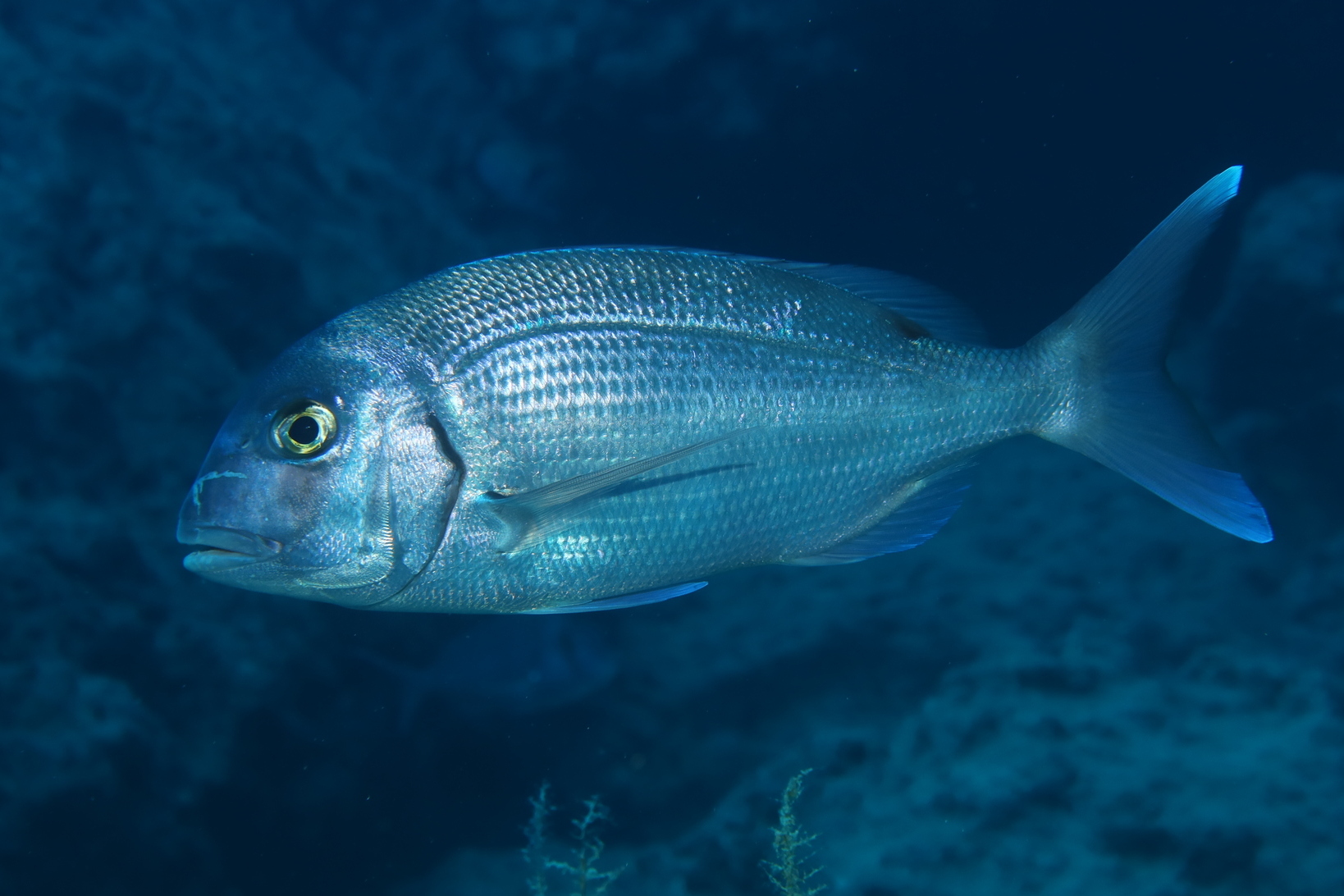

The red porgy (Pagrus pagrus) is a handsome, rose-tinted member of the porgy and sea bream family that is a mainstay of reef and hard-bottom fishing on both sides of the Atlantic. Known in parts of the southeastern United States as the "pink snapper," "silver snapper," or simply "pinky," it is not a true snapper at all but a porgy, a deep-bodied, small-mouthed bottom fish that hangs around reefs, ledges, and live bottom in the same waters as snappers, grouper, and triggerfish. What it lacks in size it makes up for in numbers, willingness to bite, and outstanding table quality, making it a favorite of anglers who fish the bottom offshore.
Red porgy are part of the "snapper-grouper complex" that anglers target over hard bottom in the South Atlantic and Gulf. They rarely grow large, a good one is a couple of pounds and a big one only a few, but they school in good numbers over the right structure and bite readily on small baits, making them an accessible and rewarding target. They also happen to be delicious, with sweet, white, flaky flesh that rivals fish far more famous.
This guide covers the red porgy's behavior and habitat, how to identify it, the light bottom tackle that catches them, the rigs and baits that work best, and how to clean and cook this underrated reef panfish.
Understanding Red Porgy Behavior
Red porgy are bottom-associated reef fish that live over hard bottom, rocky ledges, reefs, and live-bottom areas, the same structure that holds the snappers and grouper anglers prize. In the southeastern U.S. they are commonly caught from about 60 to 300 feet, holding on and near structure where they root around for food. They tend to be more numerous over the moderately deep hard bottom and reef ledges of the continental shelf.
Catching Porgy After PorgyRed porgy are omnivorous bottom feeders with small mouths and strong, crushing teeth suited to their diet of crabs, shrimp, mollusks, worms, small fish, and other invertebrates they root off the bottom. That small mouth is a key to fishing for them: they nibble and pick at bait rather than engulfing it, so smaller hooks and baits produce far more hookups than the large rigs used for grouper.
They are a schooling fish, so where you find one red porgy you usually find many. When you drop on productive hard bottom and start catching them, you can often fill a limit steadily from the same spot. Current helps, as it does with most reef bottom fishing, moving scent and keeping the fish active. Because they share habitat with so many other reef species, red porgy are frequently caught as part of a mixed bag alongside snappers, triggerfish, grunts, and sea bass.
Red porgy have an interesting life history that is worth understanding. Like many sea breams, they are protogynous hermaphrodites, most individuals begin life as females and some later transition to males as they grow larger and older. That biology, combined with their popularity and the ease of catching them in numbers, is exactly why they were vulnerable to overfishing and why they are managed carefully today. For the angler, the practical takeaway is that the larger fish in a school are often the older males, and a healthy fishery depends on not stripping every big fish off a spot.
Their feeding habits also shape when and where you catch them. Red porgy root along the bottom and around the edges of structure looking for the crabs, shrimp, and mollusks they crush with their strong teeth, so they are most catchable when they are actively feeding on the bottom rather than suspended. That makes them a reliable daytime bottom-fishing target: drop a bait to hard bottom during a moving tide and there is a good chance a porgy is nosing around down there ready to eat.
How to Identify Red Porgy
Red porgy have the classic deep-bodied, oval porgy shape and are fairly easy to recognize:
- Rosy-pink to silvery coloration. The body is a reddish-pink to silvery color, often with a rosy sheen along the back and a paler belly, and many fish show faint blue spots or speckling on the upper body.
- Yellowish eye and blue-tinted spots. The eye often has a yellow or golden cast, and small blue dots may pepper the head and upper flanks.
- Deep, compressed body. The typical porgy/sea bream profile, deep, oval, and laterally compressed.
- Small mouth with strong teeth. A small mouth set with molar-like crushing teeth for eating hard-shelled prey.
The "pink snapper" nickname causes confusion, but red porgy are porgies, not snappers, they lack the snapper's larger mouth and canine teeth. They can be told from other porgies by their reddish-pink color and blue speckling, and from small snappers by body shape and the small, blunt-toothed mouth.
Best Tackle for Red Porgy
Because red porgy are small and have small mouths, this is light, fun bottom fishing, you can scale way down from grouper gear and enjoy the fight of a scrappy panfish.
Rod and reel: A medium or medium-light bottom rod with a sensitive tip to detect the porgy's nibbling bite, paired with a conventional or spinning reel with enough capacity for the depth you fish.
Line: Braid, 20 to 40 pound, for its thin diameter and sensitivity, you need to feel the light bites hundreds of feet down.
Leader: Fluorocarbon, 20 to 40 pound. Lighter leader gets more bites in clear water, though you may size up where bigger reef fish are a threat.
Hooks: Small hooks are essential, circle hooks in the 1/0 to 4/0 range, or smaller, matched to the porgy's small mouth. Oversized hooks are the number-one reason anglers miss porgy bites.
How to Tie a Hi-Low RigSinker: A bank or egg sinker heavy enough to hold bottom in the current, enough to stay in contact, but no more than necessary so you can feel the bite.
Scale your tackle down and you will both catch more red porgy and have more fun doing it. The light bite of a porgy is easy to miss on heavy grouper gear, so a sensitive setup pays off directly in fish caught.
Rigs and Bait
The classic red porgy rig is a two-hook high-low (chicken) rig: two dropper loops with small hooks above a bottom sinker. This lets you present two baits, cover a little of the water column just off the bottom, and often catch doubles. A simple knocker rig or dropper rig also works well.
Using Squid for BaitBait is where red porgy fishing is easy, they are not picky. Squid is the classic, cut into small strips that fit their small mouths; cut fish (like cigar minnow or sardine strips), shrimp, and cut crab all work well too. The key is to keep baits small so the porgy can get the hook in its mouth. Thread a small strip of squid onto a small hook, drop it to the bottom, and stay in contact.
When you feel the telltale tap-tap-tap of a nibbling porgy, resist the urge to swing hard. With small circle hooks, a slow, steady lift as the fish takes the bait sets the hook in the corner of the jaw. Once you catch one, keep your baits going down to the same spot, the school is usually right there, and steady action is the reward.
Freshness matters more than fancy bait. A fresh strip of squid or cut fish, changed out regularly so it always looks and smells appealing, will consistently outfish a picked-over, washed-out bait. Because porgy nibble, they often strip a bait without getting hooked, so check and refresh your baits frequently rather than soaking a bare hook. Small tricks help too: a thin strip that flutters in the current draws more attention than a wadded-up chunk, and tipping a hook with a small piece of squid plus a bit of shrimp can make it irresistible on a slow day.
If you are getting bites but missing the fish, downsize. Smaller hooks and smaller baits are almost always the fix for finicky porgy, and a lighter leader can add bites in clear water. This is a fishery where finesse genuinely pays: the angler who scales down to match the porgy's small mouth will out-fish the one dropping grouper-sized baits, sometimes dramatically.
Bottom Fishing Reefs and Ledges
Red porgy fishing is straightforward bottom fishing over the right structure. Use your electronics to find hard bottom, rocky ledges, reefs, and live bottom, and drop directly onto it. Anchor up-current of an isolated piece of structure to soak baits in the zone, or drift over larger areas of hard bottom to locate the schools.
Bottom Fishing Deep Reef StructureKeep just enough weight on to hold bottom in the current, drop down, and reel up a turn or two so your baits are right in the strike zone just off the bottom. Because red porgy hold tight to structure and hard bottom, precise dropping on marked spots outproduces random soaking. When the bite slows in one spot, move and find fresh fish, with a schooling bottom fish, relocating to a new piece of structure often restarts the action.
Bottom Fishing the LedgeRed porgy come up mixed with the rest of the reef's residents, so expect triggerfish, vermilion snapper, sea bass, grunts, and the occasional grouper in the same drops. That mixed-bag quality is a big part of the appeal of hard-bottom fishing, and red porgy are one of its most reliable and tasty contributors.
A useful strategy is to run several numbers rather than camping on one. Red porgy are widespread over the shelf's hard bottom, and different spots turn on at different stages of the tide and light. If you build a run of proven pieces of hard bottom and ledges, you can move down the line as each spot's bite ebbs, keeping steady action all day. Pay attention to which depths and bottom types are producing on a given trip and lean into them, sometimes the fish stack on the deeper ledges, other times on shallower live bottom, and reading that pattern makes the difference between a slow day and a full cooler.
Two-hook rigs shine here because they let you sample the bottom efficiently and often produce doubles once you are into a school. Just be ready for the tangle a lively pair of fish can create, and swing them aboard promptly so you can get fresh baits back down while the school is fired up.
Cleaning and Cooking Red Porgy
Red porgy are excellent eating, sweet, white, mild, and flaky, and are, by many accounts, one of the best-kept secrets of reef bottom fishing, prized in Mediterranean cuisine and increasingly appreciated by American anglers who have discovered them. Being on the smaller side, they are often cooked whole (scaled and gutted) or filleted, and either way the delicate flesh is genuinely delicious and holds up to a range of preparations.
Porgy Catch, Clean, and CookTo fillet, scale the fish first if you want to keep the skin, then fillet along the backbone as you would any panfish; the fillets are modest but excellent. Whole-cooked porgy, scaled, gutted, scored, and grilled or baked, is a Mediterranean and Southern classic that makes the most of a smaller fish, and cooking on the bone keeps the delicate flesh moist and flavorful. A simple treatment of olive oil, lemon, garlic, and herbs lets the sweet, clean flavor shine, whether you grill, roast, or pan-fry. Bleed and ice your catch for the best quality, and you will find red porgy every bit as good on the plate as the snappers they swim with, arguably better, and a lot easier to catch a meal's worth.
Regulations and Conservation
Red porgy were heavily fished in the past and their populations declined, leading to rebuilding measures; as a result they are managed with size and bag limits (and sometimes seasonal closures) that vary by region and change over time. Always check the current regulations for your area before you keep a fish. Because they are caught from deeper water, red porgy can suffer barotrauma, so use a descending device or venting tool to release undersized or over-limit fish so they survive. Keeping only what you will use helps sustain this valuable reef fishery.
Putting It All Together
The red porgy is one of the great values of reef bottom fishing, abundant, willing, and delicious. Find the hard bottom, reefs, and ledges; scale your tackle down to match the porgy's small mouth; fish small hooks and small squid or cut baits on a two-hook rig; and drop precisely on marked structure. Set the hook with a steady lift, keep your baits going down to a school once you find it, and enjoy a cooler full of one of the ocean's underrated table fish.
Ready to put it into practice? Find your hard bottom, scale your tackle down to small hooks and small squid or cut baits, and drop precisely on the marked ledges, the red porgy learning curve is a short one once you locate the structure.
For more on chasing reef and bottom species, see our guides on how to catch vermilion snapper, how to catch scamp grouper, and how to catch lane snapper.