Fish
Fish Fire
Fire Hike
Hike Bird
Bird

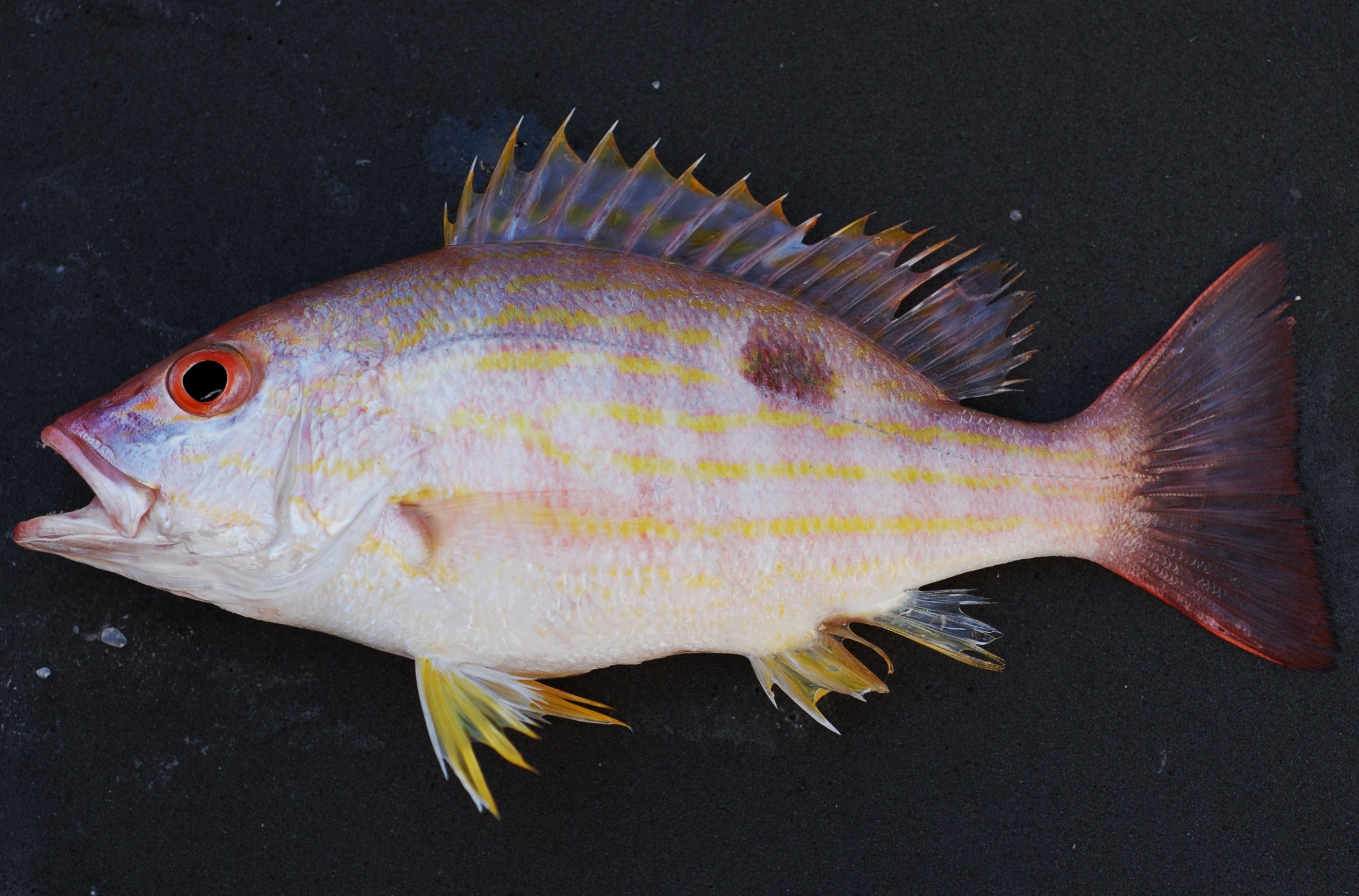

The lane snapper (Lutjanus synagris) is one of the most colorful, abundant, and delicious of the smaller snappers, a beautiful pink-and-gold reef fish that's easy to catch, widely available, and superb on the plate. Sometimes called the "candy snapper," "spot snapper," or "godambo," the lane snapper is a favorite of reef and bottom anglers across Florida, the Gulf, and the Caribbean, offering fast, reliable action on light tackle and simple bottom rigs, plus some of the finest-eating white fillets in the sea. Not a giant like its cousins the cubera or mutton snapper, the lane is more of a "panfish of the reef", abundant, willing, and perfect for a fun day and a fresh dinner. This guide covers how to catch them.
What Is a Lane Snapper?
The lane snapper is a member of the snapper family (Lutjanidae), related to the mangrove, mutton, yellowtail, and red snappers. It's a small, colorful snapper with a pinkish-silver to rosy body marked by a series of yellow-gold horizontal stripes running along the sides, a distinctive dark spot high on the back below the soft dorsal fin (above the lateral line), yellowish fins, and often faint pinkish bars. That combination of gold stripes plus the dark lateral spot is the clinching ID. Lane snapper are small: most run 8 to 14 inches and under a pound to a couple of pounds, with a big one reaching 15 to 18 inches and a few pounds; the largest are rare and only reach several pounds.
For anglers, the defining traits are that lane snapper are abundant, structure-oriented, opportunistic bottom feeders. They relate to reefs, wrecks, ledges, hard bottom, rubble, and even grass flats and channels (especially smaller fish inshore), usually in moderate depths, where they feed on shrimp, crabs, small fish, worms, and other prey near the bottom. They're willing, aggressive biters that readily take baits and small jigs, making them one of the easiest and most reliable reef snappers to catch. They often school, so where you find one you'll usually find many, and a good piece of structure can produce steady action. Colorful, abundant, easy to catch, and excellent eating, the lane snapper is a favorite light-tackle and bottom-fishing target and a staple of the reef-fishing cooler.
Where and When to Catch Lane Snapper
Lane snapper are found in the western Atlantic from the Carolinas south through Florida, the Gulf of Mexico, and the Caribbean to Brazil, and are especially abundant in Florida, the Gulf, and the Keys. They're structure fish, so look for them around reefs (natural and artificial), wrecks, ledges, hard bottom, rubble, and rock piles, typically in moderate depths from around 20 to 130-plus feet, though smaller lanes are also common inshore over grass flats, channels, and nearshore structure. They hold on and near this structure, feeding on the bottom, so fishing the reefs, wrecks, and hard bottom is the key. Anywhere there's structure and bait in their range, lanes are likely present, often in schools.
The best fishing is generally the warmer months, spring through fall, though in Florida and the tropics lanes can be caught year-round. They feed on the bottom throughout the day, with many anglers finding low light (dawn, dusk, and night) especially productive, as lanes often feed actively after dark. Summer is prime, and lanes are a reliable warm-weather reef target. They spawn in the warm months and are abundant and available through the season. Because they relate to structure and feed on the bottom, timing matters less than location: find good reef, wreck, or hard-bottom structure with bait, fish the bottom, and you'll find lane snapper. Night fishing and low light can boost the bite, and calm, fishable days over good structure are ideal.
Bottom Fishing with Shrimp and Squid
The classic and most effective way to catch lane snapper is bottom fishing with natural bait around reefs, wrecks, and hard bottom.
Lane Snapper on a Chicken RigThe go-to baits are shrimp (fresh or live), squid, cut fish (like cut sardine, ballyhoo, or bonito), and small live baitfish. Fish them on a bottom rig, a knocker rig, a "chicken rig" (a two-hook dropper rig, deadly for lanes), a fish-finder rig, or a simple bottom rig, with enough weight to reach and hold near the structure, using appropriately small hooks to match the lane's modest mouth. Drop the bait to the bottom near the reef, wreck, or hard bottom, and be ready for a quick, willing bite. A chicken rig baited with squid or shrimp is a proven lane-snapper producer, often catching two at a time. Because lanes are abundant and aggressive, bites usually come fast when you're over fish. Keep your bait on or near the bottom in the strike zone, use enough weight for the depth and current, and scale hooks to the fish. Simple, effective bottom fishing with shrimp and squid is how most lane snapper are caught, and it's productive and fun.
Squid is an especially good and durable lane-snapper bait, staying on the hook well and appealing to lanes and other reef fish alike.
Squid Bait for Reef SnapperCut a strip of squid or thread a whole small squid on your hook, drop it to the structure, and let the lanes find it; squid's toughness makes it hold up to picky pickers and multiple bites, and it's a reliable choice when you want bait that stays put on a bottom rig near the reef.
Light Tackle and Small Jigs
Because lane snapper are relatively small and abundant, they're a blast on light tackle, and they'll readily hit small jigs and lures as well as bait.
Light-Tackle Snapper TacticsLight spinning or conventional tackle makes catching lane snapper more fun and lets you feel their willing bite. Effective lures include small jigs (bucktails and soft-plastic tails on jigheads), small soft plastics, and jigs tipped with a piece of shrimp or squid worked near the bottom around structure. A jig tipped with bait combines the appeal of a lure with scent and is deadly for lanes and other reef snappers. Because lanes hold near structure, keep your presentations near the bottom and around the reef, wreck, or hard bottom. Light tackle also improves your presentation and bite detection for these modest-sized fish. Whether you fish bait, jigs, or jigs tipped with bait, scaling down to light tackle suited to the lane's size makes for the most enjoyable and effective fishing, and it's a great way to introduce anglers to reef fishing with steady, willing action.
Chumming and Working the Reef
Chumming and knowing how to work reef and hard-bottom structure dramatically improve your lane snapper catch.
Chumming and Reef Fishing TacticsChumming is highly effective for lane snapper and other reef fish: putting out a chum slick (with a chum bag, cut bait, or chum block) draws snapper up and gets them feeding actively around your boat, concentrating the fish and boosting the bite. Anchor or position over productive reef, wreck, or hard-bottom structure, start a chum slick, and drop your baits or jigs into the zone where the fish gather. Use good electronics to find structure and mark fish, and position your boat to present to the fish accounting for current and drift. Because lanes school around structure, once you locate and chum up a school, the action can be fast and steady. Working the reef effectively, finding good structure, chumming to concentrate and activate the fish, and presenting baits or jigs in the strike zone, is what turns a good spot into a full cooler of lane snapper (and often other reef species too).
Identifying the Lane Snapper
Lane snapper are distinctive but can be confused with other small snappers, so identification is worth knowing, especially for regulations.
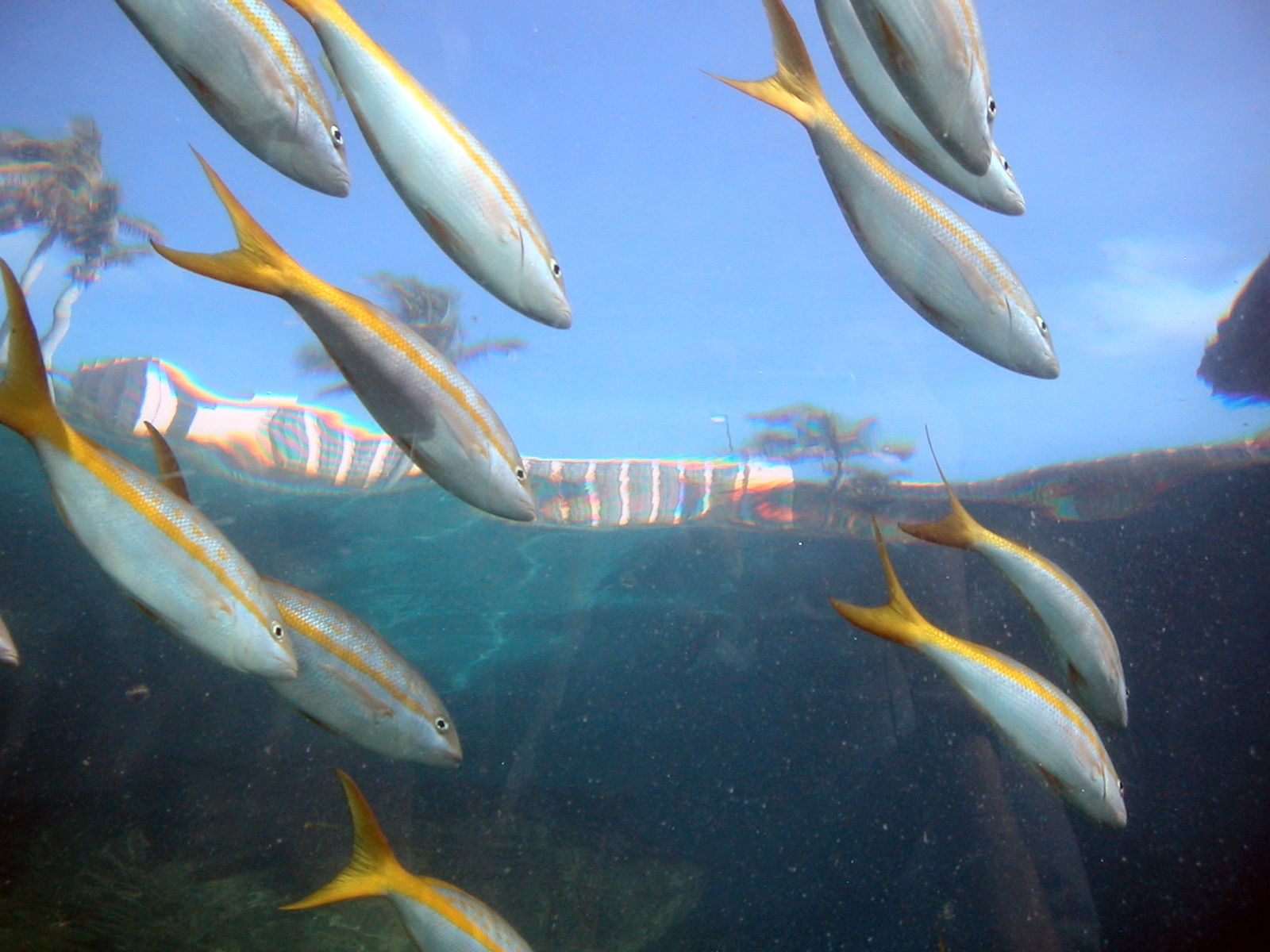
How to Identify Lane SnapperThe clinching features of a lane snapper are the series of yellow-gold horizontal stripes along a pinkish-silver to rosy body, combined with a distinctive dark spot high on the back, below the soft dorsal fin and above the lateral line. The fins are often yellowish, and the fish may show faint pinkish bars. That gold-stripes-plus-dark-spot combination distinguishes it from other snappers. Compare to the mangrove (gray) snapper (grayish, no bold gold stripes or dark spot), the yellowtail snapper (prominent yellow stripe and all-yellow forked tail), and the mutton snapper (larger, with a dark spot but a more uniform color and blue lines on the face). Lane snapper also stay relatively small. Knowing your snappers matters because each has different size and bag limits. When you catch a small, colorful snapper with gold stripes and a dark spot on its upper back, you've got a lane snapper.
Understanding Lane Snapper Behavior
Everything about catching lane snapper flows from the fact that they're abundant, structure-oriented, opportunistic bottom feeders. They relate to reefs, wrecks, ledges, hard bottom, and (especially smaller fish) grass flats and channels, feeding on shrimp, crabs, small fish, and worms near the bottom, which is why bottom fishing with shrimp and squid, and jigs worked near structure, work so well. They're willing and aggressive, so the challenge is finding the structure and the fish, not coaxing a bite. They school, so a good piece of structure can produce steady action, and chumming concentrates and activates them.
Location is about structure and bait: find reefs, wrecks, ledges, and hard bottom (or inshore grass and channels for smaller fish), fish the bottom in the strike zone, and chum to draw and hold the fish. Lanes feed through the day but often bite best in low light and after dark. Because they're abundant, willing, and relatively small, they're perfect for light tackle, for newer anglers, and for a reliable day of action and a fresh meal. Fish good structure, present baits or jigs on the bottom, chum to concentrate the fish, and enjoy fast, steady fishing for one of the reef's most colorful and delicious little snappers. Their abundance and easy willingness make them one of the most dependable catches in reef fishing.
Conservation and Handling
Lane snapper are abundant and popular, but as with all reef fish and snappers, they're managed with regulations that anglers must follow, size limits and bag limits vary by state and region (and lanes are often part of an aggregate snapper limit), so know and follow the current rules where you fish. Because they're easy to catch in numbers, it's good practice to keep only what you'll eat and release the rest, especially undersized fish, to help sustain the fishery.
Handle lane snapper carefully: watch the sharp dorsal spines and gill plates, and use appropriate care when unhooking. Because lanes are often caught from deeper reef structure, be aware of barotrauma in fish brought up from depth, use a descending device or venting tool as appropriate to help released fish return to depth and survive, especially deeper-caught fish. Support and revive release fish and return them promptly. If keeping lanes for the table, dispatch and ice them quickly for the best quality. Following size and bag regulations, releasing deeper-caught fish with a descending device, and keeping only what you'll use all help keep lane snapper populations healthy. Always confirm and follow current local snapper regulations, which can be detailed and change over time.
Cleaning and Eating Lane Snapper
Lane snapper are outstanding eating, many anglers rate them among the very best-tasting of all the snappers, with sweet, white, flaky, mild flesh that's prized for its flavor and delicacy. Despite their small size, they punch well above their weight on the plate.
Cleaning and Filleting Lane SnapperLane snapper are cleaned by filleting (yielding sweet white fillets) or, because they're small, are often scaled and cooked whole, whole fried or grilled lane snapper is a delicious and traditional preparation that makes the most of a small fish. The sweet, mild, flaky flesh takes beautifully to almost any method: frying, grilling, baking, broiling, blackening, or pan-searing, and whole "yellowtail-style" or fried preparations are especially popular. As with all fish, ice your catch promptly for the best quality, and cook it fresh. Because lane snapper are so highly regarded for eating, they're a prime target for anglers who want a fresh, delicious seafood dinner, and their abundance means you can readily catch a meal. Keep what you'll eat within regulations, prepare it fresh, and enjoy one of the finest-eating small fish in the sea. Their combination of easy catching and superb flavor is a big part of their appeal.
Bringing It All Together
The lane snapper is the perfect reef fish for a fun, reliable day and a fresh, delicious dinner, colorful, abundant, willing, and superb on the plate. Find them around reefs, wrecks, ledges, and hard bottom (or inshore grass and channels for smaller fish), drop shrimp or squid on a chicken rig or bottom rig to the structure, or work small jigs on light tackle, and chum to concentrate and fire up the school. Learn to recognize the gold stripes and dark upper-body spot that mark the lane, follow the snapper regulations, release deeper-caught fish with a descending device, and enjoy some of the sweetest white fillets in the sea. Not a giant, but a genuine treat, the lane snapper delivers steady action and a fine meal, making it one of the most rewarding and dependable catches in reef and bottom fishing.
For more prized reef and bottom snapper species, see our guides to the mangrove snapper, the yellowtail snapper, and the mutton snapper.
Want to find the best reefs, wrecks, and hard bottom for lane snapper and other reef fish? Study your charts and sonar to pinpoint the structure, get positioned over the fish, chum to fire up the school, and fill the cooler with delicious snapper.