Fish
Fish Fire
Fire Hike
Hike Bird
Bird

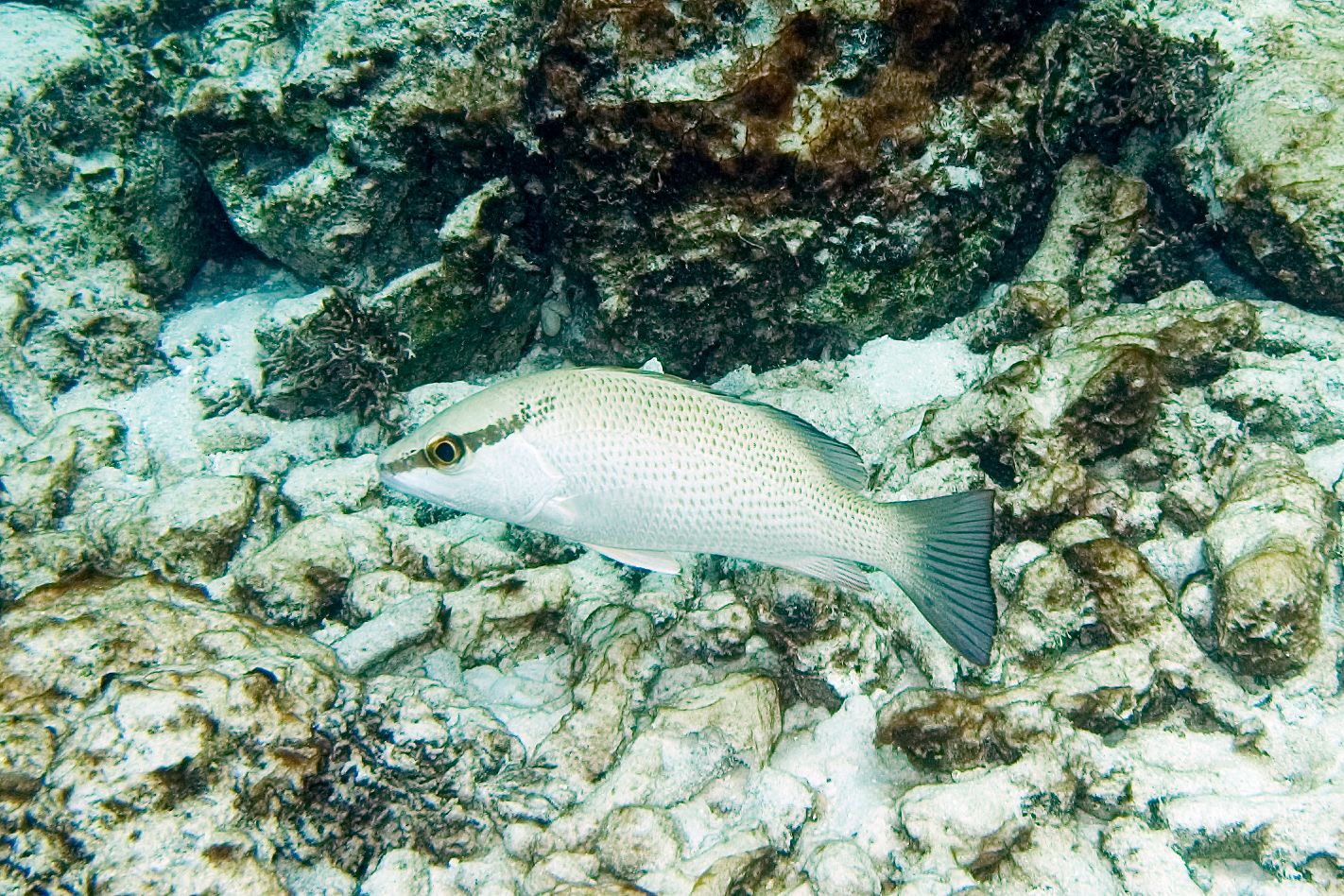

The mangrove snapper, or "gray snapper", is the sharp-eyed genius of the snapper family, one of the most widespread, structure-loving, and downright challenging light-tackle fish on the coast. Found everywhere from inshore mangrove shorelines, docks, and bridges to offshore reefs and wrecks, the mangrove is famous for being smart and wary: it inspects a bait, shies from heavy leaders, and darts back into structure the instant it's fooled. Beating one takes stealth, light line, and a good presentation, and the payoff is a hard-fighting fish and some of the sweetest white fillets in the sea. From dinner-plate schoolies under a dock light to big offshore "mango" slabs on the reef, mangrove snapper are a rewarding, year-round target. This guide covers what they are, where and when to find them, and every core technique, with step-by-step instruction, to outsmart these clever snappers.
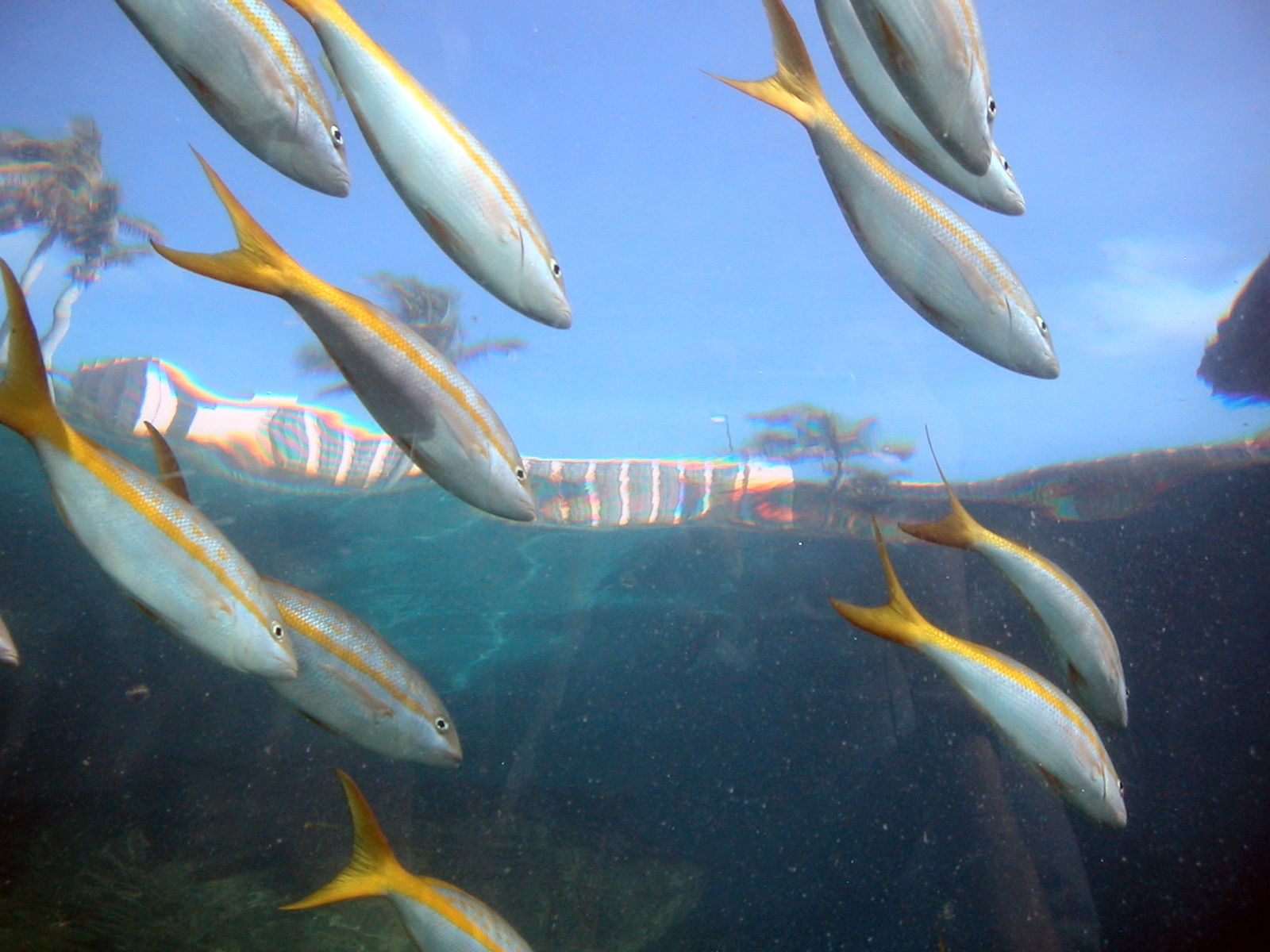
Ready to outsmart some mangos? It comes down to reading the structure they hold on, inshore and offshore, and the light-tackle finesse that fools them. They share the reef and the family with other prized snappers, see our guide on how to catch yellowtail snapper.
Meet the Mangrove Snapper
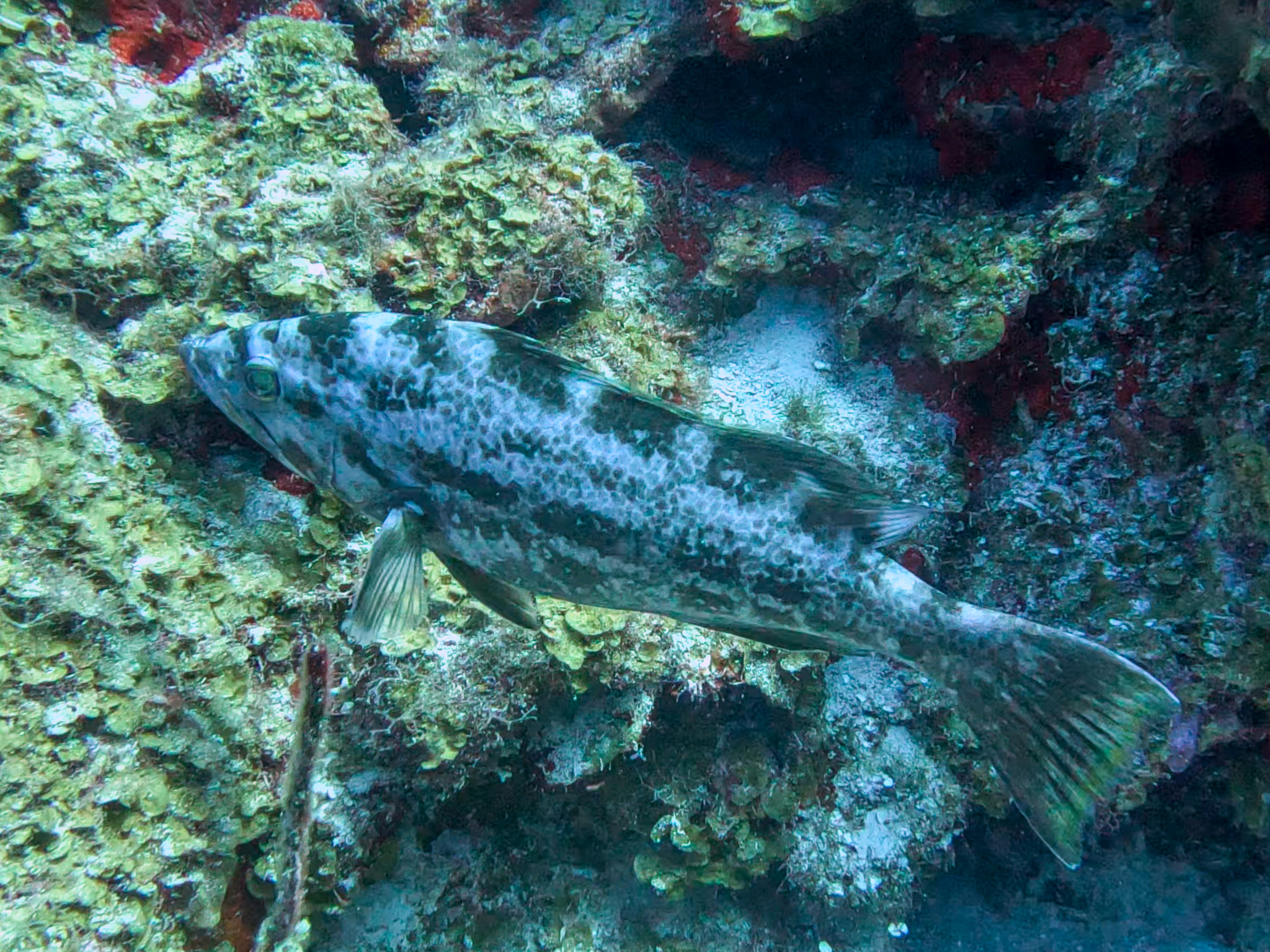
The mangrove snapper (Lutjanus griseus) is a handsome, adaptable snapper: a streamlined body that ranges from grayish to reddish-brown to coppery, often marked with rows of reddish-orange spots and, on excited or juvenile fish, a dark bar through the eye. It has the sharp canine teeth of a true snapper (mind your fingers), a big eye, and the wary, intelligent demeanor that makes it such a challenge. Color varies with habitat and mood, inshore fish are often grayer, reef fish redder.
Mangrove snapper are a modest-sized but hard-fighting fish: inshore "schoolies" often run under a pound to a couple of pounds, solid fish go 3 to 5 pounds, and big offshore "mangos" exceed 8 to 10 pounds (the record is around 17). They're found throughout the warm western Atlantic, the southeastern US, the Gulf of Mexico, the Bahamas, and the Caribbean, and are remarkably adaptable, living both inshore (mangroves, docks, bridges, canals, and estuaries) and offshore (reefs, wrecks, ledges, and hard bottom). Prized as excellent table fare, sweet, firm, white fillets, and respected as a clever light-tackle adversary, mangrove snapper are one of the most popular and rewarding fish in their range.
Where to Find Mangrove Snapper
The defining trait of mangrove snapper is that they relate tightly to structure, wherever they live. Find the structure and you find the fish:
- Inshore structure, mangrove shorelines, dock and bridge pilings, seawalls, jetties, canals, and any submerged cover in bays and estuaries hold mangroves, especially smaller and mid-sized fish.
- Offshore structure, reefs, wrecks, ledges, artificial reefs, and hard bottom hold the bigger "mango" slabs, often mixed with other snapper and reef species.
- Passes and channels, moving water around inlets and channels concentrates fish and bait.
The bigger the fish, the more they tend to move offshore to deeper reef and wreck structure. Wherever you fish, the key is to put your bait in or right next to the structure, mangroves ambush from cover and won't move far, while dealing with their wariness. They're a fish you can catch off a dock at night or in 100 feet of water on a wreck, which is a big part of their appeal.
Catching Inshore Mangrove Snapper Around BridgesThe Wariness Factor: Light Leaders and Stealth
The single most important thing to understand about mangrove snapper is that they are wary and leader-shy, more than almost any other snapper. In clear water and around pressured structure, a heavy leader or a clumsy presentation gets refused, while going light and stealthy turns a dead bite into a hot one. The keys:
- Light fluorocarbon leader, as light as you can get away with for the conditions and the size of fish.
- Small, sharp hooks matched to the bait, often hidden in the bait.
- A natural presentation, free-lined or lightly weighted so the bait behaves naturally.
This finesse is the heart of mangrove fishing. Bigger offshore fish around structure may demand a bit more leader to keep them out of the rocks, but even then, going as light as you dare is usually the difference between catching and just feeding them. Stealth, light line, and a natural bait are what fool these clever fish.
Top Mangrove Snapper Rigs and LeadersFree-Lining and Light Rigs
The deadliest presentation for wary mangrove snapper is often a free-lined bait, a bait on a light leader and small hook with little or no weight, allowed to drift or sink naturally into the structure or the current. A free-lined live shrimp or small baitfish looks completely natural and gets eaten by fish that would refuse a weighted rig. When you need a little weight to reach the fish, use just a small split shot or a light knocker/jighead, the minimum to get down.
The approach is to present the bait naturally into the strike zone, drifting it back to a dock, sinking it alongside a piling, or easing it into the current toward the structure, and let the fish inhale it. Free-lining is especially deadly around inshore structure, bridge lights, and in a chum situation, where a bait matching the natural food and drifting freely is irresistible. Keep it light, keep it natural, and be ready for the take.
How to Fish a Free-Line Rig for Mangrove SnapperChumming Them Up (Offshore)
Over offshore reefs and wrecks, chumming is a deadly way to fire up mangrove snapper and draw them up off the structure, where they'll feed more aggressively and competitively. A steady chum slick of cut bait brings the mangoes up and gets them competing, and once they're fired up and feeding higher in the water column, they'll take a free-lined or lightly weighted bait more readily, and the competition can even overcome some of their usual wariness.
The keys are a steady chum stream to bring the fish up and hold them, and then a well-presented, light-leadered bait drifted naturally into the feeding fish. Chumming turns a tough, wary bottom bite into a more aggressive, catchable one, and it's one of the best ways to load up on big offshore mangoes. Combine a good chum slick with light tackle and fresh bait, and even the wary reef mangoes become far more cooperative.
Chumming for Big Offshore Mangrove SnapperBest Baits for Mangrove Snapper
Mangrove snapper are opportunistic but selective, and matching the bait to what they're feeding on matters. Top producers include:
- Live shrimp, a deadly, universal mangrove bait, inshore and offshore.
- Live baitfish, pilchards, pinfish, cigar minnows, and other small baits, especially for bigger fish.
- Cut bait, fresh strips or chunks of ballyhoo, sardines, squid, and other fish.
Fresh and lively is critical, mangroves strongly prefer natural, fresh bait, and a lively live shrimp or pilchard out-fishes stale bait dramatically. Match the bait to the local forage and the size of fish you're after (bigger baits for bigger mangoes), hide the hook well, and present it naturally on a light leader. Sometimes matching the exact bait the fish are keyed on, the pilchards around a bridge, the glass minnows on a reef, is the difference between a slow day and a fast one.
Tricks for Catching Big Mangrove SnapperNight Fishing
Mangrove snapper feed aggressively after dark, and night fishing, especially around dock lights, bridge lights, and lit structure, is one of the most productive and fun ways to target them. At night the fish are bolder and less leader-shy, they gather around lights that draw bait, and you can sight-fish them in the glow, casting a free-lined shrimp or small bait to fish you can see. Bridges, docks, and lit piers become mangrove magnets after dark.
The approach is to fish the shadow lines and edges of the lights, where mangroves stage to ambush bait drawn to the glow, presenting a natural, light-leadered bait into the strike zone. Night is often when the bigger inshore mangoes let their guard down and when the bite is hottest. Fishing lit structure after dark is a classic, deadly, and accessible way to catch mangrove snapper, and a great option when the daytime fish are being their usual wary selves.
Night Fishing for Mangrove SnapperTackle and the Fight
Mangrove snapper are caught on light-to-medium tackle matched to where you're fishing. Inshore, a light spinning outfit with light line and a light fluoro leader is perfect for the finesse game around docks and bridges. Offshore around heavy structure, you may need a bit more backbone to turn a big mango before it reaches the reef, but you still want to fish as light as you can to get bit. A smooth drag, a sensitive rod, and light, low-visibility leaders are the common thread.
For their size, mangroves fight hard and dirty, they pull with surprising power and immediately try to bury in the structure, so when you hook one, especially a big offshore fish, you often have to turn its head and pull it away from cover fast. Set your drag right, react quickly on the bite, and be ready for a strong, structure-seeking fight. The combination of finesse to fool them and muscle to land them is exactly what makes mangrove snapper such a satisfying catch.
A few landing tips help. Around heavy structure, don't give a hooked mango any slack or hesitation, the fight is won in the first couple of seconds, so lean into the fish immediately and pull it up and away from the pilings or rocks before it can reach cover. Keep your rod tip up and steady pressure on through the fight, and be careful of those sharp canine teeth and gill plates when you unhook the fish. A landing net helps on bigger fish, and around docks and bridges, positioning yourself so you can pull the fish away from the structure rather than into it makes all the difference between a landed mango and a break-off.
Timing, Tides, and Seasons
Mangrove snapper are a year-round fish in the warmest parts of their range, but timing still matters. Inshore, moving water, a running tide, turns the bite on, stringing bait past the structure where mangroves stage to ambush; slack water is usually slower. Fish the outgoing and incoming tides around bridges, docks, and passes, and target the shadow lines and current edges where fish set up. Offshore, moving current similarly gets the reef and wreck fish feeding, and it helps carry a chum slick to draw them up.
Seasonally, mangrove snapper often school up and move offshore to spawn in the warmer months (summer), which is when many of the biggest "mango" slabs are caught on the reefs and wrecks, a prime time to target trophies. Inshore fishing stays productive much of the year, with night fishing around lights especially good in the warm months. As with all snappers, check local regulations, mangroves have size and bag limits that vary by region. Fish the moving water, target the seasonal offshore schools for big ones, and mind the rules, and you'll stay on fish.
Common Mistakes to Avoid
Mangrove snapper punish a few predictable errors. Leader too heavy is the number-one mistake, these leader-shy fish refuse heavy or clumsy rigs, so go as light as you dare. Too much weight or an unnatural presentation spooks them; free-line or use the minimum weight and let the bait behave naturally. Old, stale bait draws far fewer bites than fresh, lively bait; keep it fresh. Not fishing tight to structure leaves your bait away from where these ambush feeders hold. A slow hookset and light drag let a hooked mango bury in the cover and break you off; react fast and turn its head. And ignoring the tide, fishing dead slack water, makes a tough fish tougher. Fix these, light leader, natural presentation, fresh bait, tight to structure, quick and firm on the bite, and fish the moving water, and your mangrove catch climbs.
Put It All Together
Mangrove snapper fishing rewards stealth and smarts: find the structure inshore or offshore, go light and stealthy with your leader to beat their wariness, free-line a fresh, natural bait into the strike zone, chum them up on the reef, and fish lit structure at night when they let their guard down, then turn a hard-fighting fish away from the cover. It's a finesse game that pays off with a clever, powerful adversary and some of the best-eating fillets on the coast. When you're ready to outsmart the mangoes, get on the structure, go light and stealthy, and put in the time, they reward the anglers who learn their haunts. And for the beautiful reef snapper that shares the family and the chum line, read our guide on how to catch yellowtail snapper next.