Fish
Fish Fire
Fire Hike
Hike Bird
Bird

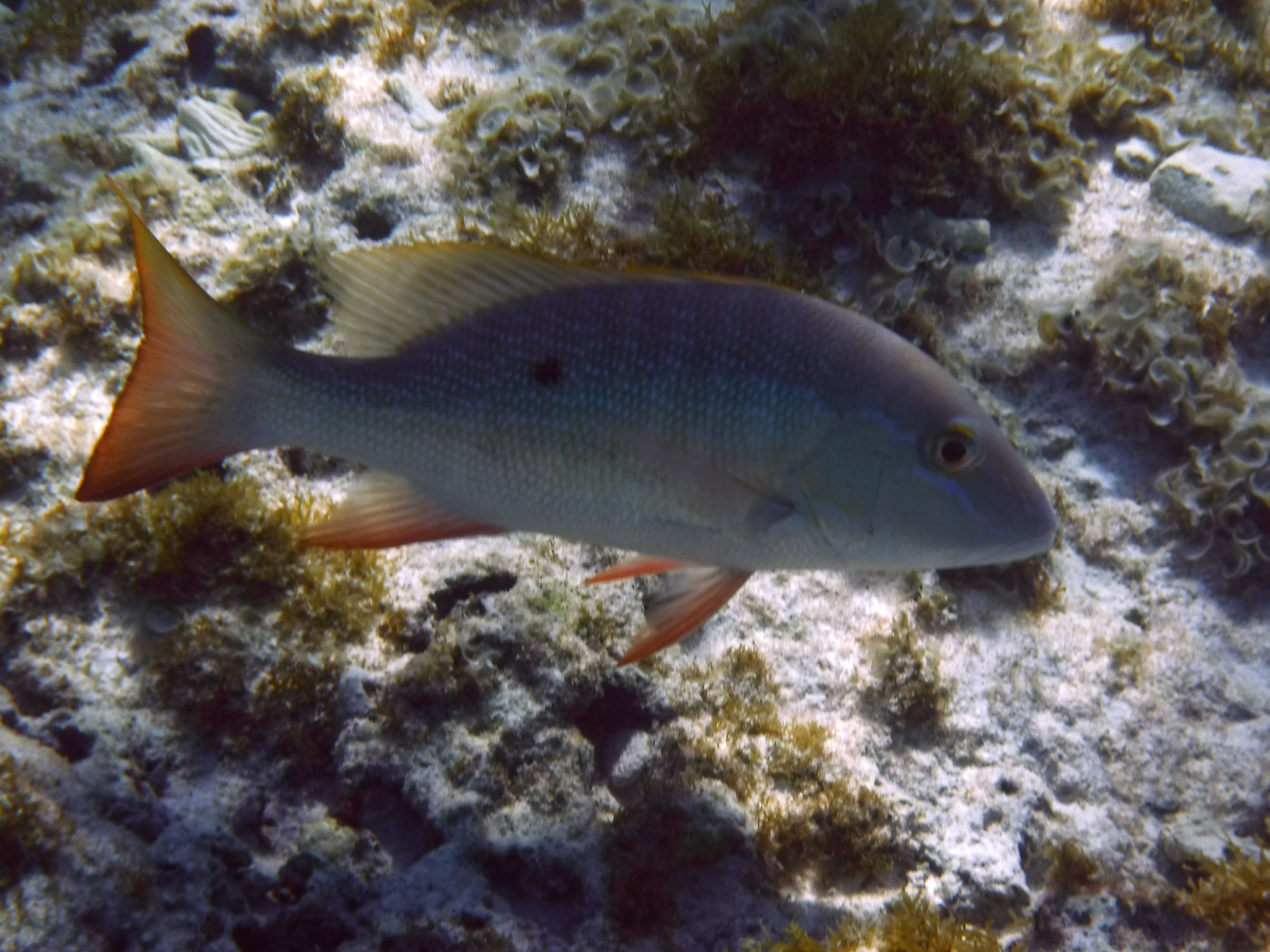

The mutton snapper is the trophy of the snapper world, a big, beautiful, notoriously wary fish that lives a double life, holding on deep reefs and wrecks like a classic bottom snapper yet also cruising the shallow flats where anglers sight-fish it like a permit. Powerful, sharp-eyed, and prized as both an elite gamefish and one of the finest-eating snappers of all, the mutton demands finesse: light leaders, natural baits, and stealth, whether you're drifting a bait down the reef edge or leading a crab to a tailing fish in three feet of water. Fooling a big "mutton" is one of the most satisfying accomplishments in reef and flats fishing. This guide covers what mutton snapper are, where and when to find them, and every core technique, with step-by-step instruction, to catch these wary reef and flats trophies.
Ready to fool a mutton? It takes patience, stealth, and a willingness to fish light, but few catches in reef and flats fishing are more rewarding. Muttons share the snapper family and the reef with other prized fish, see our guide on how to catch mangrove snapper.
Meet the Mutton Snapper
The mutton snapper (Lutjanus analis) is a large, striking snapper: a deep, robust body that's olive-to-greenish above and reddish-pink to rosy below, with blue lines under and around the eye, reddish fins, and, the key identifier, a small but distinct black spot high on the side, below the rear of the dorsal fin. Its color shifts dramatically with mood and habitat, from a pale, barred flats fish to a deep red reef fish. It has the sharp canine teeth and pointed snout of a true snapper, and a wary, intelligent disposition.
Mutton snapper are a big, hard-fighting snapper: most caught run 3 to 10 pounds, solid fish push into the teens, and true trophies exceed 15 to 25 pounds (the record is over 30). They're found in the warm western Atlantic, South Florida and the Keys, the Gulf, the Bahamas, and the Caribbean, and are unusually versatile: they live on reefs, wrecks, ledges, and hard bottom in a wide range of depths, but also move onto shallow flats and channel edges, where they can be sight-fished. Prized as superb table fare, sweet, firm, white fillets among the best of any snapper, and as a wary, powerful trophy, muttons are one of the most coveted fish in their range.
Where and When to Find Mutton Snapper
Mutton snapper are structure- and edge-oriented, but more roaming and adaptable than most snappers. Find them:
- Reef edges, ledges, and drop-offs, the classic mutton grounds, especially where the reef meets sand or a channel; muttons often patrol the sandy edges near structure rather than burying in it.
- Wrecks and hard bottom, deeper structure holds fish, including big ones.
- Shallow flats and channel edges, in places like the Keys, muttons move onto the flats and can be sight-fished in just a few feet of water.
- Spawning aggregations, muttons gather to spawn (often around the summer full moons) in specific areas, producing concentrations of big fish (these are sometimes protected, so know the regulations).
Muttons frequently feed on the sandy edges and rubble near structure, which is why a bait presented on the sand near the reef often out-fishes one dropped into the heaviest structure. Timing matters: moving water and low-light periods (dawn, dusk) turn the bite on, and the summer spawning season concentrates big fish. Learn the reef edges, the flats, and the seasonal patterns in your area, and you'll find muttons.
All About Mutton Snapper and How to Catch ThemReef Fishing With Live and Fresh Bait
The bread-and-butter mutton method is fishing live or fresh bait on the reef edge. Muttons are drawn to natural baits presented on the sandy areas and rubble edges near structure, so you anchor or drift the reef edge and present a bait on the bottom or just off it. Deadly baits include live pilchards, pinfish, ballyhoo, and other small fish, fresh cut bait, and, a mutton favorite, crabs and shrimp. A well-presented bait on the sand near the reef is what a cruising mutton is looking for.
The presentation matters: muttons often want the bait on or near the sandy bottom near the structure, drifting naturally, rather than buried in the heaviest reef. Fish the edges, keep the bait natural and fresh, and be patient, muttons cruise and hunt rather than sitting in one hole. Drifting a bait down the reef edge, or fishing a chum-supported spread over productive bottom, accounts for many muttons, including the big ones.
Best Baits for Big Reef Mutton SnapperSight-Fishing the Flats
One of the most thrilling ways to catch a mutton is sight-fishing on the flats, a game more like permit or bonefish fishing than typical snapper fishing. In shallow water, often the Keys flats and channel edges, muttons cruise and tail in just a few feet of water, and you can spot a fish, lead it, and present a bait or lure to a fish you can see. It's visual, technical, and exciting, and it produces some big, wary fish in skinny water.
The approach mirrors flats fishing for permit: pole or ease along scanning for cruising or tailing muttons, then make an accurate cast that leads the fish, presenting a crab, shrimp, or small bait (or a jig or fly) in its path without spooking it. Muttons on the flats are extremely wary and sharp-eyed, so a stealthy approach, a light leader, and an accurate, well-led presentation are everything. Fooling a big mutton in shallow water, watching it track and eat, is one of the great thrills in inshore fishing.
Sight-Fishing Mutton Snapper on the FlatsJigging
Vertical jigging is an increasingly popular and deadly way to catch mutton snapper, especially over deeper reefs, wrecks, and hard bottom. A speed jig or slow-pitch jig dropped to the structure and worked back with rips or fluttering lifts imitates a fleeing baitfish, and muttons, aggressive hunters, crush them. Jigging lets you cover structure actively, target the bigger fish, and catch muttons without bait.
Slow-pitch jigging in particular has become a top mutton technique: the fluttering, wounded-baitfish action of a slow-pitch jig near the bottom is deadly on these fish. Drop to the structure or the edge, work the jig in the strike zone near the bottom, and match jig weight to depth and current so you stay in the zone. Tipping a jig or using an assist hook helps, and a balanced jigging outfit with braid gives you the feel and hooksets you need. On deeper reefs, a jig is often the ticket to a big mutton.
Slow-Pitch Jigging for Mutton SnapperChumming and Rigging
Chumming helps draw muttons up and get them feeding, and a good chum slick over productive reef or bottom can bring wary fish into range and fire them up. Combined with a light, natural presentation, chumming turns a tough, cautious bite into a more catchable one. As with other snappers, the fish feed better and more competitively when a slick has them going.
Rigging for muttons is a light-leader game: use a fluorocarbon leader (as light as conditions and fish size allow) and a knocker rig or a simple leader-to-hook setup with just enough weight to hold or drift the bait naturally near the bottom. Muttons are leader-shy, so going lighter gets more bites, while enough backbone in the tackle is needed to turn a big fish before it reaches structure. Match your rig and weight to the depth and current, hide the hook in the bait, and present it as naturally as possible, the finesse in the rigging is a big part of fooling these smart fish.
Mutton Snapper Rigs and RiggingCrab and Live Baits for Trophies
For the biggest mutton snapper, few baits beat a crab, muttons love crabs, and a live crab presented on the reef edge or led to a flats fish is a proven trophy-getter. Live baits in general, pilchards, pinfish, and other small fish, also tempt the big ones, especially when presented naturally on a light leader near the structure or on the sand. The pattern with trophies is often bigger, natural baits presented stealthily.
The approach is to present a crab or lively live bait naturally, drifting or on the bottom near the reef edge, or cast ahead of a cruising flats fish, on light tackle, and be ready for a powerful run when a big mutton eats. Because the largest muttons are wary and hard-won, matching the bait to what trophies want (often a crab), presenting it perfectly, and having the tackle to handle a strong fish near structure all come together. A big mutton on a crab is a genuine trophy.
How to Catch Monster Mutton Snapper on CrabsTackle and the Fight
Mutton snapper call for tackle that balances finesse to fool them and power to land them. On the reef, a medium-heavy conventional or spinning outfit with a smooth drag, braid, and a light fluoro leader lets you present baits naturally while still having the backbone to turn a big fish away from structure. On the flats, a lighter spinning outfit built for accurate casting and sight-fishing is the tool. Either way, light, low-visibility leaders are key to getting bit.
The fight is strong and dogged: muttons pull hard and, near structure, immediately try to reach cover, so when you hook one you often need to turn its head and pull it away fast before it rocks you up. On the flats, a hooked mutton makes strong runs in the shallows. Set your drag right, react quickly on the bite, and be ready for a powerful, structure-seeking fish. The blend of finesse to get the bite and muscle to win the fight is exactly what makes muttons such a prized, challenging catch. And because they range from deep wrecks to shallow flats, mutton fishing never gets stale, you can hunt them a dozen different ways, and each one demands the same mix of stealth, natural presentation, and quick reflexes that make this snapper such a worthy adversary.
Timing, Moon, and Spawning
Mutton snapper reward attention to timing. Day to day, moving water and low-light periods, the tide changes, dawn, and dusk, turn the bite on, stringing bait past the reef edges and getting fish hunting the sandy edges and flats. On the flats especially, planning around the tide that pushes fish up into skinny water is key to finding cruising, tailing muttons.
Seasonally, the summer spawning season is prime time for big muttons. Muttons gather in spawning aggregations, often keyed to the full moons of the warmer months, which concentrate large fish in specific areas and can produce the best trophy fishing of the year. However, these aggregations are vulnerable and are protected or specially regulated in some places, so it's essential to know and follow the local rules. Fish the moving water and low light, target the seasonal patterns, respect any spawning-closure regulations, and you'll be on the best mutton fishing at the right time.
Common Mistakes to Avoid
Muttons punish the usual finesse errors. Leader too heavy is the biggest, these sharp-eyed fish refuse heavy or clumsy rigs, so go as light as conditions allow. Fishing into the heaviest structure instead of the sandy edges and rubble nearby often misses cruising muttons; present baits on the sand near the reef. Stale bait draws far fewer bites than fresh, lively bait or a good crab; keep it fresh. Spooking flats fish with a sloppy approach or a cast right on top of them blows shots; ease in and lead the fish. A slow hookset and light drag near structure let a big mutton reach cover and break off; react fast and turn its head. And ignoring the tide and the spawning regulations costs you both fish and, potentially, a ticket. Go light, fish the edges, use fresh natural bait, approach flats fish stealthily, react quickly on the bite, and mind the rules, and your mutton success climbs.
Put It All Together
Mutton snapper fishing is finesse reef and flats fishing at its most rewarding: work the reef edges and sandy bottom near structure with live and fresh baits, sight-fish the flats like a permit, jig the deeper structure, chum wary fish into range, and tempt the biggest fish with a crab, all on light, low-visibility leaders that fool these sharp-eyed trophies, with enough backbone to land them. It rewards stealth, natural presentation, and versatility, and it pays off with a powerful fight and one of the best-eating snappers in the sea. When you're ready to fool a trophy mutton, put in the time to learn the reefs and flats near you, read the water and the tide, and go as light and stealthy as the fish demand, that's what gets you on them. And for the wary structure snapper that shares the family, read our guide on how to catch mangrove snapper next.