Fish
Fish Fire
Fire Hike
Hike Bird
Bird

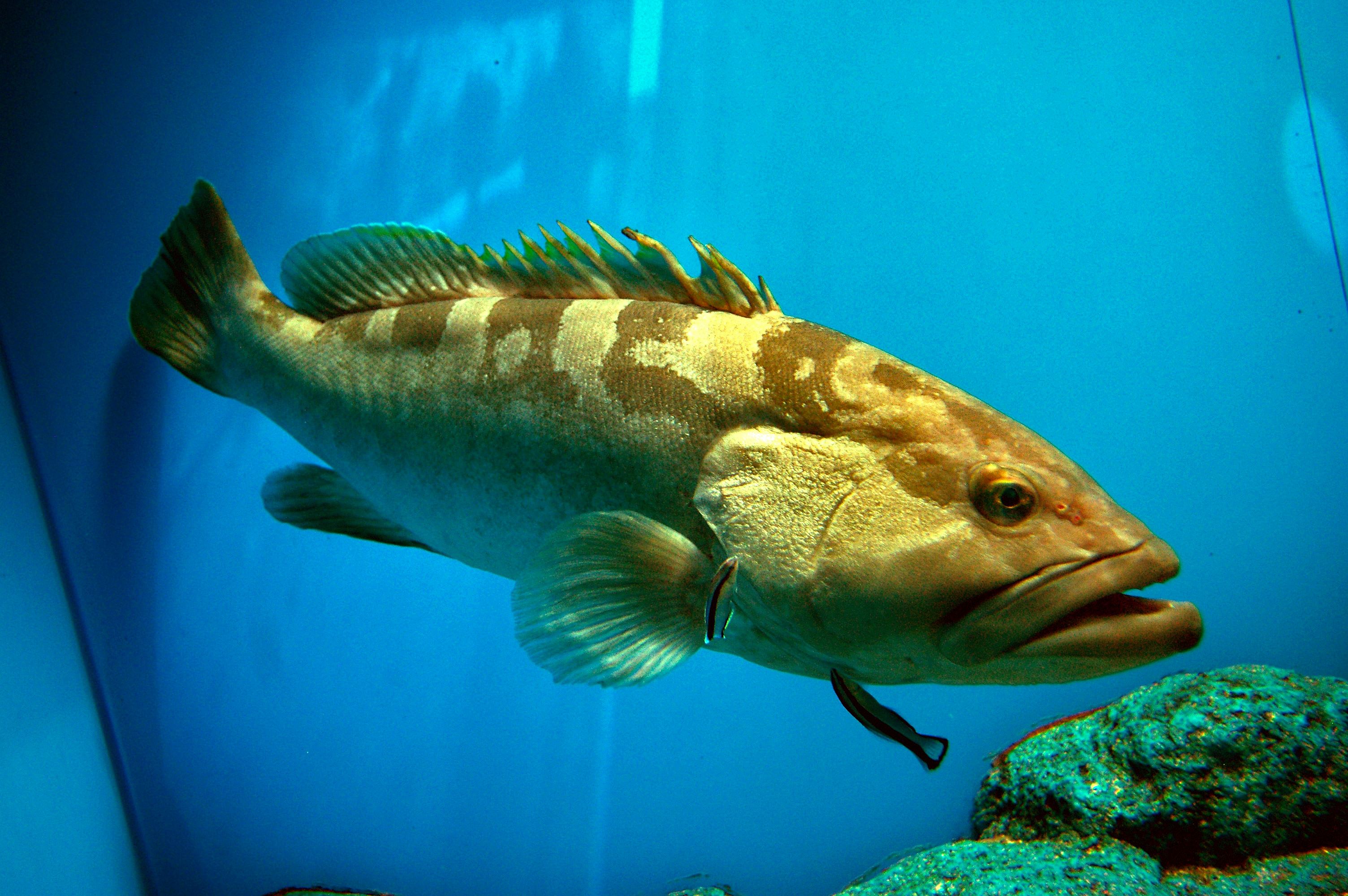

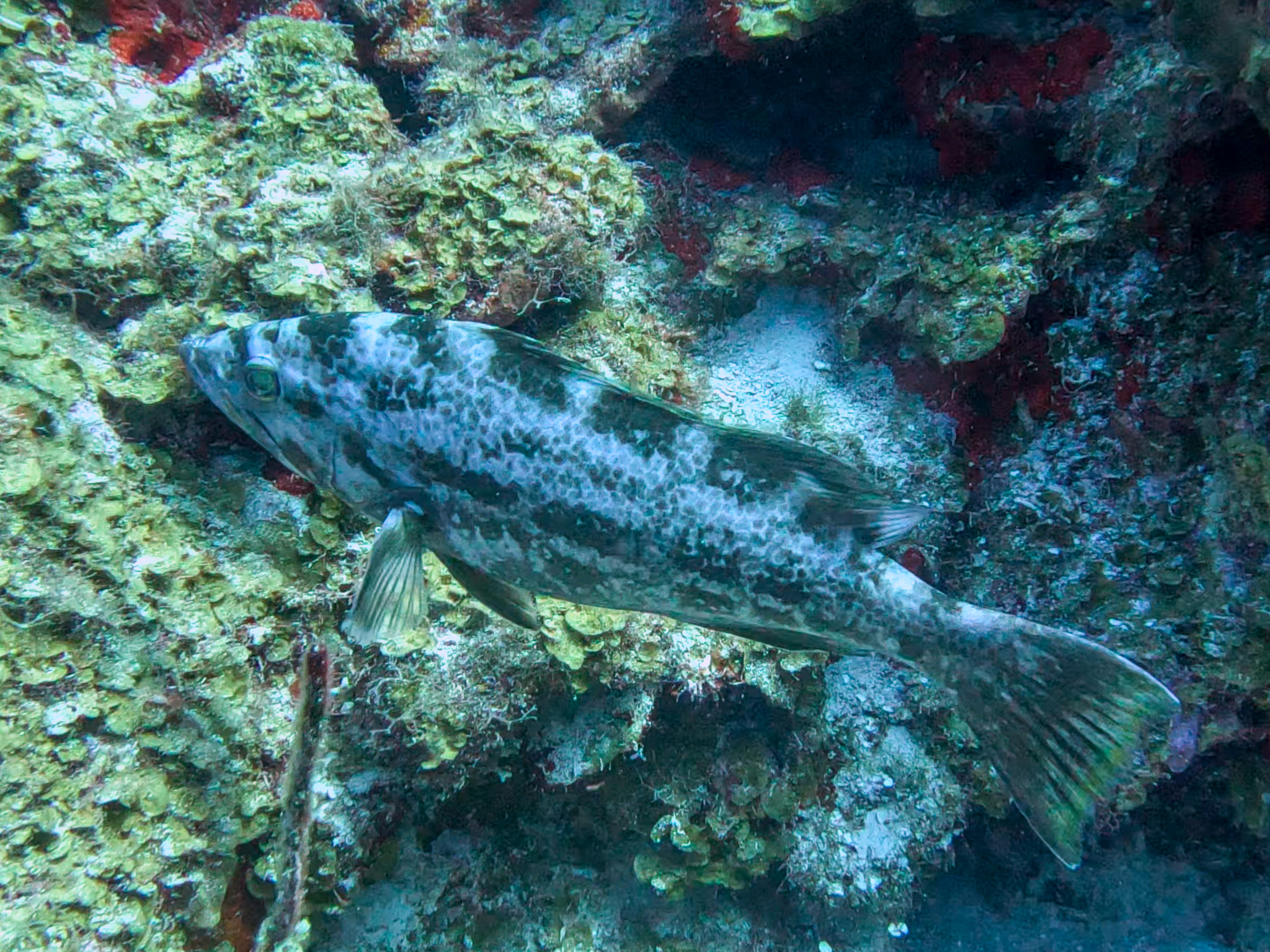
If white seabass is the ghost of the California kelp, the calico bass is its bulldog. Officially the kelp bass (Paralabrax clathratus), the calico is the bread-and-butter gamefish of Southern California's inshore waters, a mottled brown-and-cream ambush predator that lives in the kelp and rocks, hits hard, and dives straight back into the structure the instant it's hooked. Pound for pound, few inshore fish fight dirtier. They're abundant, they're accessible from boat, kayak, and even shore, and they'll eat everything from a flylined sardine to a surface iron to a big swimbait. For California saltwater anglers, learning to fish for calicos is a rite of passage.
Calico bass reward aggression and structure knowledge. The best calico anglers aren't finesse fishermen, they're power fishermen who put a bait or lure right in the nastiest kelp and rock, get bit, and then muscle the fish out before it buries them. This guide covers where calicos live, the lures and baits that catch them, and the technique that turns a follow into a fish in the boat.
Understanding the Calico Bass
Calico bass are members of the sea bass family, closely related to the sand bass and the spotted bay bass. They're a warm-temperate species ranging from central California down through Baja, most abundant in Southern California and around the Channel Islands. A typical keeper runs a pound or two; a good calico is 3 to 5 pounds; and a true trophy, a "toad" in local slang, pushes 7, 8, or even 10 pounds. Big calicos are old, slow-growing fish, which is why catch-and-release of the bigger models has become the ethic among serious anglers.
The defining trait of the calico is its relationship to structure. Calicos are ambush predators that live their entire lives tight to kelp, rocks, reefs, breakwalls, and any hard structure that holds bait and gives them cover. They rarely roam open water. This single fact drives everything: to catch calicos, you fish the structure, the gnarlier, the better, and you accept that you'll lose some gear as the price of fishing where they live.
Calico Bass Tricks and TipsWhere to Find Calico Bass
Look for hard structure with current and bait:
- Kelp beds, the classic calico habitat. Fish the edges, the stringers, and right up into the thick stuff.
- Rocky reefs, boiler rocks, and hard bottom, especially around the islands and along rocky coast.
- Breakwalls, jetties, and harbor structure, accessible calico spots, often from shore.
- Boiler rocks and washrocks where waves break over shallow structure and stir up bait.
Current matters enormously. A spot with moving water, a tide sweeping across the kelp or over a reef, positions calicos to ambush bait and fires up the bite. The same spot on slack water can feel dead. When you find structure with current and bait present, you've found feeding calicos.
The Proper Way to Catch Calico Bass in the KelpSwimbaits: The Modern Standard
Over the last two decades, the swimbait has become the go-to calico lure. A soft-plastic swimbait on a leadhead, commonly a paddle-tail or boot-tail in the 4- to 7-inch range, cast to the kelp and structure and swum back with a steady retrieve draws vicious reaction strikes. Match the leadhead weight to the depth and current: heavy enough to get down and stay in the strike zone, light enough to swim naturally. Sandy-brown, green, and baitfish patterns are calico staples. The swimbait lets you cover water, target big fish, and fish the structure aggressively, it's the single most productive lure in modern calico fishing.
The Best Calico Bass LuresSoft Plastics and Leadheads
Beyond paddle-tail swimbaits, calicos love soft plastics of all kinds, grubs, flukes, and other plastics on a leadhead worked around the structure. The key with any leadhead presentation is reading the current: cast up-current and let the bait sweep naturally through the zone the way an injured baitfish would, keeping just enough contact to feel the bite and control the lure around the kelp. Calicos position facing into the current waiting for food to come to them, so a bait that drifts to them naturally gets bit far more than one dragged unnaturally against the flow.
Reading Current for Calico Bass FishingLive Bait: Hard to Beat
When calicos are being picky, nothing beats live bait. A live sardine, anchovy, or small mackerel is calico candy. The classic presentation is the flyline, a live bait fished on a bare hook with little or no weight, allowed to swim naturally into the kelp and structure. A frisky flylined sardine swimming into the calico zone is nearly irresistible, and it's the go-to when the fish won't commit to lures. Add a small rubber-core or split-shot sinker when you need to get the bait down in current or deeper water.
Catching Calico Bass on Live BaitThe Surface Iron: Calico on Top
For explosive, visual fishing, throw a surface iron, the long-casting West Coast jig, along the kelp edges. Wind it steadily so it swims just under the surface with a wide side-to-side wobble, and hold on: a calico blowing up on a surface iron is one of the great thrills in inshore fishing. The iron shines in low light and when fish are feeding up in the water column, and it lets you cover the outside edges of the kelp fast. Blue-and-white, mackerel, and scrambled-egg patterns are proven calico colors. Fishing the iron takes practice, the retrieve speed and rod angle that create the right wobble are a feel you develop over time, but once you dial it in, no method is more exciting, and big calicos in particular have a habit of eating a surface iron with reckless abandon.
Surface Iron Fishing for Calico BassFishing the Kelp: Technique and Tackle
Here's the make-or-break part of calico fishing: you have to pull them out of the structure. A hooked calico's entire strategy is to dive straight back into the kelp or rocks and break you off, and it will do it in about one second if you let it. That's why calico fishing demands stout tackle and an aggressive hookset-and-pull. When a calico eats, you don't finesse it, you set hard and immediately crank its head up and away from the structure, muscling it into open water before it can bury you.
That means a medium-heavy to heavy rod with backbone, a reel with a strong drag locked down tight, and heavy braided line with a stout leader. Under-gun yourself and every good fish breaks you off in the kelp; the tackle isn't about the fish's size so much as the structure it lives in. Fish the trophies on gear stout enough to turn them, and you'll land far more of the fish you hook.
Boat, Kayak, and Shore: How to Access Them
One of the best things about calico bass is how many ways you can catch them. From a boat, you can run the outer kelp beds, the boiler rocks, and the islands, using your sounder to find structure and bait and covering water with swimbaits and the iron until you locate biting fish. Drifting or slow-trolling along a kelp edge, then stopping to work a productive stretch, is a classic boat approach.
The kayak has become a hugely popular calico platform, it's quiet, it slips right into the kelp stringers and shallow rock a big boat can't reach, and it puts you eye-level with explosive strikes. Anchor or use a stakeout in the shallows near structure, or drift the outer edges and cast. A hooked calico can even tow a kayak a short way, adding to the fun, and the low profile lets you sneak up on spooky fish in skinny water that boat traffic never touches.
And you don't need a boat at all. Shore anglers catch calicos off breakwalls, jetties, rock groins, and harbor structure, casting swimbaits and plastics tight to the rocks. It's some of the most accessible saltwater sport fishing in California, a good jetty at first light with a bag of swimbaits can produce a bent rod on nearly every trip.
The Islands vs. the Coast
Calico fishing along the mainland coast, the kelp beds off San Diego, Orange County, the South Bay, and up the coast, is productive and accessible, and it's where most anglers cut their teeth. But the Channel Islands (Catalina, San Clemente, the Coronados across the border, and the northern islands) are where the fishing reaches another level. The islands hold more fish, bigger fish, and cleaner water, with mile after mile of untouched kelp, boiler rocks, and reef. A day at the islands can produce numbers of quality calicos that a coastal spot rarely matches, which is why island trips, by private boat, sportboat, or long-range panga in Baja, are on every calico angler's list. If you get the chance to fish the islands, take it: it's calico fishing at its finest.
Calico, Sand Bass, or Spotted Bay Bass?
You'll often catch calicos alongside their two cousins, and it helps to tell them apart because they share a combined bag limit. The calico (kelp bass) is the most structure-and-kelp-oriented, with a mottled brown-and-cream body and a rectangular tail. The sand bass (barred sand bass) prefers sandier, flatter bottom (often in deeper flats where they school to spawn in summer) and shows faint vertical bars. The spotted bay bass is a smaller, spotted, bay-and-estuary species that's a blast on light tackle. The techniques overlap heavily, swimbaits, plastics, and live bait catch all three, but knowing which you're catching helps you pattern the day and stay legal on your limit. If you're hooking fish over open sand flats rather than in the kelp, odds are you've found sand bass; move tight to the structure and you're back on the calicos.
Reading Conditions and Timing
Calico bass are catchable year-round in Southern California, but a few factors dial in the bite:
- Water temperature and season. Calicos feed most aggressively in the warmer months (late spring through fall) when the water warms and bait is thick. They spawn in summer, and the fishing is often excellent as fish stack up and feed.
- Current and tide. As with location, moving water is the trigger. Fish the stronger parts of the tide, and target spots where current sweeps across structure.
- Low light. Early morning and evening are prime, especially for topwater and surface iron, though calicos will bite all day when conditions are right.
- Wind and clarity. A little texture on the water and reasonable clarity help; calicos can get spooky in dead-calm, gin-clear conditions and turn on when there's some movement.
Common Calico Bass Mistakes
- Fishing too far from the structure. Calicos live in the kelp and rocks, not near them. If you're not occasionally ticking the structure (and losing the odd lure), you're not fishing close enough.
- Too-light tackle. The number-one reason anglers lose big calicos is getting buried in the kelp on gear that can't turn the fish. Use enough rod, drag, and line to pull hard.
- Ignoring the current. A great-looking kelp bed on slack water may not produce. Chase the moving water.
- Slow, weak hooksets. When a calico eats near structure, hesitation means a break-off. Set hard and pull immediately.
- Keeping every big fish. Trophy calicos are old and slow-growing. Consider releasing the big ones to keep the fishery strong, a quick photo and a healthy release is the modern calico ethic.
Conservation and Regulations
California manages calico bass with a minimum size limit and a combined bag limit shared among the kelp, sand, and spotted bay bass. Always check the current, local regulations before you fish, and handle released fish quickly and gently. Because the biggest calicos take many years to grow, releasing the trophies, and keeping only a few legal-size eaters if you want a meal, helps ensure the kelp beds keep producing quality fish. Calico bass are decent table fare (mild, white fillets), but many anglers now treat them primarily as a catch-and-release sport fish, especially the bigger models.
Put It All Together
Catching calico bass comes down to a simple, aggressive formula: find hard structure, kelp, rock, reef, breakwall, with current and bait; put a swimbait, plastic, flylined live bait, or surface iron right in the nasty stuff where they live; and when one eats, set hard and muscle it out before it buries you. Fish the moving water in the warmer months, use tackle stout enough to turn a good fish, and release the trophies. Do that, and the calico will reward you with some of the most consistent, hard-charging inshore action on the West Coast.
Calicos share their kelp-forest world with two other prized West Coast fish. The wary white seabass haunt the same kelp and eat the same squid, and the colorful rockfish hold on the reefs and hard bottom nearby. Learn all three and you've mastered the Southern California kelp.
Ready to pull some toads out of the kelp? Learn the beds, the boiler rocks, and the tide windows, put your bait or lure tight to the nastiest structure you can find, and set hard the instant one eats, that's the whole game, and it's how you get tight to a trophy calico.