Fish
Fish Fire
Fire Hike
Hike Bird
Bird

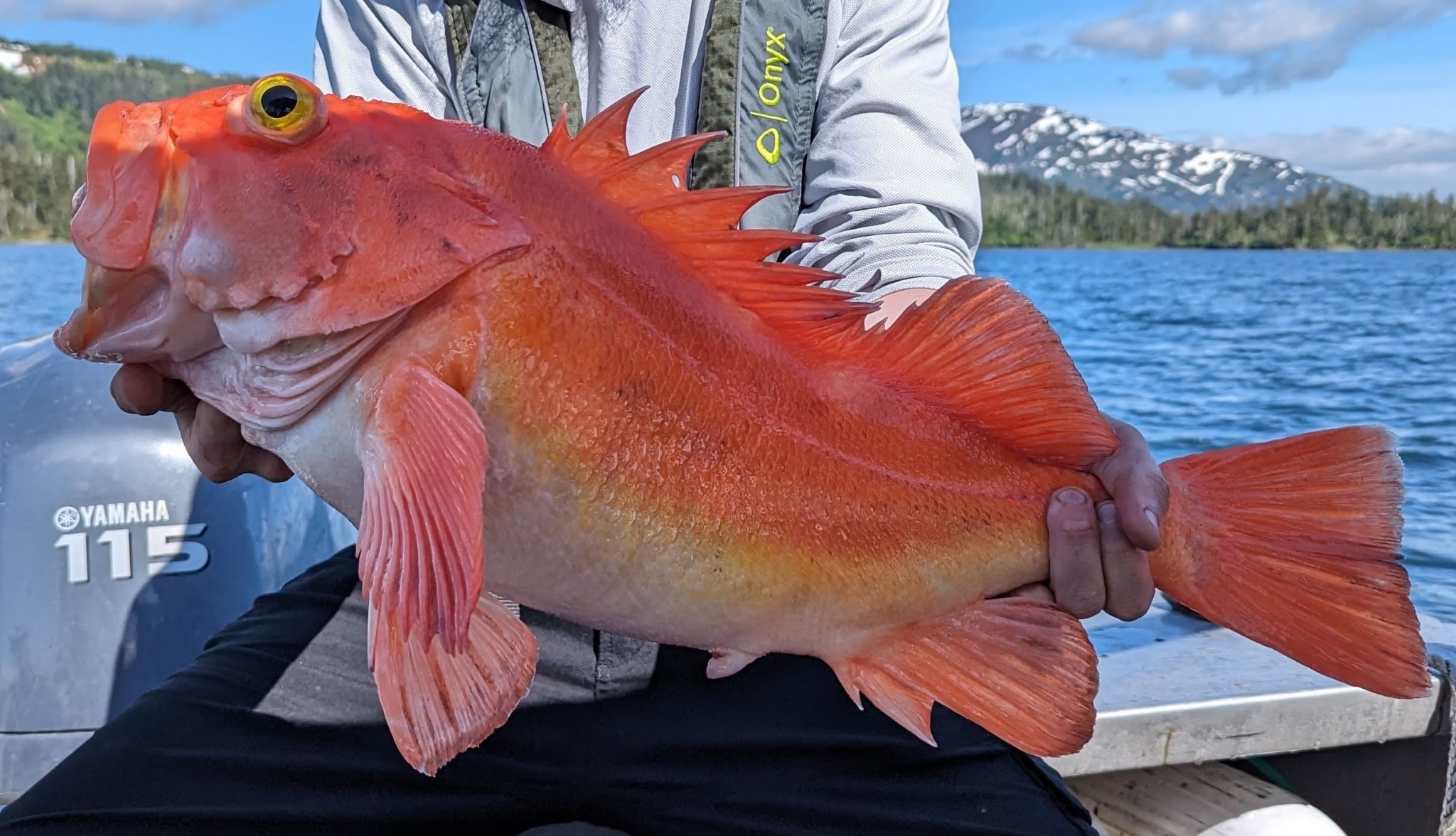

Ask any West Coast angler what fills the cooler most reliably, and the answer is almost always the same: rockfish. Known up and down the coast as rockcod, these bottom-dwelling reef fish are the backbone of Pacific bottom fishing, dozens of species in a rainbow of colors, from the deep-red vermilion and the copper to the brown gopher, the black-and-yellow, the boccaccio, and the prized canary and yelloweye. They're abundant, they hammer bait and jigs, they hold on the same rocky structure all season, and they cook up into some of the best fish and chips you'll ever eat. For a beginner, rockfish are the perfect introduction to saltwater bottom fishing. For a veteran, they're a dependable payday on any day the ocean lets you out.
Rockfish fishing isn't complicated, but doing it well, getting quality fish, limiting out efficiently, and releasing the ones you must without killing them, takes a little know-how. This guide covers the rigs, the lures, the structure, and the conservation that turn a slow pick into a fast, full cooler.
What Exactly Is a "Rockfish"?
"Rockfish" is a catch-all for the genus Sebastes, over 60 species along the Pacific coast alone. They share a family look: a stout body, a big mouth, and spiny dorsal and gill-plate fins (mind those spines when you unhook them, some carry a mild venom that stings like a bee). They range in color and size from the little grass rockfish of the shallow kelp to the big, slow-growing yelloweye and cowcod of the deep. Most of what you'll catch on a typical trip are the mid-water and bottom reds, browns, and blacks, all excellent eating.
The key thing to understand is that they are structure fish. Rockfish live their whole lives around hard rocky bottom, reefs, pinnacles, ledges, boulder fields, wrecks, and rockpiles. Find the rock, find the fish. Bare sand or mud between reefs holds almost nothing. That single fact drives everything about how you fish for them.
Rock Fishing: A Complete Guide to SuccessWhere to Find Rockfish
Your fishfinder is your best friend. Rockfish stack up on and just above high-relief rocky structure, and a good sounder will show you both the rock and the fish holding on it as a cloud of marks over the hard bottom. Look for:
- Rocky reefs and pinnacles rising off the bottom, the sharper the relief, the better.
- Ledges, drop-offs, and boulder fields where the bottom changes hard.
- Wrecks and hard structure that mimic natural reef.
- Kelp beds and shallow rocky shorelines for shallow-water species like grass, gopher, and black rockfish.
Depth varies by species and season, from shallow kelp-lined shorelines out to deep offshore banks in hundreds of feet of water, though many areas now restrict how deep you can fish to protect slow-growing deep-water species. Once you mark fish, position the boat so your baits drop right onto the structure. Rockfish don't chase far, so precision matters: a drop 40 feet off the rock catches nothing, while a drop right on it loads up.
The Shrimp Fly Rig: The Classic Producer
The single most iconic rockfish rig is the shrimp fly rig (or "rockfish gangion"), a leader with two or three small shrimp-fly teasers tied on dropper loops above a heavy sinker. The flies imitate the small shrimp and baitfish rockfish feed on, and because you're fishing two or three at once, doubles and triples are common, you'll often crank up two or three fish at a time.
Tip the flies with a small strip of squid for extra scent and you'll dramatically improve your catch. Drop the rig to the bottom, reel up a couple of turns to keep the sinker just off the rocks, and either hold it there or gently lift and drop. When you feel the tap-tap-thump of fish loading up, reel steadily, don't wait too long or you'll snag in the rocks.
How to Tie and Fish the P-Line Shrimp Fly Rig for RockfishSimple Bait Rigs
You don't need anything fancy. A simple bottom rig, a single hook or two on dropper loops above a bank sinker, baited with squid, anchovy, sardine, or cut mackerel is deadly and dead easy. Squid is the go-to bait: tough, cheap, scent-heavy, and rockfish love it. Thread a strip or a whole small squid on the hook, drop to the bottom, reel up a crank or two, and hold. The bite is usually obvious.
Simple Rockfish Rig Set Up for BeginnersLive bait, a live anchovy, sardine, or small baitfish, pinned on a leadhead or a live-bait leader and dropped to the structure will often draw the bigger, better-quality rockfish (and frequently a bonus lingcod, which ambush rockfish and will crush a struggling livie). If you can get live bait, use it for the trophies.
Jigs and Swimbaits: The Fun Way
For the angler who likes to work a lure, rockfish crush metal jigs and swimbaits. A heavy metal jig (a "diamond jig" or a shrimp-fly-topped jig) dropped to the bottom and worked with sharp lift-drops triggers reaction strikes and often the bigger fish in the school. Swimbaits on heavy leadheads, a 4- to 7-inch plastic worked slowly near the structure, are a blast and select for quality gopher, copper, and vermilion rockfish, plus the ever-present chance of a lingcod grabbing hold.
Fishing lures keeps you active and connected to the bottom, and lets you cover the structure more thoroughly than a static bait. Just be ready to lose some to the rocks, it's the cost of fishing where the fish live.
Tackle for Rockfish
Rockfish tackle is straightforward: you need enough backbone to fish heavy sinkers, pull fish up off the rock, and handle the deep water and current. A medium-heavy to heavy conventional or spinning rod, a reel with a solid drag spooled with braided line (its thin diameter and no-stretch feel let you hold bottom in current and feel the bite in deep water), and a stout leader. Sinkers from 4 to 16 ounces depending on depth and current, bring a range. Because you'll snag and break off in the rocks, carry plenty of spare rigs, hooks, and sinkers.
Rockfish Fishing Tips: Tackle and TechniquesShore Fishing for Rockfish
You don't need a boat. Rocky shorelines, jetties, breakwalls, and kelp-lined points hold shallow-water rockfish, grass, gopher, black, and kelp rockfish, within casting range. Fish a leadhead with a swimbait or a bait rig around the rocks and kelp, work it near the bottom and structure, and you'll pick up rockfish (and often kelp greenling and cabezon as a bonus). It's one of the most accessible, productive, and underrated shore fisheries on the coast, a kid with a swimbait off a rocky point can catch dinner. Fish the higher stages of the tide when fish push up onto the shallow rocks to feed, keep your gear light so you can feel the bite, and expect to lose a few rigs to the structure. Because you're fishing shallow water, released fish here rarely suffer barotrauma, making shore rockfishing a low-impact, family-friendly way to enjoy the fishery.
Shore Fishing for Pacific Rockfish and Kelp GreenlingFishing the Boat: Drifting vs. Anchoring
How you present your baits over the structure matters as much as the rig. Most rockfish anglers drift, motor up-current or up-wind of the reef, then drop and let the boat carry the rig across the rock. A drift covers ground, shows you where the fish are concentrated, and keeps you off the bottom's worst snags. The catch is that a fast drift sweeps you off the spot quickly and drags your sinker into the rocks, so on a windy or hard-current day a drift sock (sea anchor) slows you down and keeps your baits in the strike zone longer.
When you find a hot, tight piece of structure loaded with fish, anchoring or holding on the spot with the motor (spot-lock on an electric trolling motor is a game-changer here) lets you sit right on top of them and pick the reef apart. The best anglers watch their sounder constantly and reposition the moment the marks thin out. Rockfish don't scatter far, but they do concentrate in specific high spots on a reef, and dialing in the exact rock that's holding fish is what separates a slow pick from a fast limit.
Don't Forget the Mid-Water Species
While most rockfish hug the bottom, a few species, widow, yellowtail, and bocaccio rockfish among them, often suspend well up off the structure in schools, sometimes 30 to 100 feet above the rock. If your sounder shows a cloud of fish stacked up in the water column rather than glued to the bottom, don't keep dropping all the way down. Stop your rig in the middle of the marks and work it there. These mid-water schools can produce fast, easy fishing on shrimp flies or small jigs, and they're often overlooked by anglers fixated on the bottom. Reading where in the water column the fish are holding, and putting your rig at that exact depth, is one of the most valuable skills in rockfishing.
Barotrauma: Release Deep Fish the Right Way
This is the most important conservation topic in rockfish fishing. When you bring a rockfish up from deep water, the gas in its swim bladder expands, its stomach may protrude from its mouth, its eyes bulge, and it can't swim back down if you release it. This is barotrauma, and a fish left floating on the surface is a dead fish that dies for nothing.
The fix is a descending device, a weighted clip or basket that takes the fish back down to depth, where the pressure recompresses the gas and the fish swims off healthy. In many West Coast fisheries a descending device (or a venting tool) is now required to be on board. If you're going to release rockfish from deep water, whether they're over your limit, a species you can't keep, or below size, descend them. It's the difference between a released fish that lives and one that becomes a gull's meal.
How to Use a Descending Device to Release RockfishCommon Rockfish Mistakes to Avoid
- Fishing off the structure. Rockfish hold tight to the rock. If you're not marking fish and rock under the boat, you're not going to catch. Reposition until you're right on it.
- Reeling up too far. Keep your bait or jig within a few feet of the bottom where the fish are. Rockfish rarely chase far up in the water column (mid-water species like widow and yellowtail rockfish excepted).
- Waiting too long on the bite. Once fish load your gangion, reel, dallying lets them (and your rig) settle back into the rocks and snag.
- Skipping the descending device. Floating your releases kills them. Have the device rigged and ready before you drop.
- Ignoring the spines. Rockfish spines can deliver a nasty, mildly venomous sting. Handle them with care or a glove.
Timing and Conditions
Rockfish are catchable year-round wherever the season is open, and they don't migrate, so they hold on the same structure day after day. The biggest limiting factor is the ocean itself: rockfish live in exposed rocky areas, so a calm day with light wind and a gentle swell is what gets you out and lets you hold on the spots. A moving tide generally fires up the bite as current sweeps food across the reef; slack water can slow it. Early morning is classic, but rockfish feed all day, and a good reef will produce whenever you can safely fish it. Watch the marine forecast closely, rockfish fishing is as much about picking a fishable day as it is about technique.
Know the Regulations
Rockfish are managed carefully because many species grow slowly and live for decades (the yelloweye can live over 100 years). That means detailed, area-specific rules: seasons, depth limits, bag and sub-bag limits (special limits on canary, yelloweye, cowcod, and others), and required conservation gear like descending devices. These change year to year and differ by state and management area. Always check your local, current regulations before you go, and when in doubt, descend the fish.
Put It All Together
Rockfish fishing rewards a simple, repeatable approach: use your sounder to find rocky structure and the fish holding on it; drop a shrimp-fly gangion, a bait rig, a jig, or a swimbait right onto the rock; keep it within a few feet of the bottom; reel steadily when they load up; and descend every fish you release from deep water. Fish a calm day on a moving tide, mind the spines and the regulations, and you'll fill a cooler with the best light bottom fishing the West Coast has to offer.
Rockfish share their rocky world with two other prized reef predators. The toothy lingcod ambush rockfish on the very same structure, and will grab a hooked one right off your line. And up in the shallow kelp, the hard-pulling calico bass haunt the same rocks and grass. Learn all three and you've mastered West Coast reef fishing.
Ready to load up on rockcod? The hard part is rarely the fishing itself, it's picking a fishable window and finding a rocky reef you can legally reach. Pin down a calm day on a moving tide, mark the structure and the fish holding on it with your sounder, come rigged with shrimp flies, squid, jigs, and a descending device, and drop right onto the rock. Do that and the reef will hand you the best light bottom fishing on the West Coast.