Fish
Fish Fire
Fire Hike
Hike Bird
Bird

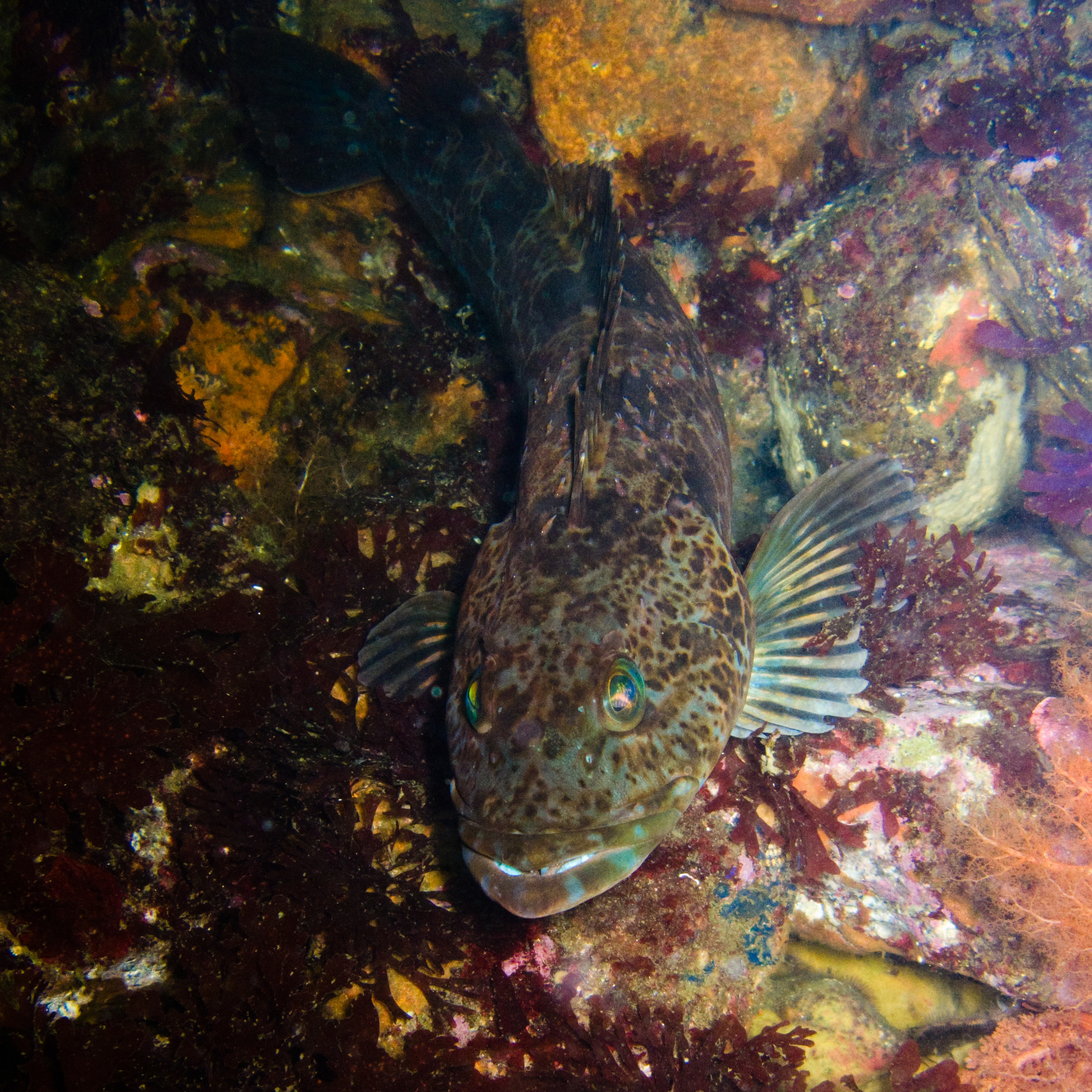

The lingcod is the toothy tyrant of the West Coast reef, a big-headed, mean-looking ambush predator with a cavernous, fang-filled mouth and an appetite that borders on reckless. Lingcod aren't true cod at all; they're a member of the greenling family, and they rule the rocky reefs, pinnacles, and structure of the Pacific coast from California to Alaska, lying in wait to inhale rockfish, baitfish, squid, and just about anything else that swims past. They're famous for their aggression, a lingcod will grab a hooked rockfish you're reeling up and refuse to let go, and prized for their firm, white (sometimes striking blue-green) fillets. Catching one is a game of getting a jig or bait down to rocky structure and winning the immediate battle to pull a strong, toothy fish up off the rocks. This guide covers what lingcod are, where and when to find them, and every core technique, with step-by-step instruction, to catch these voracious reef predators.
Ready to tangle with a toothy ling? It starts with finding the rocky reefs and pinnacles they haunt and getting a lure or bait down onto that structure. Lings rule the same rock as their frequent prey, see our guide on how to catch rockfish.
Meet the Lingcod
The lingcod (Ophiodon elongatus) is an unmistakable, formidable-looking fish: a long, stout body that's mottled in browns, grays, greens, and sometimes striking blues, a very large head, and a huge mouth packed with 18 big, sharp teeth built to grab and hold prey. Some lingcod even have blue-green flesh (harmless, and it cooks up white). They're ambush predators that lie on or near rocky structure and rush out to engulf passing fish, including rockfish nearly their own size, with that big toothy mouth.
Lingcod are a big, strong fish: most caught run 3 to 15 pounds, solid fish are in the twenties, and big ones exceed 30 to 40 pounds (the record is over 80). They're found along the West Coast, from Baja up through California, the Pacific Northwest, British Columbia, and Alaska, relating strongly to rocky reefs, pinnacles, ledges, boulder fields, and high-relief structure in a range of depths. Prized as excellent table fare, firm, mild, white fillets, and as an aggressive, hard-pulling gamefish, lingcod are managed with seasons, size limits, and bag limits (and depth restrictions in places, tied to rockfish management) that vary by area, so always check current regulations.
Where to Find Lingcod
Lingcod are rocky-structure ambush fish, and finding the right structure is everything:
- Rocky reefs, pinnacles, and high-relief structure, the classic lingcod habitat, where they lie in wait to ambush prey; the gnarlier and higher-relief, the better.
- Ledges, boulder fields, and rockpiles, any rocky structure with relief holds lings.
- Near rockfish and bait, lingcod hold where their prey (rockfish and baitfish) concentrate, so structure that holds rockfish holds lings.
- A range of depths, from shallow rocky shorelines and kelp to deep offshore pinnacles, with bigger fish often deeper (though depth limits may apply).
The key is high-relief rocky structure, lingcod love the nastiest, rockiest, snaggiest bottom, and that's exactly where you have to fish for them. Use your sounder to find rocky pinnacles, reefs, and structure (and the rockfish that share it), and drop right on it. Because lingcod relate to specific structure, building a list of productive pinnacles and reefs, and fishing the gnarly rock where lings ambush, is how you consistently find them. They also move a bit seasonally, often coming shallower to spawn in winter (when they guard nests), but the constant is rocky structure.
How to Ground and Pound LingcodJigging: Swimbaits and Metal Jigs
The most popular and effective way to catch lingcod is jigging, dropping a large swimbait on a heavy leadhead, or a big metal jig, down to the rocky structure and working it near the bottom. Lingcod are aggressive and will crush a big jig or swimbait that looks like a fleeing baitfish or rockfish. You drop to the structure, then work the lure with lifts and drops near the bottom, keeping it in the strike zone where the lings ambush, and hold on for a savage thump.
The keys are a big lure (lingcod eat big prey, so don't be shy, large swimbaits and jigs tempt big lings), staying near the bottom and the rocks where they hold, and being ready to pull hard the instant a ling eats to get it up and away from the snaggy structure before it wraps you up. Match jig or leadhead weight to the depth and current so you get down and stay in the zone, and use a stout outfit. Swimbaits and metal jigs worked over rocky structure are the bread-and-butter of lingcod fishing, and it's an active, exciting way to catch them.
Ultimate Lingcod Lure and Jigging TutorialSwimbait Tactics
Swimbaits deserve their own focus because they're so deadly on lingcod. A big soft-plastic swimbait on a heavy leadhead jig, often 4 to 8+ inches, swum and hopped along the rocky bottom imitates the rockfish and baitfish lings feed on, and draws crushing strikes. You can swim it steadily just off the bottom, hop it with lift-and-drops, or bounce it along the structure, varying the retrieve until you find what the fish want. Natural and bright colors both produce.
The key with swimbaits is to keep them near the bottom and the rock (lings ambush upward from structure) and to impart a lifelike, vulnerable-baitfish action. Because you're fishing gnarly rock, you'll snag sometimes, that's the cost of fishing where the lings are, so bring plenty of leadheads and swimbaits. When a big lingcod inhales a swimbait and you feel that heavy thump, lean into it hard and crank it up off the rocks. Swimbaits let you actively hunt lings and target the bigger, aggressive fish, and they're a favorite for good reason.
Using Swimbaits for LingcodLive and Dead Bait
While lures are exciting, bait is deadly for lingcod, especially big ones. A live or fresh dead baitfish, a rockfish (where legal), a whole squid, a herring, a sanddab, or a greenling, dropped down to the structure on a stout rig is irresistible to a big ling. Lingcod are famous for their aggression, and a big natural bait presented on the rocky bottom tempts the trophy fish that sometimes ignore lures. Fish the bait right on the structure and be ready for a heavy take.
A classic lingcod phenomenon deserves mention: lingcod will grab a hooked rockfish you're reeling up and clamp down, refusing to let go, a "hitchhiker" that you can often net or gaff at the surface even though it was never hooked. Savvy anglers use this, sometimes intentionally dropping a hooked rockfish back down to entice a big ling, then slowly, steadily reeling the ling up (never jerking, so it keeps its grip) and netting it at the surface. Whether by design or surprise, a big lingcod latching onto your catch is a quintessential West Coast experience, and a chance at a bonus trophy.
Catching Big Lingcod on a Rockfish TripShore and Kelp Fishing
Lingcod aren't just a boat fishery, they can be caught from shore, jetties, and rocky shorelines, especially where deep water and rocky structure come close to the beach or a rock outcrop. Casting swimbaits, jigs, or bait into the rocky structure and kelp along the shore can produce lingcod (and rockfish) for the walk-on angler. It's an accessible, fun, and productive way to target lings without a boat.
The approach mirrors boat fishing but from the rocks: find the rocky structure and kelp near deeper water, cast a swimbait or bait into it, and work it near the bottom, being ready to pull a ling up and away from the snags. Fish the deeper pockets, rock edges, and kelp where lings ambush, and mind your footing and the surf on rocky shorelines. Shore lingcod fishing puts a great gamefish and superb table fish within reach of anyone with a rod and access to rocky coast.
Catching Lingcod and Rockfish From ShoreCatching Bait and Rigging
Because bait is so effective, catching your own bait is part of the lingcod game. Live herring, sanddabs, small rockfish (where legal), and greenling make outstanding lingcod baits, and many anglers catch bait first (herring on bait jigs, sanddabs and small rockfish on small hooks) before targeting lings. Rig a live or fresh bait on a stout leader and hook, on a bottom rig or a leadhead, with enough weight to hold the rocky bottom.
The rigging is scaled up for big, toothy fish over gnarly structure: heavy braided line, a stout leader (lingcod teeth and rocky structure both demand it), a strong hook, and enough weight to hold the bottom. Present the bait right on the structure where lings ambush, and, as always, be ready to pull hard the instant a ling eats. Catching quality bait and rigging it stoutly is a proven path to the biggest lingcod, and it's a satisfying, old-school approach to these voracious reef predators.
Catching Herring for Lingcod BaitTackle, the Fight, and the Table
Lingcod fishing demands stout tackle, a heavy conventional or spinning outfit with a strong drag, heavy braided line, and a stout leader, because you're fishing gnarly rock and fighting a strong fish that will try to wrap you up in the structure. As with grouper, the fight is often won in the first seconds: when a ling eats, crank it up and away from the rocks immediately so it can't dive back into the structure. Lingcod don't run far, but they pull hard and dive for cover, so keep steady, firm pressure and get them up.
For the table, lingcod are a treat, firm, mild, white (or harmlessly blue-green) fillets that are excellent grilled, fried, or in fish and chips. Follow the seasons, size limits, bag limits, and depth restrictions (which are often tied to rockfish conservation) closely, since they vary by area and change. Bleed and ice your catch. Between the aggressive strike, the tough, structure-seeking fight, and the delicious fillets, lingcod are one of the most rewarding and characterful gamefish on the West Coast.
Seasons, Timing, and Conditions
Lingcod are managed with seasons, size and bag limits, and depth restrictions that vary by state and area and are often tied to rockfish conservation, so the first step is to know the current rules for where you fish, including any depth limits, which are common on the West Coast. Plan your trips around the open season and legal depths. On timing, lingcod bite well much of the season, but many anglers love the winter and early-spring shallow-water fishery, when lings move onto shallower rocky structure to spawn and guard nests and can be caught in accessible depths (mind any closures protecting nesting fish).
On the water, manageable current helps you hold your jig or bait on the structure, and moving water often has the fish more active. Calm-to-moderate seas make it far easier to fish the rocky structure and hold position over pinnacles and reefs. Because lingcod relate to specific rocky structure, being able to stay on the gnarly rock, and fishing it when conditions and the season line up, is what puts you on the fish.
Common Mistakes to Avoid
Lingcod punish a few common errors. Tackle too light or drag too loose lets a ling dive back into the rocks and break you off; go heavy and pull hard immediately. Fishing away from the rock instead of right on the gnarly structure puts your lure where the lings aren't; drop on the pinnacles and reefs. Lures too small for a fish that eats big prey draw fewer big lings; fish big swimbaits and jigs. Reeling a hitchhiking ling too fast or jerking makes it let go of your rockfish; reel slowly and steadily and net it. And ignoring the depth limits and seasons can end your day, since lingcod regulations are strict. Go heavy, fish the rock, go big on lures, reel hitchhikers gently, and mind the rules, and your lingcod success climbs.
Put It All Together
Lingcod fishing is muscular structure fishing for a voracious predator: find the rocky reefs, pinnacles, and high-relief structure; drop a big swimbait, metal jig, or a live/dead bait right on the rocks; work it near the bottom where the lings ambush; and pull hard the instant one eats to winch it up and away from the snags, and keep an eye out for a big ling hitchhiking on your hooked rockfish. Fish the gnarly rock with stout tackle, mind the regulations and depth limits, and you'll be rewarded with an aggressive strike, a tough fight, and some of the best fillets on the coast. Scout the pinnacles, put in the time to learn which rock holds fish, and the lings will come. And for the reef fish that shares the same rocks (and that lings love to eat), read our guide on how to catch rockfish next.