Fish
Fish Fire
Fire Hike
Hike Bird
Bird

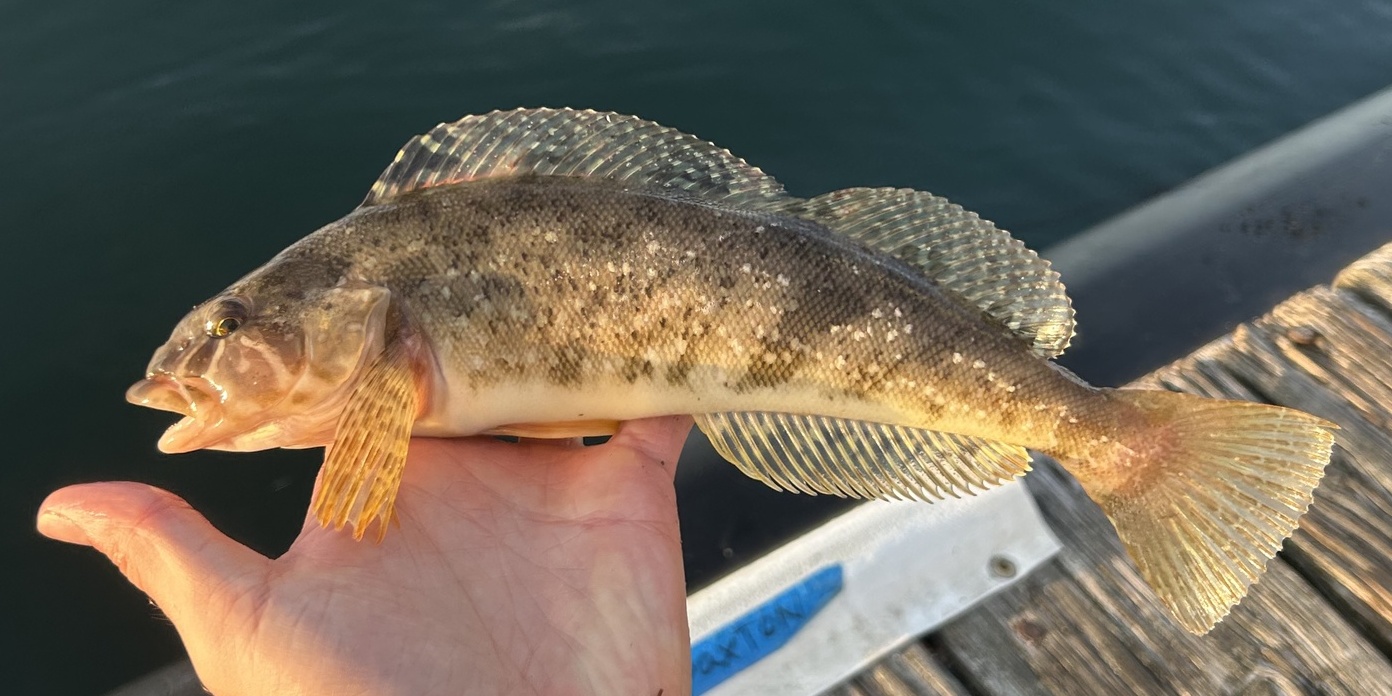

The kelp greenling is one of the Pacific coast's most underrated and accessible gamefish. Small but scrappy, gorgeously colored, and found right up in the rocks and kelp where anyone with a rod can reach them, greenling are a perfect target for shore anglers, kids, and anyone who wants a fun day of fishing and a delicious dinner. They bite readily, they fight well for their size, and their firm white (sometimes blue-tinged) fillets are excellent eating. Learn where they live and what they eat, and greenling become one of the most dependable catches on the West Coast.
This guide covers everything: how to identify a greenling and its cousins, where and when to find them, the simple baits and lures that produce, the light rigs that work from shore and boat, and how to land and handle these colorful little reef fish.
Part of the appeal of greenling is how little you need to catch them. You don't need a boat, expensive tackle, or a long run offshore, a light rod, a handful of hooks and sinkers, and some shrimp or worms from the bait shop will get you into fish off any rocky jetty or shoreline. That accessibility, combined with their willingness to bite, their beauty in hand, and their quality on the plate, makes greenling one of the most beginner-friendly and family-friendly saltwater fish on the West Coast, while still being a legitimate, fun target for experienced anglers working light gear or filling out a mixed-bag reef trip.
What is a greenling?
The kelp greenling (Hexagrammos decagrammus) is a member of the greenling family, which also includes the lingcod, rock greenling, whitespotted greenling, and painted greenling. It's a slender, elongated fish with a small head, a single long dorsal fin, and, the family trademark, multiple lateral lines running down each side. Kelp greenling reach about 20 inches but most are 10 to 16 inches.
One of the most striking things about kelp greenling is their sexual dimorphism: males and females look so different they can seem like separate species. Males are grayish-brown with scattered bright blue spots ringed in reddish-brown, and often orange-tinged fins. Females are lighter brown to tan and covered all over in small golden-orange to reddish-brown spots. Both are beautiful, and both are excellent eating.
Greenling are members of the same order as rockfish, sculpins, and cabezon, and they share the same rocky, kelpy inshore habitat. They feed on small crustaceans, worms, brittle stars, small fish, and other invertebrates picked from the reef and kelp, which is exactly what you'll imitate to catch them.
It's worth knowing the greenling family a bit, because you'll often catch several species in the same spot. The rock greenling is a chunkier, more colorful cousin common in the far north and in exposed rocky surf; the whitespotted greenling favors eelgrass and calmer inshore waters; and the painted greenling is a small, boldly barred fish often seen by divers. All are caught on the same light gear and baits, and all are fine eating. The lingcod, despite the name, is actually the giant of the greenling family, which is why lingcod and kelp greenling so often share the same reef. For the everyday shore or small-boat angler, though, the kelp greenling is the one you'll encounter most, and the tactics in this guide apply to all of them.
All About the Kelp GreenlingWhere and when to find greenling
Kelp greenling range along the Pacific coast from Southern California up through Oregon, Washington, British Columbia, and Alaska, and they are tightly tied to hard structure and kelp in relatively shallow, cool water. Focus on:
- Rocky reefs and boulder fields, Classic greenling habitat, from the shallow intertidal out to a few hundred feet, though most are caught shallow.
- Kelp beds and kelp edges, Greenling hunt through and around kelp; the broken rock under kelp is prime.
- Jetties, breakwalls, and rocky points, The most accessible greenling water, putting fish within easy reach of shore anglers.
- Rocky shorelines and tide pools, Along much of the coast you can catch greenling casting into the rocks and kelp from shore.
Greenling bite well in daylight and are catchable year-round, though some regions manage them within groundfish/rockfish seasons, always check local regulations. As with most rocky-reef fish, a moving tide improves the bite, and the push of an incoming tide bringing food into the rocks is a reliable window.
For shore anglers, greenling are a gift: some of the best fishing is right off jetties, breakwaters, and rocky points that anyone can walk to. Look for structure with plenty of nooks and crannies, the rougher and rockier the bottom, the more greenling it tends to hold. Fish the edges where rock meets sand, the pockets between boulders, and the margins of kelp. Because greenling hold tight to cover, you don't need to cast far; often the fish are within a rod's length of the rocks you're standing on. Safety matters on wet, wave-washed jetties and rock gardens, so wear grippy footwear, keep an eye on the swell, and never turn your back on the ocean.
From a boat or kayak, drift or anchor over rocky, kelpy bottom and drop your bait or jig right into the structure. Greenling often share the reef with rockfish, cabezon, and small lingcod, so a spot that produces one usually produces a mixed bag, part of what makes fishing the Pacific reef so fun.
Puget Sound Greenling FishingBest baits for greenling
Greenling are not fussy, they eat a wide range of small invertebrates and readily take common baits. The best options match their natural diet and stay on a small hook:
- Shrimp, Fresh or frozen shrimp, and small pieces of prawn, are among the most reliable greenling baits, especially from shore.
- Marine worms, Pile worms, bloodworms, and other marine worms are deadly on greenling.
- Squid, Small strips of squid are tough, cheap, and effective.
- Mussels and clams, Natural greenling foods that work well, though they're soft and get picked off quickly.
- Small pieces of cut bait, Bits of fish or other cut bait tempt greenling too.
Because greenling have relatively small mouths, use modest-sized baits on a small hook (size 4 to 1/0), and thread the bait securely so short-biting fish don't strip it clean. A tough bait like squid or a well-hooked piece of shrimp fishes best in the rocks.
Greenling are notorious bait-stealers, they'll peck a soft bait to pieces before you feel a hookable bite, so presentation and attentiveness matter. Keep baits small and neat, thread worms and shrimp up the shank so the hook point is buried but ready, and set the hook promptly when you feel the tapping start rather than waiting for a hard pull that may never come. If you're getting picked clean, downsize your bait and hook further; a small, tidy morsel that a greenling can inhale in one go produces far better hookups than a big gob it can nibble at from the edges. Freshness helps too, greenling respond to the scent of fresh shrimp, worm, or squid, so refresh your bait regularly rather than soaking a washed-out piece.
Shore Fishing for Greenling and RockfishLures and jigs
Greenling take small artificials well, which makes them a fun light-tackle target. Small leadhead jigs dressed with a soft-plastic grub, small swimbaits, curly-tail grubs, and small metal jigs all draw strikes when worked slowly along the rocky bottom. Tip a jig with a bit of shrimp or squid and you combine the attraction of a lure with the scent of bait, a deadly combination for greenling.
The key is fishing near the bottom, in and around the rocks and kelp, with a slow, deliberate presentation. Let the jig sink to the structure, then hop or slow-drag it through the zone. Greenling often hit on the drop or as the lure crawls along the bottom, so stay in contact and set the hook at the tap. Light gear makes it more fun, a greenling on a light spinning rod puts up a spirited fight.
Small soft plastics in natural colors, shrimp, sandworm, and baitfish patterns, tend to work best, but greenling will also chase brighter grubs, so experiment if the bite is slow. A downsized approach usually out-produces oversized lures because of the greenling's modest mouth: a 2- to 3-inch grub on a light jighead is a great all-around choice. When fishing artificials around rocks and kelp, keep your retrieve slow and your rod tip sensitive; much of the greenling's take is a subtle series of taps rather than a hard thump, and the anglers who stay in touch with the lure and set on those little pecks hook far more fish. Losing a few jigs to the rocks is simply part of the game, so bring extras and fish confidently in the snaggy structure where the fish actually live.
How to Catch Greenling and Rockfish from a JettyRigs and how to fish them
Greenling live in snaggy rock and kelp, so keep your rigs simple, light, and able to reach the bottom without hanging up constantly.
High-low (dropper) rig, A small sinker on the bottom with one or two baited hooks on short droppers above it. It holds bottom in current and presents baits in the strike zone, the go-to shore rig for greenling.
Carolina / sliding-sinker rig, A sliding egg or bank sinker above a swivel and leader lets a greenling pick up the bait near the bottom. Good from shore and boat.
Leadhead jig, For artificials, a light leadhead dressed with a grub or tipped with bait is a rig and lure in one.
Use just enough weight to hold bottom, a small hook matched to the bait, and a leader that can take some abrasion on the rocks. When you feel the tap-tap of a greenling, set and lift to keep the fish coming up and out of the structure. Greenling aren't as prone to burying themselves as cabezon, but a hooked fish will still dive for cover, so keep steady pressure.
Landing, handling, and eating
Greenling are small enough that landing is easy, swing a fish aboard or up onto the rocks, or use a small net. They have no venomous spines, but like all reef fish their fins and gill covers can poke, so handle them with a little care. They're hardy, so fish you don't want to keep can be released in good shape.
That said, don't underestimate the fight. Pound for pound, a good kelp greenling pulls hard and uses the structure to its advantage, so on light tackle they're genuinely fun. Keep steady pressure to turn a hooked fish away from the rocks, and enjoy the scrap, it's a big part of why greenling are such a rewarding light-tackle target rather than just a pan-fish afterthought.
For the table, greenling are genuinely delicious, firm, mild, sweet white fillets that fry, grill, and bake beautifully and make outstanding fish tacos and fish and chips. Like some of their relatives, greenling flesh occasionally shows a blue-green tint that cooks up white; that's harmless. Bleed and ice your catch for the best quality.
A quick word on conservation and regulations: greenling are managed in many areas within the broader groundfish and rockfish rules, which can include bag limits, size limits, and seasonal or depth restrictions that change from year to year. Always check your state's current regulations before keeping fish, and practice sensible restraint, greenling are abundant where the habitat is healthy, but a heavily-fished jetty can be thinned out, so keeping a few for a meal and releasing the rest keeps the fishing good for everyone. Because greenling are hardy and usually hooked in shallow water, released fish generally swim off in excellent shape, which makes them a great catch-and-release option for kids and casual anglers who just want the fun of catching without keeping a limit.
How to Catch and Cook Kelp GreenlingCleaning a greenling is quick and simple; the video below walks through filleting one.
How to Fillet a Kelp GreenlingWhere to catch them
The entire Pacific coast holds greenling, Northern California, Oregon, Washington, British Columbia, and Alaska all offer excellent fishing, much of it from accessible jetties, rocky shorelines, and kelp-lined coves. Greenling are one of the best species for shore anglers, families, and anyone learning saltwater fishing, since you don't need a boat or specialized gear to catch them. For many coastal anglers, a greenling is the very first saltwater fish they ever land, and their bright colors and eager bite make them a memorable introduction to fishing the Pacific. A little scouting of productive rocky structure, a jetty with deep water on one side, a kelp-lined point, a boulder field exposed at low tide, will get you into fish fast, and because greenling share the reef with rockfish, cabezon, and lingcod, a trip targeting them often turns into a varied, action-packed day with several species in the cooler.
If you're fishing the Pacific rocks and kelp, keep building your skills with our guides on how to catch cabezon, how to catch lingcod, and how to catch rockfish.