Fish
Fish Fire
Fire Hike
Hike Bird
Bird

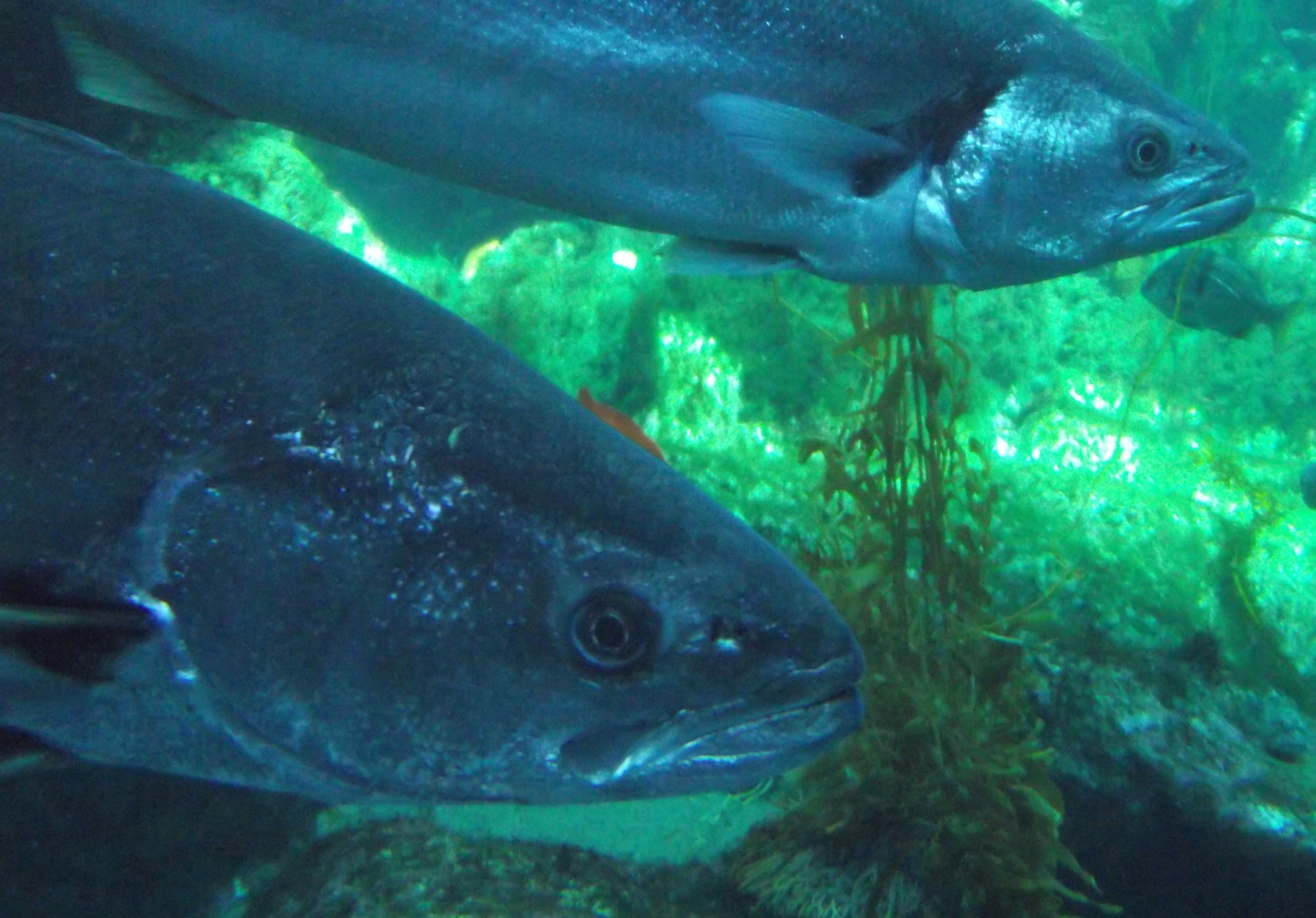

Few fish in California carry the mystique of the white seabass. Despite the name, it isn't a bass at all, it's the largest member of the croaker family on the West Coast, a sleek, silvery predator that can top 50 or even 60 pounds. Anglers call them "ghosts" for good reason: they're wary, they come and go with the squid and the season, and a big "seabass" hooked in the kelp is one of the most coveted catches in Southern California. Land a legitimate 40-pounder and you've joined a fairly exclusive club.
White seabass are also maddening. They can be right under the boat and refuse everything, then switch on all at once in a frenzy that lasts twenty minutes. Cracking the code takes the right bait, the right presentation, and, more than anything, being in the right place when the bite happens. This guide covers how to find them, how to rig for them, and how to be ready when the ghost finally shows.
Understanding the White Seabass
White seabass are croakers, and like all croakers they can "drum", you'll sometimes hear a hooked fish croak. They have an elongated silver body, a faint dark lateral line, and (in juveniles) vertical bars that fade with age. Small fish under about ten pounds are called "sea trout"; the big adults are the prize.
The single most important thing to understand about white seabass is their relationship with squid. Market squid are their favorite forage, and white seabass follow the squid spawn. When squid mass up to spawn over sandy bottom near reefs and kelp, often in late winter and spring, white seabass move in to gorge, and that's when the fishing catches fire. Find the squid (or find where they've recently spawned), and you've found the seabass. This is why the seasoned crowd watches for squid: nesting squid, squid on the meter, even squid boats working an area at night all point to seabass.
How to Catch White SeabassWhere White Seabass Roam
White seabass range from Alaska down through Baja California, but the heart of the fishery is Southern California and the northern Baja coast, out to the Channel Islands. They're a coastal, structure-oriented fish that spends its life within a few miles of shore around kelp, reefs, and the sandy stretches where squid spawn. The islands, Catalina, San Clemente, the northern Channel Islands, are legendary seabass grounds, but plenty of fish are caught along the mainland coast wherever kelp and squid come together.
They're slow to mature and can live over two decades, growing into genuine giants: the fish of a lifetime pushes past 50 pounds, and the sea trout under ten pounds you'll catch along the way are the same species just a few years younger. Because they're nomadic and follow the bait, seabass fishing is a moving target, a spot that's stacked one week can be empty the next once the squid move on. Local knowledge of where the squid are spawning right now is worth more than any single rig or lure, which is why staying plugged into current, on-the-water reports and following the bait from spot to spot shortens the learning curve dramatically.
Reading the Squid: The Angler's Edge
Because white seabass live and die by the squid, learning to read the squid is the single biggest edge you can develop. Watch your sounder for balls of squid over sandy bottom near structure, they show as soft clouds, often near the bottom. Squid nests (mats of white egg cases on the sand) mean squid have been spawning there and seabass are likely nearby. At night, squid come to lights, which is why commercial squid boats work an area after dark, the presence of that fleet, and of freshly caught squid, is a giant flashing arrow to the seabass.
Even the birds and the water can tip you off: diving birds and nervous bait on the surface point to activity below. The anglers who consistently catch seabass aren't necessarily better casters, they're better at finding the bait and being on it during the bite window. Put your effort into locating squid first, and the seabass follow.
Live Squid: The Number-One Bait
If you can get live squid, you have the best white seabass bait there is. Nose-hook or collar-hook a live squid on a leadhead or a bait hook, drop or fly-line it near the bottom or into the kelp, and let it swim naturally. A frisky live squid in front of a hungry seabass is nearly irresistible. When live squid isn't available, fresh dead squid, a whole frozen squid, or a live sardine, mackerel, or small baitfish will all take fish, but on a tough day, live squid separates the winners from the also-rans.
Fishing Live Squid for White SeabassThe classic presentation for fishing squid on the bottom is the dropper loop, a sinker on the end of the line with a hook tied on a loop a few feet up, so your squid rides just off the bottom where seabass cruise and feed. It's simple, deadly, and the go-to rig for anchored or slow-drifting squid fishing over hard bottom.
How to Tie and Fish the Dropper Loop for White SeabassRigging a Leadhead with Squid
Another top presentation is a squid pinned on a leadhead jig. The weight of the leadhead gets the bait down and lets you cast, swim, and control it around structure and in current, deadly when fish are up off the bottom or holding in the kelp. Rigging the squid properly on the leadhead so it swims straight and stays on through casts makes a real difference.
How to Rig a Leadhead with Squid for White SeabassThe Surface Iron: Artificial for Seabass
When white seabass are feeding up in the water column, especially early and late in low light, they'll crush a surface iron, the classic West Coast long-casting jig. Throw a surface iron along the edge of the kelp, wind it steadily so it swims just under the surface with a wide side-to-side wobble, and hang on: a seabass hitting an iron on the troll-speed retrieve is an explosive, unforgettable strike. Chrome, blue-and-white, and scrambled-egg patterns are all-time favorites. The iron is how you catch seabass on an artificial and cover water fast when they're grinding on bait.
Surface Iron Fishing for White SeabassWorking the Kelp
White seabass are structure fish, and along the Southern California coast that structure is often kelp. Big seabass hold in and around kelp beds, using them for ambush and forage. Fishing the kelp means positioning up-current of the beds and drifting or casting baits and jigs along the edges and into the stringers, then muscling a hooked fish out before it wraps you in the fronds. That's the trade-off of kelp fishing: it holds the fish, but it's exactly where they'll break you off, so use stout tackle and pull hard.
Beyond kelp, seabass relate to rocky reefs, hard bottom, and, critically, spawning squid over sand near structure. Use your sounder to find the bait and the fish, and don't be afraid to move until you mark them.
Trolling to Find Them
When you don't know exactly where the fish are holding, trolling a swimbait, a diving plug, or a rigged bait along kelp edges and reefs is a proven way to cover water and locate active seabass. A troll pass that gets bit tells you where to stop and work the area thoroughly with bait or the iron. On big open stretches of coast, trolling is how many seabass get found before the anchor ever goes down.
Trolling for White SeabassTackle for White Seabass
White seabass fishing demands stout tackle. You're fighting a big, powerful fish in and around kelp and structure that it will use to break you off, so err on the heavy side. A medium-heavy to heavy conventional or spinning outfit with a strong, smooth drag, quality braided or heavy mono line, and a stout fluorocarbon leader (seabass can be leader-shy in clear water, so match the leader to conditions, heavier in the kelp, lighter when they're finicky). Live-bait hooks or leadheads sized to your squid, dropper-loop components, and a couple of surface irons round out the kit. Bring a big net or gaff, these are large fish.
Must-Know Gear and Rigs for White SeabassTiming: The Bite Windows That Matter
Timing is everything with white seabass, and this is where most anglers go wrong. A few keys:
- Low light rules. Dawn and dusk, and the grey-light hours around them, are prime. Many of the best seabass bites happen in the first and last minutes of daylight, and night fishing around a squid spawn can be lights-out.
- Follow the squid and the season. The peak season on much of the coast runs late winter through spring into early summer, tracking the squid spawn. When the squid are in, the seabass are catchable.
- Moving water. A moving tide, especially around the tide change in low light, concentrates bait and triggers feeding. Slack midday sun is the toughest window.
- The bite is short and violent. Seabass often feed in a brief, intense window. Be rigged, positioned, and ready before it starts, when it turns on, you may only have twenty minutes to make it count.
Common White Seabass Mistakes
- Fishing without a plan for bait. If you're not on squid (live squid, a fresh squid spawn, or squid on the meter), your odds drop hard. Chase the bait.
- Being unready for the window. The bite is short. Anglers who are re-rigging or napping when it fires miss the whole thing. Stay ready.
- Too-light tackle in the kelp. A big seabass will bury you in kelp or rock in seconds. Use enough gear to turn its head.
- Fishing the bright midday. Unless you're on a hot squid bite, midday sun is the slowest time. Prioritize the low-light windows.
- Making noise. Seabass are wary. Bouncing gear on the deck and running the motor over the school shuts them down. Fish quietly.
Fighting and Landing a Big Seabass
Hooking a big white seabass is only half the battle. The first job is turning its head and getting it away from the kelp or rock it's holding in, hesitate and it will bury you in the salad and cut you off. That's why the tackle runs heavy: you need to lean on the fish hard in the opening seconds. Once you've pulled it into open water, a big seabass fights with a dogged, head-shaking pull rather than blistering runs, but don't get complacent, they surge hard near the boat, and a lot of fish are lost at the net.
Keep steady pressure, let the drag do its job, and don't try to horse a green fish over the rail. When it's ready, lead it head-first into a big net or set the gaff cleanly. Bring the right landing tool for the size of fish you're after; a small net and a 45-pounder is a heartbreak waiting to happen. And handle the fish carefully at the boat, a thrashing seabass with hooks flying is a good way to get hurt.
Regulations and Conservation
White seabass were heavily depleted decades ago and have recovered thanks to careful management, hatchery efforts, and gill-net restrictions, so respecting the regulations matters. There's a minimum size limit and a bag limit that has historically been tighter during the spring spawning months, and the rules can change, so always check the current, local regulations before you fish. Practice good conservation: fish you intend to release should be handled quickly and gently and returned to the water, and keeping only what you'll eat helps ensure the fishery stays healthy for the next generation of anglers chasing their first ghost.
Eating White Seabass
Part of the white seabass's appeal is the table. The meat is firm, white, mild, and versatile, excellent grilled, seared, baked, or in ceviche and fish tacos. It's some of the best-eating fish in California waters, which combined with the challenge and size of the fish makes a seabass one of the most rewarding catches you can bring home. Bleed and ice your fish immediately for the best quality; the care you take in the first minutes after landing shows up on the plate.
Put It All Together
Catching a white seabass comes down to a chain of right choices: find the squid, fish a live squid (or a fresh dead one) on a dropper loop or leadhead, or throw the surface iron when they're up, work the kelp and hard bottom where they hold, use stout tackle to pull them out of the salad, and above all be ready and fishing hard during the low-light, moving-water windows when the ghost finally shows. It's a fishery of patience punctuated by chaos, and landing your first big seabass is a genuine California milestone.
The white seabass shares its kelp-forest world with two other West Coast prizes. The hard-pulling calico bass haunt the same kelp stringers and eat the same squid, and the colorful rockfish hold on the reefs and hard bottom nearby. Master the kelp and you'll catch all three.
Ready to hunt the ghost of the kelp? Do your homework before you go: scout the kelp lines, reefs, and sandy squid grounds, line up your access and launch, and time your trip to the low-light, moving-water windows. Put yourself in the right place when the bite fires, and you might just land the seabass of a lifetime.