Fish
Fish Fire
Fire Hike
Hike Bird
Bird

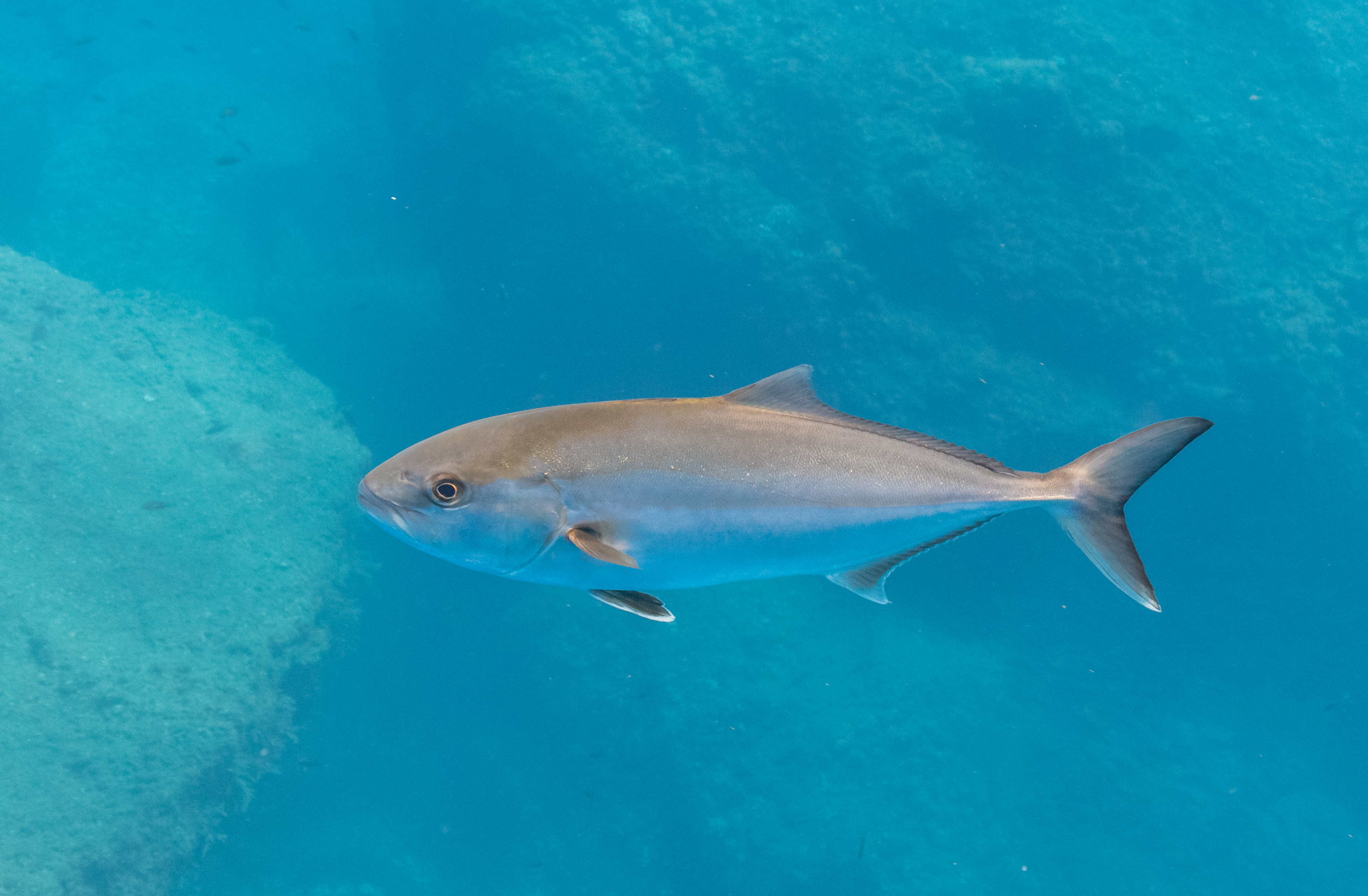

The greater amberjack, the notorious "reef donkey", is, pound for pound, one of the hardest-pulling fish that swims, a broad-shouldered brute that has left more anglers gasping, sweating, and questioning their life choices than almost any fish in the ocean. AJs stack up over wrecks, reefs, and high-relief structure in aggressive schools, crush live baits and speed jigs with abandon, and then dig into a relentless, powerful, back-breaking fight that seems to never end. They're not subtle and they're not shy, they're pure brute strength, which makes hooking one easy and landing one an ordeal. If you want a workout and a genuine test of your tackle and your stamina, the amberjack delivers like nothing else. This guide covers what greater amberjack are, where and when to find them, and every core technique, with step-by-step instruction, to hook, and survive, these reef donkeys.
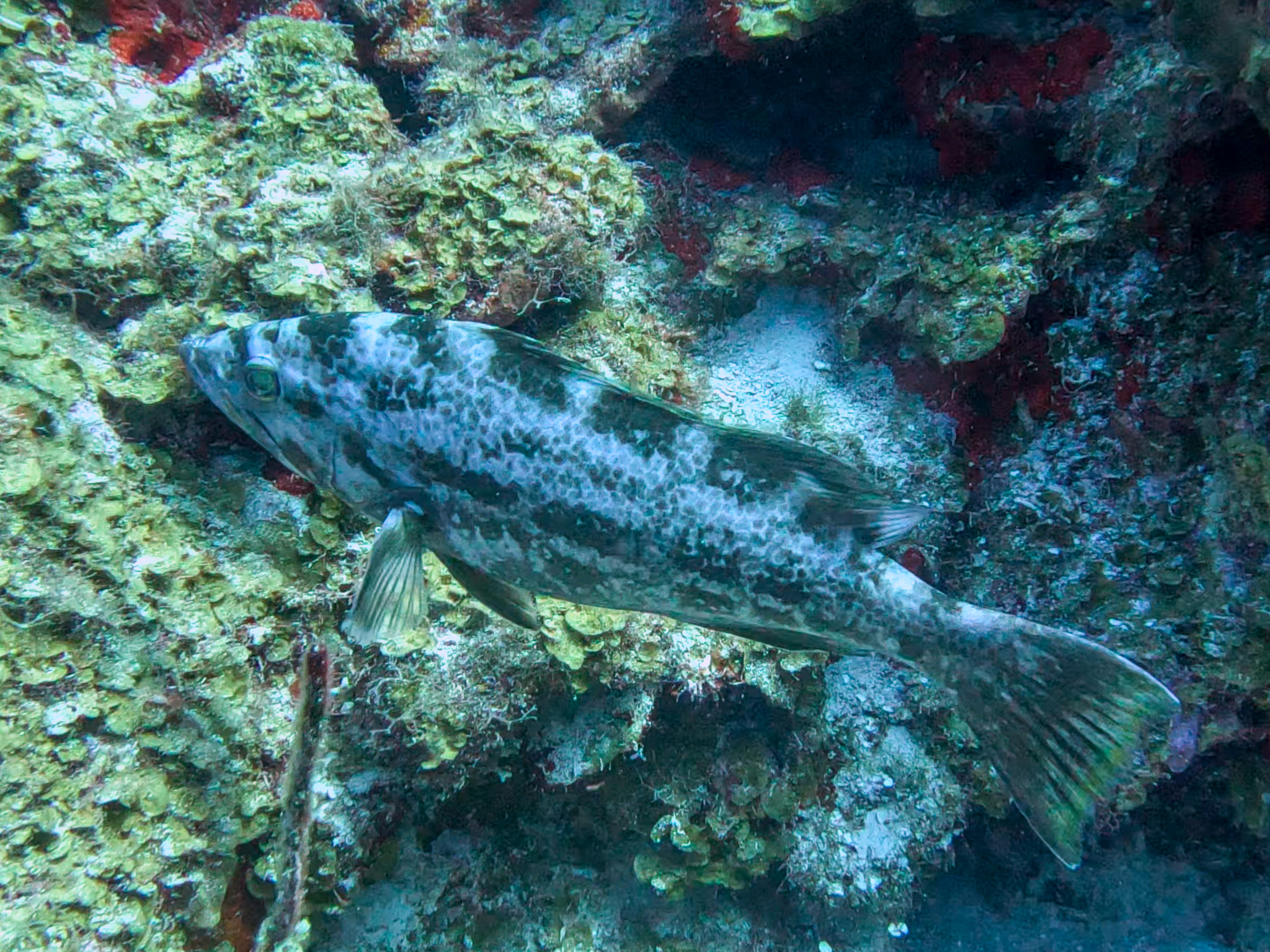
Ready for an arm-burning battle? AJs share the wrecks with other bruisers, see our guide on how to catch black grouper.
Meet the Greater Amberjack
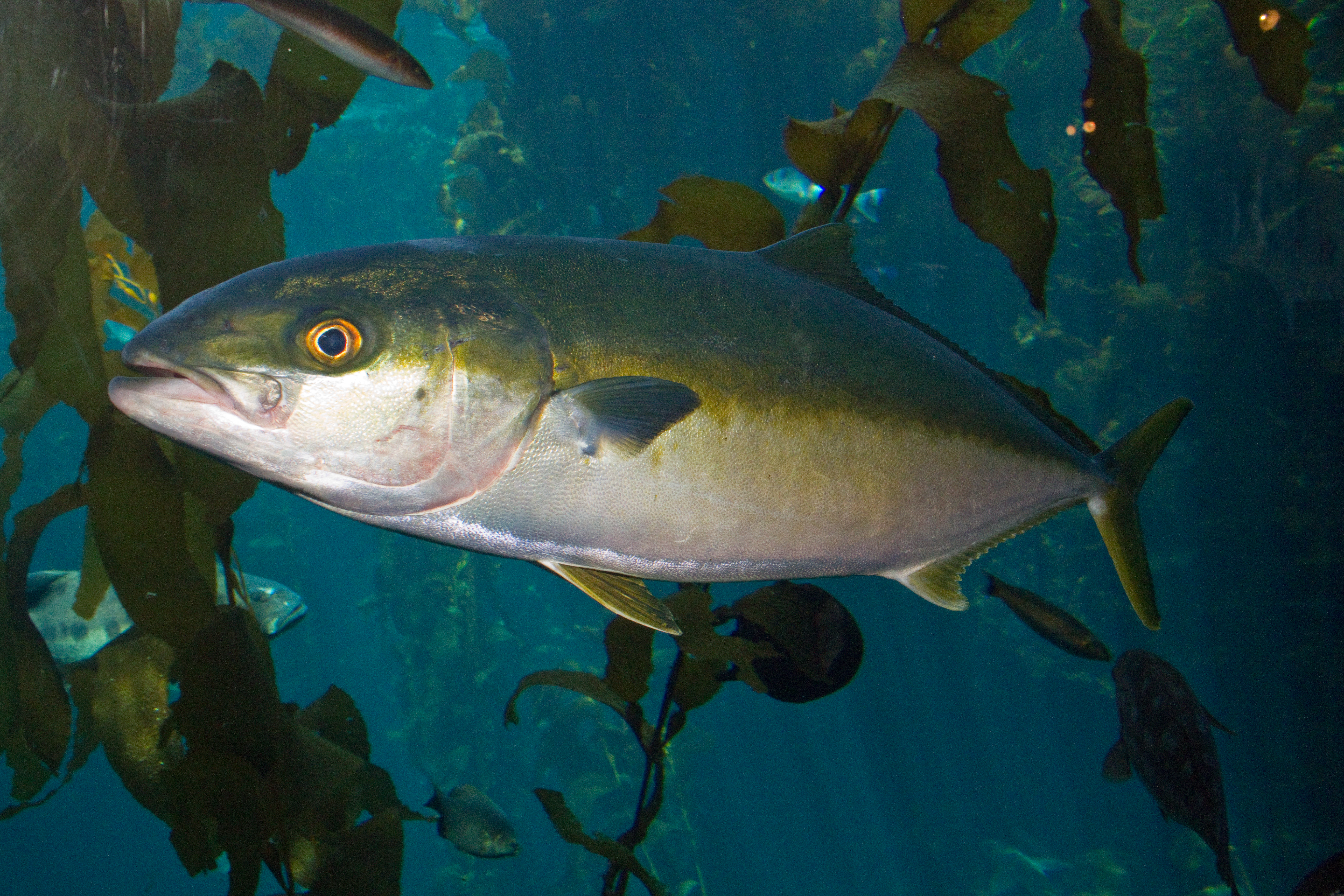
The greater amberjack (Seriola dumerili) is a big member of the jack family, built entirely for power: a stout, torpedo-shaped body, a forked tail, silvery sides, and an amber-to-olive lateral stripe (giving the fish its name) that brightens when the fish is excited. Its key field mark is a dark diagonal bar running from the mouth up through the eye to the front of the dorsal fin. It has the powerful build and broad tail of a fish designed to run down prey and pull like a freight train.
Greater amberjack are a big, exceptionally strong fish: most caught run 15 to 40 pounds, solid fish push into the fifties and sixties, and true giants exceed 100 pounds (the record is over 150). They roam warm and temperate waters worldwide, the Gulf of Mexico, the South Atlantic, and around the globe, relating strongly to wrecks, reefs, rockpiles, oil rigs, and high-relief structure, usually in aggressive schools that stack up over the structure. Considered good table fare (though some larger fish can carry parasites, so many keep the smaller ones), amberjack are prized above all as a brutal, hard-fighting gamefish, and are managed with seasons, size, and bag limits that vary by region, so always check current regulations.
Where to Find Amberjack
Amberjack are structure fish that love high relief, and finding the right structure is the whole game:
- Wrecks and artificial reefs, sunken ships and reef structure are prime, often holding whole schools of AJs stacked above the structure.
- Oil rigs and platforms, the legs and structure hold big amberjack, especially in the Gulf.
- Rockpiles, ledges, and high-relief hard bottom, natural structure with vertical relief concentrates fish.
- Deep reefs and drop-offs, bigger fish often hold on deeper structure.
The good news is that amberjack often hold up in the water column above the structure rather than buried in it like grouper, and they show readily on the sounder as a big mass of fish stacked over a wreck or reef. When you mark a big cloud of fish over structure, that's often amberjack, and they're usually more than willing. Use your electronics to find high-relief structure and the telltale stack of fish above it, and you've found the reef donkeys. Because AJs school, when you find one you've usually found many.
A practical tip: don't overlook structure that other anglers pass by. Amberjack will pile onto almost any high-relief object, a small wreck, a piece of debris, a rockpile, a rig leg, and a lesser-known spot often holds a fired-up, unpressured school. Idle over your structure and watch the sounder: a tall column or cloud of returns stacked above the wreck is the signature of amberjack, and it tells you the fish are there and catchable before you ever drop a line. Marking that stack, then positioning the boat to drop or jig right into it, is how you consistently get on reef donkeys, and how you find the untouched schools that produce the biggest fish and the fastest action.
How to Catch Amberjack (with Dr. Jim)Dropping Live Baits
The classic and deadliest amberjack technique is dropping a live bait down to the structure. A lively live baitfish sent down to a wreck or reef where AJs are stacked gets absolutely crushed, amberjack are aggressive and competitive, and they'll race each other to a struggling bait. Top live baits include blue runners ("hardtails"), pinfish, grunts, cigar minnows, and other baitfish, with bigger baits tempting bigger fish. Free-line or lightly weight the live bait down to the fish and hang on.
The key is simply to get a lively bait down to the school and then be ready for a savage strike and an immediate, powerful run. Unlike grouper, amberjack often hold up off the structure, so you may not need to fish tight to the bottom, drop to where you mark the fish. When an AJ eats, it will run hard, so lock the drag and lean into the fish. A big live blue runner dropped into a stack of amberjack is about as close to a guaranteed bite as offshore fishing gets.
Dropping Big Live Baits for Reef DonkeysSpeed Jigging: The AJ Game
If there's one lure technique amberjack are famous for, it's speed jigging (vertical jigging). AJs are jigging royalty, they crush a fast-worked metal jig with violence, and the technique is a blast. You drop a speed jig (or butterfly/knife jig) down to the structure or the marked fish, then rip it back up through the water column with fast, rhythmic jerks of the rod while cranking, imitating a fleeing baitfish. Amberjack chase it down and hammer it, often on the way up.
Speed jigging is physical and addictive: the fast jigging motion is a workout in itself, and then you have to fight the fish, but there are few more exciting ways to catch AJs. Drop to the fish you mark over the structure, rip the jig up through them, and be ready for a jarring strike and an immediate power run. Match jig weight to depth and current, use a proper jigging outfit built for the abuse, and hold on. Amberjack and speed jigs are a match made in heaven, and it's the technique many AJ anglers love most.
Speed Jigging for Big AmberjackTopwater Poppers
When amberjack are fired up and near the surface, or can be drawn up, topwater poppers produce some of the most spectacular strikes in fishing. A big popper or stickbait cast over structure where AJs are stacked, and worked with hard chugs, draws savage surface blowups as the fish race up to crush it. Watching a school of reef donkeys erupt on a topwater is a heart-stopping sight, and the fight that follows is all the more thrilling near the surface.
The approach is to cast a big popper over the structure and work it aggressively, or to draw fish up (with chum or a hooked fish) and then throw topwaters at the fired-up school. Use heavy popping tackle, big rods and reels with strong drags and heavy braid, because an AJ that eats a popper will test everything. It's not the everyday amberjack method, but when the fish are up and willing, few things are as exciting as a topwater reef donkey. Keep a popping outfit ready when you're on a hot wreck.
Catching Amberjack on Topwater LuresChumming Them Up
Amberjack are aggressive and competitive, which makes chumming a deadly way to fire up a school and bring them up off the structure, even to the surface. A steady chum of cut bait, or a hooked fish left in the water, draws AJs up and gets them competing in a frenzy, at which point you can catch them on lighter tackle, freelined baits, jigs, or topwaters. When a whole school of reef donkeys swarms up behind the boat, the action is wide open and chaotic.
The keys are a steady stream of chum to bring the fish up and hold them, and then presenting a bait, jig, or lure into the fired-up school. Chumming turns a deep-structure bite into a shallow, visual, frantic one, and it's one of the most exciting ways to catch amberjack, a swarm of big, aggressive fish boiling behind the boat. Once they're up and competing, they'll eat almost anything you put in front of them, and every angler on board can hook up at once. A classic trick is to keep one hooked fish in the water to hold the school up and competitive while others cast baits, jigs, or topwaters into the frenzy, much like keeping a mahi school at the boat. As long as you keep the chum going and a fish or two hooked, the reef donkeys will stay boiling behind the boat, and the action stays wide open.
Chumming Up a Swarm of AmberjackThe Brutal Fight: Tackle and Technique
Make no mistake: the amberjack fight is an ordeal, and it's the whole reason they're both loved and cursed. An AJ hits hard, runs powerfully, and then settles into a relentless, dogged, deep battle that will burn your arms and test every component of your tackle. You need heavy, powerful gear, a stout conventional or heavy spinning outfit with a strong drag, heavy braid, and a stout leader, and sound technique: lift the rod, wind down, and pump the fish up steadily, keeping constant pressure and using a harness or fighting belt on big fish.
Because amberjack hold over structure, you also often need to turn the fish and pull it away from the wreck early so it doesn't rock you up, then grind it up from the depths. There's no finesse and no shortcut, it's a war of attrition that you win with heavy tackle, good technique, and stamina. Set your drag firm, get low and use your legs and back (not just your arms), and settle in. Landing a big reef donkey is a genuine physical accomplishment, which is exactly why AJ anglers keep coming back for the punishment.
Tips for Catching Big AmberjackSeasons, Timing, and Conditions
Amberjack are managed with seasons, size, and bag limits that vary by region and between state and federal waters, so know the current rules for where you fish and plan keeper trips around the open season. AJs are around structure much of the year, and even in closed seasons they provide great catch-and-release sport (and a workout), just handle and release fish carefully, using a descending device for fish caught deep.
On the water, amberjack feed aggressively and are less finicky than most reef fish, but moving water, a running tide or current, generally has them most fired up and stacked over the structure. Calm-to-moderate seas make it far easier to hold position over a wreck or reef and to fish (and fight fish) comfortably. Because AJs school over specific structure, the main thing is simply being on the right high-relief structure with fish stacked over it, find that, and the willing reef donkeys usually take care of the rest.
Common Mistakes to Avoid
Amberjack punish the unprepared. Tackle too light is the biggest mistake, an AJ will overpower undersized gear, exhaust you, and either break off in the structure or be too spent to release; go heavy. Loose or rough drags fail on that first jarring run; use quality reels and set the drag firm. Letting a big fish reach the structure early lets it rock you up; turn its head and pull it away from the wreck immediately. Fishing with your arms instead of your body wears you out fast; get low and use your legs and back with a harness. And ignoring the seasons and limits or mishandling released fish hurts the fishery. Go heavy, lock the drag, turn fish early, fight with your body, and mind the rules, and you'll land more reef donkeys and enjoy the battle more.
Put It All Together
Greater amberjack fishing is offshore fishing at its most physical: find the wrecks, reefs, and high-relief structure and the stack of fish above it on your sounder; drop a lively live bait or rip a speed jig up through the school; throw topwaters or chum them up when they're fired up; and then survive the brutal, arm-burning fight with heavy tackle and sound technique. Mind the seasons and limits, be ready for a workout, and you'll tangle with one of the hardest-pulling fish in the ocean. And for the trophy grouper that shares the same structure, read our guide on how to catch black grouper next.