Fish
Fish Fire
Fire Hike
Hike Bird
Bird

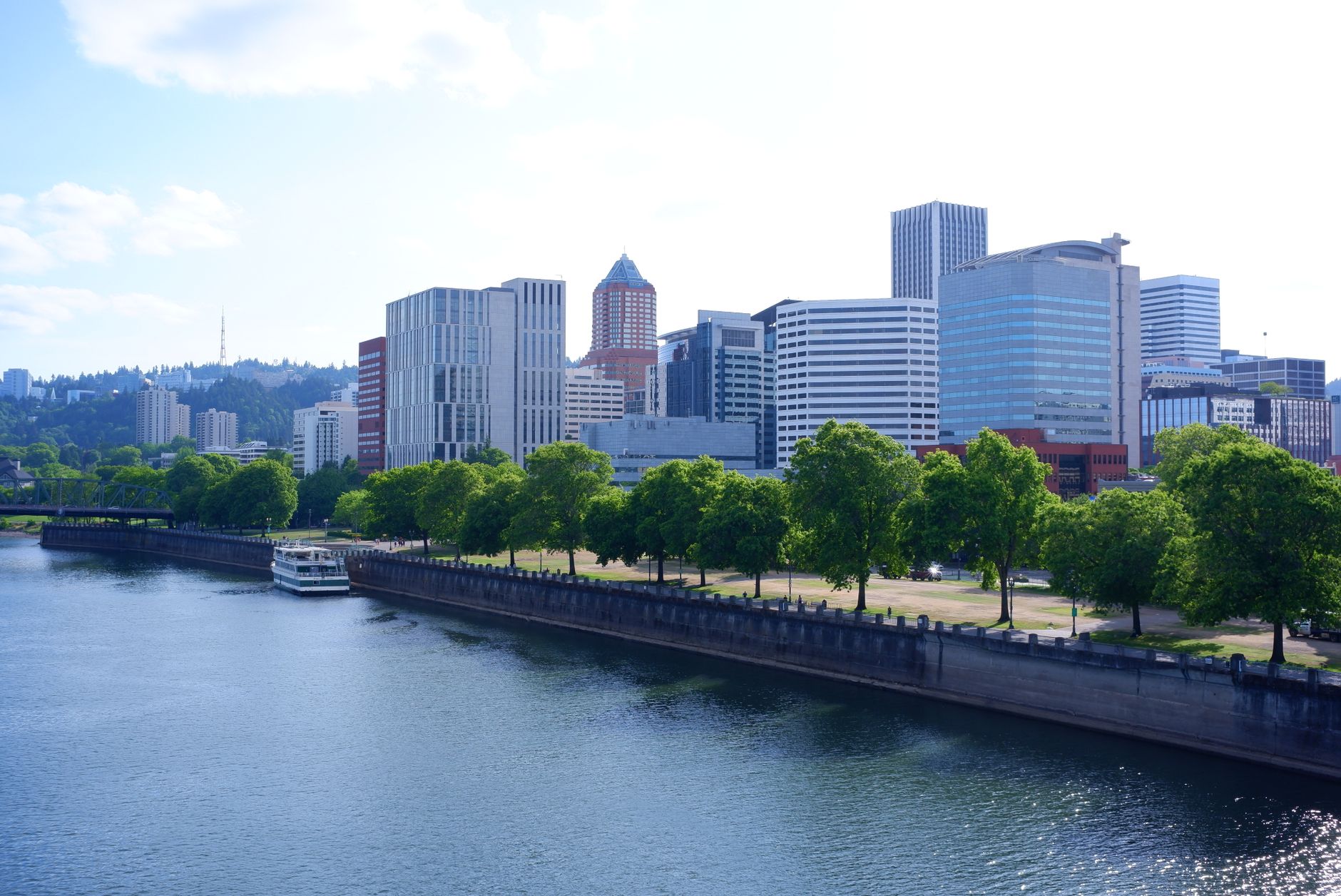

Portland's birding reputation rests on Sauvie Island, twenty minutes north of downtown, and the first thing to know about Sauvie Island is that a good deal of it is shut for exactly the months you most want to be there.
That is not a complaint. It is the reason there are birds.
Sauvie Island, and the rules
The Sauvie Island Wildlife Area is managed by the Oregon Department of Fish and Wildlife on a specific set of rules that catch out a lot of first-time visitors, and the closures are the whole design rather than an inconvenience bolted onto it. The units that shut are the sanctuary; the units that stay open are where you watch from. Get that the right way round and the rules stop feeling arbitrary.
-
A Wildlife Area Parking Permit is required year-round, not seasonally and not only in hunting season, wherever you park on the wildlife area. A separate Sauvie Island beaches parking permit is required for the popular summer beaches on weekends and holidays; check the current ODFW dates and covered beaches before you go.
-
Several units close October 1 to April 15: the Westside, the Eastside (which reopens May 1), Oak Island and the North unit.
-
What stays open through that period is the part you will use. Raccoon Point Overlook, the Eastside Wildlife Viewing Platform, Rentenaar Road, the Columbia River beaches and the Warrior Rock trail, all reached from Reeder Road.
-
Hours are 4am to 10pm daily, which is generous.
-
Call 503-621-3488 for current conditions.
So a winter visit is a road and platform visit rather than a walking one. Rentenaar Road deserves the specific mention, because it is the classic winter birding road in the Portland area and the sparrow flocks along it in late autumn and winter are the reason a lot of people drive out at all.
What the island produces follows the same calendar. Waterfowl and Sandhill Cranes hold from September through March, with impressive crane numbers and Cackling Goose in large flocks alongside Greater White-fronted and Snow. Bald Eagles concentrate on the same fields from January through March. Songbirds arrive in spring and summer when the closed units reopen and the walking access returns, and shorebirds turn up on any exposed mud, which depends entirely on water levels rather than on the calendar.
The complication most visitors miss is that the island is not all wildlife area. The wildlife area occupies the northern portion, while the southern end is largely private farmland and residential, with u-pick operations, farm stands and a substantial summer visitor economy. That matters in two directions. The parking permit covers the wildlife area and not a farm parking lot, and paying at a farm does not cover you on the wildlife area. More to the point, the good roadside birding in winter frequently runs along private fields where the road right of way is the only place you may legally stand, which is why Cracker Barrel Road, Reeder Road and the farm roads generally are birded from the vehicle.
Traffic is the other seasonal factor. On a summer weekend the island is thick with beach and farm visitors and the single bridge becomes a bottleneck, so birders go early or go in winter, when the island is largely empty and the birds are at their best anyway.
Access etiquette on a working island
Sauvie repays a little thought, because the birding community there has a long relationship with the farming community that is worth not damaging.
-
Park where parking is provided. The permit covers wildlife area parking areas rather than verges, and the roads are narrow with agricultural traffic on them.
-
Never block a field gate, even briefly.
-
Stay out of fields. Cranes and geese feed on private farmland across much of the island and viewing is from the road.
-
Bird from the vehicle where you can. It disturbs less and it is safer on roads with no shoulder.
-
Do not flush flocks deliberately. A photographer walking into a field to put geese up is the single behavior most likely to cost everyone access.
-
Note the hunting seasons. Parts of the wildlife area are hunted, and blaze orange is a reasonable precaution in autumn even where you are only walking.
Inside the city
Forest Park runs roughly 5,200 acres along the hills on the west side and is one of the largest urban forest reserves in the country, though it is a coniferous forest bird site rather than a variety site. Pacific Wren, Varied Thrush in winter, Brown Creeper, Hutton's Vireo, Pileated Woodpecker and owls are the list, and the park is large enough to get properly lost in, so the trail network rewards a map.
Smith and Bybee Wetlands Natural Area, in north Portland, is among the largest protected wetlands inside an American city. Water levels are actively managed and the wetland reads completely differently between a high-water winter and a drawn-down late summer, which produces shorebird habitat in the right years and none at all in the wrong ones.
Oaks Bottom Wildlife Refuge, on the Willamette in southeast Portland, was the city's first urban wildlife refuge: restored floodplain, a heron rookery within sight, and a good migrant trap for its size. Powell Butte adds grassland and scrub on an extinct volcano, which is a different habitat from everything else on this list and the reason to make the drive east.
Grant's Getaways: The Sauvie Island Wildlife AreaRidgefield, which deserves the drive
Ridgefield National Wildlife Refuge sits about half an hour north of Portland on the Columbia floodplain. It is in Washington rather than Oregon and it is close enough that leaving it out would be perverse, because for a Portland birder without much time it probably returns more per hour than anywhere else in range.
The refuge has two very different units. The River S Unit carries a 4.2-mile auto tour through managed wetland, open year-round, where you stay in the vehicle for most of the season, and this is the classic winter visit: Sandhill Cranes, large flocks of Cackling Geese, Tundra Swans, ducks in numbers, raptors and, if the water is right, shorebirds. The Carty Unit is walk-in, with the Oaks to Wetlands Trail through oak woodland and wetland, plus a replica Chinookan cedar plank house built with the Chinook Indian Nation.
There is a small entrance fee, waived with a Federal Duck Stamp or America the Beautiful pass, and seasonal restrictions on the auto tour keep visitors in vehicles during the wintering season for the same reason Sauvie closes units.
The valley refuges
Sauvie and Ridgefield get the traffic, and the Willamette Valley refuges south of the city are worth the drive for a different set of birds. Tualatin River National Wildlife Refuge, twenty minutes southwest, is small, free and holds a good winter list in wetland and oak habitat, with a seasonal trail system that opens for part of the year and closes to protect wintering birds.
Further down the valley near Salem and Corvallis, Baskett Slough, Ankeny and William L. Finley refuges together form a complex established for the Dusky Canada Goose, a subspecies that breeds on the Copper River Delta in Alaska and winters almost entirely in this valley. That is worth pausing on. A goose population with essentially the whole world's wintering range inside one Oregon valley is why three federal refuges exist to hold it, and it is the clearest illustration in the state of a refuge being built around a single population rather than a landscape.
Finley also holds oak savanna and prairie restoration with Western Meadowlark, and is the best site in the valley for the oak-associated species. All three close trails in autumn and open them in spring to protect the wintering geese, which is the same pattern as Sauvie for the same reason.
The Dazzling World of Vaux's SwiftsThe swifts
This is Portland's great urban wildlife event. For years the chimney at Chapman Elementary School in northwest Portland was the famous September roost, where thousands of Vaux's Swifts circled in a growing column at dusk on their way south and then funneled down into the chimney in a stream that took several minutes. That mass roost largely dispersed in 2024 and 2025 to smaller chimneys around the metro area, so Chapman is no longer the reliable September spectacle it once was. Check current roost activity through the Bird Alliance of Oregon's Swift Watch before you count on it, rather than assuming thousands at Chapman.
On a good night several thousand people would gather on the school's grass slope, and it became a civic occasion; for years the school kept the boiler off through the roost period so the birds could use the chimney, until a 2001 conversion to a separate furnace chimney ended the need for that. A Cooper's Hawk usually turns up to hunt the column, and the crowd reaction to that is worth the visit on its own.
Go in the second or third week of September, arrive an hour before sunset, and bring something to sit on.
The gear
Portland birding is wet, flat and close to the city, and two items on this list exist because of permits rather than weather.
An ODFW Wildlife Area Parking Permit for Sauvie Island, which is required, is checked, and is the most common citation birders get in this region. It is a separate purchase from a fishing or hunting license and it is sold online and at the island store.
A spotting scope, because the Sauvie Island lakes and the Ridgefield impoundments both hold distant waterfowl, and winter birding here is largely a sorting exercise on open water.
A window mount, since Ridgefield's River S Unit is an auto tour where the vehicle is the hide.
Something to sit on in September, for the swift roost. Watching several thousand Vaux's Swifts funnel into a chimney at dusk means an hour on a slope with a crowd, and the people who brought a blanket are the comfortable ones.
A Forest Park trail map, because it is the largest urban forest reserve in the country, the trail network is genuinely confusing, and the good birding is off the main fire lane.
Proper rain gear rather than a resistant shell, since Portland rain is persistent and the birding season is the wet season.
And rubber boots, for Sauvie Island in winter, where the good edges are mud.
Reading the Willamette Valley season
Portland sits at the north end of the Willamette Valley, and the valley's calendar governs a good deal of the birding. October and November bring the arrival, with Cackling Geese in very large numbers, Tundra Swans, ducks filling the flooded fields and the first big Sandhill Crane counts on Sauvie. December through February is the peak of the wintering season, holding the highest goose and swan numbers, Bald Eagles concentrated on the same fields, and the best raptor variety of the year including Rough-legged Hawk and, in some winters, a Gyrfalcon somewhere in the valley.
March brings a fast turnover as wintering birds leave and the first swallows and Rufous Hummingbirds arrive. April and May are passage and the start of breeding, with the Sauvie units reopening for walking and the forest parks at their loudest. June through August is the quiet season for numbers and the best for breeding species, with shorebird passage beginning in late July wherever water levels have dropped. September is the swift roost and the start of the return.
The useful rule is that the valley is a winter destination and the forest is a spring one. A visitor should choose accordingly rather than expect both to be good in the same week.
A winter day
Buy the parking permit before you go. Drive out to Sauvie Island at first light, work Rentenaar Road slowly for sparrows, then take the Eastside Wildlife Viewing Platform and Raccoon Point for cranes, geese and eagles. Come back through the city and give the afternoon to Smith and Bybee or Oaks Bottom. If it is September instead, check the Bird Alliance of Oregon's Swift Watch to see whether the Vaux's Swifts are still roosting at Chapman School or have moved to another chimney, and if they are gathering, be there an hour before sunset and do not plan anything afterward.
Portland is a good argument for a birding map that carries ownership rather than only habitat. Within twenty miles you have city parks, a regional government natural area, a state wildlife area with year-round permit requirements and seasonal unit closures, a federal refuge with its own seasonal trails, another federal refuge in a different state, and a working agricultural island where most of the ground is private and unmarked. Guidepole Bird carries the ownership, permit and access-status layer under the birds, which on Sauvie means the difference between a unit you can walk in March and one that does not open until May.
For the wider region, the Oregon coast is ninety minutes west, and Malheur is the long drive that every Oregon birder makes eventually.
The refuge rules that govern Ridgefield and the auto tour are in a wildlife refuge is not a park, and the hunting seasons that close parts of Sauvie Island are in birding during hunting season. The rest of the state is in birding the Oregon coast and Malheur National Wildlife Refuge. The permit and access questions specific to a working island are in can you legally bird here.