Fish
Fish Fire
Fire Hike
Hike Bird
Bird

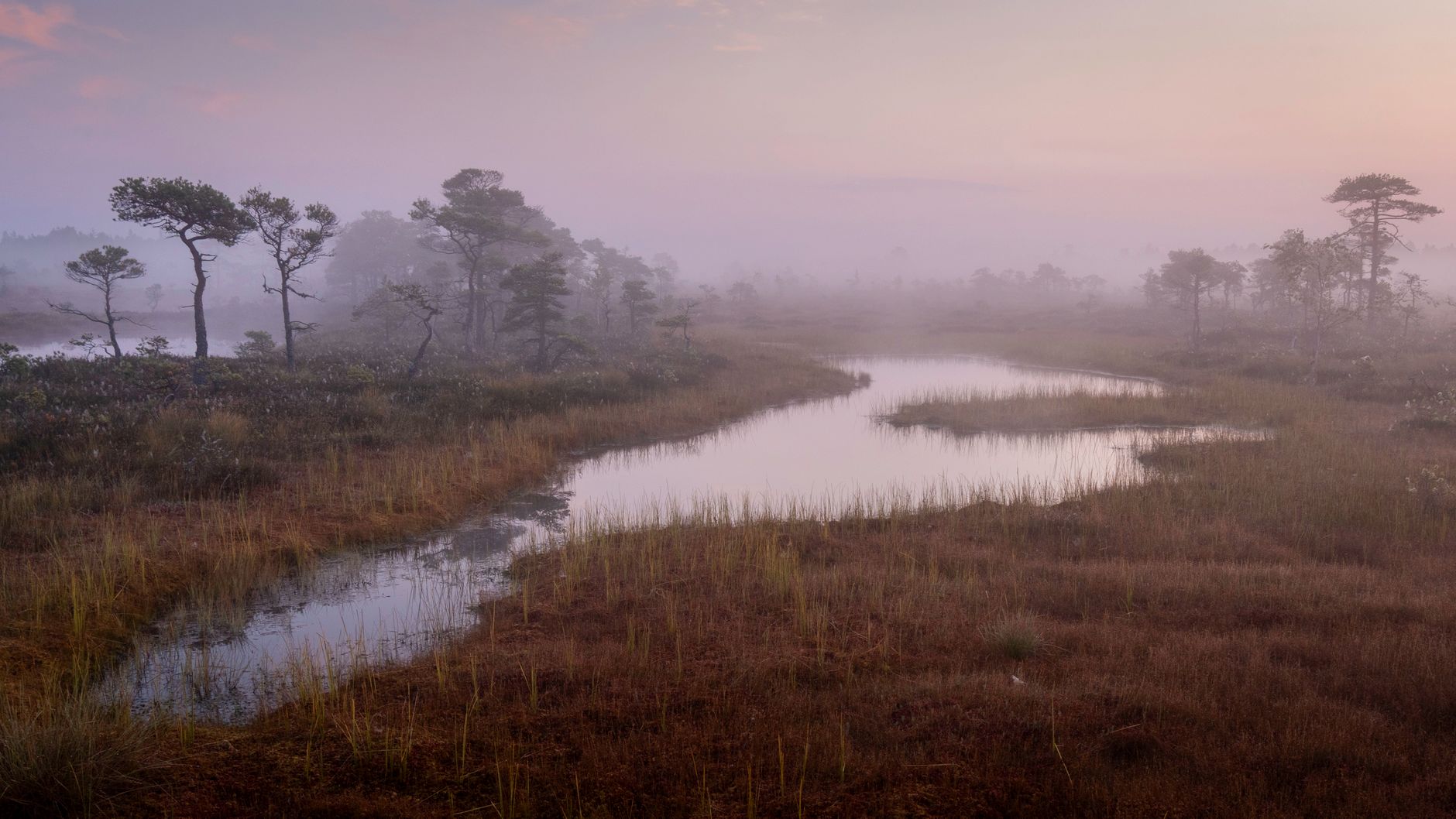
Here is a fact that many birders find uncomfortable and all birders should know: the best wetland birding in most states happens on land that hunters paid for.
State wildlife areas, waterfowl production areas and a large share of the national wildlife refuge system were bought and are maintained with hunting and fishing license revenue, Federal Duck Stamp sales, and federal excise taxes on firearms, ammunition and archery equipment under the Pittman-Robertson Act. That land is managed to produce waterfowl, which is why it is full of waterfowl, which is why you want to be there. And for several months a year, so is somebody with a shotgun.
Autumn is not optional
The temptation is to avoid these places from October to January, and the problem with that is that October to January is exactly when they are best. Autumn migration and the wintering period put more birds on managed wetlands than any other time of year, so a birder who skips the season is skipping the reason the habitat exists at all.
The answer is not avoidance. It is understanding how the season works, which is far more structured than most non-hunters assume.
How the season is structured
Hunting seasons are not a free-for-all, and their structure is what makes coexistence straightforward. Seasons are dated species by species and published well in advance, with waterfowl, upland game and big game all running on separate calendars. Shooting hours are legally defined, typically from half an hour before sunrise to sunset for waterfowl, so the intense dawn period has a fixed end. Zones are mapped, and refuges and wildlife areas frequently split into hunt units and sanctuary units with the sanctuary closed to everyone; the birds understand this arrangement considerably better than the visitors do. Some areas run a draw or check-in system, which means the number of hunters present on a given morning is both known and capped.
The most useful feature for a birder is designated hunt days. It is common for a wildlife area to permit waterfowl hunting on, say, Wednesdays, Saturdays and Sundays only, which leaves the rest of the week entirely quiet. Those non-hunt days are outstanding birding days and almost nobody is on them.
The rough calendar is similar across most states even where the dates differ. Early autumn brings dove and early goose seasons, which are low-impact for birders. October through January is the waterfowl core, and it is the stretch that matters most because it overlaps exactly with the best wetland birding of the year. Autumn into early winter carries deer seasons, which affect upland and forest birding more than wetlands and are where blaze orange matters most. Upland bird seasons run through autumn and winter on grassland and brush units. Spring brings turkey season across much of the country, which is a quiet, camouflaged, calling-based hunt in precisely the woodland where you will be listening for migrants, and worth knowing about because you will neither see nor hear the hunter. Late winter into early spring is generally the quietest window before nesting closures begin.
Hiking Safely During Hunting SeasonSafety and courtesy on shared ground
None of this is complicated and all of it matters:
-
Wear blaze orange, a hat and a vest, not tan or white or a gray rain shell. Orange is visible to humans at distance in poor light and close to invisible to deer, which is the entire design.
-
Avoid white on your head or hands during deer season, for reasons that become obvious once stated.
-
Stay on trails, roads and dikes. Predictable movement in expected places is safe; a birder pushing through cattails at dawn in November is not.
-
Speak up before you appear from behind a screen of reeds. A greeting at forty yards is worth a great deal.
-
Skip dawn on opening day. The waterfowl opener is the loudest, busiest morning of the year on any managed wetland, and arriving at eleven instead means the shooting has largely stopped.
-
Keep dogs on a lead or at home, both for their safety and because working retrievers are doing a job.
Beyond the safety list, the etiquette is mostly a matter of not being strange about the whole thing.
The friction people anticipate mostly fails to materialize, and what little there is tends to be a parking lot problem rather than a field one. On a public wetland in October the parking lot at dawn belongs to waterfowl hunters, who got there before you. Say good morning, which sounds trivial and is the single most effective item on this list. Do not walk into a decoy spread, because somebody set up before dawn and is committed to that spot for the morning. Ask where they are working, and most will tell you happily, which tells you exactly which part of the unit to leave alone for a few hours. Do not flush birds deliberately to see them better in any season, and certainly not across somebody's blind. And do not lecture, because the person in the blind bought the land you are standing on.
Birders and waterfowl hunters share more than either group usually admits. Both get up at four, both stand in cold water in the dark, both can identify a distant duck by wingbeat, and both care intensely about wetland habitat. Waterfowl hunters also tend to have extraordinary local knowledge about arrival dates, numbers and where birds are moving, and asking is free. If you see a real violation, and illegal shooting of non-game birds does happen, report it to the state agency rather than to the internet.
What the season does to the birds
There are field effects worth planning around. Waterfowl become wary very fast, and after opening weekend ducks on hunted units flush at far greater distances and shift their daily rhythm toward feeding at night and resting in sanctuary by day. Sanctuary units fill up accordingly, which is exactly what they are for and why the best viewing in season is from a sanctuary boundary rather than out in the hunted marsh. Birds move at legal shooting light and again at the end of the day, leaving the middle of the day quieter in every sense. Non-target species respond too, with herons, cranes and raptors all shifting away from disturbance in hunted units.
So the productive plan during the season is usually to arrive mid-morning, work the sanctuary edge with a scope, and expect the birds to be concentrated rather than spread out.
One thing worth knowing while you are standing there: non-toxic shot has been required for waterfowl hunting nationwide since 1991, after lead poisoning from spent shot ingested off wetland bottoms was killing large numbers of waterfowl and the eagles that scavenged them. It is one of the clearer cases of a regulation working, and it is why the sediment under a heavily hunted marsh is a less lethal place than it was forty years ago.
The gear
Autumn is the best birding of the year and it is also hunting season, and the gear that makes those coexist is cheap and mostly about being visible.
A blaze orange hat and vest, which is the whole safety answer and costs about twenty dollars. Some states require it on public land during firearm seasons and it is worth wearing even where it is not. Orange is chosen because deer cannot distinguish it and humans can, at a distance, in poor light.
The current season table for the state you are in, which is published and free and tells you exactly which weeks are firearm seasons for which species. Most of autumn is not a general firearm season, and knowing which weeks are lets you plan around them rather than avoid the whole quarter.
A scope, so that the way you get closer to a bird is optical rather than by walking into cover.
A later start, which is the single most effective adjustment. Waterfowl and deer hunting are concentrated in the first two hours of light, and a birder arriving at nine is sharing much emptier ground.
Nothing white, because a white hat or a white glove flashing in brush is the classic mistake.
A civil greeting, since most friction on shared ground comes from both parties assuming hostility that is not there.
And a duck stamp, which is what pays for a great deal of the ground you are both standing on.
Finding the non-hunt days
This is the highest-value piece of planning in the whole subject, and the information is fiddly to locate because it sits across state agency pages, refuge leaflets and season tables rather than in one place.
Start with the state wildlife agency rather than the refuge or park page, since season dates and hunt-day patterns are set there and published as tables. Then find the refuge-specific hunt leaflet, which exists for most federal units and is a separate document from the general visitor page; it carries the unit maps and the day restrictions. Look for the short list of permitted hunt weekdays and check whether it changes mid-season. Watch for youth and veteran weekends, which are additional hunt days outside the normal pattern and routinely catch people out. Note the sanctuary boundary on the map, because that is where you will be birding. And phone the refuge office if anything is ambiguous, because they answer, and they would much rather explain it than have somebody wander into a hunt unit.
Four answers make the difference between a nervous morning and a good one: is this unit open to hunting, on which days, for which species, and where does the sanctuary boundary run. That is precisely what Guidepole Bird is for, and it is worth rechecking annually, because season dates move, hunt-day patterns change and units get reassigned.
If you would rather plan around the season entirely, a great deal of land is closed to hunting outright. National parks generally prohibit it, most state parks prohibit it, city and county parks almost always prohibit it, refuge sanctuary units are closed to everyone including hunters, and some refuges are closed to hunting altogether. In the shoulder weeks that is often the sensible choice for a family outing.
And if you cannot bear a late start, the compromise is simple: take your dawn on a unit that is closed to hunting. A refuge sanctuary boundary, a state park, a county wetland or a site on its non-hunt day gives you the same light and the same movement with none of the complication, and the birds are frequently more settled because nobody has been shooting there.
Wingshooting SafetyThe conservation history birders inherited
This is worth knowing, because it reframes the entire relationship.
The plume trade nearly destroyed North American colonial waterbirds in the late nineteenth century, and the campaign against it was driven substantially by early bird protection societies. That produced the Lacey Act of 1900 and eventually the Migratory Bird Treaty Act of 1918, which ended commercial market hunting of wild birds. Sport hunters were on the same side of that fight, because market gunning was destroying the resource they depended on.
The Duck Stamp in 1934 and Pittman-Robertson in 1937 then established the funding model that still pays for most state wildlife agencies and a great deal of habitat acquisition. Both were supported by hunting organizations, and Pittman-Robertson taxes the industry that serves them.
The result is a strange and durable arrangement in which the habitat birders enjoy is largely paid for by people who shoot some of the birds in it, under a system those people lobbied for. None of that obliges anyone to hunt or to enjoy hunting. It does mean a birder who treats hunting as an intrusion on their space has the history precisely backward.
Non-hunters increasingly contribute too. Several states have added general license, sales-tax or lottery-based conservation funding, and some sell explicit wildlife viewing or habitat stamps. Buying one where it exists is the cleanest way to put money into the same pot.
The short version
Do not avoid hunting land in autumn. It is the best birding of the year, and the season is far more structured than it looks from outside.
Wear orange, learn the hunt days, skip the opener, bird the sanctuary edge, and be pleasant to the person in the blind, who is, in a fairly direct financial sense, your host.
Refuge rules generally are in a wildlife refuge is not a park, access in that bird is on private land, and seasonal restrictions in nesting closures explained. The hiker's version is in state park, national forest, or wilderness.
The mandate that puts hunting and birding on the same ground is explained in a wildlife refuge is not a park. The other seasonal restriction on where you may walk is in nesting and seasonal closures explained, and the ownership question underneath all of it is in can you legally bird here and state trust lands and access. Sites where the overlap is most obvious include Skagit flats snow geese and Central Valley waterfowl.