Fish
Fish Fire
Fire Hike
Hike Bird
Bird

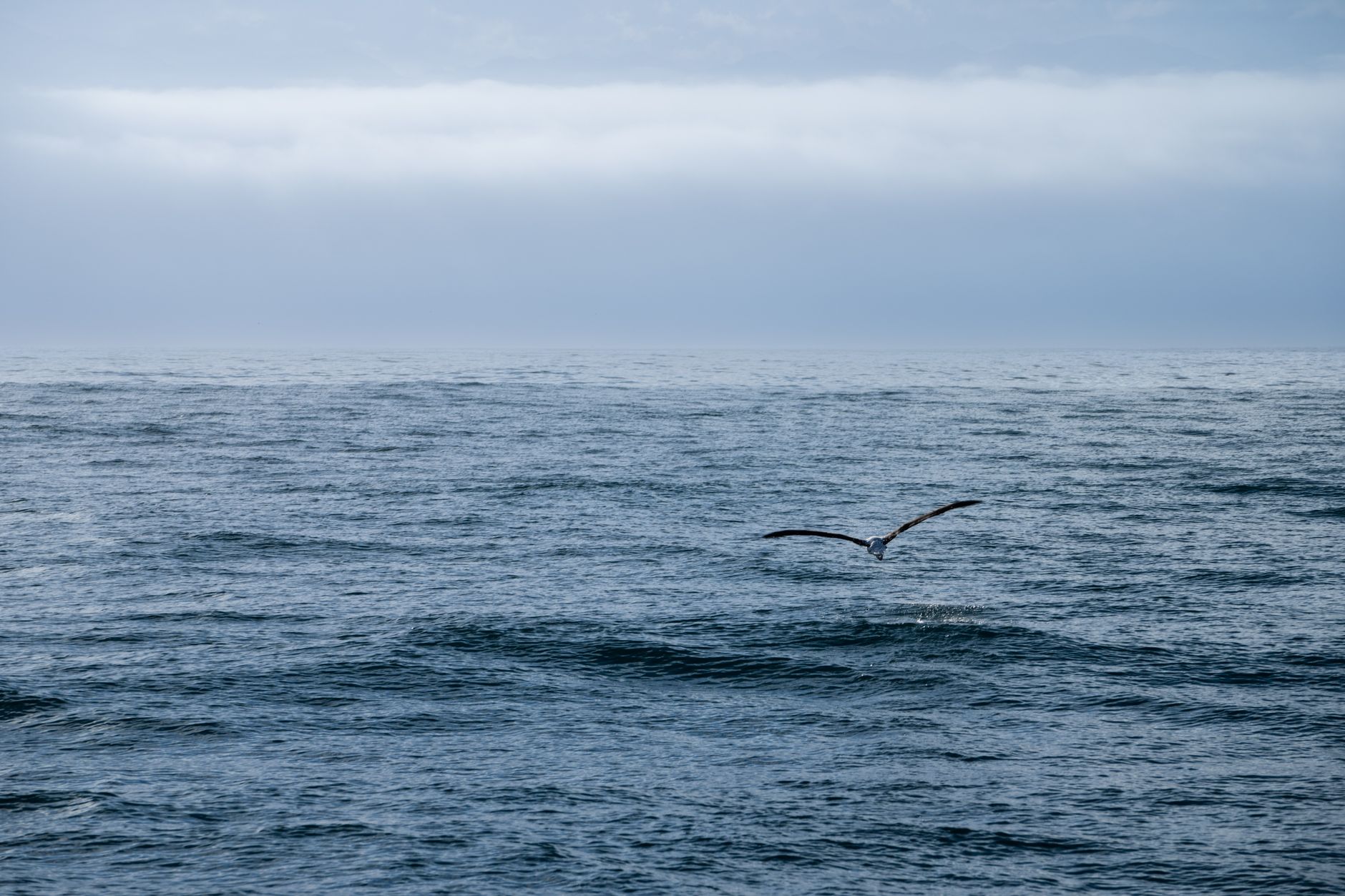
There is a category of bird you will never see from your garden, your local patch, or any headland you can drive to. Albatrosses, shearwaters, storm-petrels, jaegers and the rest of the tubenoses spend their entire lives at sea, coming to land only to breed, and generally on islands nobody is allowed to visit. A few can be picked out from a headland on a good day, as specks, at extreme range, usually in fog. Everything else requires going out to meet them.
That means a pelagic trip: an organized charter that leaves before dawn, runs thirty to sixty miles offshore, and gets back after dark. It is the single most productive day available to an American birder, and the first one is frequently miserable. Both of those things are true at once, and the second is the reason this article exists.
What the day is like
You board in the dark, often at six in the morning or earlier, in a cold harbor, with a group of people who mostly know each other. Then you spend two to four hours going nowhere interesting. The run out is not scenic. It is an empty gray horizon and the sound of a diesel engine, and it is the stretch that convinces first-timers they have made an expensive mistake.
Then it turns on, and the change is abrupt. Seabirds are not spread evenly across the ocean; they concentrate at specific features, and when the boat reaches one you go from nothing to everything in the space of a few minutes. Most trips help this along by chumming, putting out fish oil, popcorn or frozen chum to pull birds toward the boat. Storm-petrels respond to a good slick from a remarkable distance, and watching them materialize out of empty water is one of the better things in birding.
Everything after that happens fast. Birds appear, cross at speed and are gone, and there is no relocating them the way you would relocate a warbler in a tree. The leaders call constantly and directionally, and learning the clock system before you board is worth the ten minutes: "shearwater, three o'clock, low" means look hard right, near the water, now. Miss the call and you miss the bird. Twelve hours is a normal day, some trips run longer, and the ride home is long and quiet because everyone is exhausted.
Ocean Birding: What Is It Like?Seasickness, honestly
This is the single thing that determines whether your first pelagic is a joy or the worst day of your year, and there is a great deal of confident bad advice about it.
The most important rule is that you medicate before you board, not when you start to feel ill. Most preventatives do very little once nausea has begun, so follow the timing on the packet, which usually means a dose the night before and another in the morning. The common options are over-the-counter antihistamine tablets and a prescription patch worn behind the ear that a lot of experienced pelagic birders swear by; a pharmacist or doctor is the right person to ask which suits you, particularly on the question of drowsiness. Test whatever you choose on land first, because discovering that it makes you profoundly sleepy at five in the morning on a dock is poor timing.
Eat something bland before you go. An empty stomach is worse, not better, which surprises people.
Once you are aboard, the tactics are simple and they work. Stay on deck in fresh air with your eyes on the horizon, because going below to lie down is the most reliable way to make everything worse. Stay amidships and low, where the boat moves least. Keep off your phone and out of books, since reading is what tips most people over. And if you are going to be sick, use the downwind rail, then rinse, drink water and carry on watching. A surprising number of people are fine by the afternoon.
Some people are prone to it, and that is not a character failing. It is worth knowing about yourself before committing a day and a couple of hundred dollars to finding out.
What you might see
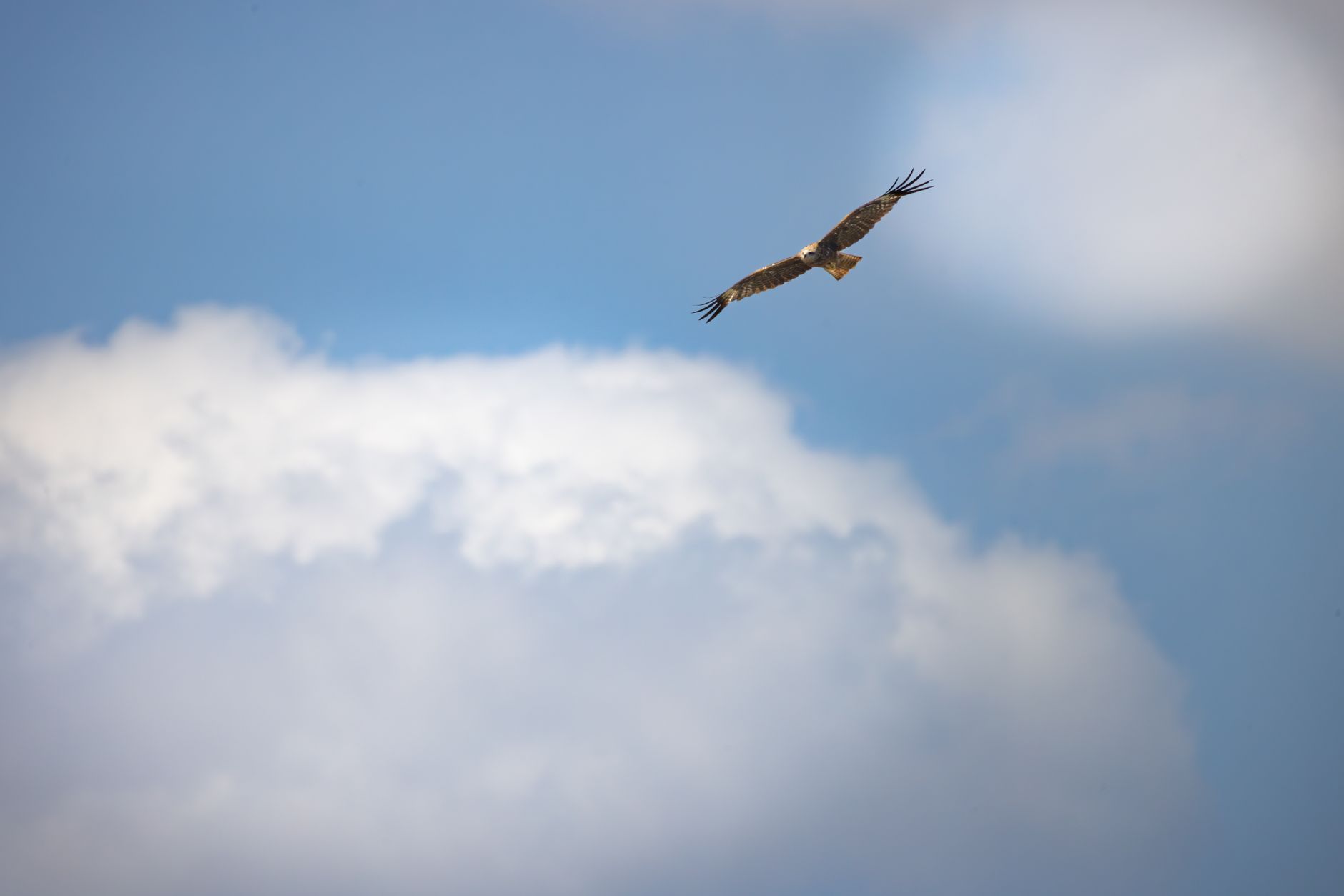
It depends entirely on which coast you are on and what month it is, but the shape of the day is consistent. Albatrosses are the birds people remember: on the Pacific, the black-footed albatross is the regular one and it is enormous the first time it comes down the slick, with Laysan possible and short-tailed a serious rarity. Shearwaters provide the numbers, with sooty shearwaters off the Pacific coast in autumn running into figures that are hard to credit, alongside pink-footed, Buller's and others depending on where you are.
The storm-petrels are the ones the chum brings in, small and fluttering and startlingly delicate for an animal that lives on the open ocean. Sorting them to species is difficult and is the part experienced pelagic birders enjoy most. Add jaegers and skuas, piratical and fast and awkward to age; alcids in whatever mix your latitude provides, from murres and auklets to puffins and murrelets; and phalaropes, which are shorebirds that spend the non-breeding season swimming on the open sea, sometimes in rafts of thousands.
The rest of the ocean is part of the appeal whether or not you came for it. Whales, dolphins riding the bow in schools, seals and sea lions, flying fish breaking away from the hull, ocean sunfish lying on their sides at the surface, and on the occasional day something extraordinary.
Why the water matters more than the miles
Knowing why the boat is going where it is going makes the long run out considerably more interesting, because the skipper is not simply heading offshore. They are going to a specific feature.
Upwelling is the engine. Wind and the Coriolis effect push surface water away from the coast, and cold nutrient-rich water rises to replace it, driving plankton blooms that feed everything above them. The California Current is one of the great upwelling systems on earth, which is why Pacific pelagics are so consistently productive.
Layered on top of that are the structural features. The shelf break, where the continental shelf falls away into deep water and currents are forced upward along the edge, which is why so many trips run to a particular depth contour rather than simply going far out; submarine canyons, which do the same thing more sharply, and where Monterey Canyon is comparable in scale to the Grand Canyon and comes unusually close to shore, giving Monterey Bay world-class seabirding on a relatively short run; and convergence lines where water masses meet, visible from the deck as slicks, foam lines, color changes or strings of debris.
Then there are the moving targets. Working fishing vessels attract seabirds in spectacular numbers and a good skipper will divert to one. Feeding whales concentrate prey and pull birds in with them. Weed lines and current rips do the same thing at smaller scale. None of this is visible on a chart, which is why the featureless hours are not wasted.
What to bring
-
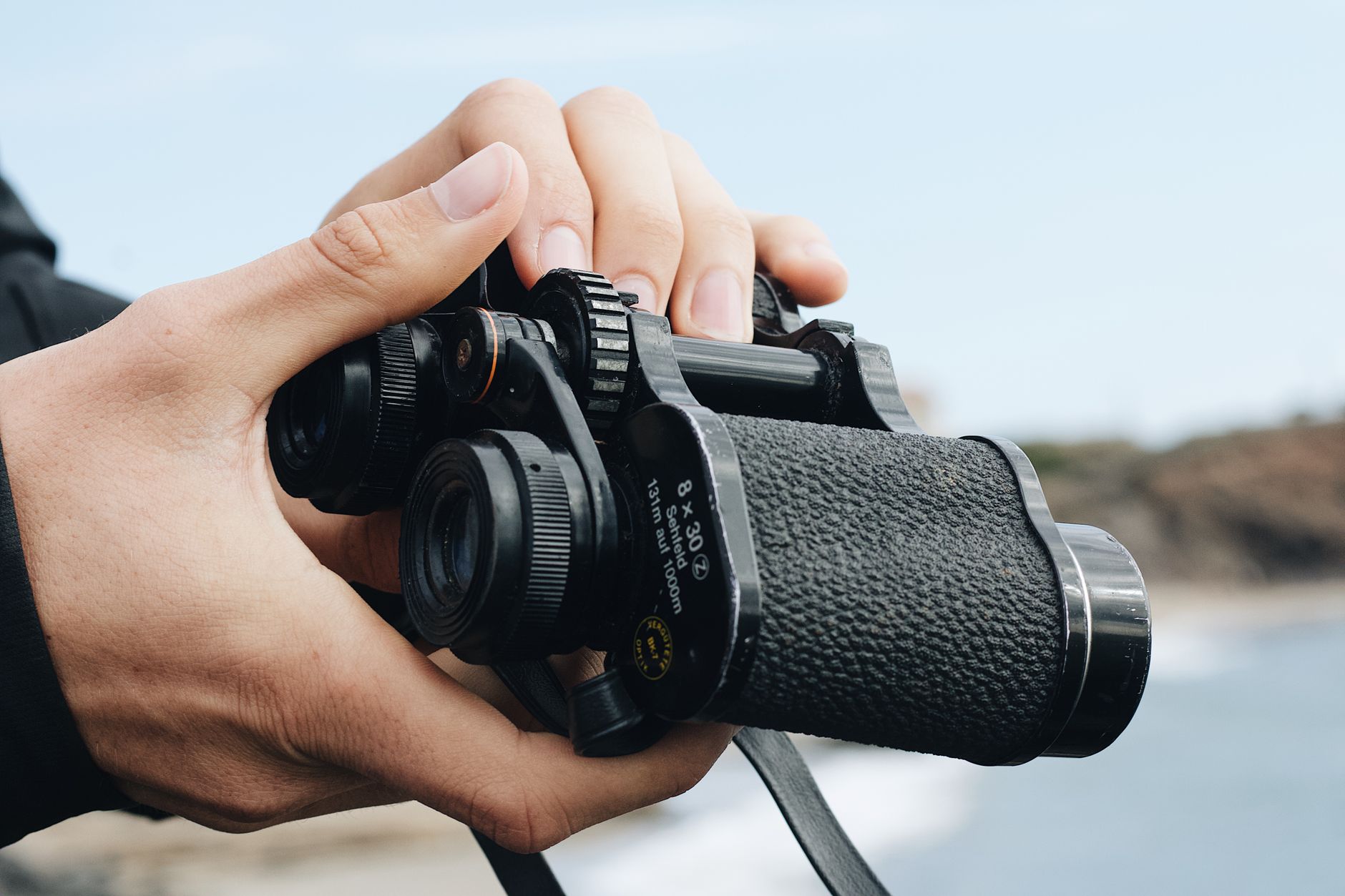
Binoculars you do not mind getting salt on, or a serious plan to protect them. Spray reaches everything on a boat.
-
No scope. It is useless on a moving deck and it is in everyone's way.
-
More layers than the forecast suggests. The ocean is cold, the wind is constant, and the boat generates its own. People underdress and regret it by nine in the morning.
-
A waterproof outer layer, because spray is not a possibility, it is a certainty.
-
Non-slip shoes with closed toes.
-
Food and water, more than you think, and simple.
-
Sun protection. Reflection off water burns people who have never burned in their lives.
-
A dry bag for anything electronic.
-
Cash for the leaders and crew, who work extremely hard for it.
If you are bringing a camera, adjust your expectations along with your settings. Shutter speeds need to be much faster than usual because the boat moves, the bird moves and you move, so somewhere around 1/2000 is a sensible starting point rather than an extravagance. Accept a higher ISO than you would on land, since noise is recoverable and motion blur is not. Use continuous autofocus with a wide tracking area, leave the tripod and monopod at home because they transmit the boat's motion and are a hazard on a crowded deck, and shoot at the bird's level rather than down at the water. Everybody deletes most of what they take on a pelagic.
Pelagic BirdingOn deck
The etiquette is mostly common sense applied to a small space with forty excited people in it. Call birds clearly and directionally, using clock position and height, and do not shout a species name you are not certain of. Do not plant yourself at the rail for the whole day; rotate, because everyone paid the same money. Move slowly and hold on to something, since a deck is not a floor. Do not throw anything overboard that is not part of the chum.
It also helps to understand what the leaders are doing, because they are considerably busier than they look. They are spotting constantly from the bow and the flying bridge, scanning assigned bands of sea rather than looking at any one thing. They are managing the chum, which is timed and deliberate rather than continuous. They are directing the skipper, who will change course for a bird, a raft, a whale or a fishing boat.
They are teaching, narrating identifications as they call them, and listening to that reasoning is the fastest seabird education available anywhere. And they are recording, because the trip list becomes a checklist and, for many operations, part of a long-running dataset on seabird distribution. Ask your questions in the quiet stretches rather than during a flurry and you will get a great deal back.
The gear
A pelagic trip is a day on a small boat in open ocean, and every item here is about staying functional long enough to see the birds.
Seasickness medication taken early, which is the single most important line in this article. Meclizine or scopolamine work if they are in your system before you leave the dock, and neither does much once you already feel it. Take it the night before and again in the morning.
More layers than you think, because the ocean is far colder than the harbor and the wind is constant. People who dress for the parking lot are miserable by nine.
A waterproof outer layer, since spray is guaranteed and rain is likely.
Binoculars you can rinse, which usually means a pair you do not mind exposing to salt. Rinse them in fresh water the same evening rather than the next day, because salt crystals in a focus mechanism are how good binoculars die.
Non-slip closed-toe shoes, for a wet moving deck.
A dry bag for anything electronic, since the deck of a boat in a swell is not a place where things stay dry.
And cash for the leaders, which is the piece of etiquette nobody mentions. Pelagic trips are run at close to cost by leaders who spot, call and identify all day, most of them volunteers or barely paid, and tipping them is the norm.
Booking your first one
Organized trips run seasonally from established ports and the good ones book out months ahead, with autumn the peak on both coasts and late summer through October the core window in most places. Trips are canceled for weather frequently, and reputable operators cancel rather than take a marginal forecast to sea, so build a spare day into any trip you have traveled for and check the refund policy before you pay.
The single best piece of advice for a first pelagic is to pick a shorter, closer trip rather than the twelve-hour deep-water expedition. Find out how you cope with four hours before you commit to sixty miles offshore with no way back.
If a boat is not for you
Plenty of people discover that their inner ear has strong opinions, and that does not condemn you to miss seabirds entirely. Seawatching from a headland during an onshore gale can push shearwaters, jaegers and storm-petrels close enough to identify, and autumn storms are the trigger; the technique is a scope, a windbreak and several hours of patience. Ferries cross productive water on a schedule, cheaply, from a platform far more stable than a charter boat, and several routes on both coasts are well known among birders. Whale watching trips are shorter, cheaper and closer inshore while still picking up a share of the same birds, and jetties at the mouths of large bays concentrate alcids and gulls. None of it substitutes for a proper pelagic, but it is a long way from nothing.
The short version
A pelagic is the only way to see an entire category of bird, it is long and cold and uncomfortable, and it is worth it. Medicate before boarding rather than after, dress for colder than the forecast, stay on deck, learn the clock system, and take a short trip before a long one.
And when a black-footed albatross finally swings in behind the boat, consider that it has been at sea continuously for years, and comes to land only to raise a single chick a year. That is the thing you got on the boat for.
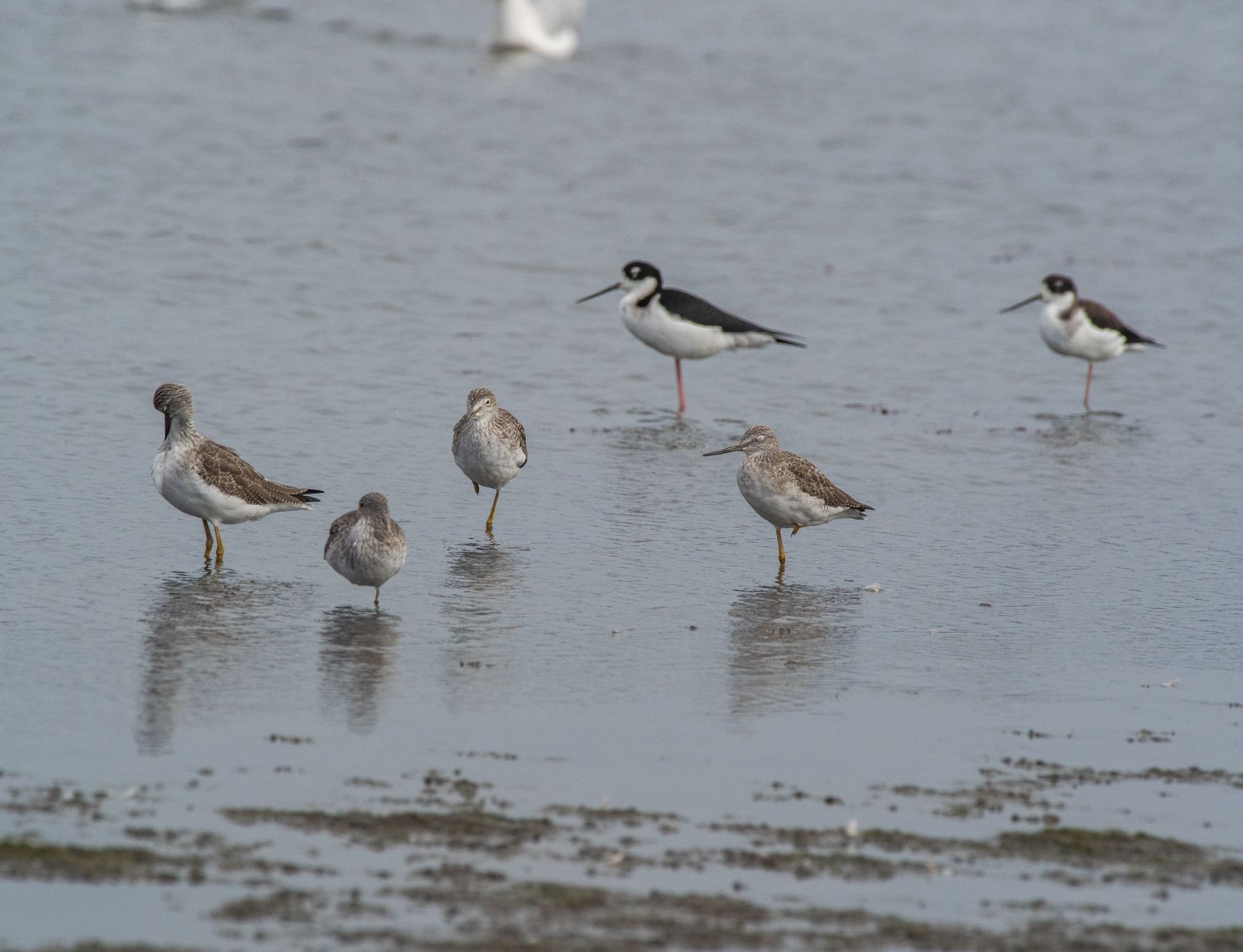
Coastal and land-based seabirding is easier and covered in shorebirding by the tide. Optics choices are in the binocular spec that matters, and access to coastal viewpoints in that bird is on private land.
The land-based version, watching the same birds from a headland at much greater distance, is in birding the Oregon coast. The colonies those birds come from are covered in where to see puffins in Washington, and the cheapest seawatch platform in North America is the ferry described in southeast Alaska birding. The reason eight power beats ten on a deck is in choosing binoculars, and vagrant seabirds turning up onshore is part of the story in Point Reyes and its vagrants.