Fish
Fish Fire
Fire Hike
Hike Bird
Bird

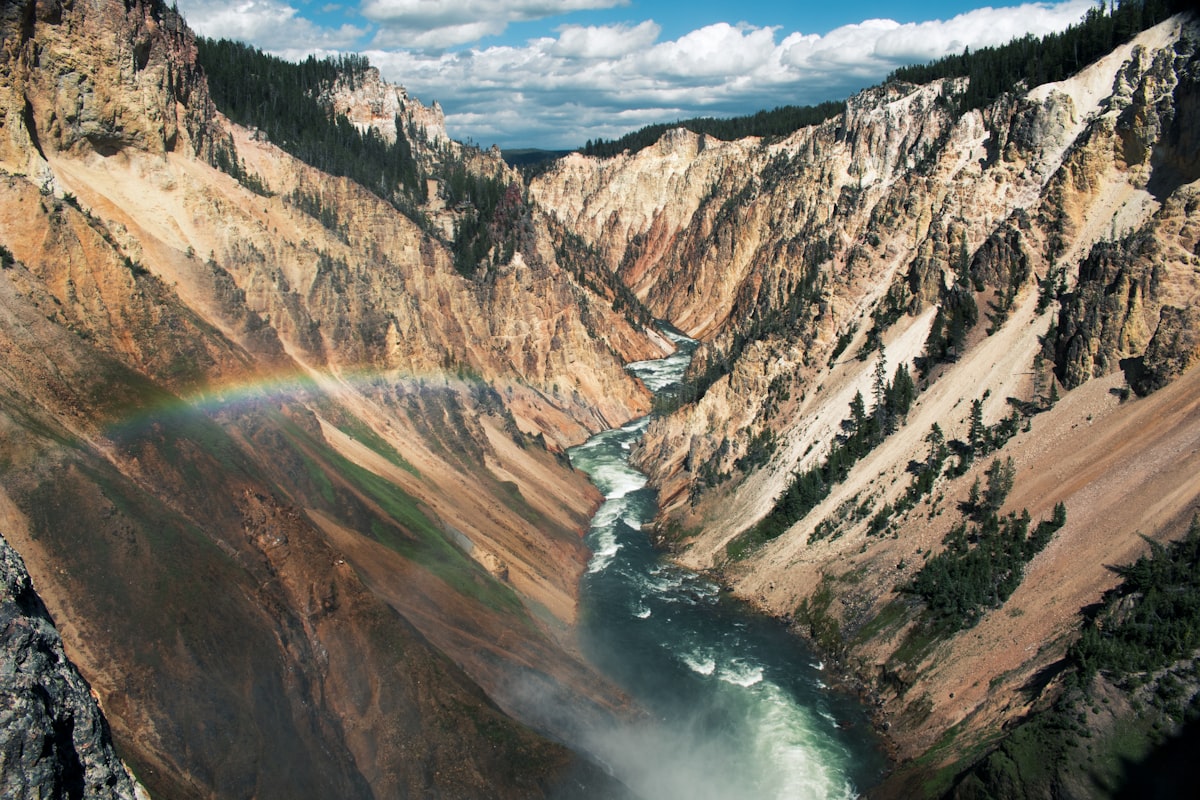

West Yellowstone is a small town that punches way above its weight in the fly fishing world. Sitting right at the west entrance to Yellowstone National Park, it's the launching point for fishing the upper Madison River, the Firehole, the Gibbon, and Hebgen Lake, waters that range from thermally heated spring creeks inside a volcanic caldera to big open lakes where trout cruise the surface eating mayflies.
The town itself is built around fishing. Fly shops line the main drag, guides gather at coffee shops before dawn, and during peak season the energy is palpable. This is a place where fishing isn't a side activity, it's the reason the town exists.
The upper Madison flows right out of the park here, for a deeper dive on its hatches and floats, see our Madison River fly fishing guide.
The Waters
Madison River (Upper)
The upper Madison inside Yellowstone Park and the stretch from the park boundary down to Hebgen Lake is the backbone of West Yellowstone fishing. Inside the park, the Madison is a broad, shallow river with a gravel bottom, classic riffle-and-run water that holds rainbow and brown trout. The fishing here is walk-and-wade only (no boats allowed in the park), which keeps pressure manageable.
Below the park, the Madison flows into Hebgen Lake, and the stretch between the park boundary and the lake holds some of the best dry fly water in the region. The Mother's Day caddis hatch arrives in May, followed by salmonflies in late June, and a parade of mayflies, caddis, and terrestrials through summer.
The lower Madison below Hebgen and Quake Lakes is famous fall water. From September into late October, large brown and rainbow trout run upstream out of Hebgen Lake to spawn, and the fishing for these big migratory fish is some of the best in Montana. Browns averaging two to four pounds push into water that's otherwise occupied by smaller resident trout, and streamer fishing during the fall run is an experience you won't forget.
Firehole River
The Firehole is unlike any trout stream on earth. It flows through Yellowstone's geyser basins, heated by thermal features along its course. The geothermal influence means the Firehole produces aquatic insects earlier than any other river in the area, and its hatches can be dense and predictable.
Both brown and rainbow trout are present in good numbers, with the average fish running 8 to 12 inches. This isn't trophy water, it's technical water. The trout are well-educated, the currents are tricky, and drag-free drifts are essential. The Firehole fishes best in spring (May-June) and fall (September-October). Midsummer water temperatures get too warm as thermal inputs push the river past trout's comfort zone, and the park closes the Firehole to fishing during the hottest weeks.
Gibbon River
The Gibbon is the Firehole's quieter sibling. It flows from Grebe Lake down to Madison Junction, where it joins the Firehole to form the Madison. The upper Gibbon above Gibbon Falls holds brook trout and, in Grebe Lake, Arctic grayling, one of the few places in the lower 48 where you can catch native grayling.
The lower Gibbon below the falls is fly-fishing-only water that holds brown and rainbow trout. It's meadow water, slow, clear, and demanding. The lower Gibbon doesn't get the attention the Firehole does, which means less pressure and trout that are slightly less paranoid. It fishes well from June through September with small dries, emergers, and nymphs.
Hebgen Lake
Hebgen Lake sits just outside the park boundary and offers a completely different fishing experience. This is a large reservoir with a strong population of rainbow and brown trout that grow fat on the lake's abundant insect life.
Hebgen is famous for "gulper" fishing, targeting large trout that cruise the surface during Trico and Callibaetis hatches in July and August. You drift in a boat, spot a rising fish, cast ahead of its path, and wait. When a 20-inch rainbow lifts its head to eat your size 18 dry fly, you'll understand why people travel across the country for this. Float tubes and small boats work best; learning the cruising lanes and timing your casts to the hatch windows is what puts you on the biggest fish.
What You're Fishing For
Rainbow trout are the most common catch across all the West Yellowstone waters. They're in the Madison, the Firehole, the Gibbon, and Hebgen Lake. Size varies, 10 to 14 inches is typical on the rivers, with Hebgen producing fish to 20 inches and beyond.
Brown trout are present in every fishery here and grow the largest. The fall spawning run out of Hebgen Lake into the Madison brings browns in the two- to five-pound range, serious fish on a fly rod. Browns in the Firehole and lower Gibbon tend to be smaller but are among the most technically challenging trout you'll encounter.
Yellowstone cutthroat trout are found in the park's eastern drainages (Yellowstone Lake, Lamar River) and are accessible on day trips from West Yellowstone. They're native, they rise to dry flies, and they're gorgeous.
Brook trout are present in the upper Gibbon and some smaller tributaries. They're not a primary target, but they add variety to a day on the water.
Arctic grayling in Grebe Lake are a unique target, the dorsal fin alone makes them worth the hike. They're not large, but they're native and rare in the lower 48. All native fish in Yellowstone must be released.
When to Go
Late June through September is prime time. The park opens to fishing on the Saturday of Memorial Day weekend, and conditions improve steadily through June as snowmelt recedes. July and August are peak months for dry fly fishing on the Madison, gulper fishing on Hebgen, and consistent action across all waters.
May and early June are the park's early season. The Mother's Day caddis on the Madison outside the park fishes well in May. Inside the park, the Firehole is the first river to turn on thanks to its thermal warming, it can fish well even in early May when other rivers are blown out with snowmelt.
September and October are the locals' favorite months. The summer crowds thin out, fall colors transform the landscape, and the brown trout run from Hebgen into the Madison creates trophy-fishing opportunities that rival anything in the state.
Important: Park Fishing Regulations
Fishing inside Yellowstone National Park requires a separate park fishing permit, a Montana state license alone is not enough. Permits are available at park ranger stations and visitor centers. Key rules: all hooks must be barbless, all native species (cutthroat, grayling, whitefish) must be released, and only fly fishing is permitted on the Firehole, Gibbon, and Madison inside the park. Check current regulations at nps.gov/yell before your trip, seasons and closures change annually.