Fish
Fish Fire
Fire Hike
Hike Bird
Bird

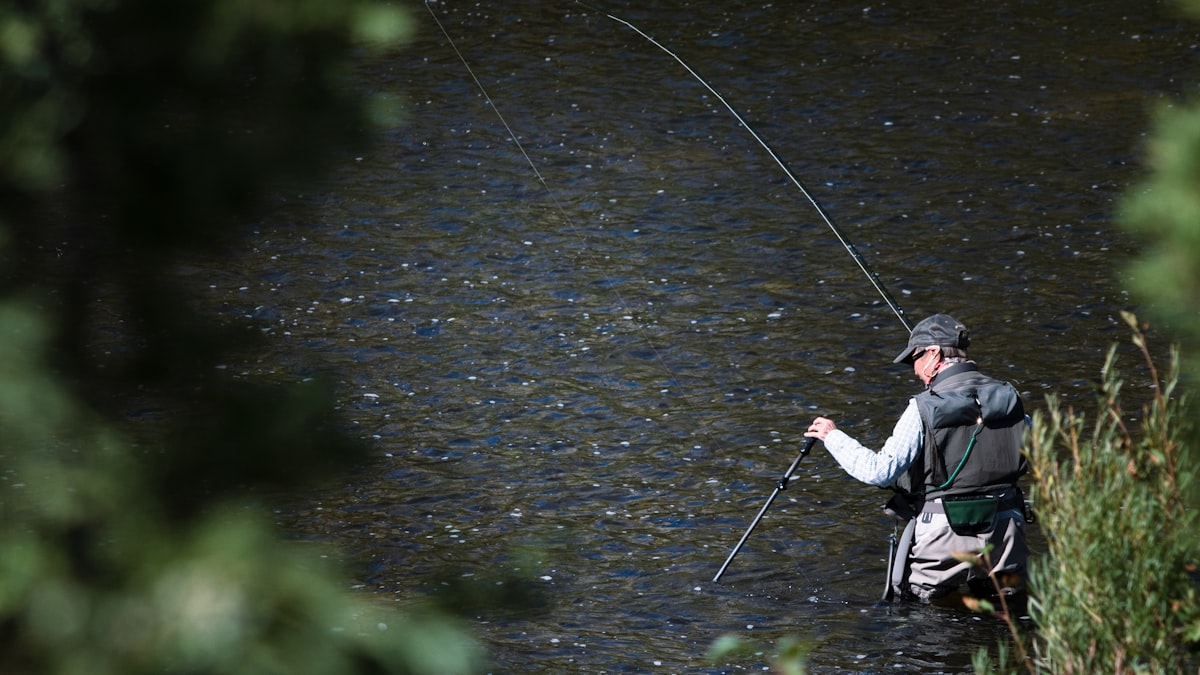

Livingston, Montana is a fly-fishing town in a way that most places only pretend to be. The culture here isn't seasonal tourism built around a nearby river, it's a year-round identity. The town has produced more fly-fishing writers, guides, and rod builders per capita than anywhere in the West. Thomas McGuane, Dan Callaghan, and generations of guides have called this valley home, and the fishing is the reason they stay.
The town sits at the north end of Paradise Valley, where the Yellowstone River exits its canyon and flows through the broad valley floor toward the Missouri. But the fishing that makes Livingston genuinely unique isn't the Yellowstone, it's the spring creeks. DePuy's Spring Creek and Armstrong's Spring Creek flow from underground aquifers into the Yellowstone at a constant 52°F, creating two of the most technically demanding and rewarding trout streams in the world.
The Spring Creeks, DePuy's and Armstrong's

These are private-water fisheries, you pay a rod fee ($100-150/day) to access them, and the number of anglers is limited. That management creates water that's simultaneously well-maintained and lightly pressured, holding wild brown and rainbow trout that are among the most educated in the West.
Armstrong's Spring Creek is the upstream section, the classic flat-water dry-fly classroom. The creek flows through open meadow with clear, calm water over a weed-bed bottom. The trout hold in feeding lanes, rising to specific insects in specific stages of the hatch. Your job is to identify what they're eating, match it precisely (often to a size and stage, not just a species), and deliver a dead-drift presentation on tippet fine enough that the fish can't see it.
Armstrong's is where you learn, or are humbled by, technical dry-fly fishing. The fish average 14 to 18 inches, with browns over 20 inches in the deeper bends. They've seen every fly in every box, and they refuse anything that doesn't look right. A #18 Sparkle Dun in the right color, drifting six inches to the left of where a #16 Parachute Adams was refused, is the level of precision these fish demand.
DePuy's Spring Creek is the downstream section, longer, more varied, with riffles, runs, deeper pools, and undercut banks in addition to the classic flat water. DePuy's offers more diverse fishing than Armstrong's: you can nymph the riffles, streak streamers through the deeper runs, and still sight-fish to rising trout on the flats. The fish are equally educated but the water gives you more options.
The Hatch Chart
The spring creeks fish year-round because the constant 52°F water supports insect activity in every month:
- February–March: Midges (#18-22), the winter staple. Cluster midge patterns and Griffith's Gnats on the surface; Zebra Midges subsurface.
- Late April–May: Mother's Day Caddis (Brachycentrus), olive body, grey wing, #14-16. The first big dry-fly event. Elk Hair Caddis in olive.
- June–July: Pale Morning Duns, THE hatch. PMDs (#16-18) are the bread and butter of Paradise Valley spring creek fishing. Sparkle Dun cripples and emergers outfish standard duns because these fish see too many perfect flies.
- July–August: Tricos (#20-24), tiny spinners that blanket the water in morning spinnerfall. Test your eyesight and your patience.
- September–October: Blue Winged Olives (#18-22), the fall hatch that closes the season strong. Overcast days produce the best activity. Parachute Adams in olive.
- Year-round: Scuds (#14-18, pink and orange) and sow bugs, the subsurface staple that the fish eat every day regardless of hatch activity.
The Fly Box
For a week on the Paradise Valley spring creeks, you need:
Dry flies: Sparkle Duns (#16-20, olive and PMD), Parachute Adams (#14-20), CDC Emergers (#18-22), Griffith's Gnat (#18-22), Elk Hair Caddis (#14-16, olive), Comparadun PMD (#16-18), Trico Spinner (#20-24)
Nymphs: Pheasant Tail (#16-20), RS2 (#18-22), Rainbow Warrior (#16-20), Scud (#14-18, pink/orange), Sow Bug (#14-16), Zebra Midge (#18-22)
Streamers (DePuy's): Woolly Bugger (#8-10, olive/black), Sculpzilla (#6-8), Zonker (#6-8)
The Gear
Rod: 9-foot 4-weight or 5-weight. The 4-weight is the sweet spot for the spring creeks, enough power for 50-foot casts but delicate enough for light tippet. Bring a 3-weight if you're a Trico enthusiast.
Leaders: 9 to 12 feet, tapered to 5X or 6X for most situations. Go to 7X for Tricos and midge fishing. Fluorocarbon tippet is essential on the spring creeks, the fish can see mono in the clear water.
Line: Weight-forward floating in a light color. No need for sinking lines on the spring creeks.
The Yellowstone River

The Yellowstone flows through Livingston and offers a completely different experience from the spring creeks, big water, powerful current, and trout that eat with less sophistication.
The stretch through Paradise Valley south of town is the prime float-trip water. Guides row drift boats through long riffles, deep runs, and undercut banks, with anglers casting dry flies and nymphs to wild rainbow, brown, and Yellowstone cutthroat trout. The fish average 14 to 18 inches, with cutthroat over 20 inches on the upper sections.

Hopper season (August–September) is the Yellowstone's peak, big foam grasshopper patterns fished tight to the grassy banks produce slashing strikes from trout that eat aggressively. A #6 Chubby Chernobyl with a #16 Pheasant Tail dropper is the standard hopper-dropper rig.
The Yellowstone is less technical than the spring creeks but more physical, you're casting bigger rods (5-weight or 6-weight), covering more water, and the fish fight harder in the river's current. It's the perfect complement to a spring creek morning: technical fishing before lunch, aggressive dry-fly fishing in the afternoon.
The Culture

Livingston's fly-fishing culture is quieter and more serious than Bozeman's. Where Bozeman has a dozen fly shops catering to tourists, Livingston has a handful catering to anglers who know what they're doing. The local shops include some of the oldest in the country, and the best among them run the most detailed online fishing reports in the valley, essential reading before any spring creek trip.
The town has a literary tradition that intersects with fly fishing, McGuane's writing, the influence of A River Runs Through It (the Maclean family's home water was nearby), and a community of writers, artists, and guides who chose Livingston because the fishing is serious and the town doesn't try too hard.
The restaurants and bars in downtown Livingston are where guides swap stories after the float, and the vibe is authentically Western, no boutique-hotel pretension, just a railroad town that happens to sit on the best trout water in Montana.
When to Go
- June–July: PMD hatch on the spring creeks, the premier event. Yellowstone clearing from runoff.
- August–September: Hopper season on the Yellowstone. Tricos and terrestrials on the spring creeks. The best all-around window.
- October: Fall BWOs on the spring creeks. Brown trout spawning on the Yellowstone. The quiet season with big fish.
- December–March: Winter midge fishing on the spring creeks. The 52°F water keeps them fishable when everything else is frozen.