Fish
Fish Fire
Fire Hike
Hike Bird
Bird

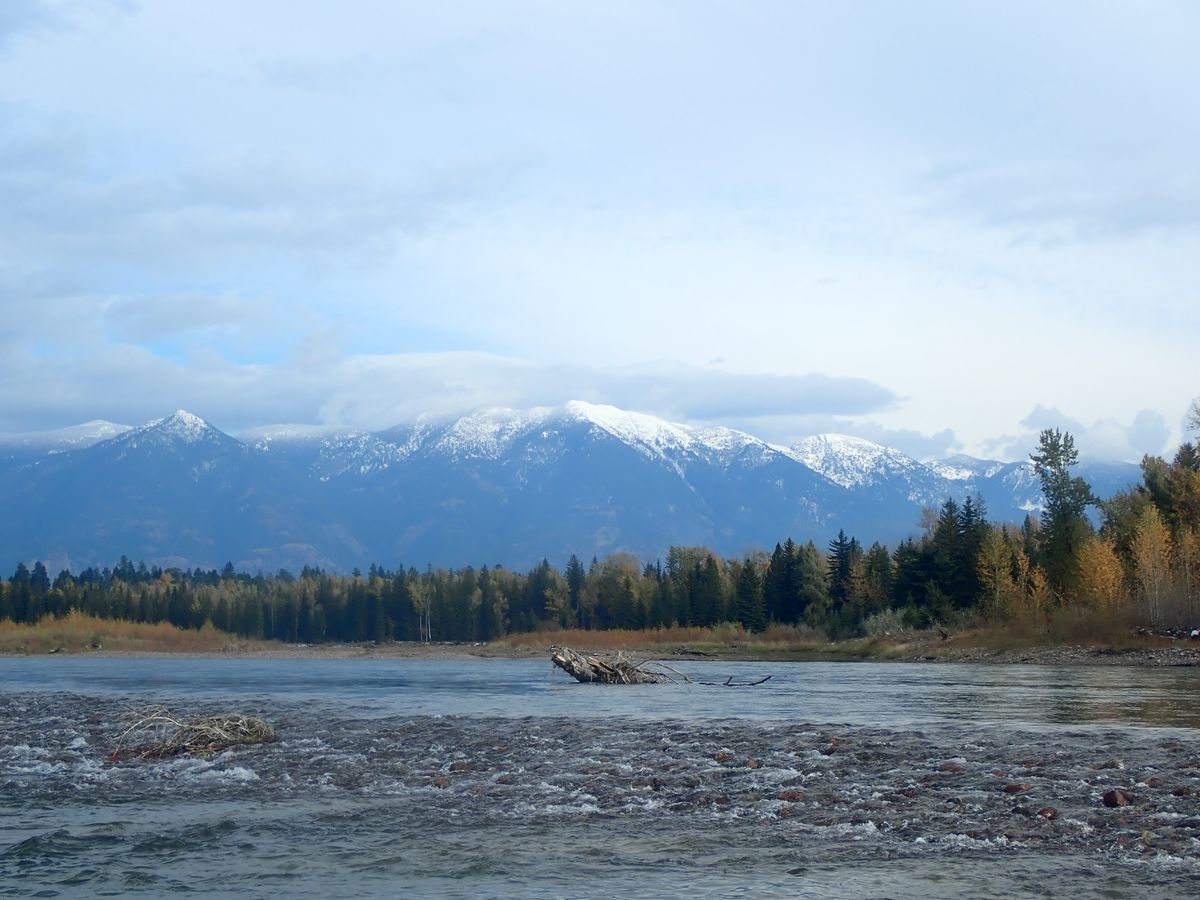

Missoula sits at the confluence of five mountain valleys in western Montana, and four world-class trout rivers converge within 30 minutes of downtown. The Blackfoot River, made famous by Norman Maclean's "A River Runs Through It", runs northeast through a forested canyon. The Bitterroot flows north through its namesake valley. The Clark Fork, Montana's largest river by volume, runs right through the middle of town. And Rock Creek, a wild freestone stream with prolific hatches, is 20 minutes east. Add them up and you have over 340 miles of fishable trout water within an hour's drive, with more than 300 working guides in the area.
What makes Missoula exceptional for beginners is that each river offers a different character and difficulty level. The Bitterroot is gentle, wadeable, and hatch-oriented, perfect for learning dry fly fishing. The Blackfoot is bigger and more dramatic, ideal for float trips. The Clark Fork downtown gives you urban fishing with real trout. And Rock Creek rewards anyone willing to wade a small mountain stream. You can fish a different river every day of a week-long trip and never repeat an experience.
This guide covers the practical how-to for each river, what to expect, how to rig up, and where to go. For the full destination overview, read our complete Missoula fishing guide.
The Bitterroot River: Where Beginners Should Start
The Bitterroot is the most hatch-oriented trout fishery near Missoula, meaning the fish respond predictably to insect activity on the surface, which means dry fly fishing. It's also the gentlest to wade, with a moderate current, gravel bottom, and long, readable pools. If you're a first-time fly angler, start here.
Character
The Bitterroot runs 85 miles from its headwaters near Darby to its confluence with the Clark Fork in Missoula. It's a mid-sized freestone river, 50 to 100 feet wide, with riffles, runs, pools, and gravel bars. The upper stretches (south of Hamilton) are narrower and more intimate. The middle and lower sections widen and braid into side channels. Public access is excellent, fishing access sites (FAS) are spaced every 5 to 10 miles.
Fish
Rainbow trout, brown trout, and westslope cutthroat trout. Fish average 12 to 16 inches, with 18- to 20-inch fish possible, especially browns in the fall. Trout density is around 700 fish per mile, that's a lot of fish.
3 Secrets to Catching More Trout on the Bitterroot RiverHatches and When to Fish
The Bitterroot has the most diverse hatch schedule of the four rivers:
Skwala stoneflies (March through April), the first major hatch of the year. Dark, size 8-10 stoneflies that bring trout to the surface when most rivers are still winter-dead. Fish an olive Stimulator size 8 or a skwala dry pattern along the banks. The middle Bitterroot (Bell Crossing to Tucker Crossing, 5 miles) concentrates this hatch. This is the earliest dry fly fishing in the region.
March Browns (April through May), large mayflies, size 12-14. Fish a Parachute Adams or March Brown dry over rising fish in the flats and tailouts.
Salmonflies (mid-June through early July), the big event. These 2- to 3-inch stoneflies trigger a feeding frenzy. Fish a Chubby Chernobyl or foam salmonfly pattern size 4-6 tight to the banks. The hatch moves upstream, it hits the lower river first and progresses south over 2 to 3 weeks. Your fly shop can tell you exactly where the front is.
PMDs (June through August), pale morning duns, size 16-18. Steady mid-morning hatches that keep fish rising for hours.
Hoppers (July through September), grasshoppers blown onto the water. Fish a foam Morrish Hopper or Dave's Hopper size 8-10 along grassy banks. Aggressive takes. This is the most fun, least technical dry fly fishing of the year.
Blue-winged olives (BWOs) (September through November), small size 18-22 mayflies that hatch on cloudy, drizzly fall days. The best fall dry fly fishing.
How to Fish the Bitterroot
Wading: The Bitterroot is the most beginner-friendly wading river near Missoula. Enter at fishing access sites, wade to mid-thigh, and cast to rising fish or likely holding water, seams, riffles, pool tailouts, and along overhanging banks. Move slowly upstream, casting to the water 20 to 30 feet ahead.
Floating: Half-day float trips cover 5 to 8 miles of river. Your guide rows while you cast to the banks. The Bitterroot's gentle current and frequent fish make it ideal for learning to cast from a drift boat.
The Blackfoot River: The Big Dramatic Float
The Blackfoot is the river from the movie, big, muscular, flowing through a forested canyon with huge boulders, logjams, and deep pools. It's wider and more powerful than the Bitterroot, with classic big-river structure that holds large trout. This is primarily float-trip water, though there are excellent wading stretches.
Character
The Blackfoot runs 130 miles from the Continental Divide to its confluence with the Clark Fork east of Missoula. The best fishing is in the canyon stretch, roughly from the Clearwater River junction to Johnsrud Park (about 30 miles). Huge ponderosa pines line the banks, osprey nest overhead, and bald eagles are common. The bottom is cobble and boulder, harder to wade than the Bitterroot but doable in the slower reaches.
Fish
Rainbow trout, brown trout, westslope cutthroat trout, and bull trout (catch and release only, bull trout are a protected native species). The Blackfoot's trout average 12 to 15 inches, with 18- to 20-inch fish in the deeper pools and runs.
Fishing the Blackfoot River in MontanaHow to Fish the Blackfoot
Float trips are the way to go. The classic section, Clearwater Junction to Johnsrud Park (about 10 miles), takes a full day and puts you through the heart of the canyon. Your guide rows a McKenzie drift boat through riffles, around boulders, and past deep runs while you cast big dry flies and streamers to the banks.
Techniques: The Blackfoot responds well to big attractor dry flies, Chubby Chernobyls, Stimulators, and hopper patterns in sizes 6-10. The fish are less selective than on spring creeks and will eat a well-presented big fly even when there's no hatch. A dry-dropper rig (big dry with a beadhead Prince Nymph or Copper John dropped 18 inches below) doubles your chances.
Streamer fishing on the Blackfoot is excellent for targeting larger fish. Strip a Woolly Bugger in olive or black (size 4-6) or a Circus Peanut through the deeper runs and along undercut banks. Use a sink-tip line or add split shot above a heavy streamer on your floating line. Cast tight to the bank, let it sink, and strip back with short, erratic pulls.
Wading: The Johnsrud Park access is the best wading spot, a large pool and riffle complex with good bank access. The water below the bridge is wide and wadeable in summer flows. Use felt-soled boots, the Blackfoot's cobble is notoriously slippery.
The Clark Fork River: Fish Through Downtown
The Clark Fork is Montana's largest river, and it runs right through downtown Missoula. You can fish world-class trout water within walking distance of restaurants and breweries. Decades of mine-waste cleanup upstream have restored the Clark Fork to healthy trout habitat, and it now holds excellent populations of rainbow and brown trout.
Character
A wide, powerful river, 100 to 200+ feet across through Missoula. The best fishing is downstream from town (the Alberton Gorge stretch) and in the upper reaches near Deer Lodge. Through Missoula itself, the river is public and wadeable at several access points, though the fish see more pressure.
Fish
Rainbow trout and brown trout, with some westslope cutthroat. The Clark Fork is known for big fall browns, fish over 20 inches that move into the main river from tributaries to spawn in October and November. If you want a crack at the biggest trout near Missoula, fish the Clark Fork in fall with streamers.
Clark Fork River, Montana Fly FishingHow to Fish the Clark Fork
Fall streamer fishing (October through November) is the Clark Fork's signature fishery. Strip large articulated streamers, Sculpzilla, Sex Dungeon, Woolly Bugger size 2-6, through deep runs and along cut banks. Big browns are aggressive during the pre-spawn and will chase a streamer they'd normally ignore. A 6- or 7-weight rod with a heavy sinking leader or sink-tip line handles the big flies and heavy water.
Summer dry fly and nymph fishing works well too, particularly around the edges and in slower water near town. PMDs, caddis, and Yellow Sally stoneflies drive summer hatches. Fish a standard dry-dropper rig through riffles and tailouts.
Wading access in Missoula: Kona Ranch Road (east of town), Kelly Island (inside city limits, excellent side channels), and the Kim Williams Trail along the south bank give you miles of walk-in access.
Rock Creek: The Wade-Fishing Paradise
Rock Creek is a small-to-medium freestone stream flowing through National Forest land 20 minutes east of Missoula. It has the highest trout density per mile of the four rivers and the most intense insect hatches, particularly the famous salmonfly hatch in June. Over 50 miles of public access through the Lolo National Forest, much of it roadside.
Character
A classic mountain stream, 30 to 60 feet wide, fast riffles dropping into pocket water and pools, with boulders, logjams, and gravel runs. Easy to wade in summer flows. The canyon is steep and beautiful, with fir and pine towering above the water.
Why It's Special
Trout density: Rock Creek consistently surveys as having the most trout per mile of any Missoula-area river. Small fish are everywhere (10 to 14 inches), with enough 16- to 18-inch fish to keep things interesting.
Salmonfly hatch (early to mid-June), the salmonfly hatch on Rock Creek is legendary. Millions of large stoneflies emerge over a 1- to 2-week window, and the trout go berserk. Anglers come from around the country for this event. Fish the biggest, ugliest foam stonefly pattern you have, size 4 to 8, right against the bank. If the timing is right, it's the most exciting dry fly fishing in Montana.
Accessibility: The Rock Creek Road follows the creek for its entire fishable length. Pull off, gear up, and wade in. No guide needed, though one helps you find the best stretches and avoid the crowds during salmonfly season.
Epic Montana Trout Rivers, Fly Fishing the Bitterroot RiverGear
Fly Rod
A 5-weight, 9-foot fly rod handles all four rivers for dry flies and nymphs. For streamer fishing on the Clark Fork and Blackfoot, step up to a 6-weight. If you're buying one rod for a Missoula trip, get the 5-weight.
Buying: Redington Crosswater combo for a solid budget option. Orvis Clearwater combo for a meaningful upgrade. Echo Base is another excellent beginner rod. Rent from Missoula fly shops if you're not ready to buy, most shops rent complete outfits for $25 to $50 per day.
Waders and Boots
Waders are essential, all four rivers are cold, even in July (50 to 60°F). Simms Tributary waders are the best value in breathable waders. Frogg Toggs Canyon II are a budget alternative. Pair with felt-soled wading boots, the Blackfoot and Clark Fork cobble is notoriously slippery, and felt outgrips rubber soles dramatically.
Wading staff: Highly recommended for the Blackfoot and Clark Fork, where the current is strong and the bottom is uneven. A collapsible wading staff clips to your belt and deploys when you need a third point of contact.
Flies to Bring
Your fly shop will dial you in, but here's a starter box:
Dries: Stimulator (8-12), Chubby Chernobyl (8-10), Parachute Adams (14-18), Elk Hair Caddis (14-16), Foam Hopper (8-10), Purple Haze (14), BWO (18-22)
Nymphs: Pheasant Tail (14-18), Prince Nymph (12-16), Copper John (14-18), Hare's Ear (12-16), Pat's Rubber Legs (6-10), Lightning Bug (14-16)
Streamers: Woolly Bugger olive/black (4-8), Sculpzilla (4-6), Zonker (6-8)
Budget: $30 to $50 at a fly shop buys a box of 2 to 3 dozen flies covering all situations.
Missoula Fly Fishing, Bitterroot, Clark Fork, Rock CreekPractical Details
Fishing License: Montana requires a license for anyone 15 and older. Non-resident season license: $86. Non-resident 2-day license: $25. Non-resident youth (12-14): $15. Buy online at fwp.mt.gov or at any fly shop or sporting goods store in Missoula.
Fly Shops: Missoula has more fly shops per capita than almost any city in America. Missoulian Angler (downtown), excellent reports, guided trips, flies, and a knowledgeable staff. Grizzly Hackle (downtown), full-service shop with guided trips on all four rivers. Blackfoot River Outfitters, specializes in Blackfoot River float trips and has a great online fishing report. Montana Trout Outfitters, guided trips with deep local knowledge. Stop in any of these for a current fishing report before you hit the water, they'll tell you which river is fishing best and what flies to use.
Guided vs. DIY: First-time visitors should book at least one guided float trip (typically $550 to $750 per day for 1 to 2 anglers, lunch and gear included). After that, you'll have enough river knowledge to wade on your own. Rock Creek and the Bitterroot access sites are the most DIY-friendly. The Blackfoot canyon and Clark Fork downstream are best fished by float.
Which River When:
- March-April: Bitterroot (skwala hatch, the first dry flies of the year)
- June: Rock Creek (salmonfly hatch), Blackfoot (salmonflies follow a week later)
- July-August: All four rivers fish well. Bitterroot for PMDs and hoppers. Blackfoot for big dries and floats. Rock Creek for wade fishing. Clark Fork for evening caddis.
- September-October: Clark Fork for big browns on streamers. Bitterroot for BWOs. Blackfoot for fall colors and rising fish.
Getting There: Fly into Missoula International Airport (MSO), small, easy airport with direct flights from Denver, Seattle, Salt Lake City, Minneapolis, and other hubs. Rent a car, you need one to reach river access sites. All four rivers are 10 to 30 minutes from downtown.
What to Wear: Layers and waders. Mornings are cool (40s to 50s) even in July. Afternoons warm up (70s to 80s). Evenings cool down fast. A fleece or softshell under your waders, a sun shirt on top, and a rain jacket in your pack. Polarized sunglasses are critical for reading water and spotting fish. Sunscreen and a hat, Montana sun at altitude is strong.
Wildlife: Missoula is bear country. Black bears and grizzly bears are present along all four rivers, particularly the Blackfoot and Rock Creek. Carry bear spray ($40 at any sporting goods store), make noise while walking to the river, and store food in your vehicle. Moose are common along Rock Creek and the Blackfoot, give them wide clearance, especially cows with calves. Rattlesnakes are present in the Bitterroot Valley, watch where you step on warm afternoons.