Fish
Fish Fire
Fire Hike
Hike Bird
Bird


A neighbor tells you the county has gone to Level 2. Somebody else says it is a Set. A news alert calls it an evacuation warning.
Those are the same thing, and the fact that three different phrases are circulating in an emergency is a genuine problem.
The two systems
Most of the western United States uses one of two frameworks, and they map onto each other cleanly. The numbered system, common in Oregon, Washington, Idaho, Montana and Colorado, uses Level 1, Level 2 and Level 3, while the Ready, Set, Go framework promoted nationally by the fire service uses Ready, Set and Go. They correspond:
- Level 1 = Ready = Be Ready. There is a threat in your area. Stay informed, prepare to leave, and be aware that the situation can change quickly.
- Level 2 = Set = Be Set. Significant danger. Be prepared to leave at a moment's notice. This is the stage where you should already be packed, the vehicle should be loaded and pointed out, and anyone who needs extra time to leave, whether elderly relatives, people with mobility needs or anyone with livestock, should go now rather than waiting.
- Level 3 = Go = Leave Immediately. Danger is current or imminent. Leave now. Do not gather belongings. Do not wait for a knock at the door.
California uses different words again, where an Evacuation Warning corresponds roughly to Level 2 and an Evacuation Order to Level 3, and California also uses Shelter in Place as a distinct instruction, meaning that leaving is more dangerous than staying, usually because the roads are compromised. The first useful thing you can do, well before a fire, is find out which system your county uses and what its exact wording is.
Who issues them
This surprises people and it matters for where to look. In most western states, evacuation orders are issued by law enforcement, generally the county sheriff, not by the fire agency. The fire agency provides the incident information and recommends, and the sheriff has the legal authority to order.
Which means the sheriff's office is frequently the authoritative source, and its social media or website may update before anywhere else, while county emergency management runs the alerting system. The incident information page for the fire itself, usually on a federal or state incident site, has the fire behavior and perimeter but may lag on evacuation status. Sign up for your county's emergency alert system in advance, because wireless emergency alerts reach phones automatically for major events but the county's opt-in system is more granular and it is where zone-level notices go.
What none of those sources answer quickly is the question you actually have while waiting for them, which is where the fire is relative to you and to the places you care about. That is what Guidepole Fire is for: active fire perimeters, hotspot detections, smoke and air quality on one map, so that how close it is has a visual answer rather than a verbal one. It does not replace your county's alerts, and nothing should.
What Do the Three Wildfire Evacuation Levels Mean?Evacuation zones
The newer development, and a considerable improvement. Many counties have moved to pre-defined evacuation zones with short identifiers, so that a notice can name a specific area rather than describing a boundary in a paragraph, and several states have adopted a common zone platform so that the same identifiers work across county lines.
The reason this matters is that describing an evacuation area in words is slow and ambiguous, and in a fast fire the ambiguity kills the message. Look up your zone identifier now, and the zones for anywhere you regularly stay, and write them down somewhere that does not require a working phone.
What to have done by each stage
The levels are only useful if the preparation is already done, because the whole design assumes it.
Before any notice, ideally before fire season: know your zone, sign up for alerts, and have a go bag. Know two ways out of your area, because the obvious road is frequently the one that closes. Have a plan for pets and livestock, which is the single most common reason people delay. Photograph your home's contents for insurance, and keep vehicles above half a tank through fire season.
At Level 1 or Ready: charge everything, load the go bag, and move vehicles so they face out. Bring pets indoors so you are not chasing a cat later, confirm arrangements for anyone who needs help, and check on neighbors who may not have heard.
At Level 2 or Set: load the vehicle fully, and anyone who does not need to be there should leave now, including children, elderly relatives and anyone with medical needs. Move livestock or trailer them out, do what you can for the structure in the time you have, and then wait somewhere you can leave from immediately.
At Level 3 or Go: go. Take the go bag and the people and the pets. Everything else is replaceable and the time budget at this stage is measured in minutes.
A Guide for Understanding Wildfire Evacuation LevelsWhat goes in a go bag
The advice to have one is universal and the contents are usually left vague, so here is a specific list.
- Documents. Identification, passports, insurance policies, deeds and titles, birth certificates, and a list of account numbers. Photographs of all of it stored in the cloud is a good backup and takes ten minutes.
- Medication. At least a week's supply, in the original containers, plus a written list of prescriptions and doses. This is the item people most often forget and the one most difficult to replace at short notice.
- Glasses, hearing aids and chargers for them.
- Phone chargers and a power bank, a car charger as well as a wall charger.
- Cash in small notes, because card systems fail when power and networks do.
- Water and food for a day, per person, plus anything a specific diet requires.
- A change of clothes and sturdy shoes, in natural fibers rather than synthetics, which melt.
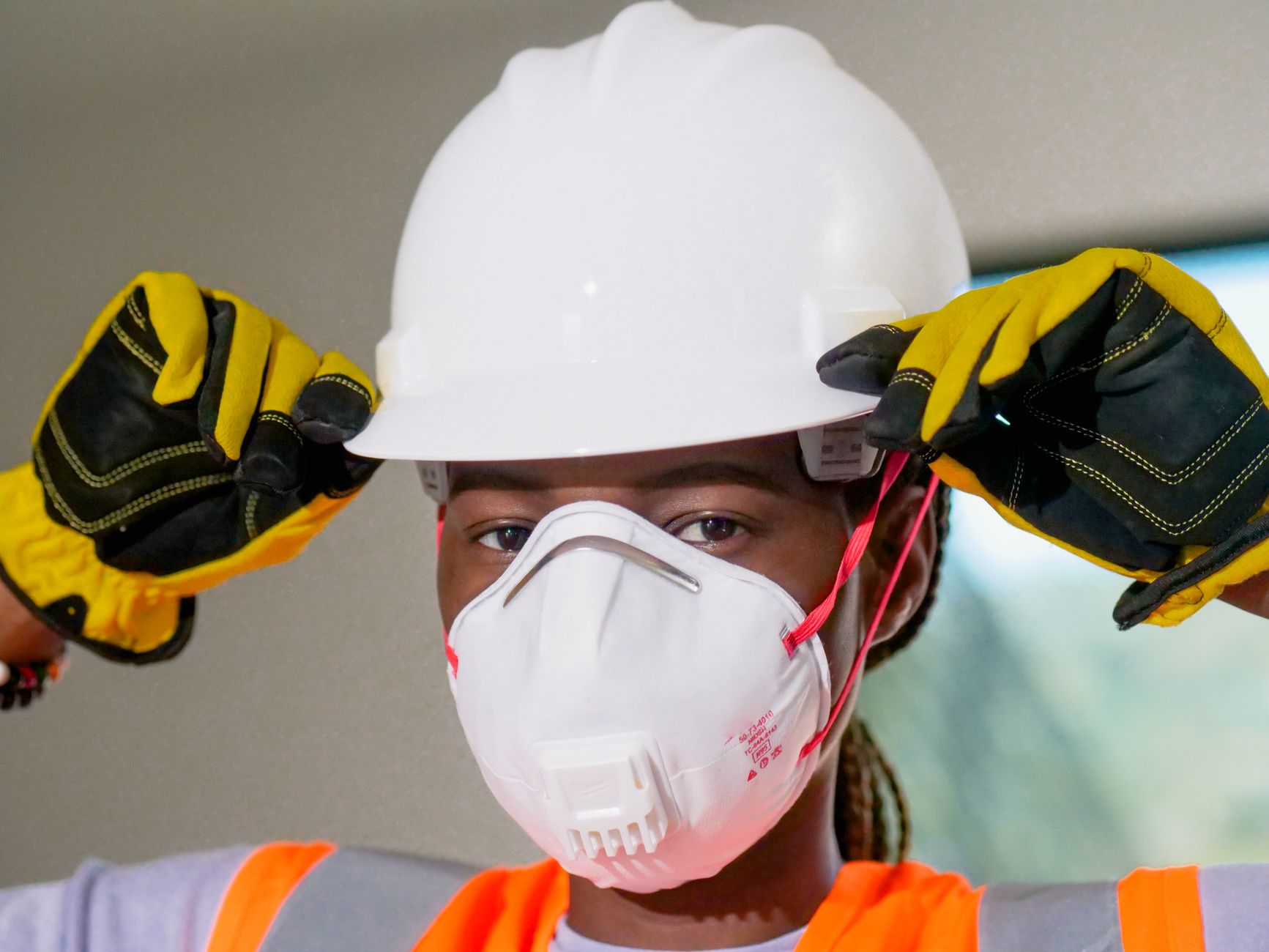
- N95 respirators, which you will want in smoke.
- Pet supplies: food, medication, carrier, leash, and vaccination records for boarding.
- A paper map of the area, because the phone may not be usable.
- Comfort items for children, which sound trivial and are not.
Keep it somewhere you can pick up in five seconds, and check the medication and documents twice a year.
The gear
Everything on this list has to exist before the notification, which is the entire point of the article.
A go bag that is already packed, because the single largest cause of delayed evacuation is people packing at Level 3. Documents, medication, chargers, a change of clothes, cash and pet supplies. Packed and by the door in July, not assembled at midnight in September.
Your county's emergency alert signup, completed. Evacuation notices go out through county alert systems, and enrollment is not automatic. A phone that is not enrolled does not ring.
Your evacuation zone identifier, written down. Most western counties now divide the map into named zones, and notices are issued by zone rather than by street. Knowing that you are in a specific zone means the alert is instantly legible instead of requiring a map.
Two mapped routes out, since the obvious road is the one that closes, and a fire moving toward a valley closes the downwind route first.
Pet carriers, and a plan for livestock, which is the hardest part of any rural evacuation and the reason a great many people delay leaving. Large animals take hours and trailers get scarce fast.
A vehicle kept above half a tank through fire season. Power failures take pumps down and the queues at the stations that still work are long.
And a photo inventory of your home, taken on your phone and stored in the cloud. It takes fifteen minutes, it is the difference between a straightforward insurance claim and a bad one, and nobody does it until they have needed it once.
Why people do not leave
Understanding this is worth more than another checklist item. Research on evacuation behavior consistently finds that people delay for reasons that make sense to them: waiting for confirmation from a second source, gathering belongings, waiting for a family member to get home, dealing with animals, or simply not believing the fire will reach them.
The fatal pattern is milling, the period spent seeking more information rather than acting on the information already received. It is normal human behavior and it is what shortens the escape window. The practical counter is to decide in advance what you will do, so that the decision is already made when the notice arrives and the only remaining task is execution.
It is also worth knowing that refusing a Level 3 order is generally not a criminal matter in most jurisdictions, but that staying means no services, no re-entry once you leave, and no expectation that anyone will come for you.
Livestock and large animals
The most common single reason people delay leaving, and it deserves proper treatment. Decide the plan before the season, because whether you will trailer out, move to a pre-arranged property or turn animals loose is a decision to make in advance and not at Level 2 in the dark. Trailering also takes far longer than people estimate, since loading horses that are agitated by smoke and noise can take an hour and you may only have capacity for a fraction of the animals in one trip.
So leave at Level 1 or early Level 2 if you have large animals, because the whole timeline shifts earlier for you and waiting for a Level 3 with a trailer to load is how people die. Identify the animals before you move them, with livestock crayon on the flank with a phone number, a luggage tag braided into a mane or a neck band, and note that microchips are better and are read at shelters. Know the receiving sites too, because county fairgrounds are the usual large-animal evacuation points and they fill quickly.
If you must turn them out, open gates and remove halters so animals cannot snag, because a loose animal in open ground survives fire far more often than one confined in a barn. Barns are not shelters: they burn readily and animals confined inside cannot escape. And have a plan for who does all of this if you are not home, which is the scenario that catches most people.
Preparing the house before you leave
If you have time at Level 2, a handful of actions measurably improve the odds for the structure. If you have only a Level 3, skip all of it and drive.
- Close all windows and interior doors, which slows fire spread inside if embers get in.
- Leave exterior doors unlocked if local guidance suggests it, so firefighters can enter without forcing them.
- Turn on exterior and interior lights, so the house is visible in heavy smoke, which can be as dark as night.
- Move furniture away from windows, since radiant heat through glass ignites what is behind it.
- Take down flammable window coverings and close non-flammable blinds.
- Shut off the gas at the meter if you have been told to, and not otherwise, because restoring service requires a utility visit.
- Move propane tanks, doormats, cushions and firewood away from the structure, since embers landing on any of them against a wall is a common ignition path.
- Put ladders against the house where they are visible, which gives crews roof access.
- Fill anything that holds water if you have a pool or tanks, and leave hoses connected and visible.
- Do not leave sprinklers running, because they deplete the water supply and pressure that firefighters need.
Then go. None of it is worth a delay.
Getting back in
Re-entry is controlled, and it lags the fire being contained. Areas are usually reopened in stages once hazards have been addressed: downed power lines, damaged gas lines, compromised water systems, hazardous trees and unstable structures.
Do not try to slip back in early, because beyond the hazards it interferes with damage assessment and utility work and it is a genuine reason those crews stop working. Expect the utilities to be off even after re-entry, and expect a boil-water notice in some areas.
The short version
Level 1 is Ready, Level 2 is Set, Level 3 is Go, and California says Warning and Order. Level 2 is the one that matters most, because it is the last stage at which you have any time, and it is the stage people most often treat as a warning rather than an instruction.
The sheriff issues it, not the fire agency. Know your zone before the season starts. And if you get a Level 3, the correct response is to already be driving.
For more, how to read a wildfire smoke map covers reading the fire and smoke picture, red flag warnings explained covers the conditions that precede these events, and AQI explained covers the air-quality numbers you will see throughout.
The weather conditions that precede most of these notices are in red flag warnings explained, and where the smoke is going is in how to read a wildfire smoke map. If you are far enough away that the fire is an air quality problem rather than a safety one, the relevant articles are the air quality index explained and setting up a clean air room.
And once the smoke has settled in for the long stretch that usually follows, the honest question is how long it will last, which is in when will wildfire smoke clear.