Fish
Fish Fire
Fire Hike
Hike Bird
Bird

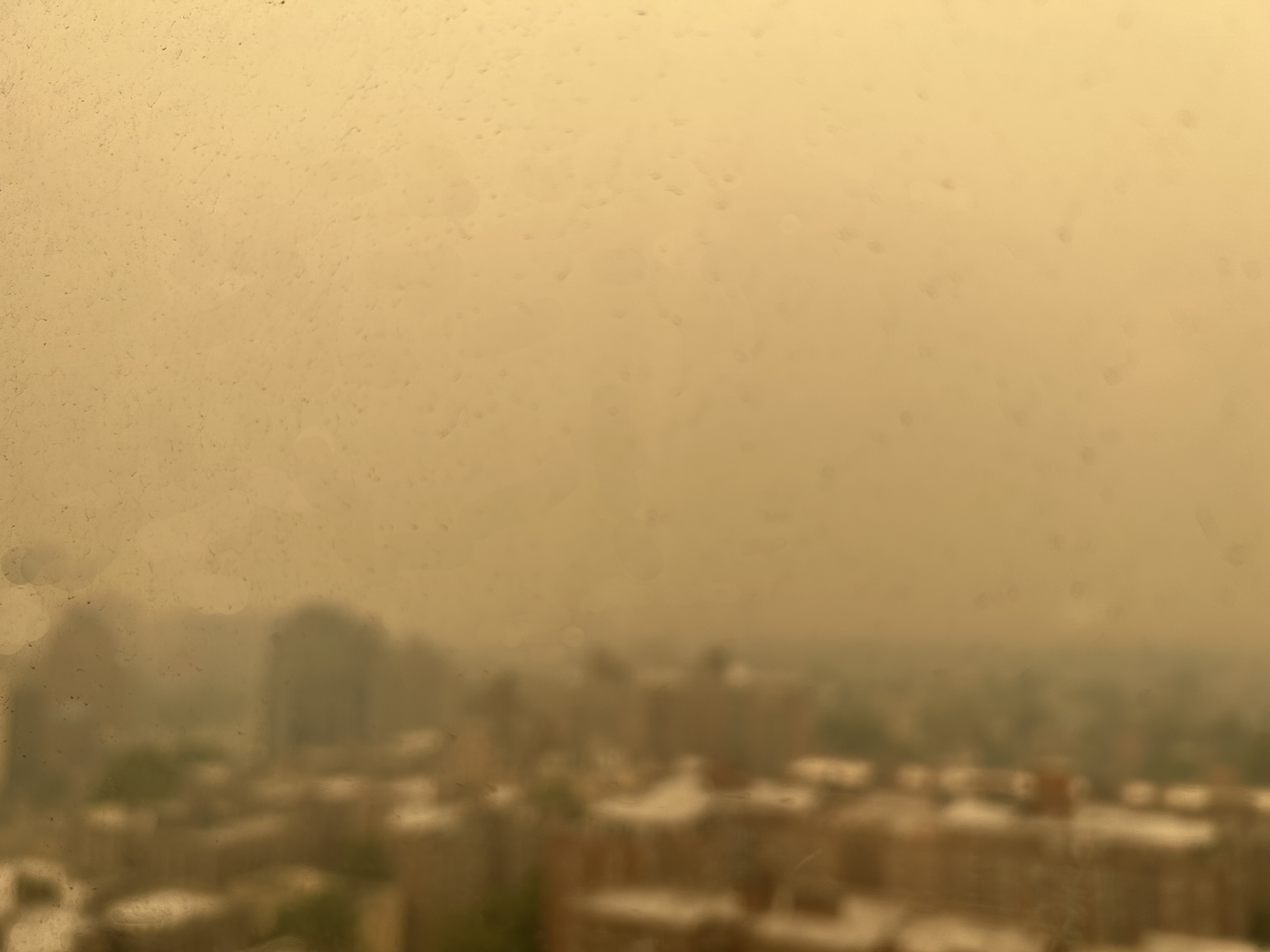

During wildfire smoke, the Air Quality Index (AQI) is the number that actually tells you how the air will affect you. It runs 0–500 and is color-coded into six categories. Knowing where the lines are, and what to do at each, takes the guesswork out of "should we go outside today?"
What the AQI is measuring
In wildfire smoke, the AQI is driven by PM2.5, fine particles small enough to reach deep into your lungs and bloodstream. The higher the PM2.5 concentration, the higher the AQI. The number comes from ground monitors (the EPA's AirNow network) that measure the air where you actually are, not the smoke overhead.
The six levels
- 0–50 Good (green): air is fine for everyone.
- 51–100 Moderate (yellow): fine for most; unusually sensitive people may notice it.
- 101–150 Unhealthy for Sensitive Groups (orange): kids, older adults, heart/lung conditions should ease up outdoors.
- 151–200 Unhealthy (red): everyone may feel effects; sensitive groups should stay in.
- 201–300 Very Unhealthy (purple): health alert, avoid outdoor exertion.
- 301–500 Hazardous (maroon): emergency conditions, everyone stays inside.
What to do as it climbs
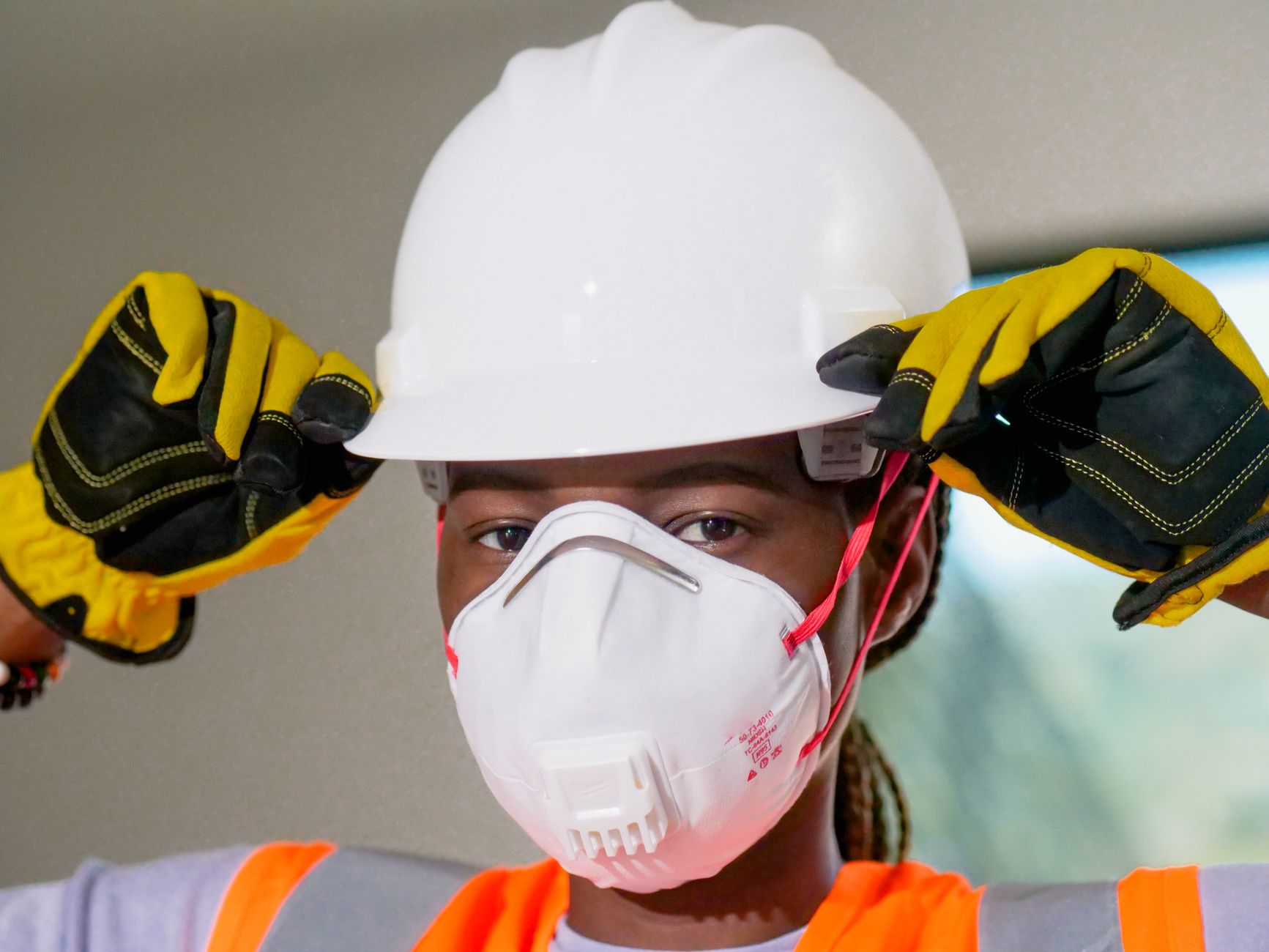
The practical rule: at orange, sensitive people scale back. At red, everyone limits time and exertion outdoors and starts closing up the house. At purple and above, stay inside with windows shut, run a purifier or a well-fitted mask (N95) if you must go out, and check on anyone vulnerable. AQI can swing fast as the wind shifts, so check it the day of, not the day before.
Guidepole Fire shows the live AQI where you are and along the places you watch, colored to these same six levels, so a glance tells you which category you're in and whether it's climbing.