Fish
Fish Fire
Fire Hike
Hike Bird
Bird

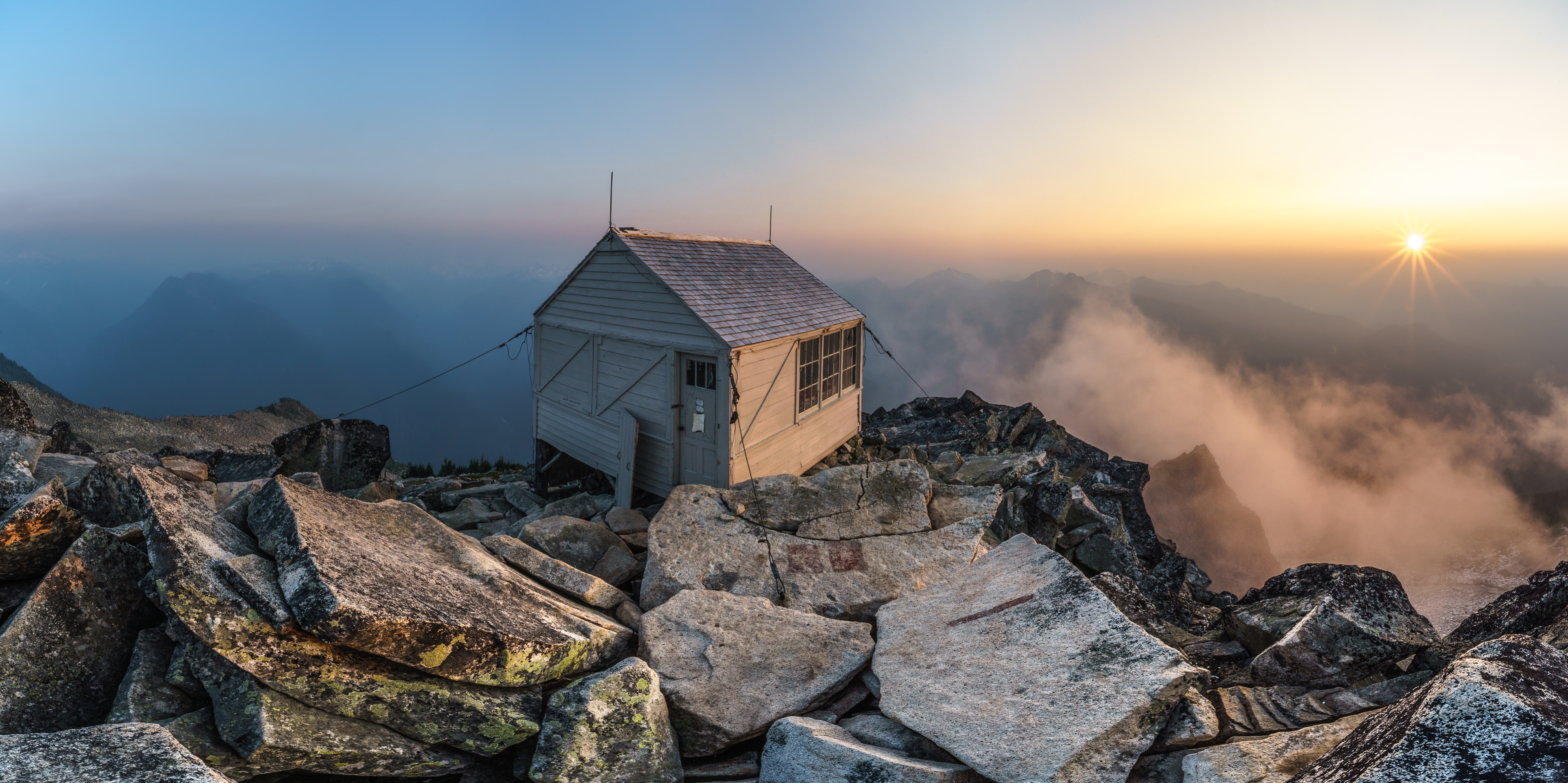
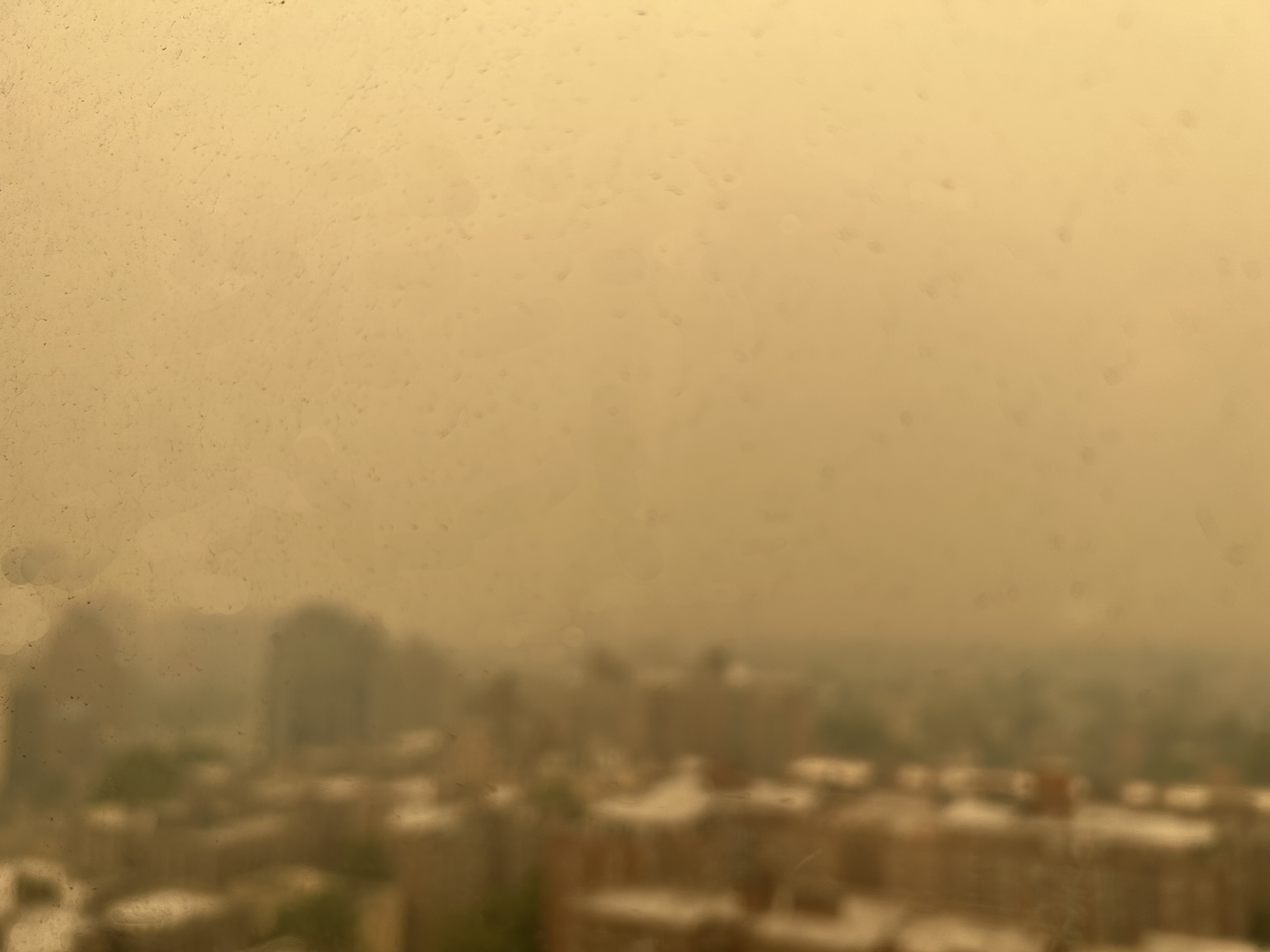
"When will it clear?" is the question everyone downwind of a fire is really asking. Smoke doesn't clear on a schedule, it clears when the weather moves it, but the weather is forecastable, so you can get a real read on it a day or two out.
What makes smoke linger
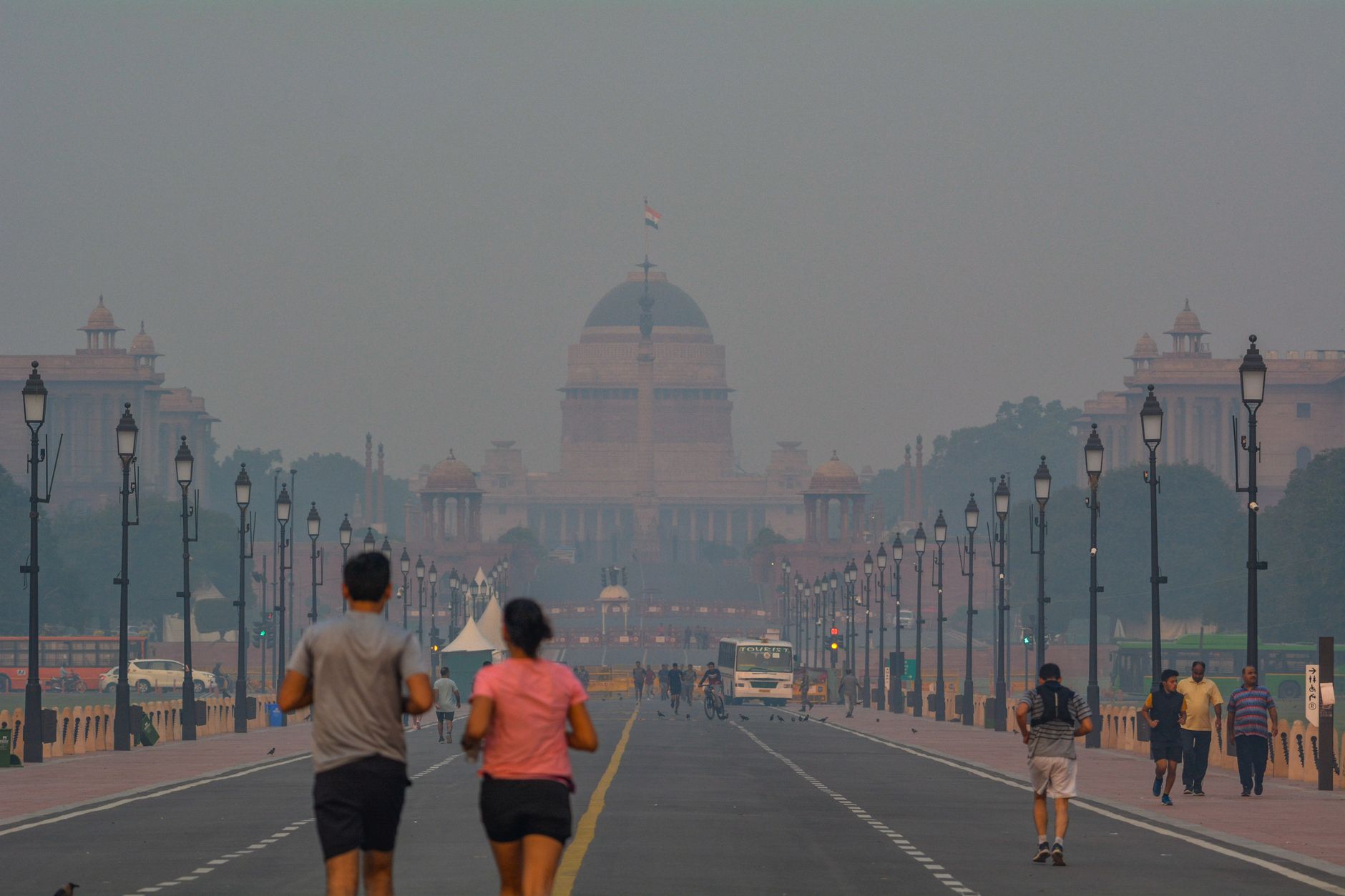
Smoke settles and stays when the air is calm and stable, light winds, a temperature inversion trapping air near the ground, high pressure overhead. Valleys are notorious for pooling smoke overnight. As long as the fire keeps producing and nothing moves the air, the smoke just sits.
What actually clears it
- A wind shift that pushes the plume away from you (the most common way it lifts).
- Stronger winds that disperse and dilute the smoke.
- Rain, which scrubs particles out of the air.
- Daytime mixing that lifts and thins the near-surface layer.
- Ultimately, the fire being contained so there's less new smoke.
How a smoke forecast helps
Models like NOAA's HRRR-Smoke simulate where near-surface smoke will be hour by hour for the next day-plus, using the fire's output and the forecast winds. That's what lets an app say "the wind turns tonight and the air should improve by tomorrow afternoon" instead of a shrug. Treat it as a forecast, not a guarantee, fires and winds change, but it's far better than guessing.
Guidepole Fire animates the next 24 hours of the smoke forecast and reads the wind and weather for you, so you get a plain answer on when the air near you should clear.