Fish
Fish Fire
Fire Hike
Hike Bird
Bird

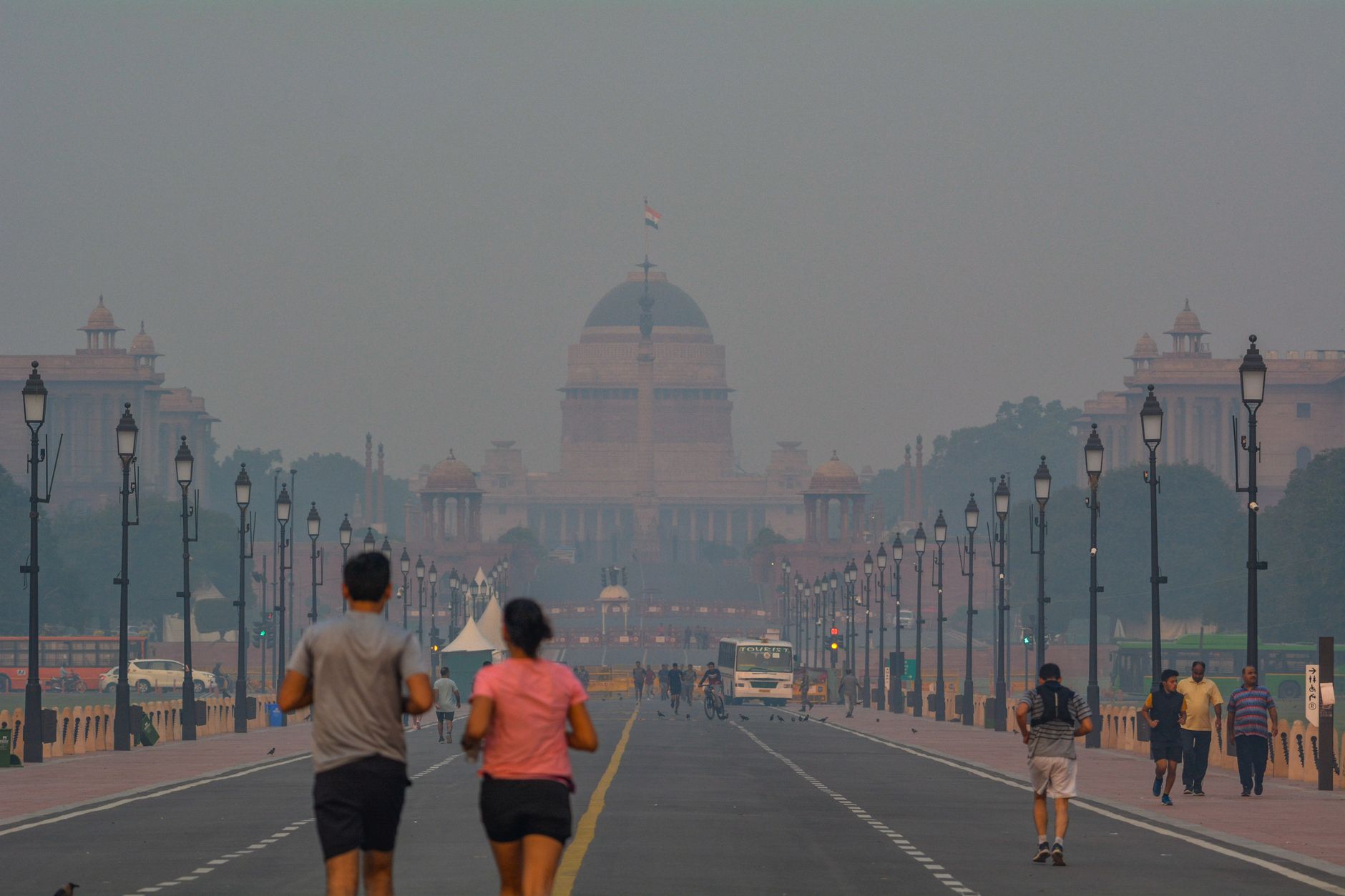

There is a specific reason exercise deserves its own guidance during a smoke event, and it is not caution for its own sake.
Exercise dramatically increases your dose.
The three multipliers
Three things change when you exert yourself, and they compound. The first is ventilation rate, because at rest an adult moves roughly six liters of air a minute and hard exercise can push that ten to twenty times higher, so every one of those liters carries the same particle concentration and the number of particles reaching your lungs scales directly with how hard you are working.
The second is breathing route. At rest you breathe through your nose, which filters, warms and humidifies air and removes a meaningful fraction of larger particles, and above a moderate intensity everyone switches to mouth breathing, which bypasses that entirely. The third is deposition depth, because faster, deeper breathing carries particles further into the small airways and alveoli, where they are most likely to cause harm and least likely to be cleared.
Combine them and an hour of hard running on a moderately smoky day can deliver a dose comparable to a much longer period of ordinary activity in worse air. That is the entire reason activity guidance exists separately from general health guidance.
Reading the AQI for activity
The Air Quality Index categories and what they mean for exercise:
- 0 to 50, Good (green). Air quality is satisfactory and poses little or no risk. Train normally.
- 51 to 100, Moderate (yellow). Acceptable, though there may be a risk for people who are unusually sensitive to air pollution. Most people can train normally, and unusually sensitive individuals may want to reduce prolonged or heavy exertion.
- 101 to 150, Unhealthy for Sensitive Groups (orange). Sensitive groups should reduce prolonged or heavy exertion, take more breaks and do less intense activities, while everyone else can generally continue with some awareness.
- 151 to 200, Unhealthy (red). Some members of the general public may experience effects and sensitive groups more serious ones. Everyone should reduce prolonged or heavy exertion, and sensitive groups should avoid it and consider moving activity indoors.
- 201 to 300, Very Unhealthy (purple). Health alert: risk is increased for everyone. Avoid prolonged or heavy exertion outdoors and move workouts indoors.
- 301 and above, Hazardous (maroon). Health warning of emergency conditions. Everyone should avoid all physical activity outdoors, and sensitive groups should remain indoors and keep activity levels low.
Sensitive groups means people with heart or lung disease including asthma and COPD, older adults, children and teenagers, and pregnant people, and anyone with asthma should carry a rescue inhaler and pay closer attention to symptoms than to the number.
A few things about the index itself affect how you should use it. It is a lagging, smoothed number, because the AQI reported on public dashboards for PM2.5 is typically calculated using a weighted average of recent hours, which damps out spikes, so during a rapidly changing smoke event the raw hourly PM2.5 concentration is more current than the headline AQI and can be substantially different. It is also a point measurement, and smoke is not evenly distributed, so a monitor ten miles away in a different drainage may not reflect your street, while valley inversions concentrate smoke at the bottom when air a few hundred feet up is clear.
It reports the worst pollutant, whichever scores highest, which during a smoke event is PM2.5 but on a hot still day might be ozone. Low-cost sensor networks fill in the geographic gaps usefully and tend to read differently from regulatory monitors, particularly at high concentrations, though corrections are applied on most public maps. And your eyes are a poor instrument, because visibility correlates with smoke but you cannot reliably estimate a number from how the sky looks, and people consistently underestimate at the moderate end.
How to Protect Yourself from Wildfire SmokeWhy a mask is not the workaround
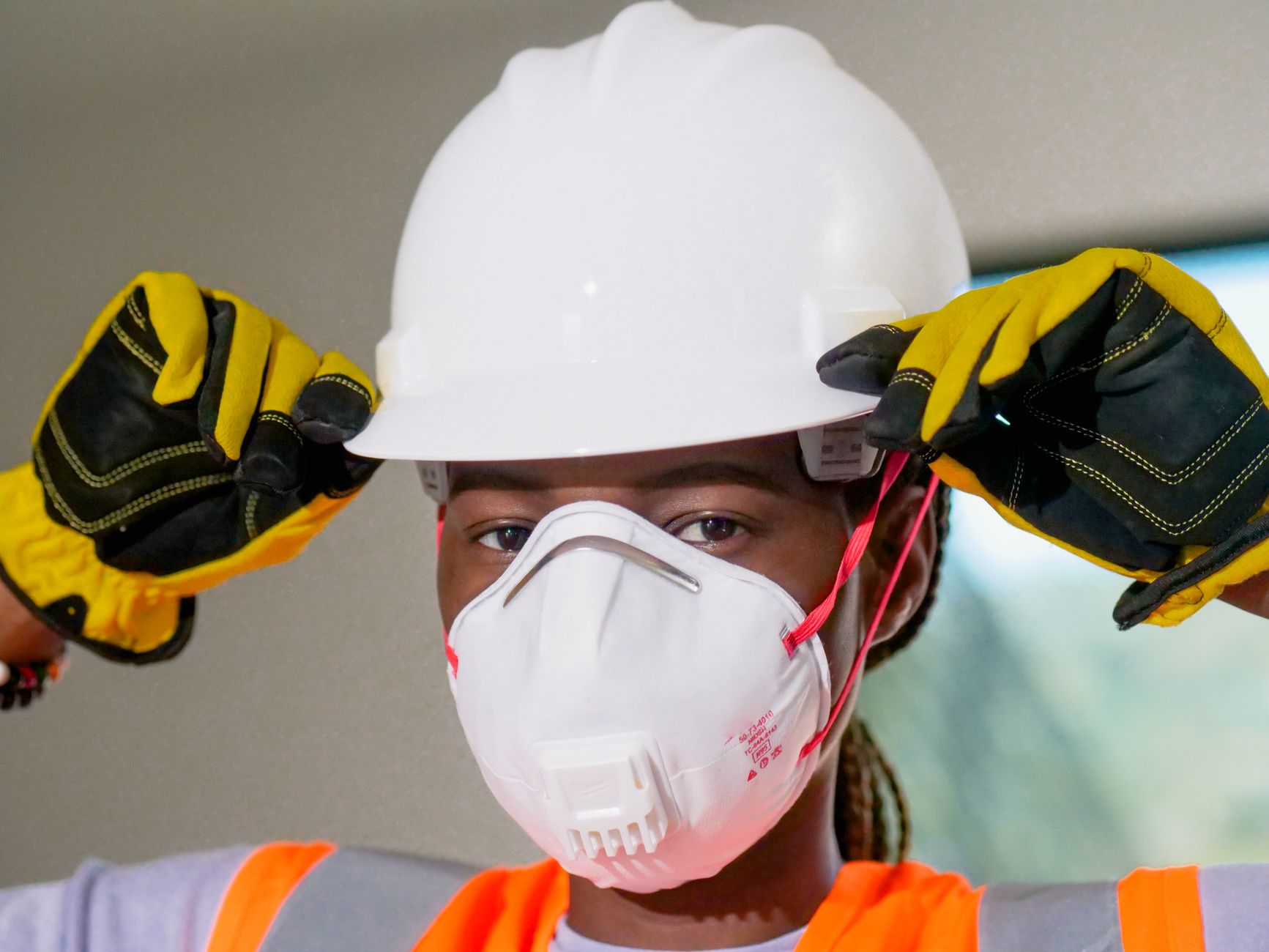
This comes up constantly and the answer is unambiguous. A respirator seal fails during exercise, because facial movement, sweat and jaw motion all break it, and a leaking respirator provides far less protection than its rating. Breathing resistance is a genuine load, since an N95 increases the work of breathing, which matters when you are already working hard and can cause discomfort, dizziness or worse in people with cardiac or respiratory conditions.
It also gets wet, and both filter media performance and fit degrade as the respirator becomes saturated with sweat and exhaled moisture. And it does not filter gases in any case. The conclusion is straightforward: a mask is a tool for necessary outdoor exposure, not a way to keep training outdoors in bad air.
Which Masks Protect Best Against Wildfire Smoke?What to do instead
Smoke seasons are getting longer and simply canceling everything for a month is not realistic for most people.
- Move it indoors, with the caveat that indoor air is only as good as the building's filtration, and a gym with an outdoor air intake and no upgraded filter may not be much better.
- Shift the timing. Smoke concentrations often vary substantially through the day, with overnight inversions trapping smoke near the ground and daytime mixing dispersing it, so in many valleys the afternoon is markedly better than the early morning, which reverses the usual advice.
- Shift the location. Gaining elevation above an inversion can move you into dramatically cleaner air within a few miles.
- Reduce the intensity rather than the duration, or the duration rather than the intensity. The dose is a product of both, and an easy hour is a fraction of the exposure of a hard one.
- Take the day off. Fitness lost over a week of smoke is recovered quickly, and this is the correct answer more often than athletes want it to be.
- Listen to symptoms rather than the number. Coughing, chest tightness, unusual breathlessness, wheeze, headache, stinging eyes, or a heart rate higher than usual for a given effort all mean stop, regardless of what the dashboard says.
The gear
Training through a smoke season is mostly a decision problem rather than an equipment problem, but a few things make the decisions better.
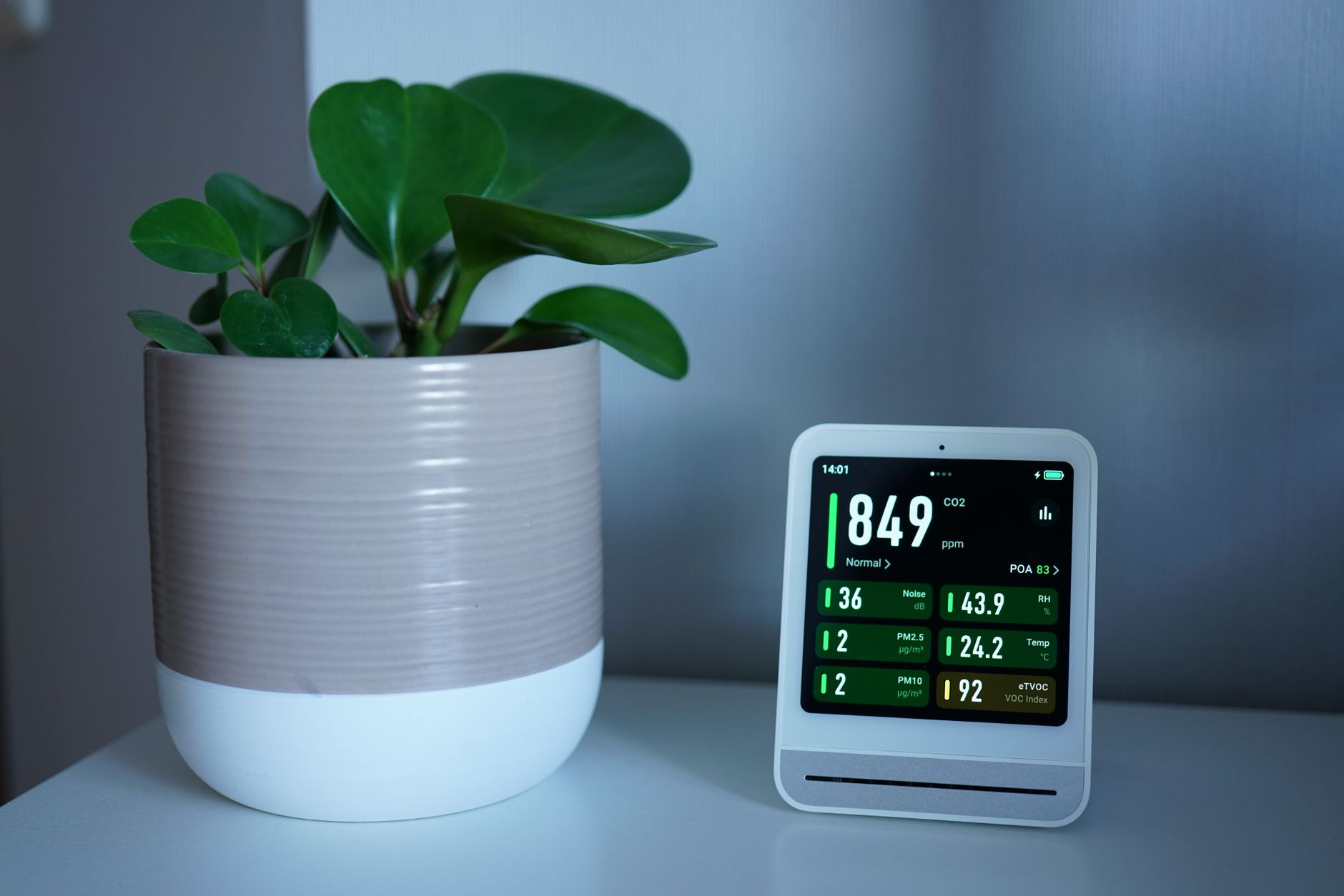
A reliable AQI and PM2.5 source, and preferably two. Regulatory monitors are accurate and sparse; low-cost sensor networks are dense and need correction. Reading both, and knowing that the corrected sensor value is what you want, gets you much closer to the air you are actually going to breathe than a single number for a whole metropolitan area.
A rescue inhaler, if you have asthma, carried rather than left at home. Smoke season is when exercise-induced symptoms arrive in people whose asthma is otherwise well controlled.
An indoor training option arranged before you need it, since the alternative to a bad-air run is not nothing, it is a session somewhere with filtered air. A gym membership, a trainer for the bike, or a treadmill in a room with an air cleaner.
A heart rate monitor, which is useful here for an unusual reason: smoke raises heart rate at a given pace, and watching that number climb is a more honest signal to back off than how you feel.
A route that gains elevation, because smoke frequently sits in valleys under an inversion and a few hundred feet of climb can put you above it. Check the sensor map before assuming it will.
A flexible training plan that can move a hard session by two days without unraveling.
And a clean air room at home, since recovery air matters as much as training air.
Reading a smoke forecast for training
The two most useful adjustments in that list, timing and location, both depend on knowing what the air is going to do rather than what it is doing, which means planning a week rather than reacting to a morning. Smoke forecast models predict surface concentrations from active fires and public versions run out several days, and they are considerably better at showing the broad pattern than the exact number at a point.
Look at the direction of transport first, because whether a plume is heading toward you at all is the highest-value piece of information and the one models get most right. Then look at timing, since smoke arrival and clearance frequently happen over a few hours and knowing which day a front will scour it out lets you plan the hard session for the day after. Watch for wind shifts and fronts, because a frontal passage is the usual mechanism that clears a region and the day behind it is often the cleanest of the week. Distrust the exact numbers days out, using them for shape rather than value, and check the morning of anyway, because smoke behavior is sensitive to fire activity, which is itself unpredictable.
Every one of those decisions depends on knowing the actual number where you are and how it is likely to change over the next few hours, which is what Guidepole Fire puts on one map: current air quality, smoke forecasts and fire activity together, so the choice between running now, running this evening, driving twenty minutes up the valley or taking the day off is based on data rather than on looking out of the window. Over a long smoke season, that is the difference between losing a month of training and losing a handful of days.
Sport, schools and organized events
Institutions increasingly need policies rather than individual judgement, and the shape of a good one is worth knowing. Many school districts and athletic associations now publish AQI-based activity policies, typically specifying thresholds at which outdoor practice is modified, moved indoors or canceled, and these generally track the AQI categories with more conservative thresholds for children, because children breathe more air per unit of body weight and their lungs are still developing.
A good policy specifies the data source and the monitor, because arguing about which reading to use in the middle of a Saturday morning is how policies fail. It specifies who decides and gives them authority to cancel without escalation. It distinguishes intensity, because interval training and a walk are different exposures and a policy that treats all outdoor activity identically will be ignored. It addresses travel, because an event two hours away may be in completely different air. And it plans for the season rather than the day, which is why districts in smoke-affected regions increasingly build indoor alternatives and schedule flexibility into the autumn sports calendar rather than canceling reactively.
If you coach or organize, having this written down before August is considerably easier than improvising it in front of a group of parents while the sky is orange.
What the research shows
Since this is health guidance, it is worth being clear about the evidence base and its limits. Short-term exposure to PM2.5 is well established as associated with respiratory and cardiovascular effects, including emergency department visits for asthma, heart attack and stroke, across a very large body of air pollution research. Wildfire smoke specifically has been studied less than urban pollution, and some research suggests wildfire PM2.5 may be more harmful per unit mass to the respiratory system than PM2.5 from other sources, though this remains an active question.
The exercise-specific literature is thinner, and most of what informs activity guidance is inference from ventilation physiology combined with general air pollution epidemiology rather than trials of athletes in smoke, which would be difficult to run ethically. The long-term picture is uncertain too, because whether repeated seasonal smoke exposure produces cumulative harm in otherwise healthy adults is not well established, largely because the exposure pattern is recent enough that the cohorts do not exist yet.
Exercise itself is strongly protective for cardiovascular and overall health, which is why the guidance is about modifying activity rather than eliminating it, and why several analyses conclude the benefits of regular exercise outweigh air pollution risks across most ordinary conditions. The reasonable position is that the acute effects are real and worth avoiding, the thresholds above are conservative and sensible, and giving up exercise entirely because of smoke season would be its own health decision with its own costs.
After the smoke
A few things are worth knowing about the tail end. Symptoms can persist for days after air quality improves, particularly in people with asthma, so return gradually rather than immediately resuming the interrupted training load, especially after an extended event. Airway irritation also makes you more reactive to other triggers for a period, including cold air and allergens.
If symptoms do not resolve, or if you have chest pain, severe breathlessness or a persistent cough, that is a medical question rather than a training question.
The short version
Exercise multiplies your exposure through higher ventilation, mouth breathing and deeper deposition. Under 100, most people train normally; 101 to 150, sensitive groups back off; 151 to 200, everyone reduces hard efforts; over 200, take it indoors; and over 300, no outdoor activity at all.
The headline AQI lags, so check the hourly PM2.5 during a fast-changing event. A mask is not a workaround for training in smoke, and timing and elevation are the two most useful adjustments. And symptoms beat numbers. If you feel it, stop.
For more, AQI explained covers the index in detail, N95s and wildfire smoke covers masks properly, and building a clean air room covers where to train indoors.
What the numbers mean, and where the thresholds for activity sit, is in the air quality index explained. Why the mask is not the answer for exercise, and what it is good for, is in N95 masks and wildfire smoke. Where to recover is in setting up a clean air room, and how long you will be planning around it is in when will wildfire smoke clear. Reading the map that tells you which way it is moving is in how to read a wildfire smoke map.