Fish
Fish Fire
Fire Hike
Hike Bird
Bird

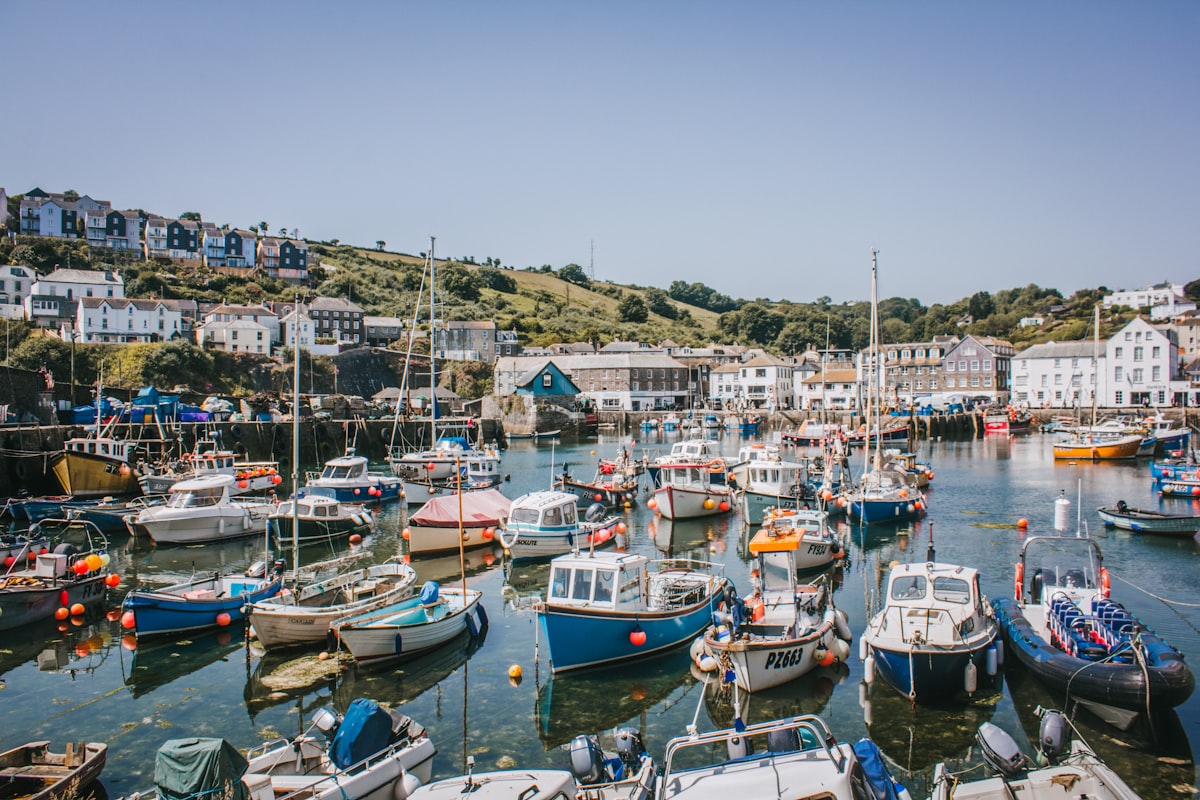
Westport is the real deal. This small harbor town on Washington's coast has been a commercial and sport fishing port for over a century, and it shows. The charter fleet here is one of the largest on the Pacific coast, the captains have thousands of offshore hours logged, and the fishing calendar offers something worth chasing from March through October.
The town sits on the south side of Grays Harbor, with direct access to the Pacific Ocean. That means blue water is close, you're past the bar and into open ocean within 30 minutes of leaving the marina. For salmon, halibut, tuna, lingcod, and rockfish, Westport is where Washington anglers go when they're serious about putting fish in the box.
The Fisheries
Salmon
Salmon is what put Westport on the map. The Pacific Chinook (king) salmon fishery here is the main event, with fish running from June through September. Westport sits right in the migration path of Columbia River and coastal Chinook stocks, and when the run is strong, the fishing is as good as it gets on the West Coast.
Chinook in the 15- to 30-pound range are standard, with fish over 40 pounds taken every season. Most charters troll herring or cut-plug bait at depths of 40 to 120 feet, using downriggers to reach the fish. It's not complicated fishing, the captains do the driving and the rigging, but when a big king hits, it's your job to get it to the boat.
Coho salmon overlap with the Chinook season starting in July and run through September. They're smaller than kings (8-12 pounds average) but more aggressive and acrobatic. On days when the coho are in, limits come quickly.
The salmon season dates are set annually by the state and announced in spring. Book early, Westport's salmon charters fill up fast, especially for July and August weekends.
Halibut
Westport's halibut season is a sprint, not a marathon. The season typically opens in May and runs on specific days set by the state, often only Thursdays, Fridays, and Saturdays. It can close when the quota is reached, sometimes within a few weeks.
Halibut trips are full-day affairs. Charter boats head 25 to 50 miles offshore to the edge of the continental shelf, where halibut lie on sandy bottoms in 200 to 400 feet of water. You're jigging heavy tackle with large baits, it's physical fishing. Halibut average 20 to 40 pounds, but fish over 100 pounds are caught every season. The meat is some of the finest eating fish in the ocean.
Because the season is so limited, halibut charters book out months in advance. If halibut is your goal, plan early and be flexible on dates.
Albacore Tuna
Albacore tuna are Westport's warm-water bonus. These open-ocean fish migrate north along the Pacific coast from Mexico, passing offshore of Washington from mid-July through September. When water temperatures push warm currents within range, typically 40 to 100 miles offshore, the albacore fishing can be spectacular.
Tuna trips are the longest charters out of Westport. You're looking at 10 to 14 hours on the water, with significant time running offshore. When you find the school, though, the action is fast, trolling jigs and bait produces fish in the 15- to 25-pound range, and when they're biting, multiple hookups at once are common. Albacore are outstanding eating, fresh tuna seared rare that evening is the reward for a long day offshore.
The catch: tuna are weather-dependent and location-dependent. Some years they're close and abundant; other years they stay too far offshore to reach economically. Your captain will make the call based on water temperature charts and reports from the fleet.
Lingcod and Rockfish
Bottom fishing for lingcod and rockfish is Westport's most consistent fishery. The season runs from mid-March through mid-October, with daily trips heading to nearshore reefs and rocky structure where these species hold.
Lingcod are aggressive ambush predators that hit hard and fight all the way to the surface. They average 10 to 20 pounds, with fish over 30 pounds a realistic possibility. Black rockfish are the primary rockfish species, caught in the same areas with the same gear. Both species are excellent table fare.
Bottom fishing trips are typically 8 hours, and they're a great option for families or groups with mixed experience levels. The fishing is straightforward, drop your jig to the bottom, reel up a few cranks, and wait for the thump. Your deckhand will help with rigging, baiting, and landing fish.
When to Go
July and August are peak months. Salmon, lingcod, and potentially tuna are all available, and the weather is at its most cooperative. This is Westport's busiest season, book well in advance.
May and June offer halibut (on open days) and excellent lingcod fishing. The weather can be rougher, but the fishing is outstanding and the crowds are lighter. Salmon season opens in June.
September and October close out the season with late salmon, bottom fishing, and the tail end of the tuna run. October bottom fishing can be some of the best of the year as lingcod bulk up before winter.
March and April kick off the bottom fishing season. Lingcod and rockfish open in mid-March, and spring is a productive time before the summer crowds arrive.
November through February is the off-season. The charter fleet largely shuts down due to winter weather on the Pacific. Some crabbing charters run in the harbor, but offshore trips are rare.
What to Expect on a Charter
Westport charter boats are working fishing boats, they're clean and safe, but don't expect a yacht. Most carry 6 to 20 passengers on shared trips, with a captain and one or two deckhands. Private charters for smaller groups are available at higher rates.
You'll arrive at the marina early, often 5:30 or 6:00 AM for salmon and tuna trips. The deckhand will brief the group, assign stations, and handle the rigging. For salmon trolling, you'll watch your rod tip until a fish hits, then grab the rod and fight it. For bottom fishing, you'll actively jig and work the bait.
Seasickness is a real consideration on Westport trips. You're fishing the open Pacific, and swells are a fact of life. Take medication (Bonine or Dramamine) the night before and again in the morning. Ginger chews and wristbands help too. If you're prone to motion sickness, mention it when you book, captains can suggest calmer alternatives on rough days.
What to Bring
- Washington fishing license with appropriate endorsements (purchase online at fishhunt.dfw.wa.gov)
- Warm, layered clothing, it's cold offshore, even in summer
- A quality rain jacket and waterproof pants
- Non-slip shoes or boots (deck shoes, not flip-flops)
- Sunscreen and sunglasses
- Seasickness prevention (take it before you need it)
- A large cooler with ice for the drive home
- Cash tip, $30-50 per person on shared charters, more on private