Fish
Fish Fire
Fire Hike
Hike Bird
Bird

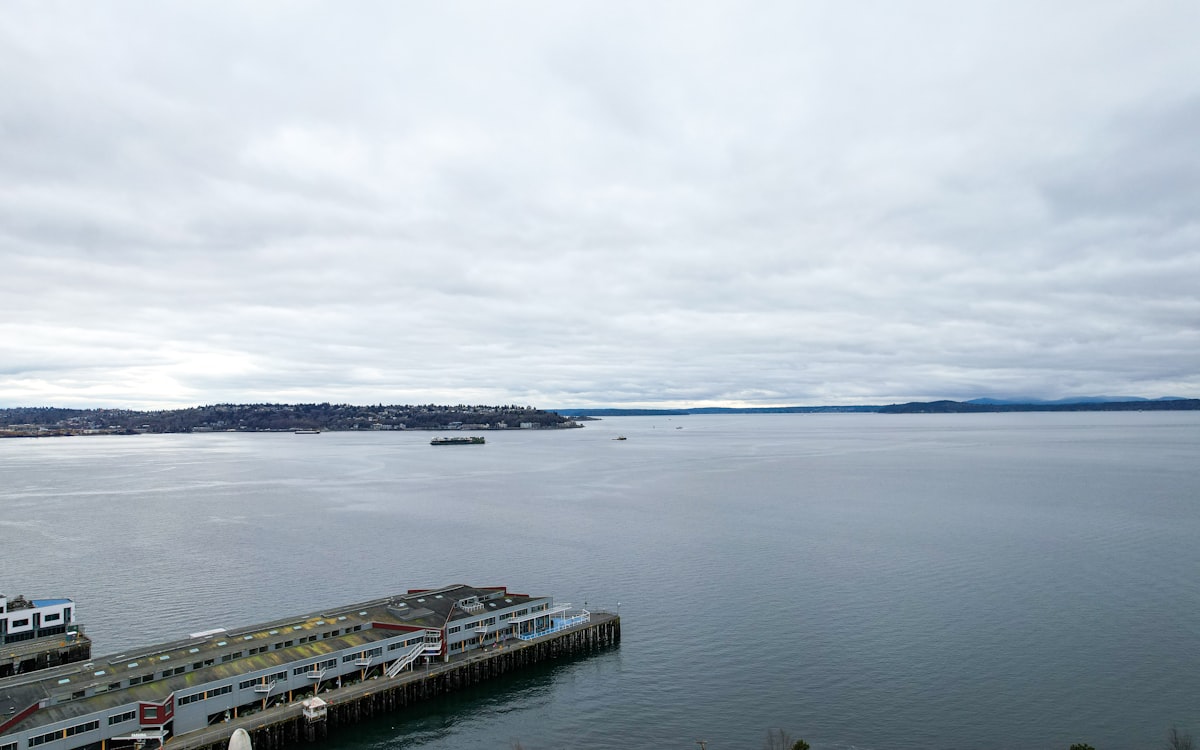

Seattle is a city built around water, Puget Sound to the west, Lake Washington to the east, Lake Union in the middle, and the ship canal connecting them all. Within the city limits you can jig for squid off a pier at midnight, catch pink salmon from the beach in August, pull Dungeness crab from a dock in West Seattle, cast for bass in Lake Washington, troll for chinook in Elliott Bay on a charter, and fish for sea-run cutthroat trout in streams that flow through suburban neighborhoods. No other major American city puts this much variety within a bus ride of downtown.
The Pacific Northwest fishing culture is different from the South or the East Coast. The species are different (five species of Pacific salmon, lingcod, rockfish, Dungeness crab, market squid). The regulations are more complex (salmon seasons change by area and species, sometimes weekly). And the weather is mild year-round, you can fish in January in a rain jacket, not a parka.
This guide covers the practical how-to for each fishery. For the full destination overview, seasons, species, charter fleet, and trip planning, read our complete Seattle fishing guide. For more Pacific Northwest fishing, see our Portland guide and our Westport guide.
Pier Fishing for Salmon: The Most Accessible Entry Point
Puget Sound's public fishing piers put you within casting range of salmon, no boat, no charter, no kayak needed. During salmon season (roughly July through October depending on species and area), thousands of anglers line the piers and beaches of Puget Sound casting for pink, coho, and chinook salmon.
Where to Go
Seacrest Park Pier (West Seattle), the most popular salmon pier in Seattle proper. Sits on Elliott Bay with views of the downtown skyline. Produces chinook, coho, and pink salmon in season, plus sea-run cutthroat year-round. Parking, restrooms, and a fish cleaning station. Free access.
Des Moines Fishing Pier (south of Seattle), a long pier at the Des Moines Marina with consistent salmon fishing and good access to deeper water. Produces sanddabs (small flounder) year-round, a great beginner target.
Edmonds Fishing Pier (north of Seattle), one of the most productive salmon piers in the region. Deeper water access and a longer pier mean more consistent fish.
Shilshole Bay (Ballard), the beach and jetty near the marina produce pink salmon in odd years (2025, 2027) and coho in fall.
Gear
A 7- to 8-foot medium-action spinning rod with a 3000 to 4000 reel handles all pier salmon fishing. The Penn Battle III 3000 combo or Shimano Sienna 4000 are solid options. Spool with 10- to 15-pound monofilament (Berkley Trilene XL), many pier salmon anglers prefer mono over braid because it has stretch that absorbs the head shakes of a hooked salmon.
Rigs and Lures
Metal jigs are the primary pier salmon lure. A 1- to 2-ounce P-Line Laser Minnow or Buzz Bomb in chrome, green, or pink. Cast it out, let it sink to the bottom, and jig it back, sharp upward rod flick, then let it flutter down. Salmon hit on the flutter. Barbless hooks are required in most Puget Sound marine areas, pinch the barbs flat with pliers before you fish.
Casting spoons, a 1/2- to 1-ounce Kastmaster in chrome or pink retrieved at a steady clip catches coho and pinks in the top 10 feet of water when they're schooling near the surface.
Bobber and jig, for chinook specifically, suspend a 2- to 4-inch pink or white marabou jig under a bobber at 10 to 20 feet depth. Let it drift in the current. This technique is deadly at Seacrest and Edmonds.
Pier Fishing Puget Sound, Deep Dive for SalmonSeasons
Pink salmon (odd years only, 2025, 2027, etc.), mid-August through September. The most beginner-friendly salmon, they run in massive schools close to shore, they hit jigs aggressively, and the limit is generous (usually 4 per day).
Coho (silver) salmon, September through November. Bigger fight than pinks, excellent eating. Hit jigs and spoons near the surface.
Chinook (king) salmon, July through September (check specific area regulations, chinook seasons vary by marine area and change frequently). The biggest salmon, 10 to 40+ pounds. Harder to catch from a pier but possible with the bobber-and-jig method.
Squid Jigging: Seattle's Night Fishing Tradition
Squid fishing from Puget Sound piers is a uniquely Pacific Northwest experience, you show up after dark with a headlamp, a light rod, and a bucket, and you jig for market squid attracted to the pier lights. It is oddly addictive, completely beginner-friendly, and the squid are excellent eating (calamari, anyone?).
When and Where
Season: October through January is prime, squid move into shallower water and come close to piers. Some piers produce squid year-round.
Best piers: Des Moines Marina, Redondo Beach Pier, Seacrest Park Pier, Edmonds Fishing Pier. Any lit pier or dock can produce.
Time: After dark. The pier lights attract baitfish, which attract squid. Peak action is usually 9 PM to midnight.
Gear
You do not need fancy gear. A light spinning rod (the same rod you use for salmon works fine) with 8- to 12-pound line. The rig is simple:
Squid jigs, small barbed lures specifically designed for squid. 1.5- to 2.5-inch Yo-Zuri Squid Jigs or Yamashita squid jigs are the standard. Use 1 to 4 jigs rigged in a daisy chain below a small bobber or indicator ("cheater" or "corkie").
Other gear: A bucket (to hold your squid), a headlamp, and a Washington State shellfish license ($7.35 for residents, varies for non-residents, required in addition to your fishing license).
Technique
Drop your jig to the bottom near the pier lights, reel up a few feet, and flick the rod tip up sharply, short, quick jerks. When you feel a light tug or the jig suddenly gets heavy, reel up steadily with no slack. Squid hold on with their tentacles and will release if you pause or give slack. Swing the squid over the rail into your bucket.
Warning: Squid ink. They will ink you, your clothes, and everything within range. Wear dark clothes you don't mind getting stained.
How to Catch Squid in Puget Sound, Beginner's Guide to Jigs & Pier EtiquetteCrab Fishing: Dungeness from the Dock
Dungeness crab, the king of Pacific Northwest shellfish, can be caught from piers and docks in Puget Sound during the summer crabbing season (typically July through September, check WDFW for exact dates).
Where
Seacrest Park Pier and Elliott Bay Public Fishing Pier are the most popular crabbing docks within Seattle. Shilshole Bay Marina docks and Des Moines Marina are also productive.
Gear
Crab ring net or folding crab trap, a Promar ring net is the pier standard. Lower it to the bottom, wait 10 to 20 minutes, pull it up quickly, any crab on the bait is trapped by the ring closing as you lift.
Bait: Chicken legs, turkey necks, or fish carcasses in a bait box or bait cage. The smellier the better.
Measuring gauge: You MUST measure every crab, Dungeness must be at least 6.25 inches across the widest part of the shell, males only. Females and undersized males go back immediately. A crab gauge is essential.
License: Washington shellfish license + Puget Sound crab endorsement (combined $14.70 for residents). Available at wdfw.wa.gov or any tackle shop.
Rules
Daily limit: 5 Dungeness crab, males only, 6.25" minimum. All crab must be hardshell, soft-shell crab go back. Season dates change annually, check wdfw.wa.gov/fishing before you go.
How to Catch More Dungeness Crab in Puget Sound, Best Bait, Depth & TidesFreshwater: Lakes Within the City
Seattle has excellent freshwater fishing without leaving the city.
Lake Washington, bass (largemouth and smallmouth), yellow perch, cutthroat trout, and kokanee salmon. Fish from public docks and parks along the shore. A 5-inch Senko in green pumpkin on a 3/0 Owner Wide Gap hook Texas-rigged is the bass standard. For perch, a small jig tipped with a piece of worm under a bobber.
Green Lake, stocked with rainbow trout in spring. Small lake in the Wallingford neighborhood with a popular walking path. Fish PowerBait on a sliding sinker rig from the shore for trout. Also holds bass, perch, and catfish.
Lake Union, yes, you can fish it. Bass and perch around the houseboats and docks. Ned rig (a Z-Man TRD in green pumpkin on a 1/16-ounce mushroom jighead) is a subtle finesse approach that works in pressured urban water.
Salmon Charters: Puget Sound and Beyond
For a guided salmon experience, Seattle's charter fleet runs half-day and full-day trips from Shilshole Bay Marina and other local harbors.
Half-day trolling trips (5 to 6 hours): $200 to $350 per person. You troll with downriggers (rods held at specific depths by a weighted cable) dragging hoochies (plastic squid lures), herring, or spoons through the water. When a salmon hits, the downrigger releases and you fight the fish on a free rod. Everything is provided, rods, tackle, bait, and your fishing license.
What to expect: The captain reads the sonar for fish, adjusts depth and speed, and puts you on the fish. When a rod goes off, the mate hands it to you. Chinook fights last 10 to 20 minutes on medium tackle. Coho are acrobatic, they jump repeatedly. Pink salmon are the fastest fight and the most reliable during their run years.
Species by season: Chinook (July through September), coho (September through November), lingcod and rockfish (year-round bottom fishing trips). Winter blackmouth (resident chinook) trips run December through April for anglers who don't mind the rain.
Bottom fishing trips are the year-round alternative when salmon season is closed. The boat anchors over rocky reef structure in 100 to 300 feet and you drop heavy jigs or baited rigs for lingcod (15 to 40+ pounds, one of the ugliest and best-eating fish in the Pacific), rockfish (a dozen colorful species), and greenling. Lingcod hit hard and fight dirty, they dive for the rocks and try to wedge themselves into crevices. The captain provides heavy conventional rods with 40- to 60-pound braided line and 8- to 16-ounce leadhead jigs tipped with herring or a large soft plastic. Half-day bottom trips run $175 to $250 per person.
What to bring on a charter: Dress warm, even summer mornings on Puget Sound start in the 50s. A waterproof jacket, warm layers, hat, sunglasses, and gloves. Seasickness is possible in the open Sound, especially on rough days, take Bonine the night before. Bring snacks, water, and a cooler for your fish. The crew cleans your catch at the dock.
How to Catch Lingcod in Puget SoundKnots You Need
Improved Clinch Knot, for tying jigs, spoons, and hooks to your leader. The standard salmon knot.
Uni Knot, all-purpose alternative.
Double Uni Knot, braid to mono or fluorocarbon leader.
Palomar Knot, strongest knot for braided line to jigs.
How to Tie a Palomar Knot Double Uni Knot: How to Tie Braid to FluorocarbonPractical Details
Fishing License: Washington requires a fishing license for anyone 15 and older. Freshwater: $30.05 resident, $88.50 non-resident annual. Combination fresh/salt: $55.35 resident. Temporary 1-day: $12.50 non-resident. Available at wdfw.wa.gov/licenses or at Walmart, Fred Meyer, and tackle shops. Charter boats cover your license. Shellfish license (additional, required for squid and crab): $7.35 resident + crab endorsement. Non-resident shellfish: varies.
Where to Buy Tackle and Bait: Ted's Sports Center (Lynnwood) is the Puget Sound salmon tackle authority, jigs, squid jigs, crab gear, and local expertise. Outdoor Emporium (SODO) has a huge selection. Bass Pro Shops (Tacoma, 30 minutes south) has everything. For live bait (herring, shrimp), most marinas sell it, Shilshole Bay Marina bait shop and Des Moines Marina are reliable.
What to Wear: Layers and rain gear year-round. Seattle rarely gets below 35°F or above 80°F, but it rains frequently (or more accurately, drizzles). A waterproof rain jacket (from Columbia, Helly Hansen, or Grundens at Bass Pro) is the single most important piece of gear. For squid jigging at night, wear dark clothes (ink stains) and bring a headlamp. Polarized sunglasses for daytime fishing.
Barbless hooks: Washington requires barbless hooks in most Puget Sound marine areas for salmon fishing. Pinch your barbs flat with pliers before you fish. This is enforced, WDFW officers check. You can buy pre-made barbless hooks, or simply crimp the barbs flat on your existing hooks with a pair of needle-nose pliers. Check every hook on every lure before you start fishing.
Best Times: Pink salmon (odd years) in August is the easiest and most exciting pier fishing. Coho in September-October is the most consistent. Squid in October-January. Crab in July-September. Freshwater trout stocking in spring (March-May). Check wdfw.wa.gov/fishing for current season dates, they change annually and sometimes mid-season.
For the full rundown of Seattle's fishing seasons, charter options, and trip planning, read our complete Seattle fishing guide. For more Pacific Northwest fishing, see our Portland guide.