Fish
Fish Fire
Fire Hike
Hike Bird
Bird

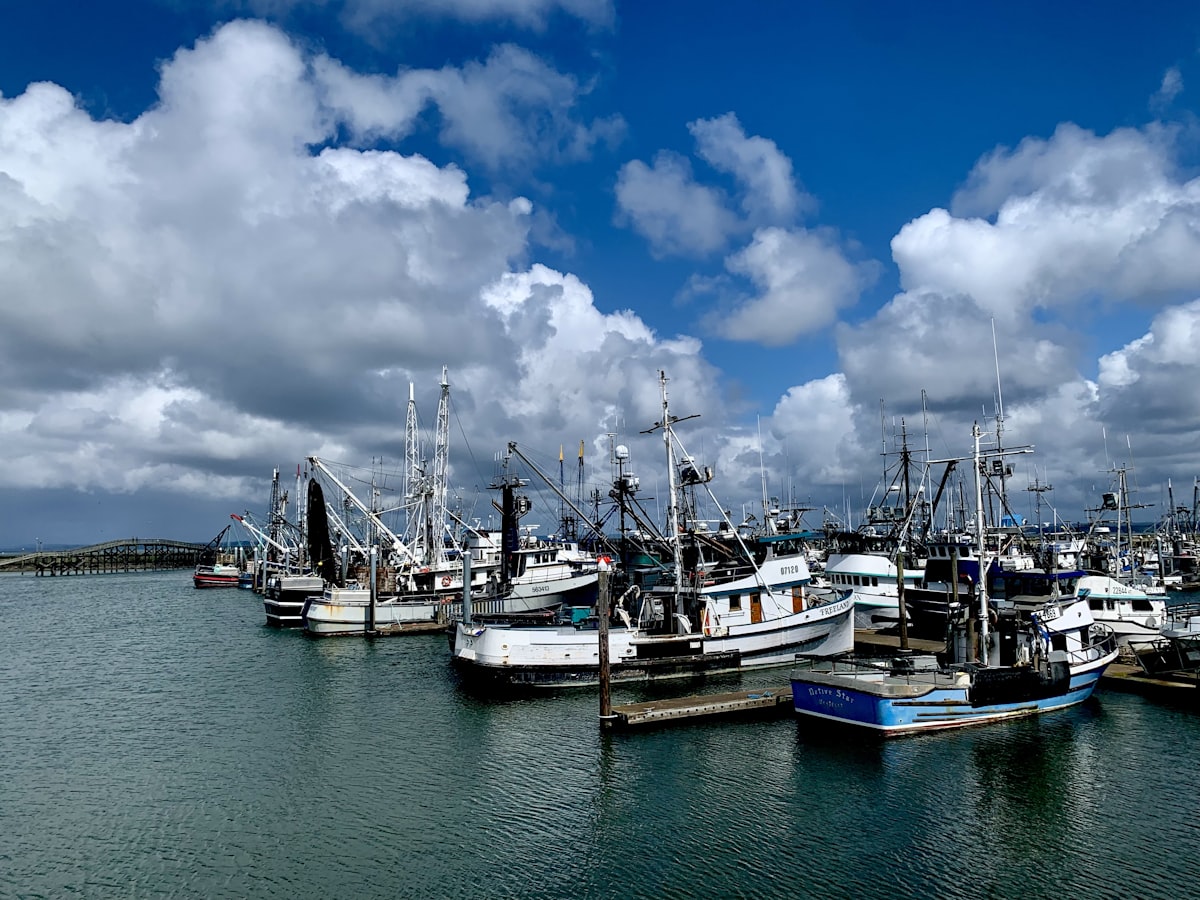
Westport is Washington's blue-collar fishing capital, a working harbor at the mouth of Grays Harbor that launches the largest sportfishing charter fleet on the coast between here and San Francisco. From the Westport Marina, boats cross the Grays Harbor Bar at first light and fan out to chase ocean salmon, halibut, bottomfish, and, the crown jewel, albacore tuna running the warm blue water offshore. And you don't even need a boat to cash in: the jetty, the surf, and the flats around town serve up lingcod, surfperch, Dungeness crab, and razor clams. Few places pack this much variety into one small town. This guide breaks down everything Westport offers and how a first-timer gets started.
For the wider picture, the town, the beaches, and trip planning, read our complete Westport fishing guide. For more Northwest saltwater, see how to fish Seattle and Astoria.
First: Your Washington License and Catch Cards
Anyone 16 or older needs a Washington fishing license, sold by the Department of Fish & Wildlife (WDFW) online at fishhunt.dfw.wa.gov, on the app, and at sporting-goods and tackle shops around town. For salmon and halibut you also need the free Catch Record Card, on which you log each fish you keep, it's how the state manages the quota fisheries. If you book a charter, the good news is the captain provides the license and catch card as part of the trip, so you can show up empty-handed. Westport sits in Marine Area 2 (Westport–Ocean Shores), and its salmon, halibut, and bottomfish seasons are set year to year by strict quotas, dates and bag limits change constantly, so always check the current WDFW Marine Area 2 regulations before you go.
What You'll Catch
Westport's calling card is variety:
- Chinook (king) salmon, the big, prized salmon, showing in the ocean by mid-June.
- Coho (silver) salmon, the acrobatic crowd-pleaser, peaking August into October.
- Albacore tuna, the summer superstar, caught in the warm offshore water from July into mid-October.
- Pacific halibut, the heavyweight flatfish on the offshore banks, fished in tightly regulated openings.
- Lingcod and rockfish, the reliable, delicious bottomfish, catchable spring through fall.
- Dungeness crab and razor clams, the shellfish bonus that makes Westport a full seafood destination.
- Surfperch, the easy, fun beach fish anyone can catch from shore.
Ocean Salmon: The Classic Westport Trip
Salmon fishing is why Westport built its fleet. Charters run out to the salmon grounds, usually only 5 to 20 miles offshore, and fish by trolling or mooching a whole or cut-plug herring, often behind a flasher, at the depth the fish are holding. Chinook arrive by mid-June and are the heavyweight target; coho show through summer and peak in August and September, when they're aggressive, jump like crazy, and fill coolers. A typical season runs a two-fish daily limit with only one Chinook, but the exact rules are quota-driven and shift every year, so the captain will brief you on the day's regulations. It's an accessible, action-packed fishery and the best introduction to Westport.
Washington Ocean Salmon FishingAlbacore Tuna: The Crown Jewel
Ask any Westport regular what the best day of the year is, and they'll say tuna. From about early July into mid-October, warm offshore currents push albacore tuna to within range of the charter fleet, though "within range" can mean a 40- to 100-mile run out to the blue water, so tuna trips are long (often 12 to 16 hours or overnight) and weather-dependent. But the payoff is extraordinary: fast, powerful fish that hit in schools, blistering runs, and a cooler full of the best-eating tuna in the world. Boats troll feathered jigs and swimbaits to locate a school, then throw live anchovies or sardines and light gear to keep them biting in a frenzy. Tuna fishing is a bucket-list experience and the summit of Westport's calendar, if you can handle a long day on the open Pacific, do it at least once.
Washington Albacore Tuna Fishing, TipsHalibut and Bottomfish
For steady rod-bending fun and superb table fare, the bottomfish are hard to beat. Lingcod, aggressive, prehistoric-looking ambush predators, and a rainbow of rockfish live over the reefs and structure a short run offshore, and they hammer a heavy leadhead or diamond jig dropped to the bottom. Bottomfishing opens in spring and runs through fall, making it the earliest and most dependable action of the year, and it's a great choice for families and first-timers because the bite is fast and the technique is simple. Pacific halibut, the giant flatfish prize, are fished on the offshore banks (25 to 50 miles out) during tightly regulated openings; drop bait on a circle hook to the bottom and hang on.
How to Catch Lingcod on the Pacific CoastOne important conservation note lives here: rockfish suffer barotrauma when pulled up from depth (their swim bladders over-expand), so any you release must go back down on a descending device, it's the law in Washington and it saves fish. Your captain will have one aboard.
No Boat? Fish the Jetty and the Surf
Westport is a rare charter town that's also excellent for the boatless angler. The long Westport jetty at the harbor mouth is a fishing scene in its own right, giving up lingcod, rockfish, and even the occasional salmon to anglers casting jigs and bait from the rocks (wear cleated boots and watch the swells, jetty rocks are slick and dangerous). On the beaches of Marine Area 2, Half Moon Bay right in town, and the long stretches toward Twin Harbors and Grayland, surfperch are the easy, family-friendly target: fish a two-hook surf rig baited with sand shrimp, Gulp, or clam necks, casting into the troughs and holes on an incoming tide. It's simple, cheap, and a great way to get kids into fish.
Crabbing and Razor Clams: The Shellfish Bonus
Half the reason to come to Westport is the shellfish. Dungeness crab, sweet, meaty, and world-famous, can be caught right from the marina docks and jetty with a crab pot or ring; the recreational crab pot season generally runs December 1 through mid-September, with other gear open year-round (check the current WDFW crab rules and daily limits). And Westport is razor-clam country: razor clam digs on the surf beaches, opened by WDFW on specific tide dates from roughly October into January, are a beloved Washington tradition, grab a clam gun, a license, and a headlamp, and dig limits of the Northwest's finest fried-clam fixings on a low nighttime tide. Combine a morning of fishing with an evening crab-and-clam feast and you've had the full Westport experience.
Crossing the Bar: Weather and Seasickness
One thing every Westport angler learns to respect is the Grays Harbor Bar, the shallow, turbulent zone where the harbor meets the open ocean. On a calm day it's a non-event; when swell and outgoing tide collide, it becomes genuinely dangerous, and captains will delay or cancel trips when the bar is bad. Trust that call, it's for your safety. The open Pacific is also colder and rougher than protected inland water, so dress in warm, waterproof layers even in July, and if you're prone to motion sickness, take medication the night before and the morning of your trip; the long tuna and halibut runs in particular can be rolly. Rubber boots, a warm hat, and a dry bag for your phone round out the kit.
Booking a Charter
For salmon, halibut, and especially tuna, a charter is the way to fish Westport, and the marina holds one of the deepest, most experienced fleets on the coast. A few things to know before you book. Trips are usually shared "head boat" trips (you buy a seat on a larger vessel with other anglers) or private charters (your group books the whole boat), head boats are the affordable, social way for a first-timer to try it. The type of trip offered depends on what's open and biting: bottomfish and salmon are shorter half- and full-day runs, while tuna and halibut are long full days. The captain and deckhands provide all rods, tackle, bait, licenses, and catch cards, and the crew fillets your catch at the dock; a local processor can flash-freeze and ship it home. Book ahead for summer weekends and tuna season, the best boats fill fast, arrive early, and bring cash to tip the deckhand who baits your hooks and untangles your lines all day.
When to Go
- Spring (March–May): Bottomfishing (lingcod and rockfish) opens and provides the earliest, most reliable action, along with the first halibut openings. Fewer crowds.
- Summer (June–August): Peak season, Chinook and coho salmon, halibut openings, and the start of the albacore tuna run in July. Long days, the whole fleet running, the best all-around time.
- Fall (September–October): Prime coho salmon and the tail of the tuna run, then the season winds down by mid-October. Razor clam digs begin in October.
- Winter (November–February): The ocean fleet mostly stands down, but Dungeness crab and razor clams keep the shellfish crowd busy through the off-season.
Gear: Charter-Supplied or Bring Your Own
On any charter, all the fishing gear is provided, just bring layers and a cooler. If you're fishing the jetty, surf, or docks:
- Salmon/jetty: A 9- to 10-foot medium-heavy spinning or casting rod with a 4000-size reel and 30-pound braid. Stock Buzz Bombs, Point Wilson Darts, and jigs for the jetty, and herring for mooching.
- Surfperch: A 9-foot surf rod, a two-hook surf perch rig, pyramid sinkers, and sand shrimp or Berkley Gulp sandworms.
- Bottomfish (private boat): Heavy conventional gear, 8- to 16-ounce jigs, and a descending device for released rockfish.
- Shellfish: A crab pot or ring with bait for Dungeness, and a clam gun and mesh bag for razor clams.
- Clothing: Waterproof jacket and bibs, warm layers, a beanie, gloves, and rubber boots, the Washington coast is cold and wet year-round.
More Than Fishing: The Westport Coast
Westport is a full-on beach town wrapped around a fishing harbor, which makes it easy to build a trip the whole family enjoys. Climb the Grays Harbor Lighthouse, the tallest in Washington, for a sweeping view of the coast and the bar you'll cross. Walk the marina to watch the fleet unload, poke through the Westport Maritime Museum, and let the kids meet tide-pool creatures at the small aquarium. The wide surf beaches are made for kite-flying, beachcombing, and storm-watching, and there's world-class surfing at the jetty. Just across Grays Harbor, Ocean Shores adds more beach, more razor-clam digging, and freshwater lakes. The formula is simple: fish or dig clams in the cool morning, then spend the afternoon on the beach or in town. Pair the fishing with the coast and Westport becomes a genuine family destination, not just an angler's stop.
A First-Timer's Best Bet
If you're new to saltwater fishing and want the highest odds of a great day, here's the simple play. Come in summer, when the whole fleet is running and multiple fisheries are open. Book a shared bottomfish or salmon trip rather than a long tuna or halibut run for your first outing, the bite is faster, the day is shorter, the water is closer to shore, and the seasickness risk is lower. Let the captain provide everything, take motion-sickness medication ahead of time, and dress warmer than you think you need to. Round out the trip with an easy, no-boat win: drop a crab pot off the dock or dig razor clams on an evening low tide. That combination, a forgiving charter plus shellfish from shore, is the surest way to fall in love with Westport and come back for the tuna next time.
A Word on Conservation
Westport's fisheries are managed on a knife's edge of quotas and catch cards, and honoring the rules is what keeps the seasons open. Log every salmon and halibut on your catch record card, know the daily limits (they change yearly), and don't waste fish. Use a descending device on released rockfish, it's the law and it works. Respect the crab and razor clam limits and only keep legal-size Dungeness. Pack out all your line and trash, especially on the jetty and beaches where it entangles birds and marine life. And take the bar and the weather seriously, no fish is worth a dangerous crossing. Fish Westport responsibly and it will keep earning its reputation as one of the great fishing towns on the West Coast.