Fish
Fish Fire
Fire Hike
Hike Bird
Bird



The albacore tuna is the hard-charging, long-finned speedster of the cooler blue water, the "longfin" whose blistering runs and light-tackle sport have made it the darling of West Coast and offshore anglers, and whose firm white meat is the classic "chicken of the sea." Albacore travel in fast-moving schools out where the warm and cool water meet, and the fishery is built around a simple, thrilling rhythm: troll to find the school, then stop and slam them on jigs, live bait, or casting lures when the trolled lines go off. When you hit a hot school, the action is fast and furious, rods bending all over the boat. This guide covers what albacore are, where and when to find them, and every core technique, with step-by-step instruction, to find, hook, and box these hard-fighting, great-eating tuna.
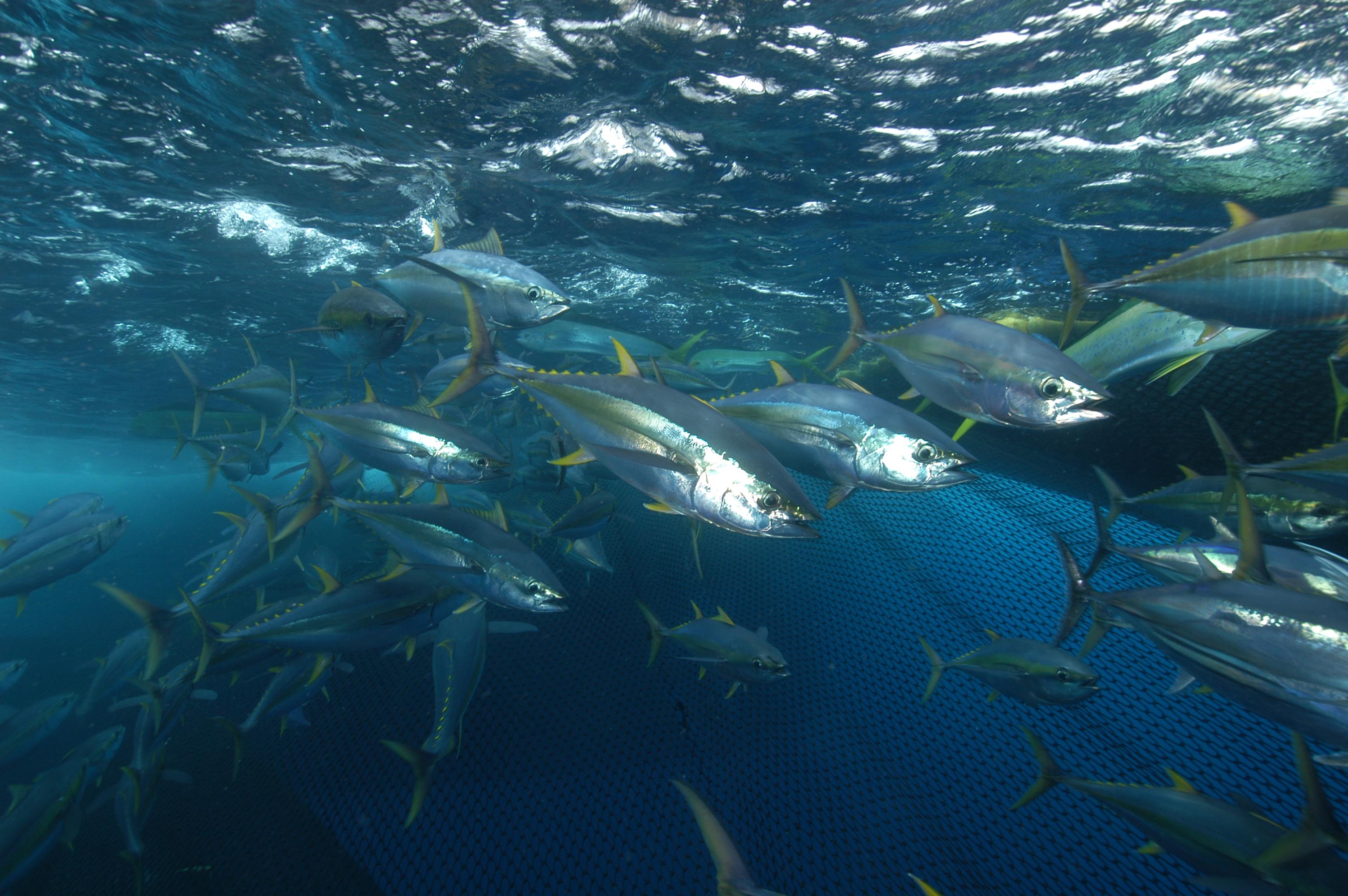
Albacore chase the bite along the temperature breaks where warm and cool water meet, and they're part of the same clan as the bigger tunas, see our guide on how to catch yellowfin tuna.
Meet the Albacore Tuna
The albacore (Thunnus alalunga) is unmistakable among tunas for its extremely long, sabre-like pectoral fins, the "longfin" that reaches back nearly to the tail and instantly identifies the species. It has a streamlined, metallic dark-blue back, silvery sides, and the compact, powerful build of a fish made for fast, sustained swimming. Like other tunas, albacore are warm-blooded, letting them thrive in the cooler water they prefer and swim with speed and endurance far beyond most fish.
Albacore are a smaller tuna than the giants, most run 10 to 30 pounds, with bigger fish into the 40s and the occasional "peanut" or larger fish outside that range. They roam the temperate blue water of the Pacific and Atlantic, famous in the West Coast fishery from California up through Oregon and Washington (and British Columbia), as well as offshore Atlantic grounds. Albacore are the classic canned "white meat" tuna, firm, mild, and light, and they are also superb fresh, seared, or grilled, making them a favorite for both sport and the table. Few fish deliver such a hard fight, such fast action, and such good eating in one accessible offshore package.
Where and When: Finding the Warm/Cool Edge
Albacore are a temperate, blue-water fish that key on the meeting of water masses and bait. The single most important concept is the temperature break, the edge where warmer offshore water meets cooler water, often marked by a color change (clean blue meeting greener water). These breaks concentrate bait and albacore, and finding the right break in the right temperature range is the heart of locating fish. Look for:
- Temperature breaks and clean blue water in the albacore's preferred range (often the low-to-mid 60s Fahrenheit, though it varies).
- Color changes and current edges where water masses meet and bait stacks up.
- Birds, jumpers, and bait, working birds, jumping fish, and bait on the surface or sounder mark schools.
- Offshore distance, albacore are usually a run offshore to where the warm water and breaks set up.
Timing is seasonal: the West Coast albacore run, for example, peaks in the warmer months (roughly summer into fall) as the warm water pushes in. Sea-surface-temperature charts are invaluable, many albacore anglers plan their runs around SST and chlorophyll data to find the breaks before leaving the dock. Find the edge, the right temperature, and the bait, and you find the longfins.
How to Read a Temperature Break for TunaTrolling to Find the School
Albacore fishing almost always starts with trolling. You pull a spread of tuna jigs, feathers, cedar plugs, and clones at 6 to 8 knots, covering water along the breaks and bird activity until a school finds your lures. When the trolled lines start going off, you've found them, and that's when the real fun begins. Trolling is the search phase: it locates the fast-moving schools across a lot of open water.
The classic tuna feather and cedar plug are time-tested albacore lures, simple, durable, and deadly pulled in a staggered spread on the wake. Set your spread, run the productive water, and watch the lines. Because albacore school, a trolling strike often means multiple fish are around, which sets up the deadly "bait stop." Learning to rig and run an effective spread of jigs and feathers is the foundation of the albacore game.
How to Rig a Tuna Feather Trolling LureThe Bait Stop and Live Bait
The signature albacore move is the bait stop. When a trolled line hooks up, you stop the boat on the school and go to work with live bait and casting lures while the fish are still under the boat. Deploying live bait, anchovies, sardines, or similar, and chumming keeps the school fired up and feeding right at the boat, and a hooked, struggling live bait is irresistible to a feeding albacore. On a hot stop, the whole crew hooks up at once in a frantic, rod-bending flurry.
The keys are to stop quickly and get bait in the water while the fish are there, chum to hold the school, and keep hooking fish to keep them around (much like fishing for other schooling tuna). A well-stocked bait tank and a fast, coordinated bait stop can turn a single trolling strike into a boatload of albacore. This troll-to-find, stop-to-load rhythm is what makes the albacore fishery so productive and exciting.
Albacore Tuna: Trolling and Live BaitCasting Jigs and Surface Iron
When albacore are boiling at the boat or busting on the surface, casting is fast and deadly. West Coast anglers famously throw "surface iron", long metal jigs, along with other casting jigs and lures, firing them into or past the feeding school and working them back with a fast retrieve to draw savage strikes. Casting lets you reach fish feeding away from the boat, keep the whole crew hooked up, and enjoy a direct, hard-pulling fight.
Throwing surface iron is a bit of an art, a long rod, a fast retrieve, and the right jig make the cast and the swim work, but it's an exciting, effective, and quintessentially West Coast way to catch albacore. Keep a casting outfit rigged and ready during every bait stop so you can capitalize the moment fish show on the surface. On a hot boil, casting iron produces explosive, arm-wrenching strikes.
How to Cast Surface Iron for TunaGear and Rigging
Albacore are caught on relatively light-to-medium tuna tackle compared to the giant tunas, which is part of what makes them such fun sport. A typical setup is a conventional or spinning outfit in the 20- to 40-pound class with a quality drag, matched to the method, trolling rods for the spread, lighter bait rods and jig sticks for the stop and the casting. Use fluorocarbon leaders matched to conditions and sharp hooks, and a fast-retrieve jig stick for surface iron.
Because the fishery is run-and-gun with multiple techniques, keep several outfits rigged and ready, trolling rods in the holders, bait rods and jig sticks staged for the bait stop and casting. Have your bait tank running, your lures organized, and your drags set so you can react instantly when the trolling lines go off. Preparation and organization turn a chaotic bait stop into a productive one. A complete beginner's overview of the West Coast albacore game ties all these pieces together.
Complete Beginner's Guide to West Coast Albacore FishingBleeding and Handling for Quality
Albacore are prized for their firm white meat, and how you handle the fish determines its quality. The single most important step is to bleed the fish immediately, cut the gills or the arteries so the fish bleeds out, and then get it cold fast in an ice slurry. A tuna that's bled and iced right away is dramatically better on the table (and, for those who sell, far more valuable) than one left warm and unbled. This is standard practice on every good tuna boat.
Keep a kill bag or ice-slurry cooler ready so fish go from the deck to cold immediately, handle the meat cleanly, and keep it cold all the way home. Given how good albacore are fresh, seared, grilled, or as the classic canned tuna, taking the extra minute to bleed and ice each fish pays off in the kitchen. Respect the catch, cool it fast, and you'll enjoy some of the best white tuna meat there is.
How to Bleed Tuna for QualityFighting Albacore
For their size, albacore pull like freight trains, they are strong, fast, and dogged, making long runs and stubborn, circling dives that belie their modest weight. On the light-to-medium tackle typical of the fishery, a good albacore gives a genuine, arm-burning fight. Use sound technique, lift, wind down, and pump the fish up steadily, keeping constant pressure and never giving slack, and let the drag and rod do the work.
Because albacore often come in numbers on a hot stop, be ready to fight your fish efficiently and clear it so the crew can keep the flurry going and get baits back in the water. Keep a smooth drag set right, use a fighting belt if you like, and enjoy the pull, pound for pound, albacore are one of the harder-fighting fish you'll hook, and a boat full of bent rods on a wide-open bite is what the fishery is all about.
A couple of details help you land more of them. Because several anglers are often hooked up at once, communicate and follow your fish around the boat to avoid crossed lines and tangles that break fish off. Keep steady pressure through the albacore's circling dives rather than trying to horse it up, and be patient on the last, stubborn circles near the boat, where a hard-pulling longfin will make one more run just as you think it's beaten. Have the gaff or net ready, take the fish on a controlled pass, and get it bled and iced fast so you can rejoin the flurry while the school is still there.
Timing, Weather, and the Daily Rhythm
Albacore fishing rewards attention to timing and conditions. The best bites often come in the low-light periods around dawn and late afternoon, though a hot school can chew any time of day. Because albacore are a long run offshore, most trips leave well before first light to be on the grounds and fishing at dawn. Calm-to-moderate seas make the run more comfortable and make it far easier to spot birds, jumpers, and bait, key visual signs of a school.
Watch the water and your electronics constantly. Note where you get your trolling strikes, mark the productive breaks and temperatures on your GPS, and build a picture of where the fish are holding as the day develops. Albacore schools move, so staying mobile, trolling to relocate fish after a stop fizzles, then setting up again, keeps you on the bite. Over a season, learning your local grounds, the timing of the run, and how the fish relate to the breaks is worth more than any single lucky spot. The anglers who read the water and stay on the move consistently out-fish those who sit and wait.
Common Mistakes to Avoid
Albacore trips are long runs offshore, so mistakes cost you. Fishing the wrong water, being off the temperature break or in the wrong temperature range, is the biggest; use SST charts and find the edge. A slow, disorganized bait stop lets the school move on before you get bait in the water; have your bait rods and jig sticks staged and react fast when the trolling lines go off. A poorly stocked or poorly maintained bait tank leaves you without lively bait when it matters most. Not chumming to hold a school lets the fish scatter. And failing to bleed and ice fish immediately ruins the very white meat albacore are prized for. Fix these, find the break, stop fast and organized, keep good bait, chum, and cool your catch, and both your numbers and your table quality will climb.
Put It All Together
Albacore tuna fishing is a fast, fun, run-and-gun offshore game: run to the temperature breaks and clean blue water, troll jigs and feathers to find the fast-moving schools, then stop and load up with live bait, chum, and casting iron when the lines go off, and bleed and ice every fish for top table quality. It rewards reading the water and SST charts, staying organized for the bait stop, and enjoying the hard pull of a longfin on light tackle. Learn your local grounds, the timing of the run, and how the fish relate to the breaks, and you'll get on the longfins season after season. And for the bigger, warmer-water cousin that fights just as hard, read our guide on how to catch yellowfin tuna next.