Fish
Fish Fire
Fire Hike
Hike Bird
Bird

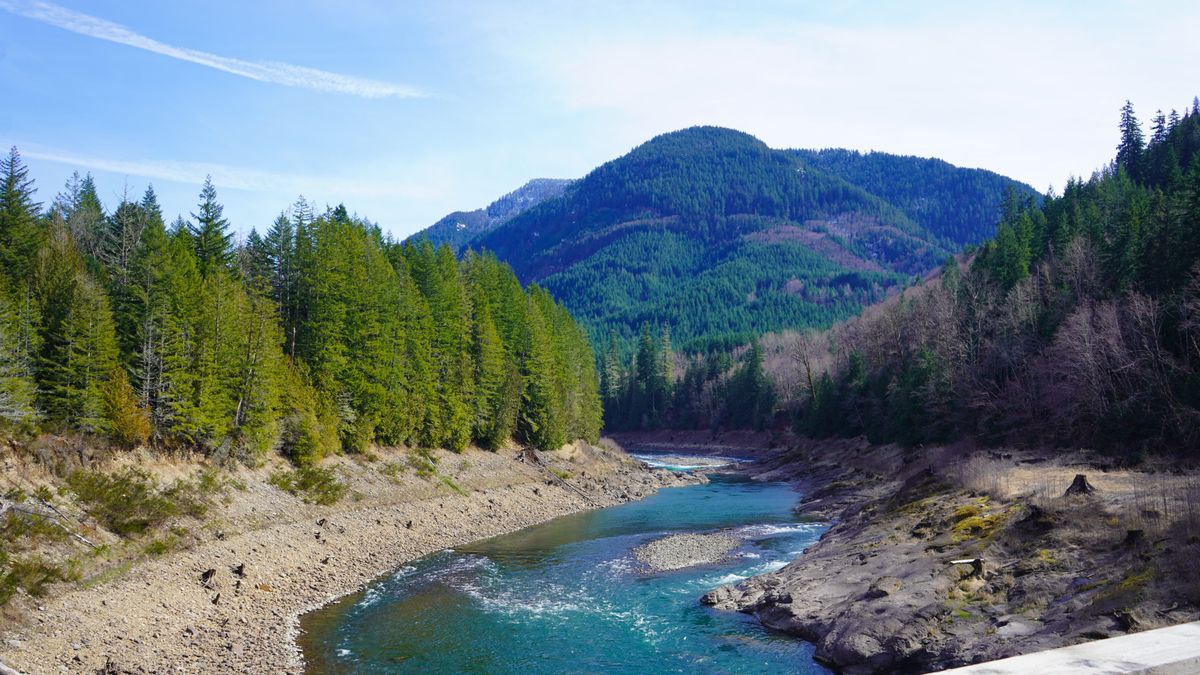
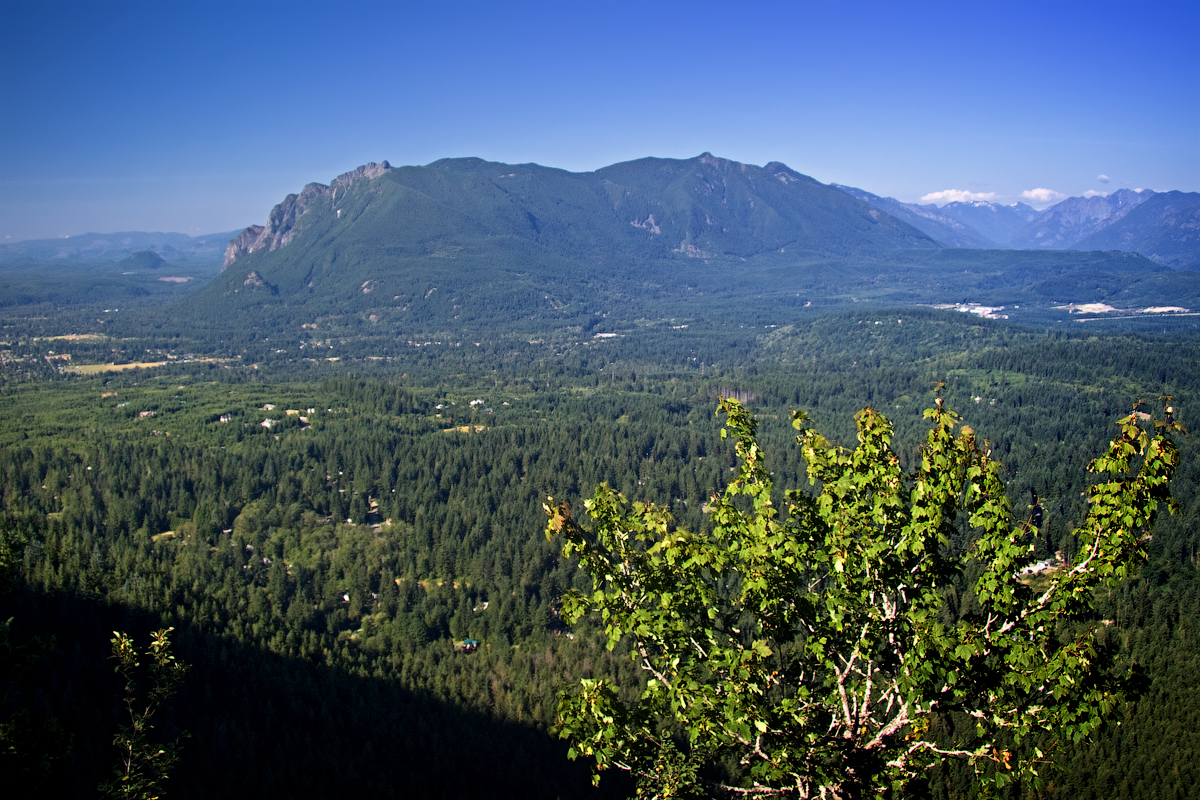
North Cascades National Park is Washington's wilderness secret. While Olympic gets the rainforest mystique and Mount Rainier gets the postcard views, North Cascades sits in the state's remote northeast corner, 500,000 acres of jagged peaks, active glaciers, old-growth forest, and turquoise lakes so blue-green they look digitally enhanced. It's the least visited of Washington's three national parks, and the fishing is proportionally uncrowded.
The park and its flanking recreation areas (Ross Lake NRA and Lake Chelan NRA) hold a diverse fishery that spans from the massive reservoir lakes of the Skagit River system to tiny alpine tarns above 6,000 feet. The fish are native coastal cutthroat, wild rainbow trout, bull trout (protected), Dolly Varden, and brook trout, plus the anadromous runs of the Skagit River (steelhead, five salmon species) that flow through the park's southern edge.
For Seattle-area anglers, North Cascades is the closest national park backcountry fishing, about 2.5 hours from the city via Highway 20 (the North Cascades Highway). The same anglers who fish Puget Sound beaches for sea-run cutthroat in the summer can be casting to mountain cutthroat in a glacial cirque by lunchtime. The two fisheries couldn't be more different, saltwater flatwater versus alpine pocket water, but the cutthroat are the same species, moving between ecosystems the way they have for thousands of years.
The Waters
Diablo Lake, The Turquoise Jewel

Diablo Lake is the park's most photographed feature, a reservoir on the Skagit River with water so intensely turquoise that first-time visitors assume it's artificial. The color comes from glacial flour, fine rock particles ground by glaciers and suspended in the water, which scatter light at the blue-green end of the spectrum. The result is water that looks like a swimming pool in the middle of the Cascade wilderness.
The lake holds wild rainbow trout that readily take dry flies, especially along the shoreline and near the creek inflows. A developed boat ramp at Colonial Creek Campground provides easy access. The fishing is accessible, you can camp at Colonial Creek, launch a small boat or kayak, and fish the shoreline with Parachute Adams and Elk Hair Caddis in the summer evenings. For a park that feels incredibly remote, Diablo Lake is surprisingly welcoming to beginners.
Ross Lake, The Remote Reservoir
Ross Lake is the big water, a 24-mile reservoir that extends from the dam at Diablo north to the Canadian border. The lake is selective gear only: artificial lures with single barbless hooks, no bait, no scent, knotless nets required. The daily limit is one rainbow trout. These regulations exist to protect the lake's wild rainbow population, which includes large fish (3-5 pounds) that feed on kokanee salmon and sculpin in the lake's cold, deep water.
Ross Lake is remote. There is no road to the lake from the US side, access is by trail (a steep 1-mile hike from the Diablo Dam area), by boat portage, or via a gravel road through British Columbia. Ross Lake Resort, a collection of floating cabins on the lake, accessible only by boat or trail, is one of the most unique lodge experiences in any national park.
The fishing is best from July through October (the lake opens July 1). Trolling streamers on full-sinking lines produces the largest rainbows. Fly anglers targeting rising fish should focus on the creek mouths, Big Beaver Creek, Lightning Creek, and the upper Skagit inflow, where trout feed on insects carried downstream.
Thunder Creek and the Backcountry Streams
Thunder Creek is the park's premier backcountry stream, a glacier-fed tributary of Diablo Lake that flows through old-growth forest along the Thunder Creek Trail. The creek holds cutthroat and rainbow trout in classic Pacific Northwest pocket water: plunge pools behind boulders, riffles over gravel, and the occasional deep pool at a creek bend.
Bull trout migrate up from Diablo Lake to spawn in Thunder Creek from mid-summer through fall. Bull trout are fully protected, if you catch one, release it immediately. The regulations for bull trout also apply to Dolly Varden because the two species are difficult to distinguish in the field.
The Thunder Creek Trail is an easy-to-moderate hike that follows the creek for miles, with backcountry campsites along the way. A backpacking permit is required for overnight stays. The combination of hiking and fishing, walking through old-growth cedar and fir, then stopping to cast a dry fly into a pool that might hold a 12-inch cutthroat, is the quintessential North Cascades experience.
Alpine Lakes, Above the Tree Line
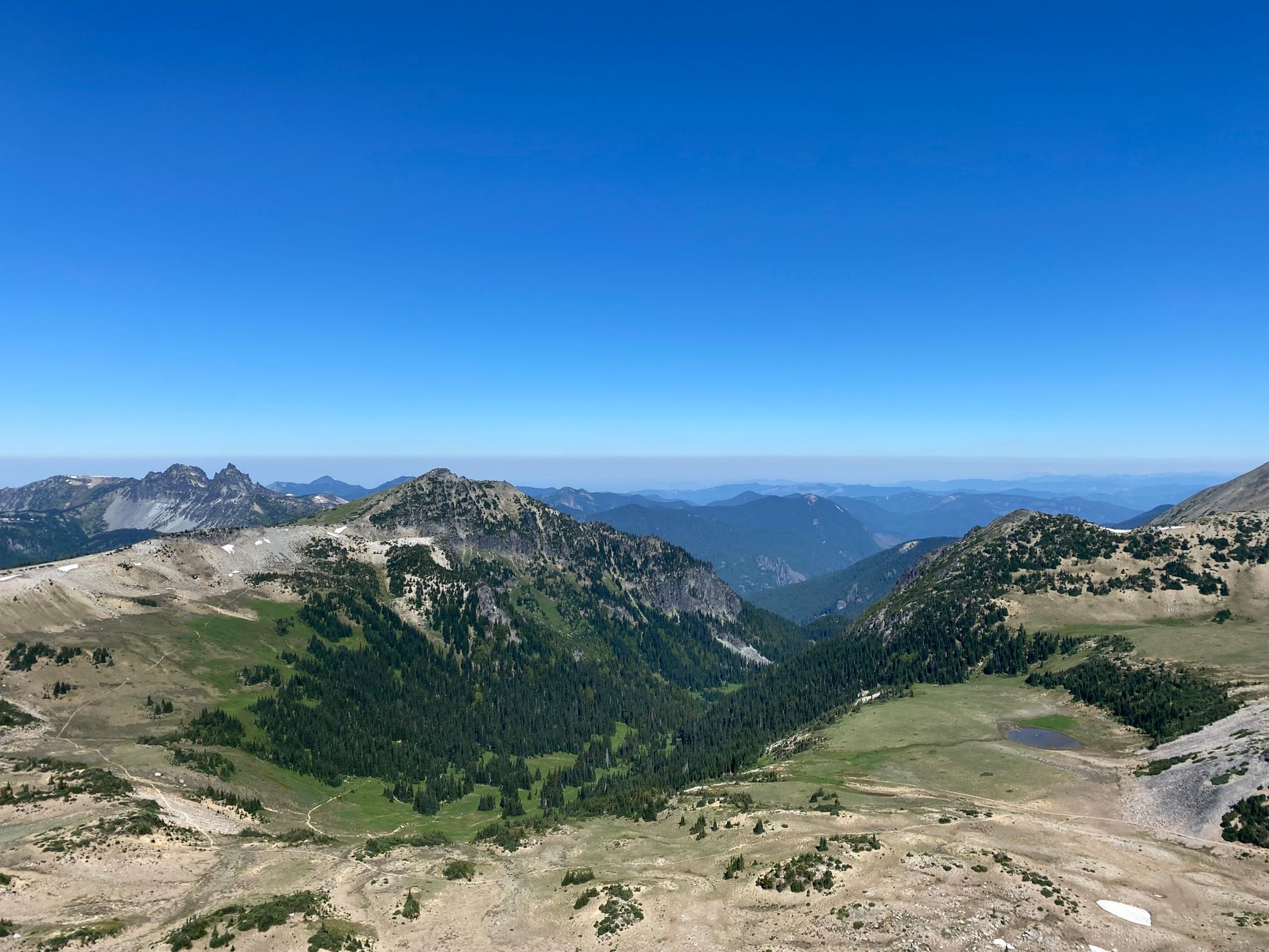
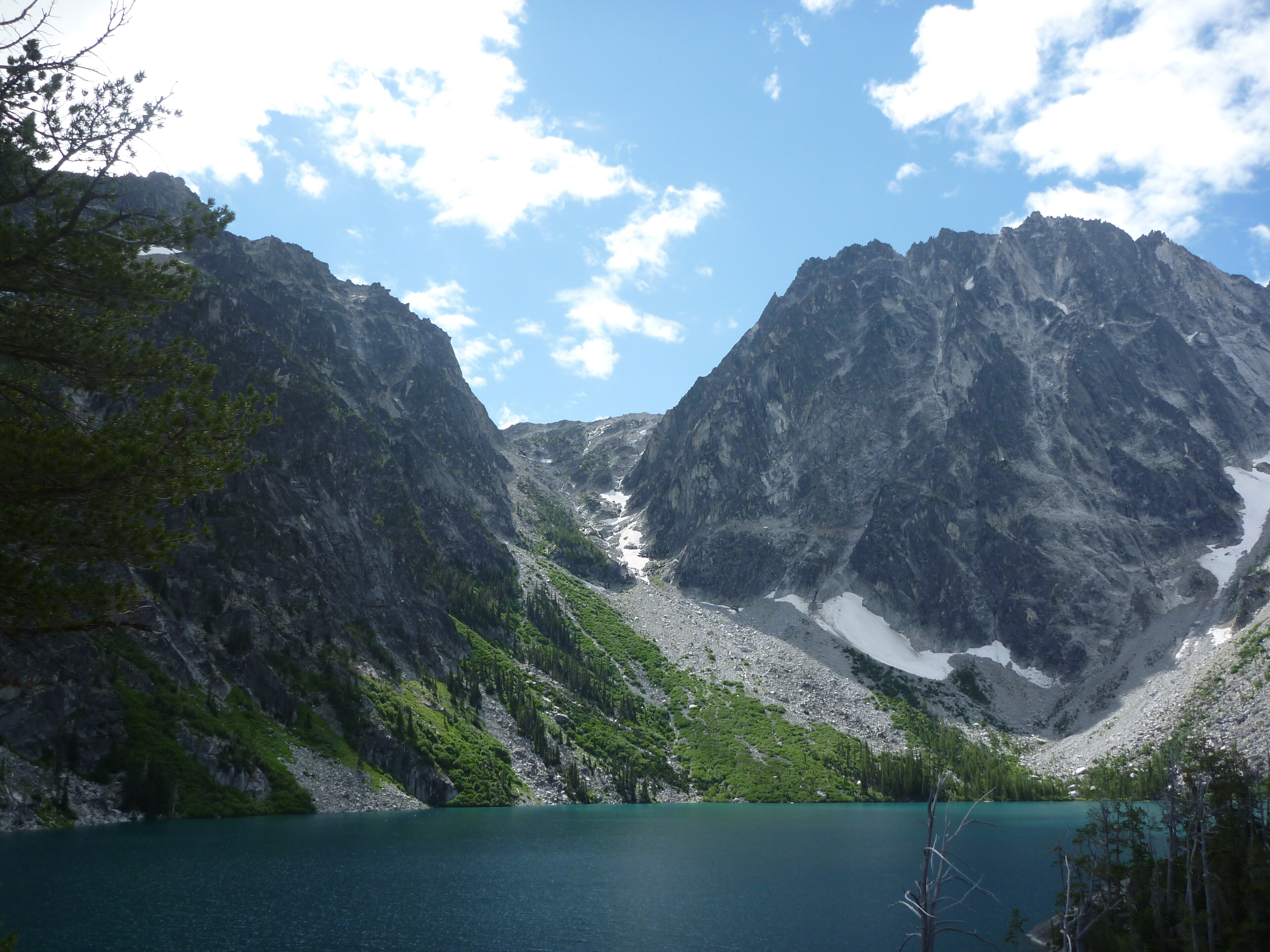
North Cascades holds hundreds of alpine lakes above 5,000 feet, many of them stocked with trout in the early 20th century and now supporting self-sustaining populations. These lakes are accessed by trail, typically 3-10 miles with significant elevation gain, and offer solitude and scenery that the lower-elevation lakes can't match.
The fish are small (6-10 inch cutthroat and brook trout) and eager. A 4-piece 3-weight rod, a box of Parachute Adams and Griffith's Gnats, and 5X tippet is the entire kit, the same alpine setup that works in Glacier, Rocky Mountain, and Yosemite. The lakes are fishable from late July (after ice-out) through September.
The Skagit River, Anadromous Runs
The upper Skagit River flows through the park's southern section and holds steelhead, all five Pacific salmon species, cutthroat, and bull trout. The Skagit is one of the most important salmon and steelhead rivers in Puget Sound, the same river system that feeds the Puget Sound baitfish runs that sea-run cutthroat follow.
Winter steelhead run the Skagit from December through March, the same wild fish and the same conservation concerns described in our Olympic Peninsula steelhead guide. The techniques, flies (Hoh Bo Spey, classic wet flies), and ethics are identical. The setting is different, North Cascades peaks instead of rainforest, but the fish and the fishing are the same tradition.
The Fly Box
North Cascades is a generalist fishery, no single food source dominates. The standard PNW trout box covers everything:
Dry flies:
- Parachute Adams #14-18, the universal searching dry
- Elk Hair Caddis #14-16, caddis hatches are massive here (Longhorn Sedge, April-October)
- Stimulator #12-14, stonefly attractor in fast water
- Griffith's Gnat #18-22, alpine lake midge clusters
- Foam ants #16-18, summer terrestrials
Nymphs:
- Pheasant Tail #14-18
- Hare's Ear #14-16
- Prince Nymph #14, attractor in dark-water streams
- Copper John #16, deep pools
Streamers (Ross Lake):
- Woolly Bugger #6-10, olive and black, the lake essential
- Sculpin patterns #4-6, for the big rainbows
The Gear
Lakes: 5-weight rod, 9 feet. Full-sinking line for Ross Lake trolling. Floating line for Diablo Lake shoreline fishing. A kayak or canoe opens up water that shore anglers can't reach.
Streams: 3- or 4-weight rod, 7.5-8 feet. The backcountry streams are small, a short, light rod is the right tool.
Alpine lakes: 4-piece 3-weight pack rod. Same ultralight backcountry kit as every other park in the series.
License: Washington state fishing license required. No park-specific fee.
When to Go
-
April–June: Lower-elevation streams fishable. Caddis hatches begin in April, the Longhorn Sedge emergence is massive. Ross Lake still closed (opens July 1). Highway 20 may be closed by snow at the passes.
-
July–September: Prime time. Ross Lake opens July 1. Alpine lakes are ice-free by late July. Highway 20 is fully open. The fishing, hiking, and weather align. August is the sweet spot, warm days, long light, active fish, accessible backcountry.
-
October: Fall colors in the old-growth forest. Ross Lake fishing continues through October 31. Bull trout spawn in Thunder Creek. The high country starts closing with early snow. The last casts of the year.
-
November–March: Highway 20 closes at the passes (typically November). Winter steelhead on the lower Skagit. Backcountry is snow-covered and inaccessible.
The Caddis Explosion
North Cascades has one of the most dramatic caddis hatches in the Pacific Northwest, the Longhorn Sedge (Oecetis species) emerges from April through October in staggering numbers on the lower-elevation streams and lake shorelines. During peak emergence (May-June and again in September), caddis adults blanket the water surface, and every trout in the system feeds on the surface with abandon.
The hatch is not subtle. Clouds of caddis swarm above the water. Trout rise everywhere, splashy, aggressive rises as fish chase emerging and egg-laying adults. An Elk Hair Caddis in #14-16 (tan or olive) cast into the feeding activity catches fish on nearly every drift. The caddis fishing on Diablo Lake's shoreline and the Skagit's tributary streams during a Longhorn emergence is as good as caddis fishing gets anywhere in Washington.
This hatch is the reason many North Cascades regulars consider April-May and September the best months, not the peak summer that most visitors target. The caddis bring the fish to the surface when the tourist crowds haven't arrived yet (spring) or have already left (fall), creating a sweet spot of prolific dry-fly fishing and complete solitude.
The Wilderness Character
North Cascades is the most rugged of Washington's national parks, and one of the most rugged in the lower 48. The peaks are jagged and glaciated (North Cascades holds more glaciers than any park outside Alaska). The trails are steep and often unmaintained above the tree line. The weather changes fast, a warm August morning at Diablo Lake can become a cold, windy afternoon at a pass above 6,000 feet.
This ruggedness is the park's gift to anglers. It keeps the crowds away. The trail to Ross Lake is steep enough to discourage casual hikers. The alpine lakes require committed backpacking to reach. The backcountry streams are accessed by trails that gain 2,000 feet in 3 miles. The result: if you're willing to work for the fishing, you'll have it to yourself.
The wildness extends to the wildlife. Black bears are common. Mountain goats pick their way along the ridges. Bald eagles nest along the Skagit. And the old-growth forests, western red cedar, Douglas fir, Sitka spruce, are among the most intact in the Cascades, supporting the kind of aquatic insect productivity that feeds wild trout year after year.
Two Hours From Seattle
North Cascades' position, 2.5 hours from Seattle via I-5 and Highway 20, makes it the closest backcountry national park fishing for the 4 million people in the Puget Sound metro. You can leave Seattle at 5 AM, be on Diablo Lake by 8, fish until dark, camp at Colonial Creek, and fish again the next morning. Or take a long weekend: hike the Thunder Creek Trail with a pack rod, camp beside a waterfall, and fish cutthroat in water that feels a thousand miles from civilization but is actually within a half-day's drive of a Costco.
For the Seattle angler who fishes Puget Sound for cutthroat and thinks they need to fly to Montana for mountain trout fishing, they don't. The same coastal cutthroat that cruise Lincoln Park's shoreline in September were born in streams that flow out of the North Cascades. The mountains are where the fish come from. And the fishing up there, in turquoise water beneath glacier-clad peaks, is as good as anything in the Rockies.
The contrast with Olympic is striking: Olympic is rainforest, rivers, and steelhead drama. North Cascades is alpine, lakes, and quiet backcountry trout fishing. Olympic has the Hoh and the Sol Duc, big rivers with anadromous runs. North Cascades has Diablo and Ross, massive turquoise lakes with wild rainbows and the most dramatic water color in the Pacific Northwest. Together, the two parks give Washington anglers the full spectrum of PNW fishing without leaving the state.
The Highway 20 Road Trip
Highway 20, the North Cascades Highway, is one of the great scenic drives in America, and it passes through the park. The road follows the Skagit River upstream from the agricultural flats near Burlington through the old-growth forest of Marblemount, past Diablo and Ross Lakes, over Washington Pass (5,477 feet) with its iconic views of Liberty Bell Mountain, and down the dry eastern slopes to Winthrop and the Methow Valley.
The drive itself is part of the fishing trip. You can stop at Goodell Creek (salmon viewing in fall), fish Diablo Lake at Colonial Creek, hike to an alpine lake from the highway summit, and end the day at a Winthrop brewery, all in a single day. A multi-day road trip along Highway 20, fishing a different water each day, is the best way to experience the full range of the park's fishery.
Highway 20 is seasonal, typically open late April through late November, closed by snow at the passes in winter. Check WSDOT conditions before planning a trip.
The local fly shop in Marblemount is the resource for current conditions, fly recommendations, and the kind of hyper-local knowledge that makes the difference between fishing the right water and wasting a day on the wrong one. Stop in before heading up-valley.