Fish
Fish Fire
Fire Hike
Hike Bird
Bird

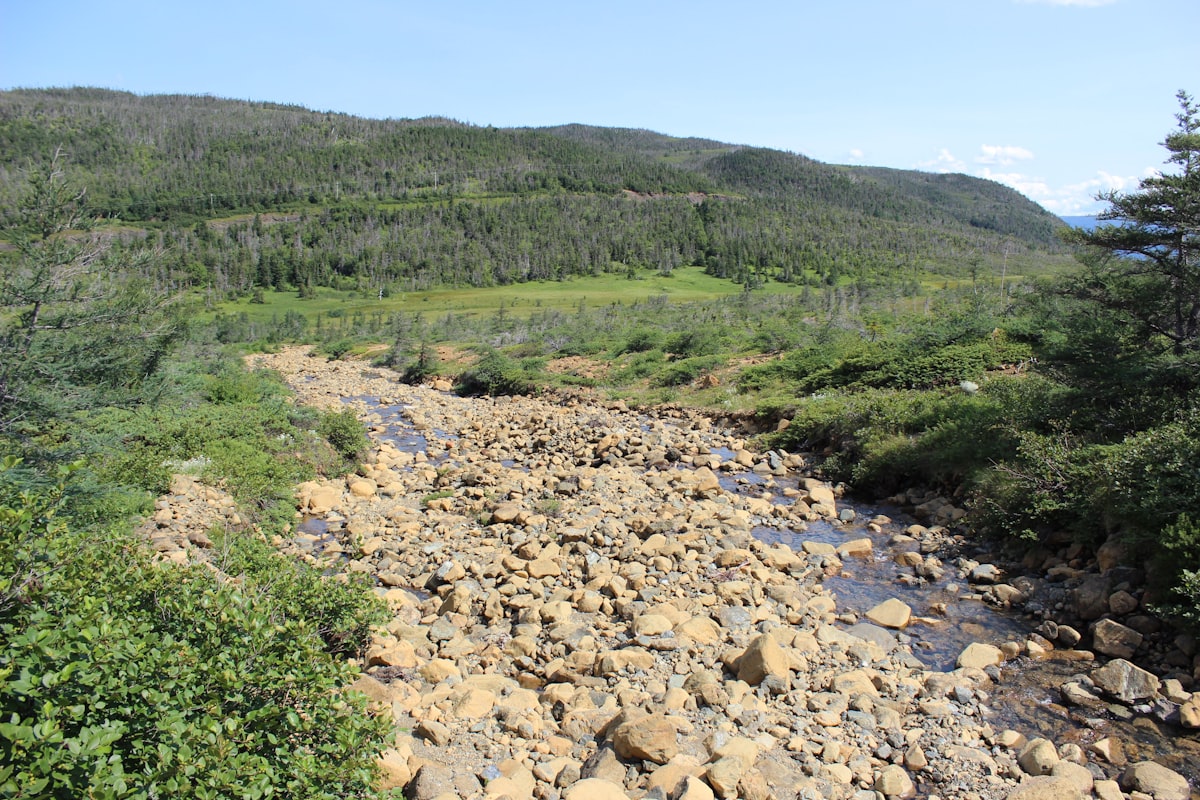
Labrador is the last great wilderness of the North American brook trout, and for a certain kind of angler it's the trip of a lifetime. This vast, roadless subarctic land, the mainland half of the province of Newfoundland and Labrador, holds waters so remote and so lightly fished that they still produce five-, six-, even eight-pound brook trout that will rise to a dry fly. Several tippet-class world records for brook trout have come out of a single Labrador watershed. Add wild Atlantic salmon, huge Arctic char, ouananiche, lake trout, and pike to thirty pounds, and you have one of the planet's premier fly-fishing destinations. This isn't a drive-up fishery, though, it's a fly-in, lodge-based adventure, and this guide explains how it works and what to expect.
For the wider picture, the region, the outfitters, and trip planning, read our complete Labrador fishing guide. For more of the region, see how to fish the Miramichi and Cape Breton.
How Labrador Fishing Actually Works
Set your expectations correctly and Labrador will exceed them. Two things define the trip:
- It's fly-in and lodge-based. The famous waters, the Minipi watershed, the Eagle River system, and remote lakes across the interior, have no roads. You fly commercially to Happy Valley–Goose Bay, then board a float plane for the final leg to a wilderness lodge, where you'll typically stay for a week, fishing daily from boats and canoes with guides.
- Non-residents must use a licensed outfitter or guide to fish inland waters in Newfoundland and Labrador, it's the law, and it's how the fishery is protected. The upside: your outfitter supplies your angling licence as part of the package, along with boats, guides, and often gear, so the logistics are handled for you.
In other words, you don't plan Labrador the way you plan a road trip. You choose a lodge, book a week, and fly in. The reward for that commitment is water almost no one else gets to fish.
What You'll Catch
Labrador's cold, clean, unpressured water grows fish to sizes that seem impossible elsewhere:
- Brook trout, the headliner: wild "specks" that average around five pounds in the best systems, with eight-pounders taken most years and world records to ten. Caught on dry flies. This is the reason people come.
- Atlantic salmon, wild, sea-run fish in Labrador's storied rivers, fished on the swing.
- Arctic char, a landlocked strain to twelve pounds, brilliant orange as they stage to spawn in September.
- Ouananiche, landlocked Atlantic salmon, acrobatic and record-class here.
- Northern pike, aggressive and abundant, some to thirty pounds.
- Lake trout, deep-water bruisers rounding out the interior lakes.
Giant Brook Trout: The Main Event
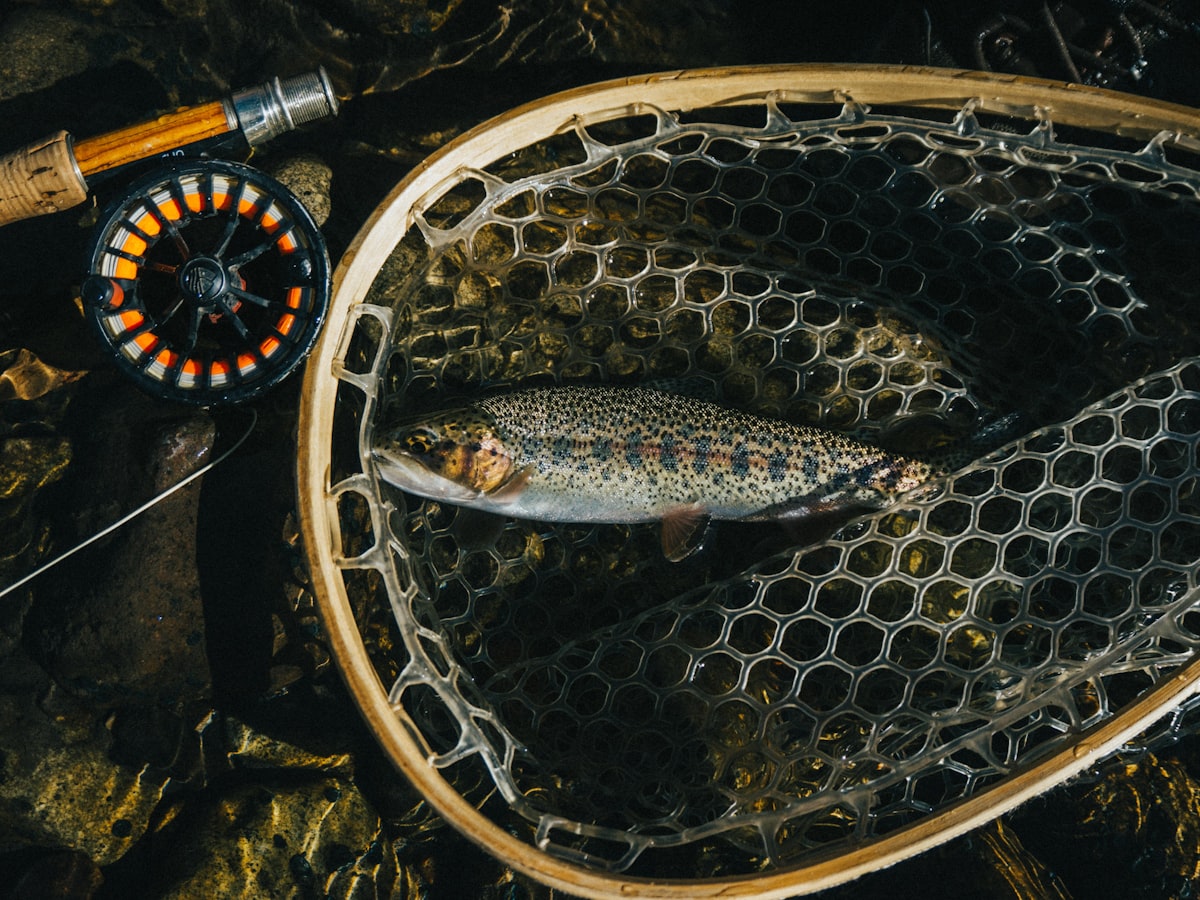
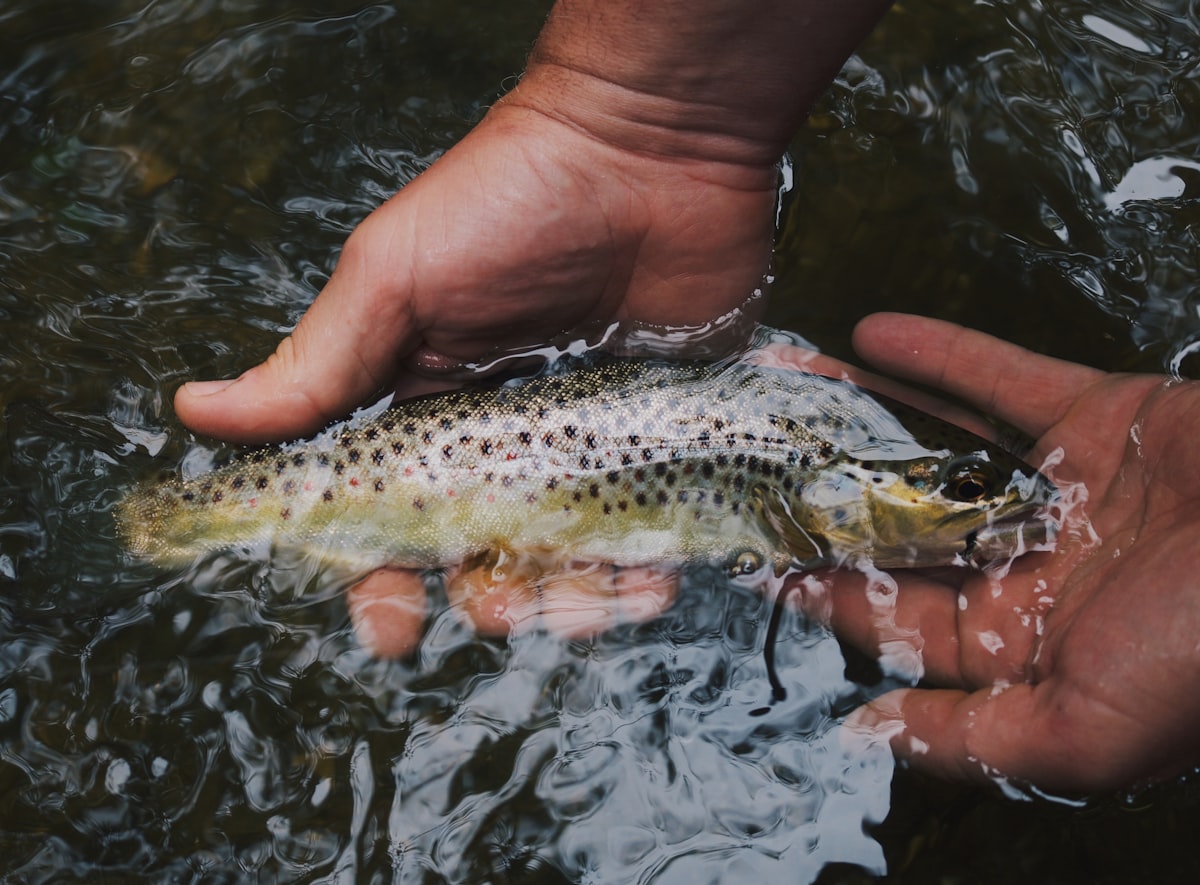
Nowhere on Earth grows brook trout like Labrador, and the most magical part is how you catch them: on dry flies, watching a fish the size of a football tip up and sip a mayfly off the surface. In the legendary Minipi system, brookies average around five and a half pounds and eight-pounders show most seasons, trout so large they behave more like rising rainbows on a spring creek than the little brookies of a mountain stream. The reason is the food: these tea-colored, slow-moving waters produce enormous hatches of mayflies (including big Green and Brown Drakes), caddis, and dragonflies, and the trout grow fat sipping them off the top all summer.
The fishing is deceptively technical for such big fish. You'll cast a dry fly, a large Drake, a caddis, or a deer-hair "mouse" or dragonfly pattern, to cruising or rising fish, often sight-fishing, and the takes can be agonizingly slow and deliberate. Set too soon and you'll pull it away. Systems like the Eagle River (Crooks Lake, Igloo Lake) trade a little size for greater numbers, with brookies averaging around four pounds and far more of them, a better choice for a first-timer who wants steady action. Either way, a Labrador brook trout on a dry fly is a fish you'll never forget.
Fishing for the Legendary Brook Trout of LabradorAtlantic Salmon: Wild Rivers
Labrador holds some of the last, wildest Atlantic salmon rivers on the continent, the Eagle, Sand Hill, Flowers, and others, where fresh, sea-bright fish run up from the North Atlantic through summer. The fishing is classic salmon: a wet fly swung across and down through the runs and pools, covering water and waiting for the heavy, electric pull of a taking fish. The season generally runs June through September, shifting to catch-and-release as it winds down. Many lodges offer salmon as a fly-out option or on nearby rivers, so you can mix a day of salmon into a brook-trout week. These are unpressured fish in staggering country, a true throwback to what Atlantic salmon fishing once was everywhere.
The Very Best Of Atlantic Salmon In Newfoundland & LabradorArctic Char, Pike, and the Rest
The supporting cast is world-class in its own right. Arctic char, a unique landlocked strain reaching twelve pounds, turn brilliant orange and grow aggressive as they stage to spawn in September, making late-season the time to target them on streamers and bright flies. Northern pike are everywhere and enormous, and they're the perfect antidote to a slow trout day: throw big flashy streamers, spoons, or topwater at the weed edges and hang on, because a thirty-pound Labrador pike will try to take the rod out of your hands. Ouananiche (landlocked salmon) and lake trout round out the mix, giving a Labrador angler genuine variety across a week, you can dry-fly for giant brookies in the morning and hunt monster pike in the afternoon.
Choosing a Lodge and a Trip
Because Labrador is lodge-based, picking the right operation matters more than picking a spot. A few guidelines: if your dream is a trophy brook trout on a dry fly and you're willing to work for fewer, bigger fish, look at the Minipi camps. If you want more action and a great all-around experience, plenty of four-pound brookies plus pike and salmon options, the Eagle River lodges (Crooks Lake, Igloo Lake) are ideal. Remote outfitters in northwestern Labrador add still more untouched rivers. Whatever you choose, ask what's included (licence, guides, boats, gear, meals, the float-plane leg from Goose Bay), what the fishing is like week to week, and how many rods share a guide. A reputable outfitter will set honest expectations, and in Labrador, honest expectations are already extraordinary.
When to Go
Labrador's season is short and glorious:
- June: Ice-out and early season, strong Atlantic salmon runs begin, brook trout are hungry after the long winter, and the country greens up. Cool, buggy, and productive.
- July: The peak of the dry-fly brook trout fishing as the big Drake and caddis hatches come off; long subarctic daylight and prime salmon fishing. The classic time to go.
- August: Excellent brook trout and salmon continue; terrestrials and dragonflies bring more surface action.
- September: The Arctic char stage and color up, brook trout feed hard before winter, and salmon shift to catch-and-release. A beautiful, crisp, less-buggy finish to the season.
Gear (Your Outfitter Will Advise)
Most lodges provide a gear list and often loaner rods, but a well-prepared angler brings:
- Brook trout: A 9-foot 6-weight fly rod with a floating line, enough backbone to land a big brookie and delicate enough to present a dry fly. Bring large Green Drake, caddis, and deer-hair dragonfly and mouse patterns.
- Atlantic salmon: An 8- or 9-weight single-hander (or a switch/two-hander) with floating and sink-tip lines and classic wet flies.
- Pike and char: A stout 8-weight for pike (with wire or heavy leader) and streamers; bright streamers for char.
- Everything else: Serious bug protection, a head net, permethrin-treated clothing, and repellent (Labrador's black flies and mosquitoes are legendary), plus rain gear, warm layers (it can snow any month), polarized sunglasses, and a good camera. The lodge handles the rest.
Bugs, Weather, and Remoteness
Be honest with yourself about what "remote wilderness" means. The biting insects in June and July are intense, this is subarctic bog country, so come prepared with a head net and treated clothing or you'll be miserable. The weather is changeable and cold; pack as if for any season. You are genuinely off the grid, hours by float plane from a hospital, so it's no place to be cavalier, but you're in the experienced hands of an outfitter who does this every week. Embrace the isolation. The absence of roads, crowds, and cell signal is precisely what has kept Labrador's fishing the best on the planet.
Getting There and Getting Ready
The journey is part of the adventure. Most trips route through Happy Valley–Goose Bay, Labrador's hub, reachable by air from Halifax, St. John's, Montréal, or Deer Lake. From Goose Bay your outfitter arranges the float-plane flight to the lodge, a spectacular low pass over an endless mosaic of lakes, rivers, and boreal forest that is worth the trip by itself. Because bush planes have strict weight limits, pack light and in soft duffels (your outfitter will give you a weight allowance and a gear list), and always build a buffer day into your itinerary: weather can delay a float plane, and you don't want a fogged-in morning to make you miss your flight home. Bring cash for guide gratuities, any prescriptions you need (you'll be far from a pharmacy), and copies of your travel documents. Trip-cancellation and evacuation insurance is a smart idea for a remote fly-in. Do this homework once and the rest of the week is pure fishing.
A Day on the Water in Labrador
A day at a Labrador lodge settles into a wonderful rhythm. You'll wake to a big breakfast, then head out with a guide by boat or canoe to that day's water, a river run for salmon, a weedy bay for pike, or a slow, tea-colored flat where giant brookies cruise and sip. Guides here are expert spotters; much of the trophy brook-trout game is hunting, idling quietly, watching for a rise or a cruising shadow, then presenting a dry fly to a specific fish. Midday often means a shore lunch, a Canadian tradition of fresh-caught fish (or provided food) cooked over a fire on a gravel bar while you swap stories. Afternoons bring more fishing as the light softens and the evening hatch builds, often the best window of the day, when the big brookies rise with abandon. You'll return to the lodge at dusk (which, in a Labrador July, comes very late) for dinner and the day's fish tales. It is unhurried, immersive, and utterly disconnected from the outside world.
Is Labrador Right for You?
Labrador is a bucket-list trip, but it's not for everyone, and it helps to be honest about the fit. It is for the angler who dreams of a wild brook trout bigger than any they've ever seen, who values solitude and untouched country over creature comforts and convenience, and who is comfortable committing to a guided, fly-in week rather than a casual day trip. A little dry-fly and casting experience goes a long way, though good guides will help a motivated beginner, and the numbers-focused Eagle River lodges are very beginner-friendly. It's less ideal if you need constant fast action, can't tolerate biting insects and rustic remoteness, or want the flexibility to fish on your own schedule. If the idea of watching a football-sized brook trout tip up to sip your dry fly on a mirror-calm subarctic pond, a thousand miles from the nearest traffic light, makes your pulse quicken, then yes, Labrador is exactly right for you, and you should start planning. It is the kind of trip anglers save for and remember for the rest of their lives.
A Word on Conservation
Labrador's giant brook trout exist because the water is remote and the ethic is protective, and that only holds if every angler treats these fish as the irreplaceable treasures they are. The fishery runs almost entirely on catch-and-release: fish barbless, keep the fish in the water, handle it as little as possible with wet hands, and revive it fully before letting go. A ten-pound brook trout is decades in the making and worth infinitely more alive. Honor the outfitter and provincial regulations, don't move fish or bait between waters, pack out everything you bring in, and tread lightly on the fragile subarctic ground. Fish Labrador with humility and respect, and this last great brook trout wilderness will still be producing world records long after we're gone.