Fish
Fish Fire
Fire Hike
Hike Bird
Bird



Most world-class trout rivers require a bush plane, a long gravel road, or a week at a remote lodge. The Bow River runs through a city of 1.4 million people. You can land at Calgary International Airport, drive 20 minutes to a boat launch, and be fishing over brown trout that average 18 to 20 inches, in a river that consistently ranks among the top five trout fisheries in North America.
The numbers are genuinely remarkable. Electrofishing surveys have measured 3,000 or more trout per mile in the urban sections of the Bow. Brown trout and rainbow trout grow large here because the river has everything they need: cold, clean water flowing from the Rocky Mountain headwaters at Banff, consistent flows managed by upstream dams, abundant insect life fuelled by nutrient-rich urban runoff, and catch-and-release regulations that protect the fish through their prime growing years.
The Bow is not a wilderness experience. You will fish within sight of downtown skyscrapers, under highway bridges, and past riverside parks where people walk their dogs. The juxtaposition is part of what makes it extraordinary, a 24-inch brown trout eating a dry fly with the Calgary Tower in the background is a scene that exists almost nowhere else in the world.
If you have fished the great trout rivers of Montana, the Madison, the Missouri, the Bighorn, the Bow is their Canadian counterpart. Same calibre of fish, same drift-boat-and-fly-rod culture, and a fraction of the angling pressure.
The River
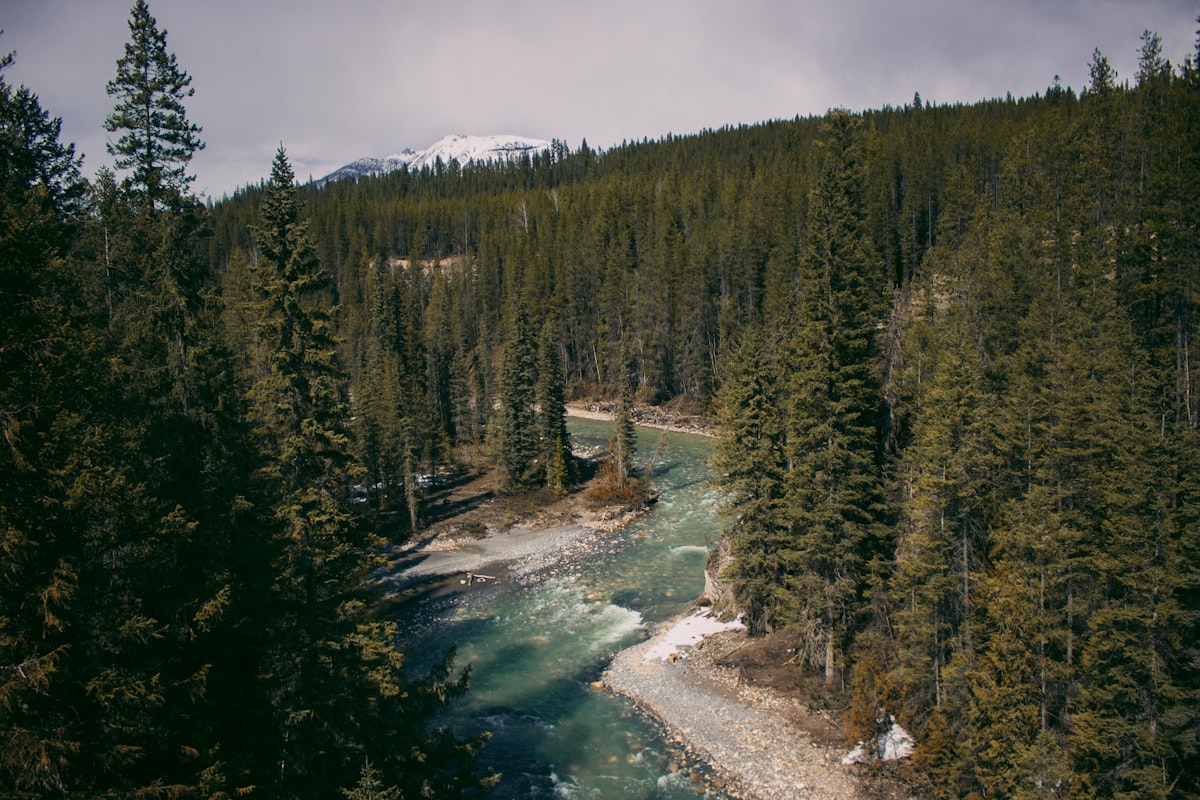
The fishable Bow River runs roughly 60 kilometres from the Bearspaw Dam northwest of Calgary downstream through the city and into the prairies southeast of town. The character changes dramatically along this stretch.
Above Calgary (Bearspaw Dam to Crowchild Trail): Tailwater section, cold, consistent flows from the dam create ideal trout habitat year-round. This is the most productive stretch, with the highest trout densities. The water is clear, the banks are lined with cottonwood forest and parkland, and the wading access is good. Most guided float trips launch from Bearspaw and drift through this section.
Urban Calgary (Crowchild Trail to Carseland Weir): The river flows through the city centre, past the Calgary Zoo, under multiple bridges, and through Inglewood and Fish Creek Provincial Park. Still productive, the fish don't care about the skyline, but access is more limited and the river widens. The confluence with the Elbow River at Fort Calgary adds flow and occasionally muddies the water after rain.
Below Calgary (Carseland Weir to Bassano Dam): The river opens into wider, slower prairie water. Rainbow trout become more common relative to browns. The fishing is less pressured than the urban sections, and the scenery shifts from city to open grassland. McKinnon Flats and the Siksika sections are popular with wade fishers and float boats.
Incredible Bow River Trout FishingWhat You Are Fishing For
Brown trout are the prestige species. The Bow's browns are large, wild, and difficult, the kind of fish that make you earn every take. They average 16 to 20 inches, with fish over 24 inches caught regularly and the occasional fish exceeding 28 inches. Browns hold in the deeper runs, undercut banks, and structure, log jams, bridge pilings, boulder gardens, and they feed selectively during hatches. They are most active in the spring (March-May) and fall (September-November), with the fall pre-spawn period producing the largest fish of the year.
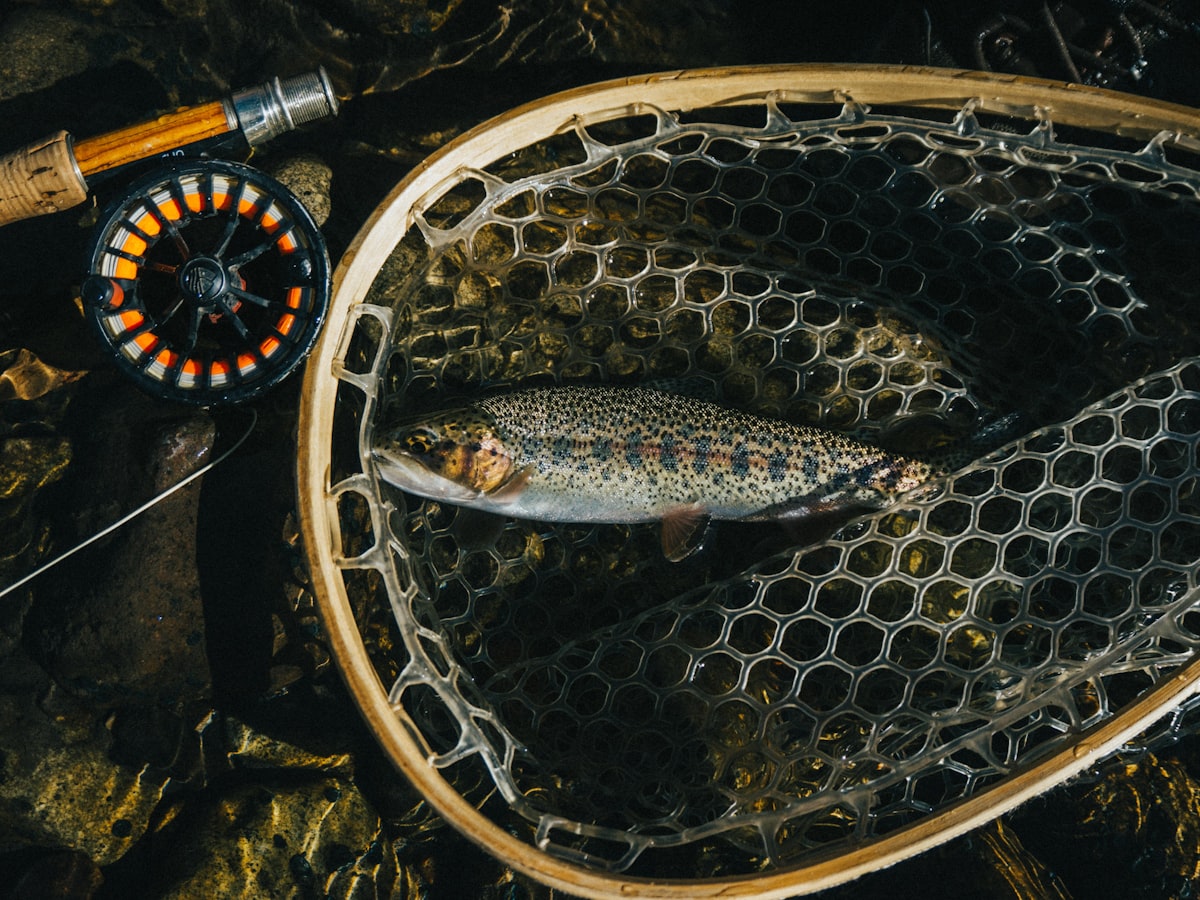
Rainbow trout share the river with browns and provide a different fight, more acrobatic, more willing to eat a nymph or dry fly, and more forgiving of imperfect presentations. Rainbows average 14 to 18 inches, with fish over 20 inches common. They dominate the faster, shallower runs and riffles, while browns hold in the deeper, slower water. In the sections below Calgary, rainbows become the primary species.
Mountain whitefish are abundant throughout the Bow. They are not the glamour species but they fight well on light tackle, eat nymphs readily, and fill in the gaps between trout. In winter, when trout are sluggish, whitefish provide consistent action on small flies.
Bull trout are present in the Bow but protected, catch-and-release only, must be released immediately, and you cannot target them with bait. If you hook one accidentally while trout fishing, handle it carefully and release it quickly.
For detailed fly patterns, nymph rigs, and dry fly techniques, see our Fly Fishing the Bow River guide.
EPIC March Brown Trout Float, Fly Fishing Bow River CalgaryWhen to Plan Your Trip
March and April (Early Season): Blue-winged olive and midge hatches begin. The tailwater section below Bearspaw fishes well while freestone rivers are still frozen or blown out with snowmelt. Browns are active after the winter lull. Water temperatures are cold (2-8°C / 36-46°F) and the air is crisp, but the fishing can be excellent for dedicated nymph fishers. Fewer anglers than summer.
May and June (Spring Peak): The Bow comes alive. Stonefly hatches (golden stones and salmon flies in late May) bring big trout to the surface. The famous Mother's Day caddis hatch blankets the river in May. Baetis (BWO) hatches continue. This is when the dry fly fishing gets serious, 20-inch browns eating size 8 stonefly dries off the surface. June can be affected by mountain snowmelt runoff, which raises and muddies the river for 2 to 4 weeks. Check conditions before booking.
July and August (Summer): Post-runoff, the river clears and the summer hatches begin, PMDs (pale morning duns), caddis, hoppers, and ants. Hopper-dropper fishing (a foam grasshopper on top with a nymph trailing below) is the go-to technique from July through September. The fish are spread throughout the river and actively feeding. This is peak guide season, book early.
September and October (Fall): The best fishing of the year for large browns. Pre-spawn browns become aggressive, territorial, and willing to eat big streamer flies. Streamer fishing from a drift boat, casting heavy articulated flies against the bank and stripping them back, is the method that produces the largest fish. The cottonwoods turn gold along the riverbank, the crowds thin, and the trout are at their peak weight.
November through February (Winter): The Bow fishes year-round thanks to the tailwater flows from Bearspaw Dam. Winter fishing is nymph-focused, small midges and BWOs under indicators in slow water. The fish are sluggish but present. Dress warm, Calgary winters are serious (-15 to -25°C / 5 to -13°F is normal). Dedicated winter anglers have the river nearly to themselves.
Dry Fly on the Bow River, Fly Fishing CalgaryWhat a Guided Day Looks Like
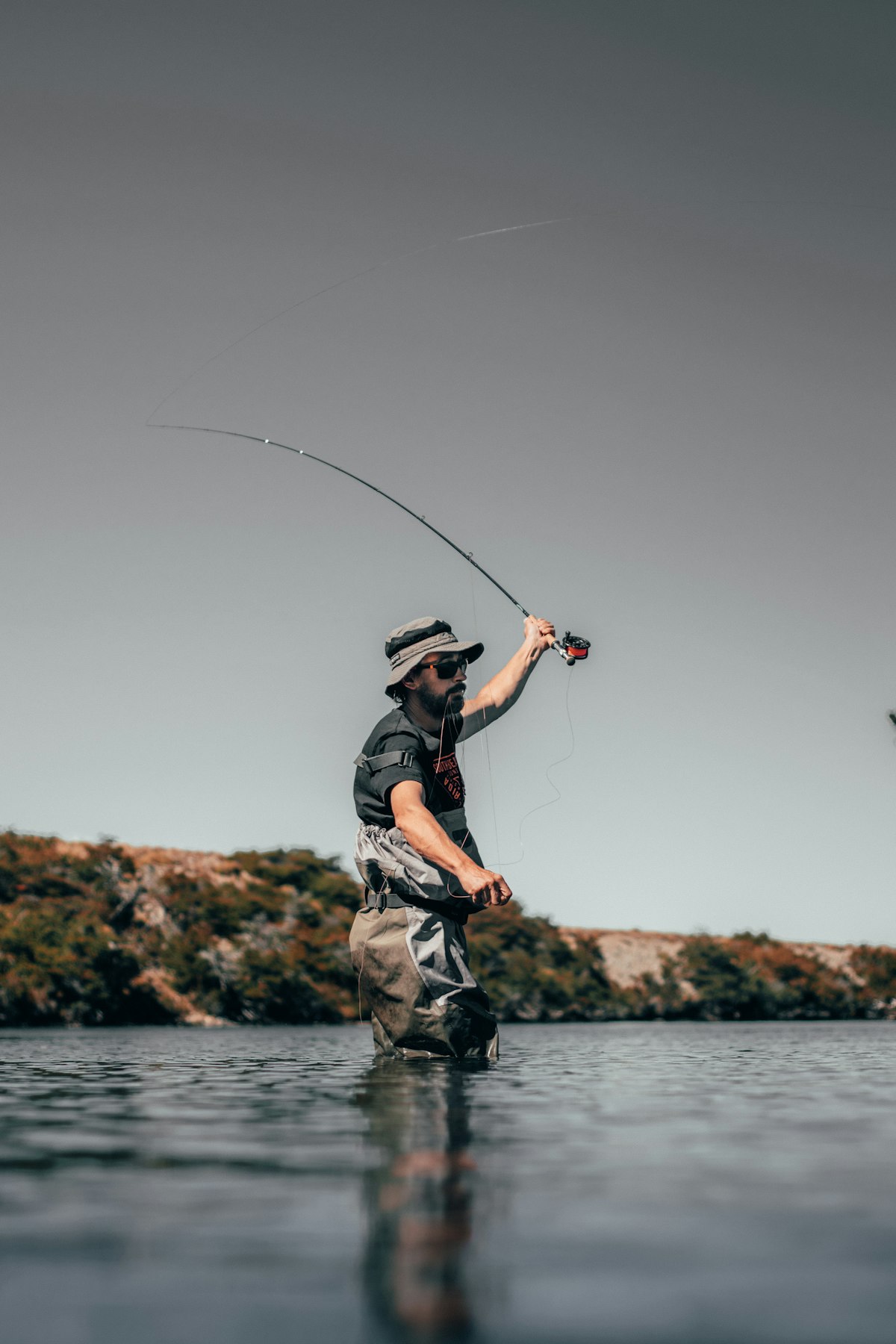
The Bow River is primarily fished from drift boats, large, flat-bottomed boats that the guide rows downstream while you cast from the bow. This is the same drift boat culture you find on Montana's great rivers, and many Bow River guides trained on those waters.
Full-day float (8-9 hours): CAD $700 to $900 for 1-2 anglers. The guide provides the drift boat, all rods, reels, flies, leaders, and lunch. You launch in the morning, float 10 to 15 kilometres of river, and take out in the afternoon. The guide reads the water, positions the boat, calls the casts, and nets the fish. Expect to fish nymphs in the morning, switch to dries if a hatch starts, and throw streamers if conditions are right.
Half-day float (4-5 hours): CAD $450 to $600. Morning or afternoon. Good for anglers with limited time or families with kids. Covers less water but still productive.
Walk-and-wade trips: Some guides offer wade fishing on specific sections, the Bearspaw tailwater, the Inglewood bird sanctuary, and Fish Creek Provincial Park have good wadeable runs. CAD $400 to $600 for a full day.
DIY fishing: The Bow is publicly accessible along much of its length through Calgary's pathway system. Popular wade access points include Edworthy Park, Harvie Passage, Inglewood, and Fish Creek Provincial Park. No guide is required, and the wade fishing can be excellent, but the drift boat covers dramatically more water and puts you over more fish.
Getting There
By air: Calgary International Airport (YYC) is a major hub with direct flights from most North American cities. The river is 20 to 40 minutes from the airport depending on the section. Car rental available.
By car: Calgary is 3 hours from Edmonton, 10 hours from Vancouver, 14 hours from Seattle. The Trans-Canada Highway (Highway 1) runs through Calgary.
Accommodation: Calgary has full urban infrastructure, every hotel chain, Airbnb options, restaurants, and shops. No need to stay at a fishing lodge, you stay in the city and meet your guide at a boat ramp. Some anglers combine a Bow River fishing trip with a visit to Banff National Park (1.5 hours west), making it a multi-activity vacation.
Tackle Shops
Calgary has an active fly fishing community supported by several specialty shops that serve as hubs for Bow River intelligence.
Fish Tales Fly Shop: The original Calgary fly shop. Located on 4th Street SW, they carry a full range of fly fishing gear and tie flies specifically for the Bow. The staff fish the river regularly and provide honest, current fishing reports. If you need to know what's hatching today, walk in and ask.
Bow River Troutfitters: Downtown Calgary. A full-service fly shop and guide operation. They run their own drift boats and offer guided trips alongside retail. Good source for Bow-specific fly patterns and local knowledge.
Country Pleasures Fly Shop: In the Crowfoot area of NW Calgary. The other long-standing Bow River fly shop. Strong selection of tying materials and a knowledgeable staff that fishes the upper Bow and mountain streams.
What to buy locally: Bow River fly patterns are specific. A handful of locally tied flies, size 8 Chubby Chernobyls, Bow River Buggers, Pat's Rubber Legs, size 16-18 BWOs, and size 14-16 caddis emergers, will cover most situations. The shops know which patterns are working this week and will set you up.
Beyond the Fishing
Banff National Park: 90 minutes west of Calgary. The headwaters of the Bow River, turquoise glacial lakes, the Banff townsite, Lake Louise, and the Icefields Parkway. A day trip or overnight adds a mountain dimension to a fishing trip.
Kananaskis Country: 45 minutes west. Provincial parks with hiking, mountain biking, and smaller mountain streams that hold cutthroat and bull trout. The scenery rivals Banff without the crowds.
Calgary itself: The Calgary Stampede (July) is the world's largest outdoor rodeo. The National Music Centre, Studio Bell, and Calgary Tower are downtown. The restaurant scene is strong, Calgary's beef is as famous as its trout.
Fishing Licence
Alberta fishing licence required. Non-residents: approximately CAD $90 for an annual licence or $30 for a 5-day licence. Purchase online at the Alberta Environment and Protected Areas website or at sporting goods stores in Calgary.
Key regulations: Most of the Bow River through Calgary is catch-and-release for trout with single barbless hooks. Bait is prohibited on most sections. Bull trout must be released immediately. Check the current Alberta Guide to Sportfishing Regulations for specific sections, regulations vary by zone.
Fishing the Bow River in Springtime, What You Need to KnowWhy the Bow River Works
The Bow's productivity is not an accident. Three factors combine to create the fishery:
Tailwater flows: The Bearspaw Dam controls water releases, maintaining cold, consistent flows through the urban corridor. This eliminates the extreme high and low water events that stress fish on unregulated rivers. The dam also traps sediment, keeping the downstream water clear.
Nutrient loading: Calgary's treated wastewater and urban stormwater add nutrients (phosphorus, nitrogen) to the river. This is typically bad for water quality, but in the Bow's case, the cold, well-oxygenated water converts those nutrients into insect biomass, chironomids, caddis, mayflies, stoneflies, that feeds the trout. The same nutrients that would cause algae blooms in a warm river fuel an insect factory in the cold Bow.
Catch-and-release regulations: The Bow has been managed as a catch-and-release fishery for decades. Trout grow to trophy sizes because they survive to maturity. A 5-year-old brown trout on the Bow is 20+ inches and has been caught and released multiple times. The regulations create a fishery where the average fish is significantly larger than on comparable harvest rivers.
The result: A river where you can catch 20 to 40 trout in a day, with an average size that would be a personal best on most waters, in a city where you can have sushi for dinner and sleep in a real bed. It is the most accessible world-class trout fishery in North America.
Bow River, Canada, Fly Fishing in Search of Interesting Trout