Fish
Fish Fire
Fire Hike
Hike Bird
Bird

Labrador is not a fishing destination you visit on a whim. It is the largest and least populated region east of the Rockies, 294,000 square kilometres with a population of 27,000 people, most of them concentrated in a handful of coastal communities. The interior is roadless boreal forest, barren tundra, and thousands of rivers and lakes that have never been mapped by anglers. The only way to reach the fishing is by floatplane.
This inaccessibility is what makes Labrador the greatest brook trout destination on earth. The brook trout here are not 10-inch fish from a stocked lake. They are wild, native char (brook trout are technically char, not trout) that grow to sizes that defy expectations, 3 to 5 pounds is average at the best lodges, 6 to 8 pounds is a realistic trophy, and the occasional fish over 9 pounds surfaces every season. These are brook trout the size of small steelhead, living in rivers that have never been logged, dammed, or developed.
Atlantic salmon run the larger rivers in July and August, chrome-bright fish from the North Atlantic that push up Labrador's short, powerful rivers. Arctic char inhabit the colder lakes and rivers, particularly in the northern sections of the region. Northern pike lurk in the warmer, slower systems. And landlocked Atlantic salmon (ouananiche), the freshwater-resident form of Atlantic salmon, hold in certain river systems and fight with a ferocity that rivals their sea-run cousins.
If you have fished Algonquin Park and want to see what brook trout look like without a road within 200 kilometres, or if you fished the Miramichi and want Atlantic salmon in rivers that see 20 anglers per season instead of 20,000, Labrador is where you go.
The Lodges
Labrador fishing is exclusively lodge-based. There are no campgrounds, no road access, and no walk-in options. You book a lodge, fly in by floatplane, and spend a week in genuine wilderness.
Igloo Lake Lodge: Operating since 1973. The original Labrador brook trout lodge. Located on Igloo Lake in central Labrador, accessible by floatplane from Goose Bay. Known for consistent 3 to 5 pound brook trout with regular fish over 6 pounds. Also offers fly-out days to Atlantic salmon rivers and Arctic char lakes. All-inclusive packages run CAD $6,000 to $8,000 per person for 6 nights / 5 days fishing.
Three Rivers Lodge: Orvis-endorsed. Located in western Labrador, accessed by floatplane from Wabush. Specialises in trophy brook trout, the lodge's waters hold some of the largest wild brookies on the planet. Float plane fly-outs to multiple river systems. CAD $6,500 to $9,000 per person for a week.
McKenzie River Lodge: Brook trout and landlocked salmon on the McKenzie River system. Known for dry fly fishing on shallow rivers. Floatplane from Goose Bay. CAD $5,500 to $7,500 per person.
Flowers River Lodge: Atlantic salmon focused. The Flowers River holds one of the best Atlantic salmon runs in Labrador, with fish averaging 8 to 12 pounds. Arctic char and brook trout available as well. CAD $7,000 to $10,000 per person.
What is included: Floatplane transport from the staging town (Goose Bay, Wabush, or Churchill Falls), guided fishing (1 guide per 2 anglers), accommodation, all meals, and fish processing. The lodges provide rods and reels if needed, though most serious anglers bring their own. The only things not included are the flights to the staging town and your fishing licence.
Dry Fly Labrador Brook Trout, Igloo Lake LodgeWhat You Are Fishing For
Brook trout are the reason people come to Labrador. The fish here grow large because the growing season is short (ice-off in June, freeze-up in October), the food is abundant (scuds, stoneflies, caddis, minnows), and the fishing pressure is negligible. A lodge that hosts 8 anglers per week for a 12-week season puts 96 anglers on water that a comparable lake in Ontario would see 10,000.
Labrador brook trout average 2 to 4 pounds at most lodges, with the best lodges producing averages of 3 to 5 pounds. Fish over 6 pounds are caught every week. The occasional 8 or 9 pounder, a brook trout that would be a world-class specimen anywhere else, is the fish that fills Labrador lodge brochures and keeps anglers coming back year after year.
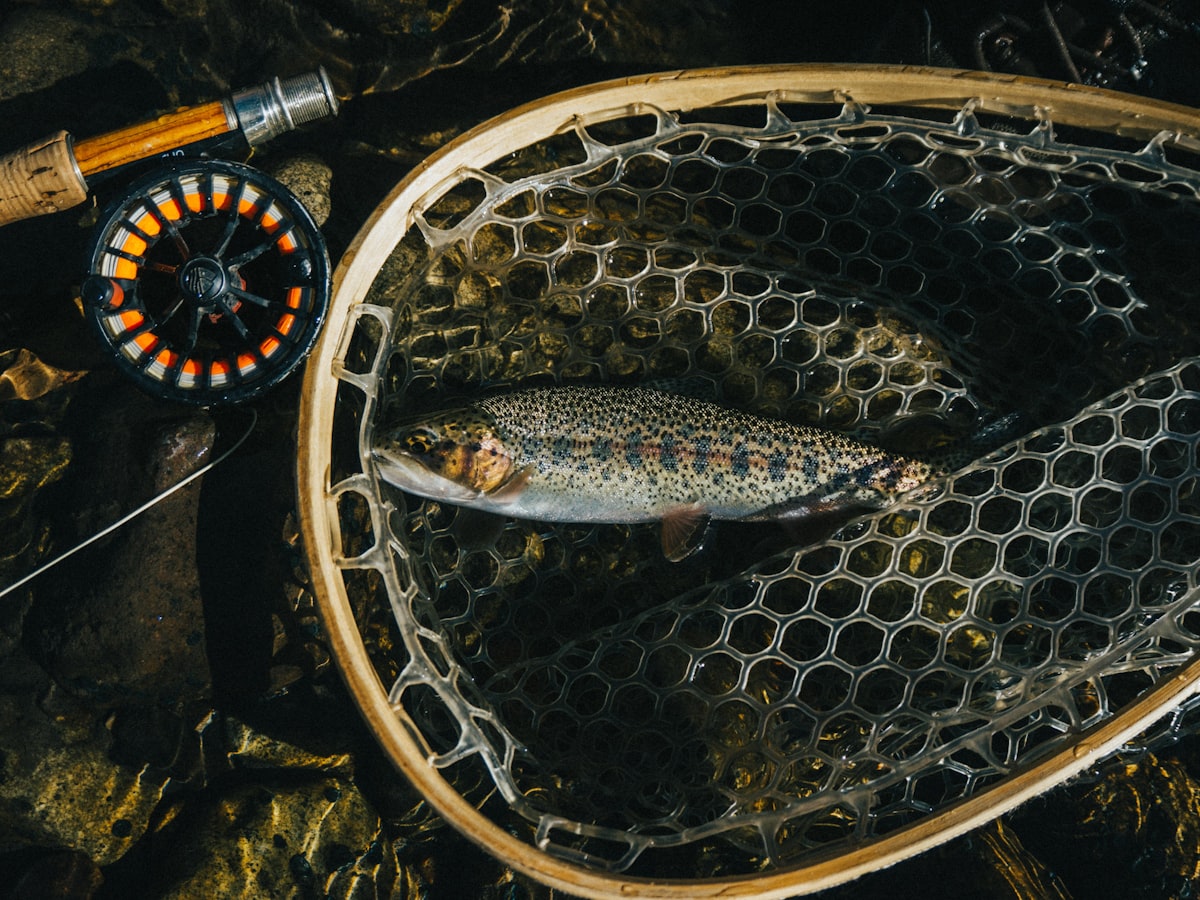
These fish eat dry flies. Aggressively. A Labrador brook trout rising to a Bomber or a Royal Wulff on a still northern lake is one of the great sights in freshwater fishing. The take is confident, the fight is powerful (a 4-pound brook trout fights like a 6-pound rainbow), and the colours, the orange belly, the white-edged fins, the blue halos around the red spots, are the most beautiful in the trout world.
Atlantic salmon run the larger Labrador rivers (Eagle, Flowers, Sand Hill) from July through August. The runs are small compared to the Miramichi but the rivers are pristine and the fish are aggressive. Labrador salmon average 8 to 12 pounds with fish over 15 pounds. The fishing is fly-only, catch-and-release.
Arctic char inhabit the colder, deeper lakes in central and northern Labrador. They average 3 to 6 pounds with fish over 10 pounds available. Arctic char are the most northern freshwater fish in North America, they thrive in water that would stress brook trout. Char are caught on streamers, spoons, and large nymphs. Some lodges offer fly-out days specifically for char.
Northern pike are present in some of the warmer, slower river systems. Pike of 30 to 40 inches provide fast action on medium tackle, a welcome change of pace from finesse brook trout fishing.
Landlocked Atlantic salmon (ouananiche): The freshwater-resident form of Atlantic salmon, found in certain Labrador river and lake systems. They average 2 to 5 pounds and fight with extraordinary speed and aggression. Ouananiche take dry flies and streamers and provide some of the most exciting light-tackle fishing in Labrador.
Monster Brook Trout Adventure in LabradorWhen to Go
The Labrador fishing season is brutally short, late June through September, with most lodges operating July through early September.
Late June and early July: Ice-off. The lakes and rivers are cold, the fish are hungry after winter, and they are concentrated in shallow water. Brook trout are at their most aggressive. Water levels are high from snowmelt, which can colour some rivers but also provides access to water that dries up later. Blackflies are severe.
Mid-July through August: The prime season. Water levels stabilise. Brook trout are feeding heavily. Atlantic salmon runs peak on the larger rivers. Arctic char are accessible. Weather is warmest (15 to 22°C / 59 to 72°F daytime). Bugs decrease through August. This is the peak booking period, reserve a year or more in advance.
September: Fall colours on the tundra. Brook trout in pre-spawn condition, the most spectacular colours of the year. Cooler weather (5 to 15°C / 41 to 59°F). Bugs are gone. Some lodges close by mid-September due to weather risk (early snow, cold fronts). The fishing is excellent for the lodges that stay open.
Brook Trout and Atlantic Salmon, Igloo Lake Lodge, LabradorGetting There
Step 1: Fly to Goose Bay (YYR), Wabush (YWK), or Churchill Falls depending on the lodge. Air Canada, PAL Airlines, and charter services connect these towns from St. John's, Montreal, and Halifax.
Step 2: The lodge arranges floatplane transport from the staging town to the lodge, typically a 30 to 90 minute flight over roadless wilderness. This flight is included in the lodge package and is an experience in itself, you fly over hundreds of kilometres of boreal forest, tundra, and lakes with no sign of human activity.
International visitors: Fly to Montreal (YUL) or Halifax (YHZ), connect to Goose Bay or Wabush. Plan for a full day of travel in each direction. Build in a weather buffer, floatplanes are weather-dependent, and fog or rain can delay departures by a day.
What to Bring
The lodge provides rods, reels, and flies, but most anglers bring their own.
Fishing gear: A 9' 5-weight fly rod handles brook trout and ouananiche. An 8-weight for Atlantic salmon and Arctic char. Floating line for dry flies and nymphs. A sink-tip for streamers and char. Waders (the water is cold, 8 to 14°C / 46 to 57°F). Bring a backup rod, you are 200 km from the nearest tackle shop.
Clothing: Layers. Labrador weather can deliver 20°C sunshine and 5°C sleet in the same day. Waterproof shell, fleece mid-layer, warm hat, gloves for cold mornings. Rain gear is mandatory.
Bug protection: Blackflies (June-July) and mosquitoes (July-August) are severe. Head net, long sleeves, and high-DEET repellent. The bugs in Labrador are worse than anywhere else in this guide, come prepared.
Camera: The scenery and the fish are both extraordinary. A waterproof camera or case is essential, you are in boats and wading rivers all day.
Fishing Licence
Newfoundland and Labrador fishing licence required. Non-residents: approximately CAD $60 for a seasonal licence. Atlantic salmon tag additional (CAD $30). Lodges typically remind you to purchase online before arrival.
Catch-and-Release Practices
Labrador's trophy brook trout fishery exists because of careful catch-and-release practices. Every lodge enforces strict handling protocols.
Barbless hooks only. Most lodges require barbless hooks on all tackle. Pinch your barbs before you fish, brook trout have soft mouths and barbless hooks pop out cleanly.
Wet hands, quick photos. Brook trout are fragile. Wet your hands before touching a fish. Keep it in the water for unhooking if possible. If you photograph, one quick shot with the fish at water level, then back in. A 5-pound brook trout held out of the water for 30 seconds has a measurably reduced survival rate.
Net in the water. Land fish in a rubber mesh net and keep the net submerged while unhooking. Do not drag fish onto shore or across the gunwale of the boat.
Why it matters more here: A Labrador brook trout that weighs 5 pounds is likely 8 to 12 years old. These fish grow slowly in cold northern water. A fish that dies from mishandling may not be replaced for a decade. The trophy fishery depends on every angler treating every fish as if it is the last one.
The Labrador Wilderness
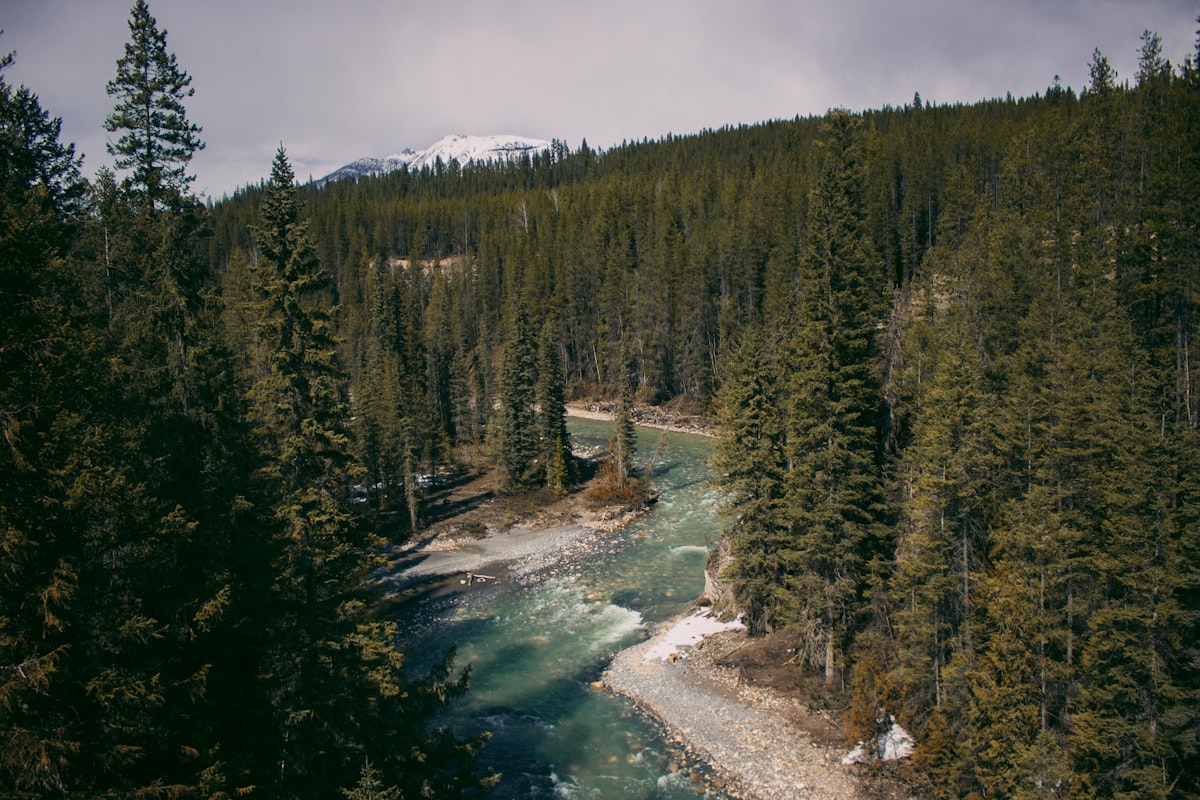
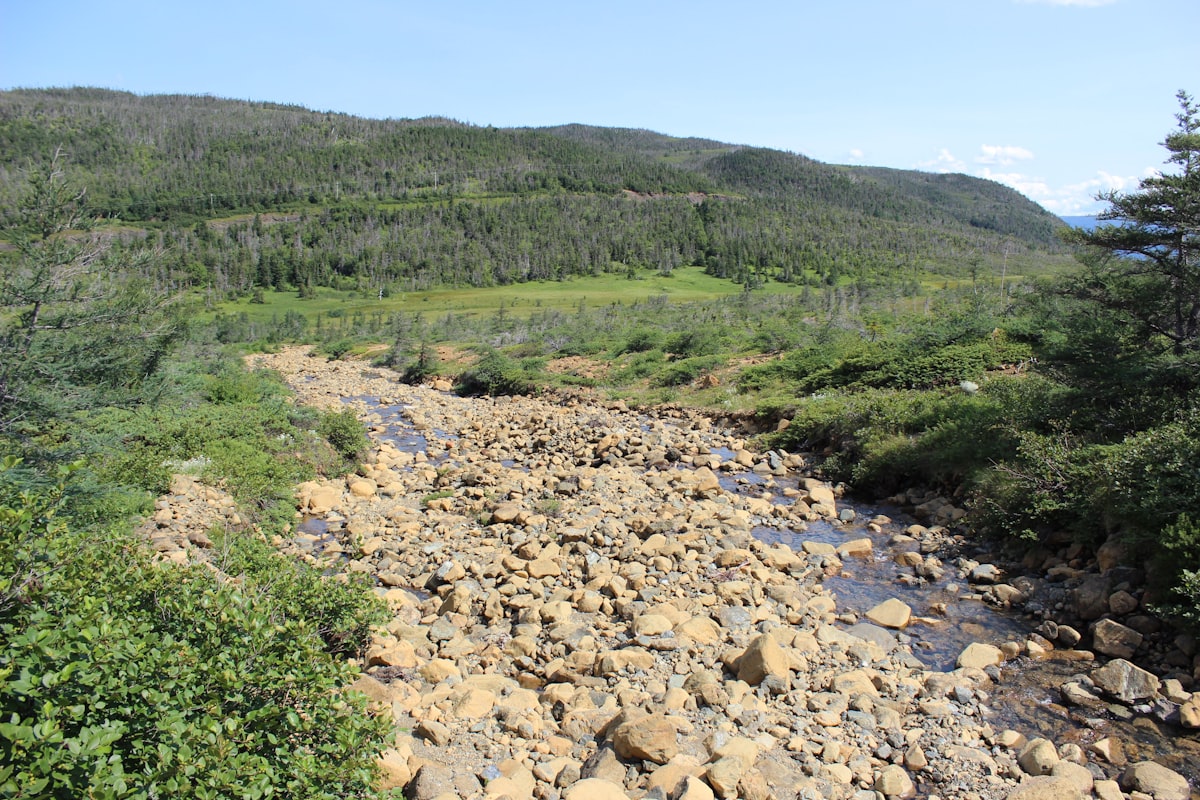
Labrador is not just remote, it is a fundamentally different landscape from the rest of eastern Canada. North of the tree line, the boreal forest gives way to tundra, low shrubs, lichens, and exposed rock stretching to every horizon. The rivers are short and powerful, draining directly from the Labrador Plateau to the Labrador Sea. The lakes are cold, deep, and ringed with dwarf spruce.
Wildlife: Caribou herds (the George River and Mealy Mountain herds), black bears, wolves, and foxes are part of daily life at Labrador lodges. Bald eagles and ospreys nest along the rivers. Loons call from every lake. The wildlife density reflects the absence of human development, the animals behave as if they have never seen a person, because many of them have not.
The light: At latitude 53-55°N, Labrador has extraordinarily long summer days, 17 to 18 hours of daylight in July. The sun rises at 5 AM and sets after 10 PM, with extended twilight that stretches the fishing day to 16 hours if you have the stamina. The evening light on a Labrador lake, golden, low, and warm, makes every brook trout look like a painting.
Solitude: This is the most significant difference from any other destination in this guide. On the Bow River, you share the river with dozens of drift boats. On Georgian Bay, there are 30,000 islands but also thousands of cottages. In Labrador, there are rivers that no human has fished this year. The lodge's floatplane may be the only aircraft that has landed on your lake this season. The solitude is not an absence of something, it is a presence. You feel the wilderness as a physical thing.
Why Labrador
Labrador is expensive, remote, and logistically demanding. The bugs are horrific. The weather is unpredictable. The travel takes a full day in each direction. There are no backup plans, if the floatplane is grounded by fog, you wait.
But the fishing. Brook trout that average 4 pounds on rivers that have no name on any map. Atlantic salmon in water that 20 people per year will ever cast a fly into. Arctic char in lakes that have not changed since the Pleistocene. The Labrador wilderness is the last place in eastern North America where fishing feels like exploration, where you genuinely do not know what the next cast will produce, because no one has cast there before you.
This is the trip you save for. Not because you want to catch the most fish, but because you want to catch fish in a place that still feels like the world before we changed it.
Trophy Brook Trout of Labrador, Fly Fishing Igloo Lake Lodge Big River Salmon, Epic Labrador Fishing