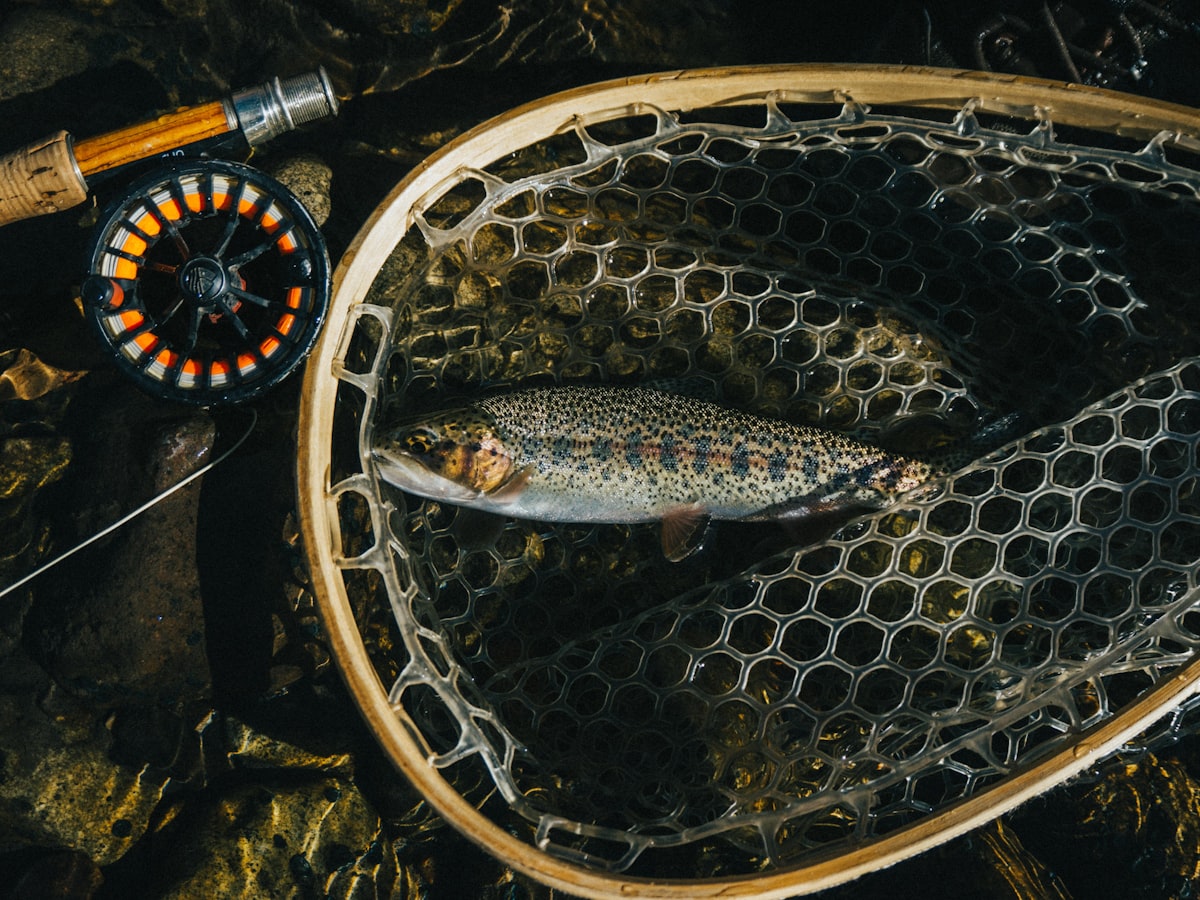
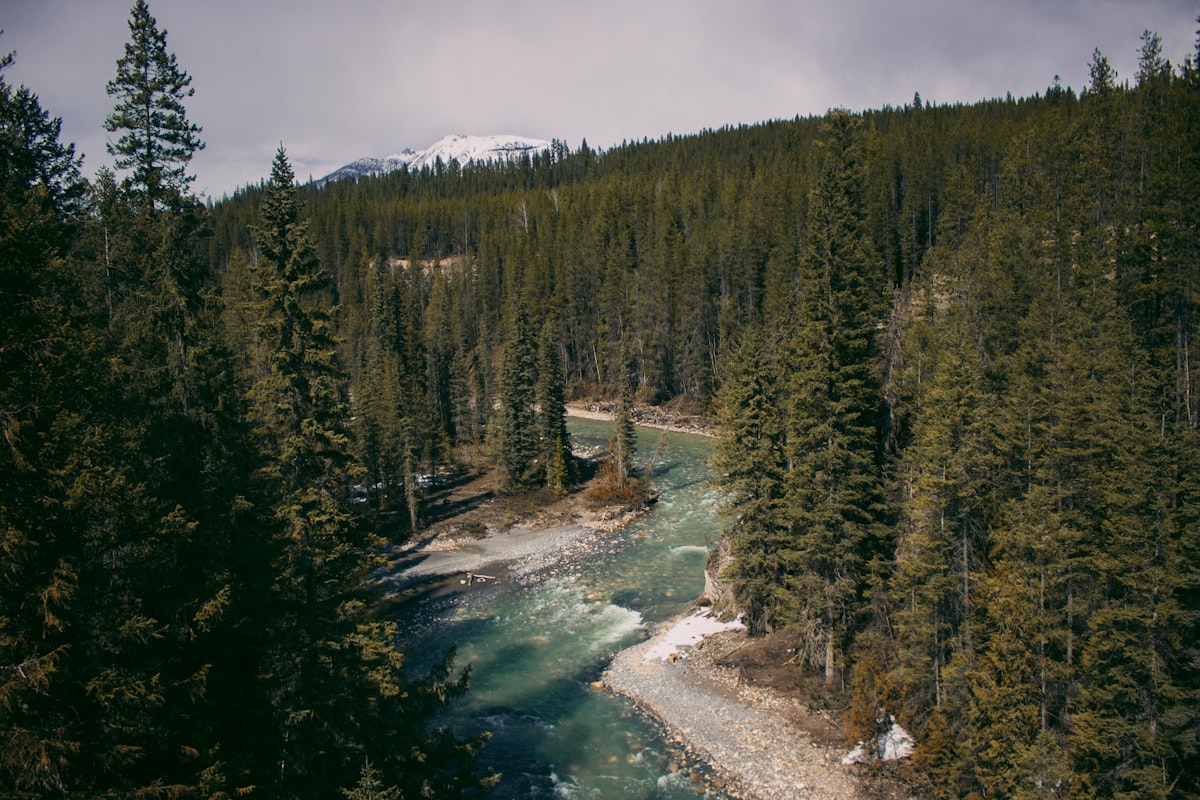
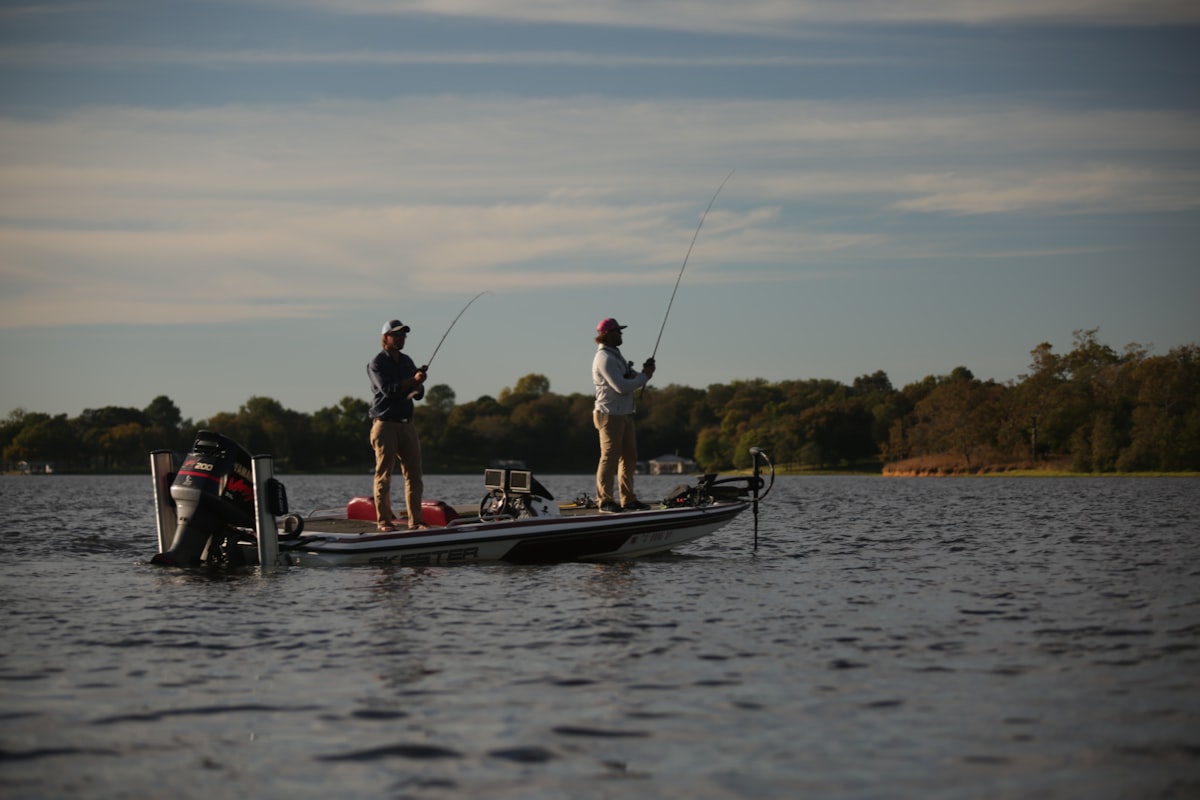
Fish
Fish Fire
Fire Hike
Hike Bird
Bird

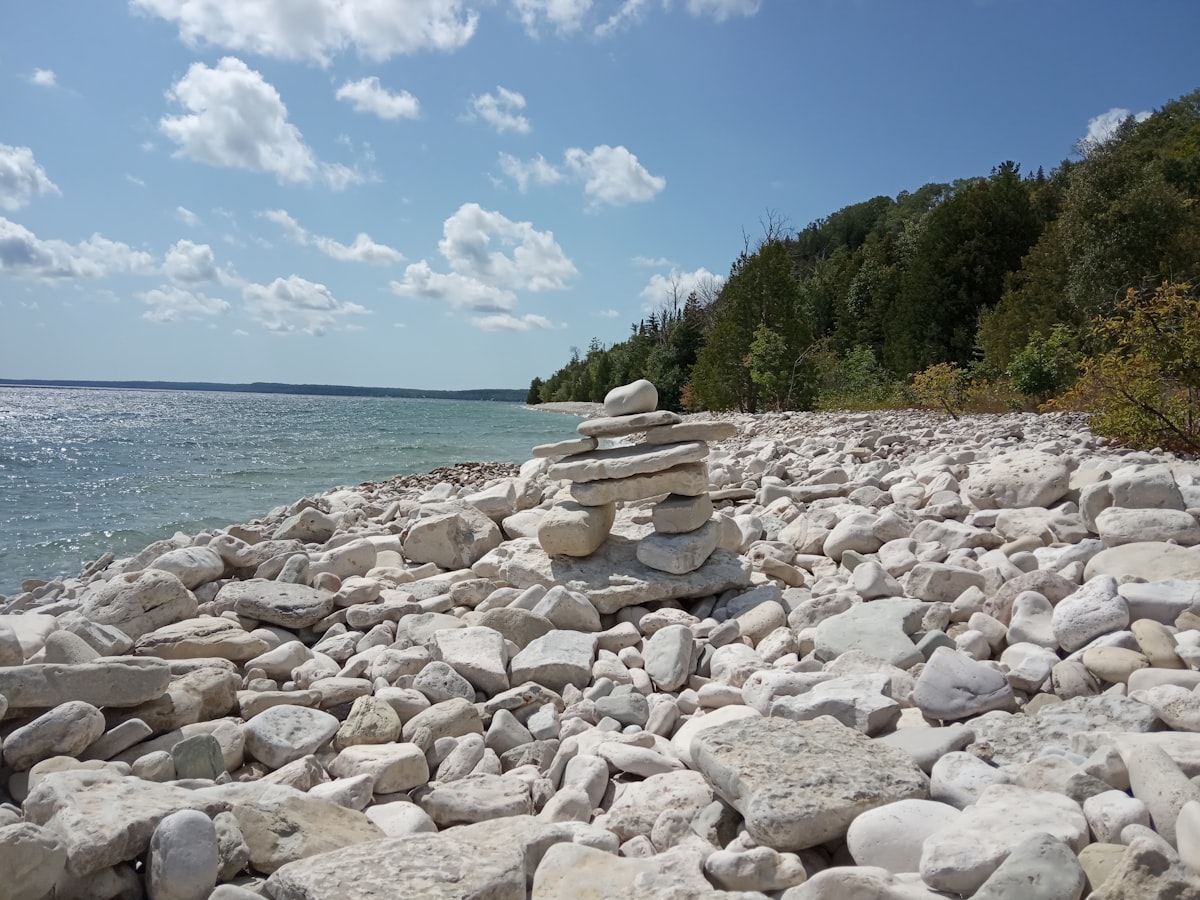

Georgian Bay is the part of Ontario that looks like it was designed by a fishing guide with a geology degree. The eastern shore, from Parry Sound north to Killarney, is 30,000 islands of pink Canadian Shield granite, windswept white pine, and clear water that drops from shoreline shallows to 200-foot depths within a few boat lengths. The rock is ancient, 1.5 billion years old, and the fish that swim over it have been here since the last glaciers retreated 10,000 years ago.
The headline species is smallmouth bass. Georgian Bay smallmouth are the standard by which all other smallmouth fisheries are measured. Fish of 3 to 5 pounds are routine. Trophy fish over 6 pounds are caught every season. The rocky shorelines, boulder fields, and shoals that define the bay are perfect smallmouth habitat, clear water, crayfish in every crevice, and structure so complex that a single rocky point can hold 50 bass.
But Georgian Bay is not a one-species destination. Northern pike patrol the weed beds and shallow bays, with fish over 40 inches a realistic possibility. Lake trout hold in the deep water off the islands and points. Muskie inhabit the southern sections near Midland and Penetanguishene. Walleye are present in the river mouths and deeper reefs. Chinook and coho salmon run the tributaries in fall. It is one of the most diverse freshwater fisheries in North America, set in a landscape that belongs on a postcard.
If you fished Lake of the Woods for walleye and want a completely different Ontario experience, clear-water sight fishing for bass on Canadian Shield rock, Georgian Bay is where you go.
The Geography
Georgian Bay is massive, 190 kilometres long and up to 80 kilometres wide. The fishing character varies dramatically by region.
30,000 Islands (Parry Sound to Killarney): The iconic Georgian Bay landscape. Pink granite islands, some the size of football fields, some barely big enough for a single tree. The channels between islands create current and structure that hold smallmouth, pike, and walleye. The water is clear, visibility of 15 to 30 feet in summer, which makes sight fishing for bass possible and addictive. This is the region that defines Georgian Bay fishing.
Eastern shore (Midland, Penetanguishene): The more developed southern end. Muskie habitat in the weed beds. Walleye on the deeper reefs. Good marina infrastructure and easier access for visiting anglers. Less remote than the 30,000 Islands but still productive.
Open bay: The deep, open water of the main basin holds lake trout at 60 to 150 feet and Chinook/coho salmon seasonally. Trolling with downriggers is the method. This is big-water fishing, Georgian Bay can produce 6-foot waves in a strong northwest wind.
River mouths (French River, Magnetawan, Moon River): Walleye and pike concentrate at river mouths in spring and fall. Chinook and coho salmon run the tributaries in September and October. The French River, a Canadian Heritage River, is a destination in its own right.
Georgian Bay Smallmouth Fishing, Ontario, CanadaWhat You Are Fishing For
Smallmouth bass are the star. Georgian Bay smallmouth average 2 to 4 pounds with fish over 5 pounds caught regularly. The Canadian record smallmouth was caught in Georgian Bay waters. These fish fight like nothing else in freshwater, explosive surface strikes on topwater, screaming drag runs on light tackle, and acrobatic jumps that make you forget you are not saltwater fishing. The clear water allows sight fishing, you see the fish, cast to it, and watch it eat. This is the most engaging freshwater fishing in Ontario.
Northern pike inhabit every weed bed, shallow bay, and creek mouth on the bay. Pike average 24 to 34 inches with fish over 40 inches available. They are aggressive, hit big lures, and provide fast action. Spring (immediately after bass season opens) and fall are the best pike periods.
Lake trout hold in the deep basins and around deep-water points and reefs. They average 3 to 8 pounds with fish over 15 pounds possible. Targeted by trolling or jigging in 60 to 150 feet. Lake trout are a bonus species for most visiting anglers but a primary target for the deep-trolling crowd.
Muskie inhabit the southern sections of Georgian Bay, particularly around the Severn Sound area. Fish of 40 to 50 inches are caught annually. Georgian Bay muskie are less well-known than Lake of the Woods muskies but the fishery is legitimate.
Walleye are present on deeper reefs and in river mouth areas. They are not the primary target on Georgian Bay (that distinction belongs to smallmouth) but provide excellent fishing in spring and fall on the main-lake structure.
Salmon (Chinook and Coho): Run the Georgian Bay tributaries in September and October. The rivers flowing into the bay, Bighead, Beaver, Nottawasaga, and others, attract salmon runs that provide excellent fishing from shore or by wading.
Monster Pike, Muskie, and Smallmouth on Georgian BayWhen to Plan Your Trip
Late June (Bass Opener): The bass season opens the fourth Saturday in June in most of Ontario. Smallmouth are on the spawning beds and shallow structure. The fishing is immediately productive, post-spawn bass are hungry and aggressive. This is when the biggest smallmouth of the year are most catchable.
July and August (Peak Summer): Smallmouth are established on summer structure, rocky points, shoals, and boulder fields at 8 to 20 feet. Topwater fishing is at its best in early morning and late evening. Pike are in the weed beds. Lake trout are deep. The 30,000 Islands are at their most beautiful with full summer foliage and warm (but never hot) weather.
September (Fall Transition): Smallmouth move shallower as the water cools. Pike become more active. Salmon runs begin in the tributaries. September is arguably the best all-around month, the fish are feeding aggressively, the crowds thin, and the fall colours are starting.
October (Late Fall): Lake trout move shallow for the spawn, the best time for trophy lakers from shore or shallow-water jigging. Salmon runs peak in the tributaries. Smallmouth are still active but the weather is unpredictable. Most lodges close by mid-October.
Winter (Ice Fishing): Some sections of Georgian Bay freeze, inner bays and sheltered channels. Lake trout, pike, and perch through the ice. Not as developed an ice fishery as Lake of the Woods but productive for locals.
How to Fish Georgian Bay During Fall, Giants of Georgian BayLodge Options
Island lodges: The quintessential Georgian Bay experience, boat-access-only lodges on private islands in the 30,000 Islands. You arrive by water taxi from Parry Sound or Pointe au Baril and spend a week on an island with a dock, a boat, and nothing else. Housekeeping cabins (bring your own food): CAD $150 to $300/person/night. American Plan (meals included): CAD $250 to $500/person/night.
Mainland lodges and resorts: Along the Highway 400/69 corridor from Barrie to Parry Sound. Easier access, more amenities, and still close to excellent fishing. These range from budget motels with boat rentals to full-service fishing lodges with guides.
Guided charters: Half-day and full-day guided trips out of Parry Sound, Midland, and Collingwood. CAD $500 to $800 for a full day (1-2 anglers). Guides provide the boat, tackle, and local knowledge. Essential for first-time visitors who want to find fish quickly on a lake this large.
Cottage rentals: Georgian Bay has a deep cottage culture. Waterfront cottage rentals with boat access are available through vacation rental platforms. Many have their own docks and boat launches. This is the budget option for groups.
Getting There
By car from Toronto: 2 to 3 hours north on Highway 400 to Barrie, then Highway 400/69 to Parry Sound. The southern shore (Midland, Penetanguishene) is 1.5 hours from Toronto.
By car from Ottawa: 4 to 5 hours west via Highway 17 (Trans-Canada) to the French River area, or south to Parry Sound.
By air: Fly into Toronto Pearson (YYZ) and drive. No commercial airports directly on Georgian Bay. Some island lodges arrange floatplane transfers.
On the water: Georgian Bay is accessible by boat from Lake Huron via the North Channel. The Trent-Severn Waterway connects Georgian Bay to Lake Ontario for boaters.
Weather and Safety
Georgian Bay is open water that demands respect. The northwest fetch across the main basin can build 4- to 6-foot waves in a matter of hours. Weather moves fast, a calm morning can become a whitecap afternoon.
What to bring: Waterproof layers, PFDs for everyone on the boat, a marine VHF radio or satellite communicator, polarized sunglasses (essential for sight fishing), and sunscreen. Georgian Bay summer temperatures range from 20 to 28°C (68 to 82°F) but on the water it feels cooler.
Navigation: The 30,000 Islands are beautiful and disorienting. A GPS chartplotter is essential, do not rely on visual navigation alone. Submerged rocks (Georgian Bay is notorious for them) can destroy a lower unit in seconds. Run at safe speeds and watch your depth sounder.
Fishing Licence
Ontario Outdoors Card + fishing licence required. Non-residents: approximately CAD $75 (conservation, reduced limits) or $150 (sport, full limits) for 8 days. Purchase online through ServiceOntario.
Bass: Season opens fourth Saturday in June. Catch-and-release only before the opener. Sport licence: 6/day. Conservation: 2/day.
Pike: 6/day sport, 2/day conservation. No closed season on most of Georgian Bay.
Lake trout: 2/day sport, 1/day conservation. Various size restrictions by zone.
The 30,000 Islands Experience
The 30,000 Islands region between Parry Sound and Killarney is a UNESCO Biosphere Reserve and one of the largest freshwater archipelagos in the world. Fishing here is unlike any other freshwater experience, you are navigating channels between pink granite islands, casting to rock ledges that drop into clear green water, and running from spot to spot through a maze of islands that looks different from every angle.
What makes it special: The Canadian Shield granite creates structure that smallmouth love, boulder fields, underwater ledges, crevices full of crayfish, and current-swept points where fish stack up. The water clarity means you can see the bottom at 20 feet, which changes how you fish, you are sight fishing, casting to specific fish you can see, not blind-casting to structure and hoping.
Navigation challenge: The islands are beautiful and confusing. GPS is essential. Channels that look passable can dead-end or shallow out over submerged rocks. Local knowledge from a guide or an island lodge owner is invaluable for the first visit. After a few days, you develop a mental map, but the 30,000 Islands reward years of exploration.
The shore lunch: Like Lake of the Woods, Georgian Bay has a shore lunch tradition. Pull up to a flat granite shelf on a windswept island, fillet your catch (pike fillets are the traditional shore lunch fish here), and fry them over a campfire with the bay stretching to the horizon. The pink granite makes a natural kitchen counter. The setting is as good as the food.
Beyond the Fishing
Georgian Bay Islands National Park: Accessible by water taxi from Honey Harbour. Beauchamp Island has camping, hiking, and some of the best snorkeling in Ontario (yes, snorkeling, the water is that clear).
Killarney Provincial Park: At the north end of Georgian Bay. The La Cloche Mountains, white quartzite peaks rising from turquoise lakes, inspired the Group of Seven painters. World-class canoe routes and backcountry camping.
Parry Sound: The main service town on the eastern shore. Bobby Orr's hometown. Restaurants, shops, and the Island Queen cruise boat. A good base for day-trip fishing if you are not staying on an island.
Collingwood and Blue Mountain: The southern shore. Ski resorts in winter become hiking and biking destinations in summer. Good restaurant and craft beer scene. A different vibe from the rugged 30,000 Islands.
Catching BIG Summer Smallmouth After a Thunderstorm, Georgian Bay Finessing Georgian Bay Smallmouth