Fish
Fish Fire
Fire Hike
Hike Bird
Bird

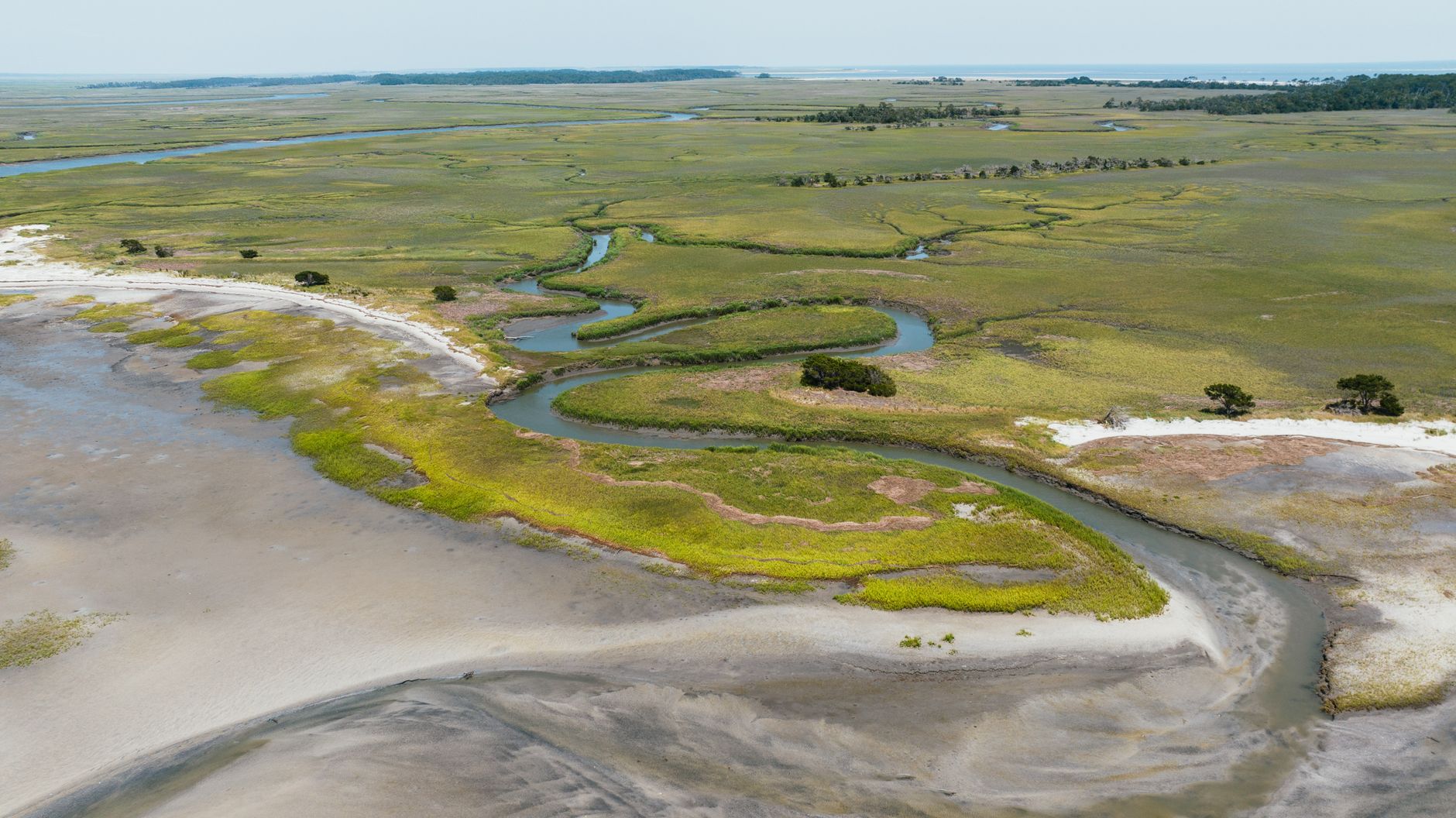

Here is the thing to know before anything else, because it determines your entire day: the Wildlife Loop at Chincoteague is closed to vehicles until 3pm. It opens to cars at three and runs until dusk, and before that it is open to people on foot and on bicycles.
A great many visitors discover this at ten in the morning, sitting at a closed gate, having driven a long way. Once you understand it, though, it is one of the better rules on the refuge system, because it hands the best birding route on the site to walkers and cyclists for the entire morning.
Working with the rule instead of against it
The loop runs around Snow Goose Pool and the surrounding impoundments, and it is the heart of the refuge's freshwater and brackish birding.
Walk or cycle it in the morning, which is the correct way to bird it: you are quiet, you can stop anywhere, and you have the impoundments in the best light with no traffic. A bicycle is the ideal tool here, because it covers the distance without noise, lets you carry a scope, and the refuge is flat. Then drive it after 3pm if you want to work the same water in the afternoon light, or if walking is not an option for you, since the car makes a good hide and the birds are used to it. Or do both, which is what the people who know the site tend to do.
Fees, hours and the seasonal shuffle
Entry starts at $10.00 for a daily pass, and here is the detail worth having: entrance is free for visitors hiking or biking into the refuge. That is an unusual provision and it stacks neatly with the morning loop rule, because if you cycle in and cycle the loop you have had the best of the refuge for nothing. A Federal Duck Stamp or an America the Beautiful pass also covers entry, as at fee-charging refuges generally, though neither covers the separate beach parking permit.
Hours change four times a year, which catches people out:
-
May to September: 5:00am to 10:00pm daily.
-
October: 6:00am to 8:00pm.
-
November to mid-March: 6:00am to 6:00pm.
-
Mid-March to April: 6:00am to 8:00pm.
The Wildlife Loop runs 3:00pm to dusk daily, year-round, and the visitor center is open 9:00am to 4:00pm daily except selected holidays.
Note what those winter hours mean in practice. From November to mid-March the refuge closes at six, which in December is well after dark, but the 6:00am opening means you cannot be in position before first light on a summer morning the way you can in May.
The Chincoteague Wildlife Loop DriveThe habitats, and what each produces
The refuge occupies the Virginia end of Assateague Island, a barrier island shared with Maryland, and it holds about fifteen miles of hiking trails across several distinct habitats.
The impoundments are the managed freshwater and brackish pools around the Wildlife Loop, holding waterfowl in winter, waders and shorebirds through migration, and the best concentration of birds on the refuge. The salt marsh on the bay side holds rails, herons, egrets, Seaside and Saltmarsh Sparrow, and the Chincoteague ponies grazing. The beach and dunes give you the ocean side, with terns, gulls, shorebirds on the wrack line and seabirds offshore in the right conditions. The maritime forest of loblolly pine holds migrant passerines in season plus Brown-headed Nuthatch and the local woodland set. And the mudflats at the right tide are where the shorebird numbers are.
The refuge and the seashore are different things
This confuses people constantly and it is worth ten seconds of clarity. Assateague Island runs from Maryland into Virginia. The Maryland end is Assateague Island National Seashore, run by the National Park Service, with camping, a different fee structure and different rules. The Virginia end is Chincoteague National Wildlife Refuge, run by the US Fish and Wildlife Service, with no camping and the rules described here.
They are on the same island, they are not the same place, and you cannot drive between them, because there is no through road along the island and reaching one from the other means a substantial drive around by the mainland.
The pony herds are separate too. The Maryland herd is feral and managed by the Park Service, while the Virginia herd is owned by the Chincoteague Volunteer Fire Company and grazed on the refuge under permit rather than being wild, which is why the annual pony swim and auction exists at all.
For a birder the practical consequence is simple: decide which end you are visiting before you set the satnav, and do not assume a rule from one applies to the other.
The impoundments are managed, and that is the point
This explains why the shorebirding here is so much better than on a comparable stretch of natural marsh. The pools behind the Wildlife Loop are actively managed water, with refuge staff raising and lowering levels deliberately through the year using water control structures, to produce specific habitat at specific times.
The cycle in outline runs flooded deep in winter for waterfowl, then drawn down gradually through spring and summer to expose mudflat and concentrate invertebrates exactly when southbound shorebirds arrive, then reflooded in autumn ahead of the waterfowl return. That is why a managed refuge impoundment can hold more shorebirds than miles of adjacent natural coastline. Somebody decided, months earlier, that there should be two inches of water and exposed mud in that pool in August.
Two practical consequences follow. The best pool changes through the season, so work all of them rather than assuming last month's spot. And the drawdown schedule is the reason late July to October is so good here, rather than it being an accident of migration timing.
The gear
Chincoteague has one rule that shapes everything else: the Wildlife Loop is closed to vehicles until three in the afternoon. The gear list is built around working with that rather than around it.
A bicycle, which is the single best piece of equipment for this refuge. The loop is open to bicycles and pedestrians all day, it is flat and paved, and riding it at seven in the morning gives you the impoundments at their best hours with no traffic. Renting one on the island is easy and cheap.
A spotting scope you can carry, which is a different specification from one you can drive to. If you are cycling the loop, a compact scope and a light tripod beat a heavy setup you leave in the car.
A tide table, because the mudflats and the beach both run on it and a high tide loop is a much quieter loop.
Insect repellent, taken seriously. The salt marsh mosquitoes and greenhead flies here are a genuine constraint from June through August rather than a nuisance.
Sun protection, since the loop is entirely exposed.
The refuge phone number, because the entrance fee, the hours and the beach access all shift seasonally and the parking lot fills.
And waterproof footwear for the trails behind the impoundments, which stay wet.
Timing
Late July through October is the shorebird show and it is exceptional, with southbound migration on the mid-Atlantic coast meeting impoundments managed to produce feeding habitat. November through February brings the waterfowl: Snow Geese in large numbers, Brant on the bay and a long list of ducks, which is what Snow Goose Pool is named for. April and May give northbound shorebirds, breeding waders and passerine migration in the pines. And summer is hot and busy with beach visitors, but good for breeding terns, skimmers and marsh birds early in the day.
If you want one visit, come in September, when the shorebirds are at their best, the beach crowds have thinned and the weather is still workable.
Snowy Owl Sighting at Chincoteague National Wildlife RefugeThe beach, and the nesting closures
Most birders spend their time on the impoundments, and the beach is worth its own hour. The wrack line is where shorebirds feed on an outgoing tide, with Sanderling, Ruddy Turnstone, Black-bellied Plover and dowitchers working it, and it is the best place on the refuge for close views of birds that are distant elsewhere. The surf line holds Northern Gannet offshore in winter, sometimes in impressive numbers and occasionally close in, plus scoters, loons and Red-throated Loon. The overwash flats and tidal pools behind the primary dune are where American Oystercatcher, Willet and terns concentrate. In winter the dune grass holds Snow Bunting and, in some years, Lapland Longspur and Horned Lark, and it is also the best shot at Snowy Owl in an irruption year. Storms are productive too, since a north-east blow in autumn can push seabirds close enough to identify from the sand, which is otherwise a boat trip.
Piping Plover nest on this coast, and sections of beach close during the nesting season to protect them. The closures are real, they are enforced, and they are the reason there are still plovers here, typically covering the areas of open sand above the tide line where the birds nest, which is also where people want to walk. Current boundaries change year to year with where the birds settle, so call the refuge on 757-336-6122 for the current position rather than relying on a map from a previous season. The same beach may also carry restrictions for Least Tern and American Oystercatcher.
So walk below the high tide line where the closures allow it, keep off the dry sand where plovers nest, and do not cut through the dunes.
The rest of the Eastern Shore
Chincoteague is the headline site on the Virginia Eastern Shore and it is not the only one. Kiptopeke State Park at the southern tip hosts a long-running hawk watch and a banding station, and the tip of the peninsula concentrates southbound migrants in autumn the way a headland concentrates them anywhere. Eastern Shore of Virginia National Wildlife Refuge, also at the tip, is the companion site and a real migrant trap. Wachapreague and the seaside creeks give salt marsh and shorebird roosts at the right tides, and Saxis Wildlife Management Area on the bay side is quieter, marshier and holds rails.
The autumn pattern on this peninsula is one of the best on the east coast, with land birds funneling south down a narrowing peninsula and piling up at the tip rather than crossing the mouth of the Chesapeake. If you are coming for a few days in September or October, Chincoteague and the southern tip are two halves of one trip.
A day that works
Arrive at opening. Leave the car, or better, arrive on a bike and pay nothing. Cycle the Wildlife Loop slowly with the morning light on the impoundments, work the marsh edges, then walk out to the beach and check the wrack line and the flats at the right tide. Eat something. Come back and drive the loop after three, when the light has come round.
Check the plover closures before you set off along the sand, because the one thing you can do here that matters is not walk into a nesting area. The signs move between seasons and are not posted at every access point, so the boundary you remember from last September may not be where it is now.
If you have a second day, spend the dawn on the salt marsh side instead. The impoundments get all the attention, but the marsh at first light in autumn is where the rails call, the Seaside and Saltmarsh Sparrows work the wrack, and the light comes across the grass rather than into your eyes.
Chincoteague is a good example of a site where the birding question and the access question are the same question in several layers at once: a time-of-day restriction on one route, a fee that does not apply if you arrive under your own power, seasonal hours that change four times a year, nesting closures that move annually, and a refuge boundary meeting a national seashore, a state line, a town and a beach people also use for swimming. Guidepole Bird carries the access status and management layer, so what is open, to whom and at what hour reads as part of the map rather than as a sign you find when you get there.
For the wider skill, shorebirding is a tide problem covers the timing that governs the flats, and nesting closures explained covers why the beach shuts in spring.
The tide logic that governs the flats here is the same one described in shorebirds and tides, and the beach closures that fence off the nesting season are in nesting and seasonal closures explained. Why the refuge and the neighboring national seashore behave so differently is in a wildlife refuge is not a park. The impoundment management that makes this place productive works the same way at the Klamath Basin refuges, and trip planning is in reading eBird hotspots.
One more thing worth knowing about the ponies, since everybody asks. They are not wildlife in the ordinary sense: the Virginia herd is owned by the Chincoteague Volunteer Fire Company and grazed on the refuge under a special use permit, which is why their numbers are capped and why the annual swim exists. They are also hard on the marsh, which is the quiet tension underneath a very popular tradition.