Fish
Fish Fire
Fire Hike
Hike Bird
Bird

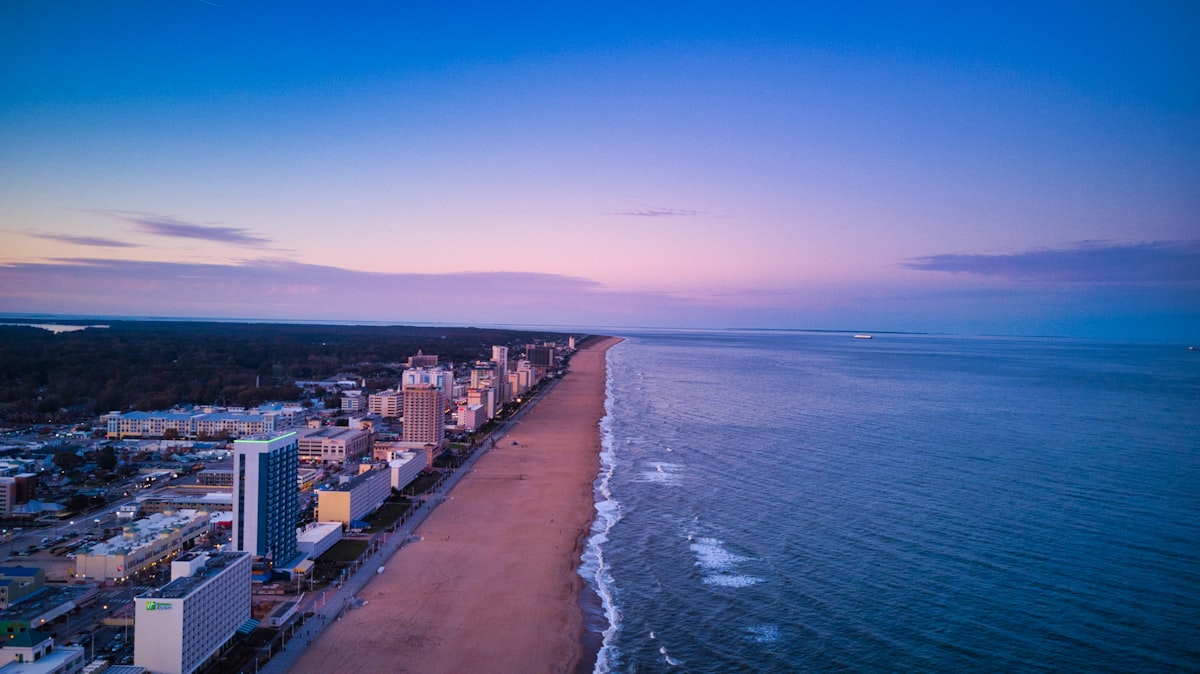

Virginia Beach sits at the mouth of the Chesapeake Bay, where the Bay's brackish water meets the open Atlantic Ocean. It's a geographical oddity that creates one of the most diverse fisheries on the East Coast, the Chesapeake Bay to the west holds its own species and techniques, while the Atlantic coastline and the offshore waters to the east access a completely different set of fish.
The Chesapeake Bay Bridge-Tunnel, a 17.6-mile engineering marvel that connects Virginia Beach to the Eastern Shore, is itself one of the most productive fishing structures on the East Coast. And Rudee Inlet, the small pass connecting the Atlantic to a sheltered harbor, is the launching point for the offshore fleet.
The Bay Side, Chesapeake Bay Bridge-Tunnel
The CBBT is the signature fishing structure in Virginia Beach. Its four artificial islands, bridge pilings, and rock islands create miles of reef habitat in the middle of the lower Chesapeake Bay. Everything from flounder to cobia to red drum holds along this structure.
Red drum are the Bay Side's flagship species. Big drum, 40 to 55 inches, school around the bridge-tunnel islands and in the shallow flats of the lower Bay from late summer through fall. The sight of a school of 50-pound red drum pushing a wake through the Bay's shallow water is a Virginia Beach experience that rivals anything in the Carolinas.
Cobia migrate into the lower Bay from June through September, cruising the surface near buoys, rays, and the CBBT structure. Sight-casting to cobia is the premium Bay-side experience, spotting the brown shape from the bow, making a 50-foot cast with a live eel or jig, and holding on when a 50-pound fish eats. Virginia Beach is one of the best cobia fisheries on the East Coast.
Flounder hold along the CBBT pilings, around the rock islands, and in the channels of Lynnhaven Inlet. They're the most popular bottom fish in Virginia Beach, jigging with strip bait along the structure produces fish reliably from April through October.
Striped bass run the Bay from spring through early winter, with trophy fish stacking around the CBBT in the colder months.
The Ocean Side, Rudee Inlet and the Offshore
Rudee Inlet is the gateway to the Atlantic. The offshore fleet launches from the inlet and runs to the near-shore reefs, wrecks, and the deep-water canyons beyond.
Nearshore trips target black sea bass, tautog (blackfish), triggerfish, and spadefish around the Chesapeake Light Tower, a steel structure 14 miles from shore that's been an artificial reef since its decommissioning. It holds an extraordinary diversity of species and fishes year-round.
Offshore trips run to the warm eddies and canyon edges 50 to 80 miles out for yellowfin tuna, bigeye tuna, mahi-mahi, wahoo, and blue marlin and white marlin. The Norfolk Canyon and Washington Canyon are the primary deep-water targets.
King mackerel run the nearshore water from late spring through fall. Spanish mackerel show up in summer by the millions, they're the most accessible offshore species and can be caught from small boats close to the beach.
The Inshore, Lynnhaven Inlet and the Back Bay
Beyond the major structures, Virginia Beach's inshore waterways hold consistent fishing.
Lynnhaven Inlet and its surrounding creeks and flats are productive year-round for flounder, speckled trout, stripers, and puppy drum. The oyster bars in the inlet hold sheepshead in the warmer months, they eat fiddler crabs off the shells and are excellent table fare.
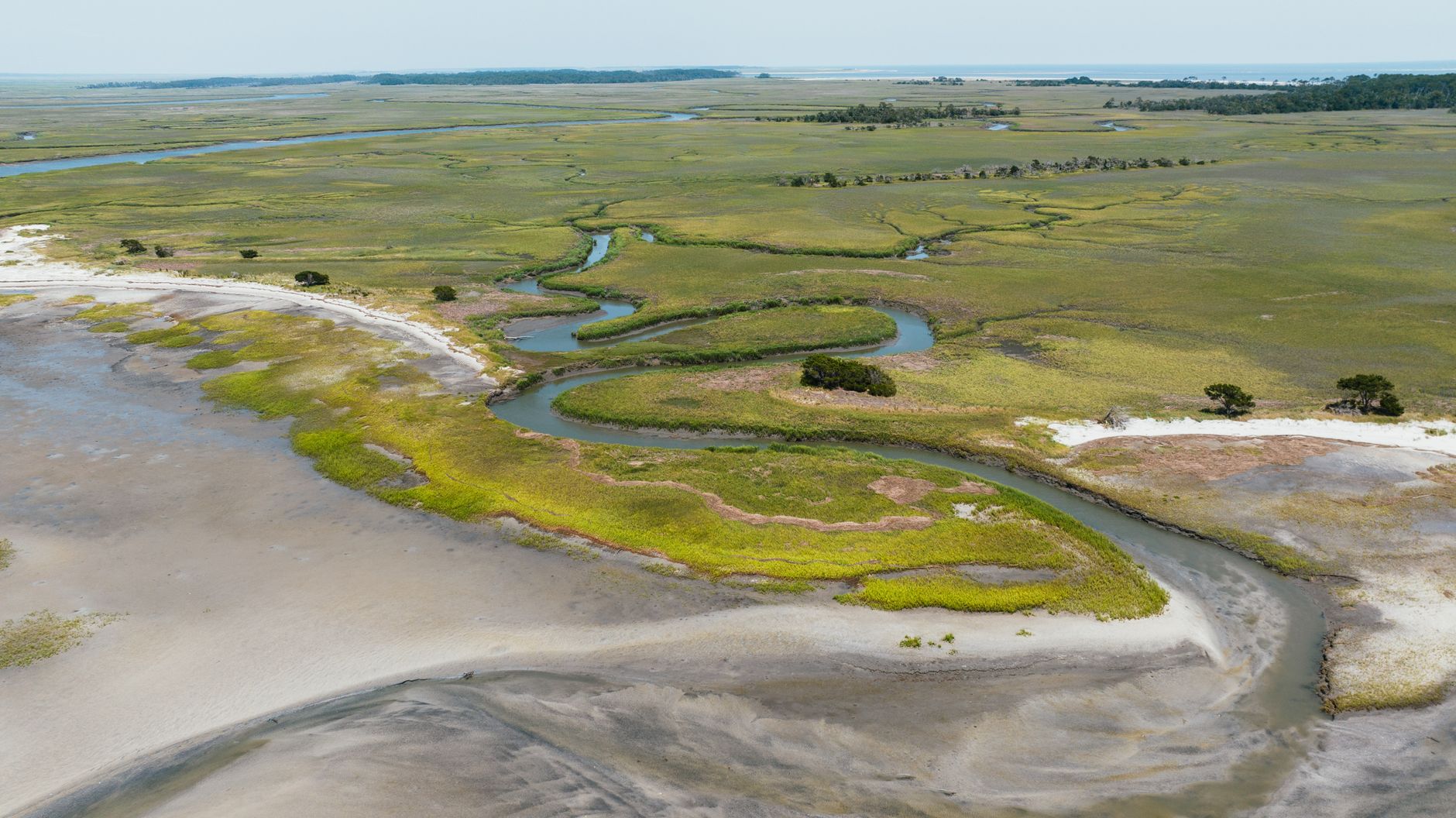
Back Bay and False Cape along the southern boundary of Virginia Beach offer sheltered water with redfish, speckled trout, and largemouth bass, a brackish-to-fresh transition that provides unusual species diversity.
Surf and Pier Fishing
Virginia Beach has miles of accessible beach and several fishing piers. Red drum in the surf are the fall highlight, September through November, big drum cruise the beachfront, and shore anglers cast cut bait into the slough to reach them.
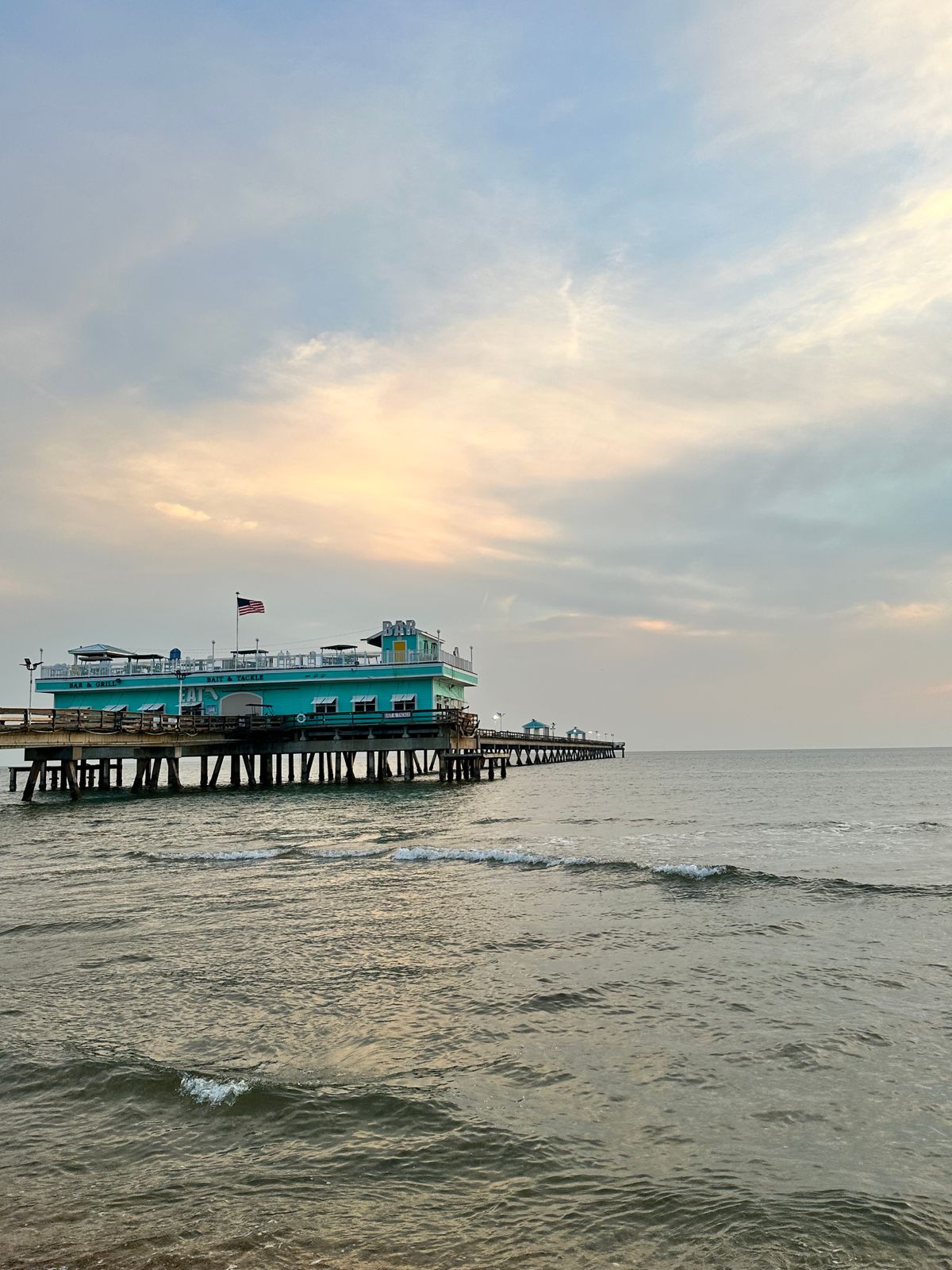
The Virginia Beach Fishing Pier and Sandbridge Pier put anglers over water deep enough to catch Spanish mackerel, pompano, bluefish, and the occasional cobia without a boat.
When to Go
- April–May: Flounder on the CBBT, spring stripers, tautog on the reefs
- June–August: Peak cobia sight-fishing, red drum building, offshore tuna and marlin
- September–November: Big red drum in the Bay and surf, fall tuna offshore, the best overall season
- December–March: Trophy stripers around the CBBT, tautog, winter bluefin tuna