Fish
Fish Fire
Fire Hike
Hike Bird
Bird

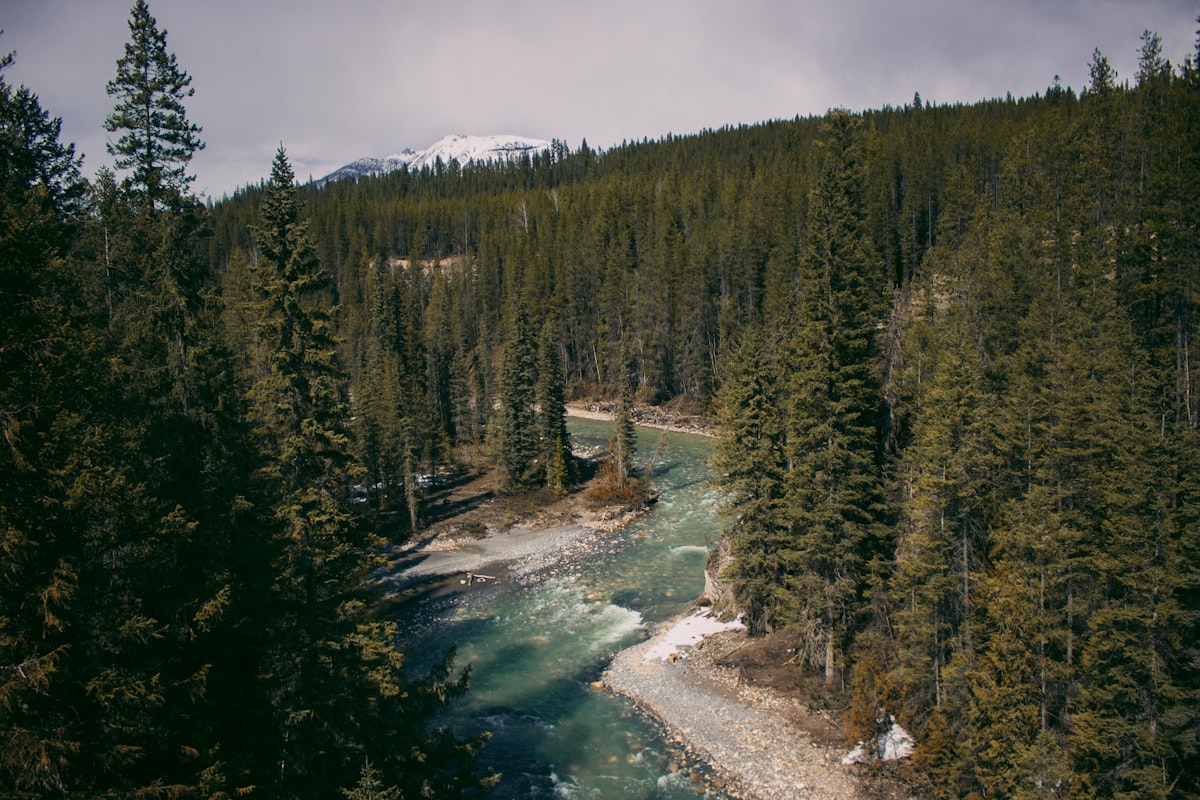
The Ram River is one of Alberta's great foothills secrets, a crystalline freestone river tumbling out of the Rocky Mountain Eastern Slopes toward the North Saskatchewan, full of eager native westslope cutthroat trout that will crush a dry fly all day long. On a good summer day an angler can land dozens of beautiful cutthroat, sight-fish rising trout in gin-clear canyon pools, and share the water with almost no one. It is not, however, easy fishing: the Ram runs through steep canyons and rugged backcountry that demand fitness, self-reliance, and respect for the wild country (and the grizzlies) around you. This guide covers the species, the rules that protect them, and how a fly angler tackles this remarkable Alberta river.
For the wider picture, the region, the outfitters, and trip planning, read our complete Ram River fishing guide. For more Alberta trout, see how to fish the Bow River in Calgary and the Crowsnest River.
First: Your Alberta Licence and the Rules That Matter
Anyone fishing in Alberta needs an Alberta Sportfishing Licence, which requires a free WIN (Wildlife Identification Number) card; both are available online at the Alberta Relm/AlbertaRelm portal and at licence vendors. But on the Ram, the regulations matter more than almost anywhere, because two of its signature fish are protected:
- Bull trout, Alberta's threatened native char, have a zero possession limit (catch-and-release only) across the Eastern Slopes. Killing one, even accidentally, is a serious offence.
- Westslope cutthroat trout, also a native species of conservation concern, are managed as catch-and-release across most Eastern Slopes streams. The Ram's incredible cutthroat fishing exists because of these rules.
- Alberta's guide is explicit: if you cannot identify a fish (bull trout, cutthroat, or brook trout), release it immediately while it's still in the water.
Eastern Slopes streams also have a spring closure to protect spawning fish, most open around mid-June and run through October 31, and bait bans and other restrictions apply. Regulations change yearly and vary by exact reach, so read the current Alberta Guide to Sportfishing Regulations for the Ram before you fish.
What You'll Catch
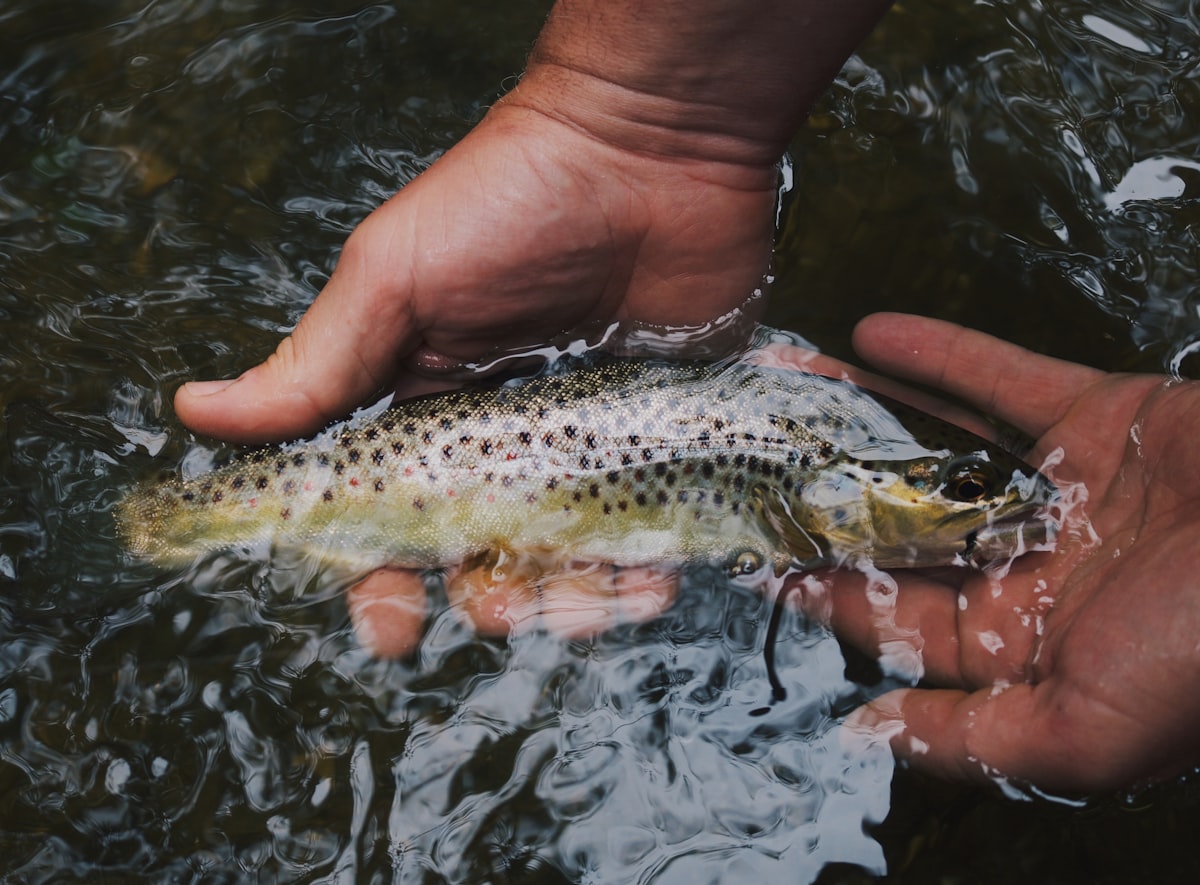
- Westslope cutthroat trout, the star: a gorgeous, gold-and-crimson native that rises freely to dry flies, common to 12–16 inches and reaching 20-plus. Catch rates of several fish per hour, even 100-fish days, are real here.
- Bull trout, the big native char and apex predator of the system, catch-and-release only, hooked on streamers and by cutthroat that get eaten on the way in.
- Rainbow trout, present in parts of the drainage.
- Mountain whitefish, abundant, underrated, and a blast on light nymph rigs when the trout go quiet.
- Brook trout, found in some tributaries and headwaters.
Westslope Cutthroat: The Main Event
The Ram is, above all, a dry-fly cutthroat river, and that's what makes it so beloved. Westslope cutthroat are opportunistic surface feeders that hold in the classic freestone lies, the seams beside fast water, the tails of pools, the pockets behind boulders, and the deep green canyon runs, and they rise eagerly to a well-drifted attractor dry. Fish a buoyant, visible pattern like a Stimulator, a Royal Wulff, an Elk Hair Caddis, or a foam hopper, and add a small bead-head nymph dropper (a Pheasant Tail or Copper John) below it to pick up fish that won't commit to the surface. Cover water, make short accurate casts, and get a drag-free drift, cutthroat are forgiving of fly choice but they will refuse a fly that drags unnaturally across the current.
In late summer and fall, the fishing gets even better: low, clear water lets you sight-fish, spotting individual cutthroat holding in the canyon pools and casting to specific fish. Watching a golden cutthroat rise slowly and confidently to sip your dry in clear mountain water is the whole reason to make the trip.
Fly Fishing Alberta's Ram River Canyon for Cutthroat Trout - Multiple Fly Fishing TacticsBull Trout: The Native Apex Predator
The Ram's bull trout are a special, protected fish, Alberta's official fish and a threatened native char that has vanished from much of its former range. They're apex predators that eat other fish, so you'll sometimes hook one on a big streamer (a sculpin or a large woolly bugger swung through deep runs and pool heads), or watch a big bull trout chase a cutthroat you're reeling in. Every bull trout is catch-and-release, no exceptions, handle it with extreme care, keep it in the water, and release it quickly. Catching one is a genuine privilege and a sign of a healthy river; treat it accordingly. Learn to tell a bull trout ("no black, put it back", bull trout have no black spots on the dorsal fin) from a brook trout, because misidentifying and keeping one is illegal and damaging.
Sight-Fishing Fall Cutthroat Trout on Alberta's Ram RiverWhitefish, Rainbows, and the Supporting Cast
When the cutthroat aren't looking up, the Ram's mountain whitefish save the day. Abundant and willing, they hold in the deeper runs and pools and take a nymph readily, drift a Pheasant Tail, a Prince Nymph, or a San Juan Worm under an indicator and you'll stay busy. They're an underrated sport fish, fun on a light rod and a good way to teach a beginner to detect a subtle take. Rainbow trout turn up in parts of the drainage, and headwater tributaries hold small, jewel-like brook trout. The variety means there's almost always something biting on the Ram.
The North Ram, the South Ram, and Ram Falls
The Ram is really a system of forks. The North Ram and South Ram rivers each offer excellent cutthroat water with their own character, joining the main Ram as it carves toward the North Saskatchewan. The centerpiece is Ram Falls, a dramatic double waterfall in Ram Falls Provincial Park, a fine base with a campground and the classic view of the canyon. Access is via the Forestry Trunk Road (Highway 734) and its branches, and much of the best water requires a hike down into steep canyon sections, this is rugged country where a wrong step on wet rock has consequences. Come fit, wear good wading boots with grip, and don't fish beyond your ability to climb back out. The effort is exactly why the fishing stays so good.
Reading the Water and Timing the Runoff
Like all Rocky Mountain freestones, the Ram is ruled by snowmelt runoff. From spring into early June the river runs high, cold, and off-color, and it's closed anyway to protect spawning fish. As runoff drops and the water clears (usually by late June into July), the river turns on and stays excellent through fall. Watch the flows: a river that's blown out from a summer thunderstorm will be tough, while low clear water makes for the best sight-fishing but spookier fish. Fish the seams and pockets in faster summer flows; hunt the pools and pockets carefully in low fall water. And always check current flow conditions before making the long drive out to the canyon.
When to Go
- Late June: The river opens (after the spring spawning closure) and drops into shape as runoff clears, hungry post-spawn cutthroat and fresh, cold water.
- July–August: Peak dry-fly season. Attractor dries, hoppers, and dry-dropper rigs draw cutthroat all day; long summer light and stable flows. The classic time to fish the Ram.
- September–October: The connoisseur's window, low, clear water for sight-fishing, aggressive pre-winter cutthroat, golden aspens and larch, and cool, quiet canyons. A beautiful finish before the season closes October 31.
- Winter–spring: Closed to protect spawning fish (roughly November through mid-June).
Gear: What to Bring
- Fly rod: A 9-foot 5-weight is the ideal all-around Ram rod, enough to fight a strong cutthroat or an unexpected bull trout, delicate enough to present a dry fly.
- Flies: Attractor dries (Stimulator, Royal Wulff, Elk Hair Caddis, foam hoppers), bead-head nymphs (Pheasant Tail, Copper John, Prince Nymph) for droppers and whitefish, and a few streamers (sculpin, woolly bugger) for bull trout.
- Wading: Sturdy wading boots with excellent grip (rubber soles, and consider studs for slick canyon rock), breathable waders or wet-wading gear for warm days, and a wading staff for the rough water.
- Backcountry kit: Bear spray (non-negotiable, this is grizzly country), a first-aid kit, layers and rain gear, plenty of water and food, a map/GPS, and polarized sunglasses for spotting fish and safe footing.
Bears and Backcountry Safety
Fishing the Ram means fishing in grizzly and black bear country, often alone in a canyon far from help. Carry bear spray where you can reach it instantly and know how to use it, make noise as you move (especially near loud water where a bear can't hear you), never leave food or fish where a bear can get it, and stay alert. The remoteness is also a safety factor in itself: cell service is spotty to nonexistent, the canyon terrain is unforgiving, and weather turns fast. Tell someone your plan, don't push into water you can't safely exit, and treat the backcountry with the seriousness it deserves. Fished sensibly, the Ram's wildness is its greatest gift.
A First Trip to the Ram: How to Start
If the Ram is new to you, plan your first trip to stack the odds and stay safe. Go in July or August, after the runoff has cleared and before the fish get too spooky, and pick a stretch with reasonable access off the Forestry Trunk Road rather than dropping straight into the most rugged canyon. Keep the fly selection dead simple: a dry-dropper (a big visible attractor dry with a small bead-head nymph hung a couple of feet below) will catch cutthroat and whitefish and tell you where the fish are, all without demanding a perfect cast. Focus on the obvious lies, the foam lines, the pockets behind rocks, the soft water at the tails of pools, and cover water rather than flogging one spot. Fish with a partner, both for safety in the canyon and for bear awareness. And if you can swing it, hire a local guide for your first day: someone who knows the access, the safe routes in and out, and how to read the specific water will turn a potentially frustrating (and physically demanding) day into a revelation. Once you've learned the river's rhythm, the Ram becomes the kind of place you return to for a lifetime.
Camping and Making a Weekend of It
The Ram rewards a slower, immersive visit, and the natural way to do it is to camp. Ram Falls Provincial Park has a campground right by the spectacular falls and canyon, making an ideal base for a multi-day fishing trip, you can fish the evening rise, sleep to the sound of the river, and be back on the water at first light without a long drive. There's also dispersed backcountry camping along the Forestry Trunk Road corridor for the more self-sufficient. Come prepared for genuine wilderness: pack in your own water or a filter, store food securely in a bear-proof manner, bring layers for cold mountain nights (frost is possible even in summer), and leave no trace. Beyond the fishing, the area offers hiking, wildlife watching, and some of the darkest night skies in Alberta. Turning a Ram River trip into a weekend of camping, hiking, and fishing is how the locals do it, and it transforms a long drive into a proper Rocky Mountain adventure.
Nearby Waters Worth Knowing
The Ram sits in a rich corner of Alberta's Eastern Slopes, so if you make the drive it's worth knowing the neighbors. The Clearwater River to the south offers similar westslope cutthroat and bull trout fishing in comparable canyon-and-foothills country, and the mighty North Saskatchewan River, which the Ram feeds, holds its own mountain whitefish, walleye, and trout downstream. Many anglers build a multi-river foothills trip, chasing cutthroat on the Ram and Clearwater and sampling the bigger water of the North Saskatchewan. All of it shares the same catch-and-release ethic for native trout, the same runoff timing, and the same wild, grizzly-country character, so the skills and the gear you bring for the Ram travel well across the region.
A Word on Conservation
The Ram's spectacular cutthroat fishing is a direct product of protective management, and every angler has a role in keeping it that way. Release every bull trout and westslope cutthroat with care: fish barbless, keep them wet, handle them minimally with wet hands, and revive them fully, these native fish are species of concern, not renewable groceries. Know your fish before you act, and when in doubt, release. Clean, drain, and dry your waders and gear between waters to stop the spread of whirling disease and didymo (rock snot), which threaten Alberta's rivers. Pack out everything, tread lightly in the fragile canyon, and respect the wildlife. Fish the Ram with restraint and it will keep giving 100-fish days to the anglers who come after you.