Fish
Fish Fire
Fire Hike
Hike Bird
Bird

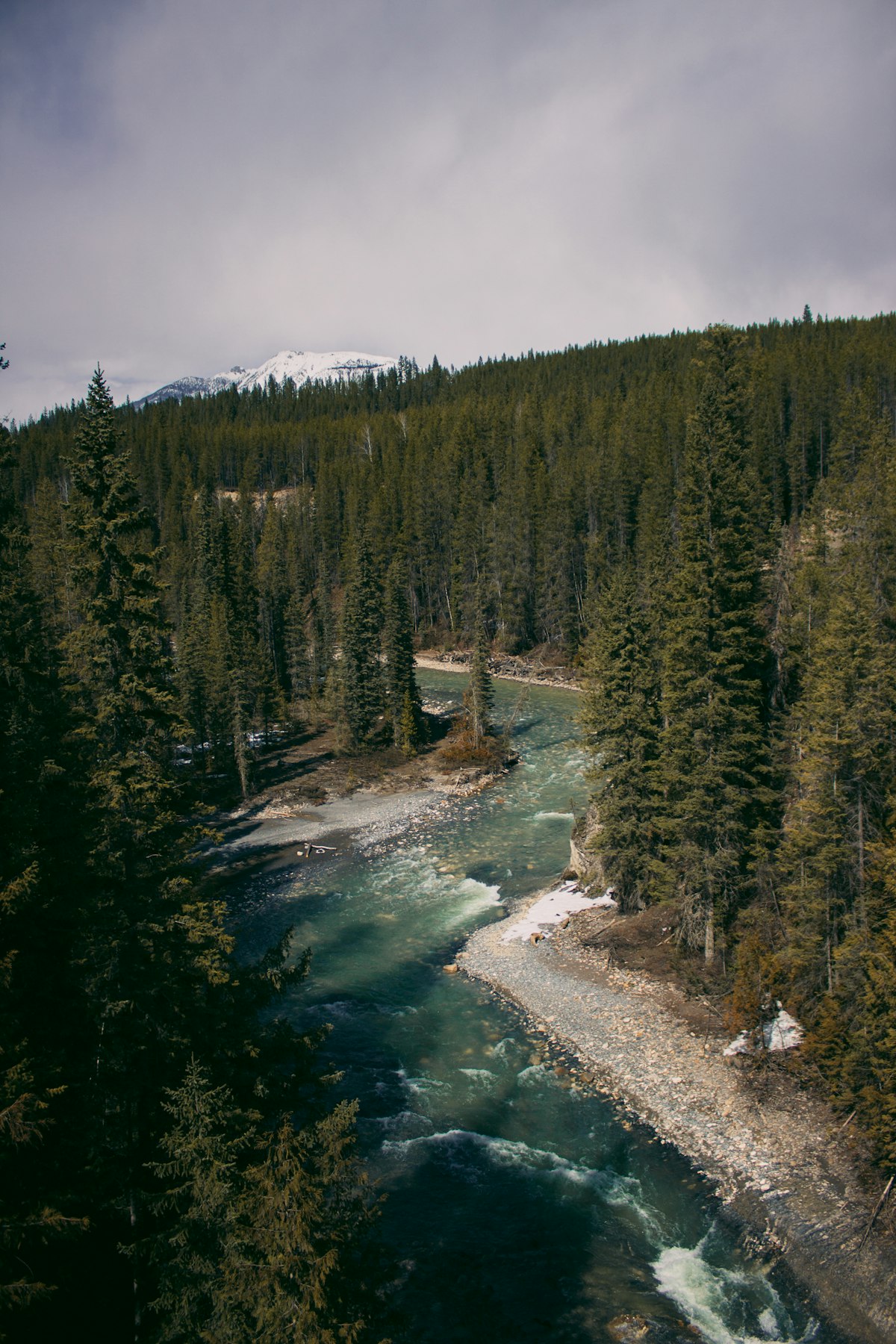

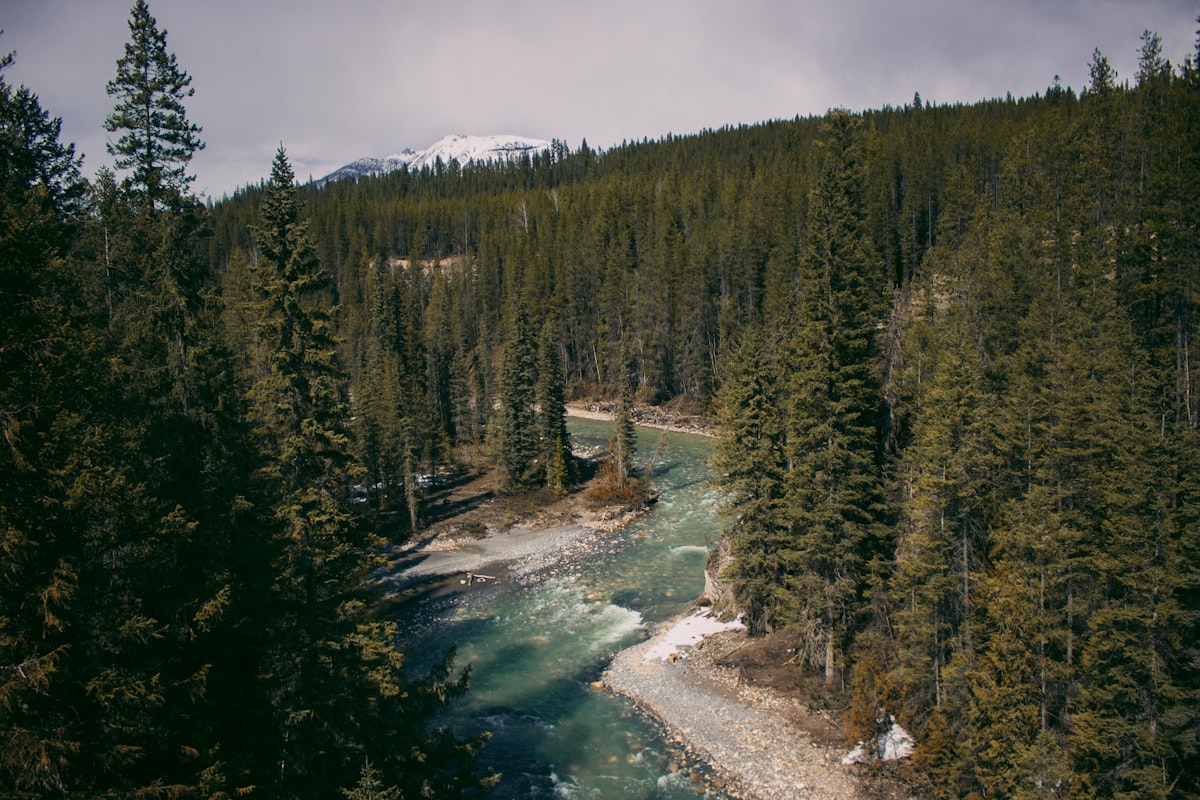
The Crowsnest River is southern Alberta's dry-fly jewel, a clear, hatch-rich freestone tumbling out of the Crowsnest Pass and running east along Highway 3 toward the Oldman River. Unlike the rugged backcountry cutthroat streams elsewhere in the Alberta Rockies, the Crow is accessible, wadeable, and forgiving: it averages only about fifty feet wide, follows the highway, and has dry-fly water at almost every bend. It's also blessed with some of the finest and most reliable hatches on the continent, from spring salmonflies to fall Blue-Winged Olives, which means the fish look up all season. Wild rainbows and browns to twenty inches, easy access, and constant surface action make the Crowsnest one of the best places anywhere to learn, and to master, the art of the dry fly. This guide covers the hatches, the fish, the sections, and the rules.
For the wider picture, the region, the outfitters, and trip planning, read our complete Crowsnest River fishing guide. For more Alberta trout, see how to fish the Ram River and the Bow River in Calgary.
First: Your Alberta Licence and the Rules
Anyone fishing in Alberta needs an Alberta Sportfishing Licence, which requires a free WIN (Wildlife Identification Number) card; both are available online through the AlbertaRelm portal and at licence vendors across the province. A few Crowsnest-specific rules matter:
- Bull trout are catch-and-release only (zero limit) in all Alberta waters, they're a threatened native species.
- Westslope cutthroat trout are also protected as a species of concern, managed catch-and-release on most Eastern Slopes streams.
- The mainstem has defined open seasons (generally June 16 to October 31, with a spring closure to protect spawning fish), plus bait bans and other restrictions on many reaches.
- If you can't tell a bull trout from a brook trout, release it, Alberta's rule is explicit.
Regulations differ by reach and change yearly, so always check the current Alberta Guide to Sportfishing Regulations for the exact section of the Crowsnest you'll fish.
What You'll Catch
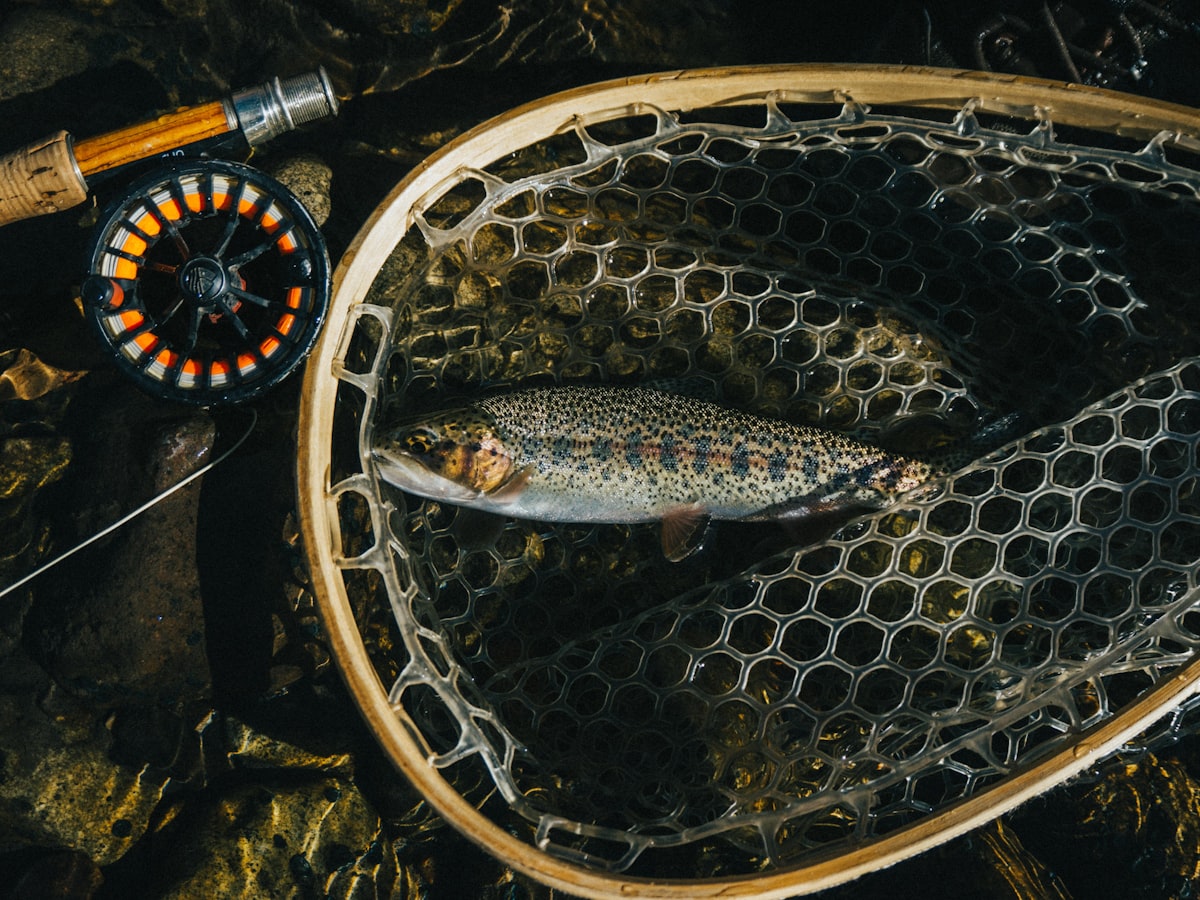
- Rainbow trout, the main draw: wild, hard-fighting fish found throughout the river, averaging 10–16 inches, with 20-inch-plus fish more common in the lower reaches toward the Oldman Reservoir.
- Brown trout, bigger and wilier, especially good in the lower river and in fall.
- Westslope cutthroat and cuttbows, native cutthroat and their rainbow hybrids, catch-and-release.
- Brook trout, colorful and eager in some stretches and tributaries.
- Bull trout, the native apex predator, catch-and-release only.
- Mountain whitefish, abundant and underrated, a reliable bend-in-the-rod when the trout go quiet.
A River of Hatches: The Heart of the Crow
More than almost any river, the Crowsnest is defined by its hatches, the parade of aquatic insects that brings its trout to the surface, day after day, all season long. Matching those hatches is the whole game, and it's why the Crow is such a beloved dry-fly river.
The headliners are the stoneflies of spring and early summer: salmonflies and golden stones, big meaty bugs that draw the river's biggest trout to the top for a few glorious weeks. But the Crow's real gift is its relentless procession of mayflies, Blue-Winged Olives, Pale Morning Duns, Green Drakes, March Browns, Pseudos, and Tricos, layered with caddis, midges, and terrestrials (hoppers, ants, beetles) through summer and fall. Something is almost always hatching, and the fish are almost always willing to eat off the top. Carry a well-rounded dry-fly box, learn to spot which bug is on the water, and match it in size and silhouette; the Crowsnest rewards observation more than any single "hot fly."
The dry-fly calendar in brief: stoneflies and BWOs in spring, PMDs, caddis, and Green Drakes through early summer, hoppers and terrestrials in the heat of August, and a furious return of BWOs and fall mayflies in September and October that produces some of the best dry-fly fishing of the entire year.
Crowsnest Fall Trout Fishing | AlbertaWild Rainbows and Browns: The Fish
The Crowsnest's trout are wild, stream-bred fish, which makes them beautiful, strong, and satisfying to catch. Rainbows dominate and are spread throughout the river, holding in the classic freestone lies, riffle edges, seams, the soft water at the tails of pools, and the pockets behind boulders. Most run 10 to 16 inches, but the river grows some genuine bruisers: 20-inch-plus rainbows and browns are more common in the lower river, roughly from the Hillcrest area down to the Oldman Reservoir, where the water is bigger and the food more abundant. Browns in particular get large and cagey, and they're most active at dawn, dusk, and through the fall as they prepare to spawn. Approach with stealth, keep a low profile, and make an accurate first cast, wild fish in clear water don't offer many second chances.
Where to Fish: The Sections
The Crowsnest is easy to break into fishable pieces, most of them a short walk from Highway 3:
- Crowsnest Lake outlet to Frank/Bellevue: The upper river near the pass, smaller, pocket-y water with willing trout and cutthroat, a good place to learn to read freestone.
- The middle river (Bellevue to Lundbreck): Classic runs, riffles, and pools with strong hatches and steady rainbow fishing; excellent walk-and-wade water.
- Lundbreck Falls to the Oldman Reservoir: Widely considered the prime stretch, superb dry-fly, nymph, and streamer water holding the river's biggest rainbows and browns, plus the occasional bull trout. Lundbreck Falls itself is a scenic landmark with a handy campground.
Access is genuinely good for a Rocky Mountain river: the highway parallels much of it, there are boat launches and pull-offs, and most of the best water is within an easy walk. That accessibility, combined with the fish and the hatches, is exactly what makes the Crow such a popular destination.
Nymphs and Streamers for the Slow Times
Even on the Crowsnest, the fish don't rise every minute of every day, and when they're not, subsurface tactics keep you connected. Nymphing a two-fly rig under an indicator (a bead-head Pheasant Tail or a Prince Nymph up top, a small caddis pupa or a stonefly nymph below) drifts your flies through the deeper runs and pockets where trout and whitefish hold between hatches. When you're hunting the biggest browns, especially in fall, swinging or stripping a streamer (a woolly bugger, a sculpin pattern) through undercut banks and deep runs can move a fish that won't look at anything small. Think of nymphs and streamers as the Crow's B-plan: the dry fly is the star, but knowing how to go subsurface turns a slow hour into a good one.
Reading the Season: Runoff and the Opener
Like every Rocky Mountain freestone, the Crowsnest is shaped by snowmelt runoff. Spring melt (usually late May into early June) swells the river brown and high, and the mainstem is closed anyway through mid-June to protect spawning fish. Early season (as sections open around June 16) can be excellent as flows drop and the stoneflies come off. Summer brings stable flows and reliable hatches; August can slow a touch in the heat (fish early and late, and throw hoppers). Then comes the Crow's secret weapon: September and October, when cool water, aggressive pre-winter fish, and furious fall mayfly hatches deliver what many regulars consider the best fishing of the year. Watch the flows before you drive out, a river blown out by a summer thunderstorm fishes poorly, while low, clear conditions make for spooky fish and technical, rewarding dry-fly work.
When to Go
- Late June–July: The season opens, runoff clears, and the famous stonefly and early-summer mayfly hatches fire. Prime, stable dry-fly fishing.
- August: Hot, and a touch slower midday, fish mornings and evenings, and throw hoppers and terrestrials along the banks.
- September–October: The best of the year for many anglers, furious fall BWO and mayfly hatches, aggressive rainbows and browns, golden foothills, and thin crowds. Don't miss the fall.
- Winter–spring: Largely closed to protect spawning fish (roughly November through mid-June), though a few nearby waters offer options.
Gear: What to Bring
- Fly rod: A 9-foot 5-weight is the perfect Crowsnest rod, light enough to present a delicate dry, strong enough to handle a 20-inch brown.
- Flies: A well-rounded dry-fly box is essential, salmonfly and golden stone patterns, PMD, BWO, Green Drake, and March Brown mayflies, Elk Hair Caddis, midges, and hoppers/ants/beetles. Add bead-head Pheasant Tail and Prince nymphs and a couple of streamers for the subsurface game, and carry light 5X–6X tippet for spooky fish.
- Wading: Breathable waders (or wet-wading gear for hot days) and wading boots with good grip; the Crow is easy wading by Rocky Mountain standards, but a wading staff never hurts.
- Extras: Polarized sunglasses (essential for spotting fish and rises), a hat, layers and rain gear for fast-changing foothills weather, and bear spray, this is bear country.
Bears, Access, and Etiquette
The Crowsnest is far more accessible and less remote than Alberta's backcountry rivers, but it's still foothills bear country, so carry bear spray and stay aware, especially in brushy stretches. Because the river is popular and the access is easy, etiquette matters: give other anglers plenty of room, don't drop in right on top of someone working a run, walk well around anyone fishing, and leave gates as you find them on any private-land access. Much of the river is public and easy to reach, but some access crosses private property, respect it, and the welcome stays warm. Treat the water and your fellow anglers with courtesy and the Crow remains the friendly, world-class fishery it's known as.
A First-Timer's Approach
The Crowsnest is one of the best rivers in Alberta to learn on, and a beginner can have a genuinely great day here. Start on the accessible middle-river runs off Highway 3 rather than hunting the biggest fish in the lower canyon water. Keep it simple with a dry-dropper rig, a visible attractor dry (a Stimulator or a Parachute Adams) with a small bead-head nymph hung a couple of feet below, which lets you catch fish on top and underneath without a perfect presentation. Watch the water before you cast: if fish are rising, figure out which bug they're eating and match it; if nothing's showing, drift your nymph through the deeper seams and pockets. Focus on a drag-free drift by mending your line, cover water rather than flogging one spot, and set the hook gently the moment a fish takes. Because the Crow's trout are willing and the hatches are so consistent, a first-timer gets far more chances here than on a tougher river, and a day with a local guide will compress the learning curve dramatically. It's the kind of river where beginners fall in love with fly fishing.
Making It a Trip: The Crowsnest Pass
The Crowsnest River runs through a corner of Alberta that's worth exploring beyond the fishing, which makes it easy to build a proper trip. The Crowsnest Pass is steeped in coal-mining history, most famously the Frank Slide, a catastrophic 1903 rockslide with an excellent interpretive centre overlooking the debris field. Lundbreck Falls provides a scenic waterfall and a convenient riverside campground that makes an ideal fishing base, and the region offers hiking, mountain biking, and dark-sky stargazing in the surrounding Rockies. It's also well positioned for a multi-river trip: the nearby Oldman, Castle, and Livingstone rivers offer more foothills trout water within a short drive, and the same Alberta licence and catch-and-release ethic apply across all of them. Base yourself in the Pass for a few days, and you can pair world-class dry-fly fishing with genuine mountain history and scenery, turning a fishing trip into a well-rounded Rocky Mountain getaway.
A Word on Conservation
The Crowsnest's wild trout, and especially its native cutthroat and bull trout, are the reason it's special, and protecting them is every angler's job. Release all bull trout and westslope cutthroat with care: fish barbless, keep them wet, handle them minimally with wet hands, and revive them fully. Practice thoughtful catch-and-release on the wild rainbows and browns, too, so the river keeps producing quality fish. Alberta's waters face real threats from whirling disease and didymo (rock snot), so clean, drain, and dry your waders, boots, and gear between rivers. Pack out every scrap of line and trash, respect private-land access and other anglers, and tread lightly on the banks. Fished with care, the Crowsnest will keep offering some of the finest dry-fly fishing on the continent for generations.