Fish
Fish Fire
Fire Hike
Hike Bird
Bird

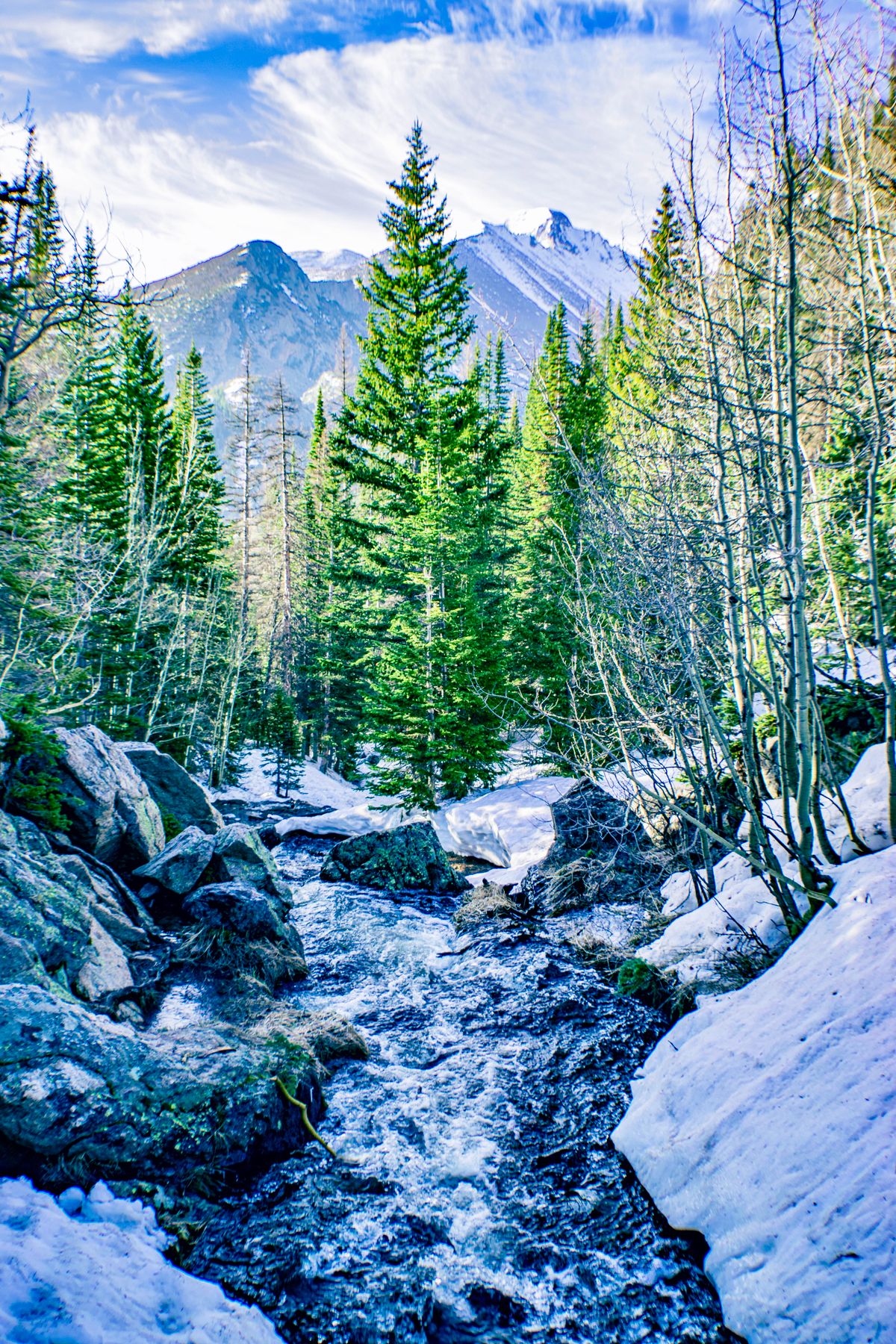
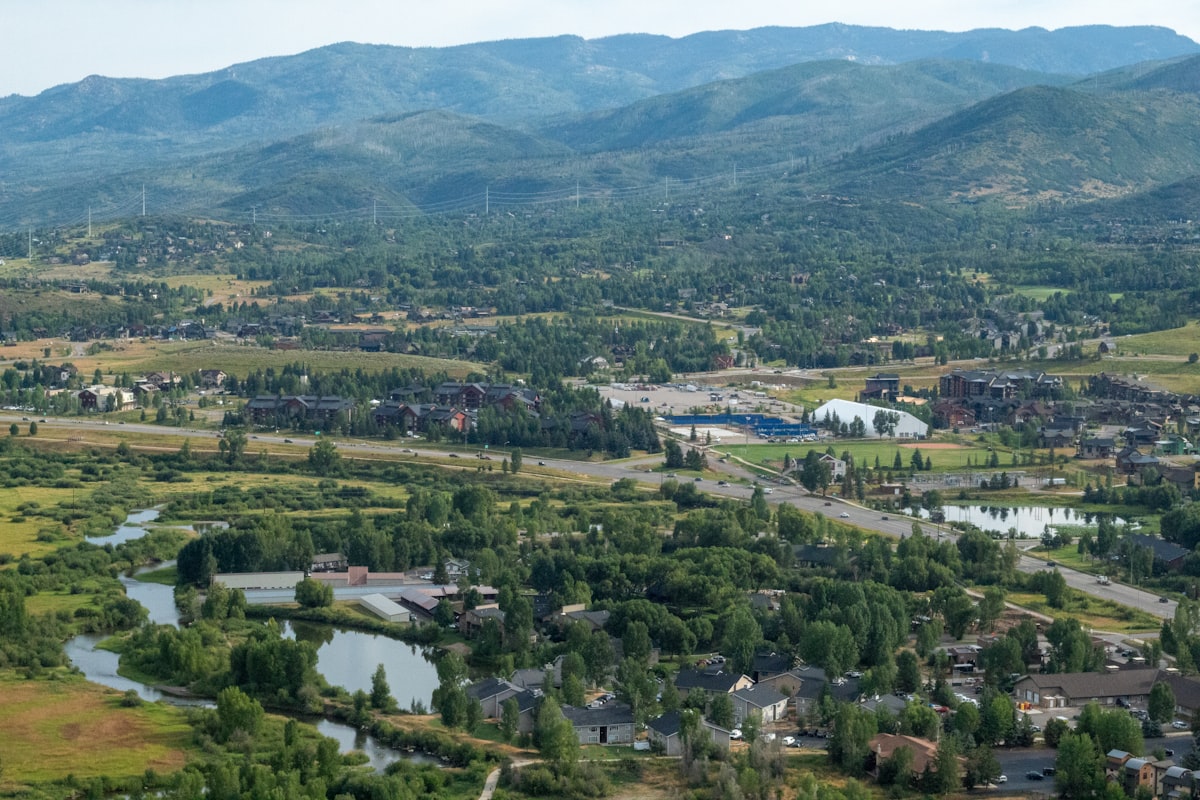
Telluride is a ski town that happens to sit at the headwaters of one of the finest freestone trout rivers in Colorado. The San Miguel River flows through the center of town, fed by snowmelt from 13,000- and 14,000-foot peaks, and it runs free, no dams, no impoundments, no generation schedule. The water rises with the snowmelt, clears when the mountains say so, and holds wild rainbow, brown, cutthroat, and brook trout in a red-sandstone canyon that looks like it belongs in a Western movie.
But Telluride's real fly-fishing advantage isn't just the San Miguel. Within 90 minutes of town, anglers can reach four distinct river systems, the San Miguel, the Dolores, the Uncompahgre, and the Gunnison, each with its own character, species mix, and conditions. Add the alpine lakes and high-country streams above 10,000 feet that hold wild Colorado River cutthroat trout (one of the rarest native trout in the West), and Telluride becomes a fly-fishing base camp with more variety than most anglers can fish in a week.
Over 90% of the San Miguel flows through public land, national forest and BLM, which means the access is exceptional. You can walk to world-class trout water from your hotel in town, drive 10 minutes to a different section, or push downstream into the canyon runs that few visiting anglers ever explore.
The San Miguel River, Through Town and Beyond
The San Miguel is Telluride's home water, and it fishes differently as it flows from the high-altitude headwaters through the valley and into the canyon downstream.
Upper San Miguel, Town Water
The section through Telluride is accessible, wadeable, and holds rainbow and brown trout in pocket water, riffles, and the deeper pools beneath the town's bridges. The fish average 10 to 14 inches, not trophy-sized, but willing, colorful, and catchable on dry flies through the summer and fall. The town water is where most visiting anglers start, and on a July afternoon with caddis bouncing on the surface, it's as pleasant as trout fishing gets.
The wading is straightforward, cobblestone and gravel bottom with moderate current, and the public access is generous. You can fish the San Miguel on a lunch break from a restaurant on Colorado Avenue and be back for dessert. The fish in the town stretch see more anglers than the canyon fish downstream, but the constant cold water from the high-country tributaries keeps them fed and active. A Parachute Adams (#14-16) dead-drifted through the town pools catches fish on any summer day.
Brook trout hold in the colder tributaries and the upper headwater sections above town, Bear Creek, Bridal Veil Creek, and the South Fork of the San Miguel. These are small, brilliantly colored fish in small water that rewards short rods, light feet, and a willingness to scramble up steep terrain. The brook trout streams above Telluride are some of the most beautiful small-stream fishing in Colorado, waterfalls, wildflowers, and fish that eat the first dry fly that lands.
Lower San Miguel, The Canyon
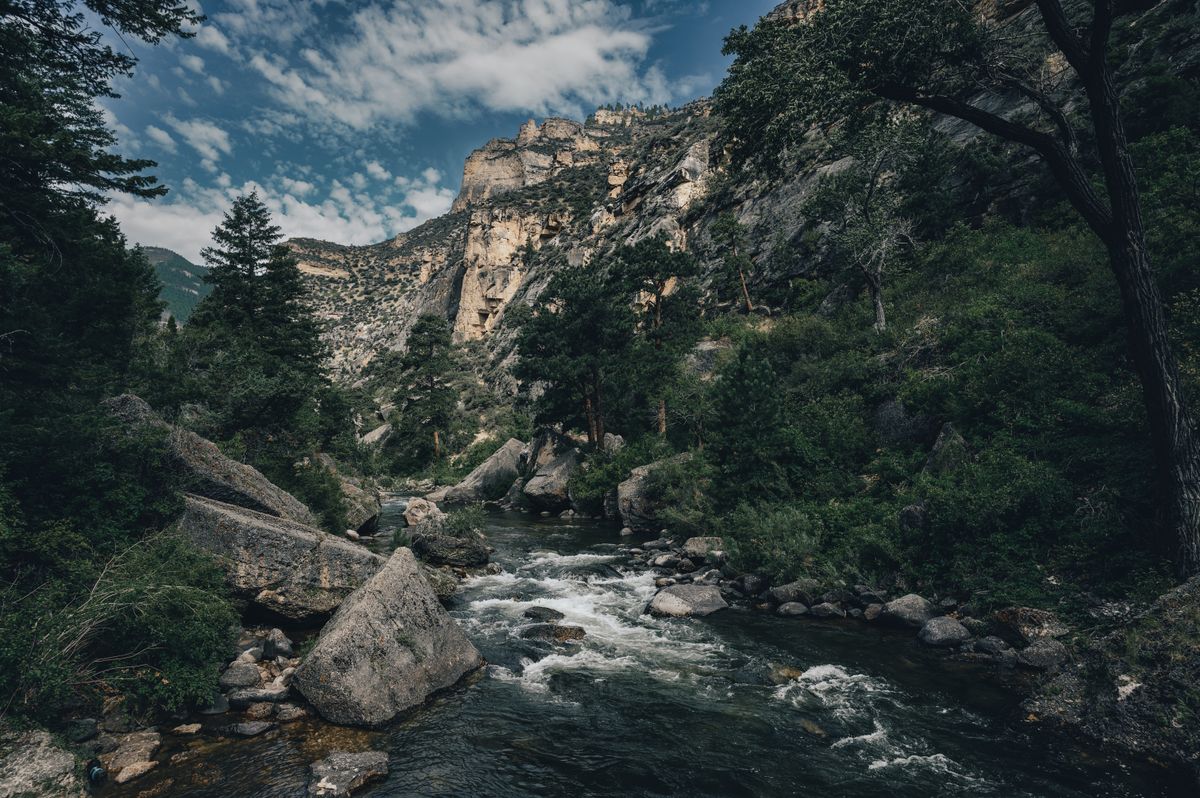
Below Telluride, the San Miguel enters a red-sandstone canyon and becomes a different river. The water widens and deepens, the browns get larger (16 to 20 inches in the deeper runs), and the canyon walls create a setting that's unique among Colorado trout streams. The canyon sections between Telluride and Placerville offer over 20 miles of high-quality public water with surprisingly low pressure, most visitors fish the town stretch and never explore downstream.
The canyon is where the big caddis hatches happen. From July through August, caddisflies emerge in numbers that guides describe as "biblical", clouds of tan and olive caddis bouncing on the water at dusk, with every trout in the river on the surface. An Elk Hair Caddis in #14-16 is the standard, but during the peak, the fish aren't picky, anything that floats and resembles a caddis gets eaten.
The canyon also holds the river's best stonefly hatches, salmonflies and golden stoneflies emerge from May through July, bringing the largest fish to the surface with the same aggression you'd see on the Madison. Stimulators (#6-10) and Chubby Chernobyls cover the stonefly activity.
The Other Rivers, Within 90 Minutes
The Dolores River
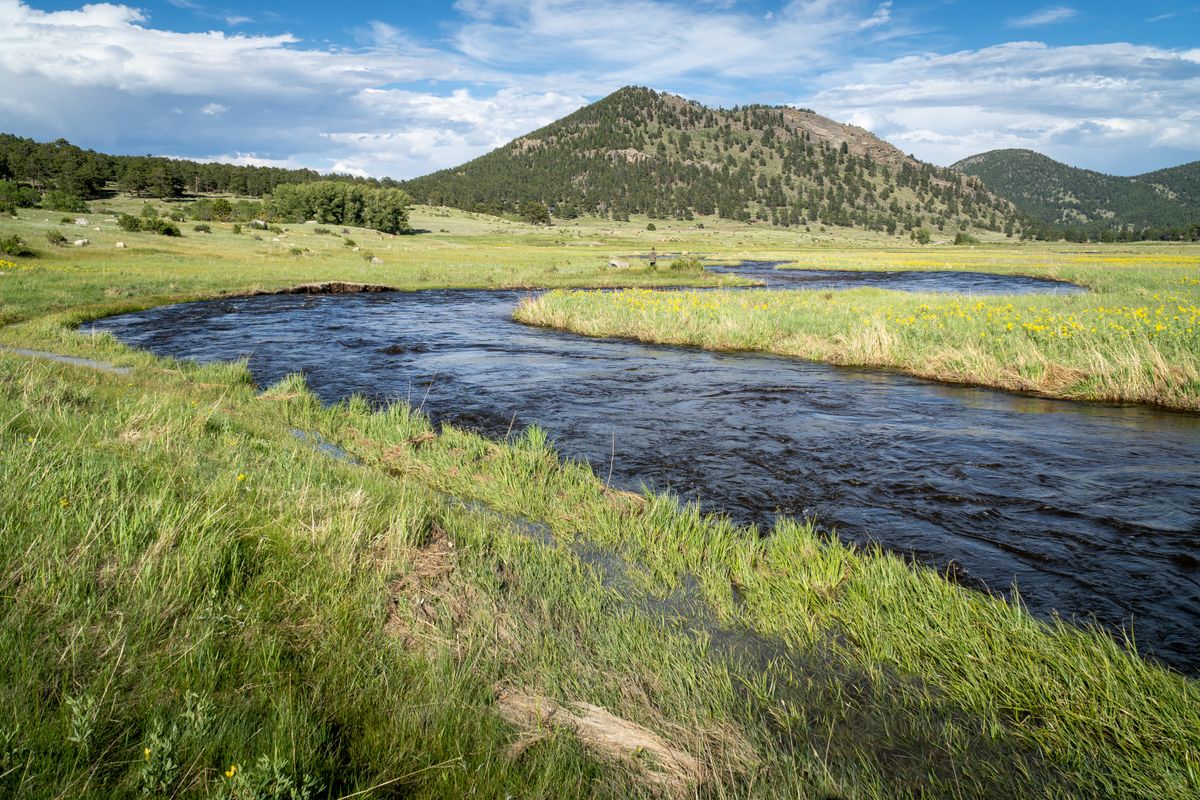
The Dolores flows west from the San Juans through a canyon of its own, less famous than the San Miguel but holding excellent brown and rainbow trout in sections accessible from the town of Rico (30 minutes south of Telluride) and downstream toward the McPhee Reservoir tailwater. The upper Dolores above Rico is a small, high-gradient freestone with wild fish in pocket water and plunge pools, similar character to the upper San Miguel but with far fewer anglers.
Below Rico, the Dolores widens through a ponderosa pine canyon and holds larger browns in the deeper pools and undercut banks. The Dolores fishes well from June through October, with stonefly and caddis hatches that mirror the San Miguel's schedule. The river receives notably less pressure because it's slightly further from Telluride's tourist core, a 30-minute drive that most vacation anglers don't make, which is exactly why the fish are less educated.
The Uncompahgre River
The Uncompahgre tailwater near Ridgway (45 minutes north) is a cold-water release from Ridgway Reservoir that creates consistent trout habitat in a semi-arid valley setting. The tailwater section holds rainbow and brown trout that benefit from the dam-regulated flows, steadier water levels and colder temperatures than the free-flowing San Miguel, which translates to more predictable fishing conditions.
Local fly shops in Ridgway specialize in the Uncompahgre and provide the most detailed reports for this water. The local guides know the tailwater intimately and can also point you toward the upper Uncompahgre above the reservoir, where the river runs through a narrow canyon holding wild trout in less-accessible water.
The Gunnison River
The Gunnison system, including the Taylor River tailwater (one of the premier trophy trout tailwaters in Colorado) and the Gunnison Gorge (Gold Medal water in a remote canyon), is 90 minutes east and represents some of the best trout fishing in the state. A day trip from Telluride to fish the Taylor's 16- to 24-inch trout or float the Gorge is realistic, and many guides offer multi-river itineraries that combine the San Miguel with the Gunnison system over multiple days. The contrast between the San Miguel's freestone character and the Taylor's technical tailwater fishing gives you two completely different experiences within a short drive.
The High Country, Alpine Lakes and Cutthroat
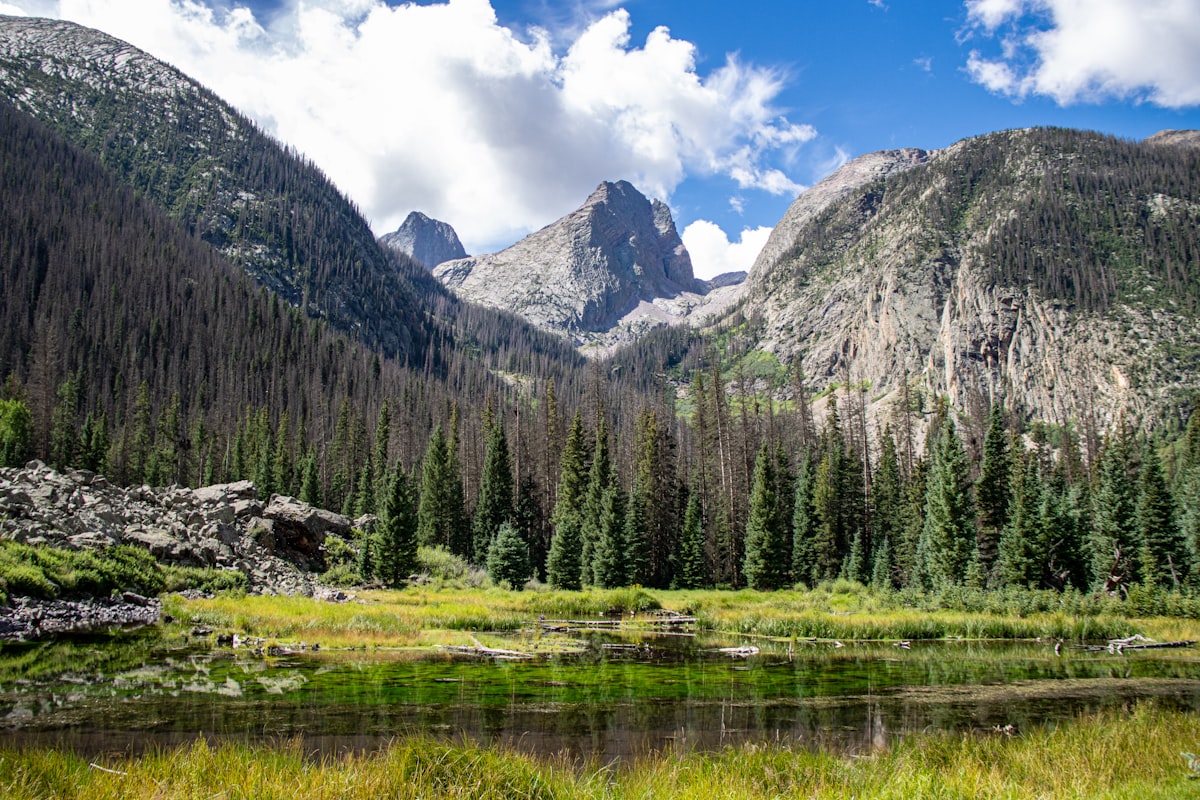
Above 10,000 feet, the San Juan Mountains hold dozens of alpine lakes and high-country streams that carry Colorado River cutthroat trout, a native subspecies that's been here since the last ice age and is one of the rarest trout in the West.
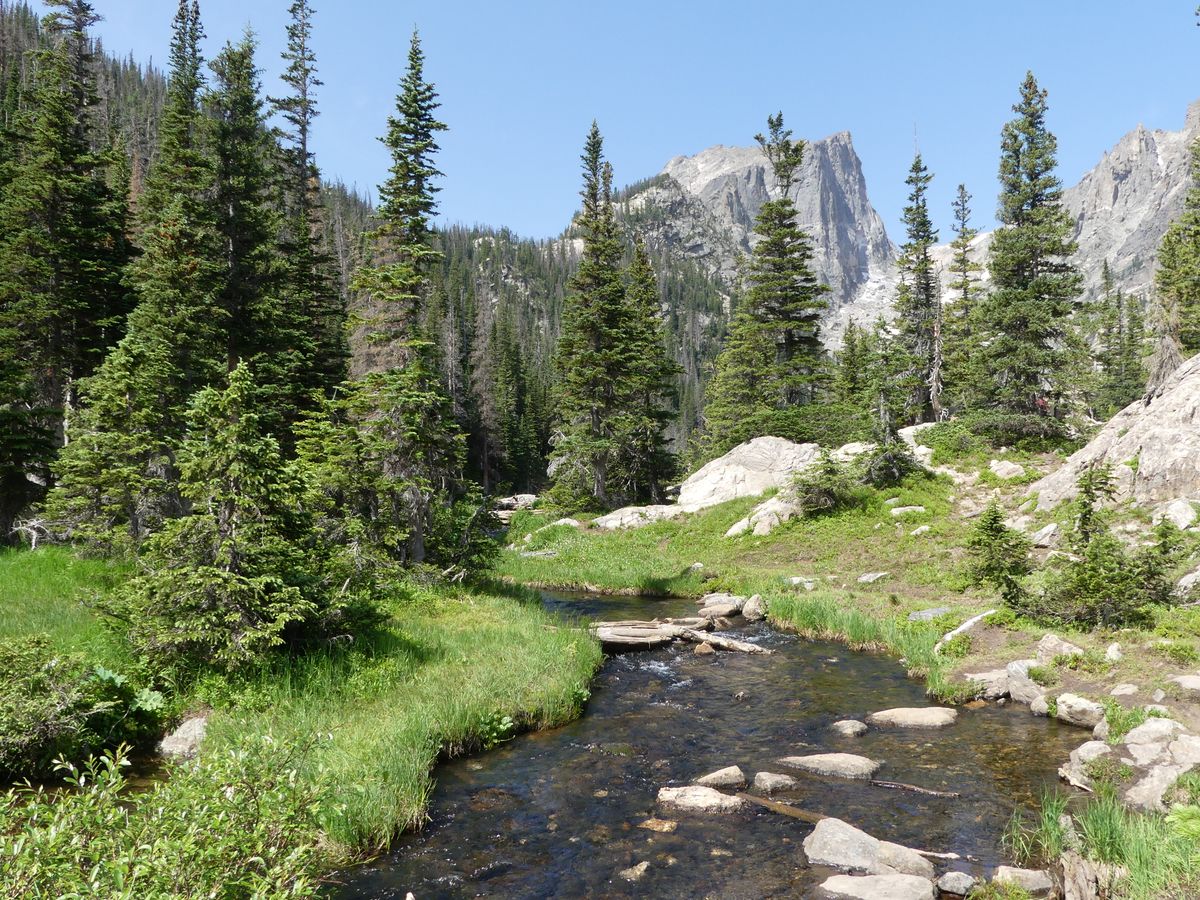
These are hike-in fisheries. The lakes sit above treeline in cirques carved by glaciers, surrounded by talus and wildflowers, and the fish, typically 6 to 12 inches, brilliantly colored with orange-red slashes and green-gold flanks, have never seen a fly. The first cast into an alpine lake holding wild cutthroat is almost guaranteed to produce a fish, because these trout don't know what refusal means.
The high-country season is short, July through September, after the snow melts and before it returns. The hiking is steep (8,000 to 12,000+ feet), the weather changes fast (afternoon thunderstorms are daily in July and August), and the rewards are proportional to the effort. A wild Colorado River cutthroat from a lake at 11,000 feet, with the San Juan peaks behind you, is a fish that connects you to something older than the sport of fly fishing itself.
Gear for the high country: A 7.5-foot 3-weight rod is all you need. Short leaders (7.5 feet, 5X). Small attractor patterns, #14 Parachute Adams, #14 Stimulator, #14 Elk Hair Caddis. The fish aren't selective. The challenge is getting there.
The Hatch Chart, High Altitude Calendar
The San Miguel's hatch cycle is compressed by altitude, everything starts later and ends earlier than lower-elevation Colorado rivers like the South Platte near Denver:
- May–June: Stoneflies (#6-12) as the snow recedes. Salmonflies and golden stoneflies in the canyon. Stimulator orange/gold, Chubby Chernobyl.
- June–July: PMDs (#14-16) and BWOs (#16-20). Sparkle Dun and Parachute Adams. Runoff clears by late June in most years.
- July–August: Caddis explosion, the main event. Elk Hair Caddis (#14-16) in tan and olive. The evening caddis hatch on the canyon water is the San Miguel's signature.
- August–September: Terrestrials (hoppers, ants, beetles) along the banks. The Chubby Chernobyl as a hopper-dropper with a Pheasant Tail trailer.
- September–October: Fall BWOs (#18-20), streamer season for browns. Woolly Bugger and sculpin through the deeper canyon pools. October browns on the move. Autumn is arguably the best month, the crowds leave after Labor Day, the cottonwoods turn gold, and the fish feed aggressively before winter.
- November–March: Winter midge fishing on the San Miguel through town, the river fishes year-round, though the short days and cold temperatures limit the windows.
The Fly Box
Dry flies: Elk Hair Caddis (#14-16, tan/olive), Stimulator (#6-14, orange/gold/yellow), Chubby Chernobyl (#8-10), Parachute Adams (#14-18), Sparkle Dun PMD/BWO (#16-20), foam hopper (#8-10), ant (#16-18)
Nymphs: Pheasant Tail (#14-18), Hare's Ear (#12-16), Zebra Midge (#18-22), stonefly nymphs (#6-10), Copper John (#14-16)
Streamers: Woolly Bugger (#6-10, olive/black), Sculpzilla (#4-6), for canyon browns in fall
The Gear
San Miguel: 9-foot 4- or 5-weight. The river is moderate-sized, you rarely need to cast beyond 40 feet, and the fish aren't large enough to demand heavy tackle. A 4-weight is ideal for the dry-fly fishing; a 5-weight handles the stonefly patterns and the wind that funnels through the valley. For the canyon sections downstream where the browns run larger, the 5-weight gives better control when a 17-inch fish runs into the current.
High country: 7.5-foot 3-weight. Short, light, packable. The fish are small and willing, the rod is for the hike, not the fight. Some anglers bring a tenkara rod for the alpine lakes, fixed-line simplicity at 11,000 feet where every ounce in the pack matters.
Dolores/Uncompahgre: The same 4- or 5-weight that covers the San Miguel works on both rivers. The Uncompahgre tailwater fishes slightly more technically and might benefit from a 4-weight with longer leaders.
Leaders: 9 feet, 4X-5X on the San Miguel and Dolores. 7.5 feet, 5X in the high country. Straightforward setups, this isn't spring creek fishing, and the freestone character of these rivers is forgiving of leader imprecision.
Altitude considerations: Telluride sits at 8,750 feet and the fishing goes up from there. Drink water. Move slowly for the first day. The thin air at altitude makes exertion feel harder than sea level, what would be an easy hike at 5,000 feet becomes a lung-burner at 11,000. Give yourself a day to acclimate before attempting the high-country hike-in lakes.
The Culture, Telluride, Fly Shops, and the Mountain Town
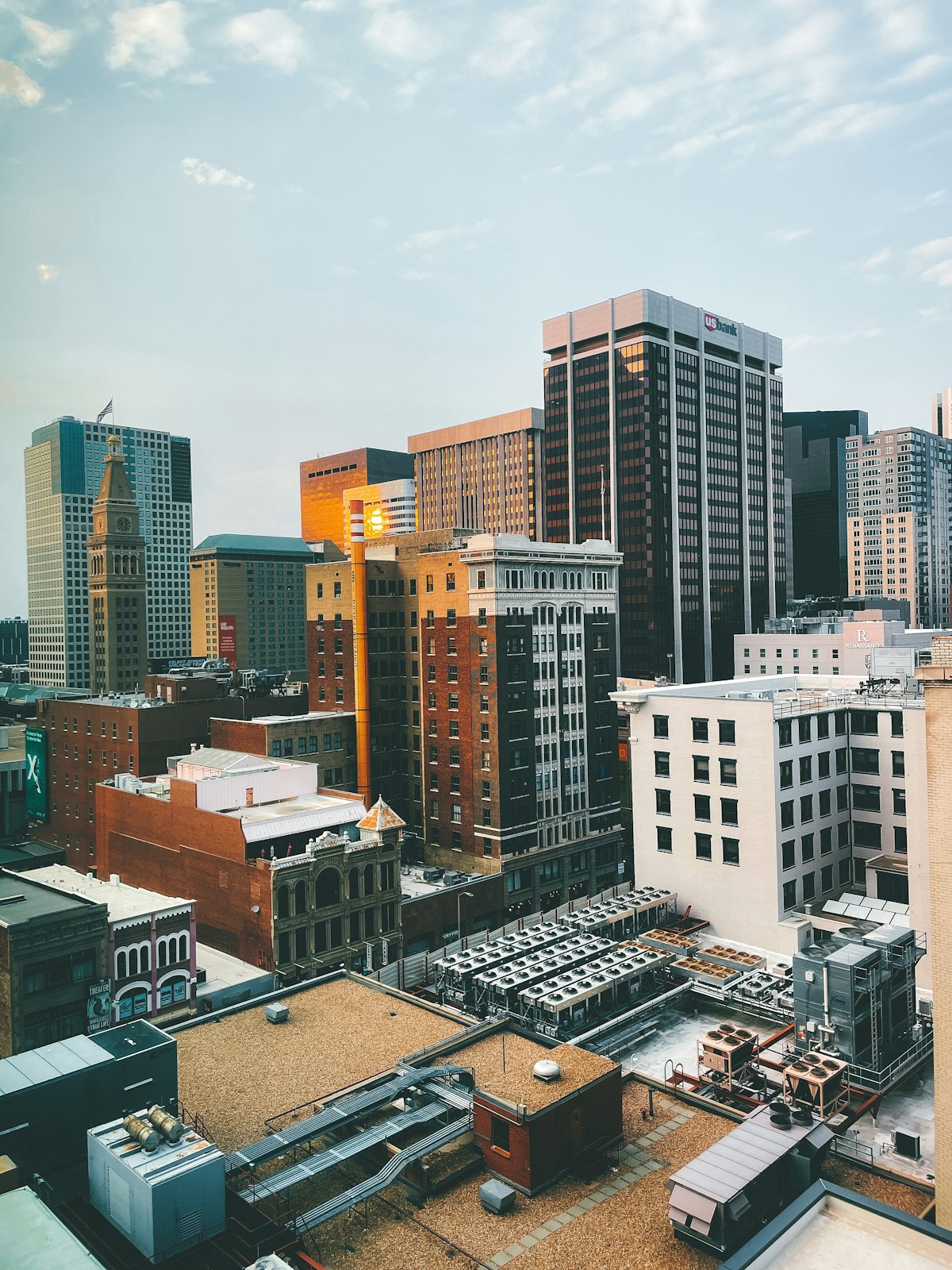
Telluride at 8,750 feet is a world-class ski town that transforms into a fly-fishing, hiking, and festival destination in summer. The town is small (population 2,500), expensive (this is resort Colorado), and stunningly beautiful, Victorian buildings backed by 13,000-foot peaks, the Bridal Veil Falls visible from Main Street, and the free gondola connecting Telluride to Mountain Village overhead.
The local fly shops in Telluride have been outfitting anglers since the 1980s, the longest-running operations are known for teaching-focused guided trips that cover the San Miguel, Dolores, alpine lakes, and backcountry streams. A second essential shop provides walk-wade trips and rental gear for visiting anglers.
The fly shops in Ridgway (45 minutes) are the go-to for the Uncompahgre and provide access to rivers north and east of Telluride.
The Telluride fly-fishing experience is inseparable from the mountain-town culture, the restaurants, the festivals (Bluegrass Festival in June, Film Festival in September), the gondola rides, and the hiking are all part of the trip. A week in Telluride with a fly rod is a fishing vacation that non-fishing partners actually enjoy, which is rarer than a wild cutthroat above 10,000 feet.
When to Go
- Late June–July: Stoneflies fading, caddis building, runoff clearing, the season begins
- August: Peak caddis, terrestrials, high-country lakes open, the best overall month
- September–October: Fall BWOs, streamer season for browns, gold aspens, the locals' favorite
- Year-round: The San Miguel through town fishes in every month, though winter is for the dedicated