Fish
Fish Fire
Fire Hike
Hike Bird
Bird

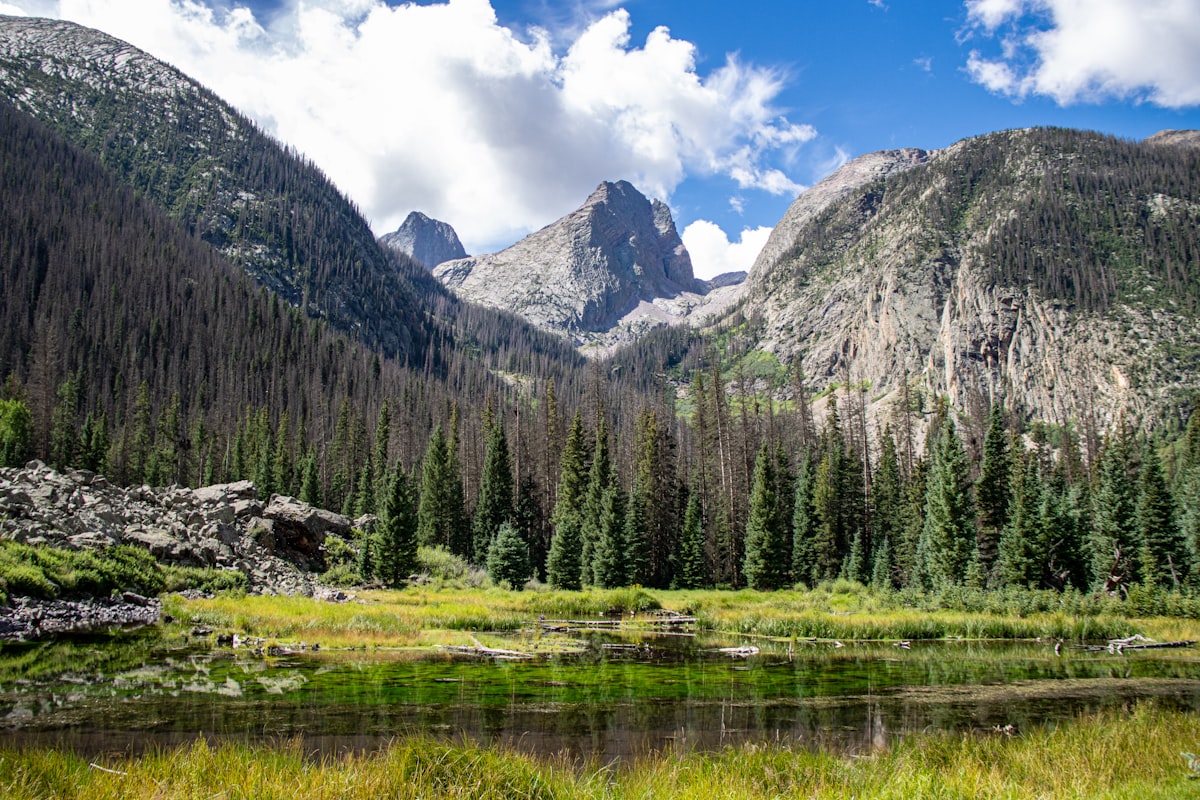
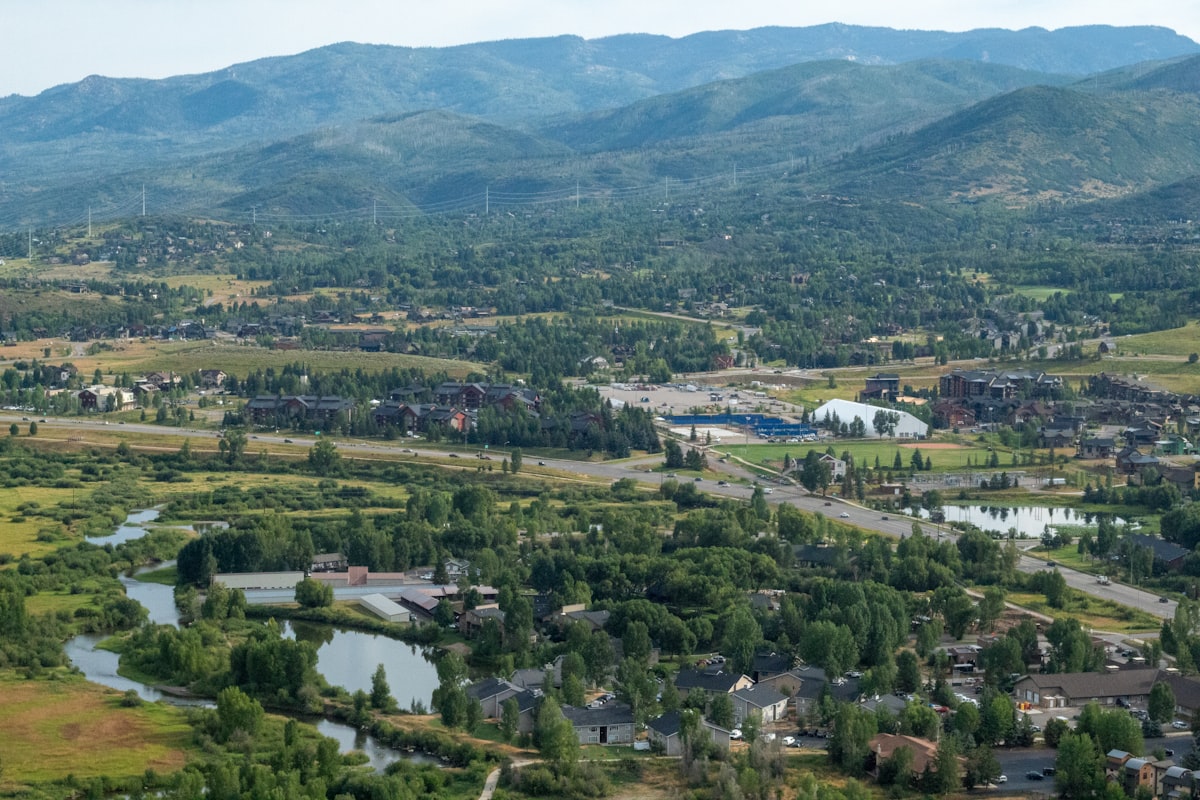
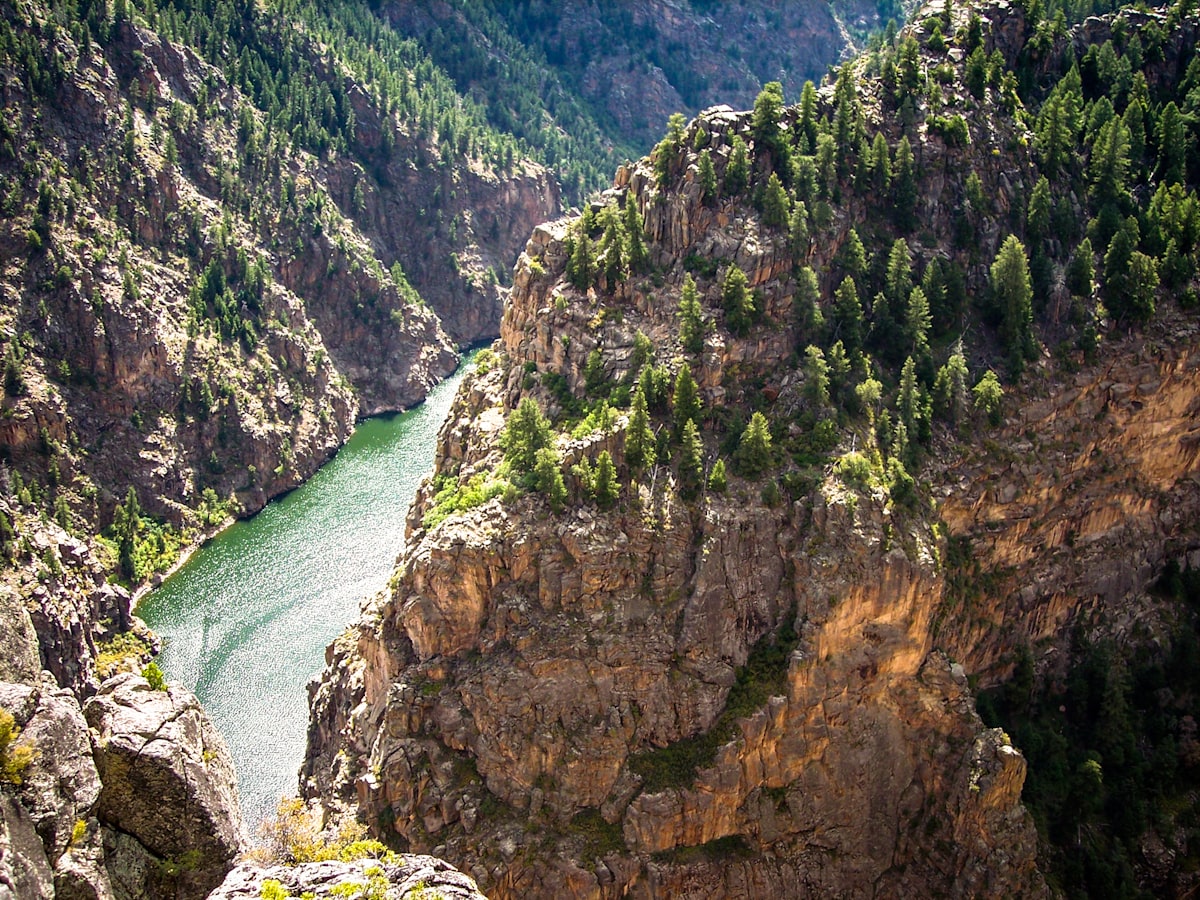
Pagosa Springs sits in a bowl of the San Juan Mountains in southwest Colorado, built around the deepest geothermal hot spring in the world and wrapped by some of the least-crowded trout water in the state. It's a rare fishing town where you can nymph a wild-trout river right off Main Street in the morning, troll a mountain reservoir for kokanee salmon in the afternoon, and hike into a wilderness lake full of native cutthroat the next day, then soak your sore legs in the hot springs at night. For a first-timer, the choice can feel overwhelming. This guide organizes Pagosa's fishing into the three tiers of water that define it, the rivers, the reservoirs, and the high country, so you know exactly where to start.
For the broader picture, the seasons, the hatches, and how to plan a trip, read our complete Pagosa Springs fishing guide.
First: Your Colorado License (and the New Mexico Wrinkle)
Anyone 16 or older needs a Colorado fishing license to fish anywhere around Pagosa. Colorado Parks & Wildlife (CPW) sells them online at cpw.state.co.us, on the CPW app, and at shops all over town; one-day and multi-day options make sense for a short visit. Kids 15 and under fish free.
Two local wrinkles trip up visitors. First, several of the best lakes, Williams Creek Reservoir, Echo Canyon Reservoir, are State Wildlife Areas (SWAs), and anglers ages 19–64 must also carry a Habitat Stamp (cheap, sold with your license) to set foot on them. Second, Pagosa straddles two states' worth of water: the fabled San Juan tailwater and the lower reaches of Navajo Reservoir sit across the line in New Mexico, which requires a separate New Mexico license. Fish Colorado water on a Colorado license; if you make the day trip south (more on that below), buy the New Mexico license too. Regulations, bag limits, and gear restrictions vary water to water, so check the current CPW rules before you keep anything.
The Trout (and Salmon) You'll Catch
Pagosa is trout country first. You'll meet four:
- Rainbow trout, the most common catch, stocked in the reservoirs and wild in the rivers. Willing biters, great for beginners.
- Brown trout, the wily locals of the San Juan and Piedra. Bigger on average, spookier, and most active at dawn, dusk, and through the fall spawn.
- Brook trout, jewel-colored and eager, thick in the high-country lakes and headwater streams.
- Cutthroat trout, Colorado's native. The pure strains live up high in the Weminuche Wilderness, and catching one in an alpine lake is a rite of passage.
Add kokanee salmon, landlocked sockeye that turn the reservoirs into a fall spectacle, plus warmwater species (largemouth and smallmouth bass, northern pike, crappie, yellow perch, channel catfish) in the lower, warmer reservoirs, and you have a genuinely varied fishery for one small town.
Tier 1: The Rivers, Wild Trout Off Main Street
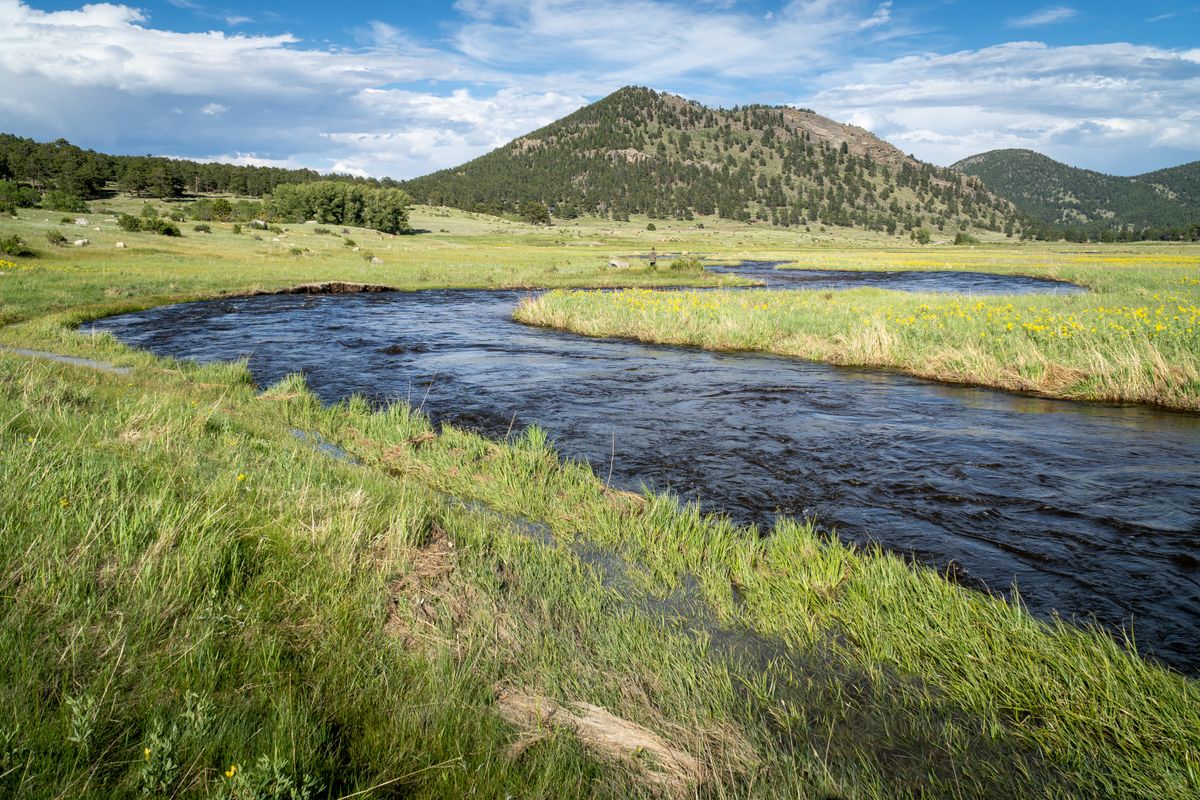
The rivers are Pagosa's signature, and the fly rod is the tool. This is classic freestone and pocket water: read the current, drift a fly through the seams, and cover water.
The San Juan River (Town Section). The San Juan runs right through downtown Pagosa, and a public stretch flows within the town limits, you can genuinely land a wild trout a block from the hot springs. It holds solid numbers of browns and rainbows averaging 12 to 20 inches, and every season someone pulls a 20-inch-plus bruiser out of a downtown run. Fish it with a nymph rig under a strike indicator: a bead-head Pheasant Tail or Hare's Ear in size 16–18 as your point fly, a smaller midge or Rainbow Warrior as the dropper, and split shot to get down. Drift it drag-free through the deeper runs and the buckets behind boulders.
The San Juan (Upstream) and the West Fork. Above town, toward Wolf Creek, the San Juan and its West Fork are smaller, tumbling freestone water full of eager browns and brookies, perfect for a beginner learning to read pockets and drift a dry-dropper. A Parachute Adams or Elk Hair Caddis with a small nymph hung below it is all you need most summer days.
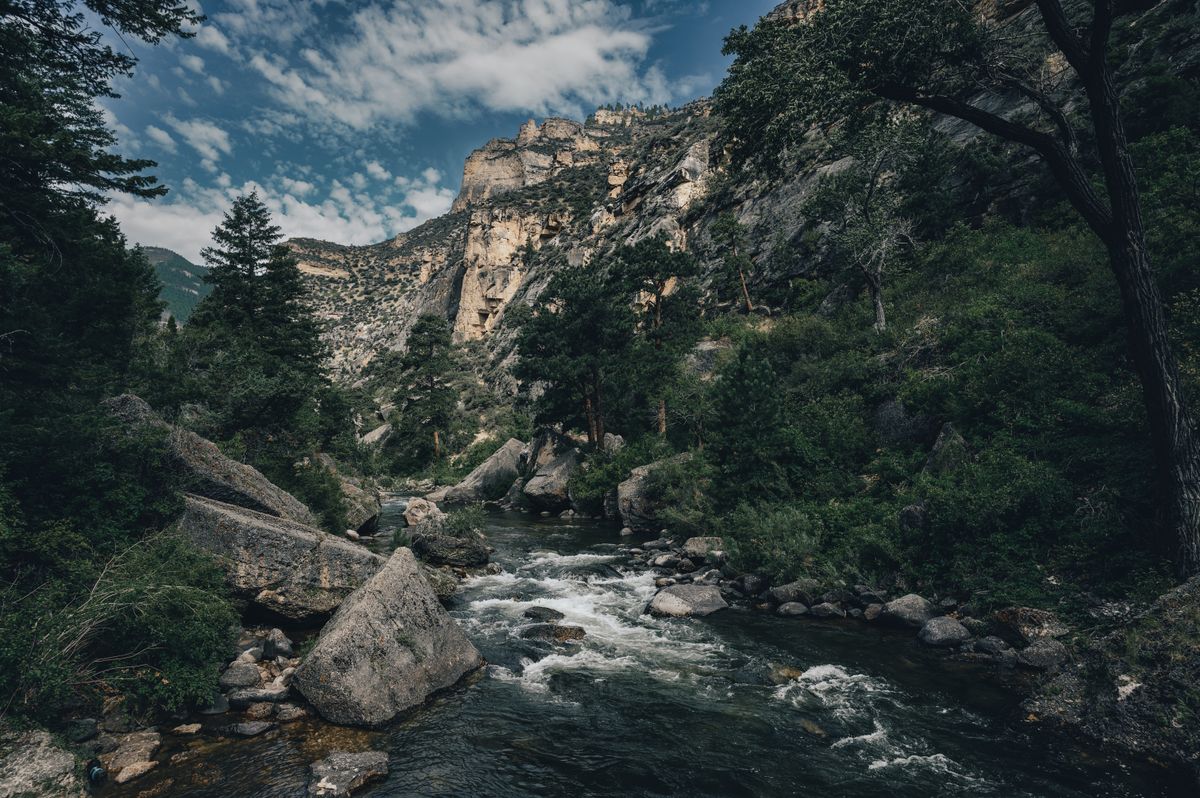
The Piedra River. Twenty minutes west, the Piedra is a gorgeous, boulder-strewn canyon river loaded with browns, rainbows, and "cutbows," most in the 12- to 14-inch class, with fish tucked behind every rock. Note the special regulations: the lower Piedra is artificial flies and lures only, with a two-trout, 16-inch-or-larger limit, designed to protect a wild fishery, so it fishes better than its remoteness suggests. It's the kind of water where you can fish all day and only cover a mile.
Fly Fishing a Rocky Mountain Trout RiverTier 2: The Reservoirs, Kokanee, Bass, and Family Water
Not everyone wants to wade a river, and Pagosa's reservoirs are where spin and bait anglers, and families, clean up. These are also your best shot at kokanee salmon and warmwater species.
Williams Creek Reservoir. A 500-acre mountain lake ringed by the San Juan peaks, about 25 miles north up the Piedra Road. It's stocked with rainbows and holds brook trout and kokanee salmon. From the bank, fish PowerBait or a nightcrawler off the bottom with a sliding sinker, or cast a spoon; from a boat or float tube, troll a small spoon or a squid-and-flasher setup for kokanee. It's a State Wildlife Area, so remember the Habitat Stamp.
Echo Canyon Reservoir. A warmer, lower lake south of town off US-84, and a completely different fishery, it once produced the Colorado state-record largemouth bass. Alongside bass you'll find stocked rainbow trout, yellow perch, green sunfish, and channel catfish, which makes it the most beginner- and kid-friendly water around: bait a hook with a worm under a bobber and you'll catch something. Also an SWA (Habitat Stamp required).
Navajo Reservoir. The big one, a sprawling reservoir straddling the Colorado–New Mexico line about 40 miles southwest. It's famous for kokanee salmon (late June through early October) and also gives up northern pike, largemouth and smallmouth bass, crappie, bluegill, and catfish. Troll or jig for kokanee in summer; work the coves with spoons and jigs for pike and bass. Mind the state line, the Colorado end fishes on your Colorado license; the New Mexico end needs a New Mexico license.
Colorado Reservoir Pike FishingTier 3: The High Country, Native Trout Above the Trees
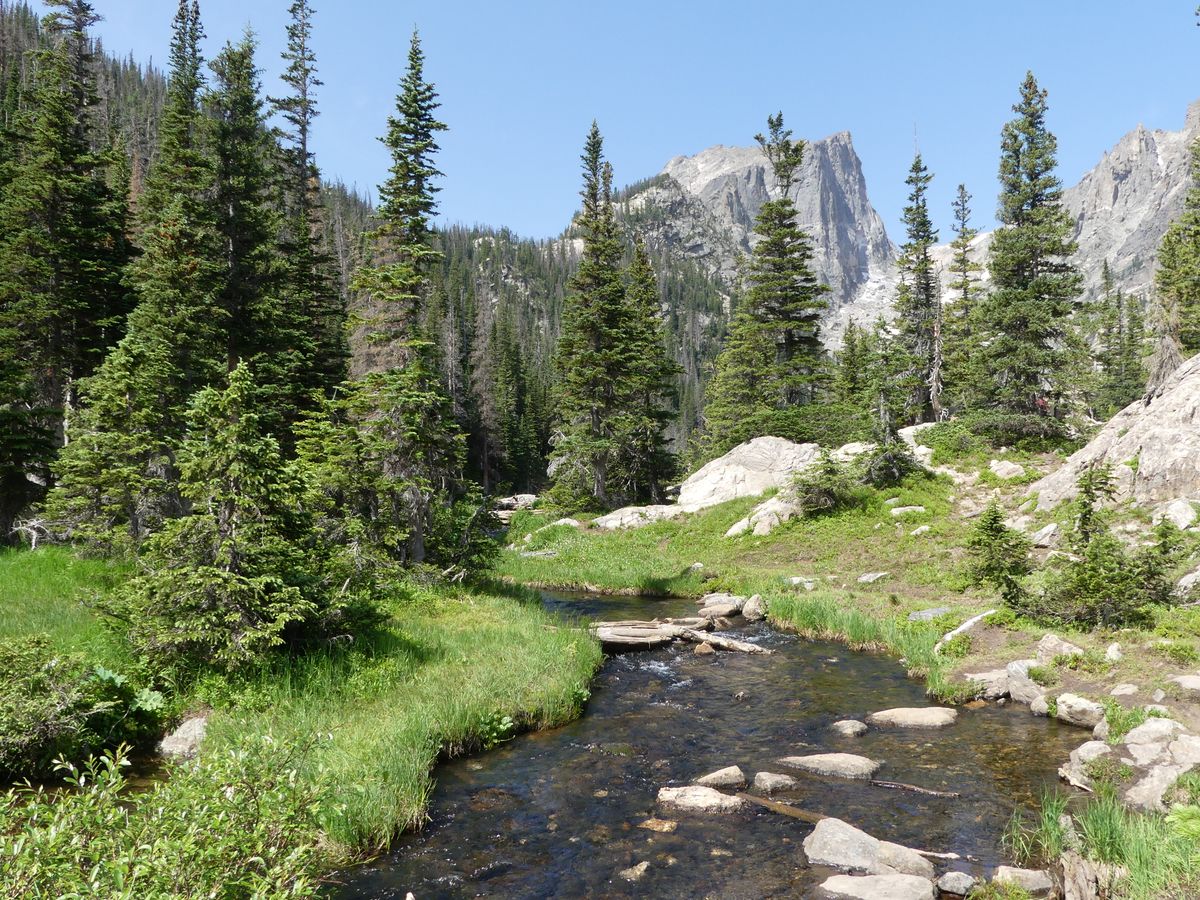
The reward for a little effort is the Weminuche Wilderness, the largest wilderness area in Colorado, rising right out of Pagosa's backyard. Its alpine lakes and headwater creeks hold brook trout and Colorado's native cutthroat, and the fish are often gloriously unpressured and unfussy.
You don't have to backpack for days. Roadside and short-hike options include Williams Creek headwaters, Fourmile Lakes, Turkey Creek Lake, and the small lakes off the Piedra Road, plus the scenic hike to Piedra Falls. Up high, keep it simple: a small Adams or a foam beetle on the surface, or a bright attractor like a Royal Wulff, will draw slashing takes from brookies and cutthroat that rarely see a fly. On spin gear, a tiny inline spinner like a Panther Martin is deadly. Go light, watch the afternoon thunderstorms (get off the exposed water by early afternoon in summer), and take a photo of that first wild cutthroat.
Reading the Season: Runoff Is Everything
The single most important thing to understand about Pagosa's rivers is snowmelt runoff. From roughly mid-May into June, the San Juan and Piedra swell brown and fast with mountain melt and are largely unfishable. Time your river trip for after runoff clears, typically July through October, when flows drop, the water clears, and the fishing turns on. During runoff itself, pivot to the reservoirs and the stillwaters, which fish fine while the rivers are blown out. This one piece of timing separates a frustrating trip from a great one.
The Bonus Day Trip: The San Juan Tailwater
If you get serious, make the roughly 90-minute drive south to the San Juan River tailwater below Navajo Dam in New Mexico, one of the most famous trout fisheries in America, with a "Quality Waters" section holding on the order of 20,000 trout per mile. The cold, steady dam release fishes year-round, and the trout are large and well-fed (and well-educated, bring your small flies and your patience). It's a different animal from the freestone water in town, and it requires a New Mexico license, but for a bucket-list day it's worth every mile.
When to Go
Pagosa fishes in every season, you just fish different water:
- Spring (April–early May): Pre-runoff windows on the rivers can be excellent; the reservoirs wake up as the ice goes off. Then runoff hits and the rivers blow out.
- Summer (July–August): Prime time. Rivers clear and fish well, the high-country lakes open up as the snow melts out, and reservoir action is steady. Fish early and late; watch the afternoon storms.
- Fall (September–October): The best all-around season, cool water, browns aggressive before the spawn, aspens turning gold, and the kokanee run peaking on the reservoirs. Fewer crowds, too.
- Winter (November–March): The rivers slow but the San Juan tailwater to the south fishes all winter, and it's a hot-springs town, pair a few hours of midge fishing with an evening soak.
Gear: Fly and Spin
Because Pagosa spans rivers and lakes, a first-timer is best served bringing (or renting) a little of both:
- Fly setup: A 9-foot 5-weight outfit is the perfect all-rounder for the San Juan and Piedra. The Orvis Clearwater 9' 5wt Outfit is a reliable, affordable rod-reel-line combo that will last for years. Carry a small box of Umpqua Bead-Head Pheasant Tail and Hare's Ear nymphs (16–18), some Parachute Adams and Elk Hair Caddis dries, and a few midges.
- Spin/bait setup (reservoirs and stocked trout): An Ugly Stik GX2 Spinning Combo handles reservoir trout, kokanee, and bass. Bring Berkley PowerBait trout dough and nightcrawlers for stocked rainbows, an Acme Kastmaster spoon for casting distance, and a Panther Martin inline spinner for the high country.
- Waders and layers: SW Colorado rivers run cold and snowmelt-fed. Simms Freestone (or Redington Crosswater) waders and boots keep you fishing; the high country can shift from sun to hail in an hour, so pack layers and rain gear.
- Polarized sunglasses: Non-negotiable for spotting fish and reading the gin-clear water, and for safe wading on slick freestone rock.
Should You Hire a Guide for Your First Float?
Pagosa's outfitters run wade trips and drift-boat floats on the San Juan, and a good one will cut the learning curve dramatically, reading the water, timing the post-runoff window, and knowing which reservoir is producing kokanee this week is exactly what a local guide is for. A guided day is also the safest, fastest way to get a nervous kid or a first-time fly caster into fish. If you do just one guided outing, make it a float on the San Juan.
A Word on Conservation
Pagosa's wild trout, and especially its native cutthroat, are a resource worth protecting. Handle fish with wet hands, keep them in the water, pinch your barbs, and revive them fully before release. Colorado is serious about aquatic invasives: clean, drain, and dry your waders, boots, and any watercraft between waters to stop whirling disease, New Zealand mudsnails, and zebra mussels from spreading. Honor the special regulations on the Piedra and the SWAs, pack out every scrap of line and trash, and give the native cutthroat up high the light touch they deserve. The unpressured water that makes Pagosa special stays that way only if visitors treat it right.
Making It a Family Trip
Few fishing destinations blend as easily into a family vacation as Pagosa. The formula that works: spend the cool morning hours catching stocked rainbows, then trade the rods for the hot springs and the river walk in the afternoon. Echo Canyon Reservoir is the family anchor, a worm under a bobber reliably produces bass, perch, sunfish, and trout, the banks are gentle, and nobody has to learn a fly cast to feel successful. The town section of the San Juan lets restless kids fish for ten minutes between other downtown stops, and the short walk to Piedra Falls pairs a scenic hike with easy brook-trout water for small hands.
Keep it low-pressure: bring snacks, sunscreen, and a landing net, target the easy stocked waters rather than the technical rivers, and let a guide handle the logistics if you want a first cast to actually turn into a caught fish. Cap the day with a soak in the world's deepest hot spring and you've built a trip that works for anglers and non-anglers alike, the reason so many families keep coming back to Pagosa.