Fish
Fish Fire
Fire Hike
Hike Bird
Bird


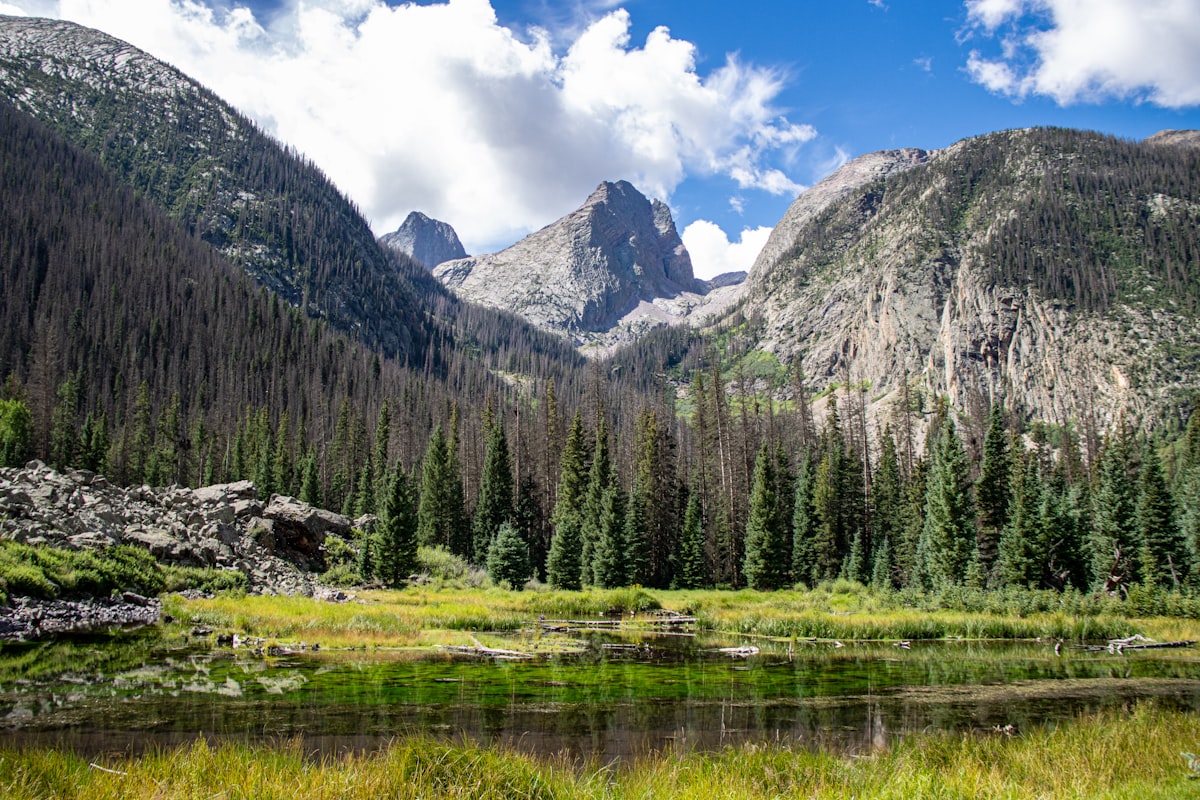
Gunnison sits high in southwest Colorado, surrounded by some of the best and most varied cold-water fishing in the Rockies. The Gunnison River runs through town and on into the dramatic Black Canyon; Blue Mesa Reservoir, the largest body of water in Colorado, backs up just downstream, holding giant lake trout and prized kokanee salmon; and the Taylor River nearby includes a tailwater famous for some of the biggest trout in the West. It has a strong fly-fishing reputation, but you don't need a fly rod here, there's trolling, jigging, and bait fishing too. This guide covers it, water by water, for a first-timer.
For the bigger picture, the rivers, the reservoir, and the guide scene, read our complete Gunnison fishing guide.
First: The Colorado License
Anyone 16 or older needs a Colorado fishing license, available online from Colorado Parks & Wildlife (CPW); one-day and multi-day options exist for visitors. Regulations here vary a lot by water, some river stretches are artificial-only or have special size and bag limits, kokanee snagging during the fall run requires following CPW's specific rules and dates, and lake trout on Blue Mesa have their own (often liberal, to protect the kokanee they prey on) limits. Always check the CPW regulations for the specific water before you keep fish.
The Gunnison River and the Upper Gunnison
The Gunnison is the heart of the area's river fishing, holding brown, rainbow, brook, and native cutthroat trout. The water in and around town and the upper river is accessible and fishes well, while the legendary Gold Medal stretch in the Black Canyon and the Gunnison Gorge below is bigger, wilder trophy water (much of it a hike-in or float). For a first-timer, start on the more accessible upper-river and in-town water.
Fly fishing is the classic approach, and most days that means nymphing, drifting weighted flies along the bottom under a strike indicator with a Pat's Rubber Legs stonefly and a Pheasant Tail or Zebra Midge dropper. When trout rise to a hatch (blue-winged olives in spring and fall, caddis and pale morning duns in summer), switch to a dry like a Parachute Adams or an Elk Hair Caddis, and a hopper-dropper is excellent in late summer. A 9-foot 5-weight (an Orvis Clearwater 5wt) is the ideal rod. Spin anglers can fish a Panther Martin or a Rooster Tail spinner where regulations allow. The river fishes best from mid-June (after spring runoff clears) through September, and fall can be spectacular.
Fly Fishing a Rocky Mountain Trout RiverThe Taylor River: Tailwater Trophies and Dry-Fly Fun
The Taylor River, a short drive from Gunnison, is two fisheries in one. The tailwater below Taylor Park Dam holds some of the largest trout in the West, huge, well-fed rainbows and browns gorging on tiny mysis shrimp and midges in the cold, clear, stable flow. It's extremely technical (size 20–24 flies, light tippet, perfect drifts) and humbling, but a chance at a genuine giant; it's best fished with a guide your first time. Upstream, the upper Taylor and the Taylor Park tributaries are the opposite, small, friendly water with eager small-to-medium trout that's perfect for a beginner to learn dry-fly fishing with a Parachute Adams or a hopper. Pick the section to match your skill: trophy hunt at the tailwater, confidence-builder up top.
Blue Mesa Reservoir: Lake Trout and Kokanee
Blue Mesa is the big-water jewel, Colorado's largest reservoir, and it's a completely different style from the rivers. It's famous for two species. Lake trout (mackinaw) grow enormous here and live deep; anglers target them by jigging heavy tube jigs or spoons near the bottom over deep structure, or by trolling deep with downriggers. Kokanee salmon, landlocked sockeye and one of Colorado's most prized, best-eating fish, are caught from roughly May through August by trolling small, bright lures behind a dodger (a Mack's Lure Wedding Ring tipped with corn) on downriggers at the depth the fish-finder marks the school. The reservoir also holds rainbows, browns, and yellow perch. Blue Mesa is big, high, and can get fierce afternoon winds, so fish the calmer mornings and watch the weather.
Stillwater and River Trout Fishing in the WestKokanee and Ice Fishing
The kokanee fishery deserves special mention: late July into early August, the kokanee gather in huge pre-spawn numbers, which many consider the most exciting seasonal fishing in Colorado, and a fall snagging season (with specific CPW rules and a permit) follows as they run to spawn. They're elusive but pound-for-pound a thrilling fight and superb on the grill.
When Blue Mesa freezes (roughly mid-January through mid-March), it becomes an excellent ice fishery for lake trout, kokanee, and rainbow and brown trout, which stay active under the ice hunting prey. Jig a spoon (a Northland Buck-Shot) or a tube tipped with bait, use a flasher (a Vexilar) to find fish, and always check ice thickness and conditions on the big, high reservoir before heading out, going with a guide who knows the safe ice is wise your first time.
Spin, Bait, and Fishing with Kids
For the easiest start, or fishing with kids, Blue Mesa and the area's stocked waters are forgiving. A worm or Berkley PowerBait under a bobber or on the bottom catches stocked rainbows with little skill, and a simple spinning combo is all you need. The accessible, slower stretches of the Gunnison and the upper Taylor also fish well for a beginner with a spinner. It's an easy place to learn before tackling the technical tailwater or the deep reservoir.
Reading the Gunnison and the Gorge
The skill that catches Gunnison-area trout is reading the river and drifting naturally. Trout hold where they can rest out of the heaviest current while food washes past, the seam where fast water meets slow, the pocket behind a boulder, the slot along a cut bank, and the head and tail of every run and pool. Cast upstream of those spots and let the fly dead-drift back, mending the line so it tumbles at the speed of the current; drag is the number-one reason beginners get refused. On the bigger, faster Gunnison, fish the close, readable water thoroughly before reaching for long casts, and watch your footing, it's a powerful river.
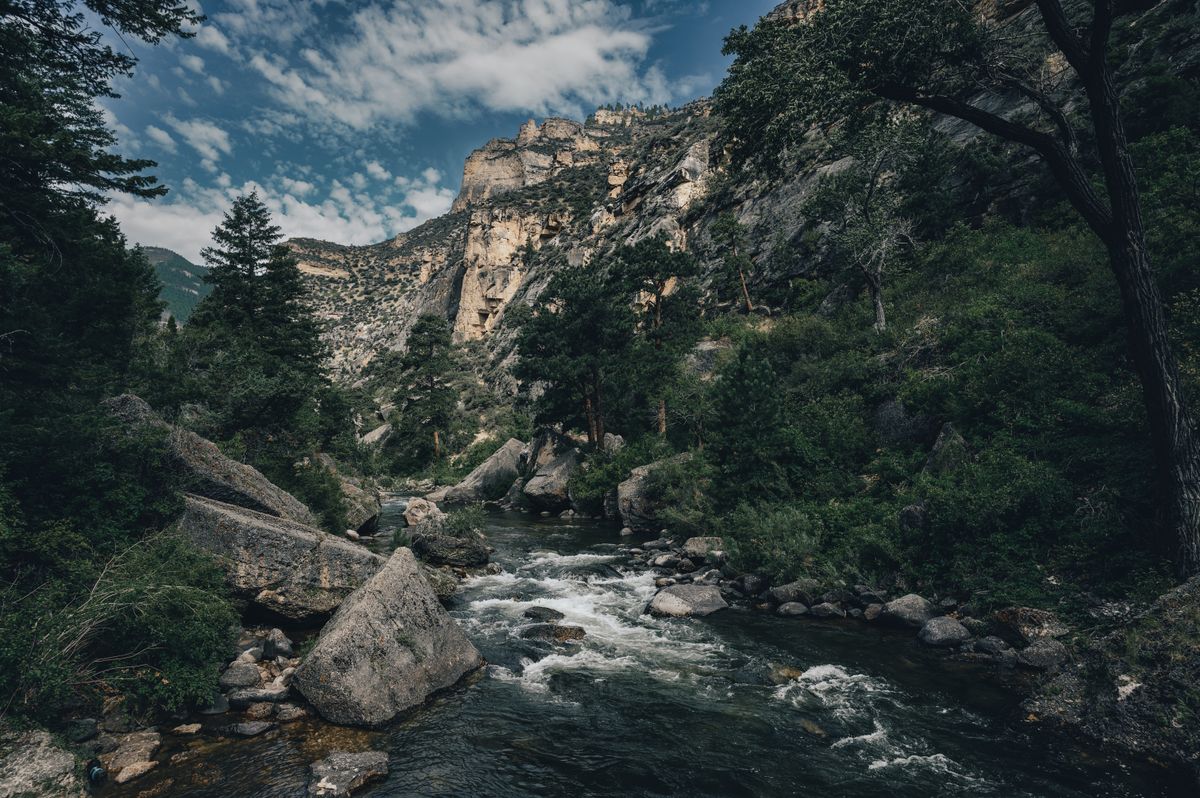
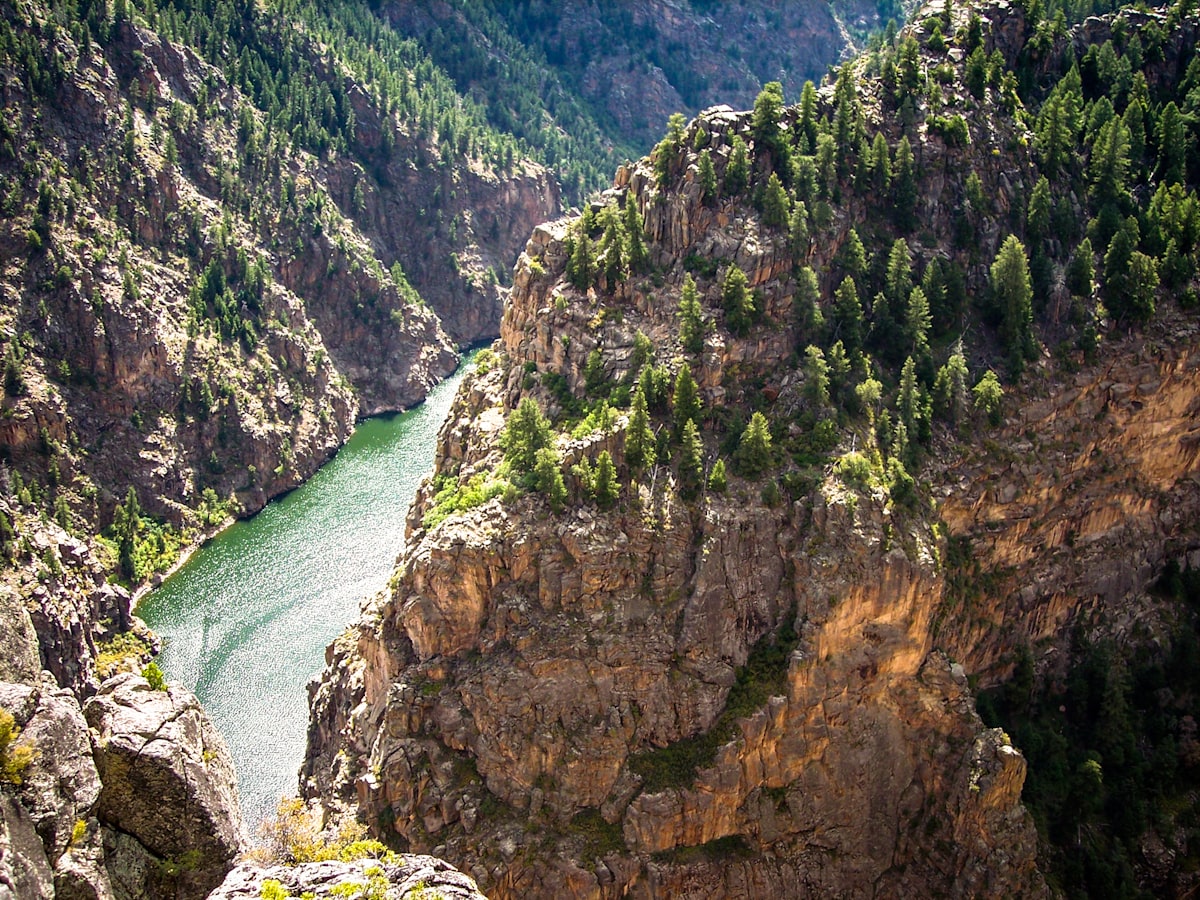
Two stretches are worth understanding as you progress. The Black Canyon of the Gunnison holds wild trophy trout in a stunning, sheer-walled gorge, but access is a strenuous hike down (and back up), so it's a fit-angler, plan-ahead adventure, not a casual first outing. Below it, the Gunnison Gorge is renowned Gold Medal water reached by a hike-in or a multi-day float trip, bucket-list fishing best done with an outfitter. For your first time, the accessible upper-river and in-town water gives you the same beautiful trout without the logistics.
Fishing Blue Mesa: Boat and Bank
Blue Mesa rewards a different approach than the rivers. From a boat, the two games are deep jigging for lake trout (drop a heavy tube or spoon to the bottom over deep structure and work it with sharp lifts, the mackinaw here grow huge and live deep) and trolling for kokanee (run small bright lures behind a dodger on a downrigger at the depth your electronics mark the schools, with a soft drag because kokanee have tender mouths). From the bank, cast spinners and spoons or soak PowerBait off the bottom for rainbows and browns where the river arms enter the reservoir, which concentrate fish and food. The reservoir is enormous, high, and prone to strong, sudden afternoon winds that can build a dangerous chop, so launch early, fish the calm mornings, and keep a close eye on the weather, a small boat has no business out in a Blue Mesa blow.
A Note on Conservation
The Gunnison country's fishing is a managed resource worth protecting. Handle wild river trout with care, barbless hooks make release easy, keep fish wet, and let them recover before swimming off, and release the natives and the trophies. On Blue Mesa, the rules are designed around a balance: lake trout limits are often liberal precisely because too many mackinaw eat too many kokanee, while kokanee themselves are managed with snagging rules and dates to protect the spawn. Keep a reasonable meal within the limits, follow the CPW regulations for each water, and the Gunnison's rivers and reservoir will keep producing.
Gear: Fly and Spin
- Fly: a 9-foot 5-weight (Orvis Clearwater 5wt), floating line, 9-foot 5X leaders (plus 6X–7X for the Taylor tailwater), strike indicators, split shot, and nymphs (Pat's Rubber Legs, Pheasant Tail, Zebra Midge, RS2), dries (Parachute Adams, Elk Hair Caddis, hoppers), and Woolly Buggers.
- Spin: a light rod, a 2500 reel, 6-pound line, Panther Martin spinners, and Berkley PowerBait for stocked trout.
- Blue Mesa: heavy jigs or tubes for lake trout, and a downrigger with a Mack's Lure Wedding Ring for kokanee.
- Winter: an ice rod, auger, flasher, and jigging spoons.
- Bring layers (high-altitude weather swings fast), sun protection, and Simms Freestone waders for the rivers.
When to Go
- Mid-June–September: Prime river season, the Gunnison and Taylor clear after runoff, summer hatches and hopper fishing are excellent, and kokanee trolling is in full swing on Blue Mesa.
- Late July–August: Peak kokanee on Blue Mesa as they gather pre-spawn, Colorado's most exciting seasonal bite.
- Fall (September–October): Outstanding river trout, the kokanee snagging run, and big browns before the spawn.
- Mid-January–mid-March: Ice fishing on Blue Mesa for lake trout, kokanee, and trout.
A First-Timer's Plan
For your first trip in summer or fall, book a guided fly day on the Gunnison or upper Taylor for accessible trout, or a Blue Mesa trip for kokanee and lake trout from a boat, the guide supplies everything and reads the water or the reservoir for you. Want easy action or fishing with kids? Soak PowerBait on Blue Mesa or a stocked pond, or fish a spinner on the upper Taylor. The Taylor tailwater is a bucket-list technical challenge best saved for a guided day. Buy your Colorado license online first, and check the special regulations for whichever water you choose.
For the full hatch calendar and the water-by-water rundown, see our complete Gunnison fishing guide. Chasing more Colorado trout? We also have first-timer guides for Durango and Denver.