Fish
Fish Fire
Fire Hike
Hike Bird
Bird

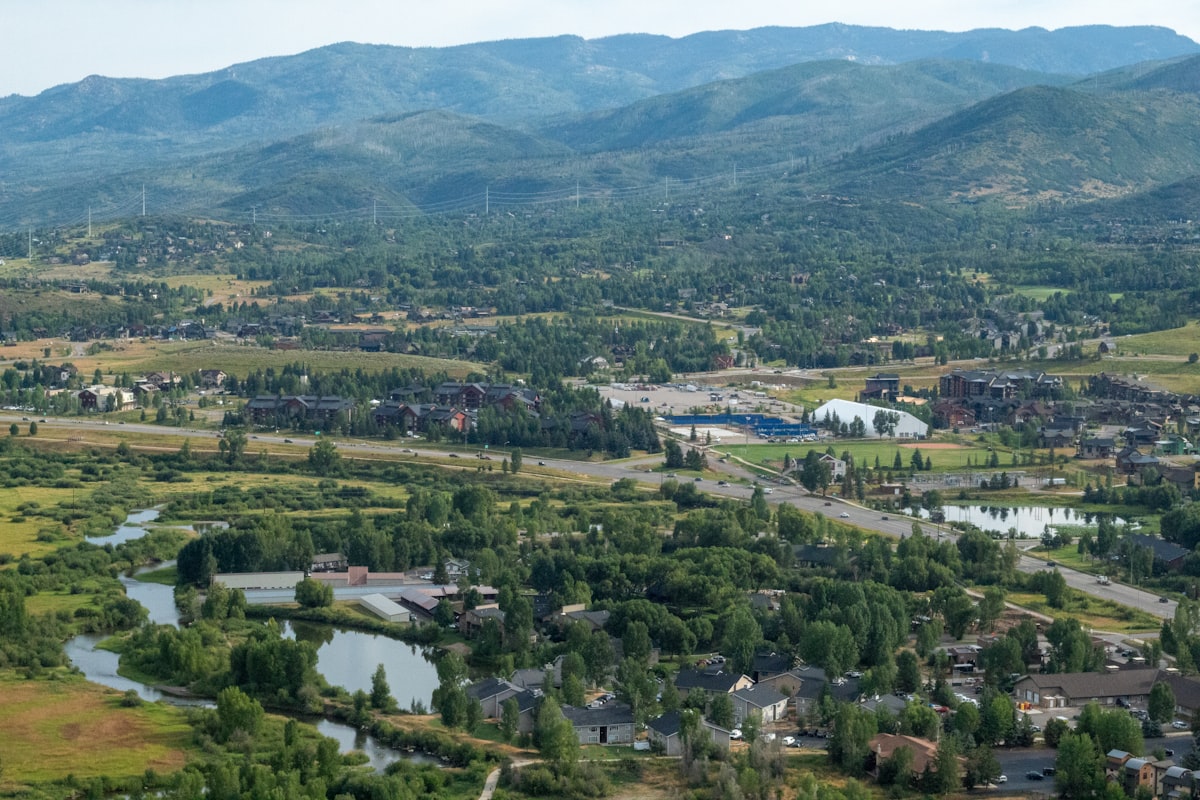

Steamboat Springs is a ski town with a fly rod habit. The Yampa River runs right down the middle of it, a nationally recognized trout tailwater sits half an hour away, and a scatter of high-country lakes, one of them full of rare arctic grayling, ring the Yampa Valley. What makes Steamboat unusual is the range: a first-timer can learn to cast on an easy stretch of river in town, a serious angler can go nymph tiny midges to picky rainbows on a world-class tailwater, and a family can troll a mountain lake for stocked trout, all in the same trip. This guide walks through each of Steamboat's waters, what lives there, how to fish it, and where a beginner should start.
For the bigger picture, the town, the outfitters, and trip planning, read our complete Steamboat Springs fishing guide. For more Colorado trout, see how to fish Pagosa Springs and Gunnison.
First: Your Colorado License
Anyone 16 or older needs a Colorado fishing license, sold by Colorado Parks & Wildlife (CPW) online at cpw.state.co.us, on the app, at fly shops in town, and at the marinas on the lakes. Non-residents can buy 1-day or 5-day licenses that suit a vacation. A couple of Steamboat-specific notes: the state-park lakes (Stagecoach, Steamboat Lake, Pearl Lake) require a daily or annual State Parks pass on top of your fishing license, and some waters carry special regulations, Pearl Lake, for instance, is artificial-flies-and-lures only with a trophy trout limit. Regulations change, so check the current CPW rules and any water-specific signs before you keep fish.
The Fish of the Yampa Valley
Steamboat is trout country, with one exotic bonus:
- Rainbow trout, the backbone of the fishery, wild and stocked; the Stagecoach tailwater is one of Colorado's premier wild-rainbow waters.
- Brown trout, abundant in the Yampa and its tributaries, bigger on average and craftier, best in fall.
- Cutthroat and cutbows, Colorado's native cutthroat and its rainbow hybrid, mixed into the rivers and thick in the high lakes.
- Brook trout, eager and colorful, common in the small creeks and alpine lakes.
- Arctic grayling, the prize of Pearl Lake, a rare, sail-finned, hard-fighting oddity you can't catch in many places in the Lower 48.
- Northern pike, the toothy surprise lurking in Stagecoach and Steamboat Lake for anglers who want something bigger.
The Yampa Through Town
Start where it's easy: the Yampa River flows right through downtown Steamboat, and much of it is public and wadeable. This in-town water is the perfect classroom, you can literally fish it on a lunch break, holding solid browns and rainbows in the runs, riffles, and pools. Fish a dry-dropper rig (a buoyant dry fly like a Parachute Adams or a hopper with a bead-head nymph hung below) through the summer, and drift nymphs like a Pheasant Tail or Hare's Ear under an indicator when nothing's rising.
One very local caveat: on hot summer afternoons the town stretch fills with tubers, and the river closes to tubing only when flows or temperatures dictate. Beat the crowd, and the heat, which stresses trout, by fishing the town water early in the morning or in the evening, and give the river a rest during the dog-days heat of the day. Above and below town, away from the tubing zone, the Yampa quiets down and fishes well with far less company.
Rigging and Indicator Setup for Pocket Water Nymph Fly FishingThe Stagecoach Tailwater: The Crown Jewel
Thirty minutes south of town, the tailwater below Stagecoach Reservoir is the water that put Steamboat on the fly-fishing map, a nationally recognized fishery that many call Colorado's best wild-rainbow stream, holding on the order of 3,000 trout per mile. The cold, steady water released from the bottom of the dam keeps the river fishable year-round, even in the dead of a Colorado winter, and grows fat, healthy rainbows and browns.
Be warned: it's a technical fishery. These are well-fed, well-educated trout in clear water, and the food is tiny. The gold standard is small stuff on light tippet, midges (in green, black, and red), Blue-Winged Olive and baetis patterns in sizes 20–24, and PMDs in summer, drifted precisely under an indicator or Euro-nymphed. Downstream into Sarvis Creek State Wildlife Area holds the most and the biggest fish (and the most people); the water just below and around town sees less pressure. If you want to level up your nymphing, this is the classroom.
The Elk River: Wild Freestone
For a change of pace from tailwater precision, the Elk River north of town is a classic Rocky Mountain freestone, tumbling pocket water, wild trout, and gorgeous scenery. It runs high and off-color during spring snowmelt runoff (roughly late May into June) and comes into its own from July through fall, when it's a joy to fish with attractor dries and dry-droppers for browns, rainbows, and brookies that aren't nearly as picky as their tailwater cousins. It's the place to just enjoy fishing a beautiful mountain river.
The Lakes: Stillwater, Grayling, and Pike
When the rivers are blown out with runoff or you simply want a different kind of day, the Yampa Valley's lakes deliver, and they're the most family-friendly water around.
- Steamboat Lake (about 45 minutes north) is a big, scenic state-park reservoir stocked with rainbow trout and holding cutthroat and pike. It's famous for its May ice-out, when 20-inch-plus rainbows cruise the shallows and can be caught from the bank. A great bait-and-spin lake for beginners and kids.
- Stagecoach Reservoir (above the tailwater) offers stocked trout plus a genuine shot at northern pike, cast big streamers or spoons along the weed edges.
- Pearl Lake State Park is the special one: managed as flies-and-lures-only with trophy regulations, it holds cutthroat and the star attraction, arctic grayling. Sight-fishing a grayling on a small dry fly or a flashy nymph is a rare treat and reason enough to make the drive.
Northern Pike: The Toothy Bonus
Most people come to Steamboat for trout, but there's a genuine big-game option hiding in the reservoirs. Northern pike, long, toothy ambush predators that can top 20 pounds, have established themselves in Stagecoach Reservoir and Steamboat Lake, and chasing them is a completely different game from delicate trout fishing. Work the weed lines, coves, and shallow flats, especially in spring when pike move shallow to spawn and feed. Throw big, flashy stuff: a large spoon like a Daredevle, a bucktail spinner, a jerkbait, or a big streamer on a heavy fly rod. Use a wire or heavy-fluorocarbon leader, a pike's teeth will shear off mono in an instant. It's a fun, arm-wrenching change of pace, and on a windy day when the trout fishing is tough, a hungry pike can save the trip. Just handle them carefully (they're all teeth) and know the regulations, since pike are managed as a non-native species in some Colorado waters.
Reading the Season: Runoff and Ice-Out
Like all of the mountain West, Steamboat's fishing calendar is ruled by snow. Spring runoff (roughly mid-May into June) swells the freestone rivers, the Yampa in town and the Elk, and blows them out for a few weeks; that's exactly when the lakes shine at ice-out and the Stagecoach tailwater, buffered by the dam, keeps fishing. As runoff clears in July, the rivers drop and clear and the summer dry-fly fishing turns on. Fall is the connoisseur's season, aggressive, spawning-colored browns, cool water, changing aspens, and thin crowds. And in winter, the tailwater fishes on while the lakes freeze for ice fishing. Match the water to the season and Steamboat gives you something to fish twelve months a year.
When to Go
- Spring (April–May): Pre-runoff windows on the rivers, then blowout, pivot to the tailwater and to lake ice-out, when Steamboat Lake gives up its biggest rainbows.
- Summer (July–August): Prime river season once runoff clears, dry-dropper fishing on the Yampa and Elk, plus the lakes and the tailwater. Fish town water early or late to dodge tubers and heat.
- Fall (September–October): The best all-around fly fishing, big aggressive browns, comfortable weather, golden aspens, fewer people.
- Winter (November–March): The Stagecoach tailwater fishes all winter for the hardy (midges and BWOs), and the lakes offer ice fishing for trout.
Gear: What to Bring
- Fly rod: A 9-foot 5-weight covers almost everything in Steamboat. The Orvis Clearwater or Redington Vice outfits are reliable, affordable rod-reel-line combos.
- Flies: For the freestone rivers, carry Parachute Adams, Elk Hair Caddis, hoppers, and bead-head Pheasant Tail and Hare's Ear nymphs. For the Stagecoach tailwater, stock small midges (green/black/red) and BWO/baetis patterns in sizes 20–24, plus light 5X–6X tippet.
- Lakes: For stillwater, add an Acme Kastmaster spoon and a Panther Martin spinner for spin anglers, PowerBait and nightcrawlers for stocked trout, and a few big streamers or spoons for pike.
- Waders and layers: Colorado rivers run cold; Simms Freestone or Redington Crosswater waders and boots keep you fishing, and mountain weather turns fast, pack layers and a rain shell. Polarized sunglasses are a must for spotting fish and safe wading.
Ice Fishing the Valley Lakes
When winter locks down the Yampa Valley, the lakes become a hard-water playground. Stagecoach Reservoir, Steamboat Lake, and Pearl Lake all freeze thick enough for ice anglers, who drill over the old channels and drop-offs for stocked and holdover rainbow trout, plus cutthroat and, at Pearl, the valley's prized arctic grayling. The setup is simple: a short ice rod, a small jigging spoon or a tungsten jig tipped with a waxworm or a piece of nightcrawler, and a flasher or basic fish finder to watch the fish come in. Pike stay active under the ice at Stagecoach, too, for anglers running tip-ups with big shiners. Ice conditions vary from year to year and even week to week, so check current reports at the local shops, never venture onto questionable ice, and carry picks and spikes. A bluebird winter day jigging trout through the ice with the ski mountain in the background is a Steamboat experience all its own.
Making It a Family Trip
Steamboat earns its name from the mineral hot springs bubbling up around town, and that gives a fishing trip a built-in reward for the whole family. The formula is easy: fish the cool morning hours, then soak tired legs at Strawberry Park Hot Springs or the in-town pools in the afternoon. For the fishing itself, point the kids at the lakes rather than the technical rivers, Steamboat Lake and Pearl Lake have marinas, rental boats, gentle shorelines, and stocked trout that a worm-and-bobber setup will reliably catch. The stocked stretches of the Yampa in town are also forgiving for a first cast. Pair a morning of nearly guaranteed action at a lake with the hot springs, the gondola, and the town's easygoing base-area scene, and you've built a trip that keeps anglers and non-anglers equally happy, a big part of why Steamboat works so well as a family fishing destination.
A Note on Access
Colorado's stream-access rules are stricter than many visitors expect, and it trips people up in the Yampa Valley, where a lot of the river runs through private ranch land. In Colorado you may fish public water and public access points, but you generally cannot wade or walk through private streambeds without permission, even if you float to them. Stick to the clearly public stretches, the in-town Yampa, the Stagecoach tailwater and Sarvis Creek SWA, the state-park lakes, and marked public access easements, and when in doubt, ask at a local fly shop, which will point you to legal water and current conditions. The shops are the single best resource in town; a ten-minute stop for a map, a few flies, and a report will save you hours and keep you on the right side of the fence.
A Word on Conservation
The wild rainbows of the Stagecoach tailwater are a Colorado treasure, one of the few strong wild-rainbow populations to survive the whirling-disease era, so treat every fish like it matters. Use barbless hooks, keep fish wet, handle them with wet hands, and revive them fully. Honor the special regs on Pearl Lake and any tailwater rules, and don't fish the town Yampa during hot afternoons when warm water and low flows stress trout. Colorado takes aquatic invasives seriously: clean, drain, and dry your waders, boots, and boat between waters to stop whirling disease and mudsnails from spreading. Pack out your line and trash, respect private land along the rivers, and leave the Yampa Valley the way you'd want to find it.